Lección 6/10 · 21 palabras · 0 aprendidas
Vital signs and physical examination
Signos vitales y examen físico
presión arterial, tensión arterial
the force of blood against the walls of the arteries, written as two numbers, such as 120/80
Her blood pressure was 150 over 95 this morning.
Su presión arterial era de 150/95 esta mañana.
Measure blood pressure after the patient has rested for five minutes.
SinónimosArterial pressureBPAntónimosHypotension (low blood pressure)termómetro
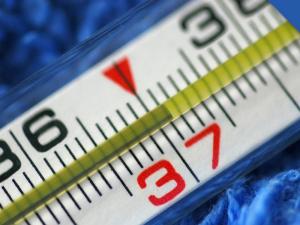
an instrument for measuring body temperature
Use a digital thermometer under the arm for young children.
Use un termómetro digital en la axila en el caso de los niños pequeños.
The nurse read the thermometer and recorded 38.2 degrees.
Sinónimostemperature gaugeheat sensorAntónimosnoneauscultación
listening to sounds inside the body, such as the heart and lungs, usually with a stethoscope
Auscultation of the chest revealed crackles at both lung bases.
La auscultación del tórax reveló crepitantes en ambas bases pulmonares.
Heart sounds were regular and normal on auscultation this morning.
Sinónimoslisteningmedical examinationphysical examinationAntónimosvisual inspectionpalpationpercussiondiastólico
relating to the moment the heart relaxes and fills with blood; the lower number in a blood pressure reading
A diastolic pressure above 90 is considered high.
Una presión diastólica superior a 90 se considera alta.
Her diastolic blood pressure was 85 at the last visit.
Sinónimoslower blood pressurerelaxation phasefilling phaseAntónimossystolicpalpación
examining the body by feeling it carefully with the hands to check organs, lumps or areas of pain
Palpation of the abdomen revealed an enlarged liver.
La palpación del abdomen reveló un hígado agrandado.
On palpation, the lump was firm and did not move.
Sinónimosfeelingexamination by touchAntónimosvisual inspectionauscultationpulso
the regular beat of blood through the arteries, felt at the wrist or neck, showing the heart rate
The nurse took his pulse at the wrist.
La enfermera le tomó el pulso en la muñeca.
Her pulse was weak and rapid when she arrived.
SinónimosbeatrhythmthrobvibrationAntónimosstillnessinactivityesfigmomanómetro, tensiómetro
a device with an inflatable cuff used to measure blood pressure
Wrap the cuff of the sphygmomanometer around the upper arm.
Coloque el brazalete del esfigmomanómetro alrededor de la parte superior del brazo.
Automatic sphygmomanometers are now used on most wards.
Sinónimosblood pressure monitorblood pressure meterBP monitorestetoscopio
an instrument used to listen to the heart, lungs and other sounds inside the body
The doctor placed the stethoscope on the child's back.
El médico colocó el estetoscopio en la espalda del niño.
Clean your stethoscope with an alcohol wipe between patients.
Sinónimosmedical instrumentauscultoscopeAntónimosNonesistólico
relating to the moment the heart contracts; the higher number in a blood pressure reading
His systolic pressure was above 180, so the doctor started treatment immediately.
Su presión sistólica superaba los 180, por lo que el médico inició el tratamiento de inmediato.
Systolic blood pressure tends to rise with age.
Sinónimoscontraction phasesystolic pressureAntónimosdiastolicfrecuencia cardíaca, ritmo cardíaco
the number of times the heart beats per minute
A normal resting heart rate for adults is 60 to 100 beats per minute.
Una frecuencia cardíaca normal en reposo para los adultos es de 60 a 100 latidos por minuto.
The monitor showed a heart rate of 130.
Sinónimospulse ratecardiac frequencyAntónimosN/Afrecuencia respiratoria
the number of breaths a person takes per minute
A respiratory rate above 30 in an adult is a warning sign.
Una frecuencia respiratoria superior a 30 en un adulto es una señal de alerta.
Count the respiratory rate for a full minute.
Sinónimosbreathing rateventilation rateexamen físico, exploración física
the part of an assessment in which the doctor checks the patient's body for signs of disease
Physical examination showed a tender, swollen right knee.
El examen físico mostró una rodilla derecha dolorosa e inflamada.
A full physical examination is done before surgery.
Sinónimosmedical check-upcheck-upmedical examinationphysicalAntónimosnonesignos vitales, constantes vitales
basic measurements of body function: temperature, pulse, breathing rate and blood pressure
The nurse checks the patient's vital signs every four hours.
La enfermera controla los signos vitales del paciente cada cuatro horas.
His vital signs were stable on arrival at the emergency department.
temperatura corporal
the degree of heat of the body, normally about 36.5 to 37.5 degrees Celsius
Body temperature can be measured in the mouth, armpit or ear.
La temperatura corporal se puede medir en la boca, la axila o el oído.
Her body temperature rose to 39.5 degrees overnight.
saturación de oxígeno
the percentage of hemoglobin in the blood that is carrying oxygen, normally 95 percent or above
Her oxygen saturation dropped to 88 percent on room air.
Su saturación de oxígeno bajó al 88 por ciento respirando aire ambiente.
Oxygen saturation is measured with a pulse oximeter on the finger.
IMC, índice de masa corporal
body mass index: a measure calculated from weight in kilograms divided by height in meters squared
His BMI of 31 puts him in the obese range.
Su IMC de 31 lo sitúa en el rango de obesidad.
The nurse recorded height, weight and BMI at the first visit.
inspección
the first step of a physical examination, in which the doctor looks carefully at the patient's body
On inspection, the patient looked pale and short of breath.
A la inspección, el paciente se veía pálido y con dificultad para respirar.
Inspection of the abdomen showed no visible swelling or scars.
percusión
tapping on the body surface with the fingers and listening to the sound to assess the organs below
Percussion of the chest gave a dull sound over the right lung.
La percusión del tórax produjo un sonido mate sobre el pulmón derecho.
The doctor used percussion to check the size of the liver.
oxímetro de pulso, pulsioxímetro
a small device clipped onto a finger that measures the oxygen level in the blood and the pulse rate
A pulse oximeter was clipped to her finger to monitor oxygen levels.
Le colocaron un oxímetro de pulso en el dedo para vigilar los niveles de oxígeno.
Many patients with COVID-19 used a pulse oximeter at home.
dolor a la palpación, sensibilidad dolorosa
pain felt when a part of the body is pressed during examination
There was tenderness in the right lower abdomen.
Había dolor a la palpación en el abdomen inferior derecho.
Rebound tenderness may indicate inflammation of the abdominal lining.
soplo cardíaco, soplo en el corazón
an unusual sound heard during a heartbeat, caused by abnormal blood flow through the heart or its valves
A heart murmur was heard during the routine check-up.
Se auscultó un soplo cardíaco durante el chequeo de rutina.
Not every heart murmur is a sign of heart disease.