Aralin 6/10 · 21 salita · 0 natutunan
Vital signs and physical examination
Mga vital sign at pisikal na pagsusuri
presyon ng dugo
the force of blood against the walls of the arteries, written as two numbers, such as 120/80
Her blood pressure was 150 over 95 this morning.
Ang presyon ng dugo niya ngayong umaga ay 150 over 95.
Measure blood pressure after the patient has rested for five minutes.
KasingkahuluganArterial pressureBPKasalungatHypotension (low blood pressure)termometro
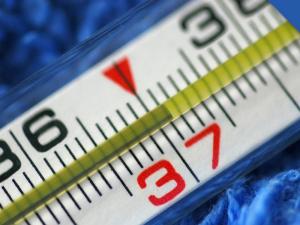
an instrument for measuring body temperature
Use a digital thermometer under the arm for young children.
Gumamit ng digital na termometro sa kili-kili para sa maliliit na bata.
The nurse read the thermometer and recorded 38.2 degrees.
Kasingkahulugantemperature gaugeheat sensorKasalungatnoneawskultasyon, pakikinig gamit ang istetoskopyo
listening to sounds inside the body, such as the heart and lungs, usually with a stethoscope
Auscultation of the chest revealed crackles at both lung bases.
Sa awskultasyon ng dibdib, may narinig na mga lagitik sa ibabang bahagi ng magkabilang baga.
Heart sounds were regular and normal on auscultation this morning.
Kasingkahuluganlisteningmedical examinationphysical examinationKasalungatvisual inspectionpalpationpercussiondiyastoliko
relating to the moment the heart relaxes and fills with blood; the lower number in a blood pressure reading
A diastolic pressure above 90 is considered high.
Ang diyastolikong presyon na lampas 90 ay itinuturing na mataas.
Her diastolic blood pressure was 85 at the last visit.
Kasingkahuluganlower blood pressurerelaxation phasefilling phaseKasalungatsystolicpalpasyon, pagkapa
examining the body by feeling it carefully with the hands to check organs, lumps or areas of pain
Palpation of the abdomen revealed an enlarged liver.
Sa palpasyon ng tiyan, natuklasang lumaki ang atay.
On palpation, the lump was firm and did not move.
Kasingkahuluganfeelingexamination by touchKasalungatvisual inspectionauscultationpulso, tibok ng pulso
the regular beat of blood through the arteries, felt at the wrist or neck, showing the heart rate
The nurse took his pulse at the wrist.
Kinuha ng nars ang kanyang pulso sa galang-kamay.
Her pulse was weak and rapid when she arrived.
KasingkahuluganbeatrhythmthrobvibrationKasalungatstillnessinactivitysphygmomanometer, panukat ng presyon ng dugo
a device with an inflatable cuff used to measure blood pressure
Wrap the cuff of the sphygmomanometer around the upper arm.
Ibalot ang cuff ng sphygmomanometer sa itaas na bahagi ng braso.
Automatic sphygmomanometers are now used on most wards.
Kasingkahuluganblood pressure monitorblood pressure meterBP monitoristetoskopyo
an instrument used to listen to the heart, lungs and other sounds inside the body
The doctor placed the stethoscope on the child's back.
Inilagay ng doktor ang istetoskopyo sa likod ng bata.
Clean your stethoscope with an alcohol wipe between patients.
Kasingkahuluganmedical instrumentauscultoscopeKasalungatNonesistoliko
relating to the moment the heart contracts; the higher number in a blood pressure reading
His systolic pressure was above 180, so the doctor started treatment immediately.
Mahigit 180 ang sistoliko niyang presyon, kaya agad na nagsimula ng paggamot ang doktor.
Systolic blood pressure tends to rise with age.
Kasingkahulugancontraction phasesystolic pressureKasalungatdiastolictibok ng puso, bilis ng tibok ng puso
the number of times the heart beats per minute
A normal resting heart rate for adults is 60 to 100 beats per minute.
Ang normal na tibok ng puso ng mga nasa hustong gulang kapag nagpapahinga ay 60 hanggang 100 tibok bawat minuto.
The monitor showed a heart rate of 130.
Kasingkahuluganpulse ratecardiac frequencyKasalungatN/Abilis ng paghinga, dalas ng paghinga
the number of breaths a person takes per minute
A respiratory rate above 30 in an adult is a warning sign.
Ang bilis ng paghinga na higit sa 30 sa isang adulto ay babalang senyales.
Count the respiratory rate for a full minute.
Kasingkahuluganbreathing rateventilation ratepisikal na pagsusuri, pisikal na eksaminasyon
the part of an assessment in which the doctor checks the patient's body for signs of disease
Physical examination showed a tender, swollen right knee.
Nagpakita ang pisikal na pagsusuri ng namamaga at masakit-hawakang kanang tuhod.
A full physical examination is done before surgery.
Kasingkahuluganmedical check-upcheck-upmedical examinationphysicalKasalungatnonemahahalagang palatandaan ng katawan
basic measurements of body function: temperature, pulse, breathing rate and blood pressure
The nurse checks the patient's vital signs every four hours.
Sinusuri ng nars ang mahahalagang palatandaan ng pasyente kada apat na oras.
His vital signs were stable on arrival at the emergency department.
temperatura ng katawan, init ng katawan
the degree of heat of the body, normally about 36.5 to 37.5 degrees Celsius
Body temperature can be measured in the mouth, armpit or ear.
Maaaring sukatin ang temperatura ng katawan sa bibig, kili-kili o tainga.
Her body temperature rose to 39.5 degrees overnight.
saturasyon ng oksiheno, antas ng oksiheno sa dugo
the percentage of hemoglobin in the blood that is carrying oxygen, normally 95 percent or above
Her oxygen saturation dropped to 88 percent on room air.
Bumaba sa 88 porsyento ang saturasyon ng oksiheno niya sa hangin sa silid.
Oxygen saturation is measured with a pulse oximeter on the finger.
BMI, indeks ng mass ng katawan
body mass index: a measure calculated from weight in kilograms divided by height in meters squared
His BMI of 31 puts him in the obese range.
Dahil sa BMI niyang 31, napapabilang siya sa saklaw ng obesidad.
The nurse recorded height, weight and BMI at the first visit.
inspeksyon, pagmamasid
the first step of a physical examination, in which the doctor looks carefully at the patient's body
On inspection, the patient looked pale and short of breath.
Sa inspeksyon, mukhang maputla at hinihingal ang pasyente.
Inspection of the abdomen showed no visible swelling or scars.
perkusyon, pagkatok
tapping on the body surface with the fingers and listening to the sound to assess the organs below
Percussion of the chest gave a dull sound over the right lung.
Ang perkusyon ng dibdib ay nagbigay ng mapurol na tunog sa kanang baga.
The doctor used percussion to check the size of the liver.
oksimetro, pulse oximeter
a small device clipped onto a finger that measures the oxygen level in the blood and the pulse rate
A pulse oximeter was clipped to her finger to monitor oxygen levels.
Nilagyan ng oksimetro ang daliri niya upang bantayan ang antas ng oksiheno.
Many patients with COVID-19 used a pulse oximeter at home.
pananakit kapag diniinan, pagkasensitibo sa diin
pain felt when a part of the body is pressed during examination
There was tenderness in the right lower abdomen.
May pananakit kapag diniinan sa kanang ibabang bahagi ng tiyan.
Rebound tenderness may indicate inflammation of the abdominal lining.
murmur sa puso, ugong sa puso
an unusual sound heard during a heartbeat, caused by abnormal blood flow through the heart or its valves
A heart murmur was heard during the routine check-up.
May narinig na murmur sa puso habang isinasagawa ang regular na check-up.
Not every heart murmur is a sign of heart disease.