Lezione 6/10 · 21 parole · 0 imparate
Vital signs and physical examination
Parametri vitali ed esame obiettivo
pressione arteriosa, pressione sanguigna
the force of blood against the walls of the arteries, written as two numbers, such as 120/80
Her blood pressure was 150 over 95 this morning.
Questa mattina la sua pressione arteriosa era 150 su 95.
Measure blood pressure after the patient has rested for five minutes.
SinonimiArterial pressureBPContrariHypotension (low blood pressure)termometro
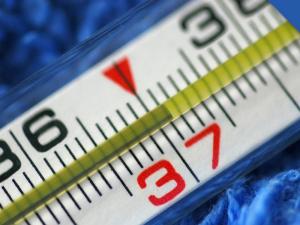
an instrument for measuring body temperature
Use a digital thermometer under the arm for young children.
Per i bambini piccoli usi un termometro digitale sotto l'ascella.
The nurse read the thermometer and recorded 38.2 degrees.
Sinonimitemperature gaugeheat sensorContrarinoneauscultazione
listening to sounds inside the body, such as the heart and lungs, usually with a stethoscope
Auscultation of the chest revealed crackles at both lung bases.
L'auscultazione del torace ha rivelato rantoli crepitanti a entrambe le basi polmonari.
Heart sounds were regular and normal on auscultation this morning.
Sinonimilisteningmedical examinationphysical examinationContrarivisual inspectionpalpationpercussiondiastolico
relating to the moment the heart relaxes and fills with blood; the lower number in a blood pressure reading
A diastolic pressure above 90 is considered high.
Una pressione diastolica superiore a 90 è considerata alta.
Her diastolic blood pressure was 85 at the last visit.
Sinonimilower blood pressurerelaxation phasefilling phaseContrarisystolicpalpazione
examining the body by feeling it carefully with the hands to check organs, lumps or areas of pain
Palpation of the abdomen revealed an enlarged liver.
La palpazione dell'addome ha rivelato un fegato ingrossato.
On palpation, the lump was firm and did not move.
Sinonimifeelingexamination by touchContrarivisual inspectionauscultationpolso
the regular beat of blood through the arteries, felt at the wrist or neck, showing the heart rate
The nurse took his pulse at the wrist.
L'infermiera gli ha misurato il polso al polso.
Her pulse was weak and rapid when she arrived.
SinonimibeatrhythmthrobvibrationContraristillnessinactivitysfigmomanometro, misuratore di pressione
a device with an inflatable cuff used to measure blood pressure
Wrap the cuff of the sphygmomanometer around the upper arm.
Avvolgere il bracciale dello sfigmomanometro attorno alla parte superiore del braccio.
Automatic sphygmomanometers are now used on most wards.
Sinonimiblood pressure monitorblood pressure meterBP monitorstetoscopio, fonendoscopio
an instrument used to listen to the heart, lungs and other sounds inside the body
The doctor placed the stethoscope on the child's back.
Il medico ha appoggiato lo stetoscopio sulla schiena del bambino.
Clean your stethoscope with an alcohol wipe between patients.
Sinonimimedical instrumentauscultoscopeContrariNonesistolico
relating to the moment the heart contracts; the higher number in a blood pressure reading
His systolic pressure was above 180, so the doctor started treatment immediately.
La sua pressione sistolica era superiore a 180, perciò il medico ha iniziato subito il trattamento.
Systolic blood pressure tends to rise with age.
Sinonimicontraction phasesystolic pressureContraridiastolicfrequenza cardiaca, battito cardiaco
the number of times the heart beats per minute
A normal resting heart rate for adults is 60 to 100 beats per minute.
Una normale frequenza cardiaca a riposo per gli adulti è di 60-100 battiti al minuto.
The monitor showed a heart rate of 130.
Sinonimipulse ratecardiac frequencyContrariN/Afrequenza respiratoria
the number of breaths a person takes per minute
A respiratory rate above 30 in an adult is a warning sign.
Una frequenza respiratoria superiore a 30 atti al minuto in un adulto è un campanello d'allarme.
Count the respiratory rate for a full minute.
Sinonimibreathing rateventilation rateesame obiettivo
the part of an assessment in which the doctor checks the patient's body for signs of disease
Physical examination showed a tender, swollen right knee.
L'esame obiettivo ha evidenziato un ginocchio destro dolente e tumefatto.
A full physical examination is done before surgery.
Sinonimimedical check-upcheck-upmedical examinationphysicalContrarinoneparametri vitali, segni vitali
basic measurements of body function: temperature, pulse, breathing rate and blood pressure
The nurse checks the patient's vital signs every four hours.
L'infermiere controlla i parametri vitali del paziente ogni quattro ore.
His vital signs were stable on arrival at the emergency department.
temperatura corporea
the degree of heat of the body, normally about 36.5 to 37.5 degrees Celsius
Body temperature can be measured in the mouth, armpit or ear.
La temperatura corporea può essere misurata in bocca, sotto l'ascella o nell'orecchio.
Her body temperature rose to 39.5 degrees overnight.
saturazione di ossigeno, saturazione dell'ossigeno
the percentage of hemoglobin in the blood that is carrying oxygen, normally 95 percent or above
Her oxygen saturation dropped to 88 percent on room air.
La sua saturazione di ossigeno è scesa all'88 percento in aria ambiente.
Oxygen saturation is measured with a pulse oximeter on the finger.
IMC, indice di massa corporea, BMI
body mass index: a measure calculated from weight in kilograms divided by height in meters squared
His BMI of 31 puts him in the obese range.
Il suo IMC di 31 lo colloca nella fascia dell'obesità.
The nurse recorded height, weight and BMI at the first visit.
ispezione
the first step of a physical examination, in which the doctor looks carefully at the patient's body
On inspection, the patient looked pale and short of breath.
All'ispezione il paziente appariva pallido e dispnoico.
Inspection of the abdomen showed no visible swelling or scars.
percussione
tapping on the body surface with the fingers and listening to the sound to assess the organs below
Percussion of the chest gave a dull sound over the right lung.
La percussione del torace ha evidenziato un suono ottuso sul polmone destro.
The doctor used percussion to check the size of the liver.
pulsossimetro
a small device clipped onto a finger that measures the oxygen level in the blood and the pulse rate
A pulse oximeter was clipped to her finger to monitor oxygen levels.
Le è stato applicato un pulsossimetro al dito per monitorare i livelli di ossigeno.
Many patients with COVID-19 used a pulse oximeter at home.
dolorabilità, dolenzia alla palpazione
pain felt when a part of the body is pressed during examination
There was tenderness in the right lower abdomen.
Si riscontrava dolorabilità nei quadranti addominali inferiori di destra.
Rebound tenderness may indicate inflammation of the abdominal lining.
soffio cardiaco, soffio al cuore
an unusual sound heard during a heartbeat, caused by abnormal blood flow through the heart or its valves
A heart murmur was heard during the routine check-up.
Durante il controllo di routine è stato rilevato un soffio cardiaco.
Not every heart murmur is a sign of heart disease.