Bài 6/10 · 21 từ · đã thuộc 0
Vital signs and physical examination
Dấu hiệu sinh tồn và thăm khám
huyết áp
the force of blood against the walls of the arteries, written as two numbers, such as 120/80
Her blood pressure was 150 over 95 this morning.
Sáng nay huyết áp của bà ấy là 150 trên 95.
Measure blood pressure after the patient has rested for five minutes.
Đo huyết áp sau khi người bệnh đã nghỉ ngơi năm phút.
Đồng nghĩaArterial pressureBPTrái nghĩaHypotension (low blood pressure)nhiệt kế
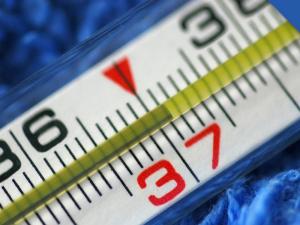
an instrument for measuring body temperature
Use a digital thermometer under the arm for young children.
Với trẻ nhỏ, hãy dùng nhiệt kế điện tử đặt ở nách.
The nurse read the thermometer and recorded 38.2 degrees.
Điều dưỡng đọc nhiệt kế và ghi 38,2 độ.
Đồng nghĩatemperature gaugeheat sensorTrái nghĩanonenghe (bằng ống nghe), thính chẩn
listening to sounds inside the body, such as the heart and lungs, usually with a stethoscope
Auscultation of the chest revealed crackles at both lung bases.
Nghe lồng ngực thấy ran nổ ở cả hai đáy phổi.
Heart sounds were regular and normal on auscultation this morning.
Sáng nay nghe tim thấy tiếng tim đều và bình thường.
Đồng nghĩalisteningmedical examinationphysical examinationTrái nghĩavisual inspectionpalpationpercussiontâm trương
relating to the moment the heart relaxes and fills with blood; the lower number in a blood pressure reading
A diastolic pressure above 90 is considered high.
Huyết áp tâm trương trên 90 được coi là cao.
Her diastolic blood pressure was 85 at the last visit.
Ở lần khám trước, huyết áp tâm trương của cô ấy là 85.
Đồng nghĩalower blood pressurerelaxation phasefilling phaseTrái nghĩasystolicsờ, sờ nắn
examining the body by feeling it carefully with the hands to check organs, lumps or areas of pain
Palpation of the abdomen revealed an enlarged liver.
Sờ bụng phát hiện gan to.
On palpation, the lump was firm and did not move.
Khi sờ, khối u chắc và không di động.
Đồng nghĩafeelingexamination by touchTrái nghĩavisual inspectionauscultationmạch
the regular beat of blood through the arteries, felt at the wrist or neck, showing the heart rate
The nurse took his pulse at the wrist.
Điều dưỡng bắt mạch ở cổ tay cho anh ấy.
Her pulse was weak and rapid when she arrived.
Khi đến viện, mạch của cô ấy nhanh và yếu.
Đồng nghĩabeatrhythmthrobvibrationTrái nghĩastillnessinactivityhuyết áp kế, máy đo huyết áp
a device with an inflatable cuff used to measure blood pressure
Wrap the cuff of the sphygmomanometer around the upper arm.
Quấn băng của huyết áp kế quanh cánh tay.
Automatic sphygmomanometers are now used on most wards.
Hiện nay hầu hết các khoa đều dùng máy đo huyết áp tự động.
Đồng nghĩablood pressure monitorblood pressure meterBP monitorống nghe
an instrument used to listen to the heart, lungs and other sounds inside the body
The doctor placed the stethoscope on the child's back.
Bác sĩ đặt ống nghe lên lưng đứa trẻ.
Clean your stethoscope with an alcohol wipe between patients.
Hãy lau ống nghe bằng khăn tẩm cồn giữa các lần khám người bệnh.
Đồng nghĩamedical instrumentauscultoscopeTrái nghĩaNonetâm thu
relating to the moment the heart contracts; the higher number in a blood pressure reading
His systolic pressure was above 180, so the doctor started treatment immediately.
Huyết áp tâm thu của ông ấy trên 180 nên bác sĩ điều trị ngay.
Systolic blood pressure tends to rise with age.
Huyết áp tâm thu thường tăng theo tuổi.
Đồng nghĩacontraction phasesystolic pressureTrái nghĩadiastolicnhịp tim, tần số tim
the number of times the heart beats per minute
A normal resting heart rate for adults is 60 to 100 beats per minute.
Nhịp tim lúc nghỉ bình thường ở người lớn là 60 đến 100 lần mỗi phút.
The monitor showed a heart rate of 130.
Máy theo dõi hiển thị nhịp tim 130 lần mỗi phút.
Đồng nghĩapulse ratecardiac frequencyTrái nghĩaN/Anhịp thở, tần số thở
the number of breaths a person takes per minute
A respiratory rate above 30 in an adult is a warning sign.
Nhịp thở trên 30 lần mỗi phút ở người lớn là dấu hiệu cảnh báo.
Count the respiratory rate for a full minute.
Hãy đếm nhịp thở trong trọn một phút.
Đồng nghĩabreathing rateventilation ratekhám thực thể, khám lâm sàng
the part of an assessment in which the doctor checks the patient's body for signs of disease
Physical examination showed a tender, swollen right knee.
Khám thực thể thấy gối phải sưng và ấn đau.
A full physical examination is done before surgery.
Người bệnh được khám thực thể toàn diện trước khi mổ.
Đồng nghĩamedical check-upcheck-upmedical examinationphysicalTrái nghĩanonedấu hiệu sinh tồn
basic measurements of body function: temperature, pulse, breathing rate and blood pressure
The nurse checks the patient's vital signs every four hours.
Điều dưỡng kiểm tra dấu hiệu sinh tồn của người bệnh bốn giờ một lần.
His vital signs were stable on arrival at the emergency department.
Dấu hiệu sinh tồn của anh ấy ổn định khi đến khoa cấp cứu.
nhiệt độ cơ thể, thân nhiệt
the degree of heat of the body, normally about 36.5 to 37.5 degrees Celsius
Body temperature can be measured in the mouth, armpit or ear.
Có thể đo nhiệt độ cơ thể ở miệng, nách hoặc tai.
Her body temperature rose to 39.5 degrees overnight.
Thân nhiệt của cô ấy tăng lên 39,5 độ trong đêm.
độ bão hòa oxy, SpO2
the percentage of hemoglobin in the blood that is carrying oxygen, normally 95 percent or above
Her oxygen saturation dropped to 88 percent on room air.
Độ bão hòa oxy của cô ấy giảm xuống 88% khi thở khí trời.
Oxygen saturation is measured with a pulse oximeter on the finger.
Độ bão hòa oxy được đo bằng máy kẹp ở đầu ngón tay.
chỉ số khối cơ thể, BMI
body mass index: a measure calculated from weight in kilograms divided by height in meters squared
His BMI of 31 puts him in the obese range.
Chỉ số BMI 31 xếp anh ấy vào nhóm béo phì.
The nurse recorded height, weight and BMI at the first visit.
Điều dưỡng ghi chiều cao, cân nặng và BMI ở lần khám đầu.
nhìn (khi khám), quan sát
the first step of a physical examination, in which the doctor looks carefully at the patient's body
On inspection, the patient looked pale and short of breath.
Khi nhìn, người bệnh có vẻ xanh xao và khó thở.
Inspection of the abdomen showed no visible swelling or scars.
Nhìn bụng không thấy chướng hay sẹo mổ cũ.
gõ (khi khám)
tapping on the body surface with the fingers and listening to the sound to assess the organs below
Percussion of the chest gave a dull sound over the right lung.
Gõ ngực thấy đục ở phổi phải.
The doctor used percussion to check the size of the liver.
Bác sĩ gõ để xác định kích thước gan.
máy đo SpO2, máy đo độ bão hòa oxy
a small device clipped onto a finger that measures the oxygen level in the blood and the pulse rate
A pulse oximeter was clipped to her finger to monitor oxygen levels.
Người ta kẹp máy đo SpO2 vào ngón tay để theo dõi nồng độ oxy của cô ấy.
Many patients with COVID-19 used a pulse oximeter at home.
Nhiều người bệnh COVID-19 đã dùng máy đo SpO2 tại nhà.
tiếng thổi ở tim, âm thổi
an unusual sound heard during a heartbeat, caused by abnormal blood flow through the heart or its valves
A heart murmur was heard during the routine check-up.
Nghe thấy tiếng thổi ở tim khi khám sức khỏe định kỳ.
Not every heart murmur is a sign of heart disease.
Không phải tiếng thổi nào ở tim cũng là dấu hiệu bệnh tim.