บทที่ 6/10 · 21 คำ · จำได้แล้ว 0
Vital signs and physical examination
สัญญาณชีพและการตรวจร่างกาย
ความดันโลหิต
the force of blood against the walls of the arteries, written as two numbers, such as 120/80
Her blood pressure was 150 over 95 this morning.
เช้านี้ความดันโลหิตของเธออยู่ที่ 150/95
Measure blood pressure after the patient has rested for five minutes.
คำพ้องความหมายArterial pressureBPคำตรงข้ามHypotension (low blood pressure)เทอร์โมมิเตอร์, ปรอทวัดไข้
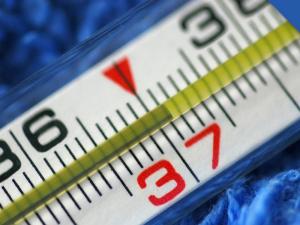
an instrument for measuring body temperature
Use a digital thermometer under the arm for young children.
สำหรับเด็กเล็ก ให้ใช้เทอร์โมมิเตอร์ดิจิทัลวัดใต้รักแร้
The nurse read the thermometer and recorded 38.2 degrees.
คำพ้องความหมายtemperature gaugeheat sensorคำตรงข้ามnoneการตรวจโดยการฟัง, การฟังเสียงอวัยวะภายใน
listening to sounds inside the body, such as the heart and lungs, usually with a stethoscope
Auscultation of the chest revealed crackles at both lung bases.
การฟังเสียงที่ทรวงอกพบเสียงกรอบแกรบที่ฐานปอดทั้งสองข้าง
Heart sounds were regular and normal on auscultation this morning.
คำพ้องความหมายlisteningmedical examinationphysical examinationคำตรงข้ามvisual inspectionpalpationpercussionช่วงหัวใจคลายตัว, ตัวล่าง
relating to the moment the heart relaxes and fills with blood; the lower number in a blood pressure reading
A diastolic pressure above 90 is considered high.
ความดันช่วงหัวใจคลายตัวที่สูงกว่า 90 ถือว่าสูง
Her diastolic blood pressure was 85 at the last visit.
คำพ้องความหมายlower blood pressurerelaxation phasefilling phaseคำตรงข้ามsystolicการคลำ, การตรวจด้วยการคลำ
examining the body by feeling it carefully with the hands to check organs, lumps or areas of pain
Palpation of the abdomen revealed an enlarged liver.
การคลำช่องท้องพบว่าตับโต
On palpation, the lump was firm and did not move.
คำพ้องความหมายfeelingexamination by touchคำตรงข้ามvisual inspectionauscultationเครื่องวัดความดันโลหิต, เครื่องวัดความดัน
a device with an inflatable cuff used to measure blood pressure
Wrap the cuff of the sphygmomanometer around the upper arm.
พันผ้าพันแขนของเครื่องวัดความดันโลหิตรอบต้นแขน
Automatic sphygmomanometers are now used on most wards.
คำพ้องความหมายblood pressure monitorblood pressure meterBP monitorหูฟังแพทย์, หูฟังทางการแพทย์
an instrument used to listen to the heart, lungs and other sounds inside the body
The doctor placed the stethoscope on the child's back.
แพทย์วางหูฟังแพทย์บนหลังของเด็ก
Clean your stethoscope with an alcohol wipe between patients.
คำพ้องความหมายmedical instrumentauscultoscopeคำตรงข้ามNoneซิสโตลิก, ตัวบน (ความดันโลหิต)
relating to the moment the heart contracts; the higher number in a blood pressure reading
His systolic pressure was above 180, so the doctor started treatment immediately.
ความดันโลหิตตัวบนของเขาสูงกว่า 180 แพทย์จึงเริ่มการรักษาทันที
Systolic blood pressure tends to rise with age.
คำพ้องความหมายcontraction phasesystolic pressureคำตรงข้ามdiastolicอัตราการเต้นของหัวใจ, อัตราชีพจร
the number of times the heart beats per minute
A normal resting heart rate for adults is 60 to 100 beats per minute.
อัตราการเต้นของหัวใจขณะพักที่ปกติในผู้ใหญ่คือ 60 ถึง 100 ครั้งต่อนาที
The monitor showed a heart rate of 130.
คำพ้องความหมายpulse ratecardiac frequencyคำตรงข้ามN/Aอัตราการหายใจ
the number of breaths a person takes per minute
A respiratory rate above 30 in an adult is a warning sign.
อัตราการหายใจของผู้ใหญ่ที่สูงกว่า 30 ครั้งต่อนาทีเป็นสัญญาณเตือน
Count the respiratory rate for a full minute.
คำพ้องความหมายbreathing rateventilation rateการตรวจร่างกาย
the part of an assessment in which the doctor checks the patient's body for signs of disease
Physical examination showed a tender, swollen right knee.
จากการตรวจร่างกายพบว่าหัวเข่าขวาบวมและกดเจ็บ
A full physical examination is done before surgery.
คำพ้องความหมายmedical check-upcheck-upmedical examinationphysicalคำตรงข้ามnoneสัญญาณชีพ
basic measurements of body function: temperature, pulse, breathing rate and blood pressure
The nurse checks the patient's vital signs every four hours.
พยาบาลตรวจวัดสัญญาณชีพของผู้ป่วยทุกสี่ชั่วโมง
His vital signs were stable on arrival at the emergency department.
อุณหภูมิร่างกาย, อุณหภูมิกาย
the degree of heat of the body, normally about 36.5 to 37.5 degrees Celsius
Body temperature can be measured in the mouth, armpit or ear.
สามารถวัดอุณหภูมิร่างกายได้ทางปาก รักแร้ หรือหู
Her body temperature rose to 39.5 degrees overnight.
ความอิ่มตัวของออกซิเจน, ค่าออกซิเจนในเลือด
the percentage of hemoglobin in the blood that is carrying oxygen, normally 95 percent or above
Her oxygen saturation dropped to 88 percent on room air.
ความอิ่มตัวของออกซิเจนของเธอลดลงเหลือ 88 เปอร์เซ็นต์เมื่อหายใจด้วยอากาศปกติ
Oxygen saturation is measured with a pulse oximeter on the finger.
การตรวจด้วยการดู, การดู, การสังเกต
the first step of a physical examination, in which the doctor looks carefully at the patient's body
On inspection, the patient looked pale and short of breath.
จากการตรวจด้วยการดู ผู้ป่วยดูซีดและหายใจหอบเหนื่อย
Inspection of the abdomen showed no visible swelling or scars.
การเคาะ, การเคาะตรวจ
tapping on the body surface with the fingers and listening to the sound to assess the organs below
Percussion of the chest gave a dull sound over the right lung.
การเคาะทรวงอกได้ยินเสียงทึบเหนือปอดข้างขวา
The doctor used percussion to check the size of the liver.
เครื่องวัดออกซิเจนปลายนิ้ว, เครื่องวัดความอิ่มตัวของออกซิเจน
a small device clipped onto a finger that measures the oxygen level in the blood and the pulse rate
A pulse oximeter was clipped to her finger to monitor oxygen levels.
มีการหนีบเครื่องวัดออกซิเจนปลายนิ้วไว้ที่นิ้วของเธอเพื่อเฝ้าติดตามระดับออกซิเจน
Many patients with COVID-19 used a pulse oximeter at home.
เสียงฟู่ของหัวใจ, เสียงฟู่หัวใจ
an unusual sound heard during a heartbeat, caused by abnormal blood flow through the heart or its valves
A heart murmur was heard during the routine check-up.
ตรวจพบเสียงฟู่ของหัวใจระหว่างการตรวจสุขภาพตามปกติ
Not every heart murmur is a sign of heart disease.