コンテンツへスキップ

レッスン4/10 · 22語 · 覚えた単語 0

Common symptoms

よくある症状

  1. 1

    cough(verb)

    /kɔːf/

    咳をする, 咳き込む

    to push air out of the lungs suddenly and noisily, often to clear the throat or airways

    Have you been coughing up any blood or phlegm?

    血や痰を咳と一緒に出したことはありますか。

    She has been coughing at night for over a month.

    類義語hackchucklebarkwhoop
    対義語silencequietstillness
  2. 2

    fever(noun)

    /ˈfiːvər/

    発熱, 熱

    a body temperature higher than normal, usually above 38 degrees Celsius, often caused by infection

    The child has had a high fever for three days.

    その子は3日間高熱が続いている。

    Paracetamol was given to bring down the fever.

    類義語pyrexiahigh temperaturetemperatureheat
    対義語hypothermiaafebrile
  3. 3

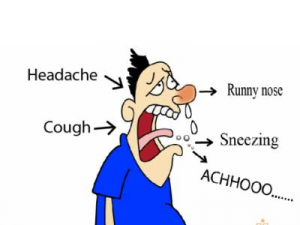
    headache(noun)

    /ˈhedeɪk/

    頭痛

    pain in any part of the head, ranging from mild to severe

    A sudden, severe headache always needs urgent assessment in hospital.

    突然の激しい頭痛は、必ず病院での緊急の評価が必要である。

    She has had a throbbing headache since yesterday.

    類義語cephalalgiamigrainehead pain
    対義語reliefcurerecoverywellness
  4. 4

    dizziness(noun)

    /ˈdɪzinəs/

    めまい

    a feeling that you are losing your balance or that things are spinning around you

    Dizziness when standing up can be caused by low blood pressure.

    立ち上がったときのめまいは、低血圧が原因である場合があります。

    She was admitted to the ward with dizziness and vomiting.

    類義語lightheadednessvertigogiddinessunsteadiness
    対義語steadinessstabilitybalanceequanimity
  5. 5

    symptom(noun)

    /ˈsɪmptəm/

    症状

    a change in the body or mind that a patient notices and that may be a sign of disease

    The most common symptoms of dengue are high fever and severe body aches.

    デング熱の最も一般的な症状は、高熱と激しい全身の痛みです。

    Tell the doctor when your symptoms first started.

    類義語signindicationmanifestationcharacteristicfeatureevidence
    対義語healthwellnesscurenormality
  6. 6

    fainting(noun)

    /feɪntɪŋ/

    失神, 気絶

    a short loss of consciousness caused by reduced blood flow to the brain; the medical term is syncope

    Fainting during exercise may point to a heart problem.

    運動中の失神は心臓の問題を示している可能性があります。

    He has had two episodes of fainting this week.

    類義語passing outblackoutsyncopeswooningcollapsing
    対義語consciousnessawarenessalertnesswakefulness
  7. 7

    constipation(noun)

    /ˌkɑːnstɪˈpeɪʃn/

    便秘

    a condition in which bowel movements are difficult or happen less often than normal

    Constipation is a common side effect of iron tablets.

    便秘は鉄剤のよくある副作用である。

    Elderly patients on bed rest often develop constipation.

    類義語irregularityobstipationfecal impaction
    対義語diarrhearegularity
  8. 8

    diarrhea(noun)

    /¸daiə´riə/

    下痢

    a condition in which bowel movements are loose or watery and happen more often than normal

    The child has had watery diarrhea five times since this morning.

    その子は今朝から水のような下痢を5回している。

    Give oral rehydration solution to replace fluids lost through diarrhea.

    類義語loose stoolsthe runsdysentery
    対義語constipation
  9. 9

    edema(noun)

    /ɪˈdiːmə/

    浮腫, むくみ

    swelling caused by too much fluid collecting in the body's tissues, often in the legs and ankles

    Leg edema is a common sign of heart failure.

    下肢の浮腫は心不全のよくみられる徴候である。

    The nurse pressed the ankle to check for pitting edema.

    類義語swellingdropsy
    対義語dehydration
  10. 10

    fatigue(noun)

    /fəˈtiːɡ/

    倦怠感, 疲労感, 疲労

    a feeling of extreme tiredness and lack of energy that does not go away with normal rest

    Fatigue and pale skin may be signs of anemia.

    倦怠感と皮膚の蒼白は、貧血の徴候であることがある。

    Many patients feel fatigue for weeks after a viral infection.

    類義語exhaustiontirednesswearinesslassitude
    対義語energyvitalitystrength
  11. 11

    jaundice(noun)

    /ˈdʒɔːndɪs/

    黄疸

    yellow color of the skin and the whites of the eyes, usually caused by liver problems

    Jaundice and dark urine suggest a liver problem.

    黄疸と濃い色の尿は、肝臓に問題があることを示唆します。

    Many newborn babies develop mild jaundice in the first week.

    類義語icterusyellowness
    対義語pallorwhiteness
  12. 12

    nausea(noun)

    /ˈnɔːziə/

    悪心, 吐き気

    the feeling that you are going to vomit

    Nausea is a common problem after general anesthesia.

    悪心は全身麻酔後によくみられる症状です。

    After the operation, he reported nausea but no vomiting.

    類義語sicknessqueasinessretching
    対義語well-beinghealth
  13. 13

    numbness(noun)

    /ˈnʌmnəs/

    しびれ, 感覚鈍麻

    loss of feeling or sensation in a part of the body

    Sudden numbness on one side of the face can be a sign of stroke.

    顔の片側に突然生じるしびれは、脳卒中の兆候である可能性があります。

    He complains of numbness and tingling in both feet.

    類義語insensibilitytorpordeadnessanaesthesia
    対義語sensitivityfeelingawareness
  14. 14

    wheezing(noun)

    /'wi:zi/

    喘鳴, ぜんめい

    a high whistling sound made when breathing through narrowed airways, common in asthma

    Wheezing was heard over both lungs during auscultation.

    聴診で両肺に喘鳴が聴取された。

    The child's wheezing improved after using the inhaler.

    類義語rattlinggaspinghissing
    対義語silentquiet
  15. 15

    weight loss(noun)

    /weɪt lɔs/

    体重減少, 体重低下

    a decrease in body weight; when it happens without trying, it may be a sign of serious disease

    Unexplained weight loss of five kilograms needs further investigation.

    原因不明の5キログラムの体重減少は、さらなる精密検査が必要です。

    He noticed significant weight loss despite eating normally every day.

    類義語SlimmingLosing weightWeight reduction
    対義語Weight gainGaining weight
  16. 16

    chills(noun)

    /tʃɪlz/

    悪寒, 寒気, 悪寒戦慄

    a feeling of being cold with shaking of the body, often occurring as a fever rises

    He came in with fever, chills and pain when passing urine.

    彼は発熱、悪寒、排尿時の痛みを訴えて来院した。

    Chills and sweating every two days can be a sign of malaria.

  17. 17

    shortness of breath(noun)

    /ˌʃɔːtnəs əv ˈbreθ/

    息切れ, 呼吸困難

    difficulty in breathing or a feeling of not getting enough air; the medical term is dyspnea

    He reports shortness of breath when climbing stairs.

    彼は階段を上るときに息切れがあると訴えている。

    Sudden shortness of breath after surgery may indicate a blood clot in the lungs.

  18. 18

    chest pain(noun)

    /ˈtʃest peɪn/

    胸痛

    pain or discomfort in the chest, which may come from the heart, lungs, muscles or stomach

    Any patient with crushing chest pain needs an ECG within ten minutes.

    締めつけるような胸痛のある患者には、10分以内に心電図検査が必要です。

    The chest pain spread to his left arm and jaw.

  19. 19

    palpitations(noun)

    /ˌpælpɪˈteɪʃnz/

    動悸

    an unpleasant awareness of the heart beating fast, hard or irregularly

    She complains of palpitations and dizziness after drinking coffee.

    彼女はコーヒーを飲んだ後に動悸とめまいを訴えている。

    Palpitations together with fainting should always be investigated urgently.

  20. 20

    abdominal pain(noun)

    /æbˌdɒmɪnl ˈpeɪn/

    腹痛

    pain felt anywhere in the area between the chest and the hips

    She has severe abdominal pain in the lower right side.

    彼女は右下腹部に激しい腹痛がある。

    Abdominal pain with fever may be a sign of appendicitis.

  21. 21

    vomiting(noun)

    /ˈvɒmɪtɪŋ/

    嘔吐

    the forceful emptying of the stomach contents out through the mouth

    Persistent vomiting can quickly cause dehydration in young children.

    嘔吐が続くと、幼い子どもはすぐに脱水を起こすことがある。

    Vomiting blood is a medical emergency that needs immediate assessment.

  22. 22

    loss of appetite(noun)

    /ˌlɒs əv ˈæpɪtaɪt/

    食欲不振, 食欲低下

    a reduced desire to eat, which often occurs with illness

    She reports loss of appetite and weight loss over two months.

    彼女は2か月にわたる食欲不振と体重減少を訴えている。

    Loss of appetite is common in patients with cancer.