บทที่ 4/10 · 22 คำ · จำได้แล้ว 0
Common symptoms
อาการที่พบบ่อย
ไข้, อาการไข้
a body temperature higher than normal, usually above 38 degrees Celsius, often caused by infection
The child has had a high fever for three days.
เด็กมีไข้สูงมาสามวันแล้ว
Paracetamol was given to bring down the fever.
คำพ้องความหมายpyrexiahigh temperaturetemperatureheatคำตรงข้ามhypothermiaafebrileปวดศีรษะ, ปวดหัว
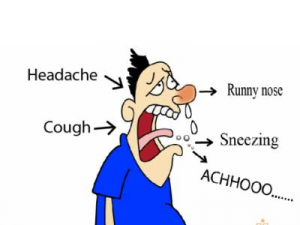
pain in any part of the head, ranging from mild to severe
A sudden, severe headache always needs urgent assessment in hospital.
อาการปวดศีรษะรุนแรงอย่างเฉียบพลันต้องได้รับการประเมินที่โรงพยาบาลโดยเร่งด่วนเสมอ
She has had a throbbing headache since yesterday.
คำพ้องความหมายcephalalgiamigrainehead painคำตรงข้ามreliefcurerecoverywellnessอาการเวียนศีรษะ, อาการวิงเวียน
a feeling that you are losing your balance or that things are spinning around you
Dizziness when standing up can be caused by low blood pressure.
อาการเวียนศีรษะเมื่อลุกขึ้นยืนอาจเกิดจากความดันโลหิตต่ำ
She was admitted to the ward with dizziness and vomiting.
คำพ้องความหมายlightheadednessvertigogiddinessunsteadinessคำตรงข้ามsteadinessstabilitybalanceequanimityอาการ, อาการแสดง
a change in the body or mind that a patient notices and that may be a sign of disease
The most common symptoms of dengue are high fever and severe body aches.
อาการที่พบบ่อยที่สุดของโรคไข้เลือดออกคือไข้สูงและปวดเมื่อยตามตัวอย่างรุนแรง
Tell the doctor when your symptoms first started.
คำพ้องความหมายsignindicationmanifestationcharacteristicfeatureevidenceคำตรงข้ามhealthwellnesscurenormalityการเป็นลม, ภาวะหมดสติชั่วคราว, ซินโคพี
a short loss of consciousness caused by reduced blood flow to the brain; the medical term is syncope
Fainting during exercise may point to a heart problem.
การเป็นลมขณะออกกำลังกายอาจบ่งชี้ถึงปัญหาเกี่ยวกับหัวใจ
He has had two episodes of fainting this week.
คำพ้องความหมายpassing outblackoutsyncopeswooningcollapsingคำตรงข้ามconsciousnessawarenessalertnesswakefulnessท้องผูก, ภาวะท้องผูก
a condition in which bowel movements are difficult or happen less often than normal
Constipation is a common side effect of iron tablets.
อาการท้องผูกเป็นผลข้างเคียงที่พบบ่อยของยาเม็ดธาตุเหล็ก
Elderly patients on bed rest often develop constipation.
คำพ้องความหมายirregularityobstipationfecal impactionคำตรงข้ามdiarrhearegularityท้องเสีย, ท้องร่วง, อุจจาระร่วง
a condition in which bowel movements are loose or watery and happen more often than normal
The child has had watery diarrhea five times since this morning.
เด็กท้องเสียถ่ายเป็นน้ำมาห้าครั้งแล้วตั้งแต่เช้านี้
Give oral rehydration solution to replace fluids lost through diarrhea.
คำพ้องความหมายloose stoolsthe runsdysenteryคำตรงข้ามconstipationอาการบวมน้ำ, ภาวะบวมน้ำ, เอดีมา
swelling caused by too much fluid collecting in the body's tissues, often in the legs and ankles
Leg edema is a common sign of heart failure.
อาการบวมน้ำที่ขาเป็นสัญญาณที่พบบ่อยของภาวะหัวใจล้มเหลว
The nurse pressed the ankle to check for pitting edema.
คำพ้องความหมายswellingdropsyคำตรงข้ามdehydrationอาการอ่อนเพลีย, ความเหนื่อยล้า
a feeling of extreme tiredness and lack of energy that does not go away with normal rest
Fatigue and pale skin may be signs of anemia.
อาการอ่อนเพลียและผิวซีดอาจเป็นสัญญาณของภาวะโลหิตจาง
Many patients feel fatigue for weeks after a viral infection.
คำพ้องความหมายexhaustiontirednesswearinesslassitudeคำตรงข้ามenergyvitalitystrengthดีซ่าน, ภาวะตัวเหลือง
yellow color of the skin and the whites of the eyes, usually caused by liver problems
Jaundice and dark urine suggest a liver problem.
ดีซ่านและปัสสาวะสีเข้มบ่งชี้ว่าอาจมีปัญหาที่ตับ
Many newborn babies develop mild jaundice in the first week.
คำพ้องความหมายicterusyellownessคำตรงข้ามpallorwhitenessอาการคลื่นไส้, คลื่นไส้
the feeling that you are going to vomit
Nausea is a common problem after general anesthesia.
อาการคลื่นไส้เป็นปัญหาที่พบบ่อยหลังการดมยาสลบ
After the operation, he reported nausea but no vomiting.
คำพ้องความหมายsicknessqueasinessretchingคำตรงข้ามwell-beinghealthอาการชา, อาการมือเท้าชา
loss of feeling or sensation in a part of the body
Sudden numbness on one side of the face can be a sign of stroke.
อาการชาที่ใบหน้าซีกเดียวอย่างฉับพลันอาจเป็นสัญญาณของโรคหลอดเลือดสมอง
He complains of numbness and tingling in both feet.
คำพ้องความหมายinsensibilitytorpordeadnessanaesthesiaคำตรงข้ามsensitivityfeelingawarenessเสียงหวีด, หายใจมีเสียงหวีด
a high whistling sound made when breathing through narrowed airways, common in asthma
Wheezing was heard over both lungs during auscultation.
ตรวจฟังเสียงปอดพบเสียงหวีดทั้งสองข้าง
The child's wheezing improved after using the inhaler.
คำพ้องความหมายrattlinggaspinghissingคำตรงข้ามsilentquietน้ำหนักลด, น้ำหนักตัวลดลง
a decrease in body weight; when it happens without trying, it may be a sign of serious disease
Unexplained weight loss of five kilograms needs further investigation.
น้ำหนักลดโดยไม่ทราบสาเหตุห้ากิโลกรัมต้องได้รับการตรวจเพิ่มเติม
He noticed significant weight loss despite eating normally every day.
คำพ้องความหมายSlimmingLosing weightWeight reductionคำตรงข้ามWeight gainGaining weightหายใจลำบาก, หายใจเหนื่อย
difficulty in breathing or a feeling of not getting enough air; the medical term is dyspnea
He reports shortness of breath when climbing stairs.
เขาบอกว่ามีอาการหายใจเหนื่อยเมื่อเดินขึ้นบันได
Sudden shortness of breath after surgery may indicate a blood clot in the lungs.
เจ็บหน้าอก, อาการปวดหน้าอก
pain or discomfort in the chest, which may come from the heart, lungs, muscles or stomach
Any patient with crushing chest pain needs an ECG within ten minutes.
ผู้ป่วยทุกรายที่มีอาการเจ็บแน่นหน้าอกรุนแรงต้องได้รับการตรวจคลื่นไฟฟ้าหัวใจภายในสิบนาที
The chest pain spread to his left arm and jaw.