Bài 4/10 · 22 từ · đã thuộc 0
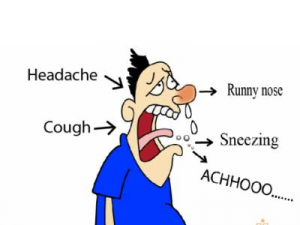
Common symptoms
Triệu chứng thường gặp
ho
to push air out of the lungs suddenly and noisily, often to clear the throat or airways
Have you been coughing up any blood or phlegm?
Anh có ho ra máu hay ra đờm không?
She has been coughing at night for over a month.
Cô ấy bị ho về đêm đã hơn một tháng.
Đồng nghĩahackchucklebarkwhoopTrái nghĩasilencequietstillnesssốt
a body temperature higher than normal, usually above 38 degrees Celsius, often caused by infection
The child has had a high fever for three days.
Đứa trẻ bị sốt cao đã ba ngày.
Paracetamol was given to bring down the fever.
Người bệnh được cho dùng paracetamol để hạ sốt.
Đồng nghĩapyrexiahigh temperaturetemperatureheatTrái nghĩahypothermiaafebrileđau đầu
pain in any part of the head, ranging from mild to severe
A sudden, severe headache always needs urgent assessment in hospital.
Đau đầu dữ dội đột ngột luôn cần được đánh giá khẩn cấp tại bệnh viện.
She has had a throbbing headache since yesterday.
Từ hôm qua cô ấy bị đau đầu kiểu mạch đập.
Đồng nghĩacephalalgiamigrainehead painTrái nghĩareliefcurerecoverywellnesschóng mặt, choáng váng
a feeling that you are losing your balance or that things are spinning around you
Dizziness when standing up can be caused by low blood pressure.
Chóng mặt khi đứng dậy có thể do huyết áp thấp.
She was admitted to the ward with dizziness and vomiting.
Cô ấy được nhập khoa vì chóng mặt và nôn.
Đồng nghĩalightheadednessvertigogiddinessunsteadinessTrái nghĩasteadinessstabilitybalanceequanimitytriệu chứng
a change in the body or mind that a patient notices and that may be a sign of disease
The most common symptoms of dengue are high fever and severe body aches.
Triệu chứng thường gặp nhất của sốt xuất huyết là sốt cao và đau nhức toàn thân.
Tell the doctor when your symptoms first started.
Hãy cho bác sĩ biết các triệu chứng bắt đầu từ khi nào.
Đồng nghĩasignindicationmanifestationcharacteristicfeatureevidenceTrái nghĩahealthwellnesscurenormalityngất, ngất xỉu
a short loss of consciousness caused by reduced blood flow to the brain; the medical term is syncope
Fainting during exercise may point to a heart problem.
Ngất khi gắng sức có thể gợi ý bệnh lý tim.
He has had two episodes of fainting this week.
Tuần này anh ấy đã bị ngất hai lần.
Đồng nghĩapassing outblackoutsyncopeswooningcollapsingTrái nghĩaconsciousnessawarenessalertnesswakefulnesstáo bón
a condition in which bowel movements are difficult or happen less often than normal
Constipation is a common side effect of iron tablets.
Táo bón là tác dụng phụ thường gặp của viên sắt.
Elderly patients on bed rest often develop constipation.
Người cao tuổi phải nằm tại giường thường bị táo bón.
Đồng nghĩairregularityobstipationfecal impactionTrái nghĩadiarrhearegularitytiêu chảy
a condition in which bowel movements are loose or watery and happen more often than normal
The child has had watery diarrhea five times since this morning.
Từ sáng đến giờ đứa trẻ đã đi ngoài phân toàn nước năm lần.
Give oral rehydration solution to replace fluids lost through diarrhea.
Cho uống dung dịch bù nước để bù lượng dịch mất do tiêu chảy.
Đồng nghĩaloose stoolsthe runsdysenteryTrái nghĩaconstipationphù
swelling caused by too much fluid collecting in the body's tissues, often in the legs and ankles
Leg edema is a common sign of heart failure.
Phù chân là dấu hiệu thường gặp của suy tim.
The nurse pressed the ankle to check for pitting edema.
Điều dưỡng ấn vào cổ chân để kiểm tra phù ấn lõm.
Đồng nghĩaswellingdropsyTrái nghĩadehydrationmệt mỏi
a feeling of extreme tiredness and lack of energy that does not go away with normal rest
Fatigue and pale skin may be signs of anemia.
Mệt mỏi và da xanh có thể là dấu hiệu thiếu máu.
Many patients feel fatigue for weeks after a viral infection.
Nhiều người bệnh thấy mệt mỏi hàng tuần sau khi nhiễm virus.
Đồng nghĩaexhaustiontirednesswearinesslassitudeTrái nghĩaenergyvitalitystrengthvàng da
yellow color of the skin and the whites of the eyes, usually caused by liver problems
Jaundice and dark urine suggest a liver problem.
Vàng da và nước tiểu sẫm màu gợi ý bệnh lý gan.
Many newborn babies develop mild jaundice in the first week.
Nhiều trẻ sơ sinh bị vàng da nhẹ trong tuần đầu.
Đồng nghĩaicterusyellownessTrái nghĩapallorwhitenessbuồn nôn
the feeling that you are going to vomit
Nausea is a common problem after general anesthesia.
Buồn nôn là vấn đề thường gặp sau gây mê toàn thân.
After the operation, he reported nausea but no vomiting.
Sau ca mổ, anh ấy khai có buồn nôn nhưng không nôn.
Đồng nghĩasicknessqueasinessretchingTrái nghĩawell-beinghealthtê, tê bì
loss of feeling or sensation in a part of the body
Sudden numbness on one side of the face can be a sign of stroke.
Tê đột ngột một bên mặt có thể là dấu hiệu đột quỵ.
He complains of numbness and tingling in both feet.
Ông ấy than bị tê bì và châm chích ở cả hai bàn chân.
Đồng nghĩainsensibilitytorpordeadnessanaesthesiaTrái nghĩasensitivityfeelingawarenessthở khò khè, tiếng rít
a high whistling sound made when breathing through narrowed airways, common in asthma
Wheezing was heard over both lungs during auscultation.
Nghe phổi thấy tiếng rít ở cả hai bên.
The child's wheezing improved after using the inhaler.
Tình trạng thở khò khè của trẻ đỡ hơn sau khi dùng bình xịt.
Đồng nghĩarattlinggaspinghissingTrái nghĩasilentquietsụt cân, giảm cân
a decrease in body weight; when it happens without trying, it may be a sign of serious disease
Unexplained weight loss of five kilograms needs further investigation.
Sụt năm ki-lô-gam không rõ nguyên nhân cần được thăm dò thêm.
He noticed significant weight loss despite eating normally every day.
Anh ấy nhận thấy mình sụt cân đáng kể dù ngày nào cũng ăn uống bình thường.
Đồng nghĩaSlimmingLosing weightWeight reductionTrái nghĩaWeight gainGaining weightớn lạnh, rét run
a feeling of being cold with shaking of the body, often occurring as a fever rises
He came in with fever, chills and pain when passing urine.
Anh ấy đến khám vì sốt, ớn lạnh và đau khi đi tiểu.
Chills and sweating every two days can be a sign of malaria.
Rét run và vã mồ hôi cách nhật có thể là dấu hiệu của sốt rét.
khó thở
difficulty in breathing or a feeling of not getting enough air; the medical term is dyspnea
He reports shortness of breath when climbing stairs.
Anh ấy khai bị khó thở khi leo cầu thang.
Sudden shortness of breath after surgery may indicate a blood clot in the lungs.
Khó thở đột ngột sau mổ có thể là dấu hiệu tắc mạch phổi do cục máu đông.
đau ngực
pain or discomfort in the chest, which may come from the heart, lungs, muscles or stomach
Any patient with crushing chest pain needs an ECG within ten minutes.
Mọi người bệnh đau ngực kiểu bóp nghẹt cần được làm điện tâm đồ trong vòng mười phút.
The chest pain spread to his left arm and jaw.
Cơn đau ngực lan ra cánh tay trái và hàm của ông ấy.
hồi hộp, đánh trống ngực
an unpleasant awareness of the heart beating fast, hard or irregularly
She complains of palpitations and dizziness after drinking coffee.
Cô ấy than bị hồi hộp và chóng mặt sau khi uống cà phê.
Palpitations together with fainting should always be investigated urgently.
Đánh trống ngực kèm ngất luôn cần được thăm dò khẩn cấp.
đau bụng
pain felt anywhere in the area between the chest and the hips
She has severe abdominal pain in the lower right side.
Cô ấy bị đau bụng dữ dội ở vùng hố chậu phải.
Abdominal pain with fever may be a sign of appendicitis.
Đau bụng kèm sốt có thể là dấu hiệu viêm ruột thừa.
nôn, nôn mửa
the forceful emptying of the stomach contents out through the mouth
Persistent vomiting can quickly cause dehydration in young children.
Nôn liên tục có thể nhanh chóng gây mất nước ở trẻ nhỏ.
Vomiting blood is a medical emergency that needs immediate assessment.
Nôn ra máu là một trường hợp cấp cứu cần được đánh giá ngay.
chán ăn, ăn kém
a reduced desire to eat, which often occurs with illness
She reports loss of appetite and weight loss over two months.
Cô ấy khai chán ăn và sụt cân trong hai tháng nay.
Loss of appetite is common in patients with cancer.
Chán ăn thường gặp ở người bệnh ung thư.