본문으로 건너뛰기

레슨 4/10 · 22단어 · 외운 단어 0

Common symptoms

흔한 증상

  1. 1

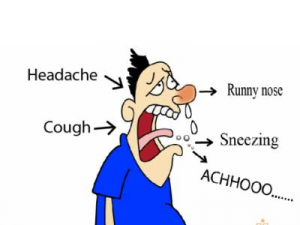
    cough(verb)

    /kɔːf/

    기침하다

    to push air out of the lungs suddenly and noisily, often to clear the throat or airways

    Have you been coughing up any blood or phlegm?

    피나 가래를 기침으로 뱉어 낸 적이 있습니까?

    She has been coughing at night for over a month.

    유의어hackchucklebarkwhoop
    반의어silencequietstillness
  2. 2

    fever(noun)

    /ˈfiːvər/

    발열, 열

    a body temperature higher than normal, usually above 38 degrees Celsius, often caused by infection

    The child has had a high fever for three days.

    그 아이는 사흘째 고열에 시달리고 있다.

    Paracetamol was given to bring down the fever.

    유의어pyrexiahigh temperaturetemperatureheat
    반의어hypothermiaafebrile
  3. 3

    headache(noun)

    /ˈhedeɪk/

    두통

    pain in any part of the head, ranging from mild to severe

    A sudden, severe headache always needs urgent assessment in hospital.

    갑작스럽고 심한 두통은 항상 병원에서 긴급한 평가가 필요하다.

    She has had a throbbing headache since yesterday.

    유의어cephalalgiamigrainehead pain
    반의어reliefcurerecoverywellness
  4. 4

    dizziness(noun)

    /ˈdɪzinəs/

    어지럼증, 현기증

    a feeling that you are losing your balance or that things are spinning around you

    Dizziness when standing up can be caused by low blood pressure.

    일어설 때의 어지럼증은 저혈압 때문일 수 있다.

    She was admitted to the ward with dizziness and vomiting.

    유의어lightheadednessvertigogiddinessunsteadiness
    반의어steadinessstabilitybalanceequanimity
  5. 5

    symptom(noun)

    /ˈsɪmptəm/

    증상

    a change in the body or mind that a patient notices and that may be a sign of disease

    The most common symptoms of dengue are high fever and severe body aches.

    뎅기열의 가장 흔한 증상은 고열과 심한 전신 근육통이다.

    Tell the doctor when your symptoms first started.

    유의어signindicationmanifestationcharacteristicfeatureevidence
    반의어healthwellnesscurenormality
  6. 6

    fainting(noun)

    /feɪntɪŋ/

    실신, 기절

    a short loss of consciousness caused by reduced blood flow to the brain; the medical term is syncope

    Fainting during exercise may point to a heart problem.

    운동 중 실신은 심장 문제를 시사할 수 있다.

    He has had two episodes of fainting this week.

    유의어passing outblackoutsyncopeswooningcollapsing
    반의어consciousnessawarenessalertnesswakefulness
  7. 7

    constipation(noun)

    /ˌkɑːnstɪˈpeɪʃn/

    변비

    a condition in which bowel movements are difficult or happen less often than normal

    Constipation is a common side effect of iron tablets.

    변비는 철분제의 흔한 부작용이다.

    Elderly patients on bed rest often develop constipation.

    유의어irregularityobstipationfecal impaction
    반의어diarrhearegularity
  8. 8

    diarrhea(noun)

    /¸daiə´riə/

    설사

    a condition in which bowel movements are loose or watery and happen more often than normal

    The child has had watery diarrhea five times since this morning.

    아이가 오늘 아침부터 물 같은 설사를 다섯 번 했다.

    Give oral rehydration solution to replace fluids lost through diarrhea.

    유의어loose stoolsthe runsdysentery
    반의어constipation
  9. 9

    edema(noun)

    /ɪˈdiːmə/

    부종

    swelling caused by too much fluid collecting in the body's tissues, often in the legs and ankles

    Leg edema is a common sign of heart failure.

    다리 부종은 심부전의 흔한 징후입니다.

    The nurse pressed the ankle to check for pitting edema.

    유의어swellingdropsy
    반의어dehydration
  10. 10

    fatigue(noun)

    /fəˈtiːɡ/

    피로, 피로감

    a feeling of extreme tiredness and lack of energy that does not go away with normal rest

    Fatigue and pale skin may be signs of anemia.

    피로와 창백한 피부는 빈혈의 징후일 수 있다.

    Many patients feel fatigue for weeks after a viral infection.

    유의어exhaustiontirednesswearinesslassitude
    반의어energyvitalitystrength
  11. 11

    jaundice(noun)

    /ˈdʒɔːndɪs/

    황달

    yellow color of the skin and the whites of the eyes, usually caused by liver problems

    Jaundice and dark urine suggest a liver problem.

    황달과 짙은 소변은 간 문제를 시사한다.

    Many newborn babies develop mild jaundice in the first week.

    유의어icterusyellowness
    반의어pallorwhiteness
  12. 12

    nausea(noun)

    /ˈnɔːziə/

    메스꺼움, 구역, 오심

    the feeling that you are going to vomit

    Nausea is a common problem after general anesthesia.

    메스꺼움은 전신마취 후에 흔히 나타나는 문제이다.

    After the operation, he reported nausea but no vomiting.

    유의어sicknessqueasinessretching
    반의어well-beinghealth
  13. 13

    numbness(noun)

    /ˈnʌmnəs/

    저림, 감각 저하, 마비감

    loss of feeling or sensation in a part of the body

    Sudden numbness on one side of the face can be a sign of stroke.

    얼굴 한쪽이 갑자기 저리고 감각이 없어지는 것은 뇌졸중의 징후일 수 있다.

    He complains of numbness and tingling in both feet.

    유의어insensibilitytorpordeadnessanaesthesia
    반의어sensitivityfeelingawareness
  14. 14

    wheezing(noun)

    /'wi:zi/

    천명, 쌕쌕거림

    a high whistling sound made when breathing through narrowed airways, common in asthma

    Wheezing was heard over both lungs during auscultation.

    청진 시 양쪽 폐에서 천명음이 들렸다.

    The child's wheezing improved after using the inhaler.

    유의어rattlinggaspinghissing
    반의어silentquiet
  15. 15

    weight loss(noun)

    /weɪt lɔs/

    체중 감소, 체중감소

    a decrease in body weight; when it happens without trying, it may be a sign of serious disease

    Unexplained weight loss of five kilograms needs further investigation.

    원인 불명의 5kg 체중 감소는 추가 검사가 필요하다.

    He noticed significant weight loss despite eating normally every day.

    유의어SlimmingLosing weightWeight reduction
    반의어Weight gainGaining weight
  16. 16

    chills(noun)

    /tʃɪlz/

    오한

    a feeling of being cold with shaking of the body, often occurring as a fever rises

    He came in with fever, chills and pain when passing urine.

    그는 발열, 오한, 배뇨통을 호소하며 내원했다.

    Chills and sweating every two days can be a sign of malaria.

  17. 17

    shortness of breath(noun)

    /ˌʃɔːtnəs əv ˈbreθ/

    호흡곤란

    difficulty in breathing or a feeling of not getting enough air; the medical term is dyspnea

    He reports shortness of breath when climbing stairs.

    그는 계단을 오를 때 호흡곤란을 호소한다.

    Sudden shortness of breath after surgery may indicate a blood clot in the lungs.

  18. 18

    chest pain(noun)

    /ˈtʃest peɪn/

    흉통, 가슴 통증

    pain or discomfort in the chest, which may come from the heart, lungs, muscles or stomach

    Any patient with crushing chest pain needs an ECG within ten minutes.

    쥐어짜는 듯한 흉통이 있는 환자는 모두 10분 이내에 심전도 검사를 받아야 한다.

    The chest pain spread to his left arm and jaw.

  19. 19

    palpitations(noun)

    /ˌpælpɪˈteɪʃnz/

    심계항진, 두근거림

    an unpleasant awareness of the heart beating fast, hard or irregularly

    She complains of palpitations and dizziness after drinking coffee.

    그녀는 커피를 마신 후 심계항진과 어지럼증을 호소한다.

    Palpitations together with fainting should always be investigated urgently.

  20. 20

    abdominal pain(noun)

    /æbˌdɒmɪnl ˈpeɪn/

    복통, 배 통증

    pain felt anywhere in the area between the chest and the hips

    She has severe abdominal pain in the lower right side.

    그녀는 오른쪽 아랫배에 심한 복통이 있다.

    Abdominal pain with fever may be a sign of appendicitis.

  21. 21

    vomiting(noun)

    /ˈvɒmɪtɪŋ/

    구토

    the forceful emptying of the stomach contents out through the mouth

    Persistent vomiting can quickly cause dehydration in young children.

    지속적인 구토는 어린 아이에게 빠르게 탈수를 일으킬 수 있다.

    Vomiting blood is a medical emergency that needs immediate assessment.

  22. 22

    loss of appetite(noun)

    /ˌlɒs əv ˈæpɪtaɪt/

    식욕부진, 식욕 감퇴

    a reduced desire to eat, which often occurs with illness

    She reports loss of appetite and weight loss over two months.

    그녀는 두 달간 식욕부진과 체중 감소를 보고하고 있다.

    Loss of appetite is common in patients with cancer.