본문으로 건너뛰기

레슨 94/202 · 22단어 · 외운 단어 0

A1 · Position & movement (1)

A1 · 위치와 움직임 (1)

  1. 1

    go(verb)

    /ɡəʊ/

    가다 (gada)

    to move or travel from one place to another

    I go to school by bus.

    나는 버스로 학교에 간다. (Naneun beoseu-ro hakgyoe ganda.)

    She has gone to China (= is now in China or is on her way there).

    유의어moveproceeddeparttravelheadadvancepassrun
    반의어stayremainstophaltwait
  2. 2

    at(preposition)

    /ət/

    에서 (eseo)

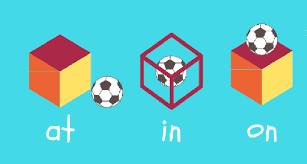
    used to say where something/somebody is or where something happens

    We plan to stay at the Sheraton Hotel.

    우리는 쉐라톤 호텔에 머물 계획입니다. (Uri-neun Sweraton Hotel-e meomul gyehoek-imnida.)

    at the corner of the street

    유의어inonnearbywithin
    반의어away fromdistant fromremote from
  3. 3

    bring(verb)

    /brɪŋ/

    가져오다 (gajeo-oda)

    to come to a place with somebody/something

    You should bring the umbrella in case it rains.

    비가 올 경우를 대비해서 우산을 가져가야 해요.

    Bring Helen a present.

    유의어takecarryfetchconveytransport
    반의어take awayremoveleavesenddepart
  4. 4

    carry(verb)

    /ˈkæri/

    나르다

    to support the weight of somebody/something and take them or it from place to place; to take somebody/something from one place to another

    The injured were carried away on stretchers.

    부상자들은 들것에 실려 옮겨졌다.

    a train carrying commuters to work

    유의어transportconveybearmovetransfer
    반의어dropleaveabandonneglect
  5. 5

    below(adverb)

    /bɪˈləʊ/

    아래에

    at or to a lower level, position or place

    I could still see the airport buildings far below.

    나는 여전히 멀리 아래에 있는 공항 건물을 볼 수 있었다.

    The passengers who felt seasick stayed below (= on a lower deck ).

    유의어underbeneathunderneathlowerdowndownward
    반의어aboveoverhigherupupward
  6. 6

    far(adverb)

    /fɑːr/

    멀리 (meolli)

    a long distance away

    My house is far from my school.

    우리 집은 학교에서 멀리 떨어져 있습니다. (Uri jibeun hakgyoeseo meolli tteoreojyeo itseumnida.)

    He looked down at the traffic far below.

    유의어distantremoteremovedoutlyingfurther
    반의어nearclosenearbyadjacent
  7. 7

    fall(verb)

    /fɔːl/

    떨어지다, 넘어지다

    to drop down from a higher level to a lower level

    Be careful not to fall on the icy steps outside.

    바깥의 얼어붙은 계단에서 넘어지지 않도록 조심해.

    유의어autumndescentdeclinedropplummet
    반의어riseascentspringsummer
  8. 8

    follow(verb)

    /ˈfɑːləʊ/

    따르다 (ttareuda)

    to come or go after or behind somebody/something

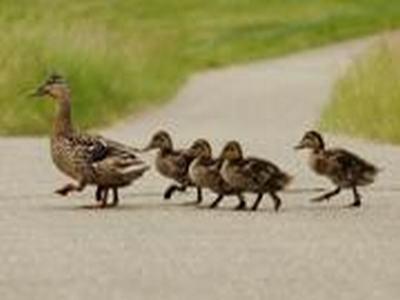
    He followed her into the house.

    그는 그녀를 따라 집 안으로 들어갔다.

    Sam walked in, with the rest of the boys following closely behind.

    유의어chasepursuetrackobeyadhere toobservecome afterresult from
    반의어leadignoredisobeyprecedeavoid
  9. 9

    between(preposition)

    /bɪˈtwiːn/

    사이에 (saie)

    in or into the space separating two or more points, objects, people, etc.

    The lion is sitting between the two lamps.

    사자가 두 램프 사이에 앉아 있습니다. (Sajaga du raempeu saie anja isseumnida.)

    I see her most weekends but not very often in between.

    유의어amongmidwaybetwixtin the middle ofseparating
    반의어outsidebeyondseparateexcluding

  10. 10

    above(preposition)

    /əˈbʌv/

    ~ 위에, ~보다 위에

    at or to a higher place or position than something/somebody

    There is a big clock above the door of our classroom.

    우리 교실 문 위에는 큰 시계가 있다.

    유의어overon top ofhigher thanoverheadaloft
    반의어belowunderbeneathunderneath
  11. 11

    away(adverb)

    /əˈweɪ/

    멀리

    to or at a distance from somebody/something in space or time

    Christmas is still months away.

    크리스마스는 아직 몇 달 남았다.

    The beach is a mile away.

    유의어distantoffgoneapartelsewhere
    반의어nearclosepresenthere
  12. 12

    come(verb)

    /kʌm/

    오다 (oda)

    to move to or towards a person or place

    They're coming to stay for a week.

    그들은 일주일 동안 머무르러 올 거예요.

    Here comes Jo! (= Jo is coming)

    유의어arriveapproachappearreachenter
    반의어goleavedepartexitdisappear
  13. 13

    across(preposition)

    /əˈkrɔːs/

    ~의 건너편에, ~의 맞은편에

    on the other side of something

    The rabbit is across the street.

    토끼는 길 건너편에 있다.

    A grin spread across her face.

    유의어overbeyondon the other side ofoppositeathwart
    반의어alongwithinnearbeside
  14. 14

    around(preposition)

    /əˈraʊnd/

    주변

    surrounding somebody/something; on each side of something

    The house is built around a central courtyard.

    그 집은 중앙 안뜰을 중심으로 지어졌습니다.

    The house is built around a central courtyard.

    유의어surroundingaboutnearapproximatelyin the vicinity of
    반의어away fromdistantfar fromoutside
  15. 15

    down(preposition)

    /daʊn/

    ~을 따라 내려가, ~ 아래로

    from a higher to a lower position along, through or on something

    The stone rolled down the hill.

    돌이 언덕 아래로 굴러 내려갔다.

    Tears ran down her face.

    유의어belowunderdownwardlowerbeneath
    반의어upaboveupwardhigher
  16. 16

    from(preposition)

    /frəm/

    부터

    used to show where somebody/something starts

    She began to walk away from him

    그녀는 그에게서 멀어지기 시작했다.

    Has the train from Bristol arrived?

    유의어originating inout ofaway fromstarting at
    반의어totowardattowards
  17. 17

    climb(verb)

    /klaɪm/

    오르다, 올라가다

    to go up something towards the top

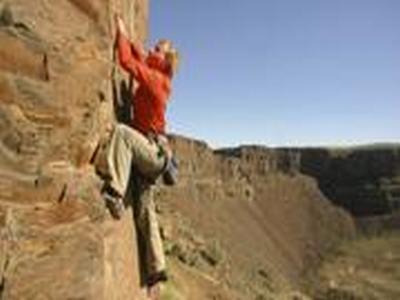
    Bears can climb trees very well to find food.

    곰은 먹이를 찾으려고 나무를 아주 잘 탄다.

    유의어ascendmountscalerisego up
    반의어descendfalldropdeclinego down
  18. 18

    front(noun)

    /frʌnt/

    앞, 앞면, 앞쪽

    the part or side of something that faces forward; the side of something that you look at first

    The front of the bus was very crowded this morning.

    오늘 아침 버스 앞쪽이 매우 붐볐다.

    유의어forwardleadingforemostanterior
    반의어backrearbehind
  19. 19

    here(adverb)

    /hɪr/

    여기

    used after a verb or preposition to mean ‘in, at or to this position or place’

    Let's get out of here

    여기서 나가자.

    Let's get out of here.

    유의어presentnearbyin this placeon the spot
    반의어thereawaydistantelsewhere
  20. 20

    in(preposition)

    /ɪn/

    안에 (ane)

    at a point within an area or a space

    The cat is sleeping in the box.

    고양이가 상자 안에 자고 있어요. (Goyang-iga sangja ane jago isseoyo.)

    유의어withininsideamongduring
    반의어outoutsidewithout
  21. 21

    behind(preposition)

    /bɪˈhaɪnd/

    뒤

    at or towards the back of somebody/something, and often hidden by it or them

    There's a cat behind the television.

    텔레비전 뒤에 고양이가 있다.

    유의어afterfollowingin back ofbeyondat the back of
    반의어in front ofaheadbefore
  22. 22

    back(adverb)

    /bæk/

    되돌아, 다시

    to or into the place, condition, etc. where somebody/something was before

    He will be back soon.

    그는 곧 돌아올 것이다.