본문으로 건너뛰기

레슨 108/202 · 30단어 · 외운 단어 0

A2 · Body & health

A2 · 신체와 건강

  1. 1

    dead(adjective)

    /ded/

    죽은

    no longer alive

    dead leaves/wood/skin

    죽은 잎/나무/피부

    The poor child looks more dead than alive.

    유의어deceasedlifelessinanimateexpireddefunct
    반의어alivelivinganimatethrivingactive
  2. 2

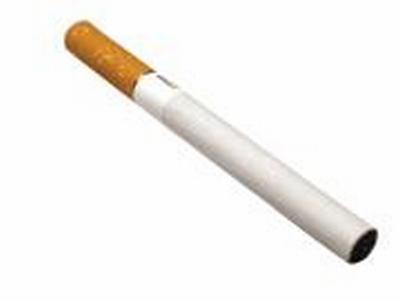
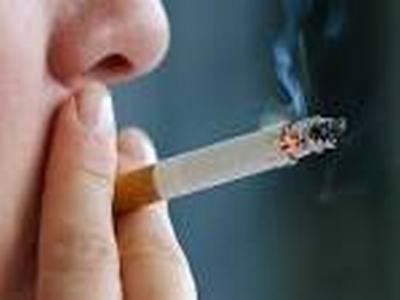
    cigarette(noun)

    /ˈsɪɡəret/

    담배

    a thin tube of paper filled with tobacco , for smoking

    a packet/pack of cigarettes

    담배 한 갑

    to light a cigarette

    유의어smokefagbuttcancer stick
    반의어none (in the direct sensebut could be 'health''fresh air')
  3. 3

    hurt(verb)

    /hɜːrt/

    아프게 하다

    to cause physical pain to somebody/yourself; to injure somebody/yourself

    My shoes hurt me because they are too small.

    신발이 너무 작아서 발이 아파요.

    People's reaction to the film has varied greatly.

    유의어achepaininjurewoundharmafflict
    반의어healcomfortsootheeasehelp
  4. 4

    alive(adjective)

    /əˈlaɪv/

    살아있는

    living; not dead

    Doctors kept the baby alive for six weeks.

    의사들은 아기를 6주 동안 살려두었다.

    We don't know whether he's alive or dead.

    유의어livingexistingbreathinganimateconsciousvigorousactivealert
    반의어deaddeceasedlifelessinanimateextinct
  5. 5

    patient(noun)

    /ˈpeɪʃnt/

    환자 (hwanja)

    a person who is receiving medical treatment, especially in a hospital

    I am a patient of Dr. Stephens; could I make an appointment to see her?

    저는 스티븐스 박사님의 환자입니다. 진료 예약할 수 있을까요? (Jeoneun Seutibeunseu baksanimui hwanjaimnida. Jillyo yeyakhal su isseulkkayo?)

    She's very patient with young children.

    유의어sick personinvalidcasesuffererclient (in some contexts)
    반의어doctorphysicianhealthy personwellness
  6. 6

    ill(adjective)

    /ɪl/

    아픈

    suffering from an illness or disease; not feeling well

    Uncle Harry is terminally ill with cancer (= he will die from his illness).

    해리 삼촌은 말기 암으로 병들어 있습니다 (= 그는 병으로 죽을 것입니다).

    She was taken ill suddenly.

    유의어sickunwellailinginfirmpoorly
    반의어healthywellfithale
  7. 7

    flu(noun)

    /fluː/

    독감

    a serious disease caused by a virus, that causes a high temperature, severe pains and weakness

    The whole family has the flu.

    온 가족이 독감에 걸렸어요.

    She's got flu.

    유의어influenzagrippe
    반의어healthwellnesswell-being
  8. 8

    death(noun)

    /deθ/

    죽음 (jugeum)

    the fact of somebody dying or being killed

    the anniversary of his wife's death

    그의 아내의 죽음 기념일 (geuui anaeui jugeum ginyeomil)

    He died a slow and painful death.

    유의어demisepassingenddeparturefatality
    반의어birthlifeexistence
  9. 9

    ankle(noun)

    /ˈæŋkl/

    발목 (balmok)

    the joint connecting the foot to the leg; the narrow part of the leg just above the ankle joint

    to sprain/break your ankle

    발목을 삐다/부러뜨리다 (balmogeul ppida/bureotteurida)

    We found ourselves ankle-deep in water (= the water came up to our ankles).

    유의어tarsushock (animal)
  10. 10

    asleep(adjective)

    /əˈsliːp/

    잠든

    sleeping

    The baby was sound asleep upstairs.

    아기는 위층에서 깊이 잠들어 있었다.

    The police found him asleep in a garage.

    유의어sleepingdozingnappingslumberingout cold
    반의어awakealertwakefulconscious
  11. 11

    fit(verb)

    /fɪt/

    맞다 (matda)

    to be the right shape and size for somebody/something

    This skirt does not fit me.

    이 치마는 나에게 맞지 않아요. (I chimaneun naege matchi anhayo.)

    I tried the dress on but it didn't fit.

    유의어suitaccommodatecorrespondconformmatchtailor
    반의어misfitunsuitablelooseill-fittingincompatible
  12. 12

    skin(noun)

    /skɪn/

    피부 (pibu)

    the layer of tissue that covers the body

    to have dark/fair/olive, etc. skin

    검은/하얀/올리브색 등의 피부를 가지다

    The snake sheds its skin once a year.

    유의어epidermisintegumenthidepelt
    반의어bodycoreinteriormiddlefleshpulpcover
  13. 13

    weak(adjective)

    /wiːk/

    약한 (yakhan)

    not physically strong

    He is still weak after the flu.

    그는 독감 후에도 여전히 약하다. (Geuneun dokgam huedo yeojeonhi yakada.)

    She is still weak after her illness.

    유의어feeblefrailfragileinfirmpowerlessvulnerabledelicate
    반의어strongpowerfulrobustvigoroushealthytough
  14. 14

    medical(adjective)

    /ˈmedɪkl/

    의료의

    connected with illness and injury and their treatment

    Medical advances surely help us to live longer.

    의학의 발전은 확실히 우리가 더 오래 살도록 도와줍니다.

    a medical student/school

    유의어clinicalmedicinaltherapeutichealingpharmaceutical
    반의어nonmedicallayholisticalternative
  15. 15

    blood(noun)

    /blʌd/

    피, 혈액

    the red liquid that flows through the bodies of humans and animals

    The nurse took a small amount of blood from my arm.

    간호사가 내 팔에서 소량의 피를 뽑았다.

    유의어gorevital fluidlifeblood
    반의어lymphwater
  16. 16

    dentist(noun)

    /ˈdentɪst/

    치과의사 (chigwa uisa)

    a person whose job is to take care of people’s teeth

    A dentist's job is taking care of people's teeth.

    치과의사의 일은 사람들의 치아를 관리하는 것입니다. (chigwa uisa ui ireun saramdeul-ui chialeul gwanlihaneun geosimnida.)

    That's definite then, is it?

    유의어tooth doctordental surgeonoral surgeon
    반의어patient
  17. 17

    knee(noun)

    /niː/

    무릎 (mureup)

    the joint between the top and bottom parts of the leg where it bends in the middle

    She often sits on her father’s knee while he reads her a story.

    그녀는 아버지가 이야기를 읽어주는 동안 종종 아버지의 무릎에 앉습니다.

    I grazed my knee when I fell.

    유의어genuknee joint
  18. 18

    finger(noun)

    /ˈfɪŋɡər/

    손가락 (songarak)

    one of the four long thin parts that stick out from the hand (or five, if the thumb is included)

    She has very long fingers.

    그녀는 손가락이 매우 길다.

    He was about to speak but she raised a finger to her lips.

    유의어digitphalange
    반의어palmhand
  19. 19

    virus(noun)

    /ˈvaɪrəs/

    바이러스

    a living thing, too small to be seen without a microscope , that causes disease in people, animals and plants

    The doctor said my fever was caused by a virus.

    의사는 내 열이 바이러스 때문이라고 말했다.

    유의어malwareinfectionbugTrojan horseworm
    반의어cleansterileprotectedsecure
  20. 20

    physical(adjective)

    /ˈfɪzɪkl/

    신체의, 육체의

    connected with a person’s body rather than their mind

    physical fitness

    체력

    He tends to avoid all physical contact.

    유의어bodilycorporaltangiblematerialreal
    반의어mentalspiritualintellectualemotionalimmaterial
  21. 21

    brain(noun)

    /breɪn/

    뇌 (noe)

    the organ inside the head that controls movement, thought, memory and feeling

    Our brain is responsible for a lot of functions.

    우리 뇌는 많은 기능을 담당합니다. (uri noeneun maneun gineungeul damdanghamnida.)

    brain cells

    유의어mindintellectgrey matterencephalon
    반의어bodymusclephysicality
  22. 22

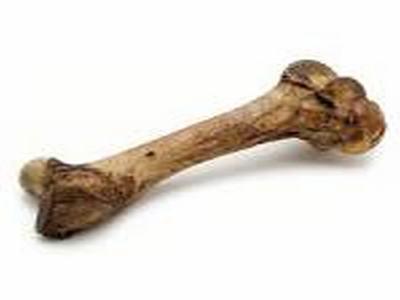
    bone(noun)

    /bəʊn/

    뼈 (ppyeo)

    any of the hard parts that form the skeleton of the body of a human or an animal

    The dog was gnawing at a bone.

    개가 뼈를 갉아먹고 있었다. (gaega ppyeoreul galgeomeokgo isseotda.)

    He survived the accident with no broken bones.

    유의어skeletonosseous tissueivory
    반의어cartilagefleshmuscle
  23. 23

    injury(noun)

    /ˈɪndʒəri/

    부상

    harm done to a person’s or an animal’s body, for example in an accident

    to sustain injuries/an injury

    부상을 입다

    a head injury

    유의어woundtraumadamageharmhurtailment
    반의어healingrecoveryhealthwellness
  24. 24

    shoulder(noun)

    /ˈʃəʊldər/

    어깨 (eokkae)

    either of the two parts of the body between the top of each arm and the neck

    He carried the child on his shoulders.

    그는 아이를 어깨에 업고 갔다. (Geuneun aireul eokkaee eopgo gatda.)

    She tapped him on the shoulder.

    유의어upper backneckburdenresponsibility
    반의어backfootavoidevade
  25. 25

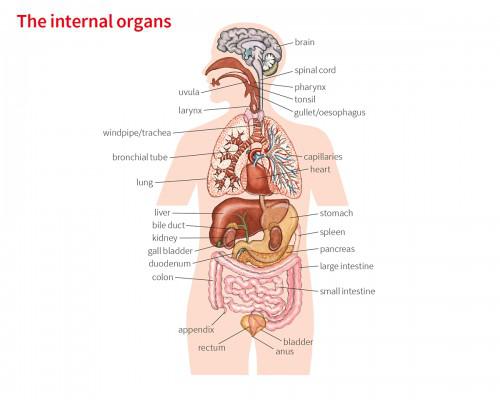
    stomach(noun)

    /ˈstʌmək/

    위, 위장

    the muscular bag-shaped organ where food is stored and partly digested by acid and enzymes

    The stomach produces acid that helps to digest proteins.

    위는 단백질 소화를 돕는 위산을 분비한다.

    Endoscopy revealed an ulcer in the lining of the stomach.

    유의어bellyabdomentummygutpaunch
    반의어nothing (related to lack of stomach issues/concerns)health (related to stomach health)
  26. 26

    energy(noun)

    /ˈenərdʒi/

    에너지

    the strength, effort and enthusiasm required for physical or mental activity, work, etc.

    I didn't even have the energy to get out of bed.

    침대에서 나올 기운조차 없었어요.

    It's a waste of time and energy.

    유의어powervigorvitalitystrengthforcedrive
    반의어apathylethargyweaknessinactivity
  27. 27

    smoking(noun)

    /ˈsməʊkɪŋ/

    흡연

    the activity or habit of smoking cigarettes, etc.

    Would you like smoking or non-smoking?

    흡연석으로 하시겠습니까, 금연석으로 하시겠습니까?

    He's trying to give up smoking.

    유의어puffinginhalinglighting uptobacco usevaping
    반의어non-smokingabstainingquittingnon-combustible
  28. 28

    pain(noun)

    /peɪn/

    고통 (gotong)

    the feelings that you have in your body when you have been hurt or when you are ill

    This cream helps to relieve the pain.

    이 크림은 통증을 완화하는 데 도움이 됩니다. (I keurimeun tongjeungeul wanwahaneun de doumi doemni da.)

    유의어acheagonydiscomforthurtsufferingsorenessanguishdistress
    반의어comforteasereliefpleasurewell-beingjoy
  29. 29

    neck(noun)

    /nek/

    목 (mok)

    the part of the body between the head and the shoulders

    The boy keeps the key on a string around his neck.

    그 소년은 목에 끈으로 열쇠를 매달고 다닌다.

    유의어napethroatscruff
  30. 30

    illness(noun)

    /ˈɪlnəs/

    질병

    the state of being physically or mentally ill

    She was absent from work due to illness.

    그녀는 질병 때문에 결근했다.

    유의어sicknessdiseaseailment
    반의어healthwellness