コンテンツへスキップ

レッスン108/202 · 30語 · 覚えた単語 0

A2 · Body & health

A2 · 体と健康

  1. 1

    dead(adjective)

    /ded/

    死んだ

    no longer alive

    dead leaves/wood/skin

    枯葉/枯れ木/死んだ皮膚

    The poor child looks more dead than alive.

    類義語deceasedlifelessinanimateexpireddefunct
    対義語alivelivinganimatethrivingactive
  2. 2

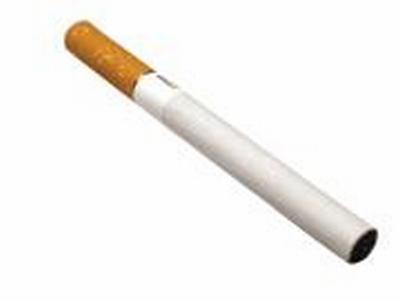
    cigarette(noun)

    /ˈsɪɡəret/

    タバコ

    a thin tube of paper filled with tobacco , for smoking

    a packet/pack of cigarettes

    タバコのパック

    to light a cigarette

    類義語smokefagbuttcancer stick
    対義語none (in the direct sensebut could be 'health''fresh air')
  3. 3

    hurt(verb)

    /hɜːrt/

    痛める

    to cause physical pain to somebody/yourself; to injure somebody/yourself

    My shoes hurt me because they are too small.

    靴が小さすぎるので、足が痛い。

    People's reaction to the film has varied greatly.

    類義語achepaininjurewoundharmafflict
    対義語healcomfortsootheeasehelp
  4. 4

    alive(adjective)

    /əˈlaɪv/

    生きている

    living; not dead

    Doctors kept the baby alive for six weeks.

    医師たちは赤ちゃんを6週間生かしておいた。

    We don't know whether he's alive or dead.

    類義語livingexistingbreathinganimateconsciousvigorousactivealert
    対義語deaddeceasedlifelessinanimateextinct
  5. 5

    patient(noun)

    /ˈpeɪʃnt/

    患者 (kanja)

    a person who is receiving medical treatment, especially in a hospital

    I am a patient of Dr. Stephens; could I make an appointment to see her?

    私はスティーブンス先生の患者です。診察の予約はできますか?(Watashi wa Sutiibunsu sensei no kanja desu. Shinsatsu no yoyaku wa dekimasu ka?)

    She's very patient with young children.

    類義語sick personinvalidcasesuffererclient (in some contexts)
    対義語doctorphysicianhealthy personwellness
  6. 6

    ill(adjective)

    /ɪl/

    病気

    suffering from an illness or disease; not feeling well

    Uncle Harry is terminally ill with cancer (= he will die from his illness).

    ハリーおじさんは末期がんで重病です (= 彼は病気で亡くなります)。

    She was taken ill suddenly.

    類義語sickunwellailinginfirmpoorly
    対義語healthywellfithale
  7. 7

    flu(noun)

    /fluː/

    インフルエンザ

    a serious disease caused by a virus, that causes a high temperature, severe pains and weakness

    The whole family has the flu.

    家族全員がインフルエンザにかかっています。

    She's got flu.

    類義語influenzagrippe
    対義語healthwellnesswell-being
  8. 8

    death(noun)

    /deθ/

    死 (shi)

    the fact of somebody dying or being killed

    the anniversary of his wife's death

    彼の妻の命日 (kare no tsuma no meinichi)

    He died a slow and painful death.

    類義語demisepassingenddeparturefatality
    対義語birthlifeexistence
  9. 9

    ankle(noun)

    /ˈæŋkl/

    足首 (ashikubi)

    the joint connecting the foot to the leg; the narrow part of the leg just above the ankle joint

    to sprain/break your ankle

    足首を捻挫する/骨折する (ashikubi wo nenza suru/kossetsu suru)

    We found ourselves ankle-deep in water (= the water came up to our ankles).

    類義語tarsushock (animal)
  10. 10

    asleep(adjective)

    /əˈsliːp/

    眠っている

    sleeping

    The baby was sound asleep upstairs.

    赤ちゃんは二階でぐっすり眠っていた。

    The police found him asleep in a garage.

    類義語sleepingdozingnappingslumberingout cold
    対義語awakealertwakefulconscious
  11. 11

    fit(verb)

    /fɪt/

    合う (au)

    to be the right shape and size for somebody/something

    This skirt does not fit me.

    このスカートは私に合いません。(Kono sukaato wa watashi ni aimasen.)

    I tried the dress on but it didn't fit.

    類義語suitaccommodatecorrespondconformmatchtailor
    対義語misfitunsuitablelooseill-fittingincompatible
  12. 12

    skin(noun)

    /skɪn/

    肌 (hada)

    the layer of tissue that covers the body

    to have dark/fair/olive, etc. skin

    肌が黒い/白い/オリーブ色など

    The snake sheds its skin once a year.

    類義語epidermisintegumenthidepelt
    対義語bodycoreinteriormiddlefleshpulpcover
  13. 13

    weak(adjective)

    /wiːk/

    弱い (yowai)

    not physically strong

    He is still weak after the flu.

    彼はインフルエンザの後でまだ弱いです。(Kare wa infuruenza no ato de mada yowai desu.)

    She is still weak after her illness.

    類義語feeblefrailfragileinfirmpowerlessvulnerabledelicate
    対義語strongpowerfulrobustvigoroushealthytough
  14. 14

    medical(adjective)

    /ˈmedɪkl/

    医療の

    connected with illness and injury and their treatment

    Medical advances surely help us to live longer.

    医学の進歩は確かに私たちがより長く生きるのに役立ちます。

    a medical student/school

    類義語clinicalmedicinaltherapeutichealingpharmaceutical
    対義語nonmedicallayholisticalternative
  15. 15

    blood(noun)

    /blʌd/

    血, 血液

    the red liquid that flows through the bodies of humans and animals

    The nurse took a small amount of blood from my arm.

    看護師は私の腕から少量の血を採った。

    類義語gorevital fluidlifeblood
    対義語lymphwater
  16. 16

    dentist(noun)

    /ˈdentɪst/

    歯科医 (shikai)

    a person whose job is to take care of people’s teeth

    A dentist's job is taking care of people's teeth.

    歯科医の仕事は人々の歯の世話をすることです。(Shikai no shigoto wa hitobito no ha no sewa o suru koto desu.)

    That's definite then, is it?

    類義語tooth doctordental surgeonoral surgeon
    対義語patient
  17. 17

    knee(noun)

    /niː/

    膝 (hiza)

    the joint between the top and bottom parts of the leg where it bends in the middle

    She often sits on her father’s knee while he reads her a story.

    彼女は父が物語を読んでくれる間、よく父の膝の上に座ります。

    I grazed my knee when I fell.

    類義語genuknee joint
  18. 18

    finger(noun)

    /ˈfɪŋɡər/

    指 (yubi)

    one of the four long thin parts that stick out from the hand (or five, if the thumb is included)

    She has very long fingers.

    彼女はとても長い指をしている。

    He was about to speak but she raised a finger to her lips.

    類義語digitphalange
    対義語palmhand
  19. 19

    virus(noun)

    /ˈvaɪrəs/

    ウイルス, 病原体

    a living thing, too small to be seen without a microscope , that causes disease in people, animals and plants

    The doctor said my fever was caused by a virus.

    医者は私の熱はウイルスが原因だと言いました。

    類義語malwareinfectionbugTrojan horseworm
    対義語cleansterileprotectedsecure
  20. 20

    physical(adjective)

    /ˈfɪzɪkl/

    身体の, 肉体の

    connected with a person’s body rather than their mind

    physical fitness

    体力

    He tends to avoid all physical contact.

    類義語bodilycorporaltangiblematerialreal
    対義語mentalspiritualintellectualemotionalimmaterial
  21. 21

    brain(noun)

    /breɪn/

    脳 (nou)

    the organ inside the head that controls movement, thought, memory and feeling

    Our brain is responsible for a lot of functions.

    私たちの脳は多くの機能に責任があります。(watashitachi no nou wa ooku no kinou ni sekinin ga arimasu.)

    brain cells

    類義語mindintellectgrey matterencephalon
    対義語bodymusclephysicality
  22. 22

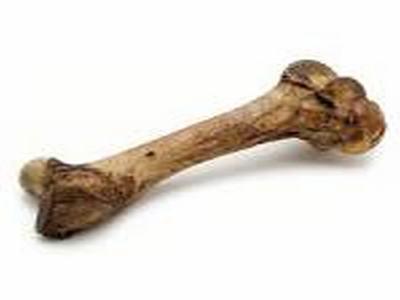
    bone(noun)

    /bəʊn/

    骨 (hone)

    any of the hard parts that form the skeleton of the body of a human or an animal

    The dog was gnawing at a bone.

    犬は骨をかじっていた。(Inu wa hone o kajitte ita.)

    He survived the accident with no broken bones.

    類義語skeletonosseous tissueivory
    対義語cartilagefleshmuscle
  23. 23

    injury(noun)

    /ˈɪndʒəri/

    負傷

    harm done to a person’s or an animal’s body, for example in an accident

    to sustain injuries/an injury

    怪我をする

    a head injury

    類義語woundtraumadamageharmhurtailment
    対義語healingrecoveryhealthwellness
  24. 24

    shoulder(noun)

    /ˈʃəʊldər/

    肩 (kata)

    either of the two parts of the body between the top of each arm and the neck

    He carried the child on his shoulders.

    彼は肩に子供を乗せて運んだ。(Kare wa kata ni kodomo o nosete hakonda.)

    She tapped him on the shoulder.

    類義語upper backneckburdenresponsibility
    対義語backfootavoidevade
  25. 25

    stomach(noun)

    /ˈstʌmək/

    胃

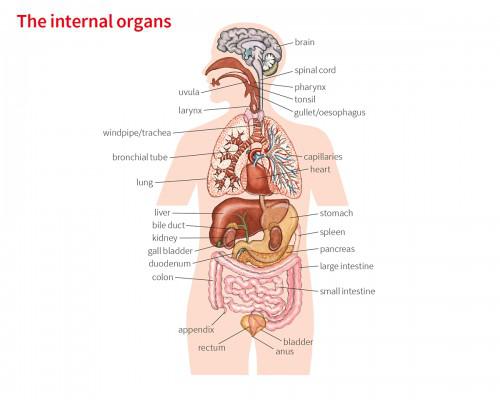
    the muscular bag-shaped organ where food is stored and partly digested by acid and enzymes

    The stomach produces acid that helps to digest proteins.

    胃はタンパク質の消化を助ける胃酸を分泌する。

    Endoscopy revealed an ulcer in the lining of the stomach.

    類義語bellyabdomentummygutpaunch
    対義語nothing (related to lack of stomach issues/concerns)health (related to stomach health)
  26. 26

    energy(noun)

    /ˈenərdʒi/

    エネルギー

    the strength, effort and enthusiasm required for physical or mental activity, work, etc.

    I didn't even have the energy to get out of bed.

    ベッドから起き上がるエネルギーすらなかった。

    It's a waste of time and energy.

    類義語powervigorvitalitystrengthforcedrive
    対義語apathylethargyweaknessinactivity
  27. 27

    smoking(noun)

    /ˈsməʊkɪŋ/

    喫煙

    the activity or habit of smoking cigarettes, etc.

    Would you like smoking or non-smoking?

    喫煙席と禁煙席どちらがよろしいですか?

    He's trying to give up smoking.

    類義語puffinginhalinglighting uptobacco usevaping
    対義語non-smokingabstainingquittingnon-combustible
  28. 28

    pain(noun)

    /peɪn/

    痛み (itami)

    the feelings that you have in your body when you have been hurt or when you are ill

    This cream helps to relieve the pain.

    このクリームは痛みを和らげるのに役立ちます。(Kono kuriimu wa itami o yawarageru no ni yakudachimasu.)

    類義語acheagonydiscomforthurtsufferingsorenessanguishdistress
    対義語comforteasereliefpleasurewell-beingjoy
  29. 29

    neck(noun)

    /nek/

    首 (kubi)

    the part of the body between the head and the shoulders

    The boy keeps the key on a string around his neck.

    少年は首にかけた紐に鍵を付けている。

    類義語napethroatscruff
  30. 30

    illness(noun)

    /ˈɪlnəs/

    病気

    the state of being physically or mentally ill

    She was absent from work due to illness.

    彼女は病気で仕事を休みました。

    類義語sicknessdiseaseailment
    対義語healthwellness