Bài 108/202 · 30 từ · đã thuộc 0
A2 · Body & health
A2 · Cơ thể & sức khỏe
làm bị thương, làm đau
to cause physical pain to somebody/yourself; to injure somebody/yourself
My shoes hurt me because they are too small.
Đôi giày làm tớ đau vì chúng quá nhỏ.
People's reaction to the film has varied greatly.
Phản ứng của mọi người đối với bộ phim đã thay đổi rất nhiều.
Đồng nghĩaachepaininjurewoundharmafflictTrái nghĩahealcomfortsootheeasehelpsống, còn sống
living; not dead
Doctors kept the baby alive for six weeks.
Các bác sĩ giữ cho em bé sống trong sáu tuần.
We don't know whether he's alive or dead.
Chúng tôi không biết liệu anh ấy còn sống hay chết.
Đồng nghĩalivingexistingbreathinganimateconsciousvigorousactivealertTrái nghĩadeaddeceasedlifelessinanimateextinctbệnh nhân
a person who is receiving medical treatment, especially in a hospital
I am a patient of Dr. Stephens; could I make an appointment to see her?
Tôi là một bệnh nhân của bác sĩ Stephens, tôi có thể hẹn gặp bà ấy được không?
She's very patient with young children.
Cô ấy rất kiên nhẫn với trẻ nhỏ.
Đồng nghĩasick personinvalidcasesuffererclient (in some contexts)Trái nghĩadoctorphysicianhealthy personwellnessđau, ốm; không khỏe
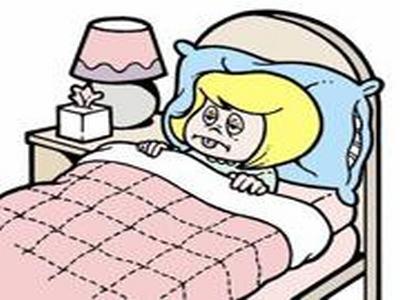
suffering from an illness or disease; not feeling well
Uncle Harry is terminally ill with cancer (= he will die from his illness).
Chú Harry bị bệnh niêm mạc (= anh ta sẽ chết vì bệnh của mình).
She was taken ill suddenly.
Cô bị ốm đột ngột.
Đồng nghĩasickunwellailinginfirmpoorlyTrái nghĩahealthywellfithalecổ chân
the joint connecting the foot to the leg; the narrow part of the leg just above the ankle joint
to sprain/break your ankle
để bong gân / phá vỡ mắt cá chân của bạn
We found ourselves ankle-deep in water (= the water came up to our ankles).
Chúng tôi thấy mình mắt cá chân sâu trong nước (= nước đến mắt cá chân của chúng tôi).
Đồng nghĩatarsushock (animal)ngủ, đang ngủ
sleeping
The baby was sound asleep upstairs.
Em bé nghe có vẻ ngủ thiếp đi (= ngủ sâu) trên lầu.
The police found him asleep in a garage.
Cảnh sát thấy anh đang ngủ trong một nhà để xe.
Đồng nghĩasleepingdozingnappingslumberingout coldTrái nghĩaawakealertwakefulconscioushợp, vừa
to be the right shape and size for somebody/something
This skirt does not fit me.
Chiếc váy này không phù hợp với tôi.
I tried the dress on but it didn't fit.
Tôi đã thử chiếc váy nhưng nó không phù hợp.
Đồng nghĩasuitaccommodatecorrespondconformmatchtailorTrái nghĩamisfitunsuitablelooseill-fittingincompatibleyếu, yếu ớt
not physically strong
He is still weak after the flu.
Anh ấy vẫn còn yếu sau khi bị cảm cúm.
She is still weak after her illness.
Cô vẫn còn yếu sau khi bị bệnh.
Đồng nghĩafeeblefrailfragileinfirmpowerlessvulnerabledelicateTrái nghĩastrongpowerfulrobustvigoroushealthytoughthuộc y học
connected with illness and injury and their treatment
Medical advances surely help us to live longer.
Sự tiến bộ của y học chắc chắn sẽ giúp chúng ta sống lâu hơn.
a medical student/school
một sinh viên y khoa / trường học
Đồng nghĩaclinicalmedicinaltherapeutichealingpharmaceuticalTrái nghĩanonmedicallayholisticalternativenha sĩ
a person whose job is to take care of people’s teeth
A dentist's job is taking care of people's teeth.
Công việc của một nha sĩ là chăm sóc răng cho mọi người.
That's definite then, is it?
Đó là xác định sau đó, phải không?
Đồng nghĩatooth doctordental surgeonoral surgeonTrái nghĩapatientđầu gối
the joint between the top and bottom parts of the leg where it bends in the middle
She often sits on her father’s knee while he reads her a story.
Cô bé thường ngồi trên đầu gối cha mình khi ông đọc truyện cho cô bé.
I grazed my knee when I fell.
Tôi gặm đầu gối của tôi khi tôi ngã.
Đồng nghĩagenuknee jointngón tay
one of the four long thin parts that stick out from the hand (or five, if the thumb is included)
She has very long fingers.
Cô ấy có những ngón tay rất dài.
He was about to speak but she raised a finger to her lips.
Anh chuẩn bị nói nhưng cô giơ một ngón tay lên môi.
Đồng nghĩadigitphalangeTrái nghĩapalmhandvi-rút
a living thing, too small to be seen without a microscope , that causes disease in people, animals and plants
The doctor said my fever was caused by a virus.
Bác sĩ nói cơn sốt của tôi là do vi-rút gây ra.
Đồng nghĩamalwareinfectionbugTrojan horsewormTrái nghĩacleansterileprotectedsecure(thuộc) thể chất
connected with a person’s body rather than their mind
physical fitness
thể dục thể chất
He tends to avoid all physical contact.
Anh ta có xu hướng tránh tất cả các tiếp xúc vật lý.
Đồng nghĩabodilycorporaltangiblematerialrealTrái nghĩamentalspiritualintellectualemotionalimmaterialxương
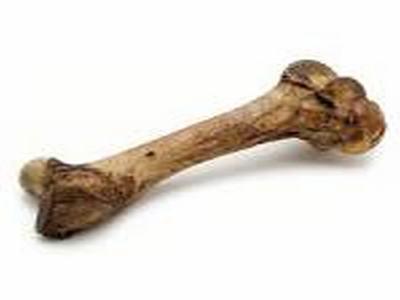
any of the hard parts that form the skeleton of the body of a human or an animal
The dog was gnawing at a bone.
Con chó đang gặm nhấm xương.
He survived the accident with no broken bones.
Anh ta sống sót sau tai nạn mà không bị gãy xương.
Đồng nghĩaskeletonosseous tissueivoryTrái nghĩacartilagefleshmuscledạ dày
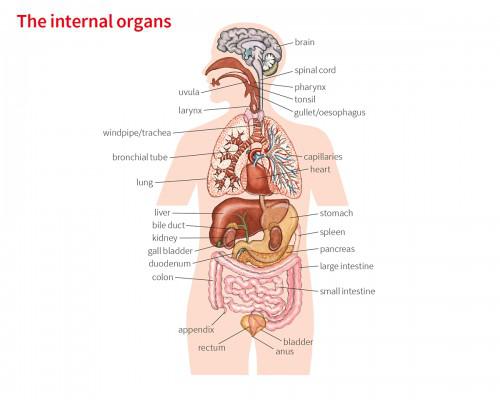
the muscular bag-shaped organ where food is stored and partly digested by acid and enzymes
The stomach produces acid that helps to digest proteins.
Dạ dày tiết axit giúp tiêu hóa protein.
Endoscopy revealed an ulcer in the lining of the stomach.
Nội soi phát hiện một ổ loét ở niêm mạc dạ dày.
Đồng nghĩabellyabdomentummygutpaunchTrái nghĩanothing (related to lack of stomach issues/concerns)health (related to stomach health)sức lực, sinh lực
the strength, effort and enthusiasm required for physical or mental activity, work, etc.
I didn't even have the energy to get out of bed.
Tớ thậm chí đã không có đủ sức lực để ra khỏi giường ngủ.
It's a waste of time and energy.
Đó là một sự lãng phí thời gian và năng lượng.
Đồng nghĩapowervigorvitalitystrengthforcedriveTrái nghĩaapathylethargyweaknessinactivitythói quen/sự hút thuốc
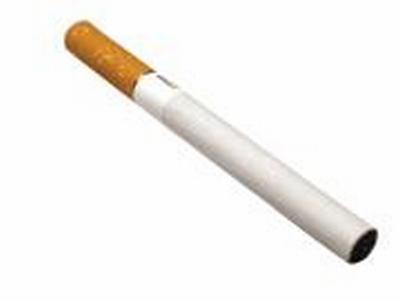
the activity or habit of smoking cigarettes, etc.
Would you like smoking or non-smoking?
Bạn có muốn hút thuốc hoặc không hút thuốc? (ví dụ: trong một nhà hàng)
He's trying to give up smoking.
Anh ấy đang cố gắng từ bỏ việc hút thuốc.
Đồng nghĩapuffinginhalinglighting uptobacco usevapingTrái nghĩanon-smokingabstainingquittingnon-combustible