ข้ามไปยังเนื้อหา

บทที่ 71/202 · 26 คำ · จำได้แล้ว 0

A1 · Body & health

A1 · ร่างกายและสุขภาพ

  1. 1

    strong(adjective)

    /strɔːŋ/

    แข็งแรง, แข็งแกร่ง

    having a lot of physical power so that you can lift heavy weights, do hard physical work, etc.

    He is strong enough to carry the heavy box by himself

    เขาแข็งแรงพอที่จะแบกกล่องหนักใบนั้นด้วยตัวเอง

    คำพ้องความหมายpowerfulrobustvigorousintensefirm
    คำตรงข้ามweakfeeblefragilegentlemild
  2. 2

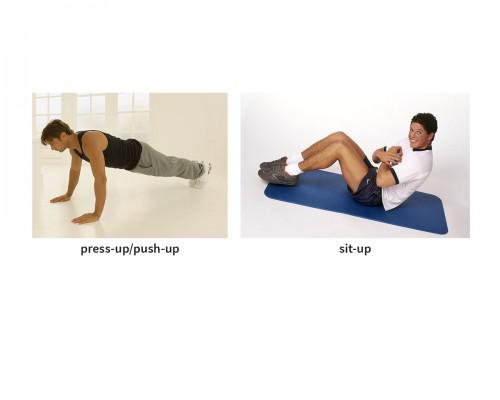
    exercise(noun)

    /ˈeksərsaɪz/

    การออกกำลังกาย

    physical or mental activity that you do to stay healthy or become stronger

    Doctors say we should do at least thirty minutes of exercise every day.

    แพทย์บอกว่าเราควรออกกำลังกายอย่างน้อยวันละสามสิบนาที

    คำพ้องความหมายworkoutphysical activityexertiontrainingdrill
    คำตรงข้ามrestinactivitysedentaryrelaxation
  3. 3

    tooth(noun)

    /tuːθ/

    ฟัน (fan)

    any of the hard white structures in the mouth used for biting food

    Jane had her first tooth when she was only five months.

    เจนมีฟันซี่แรกเมื่อเธออายุเพียงห้าเดือน

    The cat sank its teeth into his finger.

    คำพ้องความหมายdental partfangivory
    คำตรงข้ามgum
  4. 4

    die(verb)

    /daɪ/

    ตาย

    to stop living

    She died young.

    เธอตายเมื่อยังเด็ก

    At least they died happy.

    คำพ้องความหมายperishexpirepass awaydeceasedepart
    คำตรงข้ามlivebe bornsurvivethrive
  5. 5

    eye(noun)

    /aɪ/

    ตา (taa)

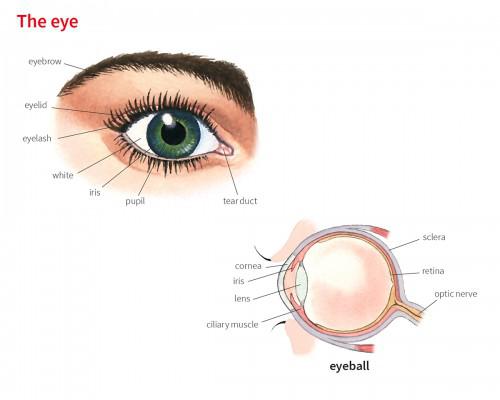
    either of the two organs on the face that you see with

    There were tears in his eyes.

    มีน้ำตาในดวงตาของเขา (mee namtaa nai duangtaa khong khao)

    All eyes were on him (= everyone was looking at him) as he walked on to the stage.

    คำพ้องความหมายopticviewgaze
    คำตรงข้ามblindness
  6. 6

    life(noun)

    /laɪf/

    ชีวิต

    the ability to breathe, grow, produce young, etc. that people, animals and plants have before they die and that objects do not have

    My father died last year—I wish I could bring him back to life.

    พ่อของฉันเสียชีวิตเมื่อปีที่แล้ว—ฉันหวังว่าฉันจะสามารถทำให้เขากลับมามีชีวิตได้อีกครั้ง

    In spring the countryside bursts into life.

    คำพ้องความหมายexistencelivingbeinganimationvitality
    คำตรงข้ามdeathnonexistenceinanimate
  7. 7

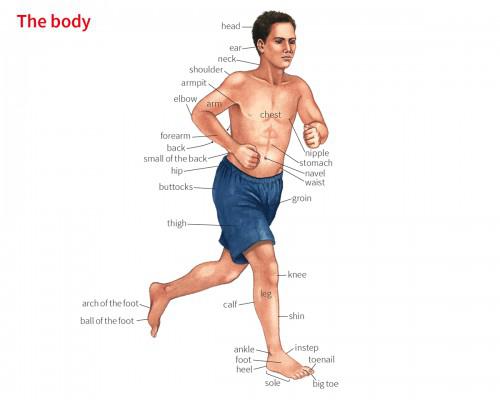
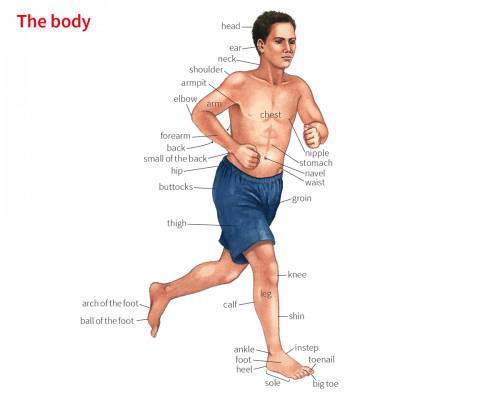
    arm(noun)

    /ɑːrm/

    แขน

    either of the two long parts that stick out from the top of the body and connect the shoulders to the hands

    The broken arm makes him uncomfortable.

    แขนหักทำให้เขารู้สึกไม่สบายตัว

    The men armed themselves with sticks and stones.

    คำพ้องความหมายupper limbforelimbappendage
    คำตรงข้ามlegfoot
  8. 8

    tired(adjective)

    /ˈtaɪərd/

    เหนื่อย (neuay)

    feeling that you would like to sleep or rest; needing rest

    He is very tired.

    เขาเหนื่อยมาก (khao neuay maak)

    They were cold, hungry and tired out(= very tired).

    คำพ้องความหมายwearyexhaustedfatigueddrainedsleepyworn out
    คำตรงข้ามenergeticrestedvigorousrefreshed
  9. 9

    sleep(verb)

    /sliːp/

    นอน, นอนหลับ

    to rest with your eyes closed and your mind and body not active

    Most adults need to sleep for about eight hours a night.

    ผู้ใหญ่ส่วนใหญ่ต้องนอนหลับประมาณแปดชั่วโมงต่อคืน

    คำพ้องความหมายdozenaprestslumberrepose
    คำตรงข้ามwakeawakeconsciousnesswakefulness
  10. 10

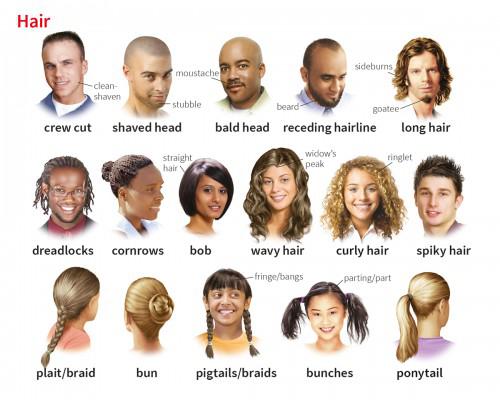
    hair(noun)

    /her/

    ผม

    the substance that looks like a mass of fine threads growing on a person's head

    My sister has long black hair.

    น้องสาวของฉันมีผมสีดำยาว

    body/facial/pubic hair

    คำพ้องความหมายtresseslocksmanecoiffure
    คำตรงข้ามbaldnesshairlessness
  11. 11

    see(verb)

    /siː/

    เห็น

    to become aware of somebody/something by using your eyes

    She looked for him but couldn't see him in the crowd

    เธอตามหาเขาแต่ไม่เห็นเขาในฝูงชน

    She looked for him but couldn't see him in the crowd.

    คำพ้องความหมายobserveviewnoticeperceivedetectwitnessbehold
    คำตรงข้ามmissoverlookignoreneglect
  12. 12

    ear(noun)

    /ɪr/

    หู

    either of the organs on the sides of the head that you hear with

    Put your hands over your ears.

    เอามือปิดหูของคุณ

    an ear infection

    คำพ้องความหมายauditory organhearingsense of hearing
    คำตรงข้ามdeafness
  13. 13

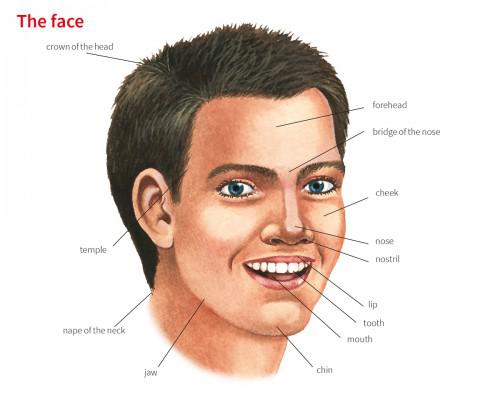
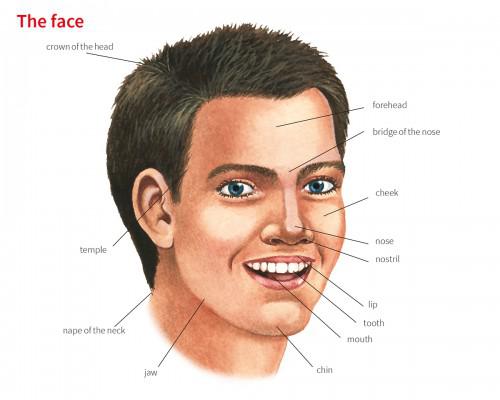
    mouth(noun)

    /maʊθ/

    ปาก

    the opening in the face used for speaking, eating, etc.; the area inside the head behind this opening

    Please open your mouth.

    กรุณาอ้าปาก

    His mouth twisted into a wry smile.

    คำพ้องความหมายlipsjawsmaworal cavity
    คำตรงข้ามclosureendorigin
  14. 14

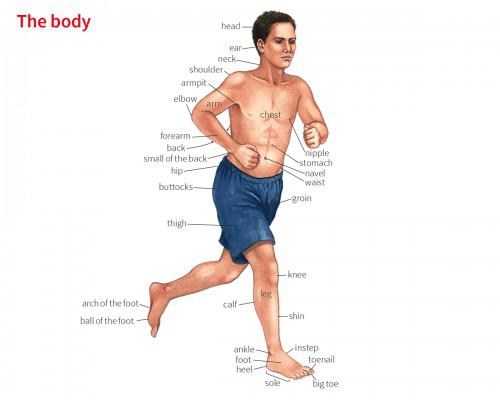
    foot(noun)

    /fʊt/

    เท้า

    the lowest part of the leg, below the ankle, on which a person or an animal stands

    He can stand on one foot very long.

    เขาสามารถยืนบนเท้าข้างเดียวได้นานมาก

    a foot pump(= operated using your foot, not your hand)

    คำพ้องความหมายpedal extremitylower extremity
    คำตรงข้ามlidtop
  15. 15

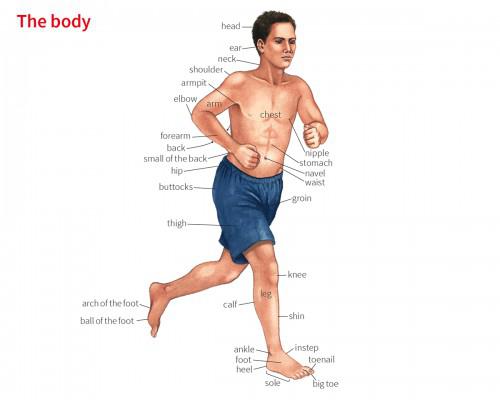
    body(noun)

    /ˈbɑːdi/

    ร่างกาย

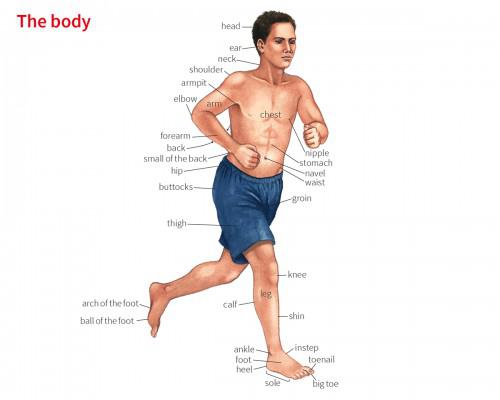
    the whole physical structure of a human or an animal

    You should keep your body clean.

    คุณควรรักษาร่างกายให้สะอาด

    body fat/weight/temperature/size/heat

    คำพ้องความหมายphysical formfigureframeanatomycarcass
    คำตรงข้ามspiritsoulmind
  16. 16

    doctor(noun)

    /ˈdɑːktər/

    หมอ (mor)

    a person who has been trained in medical science, whose job is to treat people who are ill or injured

    I am a doctor.

    ฉันเป็นหมอ (chǎn bpen mǒr).

    Doctor Staples (= as a title/form of address)

    คำพ้องความหมายphysicianmedical practitionerclinician
    คำตรงข้ามpatient
  17. 17

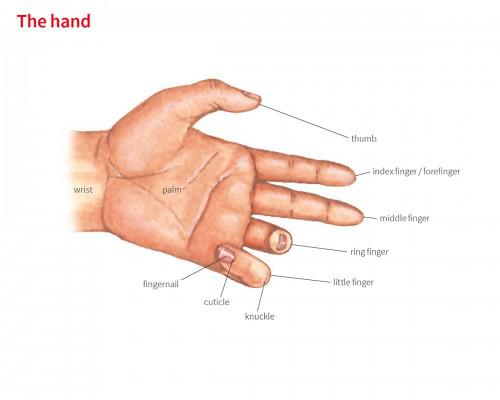
    hand(noun)

    /hænd/

    มือ (mue)

    the part of the body at the end of the arm, including the fingers and thumb

    I want to hold your hand.

    ฉันอยากจับมือเธอ (chan yaak jap mue ter)

    a hand towel(= a small towel for drying your hands on)

    คำพ้องความหมายfistpalmpawgripmitt
    คำตรงข้ามfoottoeabsence
  18. 18

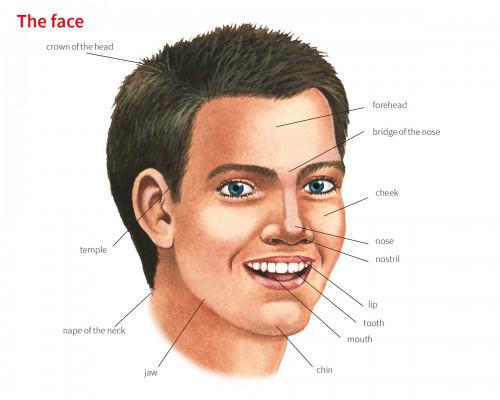
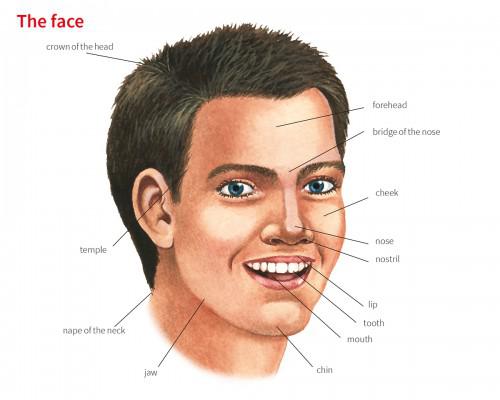
    face(noun)

    /feɪs/

    ใบหน้า, หน้า

    the front part of the head, where the eyes, nose and mouth are

    She has a round face and big brown eyes.

    เธอมีใบหน้ากลมและดวงตาสีน้ำตาลโต

    คำพ้องความหมายconfrontencountertacklemeetdeal withcope with
    คำตรงข้ามavoidevadedodgeshunignore
  19. 19

    fine(adjective)

    /faɪn/

    สบายดี

    in good health

    I am fine.

    ฉันสบายดี (chăn sabai dee)

    คำพ้องความหมายwellgoodokaysatisfactoryacceptableexcellentsuperbthin
    คำตรงข้ามbadpoorillunwellthickcoarse
  20. 20

    nurse(noun)

    /nɜːrs/

    พยาบาล

    a person whose job is to take care of sick or injured people, usually in a hospital

    My father is a doctor and my mother is a nurse.

    พ่อของฉันเป็นหมอและแม่ของฉันเป็นพยาบาล

    a dental nurse (= one who helps a dentist)

    คำพ้องความหมายregistered nurseRNnursing sisterhealthcare professionalmedic
    คำตรงข้ามpatientlaymannonprofessional
  21. 21

    wake(verb)

    /weɪk/

    ตื่น

    to stop sleeping; to make somebody stop sleeping

    Wake up! It's eight o'clock.

    ตื่นได้แล้ว! แปดโมงแล้ว

    He woke up to find himself alone in the house.

    คำพ้องความหมายariseawakenrousestircome tobecome conscious
    คำตรงข้ามsleepdozeslumberrest
  22. 22

    leg(noun)

    /leɡ/

    ขา

    one of the long parts that connect the feet to the rest of the body

    How many legs does an ant have?

    มดมีขากี่ขา

    How many legs does a centipede have?

    คำพ้องความหมายlimbextremitymembersupport
    คำตรงข้ามtorsobody
  23. 23

    healthy(adjective)

    /ˈhelθi/

    แข็งแรง, สุขภาพดี

    having good health and not likely to become ill

    My grandfather is eighty but he is still very healthy and strong.

    คุณปู่ของฉันอายุแปดสิบแล้วแต่ยังแข็งแรงมาก

    คำพ้องความหมายwellfitwholesomerobustvigorousin good shape
    คำตรงข้ามunhealthysickillweakfrail
  24. 24

    head(noun)

    /hed/

    หัว

    the part of the body on top of the neck containing the eyes, nose, mouth and brain

    She shakes her head when she doesn't agree.

    เธอส่ายหัวเมื่อเธอไม่เห็นด้วย

    He shook his head in disbelief.

    คำพ้องความหมายskullbrainmindchiefleadertop
    คำตรงข้ามfootbasefollower
  25. 25

    nose(noun)

    /nəʊz/

    จมูก (ja-muuk)

    the part of the face that sticks out above the mouth, used for breathing and smelling things

    Her mother has a sharp nose.

    แม่ของเธอมีจมูกโด่ง (mɛ̂ɛ kɔ̌ɔng thəə mii ja-muuk dòong)

    คำพ้องความหมายsnootproboscisbeakmuzzlesnout
  26. 26

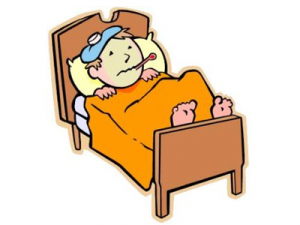
    sick(adjective)

    /sɪk/

    ป่วย

    physically or mentally ill

    My grandfather is very sick.

    คุณปู่ของฉันป่วยหนักมาก

    คำพ้องความหมายillunwellailingdiseasedunhealthy
    คำตรงข้ามhealthywellfitrobuststrong