跳至主要內容

第 71/202 課 · 26 個單字 · 已學會 0 個

A1 · Body & health

A1 · 身體與健康

  1. 1

    strong(adjective)

    /strɔːŋ/

    強壯的, 力氣大的

    having a lot of physical power so that you can lift heavy weights, do hard physical work, etc.

    He is strong enough to carry the heavy box by himself

    他夠強壯,可以自己一個人搬動那個沉重的箱子。

    同義詞powerfulrobustvigorousintensefirm
    反義詞weakfeeblefragilegentlemild
  2. 2

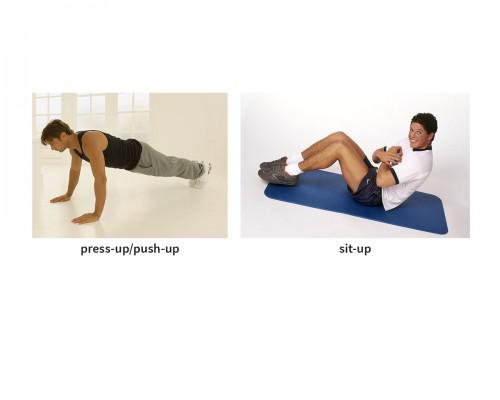
    exercise(noun)

    /ˈeksərsaɪz/

    運動, 鍛鍊

    physical or mental activity that you do to stay healthy or become stronger

    Doctors say we should do at least thirty minutes of exercise every day.

    醫生說我們每天至少應該運動三十分鐘。

    同義詞workoutphysical activityexertiontrainingdrill
    反義詞restinactivitysedentaryrelaxation
  3. 3

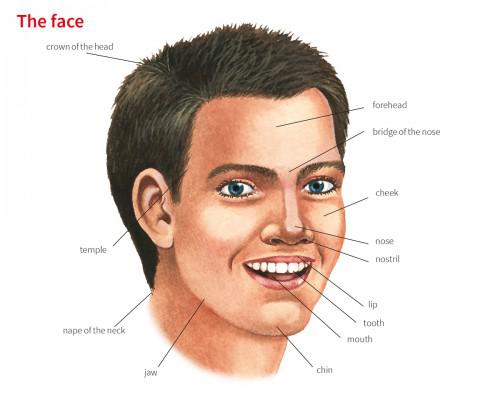
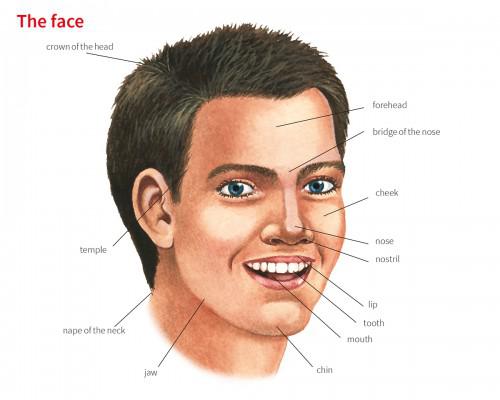
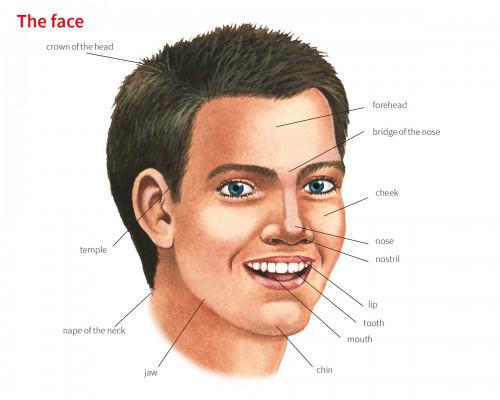
    tooth(noun)

    /tuːθ/

    牙齒

    any of the hard white structures in the mouth used for biting food

    Jane had her first tooth when she was only five months.

    珍只有五個月大時就長出了第一顆牙。

    The cat sank its teeth into his finger.

    同義詞dental partfangivory
    反義詞gum
  4. 4

    die(verb)

    /daɪ/

    死, 去世

    to stop living

    She died young.

    她年紀輕輕就過世了。

    At least they died happy.

    同義詞perishexpirepass awaydeceasedepart
    反義詞livebe bornsurvivethrive
  5. 5

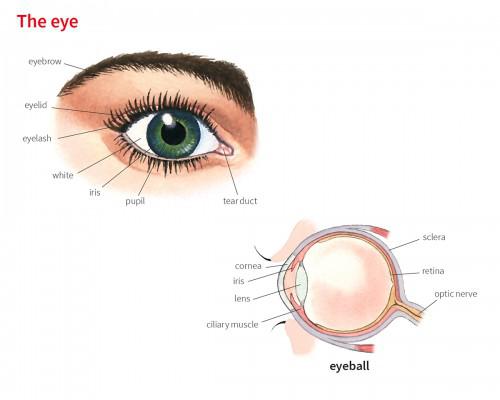
    eye(noun)

    /aɪ/

    眼睛

    either of the two organs on the face that you see with

    There were tears in his eyes.

    他的眼裡滿是淚水。

    All eyes were on him (= everyone was looking at him) as he walked on to the stage.

    同義詞opticviewgaze
    反義詞blindness
  6. 6

    life(noun)

    /laɪf/

    生命,性命

    the ability to breathe, grow, produce young, etc. that people, animals and plants have before they die and that objects do not have

    My father died last year—I wish I could bring him back to life.

    我父親去年過世了——我真希望能讓他起死回生。

    In spring the countryside bursts into life.

    同義詞existencelivingbeinganimationvitality
    反義詞deathnonexistenceinanimate
  7. 7

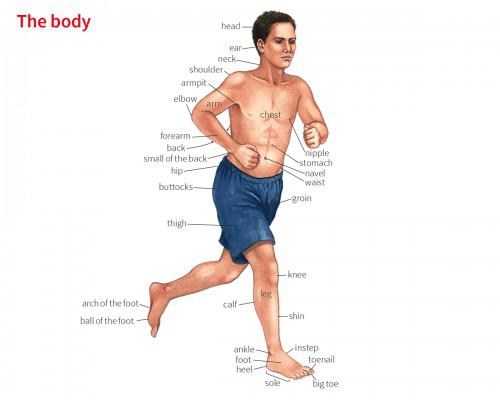
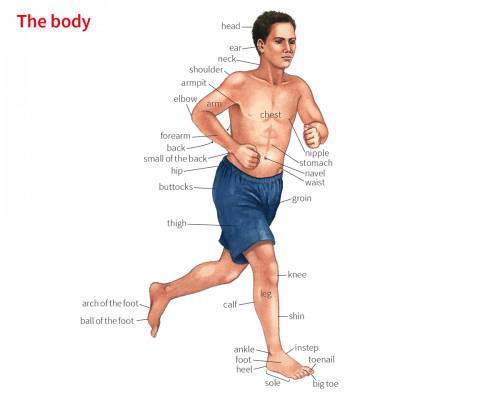
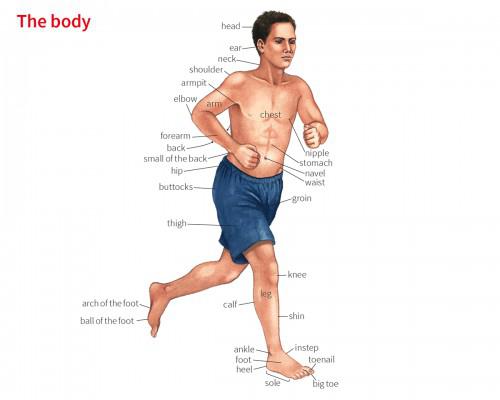
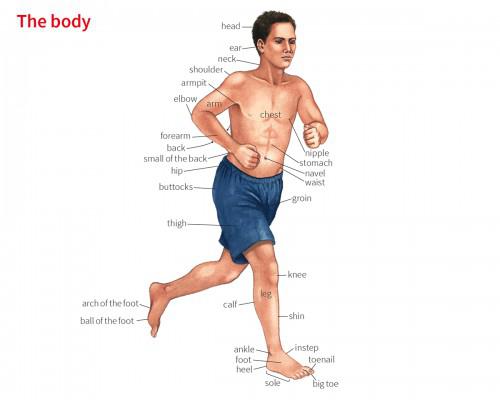
    arm(noun)

    /ɑːrm/

    手臂,胳膊

    either of the two long parts that stick out from the top of the body and connect the shoulders to the hands

    The broken arm makes him uncomfortable.

    手臂骨折讓他很不舒服。

    The men armed themselves with sticks and stones.

    同義詞upper limbforelimbappendage
    反義詞legfoot
  8. 8

    tired(adjective)

    /ˈtaɪərd/

    疲倦的, 累的

    feeling that you would like to sleep or rest; needing rest

    He is very tired.

    他很累。

    They were cold, hungry and tired out(= very tired).

    同義詞wearyexhaustedfatigueddrainedsleepyworn out
    反義詞energeticrestedvigorousrefreshed
  9. 9

    sleep(verb)

    /sliːp/

    睡覺, 睡眠

    to rest with your eyes closed and your mind and body not active

    Most adults need to sleep for about eight hours a night.

    大多數成年人每晚需要睡大約八小時。

    同義詞dozenaprestslumberrepose
    反義詞wakeawakeconsciousnesswakefulness
  10. 10

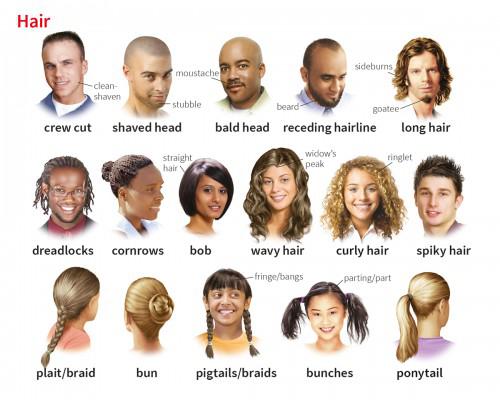
    hair(noun)

    /her/

    頭髮, 毛髮

    the substance that looks like a mass of fine threads growing on a person's head

    My sister has long black hair.

    我姐姐有一頭烏黑的長髮。

    body/facial/pubic hair

    同義詞tresseslocksmanecoiffure
    反義詞baldnesshairlessness
  11. 11

    see(verb)

    /siː/

    看見, 看到

    to become aware of somebody/something by using your eyes

    She looked for him but couldn't see him in the crowd

    她找他,但在人群中看不到他。

    She looked for him but couldn't see him in the crowd.

    同義詞observeviewnoticeperceivedetectwitnessbehold
    反義詞missoverlookignoreneglect
  12. 12

    ear(noun)

    /ɪr/

    耳朵

    either of the organs on the sides of the head that you hear with

    Put your hands over your ears.

    把雙手摀住耳朵。

    an ear infection

    同義詞auditory organhearingsense of hearing
    反義詞deafness
  13. 13

    mouth(noun)

    /maʊθ/

    嘴, 口

    the opening in the face used for speaking, eating, etc.; the area inside the head behind this opening

    Please open your mouth.

    請張開嘴巴。

    His mouth twisted into a wry smile.

    同義詞lipsjawsmaworal cavity
    反義詞closureendorigin
  14. 14

    foot(noun)

    /fʊt/

    腳, 足

    the lowest part of the leg, below the ankle, on which a person or an animal stands

    He can stand on one foot very long.

    他可以單腳站很久。

    a foot pump(= operated using your foot, not your hand)

    同義詞pedal extremitylower extremity
    反義詞lidtop
  15. 15

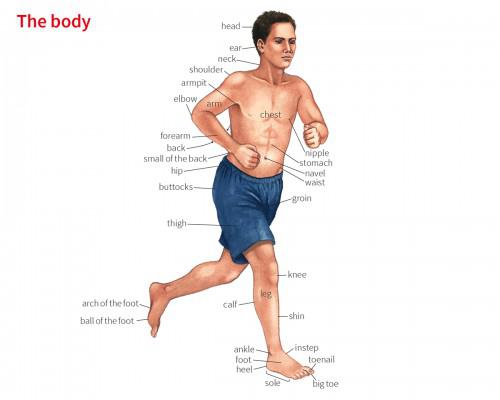
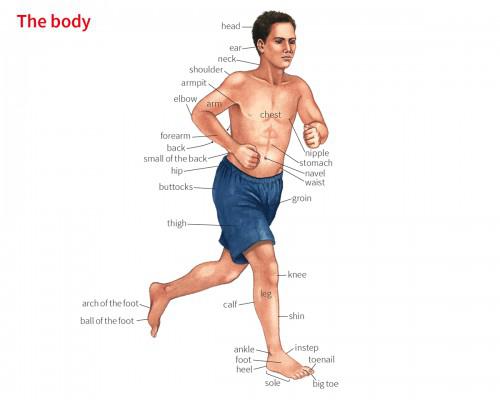
    body(noun)

    /ˈbɑːdi/

    身體, 軀體

    the whole physical structure of a human or an animal

    You should keep your body clean.

    你應該保持身體清潔。

    body fat/weight/temperature/size/heat

    同義詞physical formfigureframeanatomycarcass
    反義詞spiritsoulmind
  16. 16

    doctor(noun)

    /ˈdɑːktər/

    醫生, 醫師

    a person who has been trained in medical science, whose job is to treat people who are ill or injured

    I am a doctor.

    我是醫生。

    Doctor Staples (= as a title/form of address)

    同義詞physicianmedical practitionerclinician
    反義詞patient
  17. 17

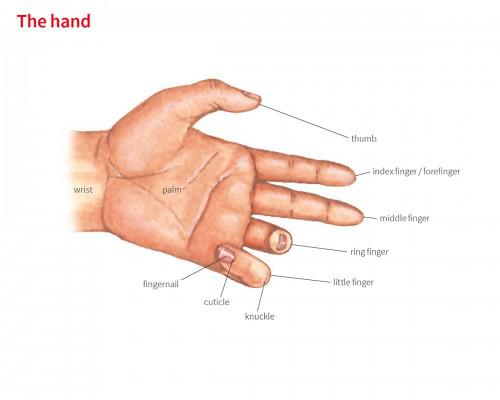
    hand(noun)

    /hænd/

    手

    the part of the body at the end of the arm, including the fingers and thumb

    I want to hold your hand.

    我想牽你的手。

    a hand towel(= a small towel for drying your hands on)

    同義詞fistpalmpawgripmitt
    反義詞foottoeabsence
  18. 18

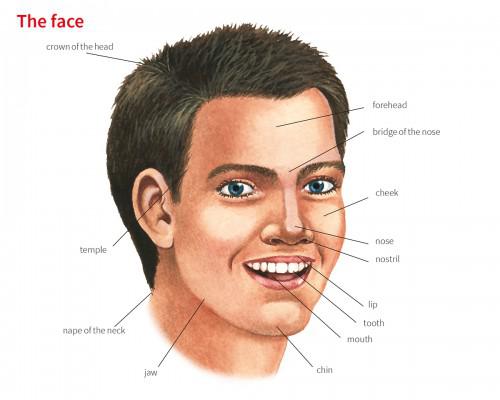
    face(noun)

    /feɪs/

    臉, 面孔

    the front part of the head, where the eyes, nose and mouth are

    She has a round face and big brown eyes.

    她有一張圓臉和一雙棕色的大眼睛。

    同義詞confrontencountertacklemeetdeal withcope with
    反義詞avoidevadedodgeshunignore
  19. 19

    fine(adjective)

    /faɪn/

    很好的, 健康的

    in good health

    I am fine.

    我很好。

    同義詞wellgoodokaysatisfactoryacceptableexcellentsuperbthin
    反義詞badpoorillunwellthickcoarse
  20. 20

    nurse(noun)

    /nɜːrs/

    護理師, 護士

    a person whose job is to take care of sick or injured people, usually in a hospital

    My father is a doctor and my mother is a nurse.

    我爸爸是醫生,我媽媽是護理師。

    a dental nurse (= one who helps a dentist)

    同義詞registered nurseRNnursing sisterhealthcare professionalmedic
    反義詞patientlaymannonprofessional

  21. 21

    wake(verb)

    /weɪk/

    醒來,叫醒

    to stop sleeping; to make somebody stop sleeping

    Wake up! It's eight o'clock.

    醒醒!已經八點了。

    He woke up to find himself alone in the house.

    同義詞ariseawakenrousestircome tobecome conscious
    反義詞sleepdozeslumberrest
  22. 22

    leg(noun)

    /leɡ/

    腿, 腳

    one of the long parts that connect the feet to the rest of the body

    How many legs does an ant have?

    螞蟻有幾隻腳?

    How many legs does a centipede have?

    同義詞limbextremitymembersupport
    反義詞torsobody
  23. 23

    healthy(adjective)

    /ˈhelθi/

    健康的, 強健的

    having good health and not likely to become ill

    My grandfather is eighty but he is still very healthy and strong.

    我爺爺已經八十歲了,但身體依然非常健康硬朗。

    同義詞wellfitwholesomerobustvigorousin good shape
    反義詞unhealthysickillweakfrail
  24. 24

    head(noun)

    /hed/

    頭,頭部

    the part of the body on top of the neck containing the eyes, nose, mouth and brain

    She shakes her head when she doesn't agree.

    她不同意時會搖頭。

    He shook his head in disbelief.

    同義詞skullbrainmindchiefleadertop
    反義詞footbasefollower
  25. 25

    nose(noun)

    /nəʊz/

    鼻子

    the part of the face that sticks out above the mouth, used for breathing and smelling things

    Her mother has a sharp nose.

    她媽媽有一個挺(尖)的鼻子。

    同義詞snootproboscisbeakmuzzlesnout
  26. 26

    sick(adjective)

    /sɪk/

    生病的,不舒服的

    physically or mentally ill

    My grandfather is very sick.

    我爺爺病得很重。

    同義詞illunwellailingdiseasedunhealthy
    反義詞healthywellfitrobuststrong