コンテンツへスキップ

レッスン71/202 · 26語 · 覚えた単語 0

A1 · Body & health

A1 · 体と健康

  1. 1

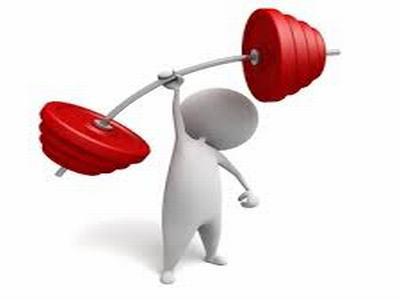
    strong(adjective)

    /strɔːŋ/

    力が強い, 丈夫な

    having a lot of physical power so that you can lift heavy weights, do hard physical work, etc.

    He is strong enough to carry the heavy box by himself

    彼は力が強いので、その重い箱を一人で運べる。

    類義語powerfulrobustvigorousintensefirm
    対義語weakfeeblefragilegentlemild
  2. 2

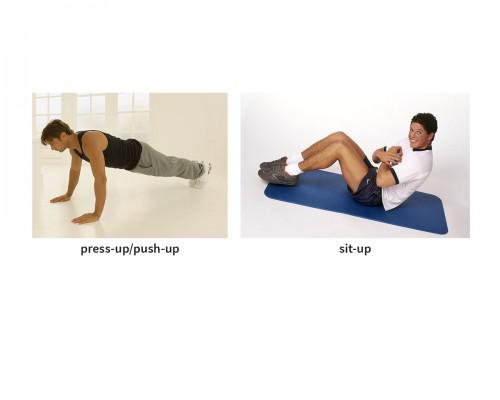
    exercise(noun)

    /ˈeksərsaɪz/

    運動, 体操, 訓練

    physical or mental activity that you do to stay healthy or become stronger

    Doctors say we should do at least thirty minutes of exercise every day.

    医者は、私たちは毎日少なくとも30分は運動するべきだと言っている。

    類義語workoutphysical activityexertiontrainingdrill
    対義語restinactivitysedentaryrelaxation
  3. 3

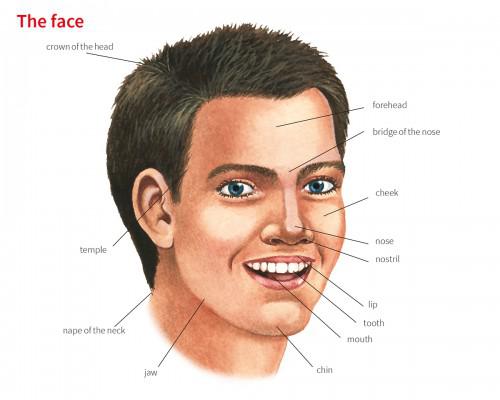
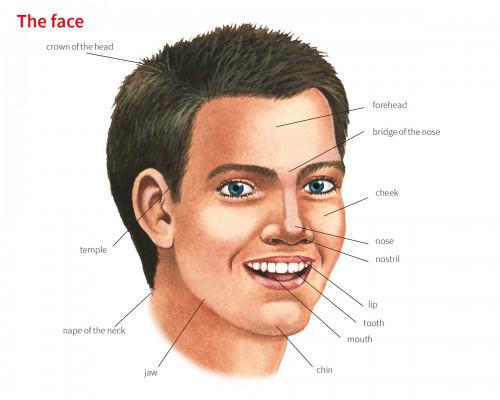
    tooth(noun)

    /tuːθ/

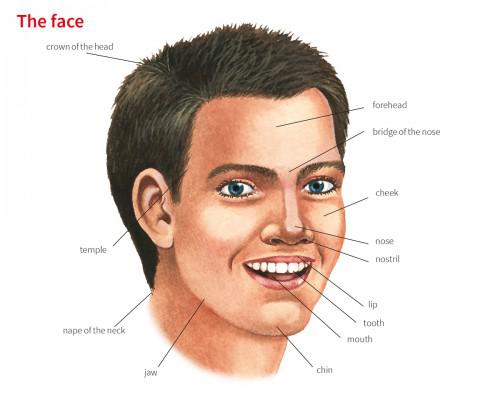
    歯 (ha)

    any of the hard white structures in the mouth used for biting food

    Jane had her first tooth when she was only five months.

    ジェーンは生後わずか5か月で初めて歯が生えた。

    The cat sank its teeth into his finger.

    類義語dental partfangivory
    対義語gum
  4. 4

    die(verb)

    /daɪ/

    死ぬ (shinu)

    to stop living

    She died young.

    彼女は若くして亡くなった。(Kanojo wa wakaku shite nakunatta.)

    At least they died happy.

    類義語perishexpirepass awaydeceasedepart
    対義語livebe bornsurvivethrive
  5. 5

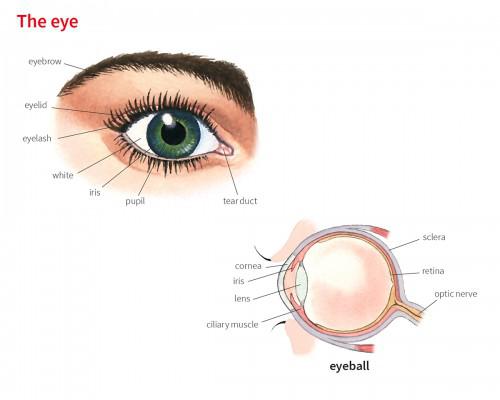
    eye(noun)

    /aɪ/

    目 (me)

    either of the two organs on the face that you see with

    There were tears in his eyes.

    彼の目には涙が浮かんでいた。(Kare no me ni wa namida ga ukan de ita.)

    All eyes were on him (= everyone was looking at him) as he walked on to the stage.

    類義語opticviewgaze
    対義語blindness
  6. 6

    life(noun)

    /laɪf/

    生命, 命

    the ability to breathe, grow, produce young, etc. that people, animals and plants have before they die and that objects do not have

    My father died last year—I wish I could bring him back to life.

    父は昨年亡くなりました。父を生き返らせることができたらいいのにと思います。

    In spring the countryside bursts into life.

    類義語existencelivingbeinganimationvitality
    対義語deathnonexistenceinanimate
  7. 7

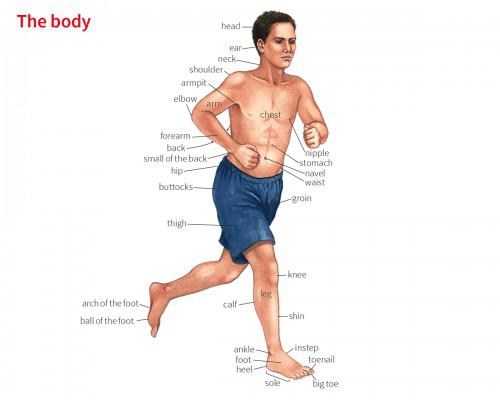
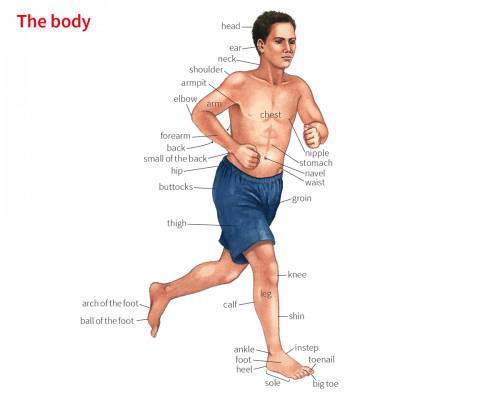
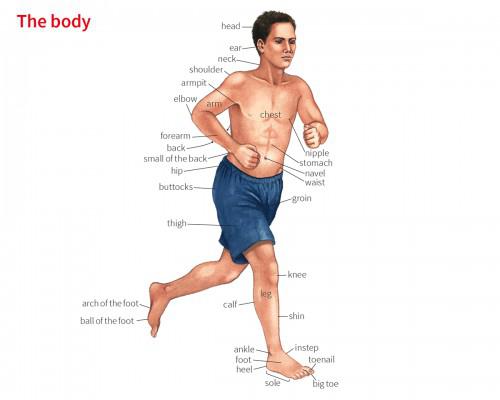
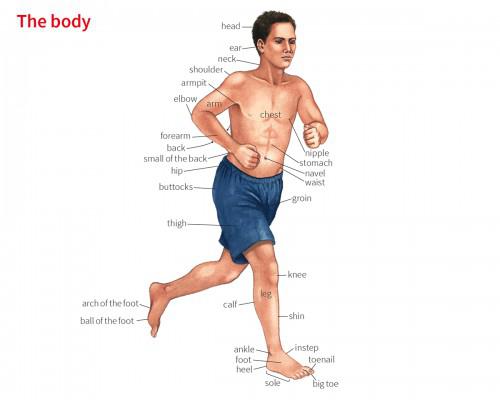
    arm(noun)

    /ɑːrm/

    腕 (ude)

    either of the two long parts that stick out from the top of the body and connect the shoulders to the hands

    The broken arm makes him uncomfortable.

    腕を骨折したため、彼は不快に感じている。(Ude o kossetsu shita tame, kare wa fukai ni kanjite iru.)

    The men armed themselves with sticks and stones.

    類義語upper limbforelimbappendage
    対義語legfoot
  8. 8

    tired(adjective)

    /ˈtaɪərd/

    疲れた (tsukareta)

    feeling that you would like to sleep or rest; needing rest

    He is very tired.

    彼はとても疲れています。(Kare wa totemo tsukareteimasu.)

    They were cold, hungry and tired out(= very tired).

    類義語wearyexhaustedfatigueddrainedsleepyworn out
    対義語energeticrestedvigorousrefreshed
  9. 9

    sleep(verb)

    /sliːp/

    眠る, 寝る

    to rest with your eyes closed and your mind and body not active

    Most adults need to sleep for about eight hours a night.

    たいていの大人は一晩に8時間ほど眠る必要があります。

    類義語dozenaprestslumberrepose
    対義語wakeawakeconsciousnesswakefulness
  10. 10

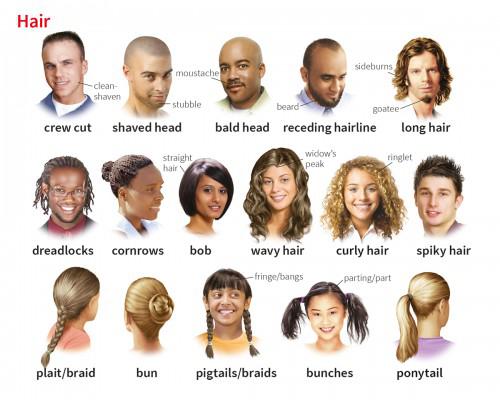
    hair(noun)

    /her/

    髪 (kami)

    the substance that looks like a mass of fine threads growing on a person's head

    My sister has long black hair.

    私の妹は長い黒髪です。(Watashi no imōto wa nagai kurokami desu.)

    body/facial/pubic hair

    類義語tresseslocksmanecoiffure
    対義語baldnesshairlessness
  11. 11

    see(verb)

    /siː/

    見る (miru)

    to become aware of somebody/something by using your eyes

    She looked for him but couldn't see him in the crowd

    彼女は彼を探したが、人混みの中で彼を見つけることができなかった。

    She looked for him but couldn't see him in the crowd.

    類義語observeviewnoticeperceivedetectwitnessbehold
    対義語missoverlookignoreneglect
  12. 12

    ear(noun)

    /ɪr/

    耳 (mimi)

    either of the organs on the sides of the head that you hear with

    Put your hands over your ears.

    耳に手を当ててください。

    an ear infection

    類義語auditory organhearingsense of hearing
    対義語deafness
  13. 13

    mouth(noun)

    /maʊθ/

    口 (kuchi)

    the opening in the face used for speaking, eating, etc.; the area inside the head behind this opening

    Please open your mouth.

    口を開けてください。(kuchi o akete kudasai)

    His mouth twisted into a wry smile.

    類義語lipsjawsmaworal cavity
    対義語closureendorigin
  14. 14

    foot(noun)

    /fʊt/

    足 (ashi)

    the lowest part of the leg, below the ankle, on which a person or an animal stands

    He can stand on one foot very long.

    彼は片足で非常に長く立つことができる。

    a foot pump(= operated using your foot, not your hand)

    類義語pedal extremitylower extremity
    対義語lidtop
  15. 15

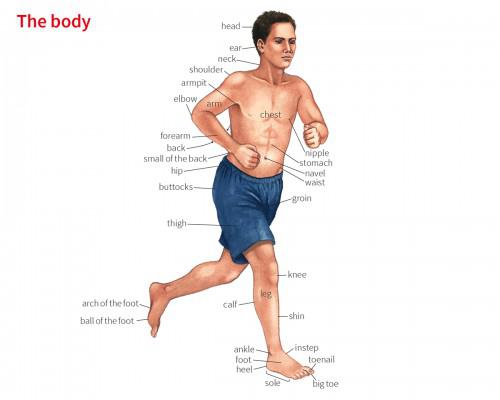
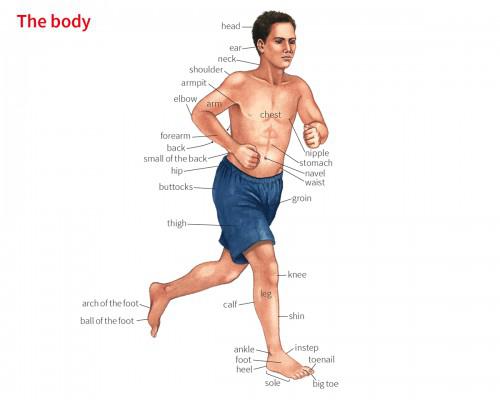
    body(noun)

    /ˈbɑːdi/

    体 (karada)

    the whole physical structure of a human or an animal

    You should keep your body clean.

    体を清潔に保つべきです。

    body fat/weight/temperature/size/heat

    類義語physical formfigureframeanatomycarcass
    対義語spiritsoulmind
  16. 16

    doctor(noun)

    /ˈdɑːktər/

    医者 (isha)

    a person who has been trained in medical science, whose job is to treat people who are ill or injured

    I am a doctor.

    私は医者です (Watashi wa isha desu).

    Doctor Staples (= as a title/form of address)

    類義語physicianmedical practitionerclinician
    対義語patient
  17. 17

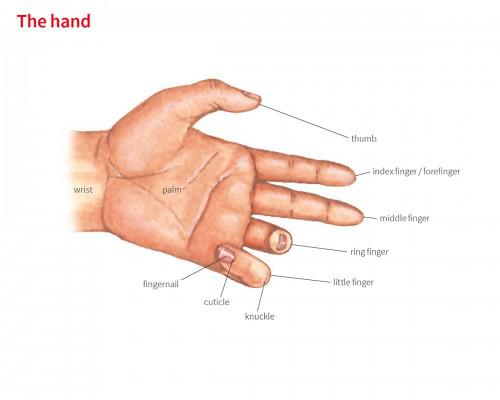
    hand(noun)

    /hænd/

    手 (te)

    the part of the body at the end of the arm, including the fingers and thumb

    I want to hold your hand.

    あなたの手を握りたい (Anata no te o nigiritai).

    a hand towel(= a small towel for drying your hands on)

    類義語fistpalmpawgripmitt
    対義語foottoeabsence
  18. 18

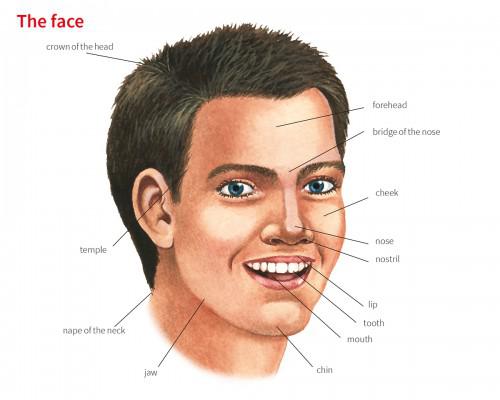
    face(noun)

    /feɪs/

    顔

    the front part of the head, where the eyes, nose and mouth are

    She has a round face and big brown eyes.

    彼女は丸顔で、大きな茶色の目をしている。

    類義語confrontencountertacklemeetdeal withcope with
    対義語avoidevadedodgeshunignore
  19. 19

    fine(adjective)

    /faɪn/

    元気 (genki)

    in good health

    I am fine.

    私は元気です。(Watashi wa genki desu.)

    類義語wellgoodokaysatisfactoryacceptableexcellentsuperbthin
    対義語badpoorillunwellthickcoarse
  20. 20

    nurse(noun)

    /nɜːrs/

    看護師 (kangoshi)

    a person whose job is to take care of sick or injured people, usually in a hospital

    My father is a doctor and my mother is a nurse.

    私の父は医者で、母は看護師です。

    a dental nurse (= one who helps a dentist)

    類義語registered nurseRNnursing sisterhealthcare professionalmedic
    対義語patientlaymannonprofessional

  21. 21

    wake(verb)

    /weɪk/

    起きる (okiru)

    to stop sleeping; to make somebody stop sleeping

    Wake up! It's eight o'clock.

    起きろ!8時だ。(Okiro! Hachi-ji da.)

    He woke up to find himself alone in the house.

    類義語ariseawakenrousestircome tobecome conscious
    対義語sleepdozeslumberrest
  22. 22

    leg(noun)

    /leɡ/

    脚 (ashi)

    one of the long parts that connect the feet to the rest of the body

    How many legs does an ant have?

    アリは脚が何本ありますか? (Ari wa ashi ga nanbon arimasu ka?)

    How many legs does a centipede have?

    類義語limbextremitymembersupport
    対義語torsobody
  23. 23

    healthy(adjective)

    /ˈhelθi/

    健康な, 元気な

    having good health and not likely to become ill

    My grandfather is eighty but he is still very healthy and strong.

    祖父は80歳だが、今でもとても健康で丈夫だ。

    類義語wellfitwholesomerobustvigorousin good shape
    対義語unhealthysickillweakfrail
  24. 24

    head(noun)

    /hed/

    頭 (atama)

    the part of the body on top of the neck containing the eyes, nose, mouth and brain

    She shakes her head when she doesn't agree.

    彼女は同意しないとき、頭を振る。(Kanojo wa doui shinai toki, atama o furu.)

    He shook his head in disbelief.

    類義語skullbrainmindchiefleadertop
    対義語footbasefollower
  25. 25

    nose(noun)

    /nəʊz/

    鼻 (hana)

    the part of the face that sticks out above the mouth, used for breathing and smelling things

    Her mother has a sharp nose.

    彼女の母親は鼻が高い。 (Kanojo no hahaoya wa hana ga takai.)

    類義語snootproboscisbeakmuzzlesnout
  26. 26

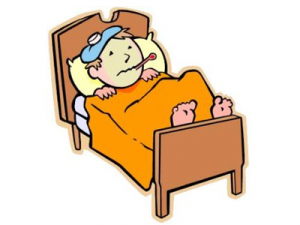
    sick(adjective)

    /sɪk/

    病気

    physically or mentally ill

    My grandfather is very sick.

    私の祖父はとても病気です。

    類義語illunwellailingdiseasedunhealthy
    対義語healthywellfitrobuststrong