본문으로 건너뛰기

레슨 71/202 · 26단어 · 외운 단어 0

A1 · Body & health

A1 · 신체와 건강

  1. 1

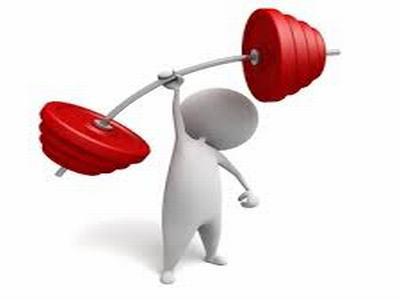
    strong(adjective)

    /strɔːŋ/

    힘센, 튼튼한

    having a lot of physical power so that you can lift heavy weights, do hard physical work, etc.

    He is strong enough to carry the heavy box by himself

    그는 혼자서 그 무거운 상자를 들 만큼 힘이 세다.

    유의어powerfulrobustvigorousintensefirm
    반의어weakfeeblefragilegentlemild
  2. 2

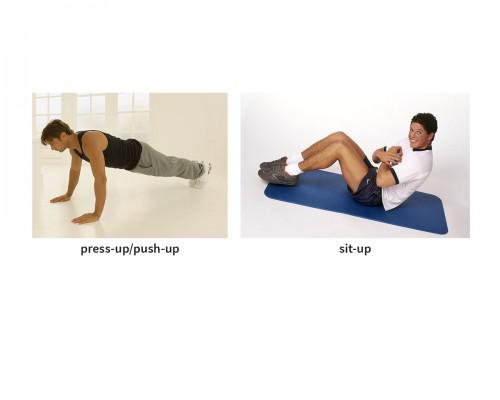
    exercise(noun)

    /ˈeksərsaɪz/

    운동, 신체 활동

    physical or mental activity that you do to stay healthy or become stronger

    Doctors say we should do at least thirty minutes of exercise every day.

    의사들은 우리가 매일 최소 30분은 운동해야 한다고 말한다.

    유의어workoutphysical activityexertiontrainingdrill
    반의어restinactivitysedentaryrelaxation
  3. 3

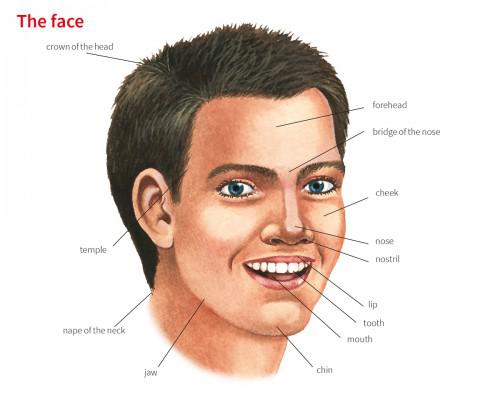
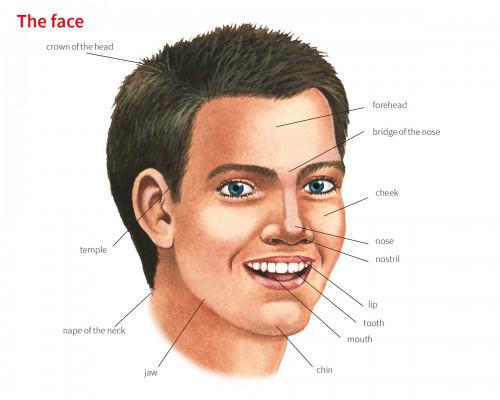
    tooth(noun)

    /tuːθ/

    이 (i)

    any of the hard white structures in the mouth used for biting food

    Jane had her first tooth when she was only five months.

    제인은 겨우 5개월 만에 첫 이가 났습니다.

    The cat sank its teeth into his finger.

    유의어dental partfangivory
    반의어gum
  4. 4

    die(verb)

    /daɪ/

    죽다 (jukda)

    to stop living

    She died young.

    그녀는 젊어서 죽었다. (geunyeoneun jeolm-eo seo jugeotda.)

    At least they died happy.

    유의어perishexpirepass awaydeceasedepart
    반의어livebe bornsurvivethrive
  5. 5

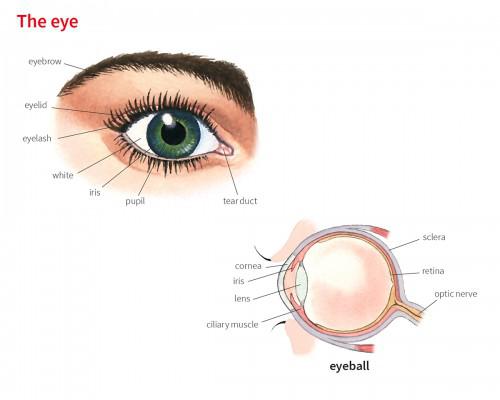
    eye(noun)

    /aɪ/

    눈 (nun)

    either of the two organs on the face that you see with

    There were tears in his eyes.

    그의 눈에 눈물이 고여 있었다. (Geu-ui nune nunmuri goyeo isseotda.)

    All eyes were on him (= everyone was looking at him) as he walked on to the stage.

    유의어opticviewgaze
    반의어blindness
  6. 6

    life(noun)

    /laɪf/

    삶 (salm)

    the ability to breathe, grow, produce young, etc. that people, animals and plants have before they die and that objects do not have

    My father died last year—I wish I could bring him back to life.

    아버지는 작년에 돌아가셨어요. 다시 살릴 수 있으면 좋을 텐데요.

    In spring the countryside bursts into life.

    유의어existencelivingbeinganimationvitality
    반의어deathnonexistenceinanimate
  7. 7

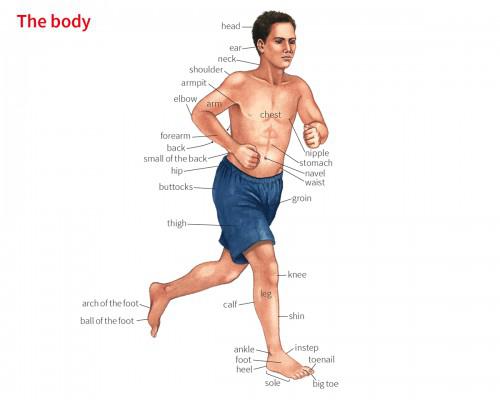
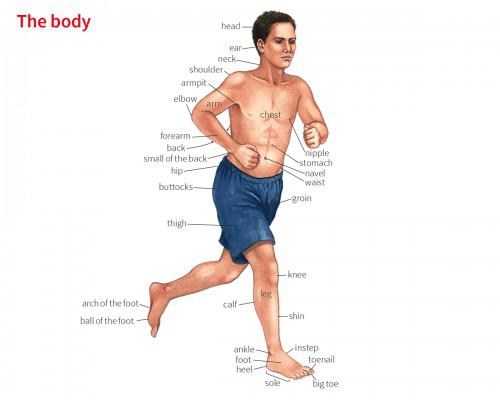
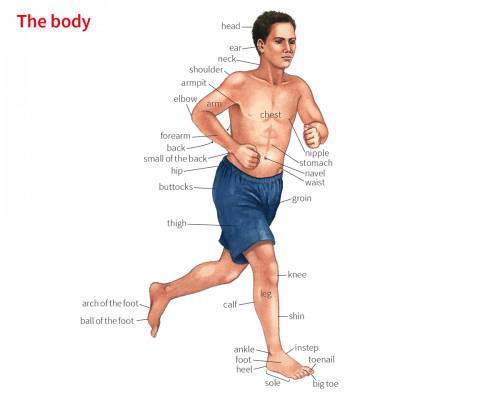
    arm(noun)

    /ɑːrm/

    팔 (pal)

    either of the two long parts that stick out from the top of the body and connect the shoulders to the hands

    The broken arm makes him uncomfortable.

    부러진 팔 때문에 그는 불편해한다. (Bureojin pal ttaemune geuneun bulpyeonhaehanda.)

    The men armed themselves with sticks and stones.

    유의어upper limbforelimbappendage
    반의어legfoot
  8. 8

    tired(adjective)

    /ˈtaɪərd/

    피곤한 (pigonhan)

    feeling that you would like to sleep or rest; needing rest

    He is very tired.

    그는 매우 피곤합니다. (geuneun maeu pigonhamnida.)

    They were cold, hungry and tired out(= very tired).

    유의어wearyexhaustedfatigueddrainedsleepyworn out
    반의어energeticrestedvigorousrefreshed
  9. 9

    sleep(verb)

    /sliːp/

    자다, 잠자다

    to rest with your eyes closed and your mind and body not active

    Most adults need to sleep for about eight hours a night.

    대부분의 성인은 하룻밤에 여덟 시간 정도 자야 한다.

    유의어dozenaprestslumberrepose
    반의어wakeawakeconsciousnesswakefulness
  10. 10

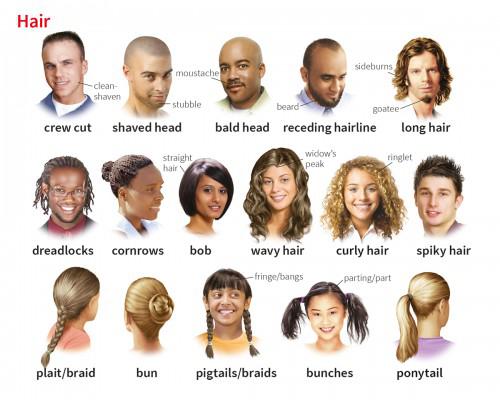
    hair(noun)

    /her/

    머리카락 (meorikarak)

    the substance that looks like a mass of fine threads growing on a person's head

    My sister has long black hair.

    제 여동생은 긴 검은 머리카락을 가지고 있어요. (Je yeodongsaeng-eun gin geomeun meorikarak-eul gajigo isseoyo.)

    body/facial/pubic hair

    유의어tresseslocksmanecoiffure
    반의어baldnesshairlessness
  11. 11

    see(verb)

    /siː/

    보다 (boda)

    to become aware of somebody/something by using your eyes

    She looked for him but couldn't see him in the crowd

    그녀는 그를 찾았지만 군중 속에서 그를 볼 수 없었다.

    She looked for him but couldn't see him in the crowd.

    유의어observeviewnoticeperceivedetectwitnessbehold
    반의어missoverlookignoreneglect
  12. 12

    ear(noun)

    /ɪr/

    귀 (gwi)

    either of the organs on the sides of the head that you hear with

    Put your hands over your ears.

    귀를 손으로 막으세요.

    an ear infection

    유의어auditory organhearingsense of hearing
    반의어deafness
  13. 13

    mouth(noun)

    /maʊθ/

    입 (ip)

    the opening in the face used for speaking, eating, etc.; the area inside the head behind this opening

    Please open your mouth.

    입을 벌리세요. (ibeul beolliseyo)

    His mouth twisted into a wry smile.

    유의어lipsjawsmaworal cavity
    반의어closureendorigin
  14. 14

    foot(noun)

    /fʊt/

    발 (bal)

    the lowest part of the leg, below the ankle, on which a person or an animal stands

    He can stand on one foot very long.

    그는 한 발로 아주 오래 서 있을 수 있다.

    a foot pump(= operated using your foot, not your hand)

    유의어pedal extremitylower extremity
    반의어lidtop
  15. 15

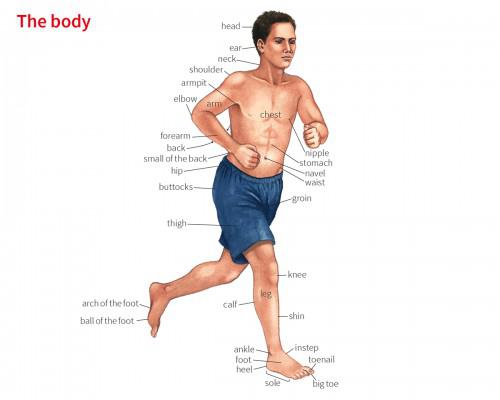
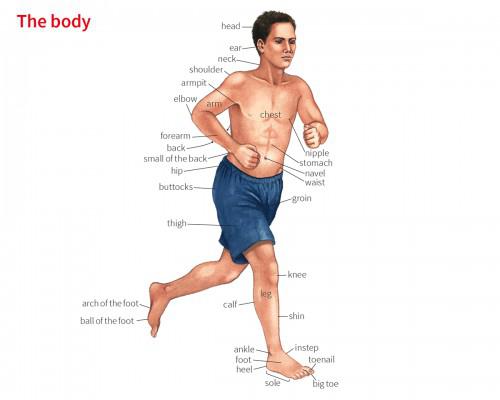
    body(noun)

    /ˈbɑːdi/

    몸 (mom)

    the whole physical structure of a human or an animal

    You should keep your body clean.

    몸을 깨끗하게 유지해야 합니다.

    body fat/weight/temperature/size/heat

    유의어physical formfigureframeanatomycarcass
    반의어spiritsoulmind
  16. 16

    doctor(noun)

    /ˈdɑːktər/

    의사 (uisa)

    a person who has been trained in medical science, whose job is to treat people who are ill or injured

    I am a doctor.

    저는 의사입니다 (Jeoneun uisa imnida).

    Doctor Staples (= as a title/form of address)

    유의어physicianmedical practitionerclinician
    반의어patient
  17. 17

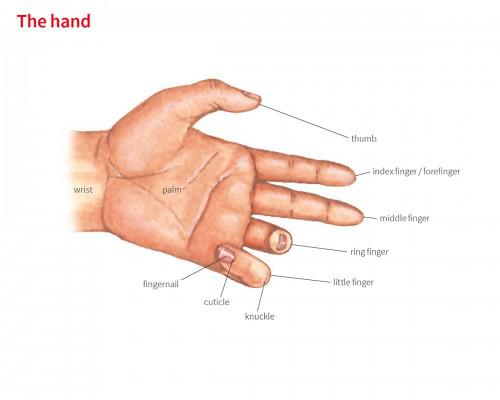
    hand(noun)

    /hænd/

    손 (son)

    the part of the body at the end of the arm, including the fingers and thumb

    I want to hold your hand.

    네 손을 잡고 싶어. (Ne soneul japgo sipeo.)

    a hand towel(= a small towel for drying your hands on)

    유의어fistpalmpawgripmitt
    반의어foottoeabsence
  18. 18

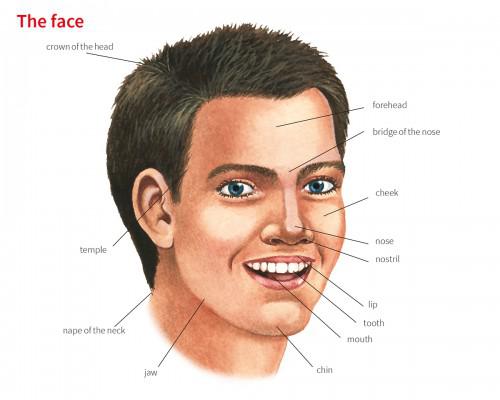
    face(noun)

    /feɪs/

    얼굴

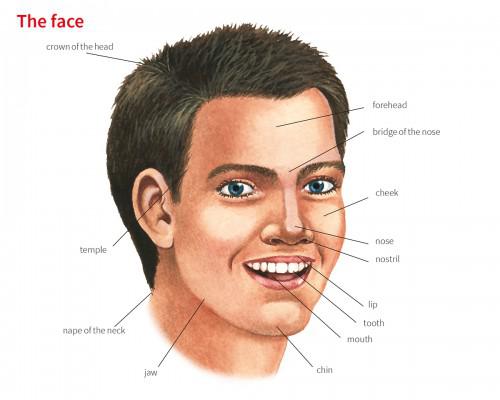
    the front part of the head, where the eyes, nose and mouth are

    She has a round face and big brown eyes.

    그녀는 둥근 얼굴에 커다란 갈색 눈을 가졌다.

    유의어confrontencountertacklemeetdeal withcope with
    반의어avoidevadedodgeshunignore
  19. 19

    fine(adjective)

    /faɪn/

    괜찮아 (gwaenchanha)

    in good health

    I am fine.

    저는 괜찮아요. (Jeoneun gwaenchanayo.)

    유의어wellgoodokaysatisfactoryacceptableexcellentsuperbthin
    반의어badpoorillunwellthickcoarse
  20. 20

    nurse(noun)

    /nɜːrs/

    간호사 (ganhosa)

    a person whose job is to take care of sick or injured people, usually in a hospital

    My father is a doctor and my mother is a nurse.

    저의 아버지는 의사이고, 어머니는 간호사입니다.

    a dental nurse (= one who helps a dentist)

    유의어registered nurseRNnursing sisterhealthcare professionalmedic
    반의어patientlaymannonprofessional
  21. 21

    wake(verb)

    /weɪk/

    일어나 (ireona)

    to stop sleeping; to make somebody stop sleeping

    Wake up! It's eight o'clock.

    일어나! 8시야. (Ireona! Yeodeolsiya.)

    He woke up to find himself alone in the house.

    유의어ariseawakenrousestircome tobecome conscious
    반의어sleepdozeslumberrest
  22. 22

    leg(noun)

    /leɡ/

    다리 (dari)

    one of the long parts that connect the feet to the rest of the body

    How many legs does an ant have?

    개미는 다리가 몇 개 있습니까? (Gaemineun dariga myeot gae itsseumnikka?)

    How many legs does a centipede have?

    유의어limbextremitymembersupport
    반의어torsobody
  23. 23

    healthy(adjective)

    /ˈhelθi/

    건강한

    having good health and not likely to become ill

    My grandfather is eighty but he is still very healthy and strong.

    우리 할아버지는 여든이시지만 여전히 매우 건강하고 정정하시다.

    유의어wellfitwholesomerobustvigorousin good shape
    반의어unhealthysickillweakfrail
  24. 24

    head(noun)

    /hed/

    머리 (meori)

    the part of the body on top of the neck containing the eyes, nose, mouth and brain

    She shakes her head when she doesn't agree.

    그녀는 동의하지 않을 때 머리를 젓는다. (Geunyeoneun donguihaji anheul ttae meorireul jeotneunda.)

    He shook his head in disbelief.

    유의어skullbrainmindchiefleadertop
    반의어footbasefollower

  25. 25

    nose(noun)

    /nəʊz/

    코 (ko)

    the part of the face that sticks out above the mouth, used for breathing and smelling things

    Her mother has a sharp nose.

    그녀의 어머니는 코가 날카롭다. (geunyeoui eomeonineun koga nalkaropda.)

    유의어snootproboscisbeakmuzzlesnout
  26. 26

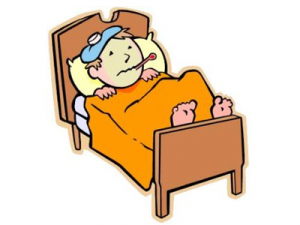
    sick(adjective)

    /sɪk/

    아픈

    physically or mentally ill

    My grandfather is very sick.

    제 할아버지는 많이 아프세요.

    유의어illunwellailingdiseasedunhealthy
    반의어healthywellfitrobuststrong