ข้ามไปยังเนื้อหา

บทที่ 142/202 · 25 คำ · จำได้แล้ว 0

B1 · Body & health

B1 · ร่างกายและสุขภาพ

  1. 1

    suffer(verb)

    /ˈsʌfər/

    ทนทุกข์

    to be badly affected by a disease, pain, sad feelings, a lack of something, etc.

    He suffered intense pain

    เขาทนทุกข์ทรมานจากความเจ็บปวดอย่างรุนแรง

    He suffers from asthma.

    คำพ้องความหมายendureundergoexperiencebeartoleratesustain
    คำตรงข้ามenjoythriveprosperflourishbenefit
  2. 2

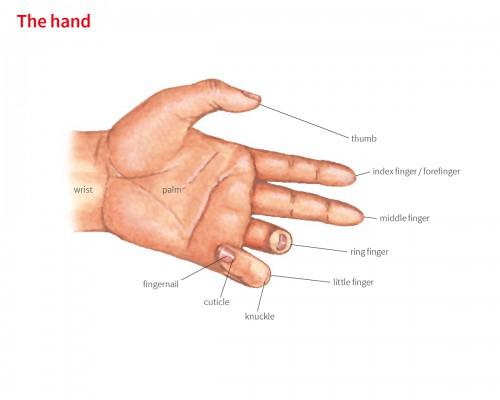
    nail(noun)

    /neɪl/

    เล็บ

    the thin hard layer covering the outer tip of the fingers or toes

    nail clippers

    กรรไกรตัดเล็บ

    Stop biting your nails!

    คำพ้องความหมายtackspikepinclawtalon
    คำตรงข้ามNone (in the context of the anatomical part). For the verb senseantonyms would be things like 'unfasten''detach'
  3. 3

    survive(verb)

    /sərˈvaɪv/

    อยู่รอด

    to continue to live or exist

    These plants cannot survive in very cold conditions.

    พืชเหล่านี้ไม่สามารถอยู่รอดได้ในสภาพอากาศที่หนาวเย็นมาก

    Some strange customs have survived from earlier times.

    คำพ้องความหมายendurepersistlivewithstandcopeget by
    คำตรงข้ามdieperishsuccumbexpire
  4. 4

    emergency(noun)

    /ɪˈmɜːrdʒənsi/

    ภาวะฉุกเฉิน, เหตุฉุกเฉิน

    a sudden, serious situation, such as an injury or illness, that needs immediate action

    Severe chest pain should always be treated as a medical emergency.

    อาการเจ็บหน้าอกรุนแรงควรถือเป็นภาวะฉุกเฉินทางการแพทย์เสมอ

    In an emergency, call 115 for an ambulance.

    คำพ้องความหมายcrisisurgencyexigencypredicamentdisaster
    คำตรงข้ามcalmpeacenormalityroutine
  5. 5

    operation(noun)

    /ˌɑːpəreɪʃn ˌdezərt ˈʃiːld/

    การผ่าตัด

    the process of cutting open a part of a person's body in order to remove or repair a damaged part

    Doctors performed an emergency operation for appendicitis last night

    แพทย์ทำการผ่าตัดฉุกเฉินไส้ติ่งอักเสบเมื่อคืนนี้

    Doctors performed an emergency operation for appendicitis last night.

    คำพ้องความหมายsurgeryprocedureinterventiontreatmentprocessundertakingactivity
    คำตรงข้ามinactionrestnoninterventionabstention
  6. 6

    tongue(noun)

    /tʌŋ/

    ลิ้น

    the soft part in the mouth that moves around, used for tasting, swallowing , speaking, etc.

    He clicked his tongue to attract their attention.

    เขาเดาะลิ้นเพื่อดึงดูดความสนใจของพวกเขา

    It's very rude to stick your tongue out at people.

    คำพ้องความหมายspeechlanguagearticulationdialect
    คำตรงข้ามsilencemuteness
  7. 7

    throat(noun)

    /θrəʊt/

    ลำคอ

    a passage in the neck through which food and air pass on their way into the body; the front part of the neck

    a sore throat

    เจ็บคอ

    He held the knife to her throat.

    คำพ้องความหมายgulletwindpipepharynx
    คำตรงข้ามcommon yellowthroatcutthroatear-nose-and-throat doctorfrog-in-the-throatrelaxed throatthroatthroatywhite-throat
  8. 8

    sight(noun)

    /saɪt/

    สายตา, การมองเห็น

    the ability to see

    She lost her sight in an accident when she was young.

    เธอสูญเสียการมองเห็นจากอุบัติเหตุตั้งแต่ยังเด็ก

    คำพ้องความหมายviewvisioneyesightspectacleperceptionobservationglimpse
    คำตรงข้ามblindnessimperceptibility
  9. 9

    chest(noun)

    /tʃest/

    หน้าอก

    the top part of the front of the body, between the neck and the stomach

    There is a red spot on his chest.

    มีจุดสีแดงบนหน้าอกของเขา

    a chest infection

    คำพ้องความหมายbreastthoraxbosomtorsopectus
    คำตรงข้ามbackrear
  10. 10

    breathing(noun)

    /ˈbriːðɪŋ/

    การหายใจ

    the action of taking air into the lungs and sending it out again

    Heavy (= loud) breathing was all I could hear.

    สิ่งที่ฉันได้ยินทั้งหมดคือเสียงหายใจดัง

    Her breathing became steady and she fell asleep.

    คำพ้องความหมายrespirationventilationinspirationexpirationpantingsighing
    คำตรงข้ามsuffocationasphyxiationbreathlessness
  11. 11

    breathe(verb)

    /briːð/

    หายใจ

    to take air into your lungs and send it out again through your nose or mouth

    He breathed deeply before speaking again.

    เขาหายใจเข้าลึก ๆ ก่อนจะพูดอีกครั้ง

    He was breathing heavily after his exertions.

    คำพ้องความหมายinhaleexhalerespiregasppantpuff
    คำตรงข้ามsuffocateasphyxiatechoke
  12. 12

    muscle(noun)

    /ˈmʌsl/

    กล้ามเนื้อ

    a piece of body tissue that you make tight and relax in order to move a particular part of the body; the tissue that forms the muscles of the body

    She tried to relax her tense muscles.

    เธอพยายามผ่อนคลายกล้ามเนื้อที่ตึงเครียดของเธอ

    a calf/neck/thigh muscle

    คำพ้องความหมายsinewbicepstendonstrengthbrawn
    คำตรงข้ามweaknessatrophyflabbiness
  13. 13

    uncomfortable(adjective)

    /ʌnˈkʌmftəbl/

    อึดอัด

    not letting you feel physically comfortable; unpleasant to wear, sit on, etc.

    I couldn't sleep because the bed was so uncomfortable.

    ฉันนอนไม่หลับเพราะเตียงนอนไม่สบาย

    uncomfortable shoes

    คำพ้องความหมายawkwarduneasydistressingirritatingpainfuldisagreeablerestless
    คำตรงข้ามcomfortableeasypleasantagreeablerelaxing
  14. 14

    breath(noun)

    /breθ/

    ลมหายใจ

    the air that you take into your lungs and send out again

    We had to stop for breath before we got to the top.

    เราต้องหยุดพักหายใจก่อนขึ้นไปถึงข้างบน

    His breath smelt of garlic.

    คำพ้องความหมายrespirationexhalationinhalationpuffgasp
    คำตรงข้ามsuffocationasphyxiation
  15. 15

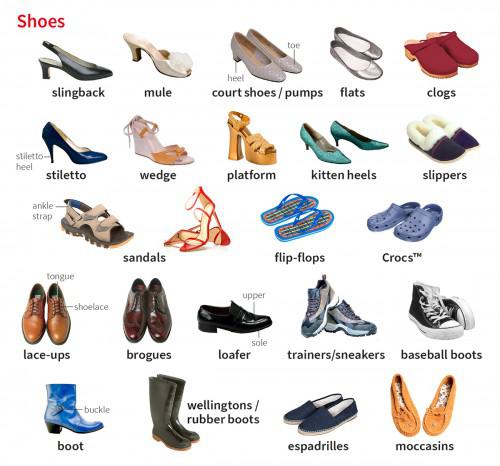
    toe(noun)

    /təʊ/

    นิ้วเท้า

    one of the five small parts that stick out from the foot; any similar part on the foot of an animal or bird

    That man has 11 toes.

    ผู้ชายคนนั้นมีนิ้วเท้า 11 นิ้ว

    I stubbed my toe on the step.

    คำพ้องความหมายdigitpedal digit
    คำตรงข้ามautoeroticdostoevskidostoevskiandostoevskyeven-toedgrottoeshammer-toeheel-and-toe
  16. 16

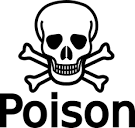
    poison(noun)

    /ˈpɔɪzn/

    พิษ, ยาพิษ

    a substance that causes death or harm if it gets into the body

    Keep the rat poison away from small children and pets.

    เก็บยาเบื่อหนูให้พ้นมือเด็กเล็กและสัตว์เลี้ยง

    คำพ้องความหมายvenomtoxintoxicantbanecontaminate
    คำตรงข้ามantidotecureremedyneutralizecleanse
  17. 17

    strength(noun)

    /streŋkθ/

    ความแข็งแกร่ง

    the quality of being physically strong

    He pushed against the rock with all his strength.

    เขาผลักหินด้วยกำลังทั้งหมดของเขา

    She didn't have the strength to walk any further.

    คำพ้องความหมายpowerforcemightpotencyvigorenergy
    คำตรงข้ามweaknessfrailtyimpotencefeebleness
  18. 18

    injure(verb)

    /ˈɪndʒər/

    ทำร้าย

    to harm yourself or somebody else physically, especially in an accident

    The bomb killed eleven people and injured 55.

    ระเบิดสังหารผู้คนไป 11 คน และทำให้บาดเจ็บ 55 คน

    She injured herself during training.

    คำพ้องความหมายwoundhurtdamageharmimpair
    คำตรงข้ามhealcuremendrepair
  19. 19

    treatment(noun)

    /ˈtriːtmənt/

    การรักษา

    something that is done to cure an illness or injury, or to make somebody look and feel good

    The little boy has responded well to treatment.

    เด็กชายตัวเล็กๆ ตอบสนองต่อการรักษาเป็นอย่างดี

    He is receiving treatment for shock.

    คำพ้องความหมายtherapycureremedycaremanagementhealingmedicationintervention
    คำตรงข้ามneglectdisregardharminjuryaggravationworsening
  20. 20

    lip(noun)

    /lɪp/

    ริมฝีปาก

    either of the two soft edges at the opening to the mouth

    Her lips are quite thin.

    ริมฝีปากของเธอค่อนข้างบาง

    The assistant pursed her lips.

    คำพ้องความหมายmouthlabium
    คำตรงข้ามinsideinteriormiddlekindness
  21. 21

    painful(adjective)

    /ˈpeɪnfl/

    เจ็บปวด, ปวด

    causing you pain

    My knee is still very painful after I fell off my bike.

    เข่าของฉันยังเจ็บมากหลังจากตกจากจักรยาน

    คำพ้องความหมายachingagonizingbitterdistressinggrievoushurtfulmiserablesevere
    คำตรงข้ามpleasantdelightfuljoyfulhappyagreeablepainless
  22. 22

    poisonous(adjective)

    /ˈpɔɪzənəs/

    มีพิษ

    causing death or illness if swallowed or taken into the body

    Ivy leaves are poisonous but I am immune to the poison.

    ใบไอวี่มีพิษ แต่ฉันมีภูมิคุ้มกันต่อพิษนั้น

    คำพ้องความหมายtoxicvenomousnoxiousdeadlylethal
    คำตรงข้ามharmlesssafenon-toxicbenignwholesome
  23. 23

    symptom(noun)

    /ˈsɪmptəm/

    อาการ, อาการแสดง

    a change in the body or mind that a patient notices and that may be a sign of disease

    The most common symptoms of dengue are high fever and severe body aches.

    อาการที่พบบ่อยที่สุดของโรคไข้เลือดออกคือไข้สูงและปวดเมื่อยตามตัวอย่างรุนแรง

    Tell the doctor when your symptoms first started.

    คำพ้องความหมายsignindicationmanifestationcharacteristicfeatureevidence
    คำตรงข้ามhealthwellnesscurenormality
  24. 24

    fitness(noun)

    /ˈfɪtnəs/

    สมรรถภาพ

    the state of being physically healthy and strong

    I took a fitness course last month.

    ฉันเข้าคอร์สฟิตเนสเมื่อเดือนที่แล้ว

    คำพ้องความหมายhealthwellnessphysical conditionwell-beingshape
    คำตรงข้ามillnessweaknessfrailtyunhealthiness
  25. 25

    injured(adjective)

    /ˈɪndʒərd/

    บาดเจ็บ

    physically hurt; having an injury

    She was seriously injured in the accident.

    เธอได้รับบาดเจ็บสาหัสจากอุบัติเหตุ

    คำพ้องความหมายwoundedhurtdamagedimpairedafflicted
    คำตรงข้ามunhurtuninjuredsafewellhealthy