본문으로 건너뛰기

레슨 142/202 · 25단어 · 외운 단어 0

B1 · Body & health

B1 · 신체와 건강

  1. 1

    suffer(verb)

    /ˈsʌfər/

    고통받다

    to be badly affected by a disease, pain, sad feelings, a lack of something, etc.

    He suffered intense pain

    그는 극심한 고통을 겪었다.

    He suffers from asthma.

    유의어endureundergoexperiencebeartoleratesustain
    반의어enjoythriveprosperflourishbenefit
  2. 2

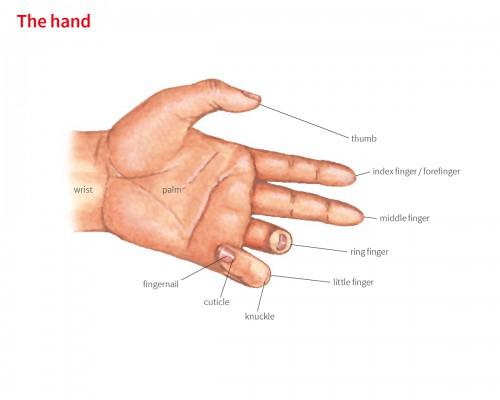
    nail(noun)

    /neɪl/

    손톱

    the thin hard layer covering the outer tip of the fingers or toes

    nail clippers

    손톱깎이

    Stop biting your nails!

    유의어tackspikepinclawtalon
    반의어None (in the context of the anatomical part). For the verb senseantonyms would be things like 'unfasten''detach'
  3. 3

    survive(verb)

    /sərˈvaɪv/

    생존하다 (saengjonhada)

    to continue to live or exist

    These plants cannot survive in very cold conditions.

    이 식물들은 매우 추운 환경에서 생존할 수 없습니다.

    Some strange customs have survived from earlier times.

    유의어endurepersistlivewithstandcopeget by
    반의어dieperishsuccumbexpire
  4. 4

    emergency(noun)

    /ɪˈmɜːrdʒənsi/

    응급 상황, 응급

    a sudden, serious situation, such as an injury or illness, that needs immediate action

    Severe chest pain should always be treated as a medical emergency.

    심한 가슴 통증은 항상 응급 상황으로 간주해야 합니다.

    In an emergency, call 115 for an ambulance.

    유의어crisisurgencyexigencypredicamentdisaster
    반의어calmpeacenormalityroutine
  5. 5

    operation(noun)

    /ˌɑːpəreɪʃn ˌdezərt ˈʃiːld/

    수술

    the process of cutting open a part of a person's body in order to remove or repair a damaged part

    Doctors performed an emergency operation for appendicitis last night

    의사들은 어젯밤 맹장염 응급 수술을 했다.

    Doctors performed an emergency operation for appendicitis last night.

    유의어surgeryprocedureinterventiontreatmentprocessundertakingactivity
    반의어inactionrestnoninterventionabstention
  6. 6

    tongue(noun)

    /tʌŋ/

    혀 (hyeo)

    the soft part in the mouth that moves around, used for tasting, swallowing , speaking, etc.

    He clicked his tongue to attract their attention.

    그는 그들의 주의를 끌기 위해 혀를 찼다. (geuneun geudeul-ui juui-reul kkeulgi wihae hyeoreul chatda.)

    It's very rude to stick your tongue out at people.

    유의어speechlanguagearticulationdialect
    반의어silencemuteness
  7. 7

    throat(noun)

    /θrəʊt/

    목 (mok)

    a passage in the neck through which food and air pass on their way into the body; the front part of the neck

    a sore throat

    인후통 (inhutong)

    He held the knife to her throat.

    유의어gulletwindpipepharynx
    반의어common yellowthroatcutthroatear-nose-and-throat doctorfrog-in-the-throatrelaxed throatthroatthroatywhite-throat
  8. 8

    sight(noun)

    /saɪt/

    시력, 시각

    the ability to see

    She lost her sight in an accident when she was young.

    그녀는 어릴 때 사고로 시력을 잃었다.

    유의어viewvisioneyesightspectacleperceptionobservationglimpse
    반의어blindnessimperceptibility
  9. 9

    chest(noun)

    /tʃest/

    가슴 (gaseum)

    the top part of the front of the body, between the neck and the stomach

    There is a red spot on his chest.

    그의 가슴에 빨간 점이 있습니다.

    a chest infection

    유의어breastthoraxbosomtorsopectus
    반의어backrear
  10. 10

    breathing(noun)

    /ˈbriːðɪŋ/

    호흡 (hoheup)

    the action of taking air into the lungs and sending it out again

    Heavy (= loud) breathing was all I could hear.

    내가 들을 수 있는 건 거친 숨소리뿐이었다.

    Her breathing became steady and she fell asleep.

    유의어respirationventilationinspirationexpirationpantingsighing
    반의어suffocationasphyxiationbreathlessness
  11. 11

    breathe(verb)

    /briːð/

    숨 쉬다, 호흡하다

    to take air into your lungs and send it out again through your nose or mouth

    He breathed deeply before speaking again.

    그는 다시 말하기 전에 숨을 깊이 들이쉬었다.

    He was breathing heavily after his exertions.

    유의어inhaleexhalerespiregasppantpuff
    반의어suffocateasphyxiatechoke
  12. 12

    muscle(noun)

    /ˈmʌsl/

    근육 (geunyuk)

    a piece of body tissue that you make tight and relax in order to move a particular part of the body; the tissue that forms the muscles of the body

    She tried to relax her tense muscles.

    그녀는 긴장된 근육을 풀려고 노력했다.

    a calf/neck/thigh muscle

    유의어sinewbicepstendonstrengthbrawn
    반의어weaknessatrophyflabbiness
  13. 13

    uncomfortable(adjective)

    /ʌnˈkʌmftəbl/

    불편한

    not letting you feel physically comfortable; unpleasant to wear, sit on, etc.

    I couldn't sleep because the bed was so uncomfortable.

    침대가 너무 불편해서 잠을 잘 수 없었어요.

    uncomfortable shoes

    유의어awkwarduneasydistressingirritatingpainfuldisagreeablerestless
    반의어comfortableeasypleasantagreeablerelaxing
  14. 14

    breath(noun)

    /breθ/

    숨 (sum)

    the air that you take into your lungs and send out again

    We had to stop for breath before we got to the top.

    정상에 도착하기 전에 숨을 고르기 위해 멈춰야 했습니다.

    His breath smelt of garlic.

    유의어respirationexhalationinhalationpuffgasp
    반의어suffocationasphyxiation
  15. 15

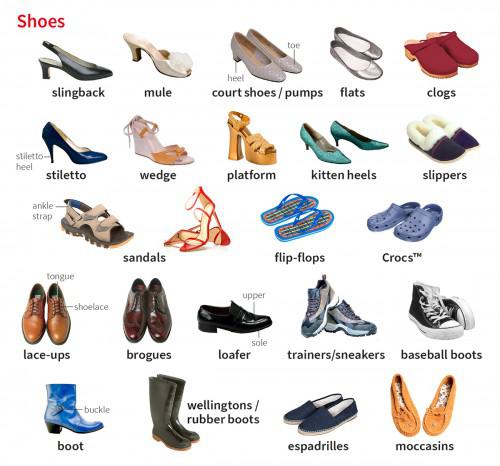
    toe(noun)

    /təʊ/

    발가락

    one of the five small parts that stick out from the foot; any similar part on the foot of an animal or bird

    That man has 11 toes.

    저 남자는 발가락이 11개 있어요.

    I stubbed my toe on the step.

    유의어digitpedal digit
    반의어autoeroticdostoevskidostoevskiandostoevskyeven-toedgrottoeshammer-toeheel-and-toe
  16. 16

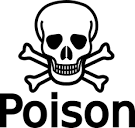
    poison(noun)

    /ˈpɔɪzn/

    독, 독약

    a substance that causes death or harm if it gets into the body

    Keep the rat poison away from small children and pets.

    쥐약은 어린아이와 반려동물이 접근하지 못하게 보관하세요.

    유의어venomtoxintoxicantbanecontaminate
    반의어antidotecureremedyneutralizecleanse
  17. 17

    strength(noun)

    /streŋkθ/

    힘 (him)

    the quality of being physically strong

    He pushed against the rock with all his strength.

    그는 온 힘을 다해 바위를 밀었다.

    She didn't have the strength to walk any further.

    유의어powerforcemightpotencyvigorenergy
    반의어weaknessfrailtyimpotencefeebleness
  18. 18

    injure(verb)

    /ˈɪndʒər/

    부상시키다

    to harm yourself or somebody else physically, especially in an accident

    The bomb killed eleven people and injured 55.

    폭탄으로 11명이 사망하고 55명이 부상당했습니다.

    She injured herself during training.

    유의어woundhurtdamageharmimpair
    반의어healcuremendrepair
  19. 19

    treatment(noun)

    /ˈtriːtmənt/

    치료

    something that is done to cure an illness or injury, or to make somebody look and feel good

    The little boy has responded well to treatment.

    그 어린 소년은 치료에 잘 반응했습니다.

    He is receiving treatment for shock.

    유의어therapycureremedycaremanagementhealingmedicationintervention
    반의어neglectdisregardharminjuryaggravationworsening
  20. 20

    lip(noun)

    /lɪp/

    입술 (ipsul)

    either of the two soft edges at the opening to the mouth

    Her lips are quite thin.

    그녀의 입술은 꽤 얇다.

    The assistant pursed her lips.

    유의어mouthlabium
    반의어insideinteriormiddlekindness
  21. 21

    painful(adjective)

    /ˈpeɪnfl/

    아픈, 고통스러운

    causing you pain

    My knee is still very painful after I fell off my bike.

    자전거에서 넘어진 뒤로 무릎이 아직도 매우 아프다.

    유의어achingagonizingbitterdistressinggrievoushurtfulmiserablesevere
    반의어pleasantdelightfuljoyfulhappyagreeablepainless
  22. 22

    poisonous(adjective)

    /ˈpɔɪzənəs/

    유독한

    causing death or illness if swallowed or taken into the body

    Ivy leaves are poisonous but I am immune to the poison.

    담쟁이 잎은 유독하지만 저는 그 독에 면역이 있습니다.

    유의어toxicvenomousnoxiousdeadlylethal
    반의어harmlesssafenon-toxicbenignwholesome
  23. 23

    symptom(noun)

    /ˈsɪmptəm/

    증상

    a change in the body or mind that a patient notices and that may be a sign of disease

    The most common symptoms of dengue are high fever and severe body aches.

    뎅기열의 가장 흔한 증상은 고열과 심한 전신 근육통이다.

    Tell the doctor when your symptoms first started.

    유의어signindicationmanifestationcharacteristicfeatureevidence
    반의어healthwellnesscurenormality
  24. 24

    fitness(noun)

    /ˈfɪtnəs/

    건강, 체력

    the state of being physically healthy and strong

    I took a fitness course last month.

    나는 지난달에 체력 단련 강좌를 들었다.

    유의어healthwellnessphysical conditionwell-beingshape
    반의어illnessweaknessfrailtyunhealthiness
  25. 25

    injured(adjective)

    /ˈɪndʒərd/

    부상당한 (busangdanghan)

    physically hurt; having an injury

    She was seriously injured in the accident.

    그녀는 사고로 심각한 부상을 입었습니다. (geunyeoneun sagoro simgaghan busangeul ibeotseupnida.)

    유의어woundedhurtdamagedimpairedafflicted
    반의어unhurtuninjuredsafewellhealthy