跳至主要內容

第 142/202 課 · 25 個單字 · 已學會 0 個

B1 · Body & health

B1 · 身體與健康

  1. 1

    suffer(verb)

    /ˈsʌfər/

    遭受, 忍受, 受苦

    to be badly affected by a disease, pain, sad feelings, a lack of something, etc.

    He suffered intense pain

    他遭受了劇烈的疼痛。

    He suffers from asthma.

    同義詞endureundergoexperiencebeartoleratesustain
    反義詞enjoythriveprosperflourishbenefit
  2. 2

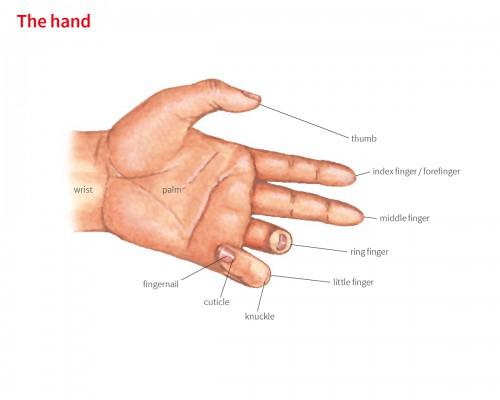
    nail(noun)

    /neɪl/

    指甲

    the thin hard layer covering the outer tip of the fingers or toes

    nail clippers

    指甲剪

    Stop biting your nails!

    同義詞tackspikepinclawtalon
    反義詞None (in the context of the anatomical part). For the verb senseantonyms would be things like 'unfasten''detach'
  3. 3

    survive(verb)

    /sərˈvaɪv/

    存活, 生存

    to continue to live or exist

    These plants cannot survive in very cold conditions.

    這些植物無法在極寒的環境中存活。

    Some strange customs have survived from earlier times.

    同義詞endurepersistlivewithstandcopeget by
    反義詞dieperishsuccumbexpire
  4. 4

    emergency(noun)

    /ɪˈmɜːrdʒənsi/

    緊急狀況, 急症

    a sudden, serious situation, such as an injury or illness, that needs immediate action

    Severe chest pain should always be treated as a medical emergency.

    嚴重胸痛應一律視為醫療緊急狀況。

    In an emergency, call 115 for an ambulance.

    同義詞crisisurgencyexigencypredicamentdisaster
    反義詞calmpeacenormalityroutine
  5. 5

    operation(noun)

    /ˌɑːpəreɪʃn ˌdezərt ˈʃiːld/

    手術

    the process of cutting open a part of a person's body in order to remove or repair a damaged part

    Doctors performed an emergency operation for appendicitis last night

    醫生昨晚為闌尾炎患者進行了緊急手術。

    Doctors performed an emergency operation for appendicitis last night.

    同義詞surgeryprocedureinterventiontreatmentprocessundertakingactivity
    反義詞inactionrestnoninterventionabstention
  6. 6

    tongue(noun)

    /tʌŋ/

    舌頭

    the soft part in the mouth that moves around, used for tasting, swallowing , speaking, etc.

    He clicked his tongue to attract their attention.

    他彈了彈舌頭,想引起他們的注意。

    It's very rude to stick your tongue out at people.

    同義詞speechlanguagearticulationdialect
    反義詞silencemuteness
  7. 7

    throat(noun)

    /θrəʊt/

    喉嚨, 咽喉

    a passage in the neck through which food and air pass on their way into the body; the front part of the neck

    a sore throat

    喉嚨痛

    He held the knife to her throat.

    同義詞gulletwindpipepharynx
    反義詞common yellowthroatcutthroatear-nose-and-throat doctorfrog-in-the-throatrelaxed throatthroatthroatywhite-throat
  8. 8

    sight(noun)

    /saɪt/

    視力, 視覺

    the ability to see

    She lost her sight in an accident when she was young.

    她年輕時因一場意外而失明。

    同義詞viewvisioneyesightspectacleperceptionobservationglimpse
    反義詞blindnessimperceptibility
  9. 9

    chest(noun)

    /tʃest/

    胸部, 胸膛

    the top part of the front of the body, between the neck and the stomach

    There is a red spot on his chest.

    他的胸口上有一個紅點。

    a chest infection

    同義詞breastthoraxbosomtorsopectus
    反義詞backrear
  10. 10

    breathing(noun)

    /ˈbriːðɪŋ/

    呼吸

    the action of taking air into the lungs and sending it out again

    Heavy (= loud) breathing was all I could hear.

    我只聽得到沉重的呼吸聲。

    Her breathing became steady and she fell asleep.

    同義詞respirationventilationinspirationexpirationpantingsighing
    反義詞suffocationasphyxiationbreathlessness
  11. 11

    breathe(verb)

    /briːð/

    呼吸

    to take air into your lungs and send it out again through your nose or mouth

    He breathed deeply before speaking again.

    他深吸一口氣,然後再度開口。

    He was breathing heavily after his exertions.

    同義詞inhaleexhalerespiregasppantpuff
    反義詞suffocateasphyxiatechoke
  12. 12

    muscle(noun)

    /ˈmʌsl/

    肌肉

    a piece of body tissue that you make tight and relax in order to move a particular part of the body; the tissue that forms the muscles of the body

    She tried to relax her tense muscles.

    她試著放鬆緊繃的肌肉。

    a calf/neck/thigh muscle

    同義詞sinewbicepstendonstrengthbrawn
    反義詞weaknessatrophyflabbiness
  13. 13

    uncomfortable(adjective)

    /ʌnˈkʌmftəbl/

    不舒服的, 不舒適的

    not letting you feel physically comfortable; unpleasant to wear, sit on, etc.

    I couldn't sleep because the bed was so uncomfortable.

    我睡不著,因為那張床太不舒服了。

    uncomfortable shoes

    同義詞awkwarduneasydistressingirritatingpainfuldisagreeablerestless
    反義詞comfortableeasypleasantagreeablerelaxing
  14. 14

    breath(noun)

    /breθ/

    呼吸, 氣息

    the air that you take into your lungs and send out again

    We had to stop for breath before we got to the top.

    我們到達山頂前得停下來喘口氣。

    His breath smelt of garlic.

    同義詞respirationexhalationinhalationpuffgasp
    反義詞suffocationasphyxiation
  15. 15

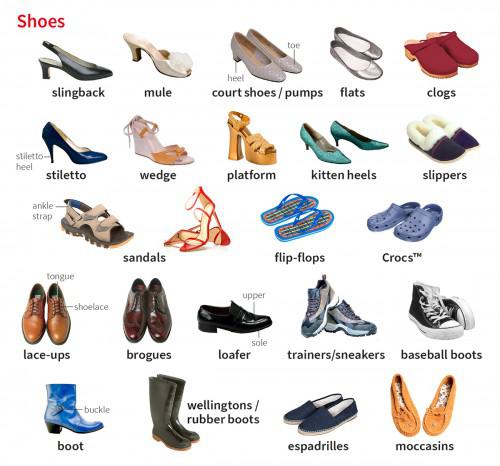
    toe(noun)

    /təʊ/

    腳趾

    one of the five small parts that stick out from the foot; any similar part on the foot of an animal or bird

    That man has 11 toes.

    那個男人有十一根腳趾。

    I stubbed my toe on the step.

    同義詞digitpedal digit
    反義詞autoeroticdostoevskidostoevskiandostoevskyeven-toedgrottoeshammer-toeheel-and-toe
  16. 16

    poison(noun)

    /ˈpɔɪzn/

    毒藥, 毒物, 毒素

    a substance that causes death or harm if it gets into the body

    Keep the rat poison away from small children and pets.

    請將老鼠藥放在小孩和寵物拿不到的地方。

    同義詞venomtoxintoxicantbanecontaminate
    反義詞antidotecureremedyneutralizecleanse
  17. 17

    strength(noun)

    /streŋkθ/

    力氣, 力量

    the quality of being physically strong

    He pushed against the rock with all his strength.

    他用盡全身的力氣去推那塊岩石。

    She didn't have the strength to walk any further.

    同義詞powerforcemightpotencyvigorenergy
    反義詞weaknessfrailtyimpotencefeebleness
  18. 18

    injure(verb)

    /ˈɪndʒər/

    使受傷, 傷害

    to harm yourself or somebody else physically, especially in an accident

    The bomb killed eleven people and injured 55.

    這枚炸彈造成十一人死亡、五十五人受傷。

    She injured herself during training.

    同義詞woundhurtdamageharmimpair
    反義詞healcuremendrepair
  19. 19

    treatment(noun)

    /ˈtriːtmənt/

    治療, 療程

    something that is done to cure an illness or injury, or to make somebody look and feel good

    The little boy has responded well to treatment.

    這個小男孩對治療反應良好。

    He is receiving treatment for shock.

    同義詞therapycureremedycaremanagementhealingmedicationintervention
    反義詞neglectdisregardharminjuryaggravationworsening
  20. 20

    lip(noun)

    /lɪp/

    嘴唇, 唇

    either of the two soft edges at the opening to the mouth

    Her lips are quite thin.

    她的嘴唇相當薄。

    The assistant pursed her lips.

    同義詞mouthlabium
    反義詞insideinteriormiddlekindness
  21. 21

    painful(adjective)

    /ˈpeɪnfl/

    疼痛的, 痛苦的

    causing you pain

    My knee is still very painful after I fell off my bike.

    我從腳踏車上摔下來後,膝蓋還是很痛。

    同義詞achingagonizingbitterdistressinggrievoushurtfulmiserablesevere
    反義詞pleasantdelightfuljoyfulhappyagreeablepainless
  22. 22

    poisonous(adjective)

    /ˈpɔɪzənəs/

    有毒的

    causing death or illness if swallowed or taken into the body

    Ivy leaves are poisonous but I am immune to the poison.

    常春藤的葉子有毒,但我對這種毒素免疫。

    同義詞toxicvenomousnoxiousdeadlylethal
    反義詞harmlesssafenon-toxicbenignwholesome
  23. 23

    symptom(noun)

    /ˈsɪmptəm/

    症狀

    a change in the body or mind that a patient notices and that may be a sign of disease

    The most common symptoms of dengue are high fever and severe body aches.

    登革熱最常見的症狀是高燒和嚴重的全身痠痛。

    Tell the doctor when your symptoms first started.

    同義詞signindicationmanifestationcharacteristicfeatureevidence
    反義詞healthwellnesscurenormality
  24. 24

    fitness(noun)

    /ˈfɪtnəs/

    健康, 體能

    the state of being physically healthy and strong

    I took a fitness course last month.

    我上個月上了一門健身課程。

    同義詞healthwellnessphysical conditionwell-beingshape
    反義詞illnessweaknessfrailtyunhealthiness
  25. 25

    injured(adjective)

    /ˈɪndʒərd/

    受傷的

    physically hurt; having an injury

    She was seriously injured in the accident.

    她在那場意外中受了重傷。

    同義詞woundedhurtdamagedimpairedafflicted
    反義詞unhurtuninjuredsafewellhealthy