सामग्री पर जाएँ

पाठ 142/202 · 25 शब्द · 0 याद हो गए

B1 · Body & health

B1 · शरीर और स्वास्थ्य

  1. 1

    suffer(verb)

    /ˈsʌfər/

    पीड़ित

    to be badly affected by a disease, pain, sad feelings, a lack of something, etc.

    He suffered intense pain

    उसे तीव्र दर्द हुआ।

    He suffers from asthma.

    समानार्थीendureundergoexperiencebeartoleratesustain
    विलोमenjoythriveprosperflourishbenefit
  2. 2

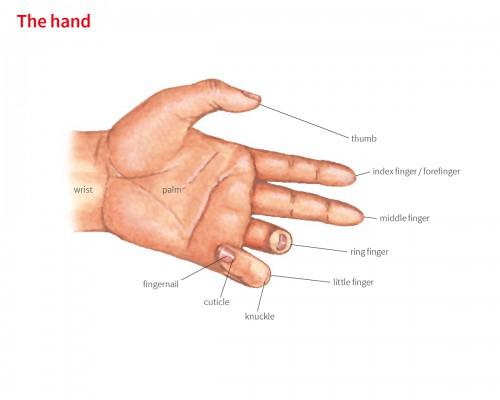
    nail(noun)

    /neɪl/

    नाखून

    the thin hard layer covering the outer tip of the fingers or toes

    nail clippers

    नाखून काटने वाला

    Stop biting your nails!

    समानार्थीtackspikepinclawtalon
    विलोमNone (in the context of the anatomical part). For the verb senseantonyms would be things like 'unfasten''detach'
  3. 3

    survive(verb)

    /sərˈvaɪv/

    जीवित रहना (jeevit rehna)

    to continue to live or exist

    These plants cannot survive in very cold conditions.

    ये पौधे बहुत ठंडी परिस्थितियों में जीवित नहीं रह सकते।

    Some strange customs have survived from earlier times.

    समानार्थीendurepersistlivewithstandcopeget by
    विलोमdieperishsuccumbexpire
  4. 4

    emergency(noun)

    /ɪˈmɜːrdʒənsi/

    आपात स्थिति, इमरजेंसी

    a sudden, serious situation, such as an injury or illness, that needs immediate action

    Severe chest pain should always be treated as a medical emergency.

    सीने में तेज़ दर्द को हमेशा चिकित्सीय आपात स्थिति मानना चाहिए।

    In an emergency, call 115 for an ambulance.

    समानार्थीcrisisurgencyexigencypredicamentdisaster
    विलोमcalmpeacenormalityroutine
  5. 5

    operation(noun)

    /ˌɑːpəreɪʃn ˌdezərt ˈʃiːld/

    शल्यक्रिया, ऑपरेशन

    the process of cutting open a part of a person's body in order to remove or repair a damaged part

    Doctors performed an emergency operation for appendicitis last night

    डॉक्टरों ने कल रात अपेंडिसाइटिस के लिए आपातकालीन ऑपरेशन किया।

    Doctors performed an emergency operation for appendicitis last night.

    समानार्थीsurgeryprocedureinterventiontreatmentprocessundertakingactivity
    विलोमinactionrestnoninterventionabstention
  6. 6

    tongue(noun)

    /tʌŋ/

    जीभ (jeebh)

    the soft part in the mouth that moves around, used for tasting, swallowing , speaking, etc.

    He clicked his tongue to attract their attention.

    उसने उनका ध्यान आकर्षित करने के लिए अपनी जीभ चटकाई। (usne unka dhyaan aakarshit karne ke lie apanee jeebh chatakaee.)

    It's very rude to stick your tongue out at people.

    समानार्थीspeechlanguagearticulationdialect
    विलोमsilencemuteness
  7. 7

    throat(noun)

    /θrəʊt/

    गला (gala)

    a passage in the neck through which food and air pass on their way into the body; the front part of the neck

    a sore throat

    गले में खराश (gale mein kharaash)

    He held the knife to her throat.

    समानार्थीgulletwindpipepharynx
    विलोमcommon yellowthroatcutthroatear-nose-and-throat doctorfrog-in-the-throatrelaxed throatthroatthroatywhite-throat
  8. 8

    sight(noun)

    /saɪt/

    दृष्टि, नज़र, बीनाई

    the ability to see

    She lost her sight in an accident when she was young.

    बचपन में एक दुर्घटना में उसकी दृष्टि चली गई थी।

    समानार्थीviewvisioneyesightspectacleperceptionobservationglimpse
    विलोमblindnessimperceptibility
  9. 9

    chest(noun)

    /tʃest/

    छाती (chhaati)

    the top part of the front of the body, between the neck and the stomach

    There is a red spot on his chest.

    उसकी छाती पर एक लाल धब्बा है।

    a chest infection

    समानार्थीbreastthoraxbosomtorsopectus
    विलोमbackrear
  10. 10

    breathing(noun)

    /ˈbriːðɪŋ/

    सांस (saans)

    the action of taking air into the lungs and sending it out again

    Heavy (= loud) breathing was all I could hear.

    मुझे बस भारी सांस लेने की आवाज़ सुनाई दे रही थी।

    Her breathing became steady and she fell asleep.

    समानार्थीrespirationventilationinspirationexpirationpantingsighing
    विलोमsuffocationasphyxiationbreathlessness
  11. 11

    breathe(verb)

    /briːð/

    साँस लेना (saans lena)

    to take air into your lungs and send it out again through your nose or mouth

    He breathed deeply before speaking again.

    उसने दोबारा बोलने से पहले गहरी सांस ली। (usne dobara bolne se pahle gahari saans li.)

    He was breathing heavily after his exertions.

    समानार्थीinhaleexhalerespiregasppantpuff
    विलोमsuffocateasphyxiatechoke
  12. 12

    muscle(noun)

    /ˈmʌsl/

    मांसपेशी (maanspeshee)

    a piece of body tissue that you make tight and relax in order to move a particular part of the body; the tissue that forms the muscles of the body

    She tried to relax her tense muscles.

    उसने अपनी तनी हुई मांसपेशियों को आराम देने की कोशिश की।

    a calf/neck/thigh muscle

    समानार्थीsinewbicepstendonstrengthbrawn
    विलोमweaknessatrophyflabbiness
  13. 13

    uncomfortable(adjective)

    /ʌnˈkʌmftəbl/

    असहज

    not letting you feel physically comfortable; unpleasant to wear, sit on, etc.

    I couldn't sleep because the bed was so uncomfortable.

    मैं सो नहीं सका क्योंकि बिस्तर बहुत असहज था।

    uncomfortable shoes

    समानार्थीawkwarduneasydistressingirritatingpainfuldisagreeablerestless
    विलोमcomfortableeasypleasantagreeablerelaxing
  14. 14

    breath(noun)

    /breθ/

    सांस (saans)

    the air that you take into your lungs and send out again

    We had to stop for breath before we got to the top.

    हमें ऊपर पहुंचने से पहले सांस लेने के लिए रुकना पड़ा।

    His breath smelt of garlic.

    समानार्थीrespirationexhalationinhalationpuffgasp
    विलोमsuffocationasphyxiation
  15. 15

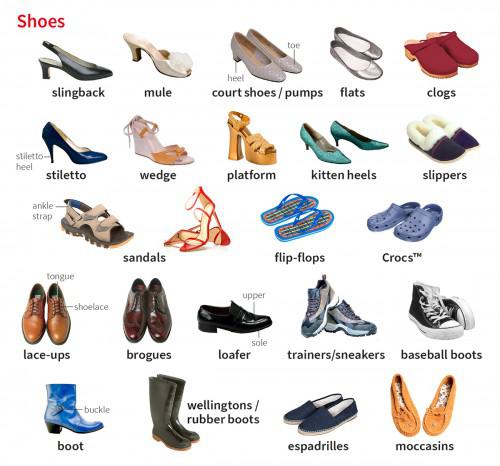
    toe(noun)

    /təʊ/

    पैर की उंगली

    one of the five small parts that stick out from the foot; any similar part on the foot of an animal or bird

    That man has 11 toes.

    उस आदमी के 11 पैर की उंगलियां हैं।

    I stubbed my toe on the step.

    समानार्थीdigitpedal digit
    विलोमautoeroticdostoevskidostoevskiandostoevskyeven-toedgrottoeshammer-toeheel-and-toe
  16. 16

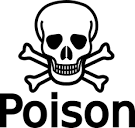
    poison(noun)

    /ˈpɔɪzn/

    ज़हर, विष

    a substance that causes death or harm if it gets into the body

    Keep the rat poison away from small children and pets.

    चूहे मारने का ज़हर छोटे बच्चों और पालतू जानवरों से दूर रखें।

    समानार्थीvenomtoxintoxicantbanecontaminate
    विलोमantidotecureremedyneutralizecleanse
  17. 17

    strength(noun)

    /streŋkθ/

    ताकत (taakat)

    the quality of being physically strong

    He pushed against the rock with all his strength.

    उसने अपनी पूरी ताकत से चट्टान को धकेला।

    She didn't have the strength to walk any further.

    समानार्थीpowerforcemightpotencyvigorenergy
    विलोमweaknessfrailtyimpotencefeebleness
  18. 18

    injure(verb)

    /ˈɪndʒər/

    घायल करना

    to harm yourself or somebody else physically, especially in an accident

    The bomb killed eleven people and injured 55.

    बम ने ग्यारह लोगों को मार डाला और 55 को घायल कर दिया।

    She injured herself during training.

    समानार्थीwoundhurtdamageharmimpair
    विलोमhealcuremendrepair
  19. 19

    treatment(noun)

    /ˈtriːtmənt/

    इलाज

    something that is done to cure an illness or injury, or to make somebody look and feel good

    The little boy has responded well to treatment.

    छोटे लड़के ने इलाज के लिए अच्छी प्रतिक्रिया दी है।

    He is receiving treatment for shock.

    समानार्थीtherapycureremedycaremanagementhealingmedicationintervention
    विलोमneglectdisregardharminjuryaggravationworsening
  20. 20

    lip(noun)

    /lɪp/

    होंठ (honth)

    either of the two soft edges at the opening to the mouth

    Her lips are quite thin.

    उसके होंठ काफ़ी पतले हैं।

    The assistant pursed her lips.

    समानार्थीmouthlabium
    विलोमinsideinteriormiddlekindness
  21. 21

    painful(adjective)

    /ˈpeɪnfl/

    दर्दनाक, पीड़ादायक

    causing you pain

    My knee is still very painful after I fell off my bike.

    साइकिल से गिरने के बाद मेरे घुटने में अब भी बहुत दर्द है।

    समानार्थीachingagonizingbitterdistressinggrievoushurtfulmiserablesevere
    विलोमpleasantdelightfuljoyfulhappyagreeablepainless
  22. 22

    poisonous(adjective)

    /ˈpɔɪzənəs/

    ज़हरीला

    causing death or illness if swallowed or taken into the body

    Ivy leaves are poisonous but I am immune to the poison.

    आइवी के पत्ते जहरीले होते हैं लेकिन मैं जहर के प्रति प्रतिरक्षित हूं।

    समानार्थीtoxicvenomousnoxiousdeadlylethal
    विलोमharmlesssafenon-toxicbenignwholesome
  23. 23

    symptom(noun)

    /ˈsɪmptəm/

    लक्षण

    a change in the body or mind that a patient notices and that may be a sign of disease

    The most common symptoms of dengue are high fever and severe body aches.

    डेंगू के सबसे आम लक्षण तेज़ बुखार और तीव्र शरीर दर्द हैं।

    Tell the doctor when your symptoms first started.

    समानार्थीsignindicationmanifestationcharacteristicfeatureevidence
    विलोमhealthwellnesscurenormality
  24. 24

    fitness(noun)

    /ˈfɪtnəs/

    फिटनेस

    the state of being physically healthy and strong

    I took a fitness course last month.

    मैंने पिछले महीने एक फिटनेस कोर्स लिया।

    समानार्थीhealthwellnessphysical conditionwell-beingshape
    विलोमillnessweaknessfrailtyunhealthiness
  25. 25

    injured(adjective)

    /ˈɪndʒərd/

    घायल (ghayal)

    physically hurt; having an injury

    She was seriously injured in the accident.

    वह दुर्घटना में गंभीर रूप से घायल हो गई थी। (vah durghatna mein gambheer roop se ghayal ho gaee thee.)

    समानार्थीwoundedhurtdamagedimpairedafflicted
    विलोमunhurtuninjuredsafewellhealthy