第 10/13 課 · 15 個單字 · 已學會 0 個
Intellectual property
智慧財產權
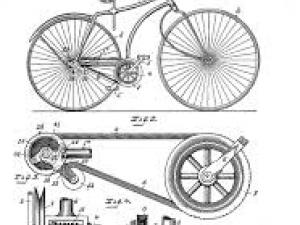
專利, 專利權
an official right given to an inventor to be the only one who can make, use or sell an invention for a set period
The company applied for a patent for its new water filter.
該公司為其新型濾水器申請了專利。
A patent usually gives protection for twenty years.
同義詞copyrightlicensefranchisecharterprotectionintellectual property right反義詞plagiarisminfringementpiracypublic domainunlicensed著作權, 版權
the legal right of the creator of an original work, such as a book, song or software, to control its copying and use
The photographer owns the copyright in all the pictures she took for the brochure.
這位攝影師擁有她為宣傳手冊所拍攝的所有照片的著作權。
Copying the software without permission is a copyright infringement.
同義詞intellectual propertypatenttrademarkauthor's rightownership反義詞public domainplagiarismfree use仿冒的, 偽造的
made to look exactly like a genuine branded product in order to deceive buyers
Customs officers seized two containers of counterfeit handbags.
海關人員查扣了兩個貨櫃的仿冒手提包。
Selling counterfeit medicine is a serious criminal offence.
同義詞fakeforgedspuriousfraudulentsham反義詞genuineauthenticrealoriginalvalid侵害, 侵權
to break a law or use something protected, such as a patent or trademark, without permission
The court found that the imported phones infringed our patent.
法院認定進口的手機侵害了我們的專利。
Using the logo on your packaging would infringe their trademark.
同義詞violatetransgressbreachcontravene反義詞obeycomplyrespectuphold侵權行為, 侵害
an act that breaks a law or uses someone's protected rights without permission
The brand owner sent a warning about trademark infringement to the online sellers.
品牌所有人向網路賣家發出商標侵權警告。
Infringement of intellectual property rights can be handled by administrative or civil measures.
同義詞violationbreachtransgressionencroachment反義詞complianceadherenceobservance授權, 使用授權
official permission to use something, such as software, often for a set number of users or a fixed period
We need to buy twenty more licences for the design software.
我們需要為這套設計軟體再購買二十個授權。
The licence expires at the end of the year, so remember to renew it.
同義詞permitauthorizationcertificatedocument反義詞prohibitionrestrictionban被授權人, 被授權方, 授權使用人
a person or company that has been given a licence to use something, such as a trademark or patent
The licensee must pay a royalty on every unit sold.
被授權人必須就每件售出的產品支付權利金。
The licensee may not transfer its rights without the licensor's consent.
同義詞permit holderfranchiseeauthorized dealer反義詞licensorunlicensedprohibited商標
a registered name, logo or sign that identifies a company's goods or services and that others may not use
We registered our trademark in Vietnam before launching the product.
我們在越南推出產品之前,先註冊了商標。
The court ordered the shop to stop using a sign similar to our trademark.
同義詞brandlogosymbolembleminsignia反義詞genericunbranded保密協議, 保密契約
a contract in which a party promises not to share confidential information it receives; NDA
Both companies signed a non-disclosure agreement before sharing their technical data.
兩家公司在交換技術資料之前簽署了保密協議。
The consultant breached the non-disclosure agreement by posting the plans online.
同義詞confidentiality agreementsecrecy agreement反義詞disclosureopen agreement智慧財產權
creations of the mind, such as inventions, brand names, designs and creative works, that the law protects
Software companies spend a lot on protecting their intellectual property.
軟體公司在保護其智慧財產權方面投入大量資金。
The licence agreement states who owns the intellectual property in new designs.
營業秘密
valuable business information, such as a recipe or customer list, that a company keeps confidential
The recipe for the sauce is a trade secret known to only three people.
這款醬料的配方是只有三個人知道的營業秘密。
The former employee was sued for disclosing trade secrets to a competitor.
工業設計, 設計專利
the protected outward shape or appearance of a product, such as the form of a bottle or a chair
The company registered the shape of its new bottle as an industrial design.
該公司將其新瓶子的形狀登記為設計專利。
Copying the look of a registered industrial design is an infringement.
公共領域
the state of a creative work or invention that is no longer protected by IP rights, so anyone may use it
The novel is in the public domain, so the publisher can print it freely.
這部小說已進入公共領域,因此出版社可以自由印行。
Once the patent expires, the invention enters the public domain.
律師函, 停止侵權警告函
a formal letter demanding that someone stop an activity, such as an infringement, or face legal action
Our lawyers sent a cease and desist letter to the company copying our logo.
我們的律師已向抄襲我們標誌的公司寄發律師函。
After receiving the cease and desist letter, the seller removed the fake products.