تخطَّ إلى المحتوى

الدرس 36/38 · 166 كلمة · تم تعلّم 0

Function Words

الكلمات الوظيفية

  1. 1

    and(conjunction)

    /ənd/

    و (wa)

    also; in addition to

    Sue and I left early

    غادرت سو وأنا مبكراً (ghadarat su wa'ana mubakkiran)

    bread and butter

    المرادفاتplusalsotogether within addition to
    الأضدادornorinstead of
  2. 2

    herself(pronoun)

    /hɜːrˈself/

    نفسها (nafsuha)

    used when the woman or girl who performs an action is also affected by it

    She must be very proud of herself.

    لا بد أنها فخورة جدا بنفسها. (La budda annaha fakhura jiddan binafsiha.)

    She hurt herself.

    المرادفاتitselfthemselves
    الأضدادotherssomebody else
  3. 3

    therefore(adverb)

    /ˈðerfɔːr/

    لذلك

    used to introduce the logical result of something that has just been mentioned

    He's only 17 and therefore not eligible to vote.

    عمره 17 عامًا فقط وبالتالي فهو غير مؤهل للتصويت.

    There is still much to discuss. We shall, therefore, return to this item at our next meeting.

    المرادفاتconsequentlythushenceaccordinglyfor that reasonas a result
    الأضدادbecausesinceasin spite ofdespite
  4. 4

    rather(adverb)

    /ˈræðər/

    إلى حد ما

    used to mean ‘fairly’ or ‘to some degree’, often when you are disappointed, surprised or expressing slight criticism

    She fell and hurt her leg rather badly.

    سقطت وأصابت ساقها بشكل سيء إلى حد ما.

    I didn't fail the exam; in fact I did rather well!

    المرادفاتsomewhatquitefairlyprettymoderatelyslightlyrelatively
    الأضدادcompletelytotallyentirelyabsolutelyfullynot at all
  5. 5

    ourselves(pronoun)

    /ɑːrˈselvz/

    بأنفسنا

    the reflexive form of we ; used when you and another person or other people together cause and are affected by an action

    We'd like to see it for ourselves.

    نود رؤيته بأنفسنا.

    We shouldn't blame ourselves for what happened.

    المرادفاتpersonallydirectlyin personon our own
    الأضدادsomeone elseanother personindirectly
  6. 6

    him(pronoun)

    /hɪm/

    ـه, إياه

    used as the object of a verb, after the verb be or after a preposition to refer to a male person or animal that has already been mentioned or is easily identified

    When did you see him?

    متى رأيته؟

    He took the children with him.

    المرادفاتhethat guythe manthe boy
    الأضدادherthemshe
  7. 7

    few(determiner)

    /fjuː/

    قليل من

    used with plural nouns and a plural verb to mean ‘not many’

    Few people understand the difference.

    قليل من الناس يفهمون الفرق.

    There seem to be fewer tourists around this year.

    المرادفاتa small number ofnot manylimitedscarcerare
    الأضدادmanynumerousa lotplentyabundant
  8. 8

    himself(pronoun)

    /hɪmˈself/

    نفسه (nafsuhu - male)

    used when the man or boy who performs an action is also affected by it

    Peter ought to be ashamed of himself.

    يجب أن يخجل بيتر من نفسه. (Yajib 'an yakhjal bitir min nafsihi.)

    He introduced himself.

    المرادفاتselfpersonallyin person
    الأضدادotherssomeone else
  9. 9

    quite(adverb)

    /kwaɪt/

    إلى حد ما, نوعًا ما

    to some degree

    The test was quite easy, so I finished early.

    كان الاختبار سهلًا إلى حد ما، لذلك أنهيته مبكرًا.

    المرادفاتrathersomewhatprettyfairlyreasonablyto some extent
    الأضدادnot at allcompletelyentirelyabsolutelytotally
  10. 10

    them(pronoun)

    /ðəm/

    هم

    used when referring to people, animals or things as the object of a verb or preposition, or after the verb be

    Did you eat all of them?

    هل أكلتهم كلهم؟

    What are you doing with those matches? Give them to me.

    المرادفاتthosethesethe peoplethe ones
    الأضدادnone
  11. 11

    via(preposition)

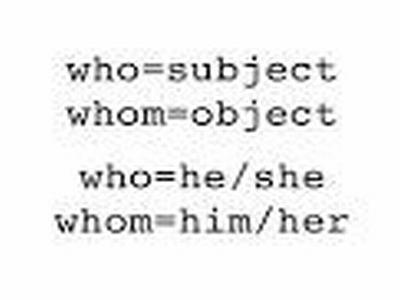
    /ˈvaɪə/

    عبر (eabr)

    through a place

    We flew home via Dubai.

    سافرنا إلى الوطن عبر دبي. (saafarnaa 'ilaa alwatan eabr dubai.)

    The truck driver was waiting to unload.

    المرادفاتby way ofthroughby means ofusingover
    الأضدادdirectlywithoutexcludingavoiding
  12. 12

    we(pronoun)

    /wi/

    نحن

    I and another person or other people; I and you

    We are students.

    نحن طلاب.

    We'd (= the company would) like to offer you the job.

    المرادفاتusourselves
    الأضدادIme
  13. 13

    his(determiner)

    /hɪz/

    خاصته

    of or belonging to a man or boy who has already been mentioned or is easily identified

    His pen is very nice.

    قلمه جميل جداً.

    The choice was his.

    المرادفاتbelonging to himof himhis own
    الأضدادhertheirmyyour
  14. 14

    such(determiner, pronoun)

    /sʌtʃ/

    مثل هذا، كهذا

    used for referring to someone or something that is of the type already mentioned

    He said he didn't have time or made some such excuse.

    قال إنه لم يكن لديه وقت أو اختلق عذرًا من هذا القبيل.

    We were second-class citizens and they treated us as such.

    المرادفاتlike thatof that kindsimilaridenticalequivalent
    الأضدادdissimilardifferentunlike
  15. 15

    that(pronoun)

    /ðæt/

    ذلك، تلك

    used for referring to a person or thing that is not near the speaker or as near to the speaker as another

    That is my school.

    تلك مدرستي.

    She said (that) the story was true.

    المرادفاتthat onethe oneitwhich
    الأضدادthis
  16. 16

    they(pronoun)

    /ðeɪ/

    هم

    people, animals or things that have already been mentioned or are easily identified

    They are my friends.

    هم أصدقائي.

    ‘Where are John and Liz?’ ‘They went for a walk.’

    المرادفاتthose peoplethese peoplethemthe ones
    الأضدادImeheshehimher
  17. 17

    finally(adverb)

    /ˈfaɪnəli/

    أخيرًا، في النهاية

    after a long time, especially when there has been some difficulty or delay

    After waiting for two hours, the bus finally arrived.

    بعد انتظار ساعتين، وصلت الحافلة أخيرًا.

    المرادفاتeventuallyultimatelyin the endat lastin conclusion
    الأضدادinitiallyfirstto begin withat firstoriginally
  18. 18

    somewhat(adverb)

    /ˈsʌmwʌt/

    إلى حد ما

    to some degree

    What happened to them remains somewhat of a mystery.

    ما حدث لهم لا يزال لغزا إلى حد ما.

    I was somewhat surprised to see him.

    المرادفاتslightlya littleratherkind ofsort ofto some extentpartiallymoderately
    الأضدادcompletelyentirelytotallyfullyabsolutelydefinitely
  19. 19

    most(determiner)

    /məʊst/

    الأكثر, أكبر عدد

    the largest in number or amount

    Which team scored the most goals in the match?

    أيّ فريق سجّل أكبر عدد من الأهداف في المباراة؟

    المرادفاتgreatestmaximumlargestmajoritysupreme
    الأضدادleastminimumsmallest
  20. 20

    why(adverb)

    /waɪ/

    لماذا (limadha)

    used in questions to ask the reason for or purpose of something

    Why is Hoa sad?

    لماذا هوا حزينة؟ (limadha Hua hazina?)

    Tell me why you did it.

    المرادفاتfor what reasonhow sowherefore
    الأضدادbecause
  21. 21

    you(pronoun)

    /jə/

    أنتَ/أنتِ

    used as the subject or object of a verb or after a preposition to refer to the person or people being spoken or written to

    You are very kind.

    أنتَ/أنتِ لطيف/لطيفة جداً.

    Can I sit next to you?

    المرادفاتthoutheeyourself
    الأضدادbayoucy youngcyrus the youngerdanton true youngdo-it-yourselfedward younggo-as-you-pleasegood for you
  22. 22

    could(modal verb)

    /kəd/

    استطاع

    used as the past tense of ‘can’

    She said that she couldn't come.

    قالت أنها لا تستطيع المجيء.

    I couldn't hear what they were saying.

    المرادفاتwas able towas capable ofhad the ability tomightmay
    الأضدادcouldn'twas unable tocan't
  23. 23

    the(determiner)

    /ðə/

    ال

    used to refer to somebody/something that has already been mentioned or is easily understood

    There were three questions. The first two were relatively easy but the third one was hard.

    كانت هناك ثلاثة أسئلة. السؤالان الأولان كانا سهلين نسبيًا لكن الثالث كان صعبًا.

    The nights are getting longer.

    المرادفاتthatthis
    الأضدادaan
  24. 24

    though(adverb)

    /ðəʊ/

    مع ذلك, بالرغم من ذلك

    used especially at the end of a sentence to add a fact or opinion that makes the previous statement less strong

    Our team lost. It was a good game though.

    خسر فريقنا. لكنها كانت مباراة جيدة مع ذلك.

    ‘Have you ever been to Australia?’ ‘No. I'd like to, though.’

    المرادفاتalthoughhoweverneverthelessstillyeteven though
    الأضدادbecausesincetherefore
  25. 25

    as(conjunction)

    /əz/

    بينما, عندما

    while something else is happening

    He sat watching her as she got ready.

    جلس يراقبها بينما كانت تستعد.

    As she grew older she gained in confidence.

    المرادفاتwhilewhenbecausesincelikesuch as
    الأضدادunlikedissimilarly
  26. 26

    May(modal verb)

    /meɪ/

    قد, يجوز

    used to say that something is possible

    May I open the window, please?

    هل يجوز لي أن أفتح النافذة من فضلك؟

    المرادفاتfifth monthspringtime
  27. 27

    some(determiner)

    /sʌm/

    بعض

    used with uncountable nouns or plural countable nouns to mean ‘an amount of’ or ‘a number of’, when the amount or number is not given

    I have some friends.

    لدي بعض الأصدقاء.

    Here are some of our suggestions.

    المرادفاتa fewseverala number ofcertainvariousany
    الأضدادnonealleverynowhole
  28. 28

    anyone(pronoun)

    /ˈeniwʌn/

    أيّ شخص

    used instead of someone in negative sentences and in questions after if /whether , and after verbs such as prevent , forbid , avoid , etc.

    Hardly anyone came.

    لم يأت أحد تقريبًا.

    I forbid anyone to touch that clock.

    المرادفاتanybodysomeonesomebodyany personeverybody
    الأضدادnobodyno onenone
  29. 29

    at(preposition)

    /ət/

    في (fi)

    used to say where something/somebody is or where something happens

    We plan to stay at the Sheraton Hotel.

    نحن نخطط للإقامة في فندق شيراتون. (Nahnu nukhatit lil'iqama fi funduq Shiratun.)

    at the corner of the street

    المرادفاتinonnearbywithin
    الأضدادaway fromdistant fromremote from
  30. 30

    us(pronoun)

    /əs/

    نحن

    used when the speaker or writer and another or others are the object of a verb or preposition, or after the verb be

    Hello, it's us back again.

    مرحبًا، عدنا نحن مرة أخرى.

    We'll take the dog with us.

    المرادفاتweourselveswe all
    الأضدادthemyouI
  31. 31

    probably(adverb)

    /ˈprɑːbəbli/

    ربما

    used to say that something is likely to happen or to be true

    The decision to set up a new company is probably his most risky decision.

    إن قرار إنشاء شركة جديدة هو على الأرجح قراره الأكثر خطورة.

    It was the best known and probably the most popular of her songs.

    المرادفاتlikelypossiblypresumablyperhapsmaybeconceivablydoubtless
    الأضدادcertainlydefinitelysurelyundoubtedly
  32. 32

    except(preposition)

    /ɪkˈsept/

    باستثناء

    used before you mention the only thing or person about which a statement is not true

    We work every day except Sunday.

    نحن نعمل كل يوم باستثناء يوم الأحد.

    Our dresses were the same except mine was red.

    المرادفاتexcludingbutsaveapart fromaside fromwith the exception of
    الأضدادincludingplusin addition to
  33. 33

    mine(pronoun)

    /maɪn/

    لي/ملكي

    of or belonging to the person writing or speaking

    She wanted one like mine (= like I have).

    أرادت واحدة مثل التي لي.

    He's a friend of mine(= one of my friends).

    المرادفاتbelonging to memy ownmy property
    الأضدادyourshisherstheirs
  34. 34

    what(pronoun, determiner)

    /wʌt/

    ما

    used in questions to ask for particular information about somebody/something

    What is your favorite book?

    ما هو كتابك المفضل؟

    What is your name?

    المرادفاتwhichthathowthe thing thatthe item that
    الأضدادnonenothing
  35. 35

    after(preposition)

    /ˈæftər/

    بعد (ba'd)

    later than something; following something in time

    Let’s meet after 5.

    لنلتقي بعد الساعة 5. (linaltaki ba'd al-saa'a 5)

    I could come next week, or the week after.

    المرادفاتfollowinglatersubsequentbehind
    الأضدادbeforepriorpreceding
  36. 36

    any(determiner)

    /ˈeni/

    أي

    used with uncountable or plural nouns in negative sentences and questions, after if or whether , and after some verbs such as prevent , ban , forbid , etc. to refer to an amount or a number of something, however large or small

    I've got hardly any money.

    لا أملك أي مال تقريبًا.

    She asked if we had any questions.

    المرادفاتsomeoneeveryeachalleither
    الأضدادnonenonever
  37. 37

    surely(adverb)

    /ˈʃʊrli/

    بالتأكيد

    used to show that you are almost certain of what you are saying and want other people to agree with you

    Surely we should do something about it?

    بالتأكيد يجب أن نفعل شيئًا حيال ذلك، أليس كذلك؟

    It's surely only a matter of time before he is found, isn't it?

    المرادفاتcertainlydefinitelyundoubtedlyassuredlyabsolutelyof coursewithout a doubt
    الأضدادuncertainlydoubtfullypossiblymaybeperhaps
  38. 38

    your(determiner)

    /jʊr/

    لك

    of or belonging to the person or people being spoken or written to

    Your pen is very nice.

    قلمك جميل جداً.

    Excuse me, is this your seat?

    المرادفاتbelonging to youof you
    الأضدادmyhishertheirour
  39. 39

    by(preposition)

    /baɪ/

    بـ، عن طريق

    used for showing how or in what way something is done

    We usually go to school by bus, but today we walked.

    نذهب عادةً إلى المدرسة بالحافلة، لكننا مشينا اليوم.

    المرادفاتnearnext tobesideclose toalongside
    الأضدادfar fromaway from
  40. 40

    our(determiner)

    /ɑːr/

    نا

    belonging to us; connected with us

    Our school is very nice.

    مدرستنا لطيفة جدًا.

    Our main export is rice.

    المرادفاتbelonging to usof ours
    الأضدادtheirtheirsyour
  41. 41

    yeah(exclamation)

    /jeə/

    نعم (Na'am)

    yes

    "Do you like your job?" "Yeah, it's all right I suppose."

    "هل تحب وظيفتك؟" "نعم، لابأس أظن."

    to have good/perfect/poor/blurred/normal vision

    المرادفاتyesyepsureindeedrightokay
    الأضدادnonopenah
  42. 42

    her(pronoun)

    /hər/

    ها، هي

    used as the object of a verb, after the verb be or after a preposition to refer to a woman or girl who has already been mentioned or is easily identified

    I saw her at the park yesterday and said hello.

    رأيتها في الحديقة أمس وألقيت عليها التحية.

    المرادفاتbelonging to herhersof her
    الأضدادhistheirmyyour
  43. 43

    towards(preposition)

    /tɔːrdz/

    نحو

    in the direction of somebody/something

    She had her back towards me.

    كانت تدير ظهرها لي.

    They were heading towards the German border.

    المرادفاتtoin the direction ofnearapproachingaround
    الأضدادaway fromfrom
  44. 44

    especially(adverb)

    /ɪˈspeʃəli/

    خاصةً (khaasatan)

    more with one person, thing, etc. than with others, or more in particular circumstances than in others

    Teenagers are very fashion conscious, especially girls.

    المراهقون واعون جدًا بالموضة، وخاصةً الفتيات. (almurahiqoun wa'un jiddan bilmouda, wakhassatan alfatiat.)

    I love Rome, especially in the spring.

    المرادفاتparticularlymainlyprimarilynotablysignificantlyin particular
    الأضدادgenerallyusuallyordinarilycommonlytypically
  45. 45

    everything(pronoun)

    /ˈevriθɪŋ/

    كل شيء

    all things

    When we confronted him, he denied everything.

    عندما واجهناه، أنكر كل شيء.

    She seemed to have everything—looks, money, intelligence.

    المرادفاتallthe whole thingevery single thingeverything under the sunthe works
    الأضدادnothingsomethinga littlea few
  46. 46

    who(pronoun)

    /huː/

    من

    used in questions to ask about the name, identity or function of one or more people

    Who is this?

    من هذا؟

    Who is that woman?

    المرادفاتwhich personwhat person
    الأضدادnobody
  47. 47

    even(adverb)

    /ˈiːvn/

    حتى

    used to emphasize something unexpected or surprising

    He never even opened the letter (= so he certainly didn't read it).

    لم يفتح الرسالة حتى (= لذلك بالتأكيد لم يقرأها).

    Even a child can understand it (= so adults certainly can).

    المرادفاتalsojustactuallyreallytrulyindeed
    الأضدادnevernotcontrary
  48. 48

    for(preposition)

    /fər/

    لِـ

    used to show who is intended to have or use something or where something is intended to be put

    There's a letter for you

    توجد رسالة لك.

    This is the place for me (= I like it very much).

    المرادفاتintended formeant forin behalf ofon account of
    الأضدادagainstfrom
  49. 49

    please(exclamation)

    /pliːz/

    من فضلك, لو سمحت

    used as a polite way of asking for something or telling somebody to do something

    Can I have a glass of water, please?

    هل يمكنني الحصول على كوب من الماء، من فضلك؟

    المرادفاتsatisfydelightgratifyappeasehumor
    الأضدادdispleaseoffendannoydissatisfyupset
  50. 50

    nearly(adverb)

    /ˈnɪrli/

    تقريبا

    almost; not quite; not completely

    She very nearly died.

    كادت تموت.

    He's nearly as tall as you are.

    المرادفاتalmostpracticallyvirtuallyclose toaboutapproximately
    الأضدادcompletelyentirelyfullyabsolutelynowhere near
  51. 51

    nor(conjunction)

    /nɔːr/

    ولا

    and not

    He wasn't there on Monday. Nor on Tuesday, for that matter.

    لم يكن هناك يوم الاثنين، ولا يوم الثلاثاء أيضًا في الواقع.

    Not a building nor a tree was left standing.

    المرادفاتneitheralso notand not
    الأضدادandalso
  52. 52

    actually(adverb)

    /ˈæktʃuəli/

    في الواقع

    used in speaking to emphasize a fact or a comment, or that something is really true

    It's not actually raining now.

    في الواقع لا تمطر الآن.

    There are lots of people there who can actually help you.

    المرادفاتreallyin factgenuinelytrulyveritablyindeedliterally
    الأضدادtheoreticallyhypotheticallyapparentlyostensiblyseeminglyfalselyincorrectly
  53. 53

    hers(pronoun)

    /hɜːrz/

    لها

    of or belonging to her

    His eyes met hers.

    التقَت عيناهُ بعينيها.

    The choice was hers.

    المرادفاتherbelonging to herof her
    الأضدادhismineyoursourstheirs
  54. 54

    least(determiner)

    /liːst/

    الأقل، الأدنى

    smallest in size, amount, degree, etc.

    This model uses the least fuel of all the cars we tested.

    يستهلك هذا الطراز أقل كمية من الوقود بين جميع السيارات التي اختبرناها.

    المرادفاتsmallestminimumtiniestlowest
    الأضدادmostgreatestmaximumlargest
  55. 55

    someone(pronoun)

    /ˈsʌmwʌn/

    شخص ما

    a person who is not known or mentioned by name

    There's someone at the door.

    هناك شخص ما على الباب.

    Someone's left their bag behind.

    المرادفاتsomebodya personan individualonea certain person
    الأضدادnobodyno oneeveryoneeverybody
  56. 56

    I(pronoun)

    /aɪ/

    أنا (ʾanā)

    used as the subject of a verb when the speaker or writer is referring to himself/herself

    I am a student.

    أنا طالب (ʾanā ṭālib).

    When they asked me if I wanted the job, I said yes.

    المرادفاتMyselfMe
    الأضدادYouHeSheItTheyWe
  57. 57

    well(adverb)

    /wel/

    جيدًا، بشكل جيد

    in a good, right or acceptable way

    She speaks English very well.

    تتحدث الإنجليزية بشكل جيد جدًا.

    المرادفاتwater sourcespringboreholepitshaft
    الأضدادdrydesertarid land
  58. 58

    including(preposition)

    /ɪnˈkluːdɪŋ/

    بما في ذلك (bima fi dhalik)

    having something as part of a group or set

    I've got three days' holiday including New Year's Day.

    لدي ثلاثة أيام عطلة بما في ذلك يوم رأس السنة. (ladayya thalathata ayyam 'utlatan bima fi dhalik yawm ra's al-sana.)

    It's £7.50, not including tax.

    المرادفاتcomprisingencompassingincorporatingconsisting ofembracing
    الأضدادexcludingomittingexceptingwithoutexcluding
  59. 59

    me(pronoun)

    /mi/

    أنا, ي

    the form of I that is used when the speaker or writer is the object of a verb or preposition, or after the verb be

    Hello, it's me.

    مرحبًا، أنا من يتحدث.

    Don't hit me.

    المرادفاتmyselfI
    الأضدادyouhimherthem
  60. 60

    this(determiner, pronoun)

    /ðɪs/

    هذا (hādhā) / هذه (hādhihi)

    used to refer to a particular person, thing or event that is close to you, especially compared with another

    This is my teacher.

    هذا/هذه معلمي. (hādhā/hādhihi muʿallimī.)

    Is this your bag?

    المرادفاتthatthea
    الأضدادthatthose
  61. 61

    where(adverb)

    /wer/

    أين

    in or to what place or situation

    Where is your white shirt?

    أين قميصك الأبيض؟

    I wonder where they will take us to.

    المرادفاتlocationplacepositionspot
    الأضدادnowhere
  62. 62

    she(pronoun)

    /ʃi/

    هي (hiya)

    a female person or animal that has already been mentioned or is easily identified

    Daisy is my friend. She is very kind.

    ديزي صديقتي. إنها لطيفة جداً. (Dīzī ṣadīqatī. 'Innahā laṭīfah jiddān.)

    Doesn't she (= the woman we are looking at) look like Sue?

    المرادفاتherthe womanthat woman
    الأضدادhehim
  63. 63

    yours(pronoun)

    /jərz/

    لك

    of or belonging to you

    Is that book yours?

    هل ذلك الكتاب لك؟

    My hair is very fine. Yours is much thicker.

    المرادفاتbelonging to youyour property
    الأضدادmineanother's
  64. 64

    or(conjunction)

    /ɔːr/

    أو

    used to introduce another possibility

    Is your sister older or younger than you?

    هل أختك أكبر منك أم أصغر؟

    Are you coming or not?

    المرادفاتotherwisealternatively
    الأضدادand
  65. 65

    less(determiner)

    /les/

    أقل

    used with uncountable nouns to mean ‘a smaller amount of’

    You should eat less sugar and more fresh fruit and vegetables.

    ينبغي أن تتناول سكرًا أقل وفواكه وخضراوات طازجة أكثر.

    المرادفاتfewersmallerreducedlower
    الأضدادmoregreaterincreasedhigher
  66. 66

    same(adjective)

    /seɪm/

    نفس (nafs)

    exactly the one or ones referred to or mentioned; not different

    We treat boys exactly the same as girls.

    نحن نعامل الأولاد تمامًا مثل الفتيات.

    He gave me five dollars, same as usual.

    المرادفاتidenticalequalequivalentalikesimilaruniformconsistent
    الأضدادdifferentdissimilardistinctunequalvaried
  67. 67

    unless(conjunction)

    /ənˈles/

    إلا إذا

    used to say that something can only happen or be true in a particular situation

    You won't get paid for time off unless you have a doctor's note.

    لن تحصل على أجر عن الإجازة إلا إذا كان لديك شهادة طبية.

    Unless I'm mistaken, she was back at work yesterday.

    المرادفاتexcept ifif notbutsave
    الأضدادifprovided thatas long as
  68. 68

    another(determiner)

    /əˈnʌðər/

    آخر, إضافي

    one more; an extra thing or person

    Would you like another drink?

    هل تودّ مشروبًا آخر؟

    ‘Finished?’ ‘No, I've got another three questions to do.’

    المرادفاتadditionalextrafurthermoredifferentone more
    الأضدادnoneno morethe same
  69. 69

    definitely(adverb)

    /ˈdefɪnətli/

    بالتأكيد (bil-ta'kiid)

    a way of emphasizing that something is true and that there is no doubt about it

    I will definitely come to your wedding party.

    سأحضر حفل زفافك بالتأكيد. (Sa'ahdur hafl zafafik bil-ta'kiid.)

    ‘Do you plan to have children?’ ‘Definitely not!’

    المرادفاتcertainlyabsolutelysurelyassuredlypositivelyundoubtedlyunquestionably
    الأضدادmaybepossiblyperhapsuncertainlydoubtfully
  70. 70

    both(determiner, pronoun)

    /bəʊθ/

    كِلا

    used with plural nouns to mean ‘the two’ or ‘the one as well as the other’

    We have both seen the movie.

    كِلانا شاهد الفيلم.

    Both (my) sisters live in London.

    المرادفاتtwocouplepairthe pair
    الأضدادneithernoneeither
  71. 71

    about(preposition)

    /əˈbaʊt/

    عن, حول

    on the subject of somebody/something; in connection with somebody/something

    We talked about our favourite sports after school.

    تحدثنا عن رياضاتنا المفضلة بعد المدرسة.

    المرادفاتapproximatelyaroundroughlynearlyalmostclose to
    الأضدادexactlypreciselydefinitelycertainly
  72. 72

    goodbye(exclamation)

    /ˌɡʊdˈbaɪ/

    وداعًا, مع السلامة

    used when you are leaving somebody or when somebody else is leaving

    Goodbye, Tom! See you at school tomorrow.

    وداعًا يا Tom! أراك في المدرسة غدًا.

    المرادفاتfarewelladieuso longbyeadieu
    الأضدادhellogreetingwelcome
  73. 73

    anything(pronoun)

    /ˈeniθɪŋ/

    أي شيء

    used instead of something in negative sentences and in questions; after if /whether ; and after verbs such as prevent , ban , avoid , etc.

    If you remember anything, please let us know.

    إذا تذكرت أي شيء، يرجى إخبارنا.

    There's never anything worth watching on TV.

    المرادفاتsomethingeverythingallanywhatever
    الأضدادnothing
  74. 74

    of(preposition)

    /əv/

    من (min)

    belonging to somebody; relating to somebody

    the paintings of Monet

    لوحات مونيه (lawhat munih)

    Can't you throw out that old bike of Tommy's?

    المرادفاتbelonging tofromrelating toassociated withregardingconcerning
    الأضدادwithoutlacking
  75. 75

    which(pronoun)

    /wɪtʃ/

    أيّ, أيّهم

    used in questions to ask somebody to be exact about one or more people or things from a limited number

    Which of the applicants has got the job?

    أيٌّ من المتقدمين حصل على الوظيفة؟

    Which is better exercise—swimming or tennis?

    المرادفاتwhatthatwhowhateverwhichever
    الأضدادnoneno one
  76. 76

    whoever(pronoun)

    /huːˈevər/

    من كان

    the person or people who; any person who

    Whoever says that is a liar.

    من يقول ذلك فهو كاذب.

    Send it to whoever is in charge of sales.

    المرادفاتanyoneeverybodyeveryoneany personno matter who
    الأضدادnobodyno one
  77. 77

    although(conjunction)

    /ɔːlˈðəʊ/

    بالرغم من

    used for introducing a statement that makes the main statement in a sentence seem surprising

    Although small, the kitchen is well designed.

    بالرغم من صغر حجمه، إلا أن المطبخ مصمم بشكل جيد.

    Although the sun was shining, it wasn't very warm.

    المرادفاتthougheven thoughwhilstnotwithstandingalbeit
    الأضدادbecausesinceasdue to
  78. 78

    none(pronoun)

    /nʌn/

    لا شيء

    not one of a group of people or things; not any

    Tickets for Friday? Sorry we've got none left.

    تذاكر ليوم الجمعة؟ آسف ليس لدينا أي تذاكر متبقية.

    ‘Is there any more milk?’ ‘No, none at all.’

    المرادفاتzeronot onenothingnilnada
    الأضدادsomeanyallplentymany
  79. 79

    their(determiner)

    /ðer/

    هم, الخاص بهم

    of or belonging to people, animals or things that have already been mentioned or are easily identified

    Their school is very nice.

    مدرستهم جميلة جدًا.

    Which is their house?

    المرادفاتbelonging to themof them
    الأضدادmyyourourhisherits
  80. 80

    generally(adverb)

    /ˈdʒenrəli/

    عمومًا

    by or to most people

    The plan was generally welcomed.

    تم الترحيب بالخطة بشكل عام.

    The new drug will be generally available from January.

    المرادفاتusuallytypicallynormallycommonlylargelymostlyin general
    الأضدادspecificallyparticularlyexceptionallyrarelyunusually
  81. 81

    really(adverb)

    /ˈriːəli/

    حقًا, فعلًا, جدًا

    used to emphasize an adjective or adverb

    The film was really good, so we watched it again.

    كان الفيلم جيدًا جدًا، لذلك شاهدناه مرة أخرى.

    المرادفاتtrulyactuallygenuinelyindeedverilysincerely
    الأضدادfalselyapparentlyseeminglypretendlyvirtually
  82. 82

    however(adverb)

    /haʊˈevər/

    لكن, غير أنّ, ومع ذلك

    used to introduce a statement that contrasts with something that has just been said

    I'd love to come to your party. However, I'm very busy this week.

    يسعدني حضور حفلتك. ومع ذلك، أنا مشغول جدًا هذا الأسبوع.

    المرادفاتNeverthelessNonethelessYetStillEven soDespite thatIn spite of that
    الأضدادThereforeThusConsequentlyAccordingly
  83. 83

    something(pronoun)

    /ˈsʌmθɪŋ/

    شيء

    a thing that is not known or mentioned by name

    There is something in my bag, but I don't know what it is.

    هناك شيء في حقيبتي، لكنني لا أعرف ما هو.

    المرادفاتthingitemobjectmatterstuffentity
    الأضدادnothing
  84. 84

    can(modal verb)

    /kən/

    يستطيع, يمكن

    used to say that it is possible for somebody/something to do something, or for something to happen

    I can swim, but I can't ride a horse.

    أستطيع السباحة، لكنني لا أستطيع ركوب الخيل.

    المرادفاتpreservetinput up
    الأضدادfreshunprocessedunpackaged
  85. 85

    my(determiner)

    /maɪ/

    لي (lī)

    of or belonging to the speaker or writer

    My name is Andy.

    اسمي أندي. (Ismi Andi.)

    My feet are cold.

    المرادفاتbelonging to meof minepersonally owned
    الأضدادyourhishertheirits
  86. 86

    also(adverb)

    /ˈɔːlsəʊ/

    أيضًا

    in addition; too

    She's fluent in French and German. She also speaks a little Italian.

    هي تتقن الفرنسية والألمانية. كما أنها تتحدث القليل من الإيطالية.

    rubella, also known as German measles

    المرادفاتtooas wellin additionfurthermoremoreover
    الأضدادneithernorinsteadconversely
  87. 87

    must(modal verb)

    /məst/

    يجب

    used to say that something is necessary or very important (sometimes involving a rule or a law)

    ‘Do we have to finish this today?’ ‘Yes, you must.’

    ‘هل يجب علينا إنهاء هذا اليوم؟’ ‘نعم، يجب عليك.’

    I must ask you not to do that again.

    المرادفاتshouldought toneed torequiredobligednecessary
    الأضدادmaycanoptionallyneedn'tshouldn't
  88. 88

    but(conjunction)

    /bət/

    لكن, ولكنّ

    used to introduce a word or phrase that contrasts with what was said before

    I would like to come to the party, but I am too busy.

    أودّ أن آتي إلى الحفلة، لكنني مشغول جدًا.

    المرادفاتhoweveryetalthoughthoughneverthelessstill
    الأضدادandalsofurthermore
  89. 89

    not(adverb)

    /nɑːt/

    لا, ليس, لم

    used with be , do or have to form the negative of verbs; used to form the negative of modal verbs like can or must

    I am not hungry, but I am very tired.

    لستُ جائعًا، لكنني متعب جدًا.

    المرادفاتnonayneveropposite ofnegation
    الأضدادyestruepositiveaffirmative
  90. 90

    completely(adverb)

    /kəmˈpliːtli/

    بشكل كامل

    in every way possible; in every part

    completely different

    مختلف تمامًا

    completely and utterly broke

    المرادفاتtotallyentirelyfullyutterlyabsolutelyperfectlywholly
    الأضدادpartiallyincompletelysomewhatslightlypartly
  91. 91

    nevertheless(adverb)

    /ˌnevərðəˈles/

    مع ذلك

    despite something that you have just mentioned

    Our defeat was expected but it is disappointing nevertheless.

    كانت هزيمتنا متوقعة ولكنها مخيبة للآمال مع ذلك.

    The old system had its flaws, but nevertheless it was preferable to the new one.

    المرادفاتhowevernonethelessstillyeteven so
    الأضدادthereforeconsequentlythusso
  92. 92

    should(modal verb)

    /ʃəd/

    يجب أن، ينبغي أن

    used to say what is the right or sensible thing to do, especially when giving advice

    You should see a doctor if your fever gets worse.

    ينبغي أن تزور الطبيب إذا ازدادت حرارتك سوءًا.

    المرادفاتought tomustshallneed tobe obliged to
    الأضدادshouldn'tmustn'tneedn't
  93. 93

    either(determiner, pronoun)

    /ˈiːðər/

    أيّ من الاثنين، كلا

    one or the other of two; it does not matter which

    You can park on either side of the street.

    يمكنك ركن السيارة على أي من جانبي الشارع.

    المرادفاتalsotooas welllikewisesimilarly
    الأضدادonlyalonesolely
  94. 94

    used(adjective)

    /juːst/

    معتاد على

    familiar with something because you do it or experience it often

    She is used to getting up early for work every day.

    هي معتادة على الاستيقاظ مبكرًا للذهاب إلى العمل كل يوم.

    المرادفاتsecondhandpre-ownedwornutilizedemployedhand-me-down
    الأضدادnewunusedbrand newfreshoriginal
  95. 95

    every(determiner)

    /ˈevri/

    كل

    used with singular nouns to refer to all the members of a group of things or people

    Every classroom has 25 desks.

    كل فصل دراسي به 25 مكتب.

    They were watching her every movement.

    المرادفاتeachallanythe whole of
    الأضدادnononesomefew
  96. 96

    moreover(adverb)

    /mɔːrˈəʊvər/

    علاوة على ذلك

    used to introduce some new information that adds to or supports what you have said previously

    A talented artist, he was, moreover, a writer of some note.

    فنان موهوب، كان، علاوة على ذلك، كاتبًا ذا شأن.

    a piece of metal

    المرادفاتfurthermorebesidesin additionalsomoreoveradditionallytoo
    الأضدادconverselyhoweverneverthelessdespitealthoughinstead
  97. 97

    hi(exclamation)

    /haɪ/

    مرحبا

    used to say hello

    Hi, there! How're you doing?

    مرحبا! كيف حالك؟

    Hi, Peter.

    المرادفاتhellogreetingsheyhowdygood day
    الأضدادgoodbyefarewellsee youso longadieu
  98. 98

    fairly(adverb)

    /ˈferli/

    إلى حد ما

    to some extent but not very

    a fairly easy book

    كتاب سهل إلى حد ما

    a fairly typical reaction

    المرادفاتquiterathersomewhatmoderatelyreasonablypretty
    الأضدادextremelyveryexceptionallyincrediblyunusually
  99. 99

    all(determiner)

    /ɔːl/

    كل, جميع

    the whole number of

    All the students in my class passed the exam.

    نجح جميع الطلاب في صفي في الامتحان.

    المرادفاتentirewholecompleteeveryeverything
    الأضدادnonenothingpartsome
  100. 100

    so(conjunction)

    /səʊ/

    لذلك, ولهذا

    used to show the result of something; therefore

    It was still painful so I went to see a doctor.

    كان الألم لا يزال موجودًا، لذلك ذهبت إلى الطبيب.

    He never seems to smile.

    المرادفاتthereforeconsequentlyhencethusaccordingly
    الأضدادbecausesince
  101. 101

    particularly(adverb)

    /pərˈtɪkjələrli/

    بشكل خاص (bishakl khas)

    especially; more than usual or more than others

    I enjoyed the play, particularly the second half.

    استمتعت بالمسرحية، وخاصة النصف الثاني.

    particularly good/important/useful

    المرادفاتespeciallyspecificallynotablyin particularprimarilymainly
    الأضدادgenerallyusuallytypicallycommonlyordinarilyin general
  102. 102

    absolutely(adverb)

    /ˈæbsəluːtli/

    بشكل مطلق

    used to emphasize that something is completely true

    It was absolutely pouring with rain.

    كانت الأمطار تهطل بغزارة مطلقة.

    He made it absolutely clear.

    المرادفاتcompletelytotallyutterlydefinitelycertainlypositivelyunquestionablyundoubtedly
    الأضدادrelativelypartiallysomewhatpossiblyincompletely
  103. 103

    certainly(adverb)

    /ˈsɜːrtnli/

    بالتأكيد

    without doubt

    She was certainly attractive but you couldn't call her beautiful.

    كانت جذابة بالتأكيد ولكن لا يمكنك أن تسميها جميلة.

    I'm certainly never going there again.

    المرادفاتdefinitelyassuredlyundoubtedlyabsolutelypositivelysurely
    الأضدادuncertainlydoubtfullypossiblymaybeperhaps
  104. 104

    from(preposition)

    /frəm/

    من (min)

    used to show where somebody/something starts

    She began to walk away from him

    بدأت تمشي بعيدًا عنه. (bada'at tamshy ba'eedan anhu)

    Has the train from Bristol arrived?

    المرادفاتoriginating inout ofaway fromstarting at
    الأضدادtotowardattowards
  105. 105

    whom(pronoun)

    /huːm/

    من

    used instead of ‘who’ as the object of a verb or preposition

    Whom did they invite?

    من دعوا؟

    To whom should I write?

    المرادفاتwho (formal)the person whomthe one whom
    الأضدادwho (informal)thatwhich
  106. 106

    wherever(conjunction)

    /werˈevər/

    أينما, حيثما

    in or to any place

    You can sit wherever you like in the classroom.

    يمكنك الجلوس أينما تشاء في الصف.

    المرادفاتanywherein any placewhere so ever
    الأضدادnowheresomewhere specific
  107. 107

    shall(modal verb)

    /ʃəl/

    سوف

    used with I and we for talking about or predicting the future

    I shall be away next week, so please call my assistant.

    سوف أكون مسافرًا الأسبوع القادم، لذا يُرجى الاتصال بمساعدي.

    المرادفاتwillshouldmustought to
    الأضدادwon'tshan'tmustn't
  108. 108

    maybe(adverb)

    /ˈmeɪbi/

    ربما (rubbama)

    used when you are not certain that something will happen or that something is true or is a correct number

    Maybe he'll come, maybe he won't.

    ربما سيأتي، ربما لا. (rubbama sayati, rubbama la.)

    We go there maybe once or twice a month.

    المرادفاتperhapspossiblyconceivablyperchancemayhap
    الأضدادcertainlydefinitelysurelycertainabsolutely
  109. 109

    a(determiner)

    /ə/

    واحد

    used before countable or singular nouns referring to people or things that have not already been mentioned

    She's a friend of my father's (= one of my father's friends).

    هي صديقة لوالدي (أي إحدى صديقات والدي).

    a man/horse/unit

    المرادفاتoneanany
    الأضدادtheall
  110. 110

    during(preposition)

    /ˈdʊrɪŋ/

    خلال

    all through a period of time

    There are extra flights to Colorado during the winter.

    توجد رحلات جوية إضافية إلى كولورادو خلال فصل الشتاء.

    There are extra flights to Colorado during the winter.

    المرادفاتwhilethroughoutinin the course offor the duration ofin the period of
    الأضدادbeforeafter
  111. 111

    whereas(conjunction)

    /ˌwerˈæz/

    بينما

    used to compare or contrast two facts

    Some of the studies show positive results, whereas others do not.

    تظهر بعض الدراسات نتائج إيجابية، بينما لا تظهر دراسات أخرى نتائج إيجابية.

    We thought she was arrogant, whereas in fact she was just very shy.

    المرادفاتwhilealthoughbuton the other handconversely
    الأضدادsimilarlylikewisealsoin addition
  112. 112

    yes(exclamation)

    /jes/

    نعم

    used to answer a question and say that something is correct or true

    Yes, it's me.

    نعم، هذا أنا.

    ‘Are you coming? Yes or no?’

    المرادفاتaffirmativeindeedayesurecertainlyabsolutely
    الأضدادnonegativenay
  113. 113

    very(adverb)

    /ˈveri/

    جداً

    used before adjectives, adverbs and determiners to mean ‘in a high degree’ or ‘extremely’

    My classroom is very big.

    صفي كبير جداً.

    I'm very very grateful.

    المرادفاتextremelyhighlyreallyexceedinglyremarkablyawfully
    الأضدادslightlysomewhata littlemoderatelybarely
  114. 114

    whether(conjunction)

    /ˈweðər/

    إذا

    used to express a doubt or choice between two possibilities

    I'll see whether she's at home (= or not at home).

    سأرى ما إذا كانت في المنزل (= أو ليست في المنزل).

    It remains to be seen whether or not this idea can be put into practice.

    المرادفاتifin casein the event that
    الأضدادdefinitelycertainly
  115. 115

    perhaps(adverb)

    /pərˈhæps/

    ربما

    possibly

    ‘Are you going to come?’ ‘Perhaps. I'll see how I feel.’

    ‘هل ستأتي؟’ ‘ربما. سأرى كيف أشعر.’

    Perhaps he's forgotten.

    المرادفاتmaybepossiblyconceivablyperchancelikelypotentially
    الأضدادcertainlydefinitelysurelyabsolutelyassuredly
  116. 116

    everyone(pronoun)

    /ˈevriwʌn/

    الجميع

    every person; all people

    Everyone is waiting outside.

    الجميع ينتظرون في الخارج.

    Everyone cheered and clapped.

    المرادفاتeverybodyalleach personeach onethe whole world
    الأضدادno onenobodynone
  117. 117

    with(preposition)

    /wɪð/

    مع

    in the company or presence of somebody/something

    a nice steak with a bottle of red wine

    شريحة لحم لطيفة مع زجاجة نبيذ أحمر

    She lives with her parents.

    المرادفاتalongsideaccompanyingtogether withincludingplus
    الأضدادwithout
  118. 118

    each(determiner)

    /iːtʃ/

    كلّ

    used to refer to every one of two or more people or things, when you are thinking about them separately

    Each answer is worth 20 points.

    كل إجابة تساوي 20 نقطة.

    There aren't enough books for everyone to have one each.

    المرادفاتeveryperindividualallany
    الأضدادnoneno
  119. 119

    into(preposition)

    /ˈɪntə/

    إلى

    to a position in or inside something

    Come into the house.

    تَعَالَ إِلَى الدَّاخِلِ.

    She dived into the water.

    المرادفاتwithininsideintowards
    الأضدادout ofoutsideoutaway from
  120. 120

    hello(exclamation, noun)

    /həˈləʊ/

    مرحبا

    used as a greeting when you meet somebody, in an email, when you answer the phone or when you want to attract somebody’s attention

    Say hello to Liz for me.

    سلم على ليز بالنيابة عني.

    Hello, is there anybody there?

    المرادفاتgreetingshiheyhowdygood daywelcome
    الأضدادgoodbyefarewelladieu
  121. 121

    he(pronoun)

    /hi/

    هو (huwa)

    a male person or animal that has already been mentioned or is easily identified

    He is 10 years old and he is a student.

    عمره ١٠ سنوات وهو طالب. (eumruh eashrat sanawat wahu talib.)

    He (= the man we are watching) went through that door.

    المرادفاتhimthat personthe manthe boy
    الأضدادshethey
  122. 122

    itself(pronoun)

    /ɪtˈself/

    بنفسه

    used when the animal or thing that does an action is also affected by it

    Does the computer turn itself off?

    هل يطفئ الكمبيوتر نفسه؟

    The cat was washing itself.

    المرادفاتits very beingits own selfin itselfautomaticallyindependently
    الأضدادexternallyotheranother
  123. 123

    nothing(pronoun)

    /ˈnʌθɪŋ/

    لا شيء

    not anything; no single thing

    Nothing else matters to him apart from his job.

    لا شيء آخر يهمه غير وظيفته.

    There was nothing in her bag.

    المرادفاتnilzeronoughtnadazip
    الأضدادeverythingsomethinganythingall
  124. 124

    would(modal verb)

    /wʊd/

    سوف

    used as the past form of 'will' when reporting what somebody said or thought

    She asked if I would help.

    سألتني إن كنت سأساعدها.

    He said he would be here at eight o'clock (= His words were: ‘I will be there at eight o'clock.’).

    المرادفاتshouldmightcould
    الأضدادwill notrefuse
  125. 125

    might(modal verb)

    /maɪt/

    ربما

    used when showing that something is or was possible

    He said he might come tomorrow.

    قال أنه قد يأتي غدًا.

    major international companies

    المرادفاتpossiblymaybeperhapscouldmay
    الأضدادdefinitelycertainlysurelywillmust
  126. 126

    upon(preposition)

    /əˈpɑːn/

    على, فوق

    on (used in formal or literary English)

    The old book was placed carefully upon the table by the window.

    وُضع الكتاب القديم بعناية على الطاولة قرب النافذة.

    المرادفاتonaboveoveronto
    الأضدادunderbeneathbelow
  127. 127

    since(preposition)

    /sɪns/

    منذ

    from a time in the past until a later past time, or until now

    I have lived in this city since 2015.

    أعيش في هذه المدينة منذ عام 2015.

    المرادفاتafterbecauseasseeing asinasmuch as
    الأضدادbefore
  128. 128

    neither(determiner)

    /ˈniːðər/

    لا أحد, لا هذا ولا ذاك

    not one nor the other of two things or people

    Neither of my parents can speak English.

    لا أحد من والديّ يستطيع التحدث بالإنجليزية.

    المرادفاتnornot eitheralso not
    الأضدادalsotooeither
  129. 129

    several(determiner, pronoun)

    /ˈsevrəl/

    عدة

    more than two but not very many

    Several of the paintings were destroyed in the fire.

    دمرت عدة لوحات في الحريق.

    If you're looking for a photo of Alice you'll find several in here.

    المرادفاتsomea fewmanyvariousmultiple
    الأضدادnonefewsingleone
  130. 130

    basically(adverb)

    /ˈbeɪsɪkli/

    بشكل أساسي

    in the most important ways, without considering things that are less important

    The two approaches are basically very similar.

    النهجان متشابهان بشكل أساسي للغاية.

    There have been some problems but basically it's a good system.

    المرادفاتessentiallyfundamentallyprimarilymainlylargelygenerallyin essence
    الأضدادspecificallyparticularlyuniquelydistinctlydifferentlyin detail
  131. 131

    it(pronoun)

    /ɪt/

    هو/هي

    used to refer to an animal or a thing that has already been mentioned or that is being talked about now

    This is my dog. It is very friendly.

    هذا كلبي. إنه ودود للغاية.

    المرادفاتthatthisthe thingthe one
    الأضدادheshethey
  132. 132

    its(determiner)

    /ɪts/

    له/لها (masculine/feminine)

    belonging to or connected with a thing, an animal or a baby

    I have a dog. Its tail is very long.

    عندي كلب. ذيله طويل جداً.

    المرادفاتbelonging to itof itbelonging to the thingthereof
    الأضدادnone (as it's a possessive pronoun)
  133. 133

    in(preposition)

    /ɪn/

    في (fi)

    at a point within an area or a space

    The cat is sleeping in the box.

    القطة نائمة في الصندوق. (Al-qittatu na'imatun fi al-sanduq.)

    المرادفاتwithininsideamongduring
    الأضدادoutoutsidewithout
  134. 134

    how(adverb)

    /haʊ/

    كيف

    in what way or manner

    How do you feel?

    كيف تشعر؟

    المرادفاتin what wayby what meansto what extentin which manner
    الأضدادwhybecause
  135. 135

    amount(noun)

    /əˈmaʊnt/

    كمية (kamia)

    a quantity of something

    He paid regular amounts of money to a charity.

    دفع مبالغ منتظمة من المال لجمعية خيرية.

    المرادفاتquantitysumvolumeextentmeasuredegreeportion
    الأضدادlackabsenceinsufficiencyscarcitydeficiency
  136. 136

    bye(exclamation)

    /baɪ/

    إلى اللقاء (ilaa alliqaa')

    goodbye

    Bye. See you very soon.

    إلى اللقاء. أراك قريبا جدا. (ilaa alliqaa'. 'araak qaribanaa jidaan.)

    المرادفاتgoodbyefarewellso longsee you lateradios
    الأضدادhellogreetingswelcome
  137. 137

    many(determiner, pronoun)

    /ˈmeni/

    كثير

    used with plural nouns and verbs, especially in negative sentences or in more formal English, to mean ‘a large number of’. Also used in questions to ask about the size of a number, and with ‘as’, ‘so’ and ‘too’.

    There are many toys in my room.

    يوجد العديد من الألعاب في غرفتي.

    المرادفاتnumerousabundantplentifulmultiplevariousseveral
    الأضدادfewlittlescarcelimited
  138. 138

    much(determiner)

    /mʌtʃ/

    كثير, كم

    used with uncountable nouns, especially in negative sentences to mean ‘a large amount of something’, or after ‘how’ to ask about the amount of something. It is also used with ‘as’, ‘so’ and ‘too’.

    How much milk do we have in the fridge?

    كم من الحليب لدينا في الثلاجة؟

    المرادفاتa lotgreatlyconsiderablysubstantiallysignificantly
    الأضدادlittleslightlyminimally
  139. 139

    because(conjunction)

    /bɪˈkəz/

    لأن

    for the reason that

    I did it because he told me to.

    فعلت ذلك لأنه طلب مني ذلك.

    المرادفاتsinceasfordue toin view ofon account of
    الأضدادdespitealthoughin spite ofregardless ofeven though
  140. 140

    almost(adverb)

    /ˈɔːlməʊst/

    تقريبا

    not quite

    I almost missed the train.

    كِدتُ أنْ أَفُوتَ القطار.

    المرادفاتnearlypracticallyvirtuallyaboutapproaching
    الأضدادcompletelyentirelyfullydefinitely
  141. 141

    anybody(pronoun)

    /ˈenibɑːdi/

    أي شخص

    used instead of somebody in negative sentences and in questions after if /whether , and after verbs such as prevent , forbid , avoid , etc.

    Has anybody seen my keys?

    هل رأى أحد مفتاحي؟

    المرادفاتanyonesomeonesomebodya person
    الأضدادnobodyno one
  142. 142

    be(verb)

    /bi/

    يكون

    used when you are naming people or things, describing them or giving more information about them

    I want to be a doctor.

    أريد أن أكون طبيباً.

    المرادفاتexistbecomeconstituterepresentequaloccur
    الأضدادnonexistenceabsencelack
  143. 143

    besides(preposition)

    /bɪˈsaɪdz/

    إلى جانب

    in addition to somebody/something; apart from somebody/something

    Besides being a talented musician, she's also a great writer.

    بالإضافة إلى كونها موسيقيّة موهوبة، فهي أيضًا كاتبة رائعة.

    المرادفاتin additionfurthermoremoreoveralso
    الأضدادinsteadratherconversely
  144. 144

    enough(determiner)

    /ɪˈnʌf/

    كاف

    used before plural or uncountable nouns to mean ‘as many or as much as somebody needs or wants’

    Is there enough food for everyone?

    هل يوجد طعام كاف للجميع؟

    المرادفاتsufficientadequateample
    الأضدادinsufficientlackingscarce
  145. 145

    everybody(pronoun)

    /ˈevribɑːdi/

    الجميع

    every person; all people

    Everybody loves ice cream.

    الجميع يحبون المثلجات.

    المرادفاتeveryonealleach person
    الأضدادnobodyno one
  146. 146

    firstly(adverb)

    /ˈfɜːrstli/

    أولاً

    used to introduce the first of a list of points you want to make in a speech or piece of writing

    Firstly, we need to gather all the materials.

    أولاً، نحتاج إلى جمع كل المواد.

    المرادفاتinitiallyto begin withfirst
    الأضدادlastlyfinallysubsequently
  147. 147

    furthermore(adverb)

    /ˌfɜːrðərˈmɔːr/

    علاوة على ذلك

    in addition to what has just been stated. Furthermore is used especially to add a point to an argument.

    Furthermore, the data suggests a need for further investigation.

    علاوة على ذلك، تشير البيانات إلى الحاجة إلى مزيد من التحقيق.

    المرادفاتmoreoverbesidesin additionalso
    الأضدادconverselyhowevernevertheless

  148. 148

    hey(exclamation)

    /heɪ/

    يا

    used to attract somebody’s attention or to express interest, surprise or anger

    Hey, how are you?

    يا، كيف حالك؟

    المرادفاتhihellogreetings
    الأضدادgoodbyefarewell
  149. 149

    if(conjunction)

    /ɪf/

    إذا

    used to say that one thing can, will or might happen or be true, depending on another thing happening or being true

    I will go to the park if it stops raining.

    سأذهب إلى الحديقة إذا توقف المطر.

    المرادفاتprovided thatassuming thatin case
    الأضدادonly ifunless
  150. 150

    literally(adverb)

    /ˈlɪtərəli/

    حرفيًا, بالمعنى الحرفي

    in a literal way

    The French word 'bonjour' literally means 'good day' in English.

    الكلمة الفرنسية 'bonjour' تعني حرفيًا 'يوم سعيد' بالإنجليزية.

    المرادفاتactuallyverbatimexactlytruly
    الأضدادfigurativelymetaphoricallyloosely
  151. 151

    myself(pronoun)

    /maɪˈself/

    نفسي

    used when the speaker or writer is also the person affected by an action

    I did it myself.

    فعلت ذلك بنفسي.

    المرادفاتpersonallyaloneoneself
    الأضدادanothersomeone else
  152. 152

    nobody(pronoun)

    /ˈnəʊbədi/

    لا أحد

    not anyone; no person

    There was nobody at the door.

    لم يكن هناك أحد على الباب.

    المرادفاتno onenot a soulzeronone
    الأضدادeverybodysomeoneanyoneeveryone
  153. 153

    ought(modal verb)

    /ˈɔːt tə/

    ينبغي

    used to say what is the right thing to do or what is expected

    You ought to apologize for your behavior.

    ينبغي عليك الاعتذار عن سلوكك.

    المرادفاتshouldmustneed tobe obliged to
    الأضدادshouldn'tmustn'tneedn't
  154. 154

    ours(pronoun)

    /ɑːrz/

    ملكنا

    the one or ones that belong to us

    That house is ours.

    هذا المنزل ملكنا.

    المرادفاتbelonging to usour property
    الأضدادyourstheirs
  155. 155

    secondly(adverb)

    /ˈsekəndli/

    ثانيًا

    used to introduce the second of a list of points you want to make in a speech or piece of writing

    Secondly, we need to consider the budget.

    ثانيًا، علينا أن نأخذ الميزانية في الاعتبار.

    المرادفاتfurthermoremoreoverin additionnextthen
    الأضدادfirstlyprimarily
  156. 156

    somebody(pronoun)

    /ˈsʌmbədi/

    شخص ما

    a person who is not known or mentioned by name

    Somebody left their umbrella in the office.

    شخص ما ترك مظلته في المكتب.

    المرادفاتsomeonea personan individual
    الأضدادnobodyno one
  157. 157

    theirs(pronoun)

    /ðerz/

    خاصتهم

    of or belonging to them

    That car is theirs.

    تلك السيارة خاصتهم.

    المرادفاتbelonging to themtheir own
    الأضدادoursmineyours
  158. 158

    themselves(pronoun)

    /ðəmˈselvz/

    أنفسهم, نفسهم

    used when people or animals performing an action are also affected by it

    The children looked at themselves in the mirror and laughed.

    نظر الأطفال إلى أنفسهم في المرآة وضحكوا.

    المرادفاتtheir own selvesthe very people
    الأضدادanothersomeone else
  159. 159

    till(preposition)

    /tɪl/

    حتى, إلى

    until

    I will wait till tomorrow.

    سأنتظر حتى الغد.

    المرادفاتuntilup toto the time of
    الأضدادaftersince
  160. 160

    whatever(pronoun)

    /wətˈevər/

    أيّ شيء, كل ما, مهما

    any or every; anything or everything

    You can eat whatever you like from the table.

    يمكنك أن تأكل ما تشاء من على الطاولة.

    المرادفاتanythingno matter whatit doesn't matterso what
    الأضدادsomething specificsomething importanta definite choice
  161. 161

    whatsoever(adverb)

    /ˌwʌtsəʊˈevər/

    إطلاقًا, على الإطلاق

    not at all; not of any kind

    He has no idea whatsoever.

    ليست لديه أدنى فكرة على الإطلاق.

    المرادفاتanythingeverythingat allwhatever
    الأضدادnothingnone
  162. 162

    whereby(adverb)

    /werˈbaɪ/

    بموجبه

    by which; because of which

    The contract whereby he was employed has now expired.

    انتهى الآن العقد الذي تم توظيفه بموجبه.

    المرادفاتwhereforewherebyby whichin accordance with which
    الأضدادdespitenotwithstandingregardless of
  163. 163

    yourself(pronoun)

    /jɔːrˈself/

    نفسك

    used when the person or people being spoken to both cause and are affected by an action

    Help yourself to some cookies.

    تفضل بتقديم بعض الكعكات لنفسك.

    المرادفاتselfpersonallyindividually
    الأضدادanotherotherssomebody else
  164. 164

    do(auxiliary verb)

    /duː/

    فعل مساعد للاستفهام والنفي

    used before a full verb to form negative sentences and questions

    Do you like ice cream? No, I don't like it very much.

    هل تحب الآيس كريم؟ لا، لا أحبه كثيرًا.

  165. 165

    too(adverb)

    /tuː/

    أيضًا, كذلك

    used at the end of a sentence to mean also or as well

    You like this one, right? I like this, too.

    أنت تحب هذا، أليس كذلك؟ أنا أحب هذا أيضًا.

  166. 166

    being(verb)

    /ˈbiːɪŋ/

    كونه, كونها

    the present participle of 'be', used in continuous tenses, passives and as a gerund

    My purpose in life is about being a good person.

    هدفي في الحياة يتعلق بكوني شخصًا صالحًا.