본문으로 건너뛰기

레슨 36/38 · 166단어 · 외운 단어 0

Function Words

기능어

  1. 1

    and(conjunction)

    /ənd/

    그리고 (geurigo)

    also; in addition to

    Sue and I left early

    수와 나는 일찍 떠났다 (Su-wa naneun iljjik tteonatta)

    bread and butter

    유의어plusalsotogether within addition to
    반의어ornorinstead of
  2. 2

    herself(pronoun)

    /hɜːrˈself/

    자기 자신 (jagi jasin)

    used when the woman or girl who performs an action is also affected by it

    She must be very proud of herself.

    그녀는 자기 자신을 매우 자랑스러워하는 것이 틀림없다. (Geunyeoneun jagi jasineul maeu jarangseureowohaneun geosi teulrimeopda.)

    She hurt herself.

    유의어itselfthemselves
    반의어otherssomebody else
  3. 3

    therefore(adverb)

    /ˈðerfɔːr/

    그러므로

    used to introduce the logical result of something that has just been mentioned

    He's only 17 and therefore not eligible to vote.

    그는 겨우 17살이므로 투표할 자격이 없습니다.

    There is still much to discuss. We shall, therefore, return to this item at our next meeting.

    유의어consequentlythushenceaccordinglyfor that reasonas a result
    반의어becausesinceasin spite ofdespite
  4. 4

    rather(adverb)

    /ˈræðər/

    꽤

    used to mean ‘fairly’ or ‘to some degree’, often when you are disappointed, surprised or expressing slight criticism

    She fell and hurt her leg rather badly.

    그녀는 넘어져서 다리를 꽤 심하게 다쳤다.

    I didn't fail the exam; in fact I did rather well!

    유의어somewhatquitefairlyprettymoderatelyslightlyrelatively
    반의어completelytotallyentirelyabsolutelyfullynot at all
  5. 5

    ourselves(pronoun)

    /ɑːrˈselvz/

    우리 스스로

    the reflexive form of we ; used when you and another person or other people together cause and are affected by an action

    We'd like to see it for ourselves.

    우리 스스로 그것을 보고 싶습니다.

    We shouldn't blame ourselves for what happened.

    유의어personallydirectlyin personon our own
    반의어someone elseanother personindirectly
  6. 6

    him(pronoun)

    /hɪm/

    그를

    used as the object of a verb, after the verb be or after a preposition to refer to a male person or animal that has already been mentioned or is easily identified

    When did you see him?

    당신은 그를 언제 봤어요?

    He took the children with him.

    유의어hethat guythe manthe boy
    반의어herthemshe
  7. 7

    few(determiner)

    /fjuː/

    거의 없는, 소수의

    used with plural nouns and a plural verb to mean ‘not many’

    Few people understand the difference.

    그 차이를 이해하는 사람은 거의 없다.

    There seem to be fewer tourists around this year.

    유의어a small number ofnot manylimitedscarcerare
    반의어manynumerousa lotplentyabundant
  8. 8

    himself(pronoun)

    /hɪmˈself/

    자기 자신 (jagi jasin)

    used when the man or boy who performs an action is also affected by it

    Peter ought to be ashamed of himself.

    피터는 자기 자신을 부끄러워해야 한다. (Piteoneun jagi jasineul bukkeureowohae ya handa.)

    He introduced himself.

    유의어selfpersonallyin person
    반의어otherssomeone else
  9. 9

    quite(adverb)

    /kwaɪt/

    꽤, 상당히

    to some degree

    The test was quite easy, so I finished early.

    시험이 꽤 쉬워서 나는 일찍 끝냈다.

    유의어rathersomewhatprettyfairlyreasonablyto some extent
    반의어not at allcompletelyentirelyabsolutelytotally
  10. 10

    them(pronoun)

    /ðəm/

    그들을

    used when referring to people, animals or things as the object of a verb or preposition, or after the verb be

    Did you eat all of them?

    그들을 다 먹었어?

    What are you doing with those matches? Give them to me.

    유의어thosethesethe peoplethe ones
    반의어none
  11. 11

    via(preposition)

    /ˈvaɪə/

    경유하여 (gyeong-yuhayeo)

    through a place

    We flew home via Dubai.

    우리는 두바이를 경유하여 집으로 돌아왔습니다. (Urineun dubaireul gyeong-yuhayeo jibeuro dorawatseumnida.)

    The truck driver was waiting to unload.

    유의어by way ofthroughby means ofusingover
    반의어directlywithoutexcludingavoiding
  12. 12

    we(pronoun)

    /wi/

    우리

    I and another person or other people; I and you

    We are students.

    우리는 학생입니다.

    We'd (= the company would) like to offer you the job.

    유의어usourselves
    반의어Ime
  13. 13

    his(determiner)

    /hɪz/

    그의

    of or belonging to a man or boy who has already been mentioned or is easily identified

    His pen is very nice.

    그의 펜은 매우 좋습니다.

    The choice was his.

    유의어belonging to himof himhis own
    반의어hertheirmyyour
  14. 14

    such(determiner, pronoun)

    /sʌtʃ/

    그러한, 그와 같은

    used for referring to someone or something that is of the type already mentioned

    He said he didn't have time or made some such excuse.

    그는 시간이 없다고 했거나 그와 같은 핑계를 댔다.

    We were second-class citizens and they treated us as such.

    유의어like thatof that kindsimilaridenticalequivalent
    반의어dissimilardifferentunlike
  15. 15

    that(pronoun)

    /ðæt/

    저것, 저 사람

    used for referring to a person or thing that is not near the speaker or as near to the speaker as another

    That is my school.

    저곳이 우리 학교이다.

    She said (that) the story was true.

    유의어that onethe oneitwhich
    반의어this
  16. 16

    they(pronoun)

    /ðeɪ/

    그들

    people, animals or things that have already been mentioned or are easily identified

    They are my friends.

    그들은 내 친구들이에요.

    ‘Where are John and Liz?’ ‘They went for a walk.’

    유의어those peoplethese peoplethemthe ones
    반의어Imeheshehimher
  17. 17

    finally(adverb)

    /ˈfaɪnəli/

    마침내, 드디어

    after a long time, especially when there has been some difficulty or delay

    After waiting for two hours, the bus finally arrived.

    두 시간을 기다린 끝에 버스가 마침내 도착했다.

    유의어eventuallyultimatelyin the endat lastin conclusion
    반의어initiallyfirstto begin withat firstoriginally
  18. 18

    somewhat(adverb)

    /ˈsʌmwʌt/

    약간

    to some degree

    What happened to them remains somewhat of a mystery.

    그들에게 무슨 일이 일어났는지는 여전히 약간의 미스터리로 남아 있습니다.

    I was somewhat surprised to see him.

    유의어slightlya littleratherkind ofsort ofto some extentpartiallymoderately
    반의어completelyentirelytotallyfullyabsolutelydefinitely
  19. 19

    most(determiner)

    /məʊst/

    가장 많은, 대부분의

    the largest in number or amount

    Which team scored the most goals in the match?

    그 경기에서 어느 팀이 가장 많은 골을 넣었나요?

    유의어greatestmaximumlargestmajoritysupreme
    반의어leastminimumsmallest
  20. 20

    why(adverb)

    /waɪ/

    왜 (wae)

    used in questions to ask the reason for or purpose of something

    Why is Hoa sad?

    왜 호아는 슬퍼요? (wae Hoa-neun seulpeoyo?)

    Tell me why you did it.

    유의어for what reasonhow sowherefore
    반의어because
  21. 21

    you(pronoun)

    /jə/

    당신

    used as the subject or object of a verb or after a preposition to refer to the person or people being spoken or written to

    You are very kind.

    당신은 매우 친절합니다.

    Can I sit next to you?

    유의어thoutheeyourself
    반의어bayoucy youngcyrus the youngerdanton true youngdo-it-yourselfedward younggo-as-you-pleasegood for you
  22. 22

    could(modal verb)

    /kəd/

    할 수 있었다

    used as the past tense of ‘can’

    She said that she couldn't come.

    그녀는 올 수 없다고 말했다.

    I couldn't hear what they were saying.

    유의어was able towas capable ofhad the ability tomightmay
    반의어couldn'twas unable tocan't
  23. 23

    the(determiner)

    /ðə/

    그

    used to refer to somebody/something that has already been mentioned or is easily understood

    There were three questions. The first two were relatively easy but the third one was hard.

    질문이 세 개 있었다. 처음 두 개는 비교적 쉬웠지만 세 번째 것은 어려웠다.

    The nights are getting longer.

    유의어thatthis
    반의어aan
  24. 24

    though(adverb)

    /ðəʊ/

    그래도, 하지만

    used especially at the end of a sentence to add a fact or opinion that makes the previous statement less strong

    Our team lost. It was a good game though.

    우리 팀이 졌어. 그래도 좋은 경기였어.

    ‘Have you ever been to Australia?’ ‘No. I'd like to, though.’

    유의어althoughhoweverneverthelessstillyeteven though
    반의어becausesincetherefore
  25. 25

    as(conjunction)

    /əz/

    ~하는 동안, ~할 때

    while something else is happening

    He sat watching her as she got ready.

    그는 그녀가 준비하는 동안 앉아서 지켜보았다.

    As she grew older she gained in confidence.

    유의어whilewhenbecausesincelikesuch as
    반의어unlikedissimilarly
  26. 26

    May(modal verb)

    /meɪ/

    ~해도 되다, ~일지도 모른다

    used to say that something is possible

    May I open the window, please?

    창문을 좀 열어도 될까요?

    유의어fifth monthspringtime
  27. 27

    some(determiner)

    /sʌm/

    약간의

    used with uncountable nouns or plural countable nouns to mean ‘an amount of’ or ‘a number of’, when the amount or number is not given

    I have some friends.

    나는 친구가 몇 명 있습니다.

    Here are some of our suggestions.

    유의어a fewseverala number ofcertainvariousany
    반의어nonealleverynowhole
  28. 28

    anyone(pronoun)

    /ˈeniwʌn/

    누구든지

    used instead of someone in negative sentences and in questions after if /whether , and after verbs such as prevent , forbid , avoid , etc.

    Hardly anyone came.

    거의 아무도 오지 않았다.

    I forbid anyone to touch that clock.

    유의어anybodysomeonesomebodyany personeverybody
    반의어nobodyno onenone
  29. 29

    at(preposition)

    /ət/

    에서 (eseo)

    used to say where something/somebody is or where something happens

    We plan to stay at the Sheraton Hotel.

    우리는 쉐라톤 호텔에 머물 계획입니다. (Uri-neun Sweraton Hotel-e meomul gyehoek-imnida.)

    at the corner of the street

    유의어inonnearbywithin
    반의어away fromdistant fromremote from
  30. 30

    us(pronoun)

    /əs/

    우리

    used when the speaker or writer and another or others are the object of a verb or preposition, or after the verb be

    Hello, it's us back again.

    안녕하세요, 저희가 다시 왔어요.

    We'll take the dog with us.

    유의어weourselveswe all
    반의어themyouI
  31. 31

    probably(adverb)

    /ˈprɑːbəbli/

    아마도

    used to say that something is likely to happen or to be true

    The decision to set up a new company is probably his most risky decision.

    새 회사를 설립하기로 한 결정은 아마도 그의 가장 위험한 결정일 것입니다.

    It was the best known and probably the most popular of her songs.

    유의어likelypossiblypresumablyperhapsmaybeconceivablydoubtless
    반의어certainlydefinitelysurelyundoubtedly
  32. 32

    except(preposition)

    /ɪkˈsept/

    제외하고

    used before you mention the only thing or person about which a statement is not true

    We work every day except Sunday.

    우리는 일요일을 제외하고 매일 일합니다.

    Our dresses were the same except mine was red.

    유의어excludingbutsaveapart fromaside fromwith the exception of
    반의어includingplusin addition to
  33. 33

    mine(pronoun)

    /maɪn/

    내 것

    of or belonging to the person writing or speaking

    She wanted one like mine (= like I have).

    그녀는 내 것 같은 것을 원했어요.

    He's a friend of mine(= one of my friends).

    유의어belonging to memy ownmy property
    반의어yourshisherstheirs
  34. 34

    what(pronoun, determiner)

    /wʌt/

    무엇

    used in questions to ask for particular information about somebody/something

    What is your favorite book?

    가장 좋아하는 책은 무엇입니까?

    What is your name?

    유의어whichthathowthe thing thatthe item that
    반의어nonenothing
  35. 35

    after(preposition)

    /ˈæftər/

    후에 (hue)

    later than something; following something in time

    Let’s meet after 5.

    5시 이후에 만나요. (daseot si ihu-e mannayo)

    I could come next week, or the week after.

    유의어followinglatersubsequentbehind
    반의어beforepriorpreceding
  36. 36

    any(determiner)

    /ˈeni/

    어떤

    used with uncountable or plural nouns in negative sentences and questions, after if or whether , and after some verbs such as prevent , ban , forbid , etc. to refer to an amount or a number of something, however large or small

    I've got hardly any money.

    돈이 거의 없어.

    She asked if we had any questions.

    유의어someoneeveryeachalleither
    반의어nonenonever
  37. 37

    surely(adverb)

    /ˈʃʊrli/

    분명히

    used to show that you are almost certain of what you are saying and want other people to agree with you

    Surely we should do something about it?

    분명히 우리는 그것에 대해 무언가를 해야 하지 않을까요?

    It's surely only a matter of time before he is found, isn't it?

    유의어certainlydefinitelyundoubtedlyassuredlyabsolutelyof coursewithout a doubt
    반의어uncertainlydoubtfullypossiblymaybeperhaps
  38. 38

    your(determiner)

    /jʊr/

    너의

    of or belonging to the person or people being spoken or written to

    Your pen is very nice.

    네 펜이 아주 멋지네요.

    Excuse me, is this your seat?

    유의어belonging to youof you
    반의어myhishertheirour
  39. 39

    by(preposition)

    /baɪ/

    ~로, ~을 타고

    used for showing how or in what way something is done

    We usually go to school by bus, but today we walked.

    우리는 보통 버스로 학교에 가지만 오늘은 걸어갔다.

    유의어nearnext tobesideclose toalongside
    반의어far fromaway from
  40. 40

    our(determiner)

    /ɑːr/

    우리

    belonging to us; connected with us

    Our school is very nice.

    우리 학교는 매우 좋습니다.

    Our main export is rice.

    유의어belonging to usof ours
    반의어theirtheirsyour
  41. 41

    yeah(exclamation)

    /jeə/

    네 (ne)

    yes

    "Do you like your job?" "Yeah, it's all right I suppose."

    "일이 좋아요?" "네, 괜찮은 것 같아요."

    to have good/perfect/poor/blurred/normal vision

    유의어yesyepsureindeedrightokay
    반의어nonopenah
  42. 42

    her(pronoun)

    /hər/

    그녀를, 그녀에게, 그녀

    used as the object of a verb, after the verb be or after a preposition to refer to a woman or girl who has already been mentioned or is easily identified

    I saw her at the park yesterday and said hello.

    나는 어제 공원에서 그녀를 보고 인사를 했다.

    유의어belonging to herhersof her
    반의어histheirmyyour
  43. 43

    towards(preposition)

    /tɔːrdz/

    쪽으로

    in the direction of somebody/something

    She had her back towards me.

    그녀는 내 쪽으로 등을 돌리고 있었다.

    They were heading towards the German border.

    유의어toin the direction ofnearapproachingaround
    반의어away fromfrom
  44. 44

    especially(adverb)

    /ɪˈspeʃəli/

    특히 (teukhi)

    more with one person, thing, etc. than with others, or more in particular circumstances than in others

    Teenagers are very fashion conscious, especially girls.

    십 대들은 패션에 매우 민감하며, 특히 여자아이들이 그렇습니다. (ship daedeureun paessyeone maeoo mingamhamyeo, teukhi yeojaaideuri geureotseumnida.)

    I love Rome, especially in the spring.

    유의어particularlymainlyprimarilynotablysignificantlyin particular
    반의어generallyusuallyordinarilycommonlytypically
  45. 45

    everything(pronoun)

    /ˈevriθɪŋ/

    모든 것

    all things

    When we confronted him, he denied everything.

    우리가 그를 대면했을 때, 그는 모든 것을 부인했다.

    She seemed to have everything—looks, money, intelligence.

    유의어allthe whole thingevery single thingeverything under the sunthe works
    반의어nothingsomethinga littlea few
  46. 46

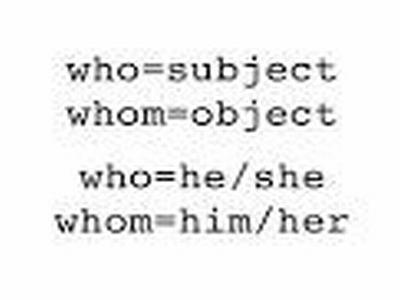
    who(pronoun)

    /huː/

    누구

    used in questions to ask about the name, identity or function of one or more people

    Who is this?

    이 사람은 누구입니까?

    Who is that woman?

    유의어which personwhat person
    반의어nobody
  47. 47

    even(adverb)

    /ˈiːvn/

    심지어

    used to emphasize something unexpected or surprising

    He never even opened the letter (= so he certainly didn't read it).

    그는 편지를 열어보지도 않았다 (= 그래서 그는 분명히 읽지 않았다).

    Even a child can understand it (= so adults certainly can).

    유의어alsojustactuallyreallytrulyindeed
    반의어nevernotcontrary
  48. 48

    for(preposition)

    /fər/

    위한

    used to show who is intended to have or use something or where something is intended to be put

    There's a letter for you

    당신을 위한 편지가 있습니다

    This is the place for me (= I like it very much).

    유의어intended formeant forin behalf ofon account of
    반의어againstfrom
  49. 49

    please(exclamation)

    /pliːz/

    제발, 부디

    used as a polite way of asking for something or telling somebody to do something

    Can I have a glass of water, please?

    물 한 잔 주시겠어요?

    유의어satisfydelightgratifyappeasehumor
    반의어displeaseoffendannoydissatisfyupset
  50. 50

    nearly(adverb)

    /ˈnɪrli/

    거의

    almost; not quite; not completely

    She very nearly died.

    그녀는 거의 죽을 뻔했다.

    He's nearly as tall as you are.

    유의어almostpracticallyvirtuallyclose toaboutapproximately
    반의어completelyentirelyfullyabsolutelynowhere near
  51. 51

    nor(conjunction)

    /nɔːr/

    ~도 아니다, ~도 또한 않다

    and not

    He wasn't there on Monday. Nor on Tuesday, for that matter.

    그는 월요일에 거기 없었다. 따지고 보면 화요일에도 없었다.

    Not a building nor a tree was left standing.

    유의어neitheralso notand not
    반의어andalso
  52. 52

    actually(adverb)

    /ˈæktʃuəli/

    사실은

    used in speaking to emphasize a fact or a comment, or that something is really true

    It's not actually raining now.

    지금은 사실 비가 오지 않아요.

    There are lots of people there who can actually help you.

    유의어reallyin factgenuinelytrulyveritablyindeedliterally
    반의어theoreticallyhypotheticallyapparentlyostensiblyseeminglyfalselyincorrectly
  53. 53

    hers(pronoun)

    /hɜːrz/

    그녀의 것

    of or belonging to her

    His eyes met hers.

    그의 눈이 그녀의 눈과 마주쳤다.

    The choice was hers.

    유의어herbelonging to herof her
    반의어hismineyoursourstheirs
  54. 54

    least(determiner)

    /liːst/

    가장 적은, 최소의

    smallest in size, amount, degree, etc.

    This model uses the least fuel of all the cars we tested.

    이 모델은 우리가 시험한 모든 자동차 중에서 연료를 가장 적게 쓴다.

    유의어smallestminimumtiniestlowest
    반의어mostgreatestmaximumlargest
  55. 55

    someone(pronoun)

    /ˈsʌmwʌn/

    누군가

    a person who is not known or mentioned by name

    There's someone at the door.

    문 앞에 누가 있어요.

    Someone's left their bag behind.

    유의어somebodya personan individualonea certain person
    반의어nobodyno oneeveryoneeverybody
  56. 56

    I(pronoun)

    /aɪ/

    나 (Na)

    used as the subject of a verb when the speaker or writer is referring to himself/herself

    I am a student.

    나는 학생이다 (Naneun haksaengida).

    When they asked me if I wanted the job, I said yes.

    유의어MyselfMe
    반의어YouHeSheItTheyWe
  57. 57

    well(adverb)

    /wel/

    잘, 훌륭하게

    in a good, right or acceptable way

    She speaks English very well.

    그녀는 영어를 아주 잘한다.

    유의어water sourcespringboreholepitshaft
    반의어drydesertarid land
  58. 58

    including(preposition)

    /ɪnˈkluːdɪŋ/

    포함하여 (pohamhayeo)

    having something as part of a group or set

    I've got three days' holiday including New Year's Day.

    새해 첫날을 포함하여 3일간 휴가가 있습니다. (saehae cheotsnareul pohamhayeo 3ilgan hyuga ga itseumnida.)

    It's £7.50, not including tax.

    유의어comprisingencompassingincorporatingconsisting ofembracing
    반의어excludingomittingexceptingwithoutexcluding
  59. 59

    me(pronoun)

    /mi/

    나 (na)

    the form of I that is used when the speaker or writer is the object of a verb or preposition, or after the verb be

    Hello, it's me.

    안녕하세요, 저예요. (Annyeonghaseyo, jeoyeyo.)

    Don't hit me.

    유의어myselfI
    반의어youhimherthem
  60. 60

    this(determiner, pronoun)

    /ðɪs/

    이 (i)

    used to refer to a particular person, thing or event that is close to you, especially compared with another

    This is my teacher.

    이분은 제 선생님입니다. (Ibun-eun je seonsaengnim-imnida.)

    Is this your bag?

    유의어thatthea
    반의어thatthose
  61. 61

    where(adverb)

    /wer/

    어디

    in or to what place or situation

    Where is your white shirt?

    당신의 흰 셔츠는 어디에 있습니까?

    I wonder where they will take us to.

    유의어locationplacepositionspot
    반의어nowhere
  62. 62

    she(pronoun)

    /ʃi/

    그녀 (geunyeo)

    a female person or animal that has already been mentioned or is easily identified

    Daisy is my friend. She is very kind.

    데이지는 내 친구예요. 그녀는 매우 친절해요. (Deijineun nae chinguyeyo. Geunyeoneun maeu chinjeolhaeyo.)

    Doesn't she (= the woman we are looking at) look like Sue?

    유의어herthe womanthat woman
    반의어hehim
  63. 63

    yours(pronoun)

    /jərz/

    당신의 것

    of or belonging to you

    Is that book yours?

    저 책은 당신 것입니까?

    My hair is very fine. Yours is much thicker.

    유의어belonging to youyour property
    반의어mineanother's
  64. 64

    or(conjunction)

    /ɔːr/

    또는

    used to introduce another possibility

    Is your sister older or younger than you?

    당신의 여동생은 당신보다 나이가 많습니까, 아니면 적습니까?

    Are you coming or not?

    유의어otherwisealternatively
    반의어and
  65. 65

    less(determiner)

    /les/

    더 적은, 보다 적은

    used with uncountable nouns to mean ‘a smaller amount of’

    You should eat less sugar and more fresh fruit and vegetables.

    설탕은 덜 먹고 신선한 과일과 채소를 더 많이 먹어야 합니다.

    유의어fewersmallerreducedlower
    반의어moregreaterincreasedhigher
  66. 66

    same(adjective)

    /seɪm/

    같은 (gateun)

    exactly the one or ones referred to or mentioned; not different

    We treat boys exactly the same as girls.

    우리는 남자아이들과 여자아이들을 똑같이 대합니다.

    He gave me five dollars, same as usual.

    유의어identicalequalequivalentalikesimilaruniformconsistent
    반의어differentdissimilardistinctunequalvaried
  67. 67

    unless(conjunction)

    /ənˈles/

    하지 않는 한

    used to say that something can only happen or be true in a particular situation

    You won't get paid for time off unless you have a doctor's note.

    진단서가 없으면 휴가에 대한 급여를 받을 수 없습니다.

    Unless I'm mistaken, she was back at work yesterday.

    유의어except ifif notbutsave
    반의어ifprovided thatas long as
  68. 68

    another(determiner)

    /əˈnʌðər/

    또 하나의, 다른

    one more; an extra thing or person

    Would you like another drink?

    음료 한 잔 더 드시겠어요?

    ‘Finished?’ ‘No, I've got another three questions to do.’

    유의어additionalextrafurthermoredifferentone more
    반의어noneno morethe same
  69. 69

    definitely(adverb)

    /ˈdefɪnətli/

    확실히 (hwaksilhi)

    a way of emphasizing that something is true and that there is no doubt about it

    I will definitely come to your wedding party.

    저는 당신의 결혼식에 꼭 갈 거예요. (Jeoneun dangsinui gyeolhonsige kkok gal geoyeyo.)

    ‘Do you plan to have children?’ ‘Definitely not!’

    유의어certainlyabsolutelysurelyassuredlypositivelyundoubtedlyunquestionably
    반의어maybepossiblyperhapsuncertainlydoubtfully
  70. 70

    both(determiner, pronoun)

    /bəʊθ/

    둘 다

    used with plural nouns to mean ‘the two’ or ‘the one as well as the other’

    We have both seen the movie.

    우리는 둘 다 그 영화를 봤어요.

    Both (my) sisters live in London.

    유의어twocouplepairthe pair
    반의어neithernoneeither
  71. 71

    about(preposition)

    /əˈbaʊt/

    ~에 대해, ~에 관하여

    on the subject of somebody/something; in connection with somebody/something

    We talked about our favourite sports after school.

    우리는 방과 후에 좋아하는 스포츠에 대해 이야기했다.

    유의어approximatelyaroundroughlynearlyalmostclose to
    반의어exactlypreciselydefinitelycertainly
  72. 72

    goodbye(exclamation)

    /ˌɡʊdˈbaɪ/

    안녕, 안녕히 가세요

    used when you are leaving somebody or when somebody else is leaving

    Goodbye, Tom! See you at school tomorrow.

    안녕, 톰! 내일 학교에서 보자.

    유의어farewelladieuso longbyeadieu
    반의어hellogreetingwelcome
  73. 73

    anything(pronoun)

    /ˈeniθɪŋ/

    무엇이든

    used instead of something in negative sentences and in questions; after if /whether ; and after verbs such as prevent , ban , avoid , etc.

    If you remember anything, please let us know.

    무엇이든 기억나면 알려주세요.

    There's never anything worth watching on TV.

    유의어somethingeverythingallanywhatever
    반의어nothing
  74. 74

    of(preposition)

    /əv/

    의 (ui)

    belonging to somebody; relating to somebody

    the paintings of Monet

    모네의 그림 (Mone-ui geurim)

    Can't you throw out that old bike of Tommy's?

    유의어belonging tofromrelating toassociated withregardingconcerning
    반의어withoutlacking
  75. 75

    which(pronoun)

    /wɪtʃ/

    어느 것, 어느 쪽

    used in questions to ask somebody to be exact about one or more people or things from a limited number

    Which of the applicants has got the job?

    지원자 중 어느 분이 합격했나요?

    Which is better exercise—swimming or tennis?

    유의어whatthatwhowhateverwhichever
    반의어noneno one
  76. 76

    whoever(pronoun)

    /huːˈevər/

    누구든지

    the person or people who; any person who

    Whoever says that is a liar.

    누구든지 그렇게 말하는 사람은 거짓말쟁이이다.

    Send it to whoever is in charge of sales.

    유의어anyoneeverybodyeveryoneany personno matter who
    반의어nobodyno one
  77. 77

    although(conjunction)

    /ɔːlˈðəʊ/

    비록

    used for introducing a statement that makes the main statement in a sentence seem surprising

    Although small, the kitchen is well designed.

    비록 작지만, 그 부엌은 디자인이 잘 되어 있다.

    Although the sun was shining, it wasn't very warm.

    유의어thougheven thoughwhilstnotwithstandingalbeit
    반의어becausesinceasdue to
  78. 78

    none(pronoun)

    /nʌn/

    없음

    not one of a group of people or things; not any

    Tickets for Friday? Sorry we've got none left.

    금요일 표요? 죄송합니다. 남은 표가 없습니다.

    ‘Is there any more milk?’ ‘No, none at all.’

    유의어zeronot onenothingnilnada
    반의어someanyallplentymany
  79. 79

    their(determiner)

    /ðer/

    그들의

    of or belonging to people, animals or things that have already been mentioned or are easily identified

    Their school is very nice.

    그들의 학교는 매우 좋습니다.

    Which is their house?

    유의어belonging to themof them
    반의어myyourourhisherits
  80. 80

    generally(adverb)

    /ˈdʒenrəli/

    일반적으로

    by or to most people

    The plan was generally welcomed.

    그 계획은 일반적으로 환영받았다.

    The new drug will be generally available from January.

    유의어usuallytypicallynormallycommonlylargelymostlyin general
    반의어specificallyparticularlyexceptionallyrarelyunusually
  81. 81

    really(adverb)

    /ˈriːəli/

    정말, 아주

    used to emphasize an adjective or adverb

    The film was really good, so we watched it again.

    그 영화는 정말 재미있어서 우리는 다시 한 번 봤다.

    유의어trulyactuallygenuinelyindeedverilysincerely
    반의어falselyapparentlyseeminglypretendlyvirtually
  82. 82

    however(adverb)

    /haʊˈevər/

    그러나, 하지만

    used to introduce a statement that contrasts with something that has just been said

    I'd love to come to your party. However, I'm very busy this week.

    네 파티에 정말 가고 싶어. 하지만 이번 주에 너무 바빠.

    유의어NeverthelessNonethelessYetStillEven soDespite thatIn spite of that
    반의어ThereforeThusConsequentlyAccordingly
  83. 83

    something(pronoun)

    /ˈsʌmθɪŋ/

    무언가, 어떤 것

    a thing that is not known or mentioned by name

    There is something in my bag, but I don't know what it is.

    내 가방 안에 무언가가 있는데, 그게 뭔지 모르겠어.

    유의어thingitemobjectmatterstuffentity
    반의어nothing
  84. 84

    can(modal verb)

    /kən/

    ~할 수 있다

    used to say that it is possible for somebody/something to do something, or for something to happen

    I can swim, but I can't ride a horse.

    나는 수영은 할 수 있지만 말은 탈 줄 몰라.

    유의어preservetinput up
    반의어freshunprocessedunpackaged
  85. 85

    my(determiner)

    /maɪ/

    나의 (naui)

    of or belonging to the speaker or writer

    My name is Andy.

    제 이름은 앤디입니다. (Je ireumeun aendibnida.)

    My feet are cold.

    유의어belonging to meof minepersonally owned
    반의어yourhishertheirits
  86. 86

    also(adverb)

    /ˈɔːlsəʊ/

    또한

    in addition; too

    She's fluent in French and German. She also speaks a little Italian.

    그녀는 프랑스어와 독일어에 능통합니다. 그녀는 또한 이탈리아어를 조금 할 줄 압니다.

    rubella, also known as German measles

    유의어tooas wellin additionfurthermoremoreover
    반의어neithernorinsteadconversely
  87. 87

    must(modal verb)

    /məst/

    해야 한다

    used to say that something is necessary or very important (sometimes involving a rule or a law)

    ‘Do we have to finish this today?’ ‘Yes, you must.’

    ‘오늘 이걸 끝내야 해요?’ ‘네, 그래야 해요.’

    I must ask you not to do that again.

    유의어shouldought toneed torequiredobligednecessary
    반의어maycanoptionallyneedn'tshouldn't
  88. 88

    but(conjunction)

    /bət/

    그러나, 하지만

    used to introduce a word or phrase that contrasts with what was said before

    I would like to come to the party, but I am too busy.

    파티에 가고 싶지만 너무 바빠요.

    유의어howeveryetalthoughthoughneverthelessstill
    반의어andalsofurthermore
  89. 89

    not(adverb)

    /nɑːt/

    않다, 아니다

    used with be , do or have to form the negative of verbs; used to form the negative of modal verbs like can or must

    I am not hungry, but I am very tired.

    나는 배고프지는 않지만 매우 피곤하다.

    유의어nonayneveropposite ofnegation
    반의어yestruepositiveaffirmative
  90. 90

    completely(adverb)

    /kəmˈpliːtli/

    완전히

    in every way possible; in every part

    completely different

    완전히 다른

    completely and utterly broke

    유의어totallyentirelyfullyutterlyabsolutelyperfectlywholly
    반의어partiallyincompletelysomewhatslightlypartly
  91. 91

    nevertheless(adverb)

    /ˌnevərðəˈles/

    그럼에도 불구하고

    despite something that you have just mentioned

    Our defeat was expected but it is disappointing nevertheless.

    우리의 패배는 예상되었지만 그럼에도 불구하고 실망스럽습니다.

    The old system had its flaws, but nevertheless it was preferable to the new one.

    유의어howevernonethelessstillyeteven so
    반의어thereforeconsequentlythusso
  92. 92

    should(modal verb)

    /ʃəd/

    ~해야 한다, ~하는 게 좋다

    used to say what is the right or sensible thing to do, especially when giving advice

    You should see a doctor if your fever gets worse.

    열이 더 심해지면 병원에 가 보는 게 좋겠어요.

    유의어ought tomustshallneed tobe obliged to
    반의어shouldn'tmustn'tneedn't
  93. 93

    either(determiner, pronoun)

    /ˈiːðər/

    둘 중 어느 하나의, 어느 쪽이든

    one or the other of two; it does not matter which

    You can park on either side of the street.

    길 양쪽 어느 쪽에나 주차하셔도 됩니다.

    유의어alsotooas welllikewisesimilarly
    반의어onlyalonesolely
  94. 94

    used(adjective)

    /juːst/

    익숙한, 적응된

    familiar with something because you do it or experience it often

    She is used to getting up early for work every day.

    그녀는 매일 일찍 일어나 출근하는 데 익숙하다.

    유의어secondhandpre-ownedwornutilizedemployedhand-me-down
    반의어newunusedbrand newfreshoriginal
  95. 95

    every(determiner)

    /ˈevri/

    모든

    used with singular nouns to refer to all the members of a group of things or people

    Every classroom has 25 desks.

    모든 교실에는 25개의 책상이 있습니다.

    They were watching her every movement.

    유의어eachallanythe whole of
    반의어nononesomefew
  96. 96

    moreover(adverb)

    /mɔːrˈəʊvər/

    게다가

    used to introduce some new information that adds to or supports what you have said previously

    A talented artist, he was, moreover, a writer of some note.

    재능 있는 예술가였던 그는 게다가 주목할 만한 작가이기도 했습니다.

    a piece of metal

    유의어furthermorebesidesin additionalsomoreoveradditionallytoo
    반의어converselyhoweverneverthelessdespitealthoughinstead
  97. 97

    hi(exclamation)

    /haɪ/

    안녕

    used to say hello

    Hi, there! How're you doing?

    안녕하세요? 잘 지내세요?

    Hi, Peter.

    유의어hellogreetingsheyhowdygood day
    반의어goodbyefarewellsee youso longadieu
  98. 98

    fairly(adverb)

    /ˈferli/

    꽤

    to some extent but not very

    a fairly easy book

    꽤 쉬운 책

    a fairly typical reaction

    유의어quiterathersomewhatmoderatelyreasonablypretty
    반의어extremelyveryexceptionallyincrediblyunusually
  99. 99

    all(determiner)

    /ɔːl/

    모든, 전부의

    the whole number of

    All the students in my class passed the exam.

    우리 반 학생들은 모두 시험에 합격했다.

    유의어entirewholecompleteeveryeverything
    반의어nonenothingpartsome
  100. 100

    so(conjunction)

    /səʊ/

    그래서, 그러므로

    used to show the result of something; therefore

    It was still painful so I went to see a doctor.

    여전히 아파서 병원에 갔다.

    He never seems to smile.

    유의어thereforeconsequentlyhencethusaccordingly
    반의어becausesince
  101. 101

    particularly(adverb)

    /pərˈtɪkjələrli/

    특히 (teukhi)

    especially; more than usual or more than others

    I enjoyed the play, particularly the second half.

    저는 그 연극을 즐겼어요, 특히 후반부가요.

    particularly good/important/useful

    유의어especiallyspecificallynotablyin particularprimarilymainly
    반의어generallyusuallytypicallycommonlyordinarilyin general
  102. 102

    absolutely(adverb)

    /ˈæbsəluːtli/

    절대적으로

    used to emphasize that something is completely true

    It was absolutely pouring with rain.

    비가 완전히 억수같이 쏟아졌어.

    He made it absolutely clear.

    유의어completelytotallyutterlydefinitelycertainlypositivelyunquestionablyundoubtedly
    반의어relativelypartiallysomewhatpossiblyincompletely
  103. 103

    certainly(adverb)

    /ˈsɜːrtnli/

    확실히

    without doubt

    She was certainly attractive but you couldn't call her beautiful.

    그녀는 분명히 매력적이었지만 아름답다고 할 수는 없었다.

    I'm certainly never going there again.

    유의어definitelyassuredlyundoubtedlyabsolutelypositivelysurely
    반의어uncertainlydoubtfullypossiblymaybeperhaps
  104. 104

    from(preposition)

    /frəm/

    부터

    used to show where somebody/something starts

    She began to walk away from him

    그녀는 그에게서 멀어지기 시작했다.

    Has the train from Bristol arrived?

    유의어originating inout ofaway fromstarting at
    반의어totowardattowards
  105. 105

    whom(pronoun)

    /huːm/

    누구를

    used instead of ‘who’ as the object of a verb or preposition

    Whom did they invite?

    그들은 누구를 초대했습니까?

    To whom should I write?

    유의어who (formal)the person whomthe one whom
    반의어who (informal)thatwhich
  106. 106

    wherever(conjunction)

    /werˈevər/

    어디든지, ~하는 곳 어디에나

    in or to any place

    You can sit wherever you like in the classroom.

    교실에서는 어디든 원하는 곳에 앉아도 됩니다.

    유의어anywherein any placewhere so ever
    반의어nowheresomewhere specific
  107. 107

    shall(modal verb)

    /ʃəl/

    ~할 것이다

    used with I and we for talking about or predicting the future

    I shall be away next week, so please call my assistant.

    저는 다음 주에 자리를 비울 예정이니 제 비서에게 전화해 주세요.

    유의어willshouldmustought to
    반의어won'tshan'tmustn't
  108. 108

    maybe(adverb)

    /ˈmeɪbi/

    아마 (ama)

    used when you are not certain that something will happen or that something is true or is a correct number

    Maybe he'll come, maybe he won't.

    아마 그는 올 거야, 아마 안 올 거야. (Ama geuneun ol geoya, ama an ol geoya.)

    We go there maybe once or twice a month.

    유의어perhapspossiblyconceivablyperchancemayhap
    반의어certainlydefinitelysurelycertainabsolutely
  109. 109

    a(determiner)

    /ə/

    하나의, 어떤

    used before countable or singular nouns referring to people or things that have not already been mentioned

    She's a friend of my father's (= one of my father's friends).

    그녀는 우리 아버지의 친구 분이다 (= 아버지의 친구들 중 한 분).

    a man/horse/unit

    유의어oneanany
    반의어theall
  110. 110

    during(preposition)

    /ˈdʊrɪŋ/

    동안

    all through a period of time

    There are extra flights to Colorado during the winter.

    겨울 동안 콜로라도행 추가 항공편이 있습니다.

    There are extra flights to Colorado during the winter.

    유의어whilethroughoutinin the course offor the duration ofin the period of
    반의어beforeafter
  111. 111

    whereas(conjunction)

    /ˌwerˈæz/

    반면에

    used to compare or contrast two facts

    Some of the studies show positive results, whereas others do not.

    일부 연구는 긍정적인 결과를 보여주는 반면에, 그렇지 않은 연구도 있습니다.

    We thought she was arrogant, whereas in fact she was just very shy.

    유의어whilealthoughbuton the other handconversely
    반의어similarlylikewisealsoin addition
  112. 112

    yes(exclamation)

    /jes/

    네

    used to answer a question and say that something is correct or true

    Yes, it's me.

    네, 접니다.

    ‘Are you coming? Yes or no?’

    유의어affirmativeindeedayesurecertainlyabsolutely
    반의어nonegativenay
  113. 113

    very(adverb)

    /ˈveri/

    매우

    used before adjectives, adverbs and determiners to mean ‘in a high degree’ or ‘extremely’

    My classroom is very big.

    제 교실은 매우 큽니다.

    I'm very very grateful.

    유의어extremelyhighlyreallyexceedinglyremarkablyawfully
    반의어slightlysomewhata littlemoderatelybarely
  114. 114

    whether(conjunction)

    /ˈweðər/

    여부

    used to express a doubt or choice between two possibilities

    I'll see whether she's at home (= or not at home).

    그녀가 집에 있는지 (= 집에 없는지) 알아볼게요.

    It remains to be seen whether or not this idea can be put into practice.

    유의어ifin casein the event that
    반의어definitelycertainly
  115. 115

    perhaps(adverb)

    /pərˈhæps/

    아마도

    possibly

    ‘Are you going to come?’ ‘Perhaps. I'll see how I feel.’

    ‘올 거니?’ ‘아마도. 내 기분이 어떤지 봐야지.’

    Perhaps he's forgotten.

    유의어maybepossiblyconceivablyperchancelikelypotentially
    반의어certainlydefinitelysurelyabsolutelyassuredly
  116. 116

    everyone(pronoun)

    /ˈevriwʌn/

    모두

    every person; all people

    Everyone is waiting outside.

    모두 밖에서 기다리고 있어요.

    Everyone cheered and clapped.

    유의어everybodyalleach personeach onethe whole world
    반의어no onenobodynone
  117. 117

    with(preposition)

    /wɪð/

    함께

    in the company or presence of somebody/something

    a nice steak with a bottle of red wine

    레드 와인 한 병과 맛있는 스테이크

    She lives with her parents.

    유의어alongsideaccompanyingtogether withincludingplus
    반의어without
  118. 118

    each(determiner)

    /iːtʃ/

    각각의, 각

    used to refer to every one of two or more people or things, when you are thinking about them separately

    Each answer is worth 20 points.

    각 답안은 20점의 가치가 있다.

    There aren't enough books for everyone to have one each.

    유의어everyperindividualallany
    반의어noneno
  119. 119

    into(preposition)

    /ˈɪntə/

    안으로

    to a position in or inside something

    Come into the house.

    집 안으로 들어와.

    She dived into the water.

    유의어withininsideintowards
    반의어out ofoutsideoutaway from
  120. 120

    hello(exclamation, noun)

    /həˈləʊ/

    안녕하세요

    used as a greeting when you meet somebody, in an email, when you answer the phone or when you want to attract somebody’s attention

    Say hello to Liz for me.

    리즈에게 안부 전해 줘.

    Hello, is there anybody there?

    유의어greetingshiheyhowdygood daywelcome
    반의어goodbyefarewelladieu
  121. 121

    he(pronoun)

    /hi/

    그 (geu)

    a male person or animal that has already been mentioned or is easily identified

    He is 10 years old and he is a student.

    그는 10살이고 학생입니다. (Geuneun yeolsaligo haksaengimnida.)

    He (= the man we are watching) went through that door.

    유의어himthat personthe manthe boy
    반의어shethey
  122. 122

    itself(pronoun)

    /ɪtˈself/

    스스로

    used when the animal or thing that does an action is also affected by it

    Does the computer turn itself off?

    컴퓨터가 스스로 꺼지나요?

    The cat was washing itself.

    유의어its very beingits own selfin itselfautomaticallyindependently
    반의어externallyotheranother
  123. 123

    nothing(pronoun)

    /ˈnʌθɪŋ/

    아무것도

    not anything; no single thing

    Nothing else matters to him apart from his job.

    그의 직업 외에는 그에게 아무것도 중요하지 않다.

    There was nothing in her bag.

    유의어nilzeronoughtnadazip
    반의어everythingsomethinganythingall
  124. 124

    would(modal verb)

    /wʊd/

    ~할 것이다, ~하겠다

    used as the past form of 'will' when reporting what somebody said or thought

    She asked if I would help.

    그녀는 내가 도와줄 것인지 물었다.

    He said he would be here at eight o'clock (= His words were: ‘I will be there at eight o'clock.’).

    유의어shouldmightcould
    반의어will notrefuse
  125. 125

    might(modal verb)

    /maɪt/

    아마

    used when showing that something is or was possible

    He said he might come tomorrow.

    그는 내일 올지도 모른다고 말했다.

    major international companies

    유의어possiblymaybeperhapscouldmay
    반의어definitelycertainlysurelywillmust
  126. 126

    upon(preposition)

    /əˈpɑːn/

    ~위에

    on (used in formal or literary English)

    The old book was placed carefully upon the table by the window.

    그 오래된 책은 창가 탁자 위에 조심스럽게 놓여 있었다.

    유의어onaboveoveronto
    반의어underbeneathbelow
  127. 127

    since(preposition)

    /sɪns/

    ~이래로, ~부터

    from a time in the past until a later past time, or until now

    I have lived in this city since 2015.

    나는 2015년부터 이 도시에서 살고 있다.

    유의어afterbecauseasseeing asinasmuch as
    반의어before
  128. 128

    neither(determiner)

    /ˈniːðər/

    어느 쪽도 ~아니다, 둘 다 ~않다

    not one nor the other of two things or people

    Neither of my parents can speak English.

    우리 부모님은 두 분 다 영어를 못 하신다.

    유의어nornot eitheralso not
    반의어alsotooeither
  129. 129

    several(determiner, pronoun)

    /ˈsevrəl/

    몇몇의

    more than two but not very many

    Several of the paintings were destroyed in the fire.

    그림 몇 점이 화재로 파괴되었습니다.

    If you're looking for a photo of Alice you'll find several in here.

    유의어somea fewmanyvariousmultiple
    반의어nonefewsingleone
  130. 130

    basically(adverb)

    /ˈbeɪsɪkli/

    기본적으로

    in the most important ways, without considering things that are less important

    The two approaches are basically very similar.

    두 가지 접근 방식은 기본적으로 매우 유사합니다.

    There have been some problems but basically it's a good system.

    유의어essentiallyfundamentallyprimarilymainlylargelygenerallyin essence
    반의어specificallyparticularlyuniquelydistinctlydifferentlyin detail
  131. 131

    it(pronoun)

    /ɪt/

    그것

    used to refer to an animal or a thing that has already been mentioned or that is being talked about now

    This is my dog. It is very friendly.

    이것은 내 개입니다. 그것은 매우 친절합니다.

    유의어thatthisthe thingthe one
    반의어heshethey
  132. 132

    its(determiner)

    /ɪts/

    그것의

    belonging to or connected with a thing, an animal or a baby

    I have a dog. Its tail is very long.

    나는 개가 있어요. 그것의 꼬리는 매우 길어요.

    유의어belonging to itof itbelonging to the thingthereof
    반의어none (as it's a possessive pronoun)
  133. 133

    in(preposition)

    /ɪn/

    안에 (ane)

    at a point within an area or a space

    The cat is sleeping in the box.

    고양이가 상자 안에 자고 있어요. (Goyang-iga sangja ane jago isseoyo.)

    유의어withininsideamongduring
    반의어outoutsidewithout
  134. 134

    how(adverb)

    /haʊ/

    어떻게

    in what way or manner

    How do you feel?

    기분이 어떠세요?

    유의어in what wayby what meansto what extentin which manner
    반의어whybecause
  135. 135

    amount(noun)

    /əˈmaʊnt/

    양 (yang)

    a quantity of something

    He paid regular amounts of money to a charity.

    그는 자선 단체에 정기적으로 돈을 지불했습니다.

    유의어quantitysumvolumeextentmeasuredegreeportion
    반의어lackabsenceinsufficiencyscarcitydeficiency
  136. 136

    bye(exclamation)

    /baɪ/

    안녕 (annyeong)

    goodbye

    Bye. See you very soon.

    안녕. 곧 다시 봐요. (Annyeong. Got dasi bwayo.)

    유의어goodbyefarewellso longsee you lateradios
    반의어hellogreetingswelcome
  137. 137

    many(determiner, pronoun)

    /ˈmeni/

    많은

    used with plural nouns and verbs, especially in negative sentences or in more formal English, to mean ‘a large number of’. Also used in questions to ask about the size of a number, and with ‘as’, ‘so’ and ‘too’.

    There are many toys in my room.

    내 방에는 장난감이 많아요.

    유의어numerousabundantplentifulmultiplevariousseveral
    반의어fewlittlescarcelimited
  138. 138

    much(determiner)

    /mʌtʃ/

    많은

    used with uncountable nouns, especially in negative sentences to mean ‘a large amount of something’, or after ‘how’ to ask about the amount of something. It is also used with ‘as’, ‘so’ and ‘too’.

    How much milk do we have in the fridge?

    냉장고에 우유가 얼마나 있어?

    유의어a lotgreatlyconsiderablysubstantiallysignificantly
    반의어littleslightlyminimally
  139. 139

    because(conjunction)

    /bɪˈkəz/

    왜냐하면

    for the reason that

    I did it because he told me to.

    그가 하라고 해서 그렇게 했어요.

    유의어sinceasfordue toin view ofon account of
    반의어despitealthoughin spite ofregardless ofeven though
  140. 140

    almost(adverb)

    /ˈɔːlməʊst/

    거의

    not quite

    I almost missed the train.

    나는 거의 기차를 놓칠 뻔했다.

    유의어nearlypracticallyvirtuallyaboutapproaching
    반의어completelyentirelyfullydefinitely
  141. 141

    anybody(pronoun)

    /ˈenibɑːdi/

    누구든지

    used instead of somebody in negative sentences and in questions after if /whether , and after verbs such as prevent , forbid , avoid , etc.

    Has anybody seen my keys?

    누구 제 열쇠 본 사람 있어요?

    유의어anyonesomeonesomebodya person
    반의어nobodyno one
  142. 142

    be(verb)

    /bi/

    이다

    used when you are naming people or things, describing them or giving more information about them

    I want to be a doctor.

    나는 의사가 되고 싶다.

    유의어existbecomeconstituterepresentequaloccur
    반의어nonexistenceabsencelack
  143. 143

    besides(preposition)

    /bɪˈsaɪdz/

    ~ 외에도, ~ 말고도

    in addition to somebody/something; apart from somebody/something

    Besides being a talented musician, she's also a great writer.

    그녀는 재능 있는 음악가일 뿐만 아니라 훌륭한 작가이기도 하다.

    유의어in additionfurthermoremoreoveralso
    반의어insteadratherconversely
  144. 144

    enough(determiner)

    /ɪˈnʌf/

    충분한

    used before plural or uncountable nouns to mean ‘as many or as much as somebody needs or wants’

    Is there enough food for everyone?

    모두를 위한 충분한 음식이 있나요?

    유의어sufficientadequateample
    반의어insufficientlackingscarce
  145. 145

    everybody(pronoun)

    /ˈevribɑːdi/

    모두

    every person; all people

    Everybody loves ice cream.

    모두 아이스크림을 좋아합니다.

    유의어everyonealleach person
    반의어nobodyno one
  146. 146

    firstly(adverb)

    /ˈfɜːrstli/

    우선

    used to introduce the first of a list of points you want to make in a speech or piece of writing

    Firstly, we need to gather all the materials.

    우선, 모든 자료를 모아야 합니다.

    유의어initiallyto begin withfirst
    반의어lastlyfinallysubsequently
  147. 147

    furthermore(adverb)

    /ˌfɜːrðərˈmɔːr/

    게다가

    in addition to what has just been stated. Furthermore is used especially to add a point to an argument.

    Furthermore, the data suggests a need for further investigation.

    게다가, 자료는 추가 조사의 필요성을 시사합니다.

    유의어moreoverbesidesin additionalso
    반의어converselyhowevernevertheless
  148. 148

    hey(exclamation)

    /heɪ/

    안녕

    used to attract somebody’s attention or to express interest, surprise or anger

    Hey, how are you?

    안녕, 잘 지내?

    유의어hihellogreetings
    반의어goodbyefarewell
  149. 149

    if(conjunction)

    /ɪf/

    만약

    used to say that one thing can, will or might happen or be true, depending on another thing happening or being true

    I will go to the park if it stops raining.

    비가 그치면 공원에 갈 거예요.

    유의어provided thatassuming thatin case
    반의어only ifunless
  150. 150

    literally(adverb)

    /ˈlɪtərəli/

    말 그대로, 문자 그대로

    in a literal way

    The French word 'bonjour' literally means 'good day' in English.

    프랑스어 'bonjour'는 영어로 말 그대로 'good day'를 의미한다.

    유의어actuallyverbatimexactlytruly
    반의어figurativelymetaphoricallyloosely
  151. 151

    myself(pronoun)

    /maɪˈself/

    저 자신

    used when the speaker or writer is also the person affected by an action

    I did it myself.

    제가 직접 했어요.

    유의어personallyaloneoneself
    반의어anothersomeone else
  152. 152

    nobody(pronoun)

    /ˈnəʊbədi/

    아무도

    not anyone; no person

    There was nobody at the door.

    문에는 아무도 없었습니다.

    유의어no onenot a soulzeronone
    반의어everybodysomeoneanyoneeveryone
  153. 153

    ought(modal verb)

    /ˈɔːt tə/

    해야 한다

    used to say what is the right thing to do or what is expected

    You ought to apologize for your behavior.

    당신은 당신의 행동에 대해 사과해야 합니다.

    유의어shouldmustneed tobe obliged to
    반의어shouldn'tmustn'tneedn't
  154. 154

    ours(pronoun)

    /ɑːrz/

    우리 것

    the one or ones that belong to us

    That house is ours.

    저 집은 우리 것이다.

    유의어belonging to usour property
    반의어yourstheirs
  155. 155

    secondly(adverb)

    /ˈsekəndli/

    둘째로

    used to introduce the second of a list of points you want to make in a speech or piece of writing

    Secondly, we need to consider the budget.

    둘째로, 예산을 고려해야 합니다.

    유의어furthermoremoreoverin additionnextthen
    반의어firstlyprimarily
  156. 156

    somebody(pronoun)

    /ˈsʌmbədi/

    누군가

    a person who is not known or mentioned by name

    Somebody left their umbrella in the office.

    누군가 사무실에 우산을 놓고 갔어요.

    유의어someonea personan individual
    반의어nobodyno one
  157. 157

    theirs(pronoun)

    /ðerz/

    그들의 것

    of or belonging to them

    That car is theirs.

    저 차는 그들의 것입니다.

    유의어belonging to themtheir own
    반의어oursmineyours
  158. 158

    themselves(pronoun)

    /ðəmˈselvz/

    그들 자신, 스스로

    used when people or animals performing an action are also affected by it

    The children looked at themselves in the mirror and laughed.

    아이들은 거울 속의 자기 자신들을 바라보며 웃었다.

    유의어their own selvesthe very people
    반의어anothersomeone else
  159. 159

    till(preposition)

    /tɪl/

    ~까지

    until

    I will wait till tomorrow.

    나는 내일까지 기다릴 것이다.

    유의어untilup toto the time of
    반의어aftersince
  160. 160

    whatever(pronoun)

    /wətˈevər/

    무엇이든, 뭐든지

    any or every; anything or everything

    You can eat whatever you like from the table.

    식탁에 있는 것 중에서 먹고 싶은 건 뭐든지 먹어도 돼.

    유의어anythingno matter whatit doesn't matterso what
    반의어something specificsomething importanta definite choice
  161. 161

    whatsoever(adverb)

    /ˌwʌtsəʊˈevər/

    전혀, 조금도

    not at all; not of any kind

    He has no idea whatsoever.

    그는 전혀 아무 생각이 없다.

    유의어anythingeverythingat allwhatever
    반의어nothingnone
  162. 162

    whereby(adverb)

    /werˈbaɪ/

    그에 따라

    by which; because of which

    The contract whereby he was employed has now expired.

    그가 고용된 계약은 이제 만료되었습니다.

    유의어whereforewherebyby whichin accordance with which
    반의어despitenotwithstandingregardless of
  163. 163

    yourself(pronoun)

    /jɔːrˈself/

    당신 자신

    used when the person or people being spoken to both cause and are affected by an action

    Help yourself to some cookies.

    쿠키를 마음껏 드세요.

    유의어selfpersonallyindividually

    반의어anotherotherssomebody else

  164. 164

    do(auxiliary verb)

    /duː/

    ~하다(조동사)

    used before a full verb to form negative sentences and questions

    Do you like ice cream? No, I don't like it very much.

    아이스크림 좋아해요? 아니요, 별로 좋아하지 않아요.

  165. 165

    too(adverb)

    /tuː/

    ~도, 또한

    used at the end of a sentence to mean also or as well

    You like this one, right? I like this, too.

    이게 마음에 들지? 나도 이거 좋아.

  166. 166

    being(verb)

    /ˈbiːɪŋ/

    ~이 되고 있는, ~인 것

    the present participle of 'be', used in continuous tenses, passives and as a gerund

    My purpose in life is about being a good person.

    내 인생의 목적은 좋은 사람이 되는 것이다.