Zum Inhalt springen

Lektion 36/38 · 166 Wörter · 0 gelernt

Function Words

Funktionswörter

  1. 1

    and(conjunction)

    /ənd/

    und

    also; in addition to

    Sue and I left early

    Sue und ich gingen früh.

    bread and butter

    Synonymeplusalsotogether within addition to
    Antonymeornorinstead of
  2. 2

    herself(pronoun)

    /hɜːrˈself/

    sich, sich selbst

    used when the woman or girl who performs an action is also affected by it

    She must be very proud of herself.

    Sie muss sehr stolz auf sich sein.

    She hurt herself.

    Synonymeitselfthemselves
    Antonymeotherssomebody else
  3. 3

    therefore(adverb)

    /ˈðerfɔːr/

    deshalb, daher

    used to introduce the logical result of something that has just been mentioned

    He's only 17 and therefore not eligible to vote.

    Er ist erst 17 und daher nicht wahlberechtigt.

    There is still much to discuss. We shall, therefore, return to this item at our next meeting.

    Synonymeconsequentlythushenceaccordinglyfor that reasonas a result
    Antonymebecausesinceasin spite ofdespite
  4. 4

    rather(adverb)

    /ˈræðər/

    ziemlich, recht

    used to mean ‘fairly’ or ‘to some degree’, often when you are disappointed, surprised or expressing slight criticism

    She fell and hurt her leg rather badly.

    Sie stürzte und verletzte sich ziemlich schwer am Bein.

    I didn't fail the exam; in fact I did rather well!

    Synonymesomewhatquitefairlyprettymoderatelyslightlyrelatively
    Antonymecompletelytotallyentirelyabsolutelyfullynot at all
  5. 5

    ourselves(pronoun)

    /ɑːrˈselvz/

    uns, uns selbst

    the reflexive form of we ; used when you and another person or other people together cause and are affected by an action

    We'd like to see it for ourselves.

    Wir würden es gern selbst sehen.

    We shouldn't blame ourselves for what happened.

    Synonymepersonallydirectlyin personon our own
    Antonymesomeone elseanother personindirectly
  6. 6

    him(pronoun)

    /hɪm/

    ihn, ihm

    used as the object of a verb, after the verb be or after a preposition to refer to a male person or animal that has already been mentioned or is easily identified

    When did you see him?

    Wann hast du ihn gesehen?

    He took the children with him.

    Synonymehethat guythe manthe boy
    Antonymeherthemshe
  7. 7

    few(determiner)

    /fjuː/

    wenige

    used with plural nouns and a plural verb to mean ‘not many’

    Few people understand the difference.

    Nur wenige Menschen verstehen den Unterschied.

    There seem to be fewer tourists around this year.

    Synonymea small number ofnot manylimitedscarcerare
    Antonymemanynumerousa lotplentyabundant
  8. 8

    himself(pronoun)

    /hɪmˈself/

    sich, sich selbst

    used when the man or boy who performs an action is also affected by it

    Peter ought to be ashamed of himself.

    Peter sollte sich schämen.

    He introduced himself.

    Synonymeselfpersonallyin person
    Antonymeotherssomeone else
  9. 9

    quite(adverb)

    /kwaɪt/

    ziemlich, recht

    to some degree

    The test was quite easy, so I finished early.

    Der Test war ziemlich einfach, deshalb war ich früh fertig.

    Synonymerathersomewhatprettyfairlyreasonablyto some extent
    Antonymenot at allcompletelyentirelyabsolutelytotally
  10. 10

    them(pronoun)

    /ðəm/

    sie, ihnen

    used when referring to people, animals or things as the object of a verb or preposition, or after the verb be

    Did you eat all of them?

    Hast du sie alle aufgegessen?

    What are you doing with those matches? Give them to me.

    Synonymethosethesethe peoplethe ones
    Antonymenone
  11. 11

    via(preposition)

    /ˈvaɪə/

    über

    through a place

    We flew home via Dubai.

    Wir flogen über Dubai nach Hause.

    The truck driver was waiting to unload.

    Synonymeby way ofthroughby means ofusingover
    Antonymedirectlywithoutexcludingavoiding
  12. 12

    we(pronoun)

    /wi/

    wir

    I and another person or other people; I and you

    We are students.

    Wir sind Studenten.

    We'd (= the company would) like to offer you the job.

    Synonymeusourselves
    AntonymeIme
  13. 13

    his(determiner)

    /hɪz/

    sein

    of or belonging to a man or boy who has already been mentioned or is easily identified

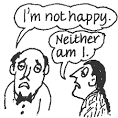
    His pen is very nice.

    Sein Stift ist sehr schön.

    The choice was his.

    Synonymebelonging to himof himhis own
    Antonymehertheirmyyour
  14. 14

    such(determiner, pronoun)

    /sʌtʃ/

    solche(r, s), derartig

    used for referring to someone or something that is of the type already mentioned

    He said he didn't have time or made some such excuse.

    Er sagte, er habe keine Zeit, oder er brachte irgendeine solche Ausrede vor.

    We were second-class citizens and they treated us as such.

    Synonymelike thatof that kindsimilaridenticalequivalent
    Antonymedissimilardifferentunlike
  15. 15

    that(pronoun)

    /ðæt/

    das da, jene(r, s), der da

    used for referring to a person or thing that is not near the speaker or as near to the speaker as another

    That is my school.

    Das da ist meine Schule.

    She said (that) the story was true.

    Synonymethat onethe oneitwhich
    Antonymethis
  16. 16

    they(pronoun)

    /ðeɪ/

    sie

    people, animals or things that have already been mentioned or are easily identified

    They are my friends.

    Sie sind meine Freunde.

    ‘Where are John and Liz?’ ‘They went for a walk.’

    Synonymethose peoplethese peoplethemthe ones
    AntonymeImeheshehimher
  17. 17

    finally(adverb)

    /ˈfaɪnəli/

    endlich, schließlich

    after a long time, especially when there has been some difficulty or delay

    After waiting for two hours, the bus finally arrived.

    Nach zwei Stunden Warten kam der Bus endlich.

    Synonymeeventuallyultimatelyin the endat lastin conclusion
    Antonymeinitiallyfirstto begin withat firstoriginally
  18. 18

    somewhat(adverb)

    /ˈsʌmwʌt/

    etwas, ein wenig

    to some degree

    What happened to them remains somewhat of a mystery.

    Was mit ihnen geschehen ist, bleibt etwas rätselhaft.

    I was somewhat surprised to see him.

    Synonymeslightlya littleratherkind ofsort ofto some extentpartiallymoderately
    Antonymecompletelyentirelytotallyfullyabsolutelydefinitely
  19. 19

    most(determiner)

    /məʊst/

    die meisten, am meisten

    the largest in number or amount

    Which team scored the most goals in the match?

    Welches Team hat in dem Spiel die meisten Tore geschossen?

    Synonymegreatestmaximumlargestmajoritysupreme
    Antonymeleastminimumsmallest
  20. 20

    why(adverb)

    /waɪ/

    warum, wieso

    used in questions to ask the reason for or purpose of something

    Why is Hoa sad?

    Warum ist Hoa traurig?

    Tell me why you did it.

    Synonymefor what reasonhow sowherefore
    Antonymebecause
  21. 21

    you(pronoun)

    /jə/

    du, ihr, Sie

    used as the subject or object of a verb or after a preposition to refer to the person or people being spoken or written to

    You are very kind.

    Du bist sehr nett.

    Can I sit next to you?

    Synonymethoutheeyourself
    Antonymebayoucy youngcyrus the youngerdanton true youngdo-it-yourselfedward younggo-as-you-pleasegood for you
  22. 22

    could(modal verb)

    /kəd/

    konnte, könnte

    used as the past tense of ‘can’

    She said that she couldn't come.

    Sie sagte, dass sie nicht kommen könnte.

    I couldn't hear what they were saying.

    Synonymewas able towas capable ofhad the ability tomightmay
    Antonymecouldn'twas unable tocan't
  23. 23

    the(determiner)

    /ðə/

    der, die, das

    used to refer to somebody/something that has already been mentioned or is easily understood

    There were three questions. The first two were relatively easy but the third one was hard.

    Es gab drei Fragen. Die ersten beiden waren relativ leicht, aber die dritte war schwer.

    The nights are getting longer.

    Synonymethatthis
    Antonymeaan
  24. 24

    though(adverb)

    /ðəʊ/

    aber, trotzdem, doch

    used especially at the end of a sentence to add a fact or opinion that makes the previous statement less strong

    Our team lost. It was a good game though.

    Unser Team hat verloren. Es war aber ein gutes Spiel.

    ‘Have you ever been to Australia?’ ‘No. I'd like to, though.’

    Synonymealthoughhoweverneverthelessstillyeteven though
    Antonymebecausesincetherefore
  25. 25

    as(conjunction)

    /əz/

    als, während

    while something else is happening

    He sat watching her as she got ready.

    Er saß da und sah ihr zu, während sie sich fertig machte.

    As she grew older she gained in confidence.

    Synonymewhilewhenbecausesincelikesuch as
    Antonymeunlikedissimilarly
  26. 26

    May(modal verb)

    /meɪ/

    dürfen, können

    used to say that something is possible

    May I open the window, please?

    Darf ich bitte das Fenster öffnen?

    Synonymefifth monthspringtime
  27. 27

    some(determiner)

    /sʌm/

    einige, ein paar

    used with uncountable nouns or plural countable nouns to mean ‘an amount of’ or ‘a number of’, when the amount or number is not given

    I have some friends.

    Ich habe ein paar Freunde.

    Here are some of our suggestions.

    Synonymea fewseverala number ofcertainvariousany
    Antonymenonealleverynowhole
  28. 28

    anyone(pronoun)

    /ˈeniwʌn/

    jemand, irgendjemand

    used instead of someone in negative sentences and in questions after if /whether , and after verbs such as prevent , forbid , avoid , etc.

    Hardly anyone came.

    Kaum jemand kam.

    I forbid anyone to touch that clock.

    Synonymeanybodysomeonesomebodyany personeverybody
    Antonymenobodyno onenone
  29. 29

    at(preposition)

    /ət/

    in, an, bei

    used to say where something/somebody is or where something happens

    We plan to stay at the Sheraton Hotel.

    Wir haben vor, im Sheraton Hotel zu übernachten.

    at the corner of the street

    Synonymeinonnearbywithin
    Antonymeaway fromdistant fromremote from
  30. 30

    us(pronoun)

    /əs/

    uns

    used when the speaker or writer and another or others are the object of a verb or preposition, or after the verb be

    Hello, it's us back again.

    Hallo, wir sind es wieder.

    We'll take the dog with us.

    Synonymeweourselveswe all
    AntonymethemyouI
  31. 31

    probably(adverb)

    /ˈprɑːbəbli/

    wahrscheinlich, vermutlich

    used to say that something is likely to happen or to be true

    The decision to set up a new company is probably his most risky decision.

    Die Entscheidung, eine neue Firma zu gründen, ist wahrscheinlich seine riskanteste Entscheidung.

    It was the best known and probably the most popular of her songs.

    Synonymelikelypossiblypresumablyperhapsmaybeconceivablydoubtless
    Antonymecertainlydefinitelysurelyundoubtedly
  32. 32

    except(preposition)

    /ɪkˈsept/

    außer, ausgenommen

    used before you mention the only thing or person about which a statement is not true

    We work every day except Sunday.

    Wir arbeiten jeden Tag außer sonntags.

    Our dresses were the same except mine was red.

    Synonymeexcludingbutsaveapart fromaside fromwith the exception of
    Antonymeincludingplusin addition to
  33. 33

    mine(pronoun)

    /maɪn/

    meiner, meine, meins

    of or belonging to the person writing or speaking

    She wanted one like mine (= like I have).

    Sie wollte eins wie meins (= wie ich eins habe).

    He's a friend of mine(= one of my friends).

    Synonymebelonging to memy ownmy property
    Antonymeyourshisherstheirs
  34. 34

    what(pronoun, determiner)

    /wʌt/

    was, welcher

    used in questions to ask for particular information about somebody/something

    What is your favorite book?

    Was ist dein Lieblingsbuch?

    What is your name?

    Synonymewhichthathowthe thing thatthe item that
    Antonymenonenothing
  35. 35

    after(preposition)

    /ˈæftər/

    nach

    later than something; following something in time

    Let’s meet after 5.

    Treffen wir uns nach 5.

    I could come next week, or the week after.

    Synonymefollowinglatersubsequentbehind
    Antonymebeforepriorpreceding
  36. 36

    any(determiner)

    /ˈeni/

    irgendein, etwas, kein

    used with uncountable or plural nouns in negative sentences and questions, after if or whether , and after some verbs such as prevent , ban , forbid , etc. to refer to an amount or a number of something, however large or small

    I've got hardly any money.

    Ich habe kaum Geld.

    She asked if we had any questions.

    Synonymesomeoneeveryeachalleither
    Antonymenonenonever
  37. 37

    surely(adverb)

    /ˈʃʊrli/

    sicherlich, doch wohl

    used to show that you are almost certain of what you are saying and want other people to agree with you

    Surely we should do something about it?

    Wir sollten doch sicher etwas dagegen tun?

    It's surely only a matter of time before he is found, isn't it?

    Synonymecertainlydefinitelyundoubtedlyassuredlyabsolutelyof coursewithout a doubt
    Antonymeuncertainlydoubtfullypossiblymaybeperhaps
  38. 38

    your(determiner)

    /jʊr/

    dein, euer, Ihr

    of or belonging to the person or people being spoken or written to

    Your pen is very nice.

    Dein Stift ist sehr schön.

    Excuse me, is this your seat?

    Synonymebelonging to youof you
    Antonymemyhishertheirour
  39. 39

    by(preposition)

    /baɪ/

    mit, per

    used for showing how or in what way something is done

    We usually go to school by bus, but today we walked.

    Normalerweise fahren wir mit dem Bus zur Schule, aber heute sind wir zu Fuß gegangen.

    Synonymenearnext tobesideclose toalongside
    Antonymefar fromaway from
  40. 40

    our(determiner)

    /ɑːr/

    unser

    belonging to us; connected with us

    Our school is very nice.

    Unsere Schule ist sehr schön.

    Our main export is rice.

    Synonymebelonging to usof ours
    Antonymetheirtheirsyour
  41. 41

    yeah(exclamation)

    /jeə/

    ja

    yes

    "Do you like your job?" "Yeah, it's all right I suppose."

    „Magst du deinen Job?“ „Ja, ist schon okay, denke ich.“

    to have good/perfect/poor/blurred/normal vision

    Synonymeyesyepsureindeedrightokay
    Antonymenonopenah
  42. 42

    her(pronoun)

    /hər/

    sie, ihr

    used as the object of a verb, after the verb be or after a preposition to refer to a woman or girl who has already been mentioned or is easily identified

    I saw her at the park yesterday and said hello.

    Ich habe sie gestern im Park gesehen und Hallo gesagt.

    Synonymebelonging to herhersof her
    Antonymehistheirmyyour
  43. 43

    towards(preposition)

    /tɔːrdz/

    zu, in Richtung

    in the direction of somebody/something

    She had her back towards me.

    Sie hatte mir den Rücken zugewandt.

    They were heading towards the German border.

    Synonymetoin the direction ofnearapproachingaround
    Antonymeaway fromfrom
  44. 44

    especially(adverb)

    /ɪˈspeʃəli/

    besonders, vor allem

    more with one person, thing, etc. than with others, or more in particular circumstances than in others

    Teenagers are very fashion conscious, especially girls.

    Teenager sind sehr modebewusst, besonders Mädchen.

    I love Rome, especially in the spring.

    Synonymeparticularlymainlyprimarilynotablysignificantlyin particular
    Antonymegenerallyusuallyordinarilycommonlytypically
  45. 45

    everything(pronoun)

    /ˈevriθɪŋ/

    alles

    all things

    When we confronted him, he denied everything.

    Als wir ihn zur Rede stellten, stritt er alles ab.

    She seemed to have everything—looks, money, intelligence.

    Synonymeallthe whole thingevery single thingeverything under the sunthe works
    Antonymenothingsomethinga littlea few
  46. 46

    who(pronoun)

    /huː/

    wer

    used in questions to ask about the name, identity or function of one or more people

    Who is this?

    Wer ist das?

    Who is that woman?

    Synonymewhich personwhat person
    Antonymenobody
  47. 47

    even(adverb)

    /ˈiːvn/

    sogar, nicht einmal

    used to emphasize something unexpected or surprising

    He never even opened the letter (= so he certainly didn't read it).

    Er hat den Brief nicht einmal geöffnet (= er hat ihn also sicher nicht gelesen).

    Even a child can understand it (= so adults certainly can).

    Synonymealsojustactuallyreallytrulyindeed
    Antonymenevernotcontrary
  48. 48

    for(preposition)

    /fər/

    für

    used to show who is intended to have or use something or where something is intended to be put

    There's a letter for you

    Da ist ein Brief für dich.

    This is the place for me (= I like it very much).

    Synonymeintended formeant forin behalf ofon account of
    Antonymeagainstfrom
  49. 49

    please(exclamation)

    /pliːz/

    bitte

    used as a polite way of asking for something or telling somebody to do something

    Can I have a glass of water, please?

    Kann ich bitte ein Glas Wasser haben?

    Synonymesatisfydelightgratifyappeasehumor
    Antonymedispleaseoffendannoydissatisfyupset
  50. 50

    nearly(adverb)

    /ˈnɪrli/

    fast, beinahe

    almost; not quite; not completely

    She very nearly died.

    Sie wäre fast gestorben.

    He's nearly as tall as you are.

    Synonymealmostpracticallyvirtuallyclose toaboutapproximately
    Antonymecompletelyentirelyfullyabsolutelynowhere near
  51. 51

    nor(conjunction)

    /nɔːr/

    noch, und auch nicht

    and not

    He wasn't there on Monday. Nor on Tuesday, for that matter.

    Er war am Montag nicht da. Am Dienstag übrigens auch nicht.

    Not a building nor a tree was left standing.

    Synonymeneitheralso notand not
    Antonymeandalso
  52. 52

    actually(adverb)

    /ˈæktʃuəli/

    eigentlich, tatsächlich

    used in speaking to emphasize a fact or a comment, or that something is really true

    It's not actually raining now.

    Eigentlich regnet es gerade gar nicht.

    There are lots of people there who can actually help you.

    Synonymereallyin factgenuinelytrulyveritablyindeedliterally
    Antonymetheoreticallyhypotheticallyapparentlyostensiblyseeminglyfalselyincorrectly
  53. 53

    hers(pronoun)

    /hɜːrz/

    ihrer, ihre, ihres

    of or belonging to her

    His eyes met hers.

    Seine Augen trafen ihre.

    The choice was hers.

    Synonymeherbelonging to herof her
    Antonymehismineyoursourstheirs
  54. 54

    least(determiner)

    /liːst/

    am wenigsten, geringste(r, s)

    smallest in size, amount, degree, etc.

    This model uses the least fuel of all the cars we tested.

    Dieses Modell verbraucht von allen getesteten Autos den wenigsten Kraftstoff.

    Synonymesmallestminimumtiniestlowest
    Antonymemostgreatestmaximumlargest
  55. 55

    someone(pronoun)

    /ˈsʌmwʌn/

    jemand

    a person who is not known or mentioned by name

    There's someone at the door.

    Da ist jemand an der Tür.

    Someone's left their bag behind.

    Synonymesomebodya personan individualonea certain person
    Antonymenobodyno oneeveryoneeverybody
  56. 56

    I(pronoun)

    /aɪ/

    ich

    used as the subject of a verb when the speaker or writer is referring to himself/herself

    I am a student.

    Ich bin Student.

    When they asked me if I wanted the job, I said yes.

    SynonymeMyselfMe
    AntonymeYouHeSheItTheyWe
  57. 57

    well(adverb)

    /wel/

    gut, gekonnt

    in a good, right or acceptable way

    She speaks English very well.

    Sie spricht sehr gut Englisch.

    Synonymewater sourcespringboreholepitshaft
    Antonymedrydesertarid land
  58. 58

    including(preposition)

    /ɪnˈkluːdɪŋ/

    einschließlich, inklusive

    having something as part of a group or set

    I've got three days' holiday including New Year's Day.

    Ich habe drei Tage Urlaub, einschließlich Neujahr.

    It's £7.50, not including tax.

    Synonymecomprisingencompassingincorporatingconsisting ofembracing
    Antonymeexcludingomittingexceptingwithoutexcluding
  59. 59

    me(pronoun)

    /mi/

    mich, mir

    the form of I that is used when the speaker or writer is the object of a verb or preposition, or after the verb be

    Hello, it's me.

    Hallo, ich bin's.

    Don't hit me.

    SynonymemyselfI
    Antonymeyouhimherthem
  60. 60

    this(determiner, pronoun)

    /ðɪs/

    dies, diese(r), das

    used to refer to a particular person, thing or event that is close to you, especially compared with another

    This is my teacher.

    Das ist mein Lehrer.

    Is this your bag?

    Synonymethatthea
    Antonymethatthose
  61. 61

    where(adverb)

    /wer/

    wo

    in or to what place or situation

    Where is your white shirt?

    Wo ist dein weißes Hemd?

    I wonder where they will take us to.

    Synonymelocationplacepositionspot
    Antonymenowhere
  62. 62

    she(pronoun)

    /ʃi/

    sie

    a female person or animal that has already been mentioned or is easily identified

    Daisy is my friend. She is very kind.

    Daisy ist meine Freundin. Sie ist sehr nett.

    Doesn't she (= the woman we are looking at) look like Sue?

    Synonymeherthe womanthat woman
    Antonymehehim
  63. 63

    yours(pronoun)

    /jərz/

    deiner, deine, deins

    of or belonging to you

    Is that book yours?

    Ist das Buch deins?

    My hair is very fine. Yours is much thicker.

    Synonymebelonging to youyour property
    Antonymemineanother's
  64. 64

    or(conjunction)

    /ɔːr/

    oder

    used to introduce another possibility

    Is your sister older or younger than you?

    Ist deine Schwester älter oder jünger als du?

    Are you coming or not?

    Synonymeotherwisealternatively
    Antonymeand
  65. 65

    less(determiner)

    /les/

    weniger

    used with uncountable nouns to mean ‘a smaller amount of’

    You should eat less sugar and more fresh fruit and vegetables.

    Du solltest weniger Zucker und mehr frisches Obst und Gemüse essen.

    Synonymefewersmallerreducedlower
    Antonymemoregreaterincreasedhigher
  66. 66

    same(adjective)

    /seɪm/

    gleich, derselbe

    exactly the one or ones referred to or mentioned; not different

    We treat boys exactly the same as girls.

    Wir behandeln Jungen genauso wie Mädchen.

    He gave me five dollars, same as usual.

    Synonymeidenticalequalequivalentalikesimilaruniformconsistent
    Antonymedifferentdissimilardistinctunequalvaried
  67. 67

    unless(conjunction)

    /ənˈles/

    es sei denn, außer wenn

    used to say that something can only happen or be true in a particular situation

    You won't get paid for time off unless you have a doctor's note.

    Du bekommst die freien Tage nicht bezahlt, es sei denn, du hast ein ärztliches Attest.

    Unless I'm mistaken, she was back at work yesterday.

    Synonymeexcept ifif notbutsave
    Antonymeifprovided thatas long as
  68. 68

    another(determiner)

    /əˈnʌðər/

    noch ein(e)

    one more; an extra thing or person

    Would you like another drink?

    Möchtest du noch ein Getränk?

    ‘Finished?’ ‘No, I've got another three questions to do.’

    Synonymeadditionalextrafurthermoredifferentone more
    Antonymenoneno morethe same
  69. 69

    definitely(adverb)

    /ˈdefɪnətli/

    auf jeden Fall, bestimmt

    a way of emphasizing that something is true and that there is no doubt about it

    I will definitely come to your wedding party.

    Ich komme auf jeden Fall zu deiner Hochzeitsfeier.

    ‘Do you plan to have children?’ ‘Definitely not!’

    Synonymecertainlyabsolutelysurelyassuredlypositivelyundoubtedlyunquestionably
    Antonymemaybepossiblyperhapsuncertainlydoubtfully
  70. 70

    both(determiner, pronoun)

    /bəʊθ/

    beide

    used with plural nouns to mean ‘the two’ or ‘the one as well as the other’

    We have both seen the movie.

    Wir haben beide den Film gesehen.

    Both (my) sisters live in London.

    Synonymetwocouplepairthe pair
    Antonymeneithernoneeither
  71. 71

    about(preposition)

    /əˈbaʊt/

    über, von

    on the subject of somebody/something; in connection with somebody/something

    We talked about our favourite sports after school.

    Nach der Schule haben wir über unsere Lieblingssportarten gesprochen.

    Synonymeapproximatelyaroundroughlynearlyalmostclose to
    Antonymeexactlypreciselydefinitelycertainly
  72. 72

    goodbye(exclamation)

    /ˌɡʊdˈbaɪ/

    auf Wiedersehen, tschüss

    used when you are leaving somebody or when somebody else is leaving

    Goodbye, Tom! See you at school tomorrow.

    Tschüss, Tom! Wir sehen uns morgen in der Schule.

    Synonymefarewelladieuso longbyeadieu
    Antonymehellogreetingwelcome
  73. 73

    anything(pronoun)

    /ˈeniθɪŋ/

    etwas, irgendetwas

    used instead of something in negative sentences and in questions; after if /whether ; and after verbs such as prevent , ban , avoid , etc.

    If you remember anything, please let us know.

    Wenn dir irgendetwas einfällt, sag uns bitte Bescheid.

    There's never anything worth watching on TV.

    Synonymesomethingeverythingallanywhatever
    Antonymenothing
  74. 74

    of(preposition)

    /əv/

    von

    belonging to somebody; relating to somebody

    the paintings of Monet

    die Gemälde von Monet

    Can't you throw out that old bike of Tommy's?

    Synonymebelonging tofromrelating toassociated withregardingconcerning
    Antonymewithoutlacking
  75. 75

    which(pronoun)

    /wɪtʃ/

    welche(r, s)

    used in questions to ask somebody to be exact about one or more people or things from a limited number

    Which of the applicants has got the job?

    Welche der Bewerber hat die Stelle bekommen?

    Which is better exercise—swimming or tennis?

    Synonymewhatthatwhowhateverwhichever
    Antonymenoneno one
  76. 76

    whoever(pronoun)

    /huːˈevər/

    wer auch immer

    the person or people who; any person who

    Whoever says that is a liar.

    Wer das sagt, ist ein Lügner.

    Send it to whoever is in charge of sales.

    Synonymeanyoneeverybodyeveryoneany personno matter who
    Antonymenobodyno one
  77. 77

    although(conjunction)

    /ɔːlˈðəʊ/

    obwohl

    used for introducing a statement that makes the main statement in a sentence seem surprising

    Although small, the kitchen is well designed.

    Obwohl sie klein ist, ist die Küche gut durchdacht.

    Although the sun was shining, it wasn't very warm.

    Synonymethougheven thoughwhilstnotwithstandingalbeit
    Antonymebecausesinceasdue to
  78. 78

    none(pronoun)

    /nʌn/

    keiner, keine, nichts

    not one of a group of people or things; not any

    Tickets for Friday? Sorry we've got none left.

    Karten für Freitag? Tut mir leid, wir haben keine mehr.

    ‘Is there any more milk?’ ‘No, none at all.’

    Synonymezeronot onenothingnilnada
    Antonymesomeanyallplentymany
  79. 79

    their(determiner)

    /ðer/

    ihr, ihre

    of or belonging to people, animals or things that have already been mentioned or are easily identified

    Their school is very nice.

    Ihre Schule ist sehr schön.

    Which is their house?

    Synonymebelonging to themof them
    Antonymemyyourourhisherits
  80. 80

    generally(adverb)

    /ˈdʒenrəli/

    allgemein, im Allgemeinen

    by or to most people

    The plan was generally welcomed.

    Der Plan wurde allgemein begrüßt.

    The new drug will be generally available from January.

    Synonymeusuallytypicallynormallycommonlylargelymostlyin general
    Antonymespecificallyparticularlyexceptionallyrarelyunusually
  81. 81

    really(adverb)

    /ˈriːəli/

    wirklich, richtig, echt

    used to emphasize an adjective or adverb

    The film was really good, so we watched it again.

    Der Film war wirklich gut, deshalb haben wir ihn uns noch einmal angesehen.

    Synonymetrulyactuallygenuinelyindeedverilysincerely
    Antonymefalselyapparentlyseeminglypretendlyvirtually
  82. 82

    however(adverb)

    /haʊˈevər/

    jedoch, allerdings

    used to introduce a statement that contrasts with something that has just been said

    I'd love to come to your party. However, I'm very busy this week.

    Ich würde sehr gern zu deiner Party kommen. Allerdings bin ich diese Woche sehr beschäftigt.

    SynonymeNeverthelessNonethelessYetStillEven soDespite thatIn spite of that
    AntonymeThereforeThusConsequentlyAccordingly
  83. 83

    something(pronoun)

    /ˈsʌmθɪŋ/

    etwas

    a thing that is not known or mentioned by name

    There is something in my bag, but I don't know what it is.

    In meiner Tasche ist etwas, aber ich weiß nicht, was es ist.

    Synonymethingitemobjectmatterstuffentity
    Antonymenothing
  84. 84

    can(modal verb)

    /kən/

    können

    used to say that it is possible for somebody/something to do something, or for something to happen

    I can swim, but I can't ride a horse.

    Ich kann schwimmen, aber ich kann nicht reiten.

    Synonymepreservetinput up
    Antonymefreshunprocessedunpackaged
  85. 85

    my(determiner)

    /maɪ/

    mein

    of or belonging to the speaker or writer

    My name is Andy.

    Mein Name ist Andy.

    My feet are cold.

    Synonymebelonging to meof minepersonally owned
    Antonymeyourhishertheirits
  86. 86

    also(adverb)

    /ˈɔːlsəʊ/

    auch, außerdem

    in addition; too

    She's fluent in French and German. She also speaks a little Italian.

    Sie spricht fließend Französisch und Deutsch. Sie spricht auch ein bisschen Italienisch.

    rubella, also known as German measles

    Synonymetooas wellin additionfurthermoremoreover
    Antonymeneithernorinsteadconversely
  87. 87

    must(modal verb)

    /məst/

    müssen

    used to say that something is necessary or very important (sometimes involving a rule or a law)

    ‘Do we have to finish this today?’ ‘Yes, you must.’

    ‚Müssen wir das heute fertig machen?' ‚Ja, ihr müsst.'

    I must ask you not to do that again.

    Synonymeshouldought toneed torequiredobligednecessary
    Antonymemaycanoptionallyneedn'tshouldn't
  88. 88

    but(conjunction)

    /bət/

    aber, doch

    used to introduce a word or phrase that contrasts with what was said before

    I would like to come to the party, but I am too busy.

    Ich würde gern zur Party kommen, aber ich bin zu beschäftigt.

    Synonymehoweveryetalthoughthoughneverthelessstill
    Antonymeandalsofurthermore
  89. 89

    not(adverb)

    /nɑːt/

    nicht

    used with be , do or have to form the negative of verbs; used to form the negative of modal verbs like can or must

    I am not hungry, but I am very tired.

    Ich bin nicht hungrig, aber ich bin sehr müde.

    Synonymenonayneveropposite ofnegation
    Antonymeyestruepositiveaffirmative
  90. 90

    completely(adverb)

    /kəmˈpliːtli/

    völlig, vollkommen

    in every way possible; in every part

    completely different

    völlig anders

    completely and utterly broke

    Synonymetotallyentirelyfullyutterlyabsolutelyperfectlywholly
    Antonymepartiallyincompletelysomewhatslightlypartly
  91. 91

    nevertheless(adverb)

    /ˌnevərðəˈles/

    trotzdem, dennoch

    despite something that you have just mentioned

    Our defeat was expected but it is disappointing nevertheless.

    Unsere Niederlage war zu erwarten, aber sie ist trotzdem enttäuschend.

    The old system had its flaws, but nevertheless it was preferable to the new one.

    Synonymehowevernonethelessstillyeteven so
    Antonymethereforeconsequentlythusso
  92. 92

    should(modal verb)

    /ʃəd/

    sollte, sollten

    used to say what is the right or sensible thing to do, especially when giving advice

    You should see a doctor if your fever gets worse.

    Du solltest zum Arzt gehen, wenn dein Fieber schlimmer wird.

    Synonymeought tomustshallneed tobe obliged to
    Antonymeshouldn'tmustn'tneedn't
  93. 93

    either(determiner, pronoun)

    /ˈiːðər/

    jeder von beiden, beide, einer von beiden

    one or the other of two; it does not matter which

    You can park on either side of the street.

    Du kannst auf beiden Straßenseiten parken.

    Synonymealsotooas welllikewisesimilarly
    Antonymeonlyalonesolely
  94. 94

    used(adjective)

    /juːst/

    gewöhnt (an)

    familiar with something because you do it or experience it often

    She is used to getting up early for work every day.

    Sie ist es gewohnt, jeden Tag früh für die Arbeit aufzustehen.

    Synonymesecondhandpre-ownedwornutilizedemployedhand-me-down
    Antonymenewunusedbrand newfreshoriginal
  95. 95

    every(determiner)

    /ˈevri/

    jeder, jede, jedes

    used with singular nouns to refer to all the members of a group of things or people

    Every classroom has 25 desks.

    Jedes Klassenzimmer hat 25 Tische.

    They were watching her every movement.

    Synonymeeachallanythe whole of
    Antonymenononesomefew
  96. 96

    moreover(adverb)

    /mɔːrˈəʊvər/

    außerdem, überdies

    used to introduce some new information that adds to or supports what you have said previously

    A talented artist, he was, moreover, a writer of some note.

    Er war ein talentierter Künstler und außerdem ein durchaus bekannter Schriftsteller.

    a piece of metal

    Synonymefurthermorebesidesin additionalsomoreoveradditionallytoo
    Antonymeconverselyhoweverneverthelessdespitealthoughinstead
  97. 97

    hi(exclamation)

    /haɪ/

    hallo, hi

    used to say hello

    Hi, there! How're you doing?

    Hallo! Wie geht es dir?

    Hi, Peter.

    Synonymehellogreetingsheyhowdygood day
    Antonymegoodbyefarewellsee youso longadieu
  98. 98

    fairly(adverb)

    /ˈferli/

    ziemlich, recht

    to some extent but not very

    a fairly easy book

    ein ziemlich einfaches Buch

    a fairly typical reaction

    Synonymequiterathersomewhatmoderatelyreasonablypretty
    Antonymeextremelyveryexceptionallyincrediblyunusually
  99. 99

    all(determiner)

    /ɔːl/

    alle, ganz

    the whole number of

    All the students in my class passed the exam.

    Alle Schüler meiner Klasse haben die Prüfung bestanden.

    Synonymeentirewholecompleteeveryeverything
    Antonymenonenothingpartsome
  100. 100

    so(conjunction)

    /səʊ/

    also, deshalb, daher

    used to show the result of something; therefore

    It was still painful so I went to see a doctor.

    Es tat immer noch weh, also ging ich zum Arzt.

    He never seems to smile.

    Synonymethereforeconsequentlyhencethusaccordingly
    Antonymebecausesince
  101. 101

    particularly(adverb)

    /pərˈtɪkjələrli/

    besonders, insbesondere

    especially; more than usual or more than others

    I enjoyed the play, particularly the second half.

    Mir hat das Stück gefallen, besonders die zweite Hälfte.

    particularly good/important/useful

    Synonymeespeciallyspecificallynotablyin particularprimarilymainly
    Antonymegenerallyusuallytypicallycommonlyordinarilyin general
  102. 102

    absolutely(adverb)

    /ˈæbsəluːtli/

    absolut, völlig

    used to emphasize that something is completely true

    It was absolutely pouring with rain.

    Es goss absolut in Strömen.

    He made it absolutely clear.

    Synonymecompletelytotallyutterlydefinitelycertainlypositivelyunquestionablyundoubtedly
    Antonymerelativelypartiallysomewhatpossiblyincompletely
  103. 103

    certainly(adverb)

    /ˈsɜːrtnli/

    sicherlich, bestimmt

    without doubt

    She was certainly attractive but you couldn't call her beautiful.

    Sie war sicherlich attraktiv, aber schön konnte man sie nicht nennen.

    I'm certainly never going there again.

    Synonymedefinitelyassuredlyundoubtedlyabsolutelypositivelysurely
    Antonymeuncertainlydoubtfullypossiblymaybeperhaps
  104. 104

    from(preposition)

    /frəm/

    von, aus

    used to show where somebody/something starts

    She began to walk away from him

    Sie begann, von ihm wegzugehen

    Has the train from Bristol arrived?

    Synonymeoriginating inout ofaway fromstarting at
    Antonymetotowardattowards
  105. 105

    whom(pronoun)

    /huːm/

    wen, wem

    used instead of ‘who’ as the object of a verb or preposition

    Whom did they invite?

    Wen haben sie eingeladen?

    To whom should I write?

    Synonymewho (formal)the person whomthe one whom
    Antonymewho (informal)thatwhich
  106. 106

    wherever(conjunction)

    /werˈevər/

    wo auch immer, überallhin wo

    in or to any place

    You can sit wherever you like in the classroom.

    Du kannst im Klassenzimmer sitzen, wo du möchtest.

    Synonymeanywherein any placewhere so ever
    Antonymenowheresomewhere specific
  107. 107

    shall(modal verb)

    /ʃəl/

    werden

    used with I and we for talking about or predicting the future

    I shall be away next week, so please call my assistant.

    Ich werde nächste Woche nicht da sein, bitte rufen Sie meine Assistentin an.

    Synonymewillshouldmustought to
    Antonymewon'tshan'tmustn't
  108. 108

    maybe(adverb)

    /ˈmeɪbi/

    vielleicht

    used when you are not certain that something will happen or that something is true or is a correct number

    Maybe he'll come, maybe he won't.

    Vielleicht kommt er, vielleicht nicht.

    We go there maybe once or twice a month.

    Synonymeperhapspossiblyconceivablyperchancemayhap
    Antonymecertainlydefinitelysurelycertainabsolutely
  109. 109

    a(determiner)

    /ə/

    ein, eine

    used before countable or singular nouns referring to people or things that have not already been mentioned

    She's a friend of my father's (= one of my father's friends).

    Sie ist eine Freundin meines Vaters (= eine von den Freundinnen meines Vaters).

    a man/horse/unit

    Synonymeoneanany
    Antonymetheall
  110. 110

    during(preposition)

    /ˈdʊrɪŋ/

    während

    all through a period of time

    There are extra flights to Colorado during the winter.

    Während des Winters gibt es zusätzliche Flüge nach Colorado.

    There are extra flights to Colorado during the winter.

    Synonymewhilethroughoutinin the course offor the duration ofin the period of
    Antonymebeforeafter
  111. 111

    whereas(conjunction)

    /ˌwerˈæz/

    während, wohingegen

    used to compare or contrast two facts

    Some of the studies show positive results, whereas others do not.

    Einige der Studien zeigen positive Ergebnisse, während andere dies nicht tun.

    We thought she was arrogant, whereas in fact she was just very shy.

    Synonymewhilealthoughbuton the other handconversely
    Antonymesimilarlylikewisealsoin addition
  112. 112

    yes(exclamation)

    /jes/

    ja

    used to answer a question and say that something is correct or true

    Yes, it's me.

    Ja, ich bin's.

    ‘Are you coming? Yes or no?’

    Synonymeaffirmativeindeedayesurecertainlyabsolutely
    Antonymenonegativenay
  113. 113

    very(adverb)

    /ˈveri/

    sehr

    used before adjectives, adverbs and determiners to mean ‘in a high degree’ or ‘extremely’

    My classroom is very big.

    Mein Klassenzimmer ist sehr groß.

    I'm very very grateful.

    Synonymeextremelyhighlyreallyexceedinglyremarkablyawfully
    Antonymeslightlysomewhata littlemoderatelybarely
  114. 114

    whether(conjunction)

    /ˈweðər/

    ob

    used to express a doubt or choice between two possibilities

    I'll see whether she's at home (= or not at home).

    Ich schaue nach, ob sie zu Hause ist (= oder nicht).

    It remains to be seen whether or not this idea can be put into practice.

    Synonymeifin casein the event that
    Antonymedefinitelycertainly
  115. 115

    perhaps(adverb)

    /pərˈhæps/

    vielleicht, möglicherweise

    possibly

    ‘Are you going to come?’ ‘Perhaps. I'll see how I feel.’

    ‚Kommst du mit?‘ ‚Vielleicht. Mal sehen, wie ich mich fühle.‘

    Perhaps he's forgotten.

    Synonymemaybepossiblyconceivablyperchancelikelypotentially
    Antonymecertainlydefinitelysurelyabsolutelyassuredly
  116. 116

    everyone(pronoun)

    /ˈevriwʌn/

    jeder, alle

    every person; all people

    Everyone is waiting outside.

    Alle warten draußen.

    Everyone cheered and clapped.

    Synonymeeverybodyalleach personeach onethe whole world
    Antonymeno onenobodynone
  117. 117

    with(preposition)

    /wɪð/

    mit

    in the company or presence of somebody/something

    a nice steak with a bottle of red wine

    ein schönes Steak mit einer Flasche Rotwein

    She lives with her parents.

    Synonymealongsideaccompanyingtogether withincludingplus
    Antonymewithout
  118. 118

    each(determiner)

    /iːtʃ/

    jeder, jede, jedes

    used to refer to every one of two or more people or things, when you are thinking about them separately

    Each answer is worth 20 points.

    Jede Antwort ist 20 Punkte wert.

    There aren't enough books for everyone to have one each.

    Synonymeeveryperindividualallany
    Antonymenoneno
  119. 119

    into(preposition)

    /ˈɪntə/

    in

    to a position in or inside something

    Come into the house.

    Komm ins Haus.

    She dived into the water.

    Synonymewithininsideintowards
    Antonymeout ofoutsideoutaway from
  120. 120

    hello(exclamation, noun)

    /həˈləʊ/

    hallo, guten Tag

    used as a greeting when you meet somebody, in an email, when you answer the phone or when you want to attract somebody’s attention

    Say hello to Liz for me.

    Sag Liz Hallo von mir.

    Hello, is there anybody there?

    Synonymegreetingshiheyhowdygood daywelcome
    Antonymegoodbyefarewelladieu
  121. 121

    he(pronoun)

    /hi/

    er

    a male person or animal that has already been mentioned or is easily identified

    He is 10 years old and he is a student.

    Er ist 10 Jahre alt und er ist Schüler.

    He (= the man we are watching) went through that door.

    Synonymehimthat personthe manthe boy
    Antonymeshethey
  122. 122

    itself(pronoun)

    /ɪtˈself/

    sich, sich selbst

    used when the animal or thing that does an action is also affected by it

    Does the computer turn itself off?

    Schaltet sich der Computer selbst aus?

    The cat was washing itself.

    Synonymeits very beingits own selfin itselfautomaticallyindependently
    Antonymeexternallyotheranother
  123. 123

    nothing(pronoun)

    /ˈnʌθɪŋ/

    nichts

    not anything; no single thing

    Nothing else matters to him apart from his job.

    Nichts anderes zählt für ihn außer seiner Arbeit.

    There was nothing in her bag.

    Synonymenilzeronoughtnadazip
    Antonymeeverythingsomethinganythingall
  124. 124

    would(modal verb)

    /wʊd/

    würde, wollte

    used as the past form of 'will' when reporting what somebody said or thought

    She asked if I would help.

    Sie fragte, ob ich helfen würde.

    He said he would be here at eight o'clock (= His words were: ‘I will be there at eight o'clock.’).

    Synonymeshouldmightcould
    Antonymewill notrefuse
  125. 125

    might(modal verb)

    /maɪt/

    könnte

    used when showing that something is or was possible

    He said he might come tomorrow.

    Er sagte, er könnte morgen kommen.

    major international companies

    Synonymepossiblymaybeperhapscouldmay
    Antonymedefinitelycertainlysurelywillmust
  126. 126

    upon(preposition)

    /əˈpɑːn/

    auf

    on (used in formal or literary English)

    The old book was placed carefully upon the table by the window.

    Das alte Buch wurde sorgfältig auf den Tisch am Fenster gelegt.

    Synonymeonaboveoveronto
    Antonymeunderbeneathbelow
  127. 127

    since(preposition)

    /sɪns/

    seit

    from a time in the past until a later past time, or until now

    I have lived in this city since 2015.

    Ich wohne seit 2015 in dieser Stadt.

    Synonymeafterbecauseasseeing asinasmuch as
    Antonymebefore
  128. 128

    neither(determiner)

    /ˈniːðər/

    keine(r, s) von beiden, keiner

    not one nor the other of two things or people

    Neither of my parents can speak English.

    Keiner meiner Eltern kann Englisch sprechen.

    Synonymenornot eitheralso not
    Antonymealsotooeither
  129. 129

    several(determiner, pronoun)

    /ˈsevrəl/

    mehrere, einige

    more than two but not very many

    Several of the paintings were destroyed in the fire.

    Mehrere der Gemälde wurden bei dem Brand zerstört.

    If you're looking for a photo of Alice you'll find several in here.

    Synonymesomea fewmanyvariousmultiple
    Antonymenonefewsingleone
  130. 130

    basically(adverb)

    /ˈbeɪsɪkli/

    im Grunde, im Wesentlichen

    in the most important ways, without considering things that are less important

    The two approaches are basically very similar.

    Die beiden Ansätze sind im Grunde sehr ähnlich.

    There have been some problems but basically it's a good system.

    Synonymeessentiallyfundamentallyprimarilymainlylargelygenerallyin essence
    Antonymespecificallyparticularlyuniquelydistinctlydifferentlyin detail
  131. 131

    it(pronoun)

    /ɪt/

    es, er, sie

    used to refer to an animal or a thing that has already been mentioned or that is being talked about now

    This is my dog. It is very friendly.

    Das ist mein Hund. Er ist sehr freundlich.

    Synonymethatthisthe thingthe one
    Antonymeheshethey
  132. 132

    its(determiner)

    /ɪts/

    sein, ihr

    belonging to or connected with a thing, an animal or a baby

    I have a dog. Its tail is very long.

    Ich habe einen Hund. Sein Schwanz ist sehr lang.

    Synonymebelonging to itof itbelonging to the thingthereof
    Antonymenone (as it's a possessive pronoun)
  133. 133

    in(preposition)

    /ɪn/

    in

    at a point within an area or a space

    The cat is sleeping in the box.

    Die Katze schläft in der Kiste.

    Synonymewithininsideamongduring
    Antonymeoutoutsidewithout
  134. 134

    how(adverb)

    /haʊ/

    wie

    in what way or manner

    How do you feel?

    Wie fühlst du dich?

    Synonymein what wayby what meansto what extentin which manner
    Antonymewhybecause
  135. 135

    amount(noun)

    /əˈmaʊnt/

    der Betrag, die Menge

    a quantity of something

    He paid regular amounts of money to a charity.

    Er zahlte regelmäßig Beträge an eine Wohltätigkeitsorganisation.

    Synonymequantitysumvolumeextentmeasuredegreeportion
    Antonymelackabsenceinsufficiencyscarcitydeficiency
  136. 136

    bye(exclamation)

    /baɪ/

    tschüss

    goodbye

    Bye. See you very soon.

    Tschüss. Bis ganz bald.

    Synonymegoodbyefarewellso longsee you lateradios
    Antonymehellogreetingswelcome
  137. 137

    many(determiner, pronoun)

    /ˈmeni/

    viele

    used with plural nouns and verbs, especially in negative sentences or in more formal English, to mean ‘a large number of’. Also used in questions to ask about the size of a number, and with ‘as’, ‘so’ and ‘too’.

    There are many toys in my room.

    In meinem Zimmer sind viele Spielsachen.

    Synonymenumerousabundantplentifulmultiplevariousseveral
    Antonymefewlittlescarcelimited
  138. 138

    much(determiner)

    /mʌtʃ/

    viel

    used with uncountable nouns, especially in negative sentences to mean ‘a large amount of something’, or after ‘how’ to ask about the amount of something. It is also used with ‘as’, ‘so’ and ‘too’.

    How much milk do we have in the fridge?

    Wie viel Milch haben wir im Kühlschrank?

    Synonymea lotgreatlyconsiderablysubstantiallysignificantly
    Antonymelittleslightlyminimally
  139. 139

    because(conjunction)

    /bɪˈkəz/

    weil, da

    for the reason that

    I did it because he told me to.

    Ich habe es getan, weil er es mir gesagt hat.

    Synonymesinceasfordue toin view ofon account of
    Antonymedespitealthoughin spite ofregardless ofeven though
  140. 140

    almost(adverb)

    /ˈɔːlməʊst/

    fast, beinahe

    not quite

    I almost missed the train.

    Ich hätte fast den Zug verpasst.

    Synonymenearlypracticallyvirtuallyaboutapproaching
    Antonymecompletelyentirelyfullydefinitely
  141. 141

    anybody(pronoun)

    /ˈenibɑːdi/

    jemand

    used instead of somebody in negative sentences and in questions after if /whether , and after verbs such as prevent , forbid , avoid , etc.

    Has anybody seen my keys?

    Hat jemand meine Schlüssel gesehen?

    Synonymeanyonesomeonesomebodya person
    Antonymenobodyno one
  142. 142

    be(verb)

    /bi/

    sein

    used when you are naming people or things, describing them or giving more information about them

    I want to be a doctor.

    Ich möchte Arzt werden.

    Synonymeexistbecomeconstituterepresentequaloccur
    Antonymenonexistenceabsencelack
  143. 143

    besides(preposition)

    /bɪˈsaɪdz/

    außer, abgesehen von

    in addition to somebody/something; apart from somebody/something

    Besides being a talented musician, she's also a great writer.

    Abgesehen davon, dass sie eine talentierte Musikerin ist, ist sie auch eine großartige Schriftstellerin.

    Synonymein additionfurthermoremoreoveralso
    Antonymeinsteadratherconversely
  144. 144

    enough(determiner)

    /ɪˈnʌf/

    genug, genügend

    used before plural or uncountable nouns to mean ‘as many or as much as somebody needs or wants’

    Is there enough food for everyone?

    Gibt es genug Essen für alle?

    Synonymesufficientadequateample
    Antonymeinsufficientlackingscarce
  145. 145

    everybody(pronoun)

    /ˈevribɑːdi/

    jeder, alle

    every person; all people

    Everybody loves ice cream.

    Jeder liebt Eis.

    Synonymeeveryonealleach person
    Antonymenobodyno one
  146. 146

    firstly(adverb)

    /ˈfɜːrstli/

    erstens, zunächst

    used to introduce the first of a list of points you want to make in a speech or piece of writing

    Firstly, we need to gather all the materials.

    Erstens müssen wir alle Materialien zusammentragen.

    Synonymeinitiallyto begin withfirst
    Antonymelastlyfinallysubsequently
  147. 147

    furthermore(adverb)

    /ˌfɜːrðərˈmɔːr/

    außerdem, darüber hinaus

    in addition to what has just been stated. Furthermore is used especially to add a point to an argument.

    Furthermore, the data suggests a need for further investigation.

    Darüber hinaus deuten die Daten auf die Notwendigkeit weiterer Untersuchungen hin.

    Synonymemoreoverbesidesin additionalso
    Antonymeconverselyhowevernevertheless
  148. 148

    hey(exclamation)

    /heɪ/

    hey, he

    used to attract somebody’s attention or to express interest, surprise or anger

    Hey, how are you?

    Hey, wie geht es dir?

    Synonymehihellogreetings
    Antonymegoodbyefarewell
  149. 149

    if(conjunction)

    /ɪf/

    wenn, falls

    used to say that one thing can, will or might happen or be true, depending on another thing happening or being true

    I will go to the park if it stops raining.

    Ich gehe in den Park, wenn es aufhört zu regnen.

    Synonymeprovided thatassuming thatin case
    Antonymeonly ifunless
  150. 150

    literally(adverb)

    /ˈlɪtərəli/

    wörtlich, buchstäblich

    in a literal way

    The French word 'bonjour' literally means 'good day' in English.

    Das französische Wort 'bonjour' bedeutet wörtlich 'guten Tag' auf Deutsch.

    Synonymeactuallyverbatimexactlytruly
    Antonymefigurativelymetaphoricallyloosely
  151. 151

    myself(pronoun)

    /maɪˈself/

    mich, mir, selbst

    used when the speaker or writer is also the person affected by an action

    I did it myself.

    Ich habe es selbst gemacht.

    Synonymepersonallyaloneoneself
    Antonymeanothersomeone else
  152. 152

    nobody(pronoun)

    /ˈnəʊbədi/

    niemand, keiner

    not anyone; no person

    There was nobody at the door.

    Es war niemand an der Tür.

    Synonymeno onenot a soulzeronone
    Antonymeeverybodysomeoneanyoneeveryone
  153. 153

    ought(modal verb)

    /ˈɔːt tə/

    sollen

    used to say what is the right thing to do or what is expected

    You ought to apologize for your behavior.

    Du solltest dich für dein Verhalten entschuldigen.

    Synonymeshouldmustneed tobe obliged to
    Antonymeshouldn'tmustn'tneedn't
  154. 154

    ours(pronoun)

    /ɑːrz/

    unserer, unsere, unseres

    the one or ones that belong to us

    That house is ours.

    Dieses Haus ist unseres.

    Synonymebelonging to usour property
    Antonymeyourstheirs
  155. 155

    secondly(adverb)

    /ˈsekəndli/

    zweitens

    used to introduce the second of a list of points you want to make in a speech or piece of writing

    Secondly, we need to consider the budget.

    Zweitens müssen wir das Budget berücksichtigen.

    Synonymefurthermoremoreoverin additionnextthen
    Antonymefirstlyprimarily
  156. 156

    somebody(pronoun)

    /ˈsʌmbədi/

    jemand

    a person who is not known or mentioned by name

    Somebody left their umbrella in the office.

    Jemand hat seinen Regenschirm im Büro liegen lassen.

    Synonymesomeonea personan individual
    Antonymenobodyno one
  157. 157

    theirs(pronoun)

    /ðerz/

    ihrer, ihre, ihres

    of or belonging to them

    That car is theirs.

    Dieses Auto ist ihres.

    Synonymebelonging to themtheir own
    Antonymeoursmineyours
  158. 158

    themselves(pronoun)

    /ðəmˈselvz/

    sich, selbst

    used when people or animals performing an action are also affected by it

    The children looked at themselves in the mirror and laughed.

    Die Kinder sahen sich im Spiegel an und lachten.

    Synonymetheir own selvesthe very people
    Antonymeanothersomeone else
  159. 159

    till(preposition)

    /tɪl/

    bis

    until

    I will wait till tomorrow.

    Ich werde bis morgen warten.

    Synonymeuntilup toto the time of
    Antonymeaftersince
  160. 160

    whatever(pronoun)

    /wətˈevər/

    was auch immer, alles, was

    any or every; anything or everything

    You can eat whatever you like from the table.

    Du kannst vom Tisch essen, was auch immer du möchtest.

    Synonymeanythingno matter whatit doesn't matterso what
    Antonymesomething specificsomething importanta definite choice
  161. 161

    whatsoever(adverb)

    /ˌwʌtsəʊˈevər/

    überhaupt, ganz und gar

    not at all; not of any kind

    He has no idea whatsoever.

    Er hat überhaupt keine Ahnung.

    Synonymeanythingeverythingat allwhatever
    Antonymenothingnone
  162. 162

    whereby(adverb)

    /werˈbaɪ/

    wodurch, womit

    by which; because of which

    The contract whereby he was employed has now expired.

    Der Vertrag, durch den er angestellt wurde, ist nun abgelaufen.

    Synonymewhereforewherebyby whichin accordance with which
    Antonymedespitenotwithstandingregardless of
  163. 163

    yourself(pronoun)

    /jɔːrˈself/

    dich, dir, selbst

    used when the person or people being spoken to both cause and are affected by an action

    Help yourself to some cookies.

    Nimm dir ruhig ein paar Kekse.

    Synonymeselfpersonallyindividually
    Antonymeanotherotherssomebody else
  164. 164

    do(auxiliary verb)

    /duː/

    (Hilfsverb für Frage und Verneinung)

    used before a full verb to form negative sentences and questions

    Do you like ice cream? No, I don't like it very much.

    Magst du Eis? Nein, ich mag es nicht besonders.

  165. 165

    too(adverb)

    /tuː/

    auch, ebenfalls

    used at the end of a sentence to mean also or as well

    You like this one, right? I like this, too.

    Du magst dieses hier, oder? Ich mag es auch.

  166. 166

    being(verb)

    /ˈbiːɪŋ/

    seiend, das Sein

    the present participle of 'be', used in continuous tenses, passives and as a gerund

    My purpose in life is about being a good person.

    Mein Lebenssinn besteht darin, ein guter Mensch zu sein.