Langsung ke konten

Pelajaran 36/38 · 166 kata · 0 sudah hafal

Function Words

Kata Fungsi

  1. 1

    and(conjunction)

    /ənd/

    dan

    also; in addition to

    Sue and I left early

    Sue dan aku pergi lebih awal

    bread and butter

    Sinonimplusalsotogether within addition to
    Antonimornorinstead of
  2. 2

    herself(pronoun)

    /hɜːrˈself/

    dirinya sendiri

    used when the woman or girl who performs an action is also affected by it

    She must be very proud of herself.

    Dia pasti sangat bangga pada dirinya sendiri.

    She hurt herself.

    Sinonimitselfthemselves
    Antonimotherssomebody else
  3. 3

    therefore(adverb)

    /ˈðerfɔːr/

    oleh karena itu

    used to introduce the logical result of something that has just been mentioned

    He's only 17 and therefore not eligible to vote.

    Dia baru berusia 17 tahun dan oleh karena itu tidak memenuhi syarat untuk memilih.

    There is still much to discuss. We shall, therefore, return to this item at our next meeting.

    Sinonimconsequentlythushenceaccordinglyfor that reasonas a result
    Antonimbecausesinceasin spite ofdespite
  4. 4

    rather(adverb)

    /ˈræðər/

    agak

    used to mean ‘fairly’ or ‘to some degree’, often when you are disappointed, surprised or expressing slight criticism

    She fell and hurt her leg rather badly.

    Dia jatuh dan melukai kakinya agak parah.

    I didn't fail the exam; in fact I did rather well!

    Sinonimsomewhatquitefairlyprettymoderatelyslightlyrelatively
    Antonimcompletelytotallyentirelyabsolutelyfullynot at all
  5. 5

    ourselves(pronoun)

    /ɑːrˈselvz/

    sendiri

    the reflexive form of we ; used when you and another person or other people together cause and are affected by an action

    We'd like to see it for ourselves.

    Kami ingin melihatnya sendiri.

    We shouldn't blame ourselves for what happened.

    Sinonimpersonallydirectlyin personon our own
    Antonimsomeone elseanother personindirectly
  6. 6

    him(pronoun)

    /hɪm/

    dia

    used as the object of a verb, after the verb be or after a preposition to refer to a male person or animal that has already been mentioned or is easily identified

    When did you see him?

    Kapan kamu melihat dia?

    He took the children with him.

    Sinonimhethat guythe manthe boy
    Antonimherthemshe
  7. 7

    few(determiner)

    /fjuː/

    sedikit, tidak banyak

    used with plural nouns and a plural verb to mean ‘not many’

    Few people understand the difference.

    Sedikit orang yang memahami perbedaannya.

    There seem to be fewer tourists around this year.

    Sinonima small number ofnot manylimitedscarcerare
    Antonimmanynumerousa lotplentyabundant
  8. 8

    himself(pronoun)

    /hɪmˈself/

    dirinya sendiri

    used when the man or boy who performs an action is also affected by it

    Peter ought to be ashamed of himself.

    Peter seharusnya malu pada dirinya sendiri.

    He introduced himself.

    Sinonimselfpersonallyin person
    Antonimotherssomeone else
  9. 9

    quite(adverb)

    /kwaɪt/

    cukup, agak

    to some degree

    The test was quite easy, so I finished early.

    Ujiannya cukup mudah, jadi saya selesai lebih awal.

    Sinonimrathersomewhatprettyfairlyreasonablyto some extent
    Antonimnot at allcompletelyentirelyabsolutelytotally
  10. 10

    them(pronoun)

    /ðəm/

    mereka

    used when referring to people, animals or things as the object of a verb or preposition, or after the verb be

    Did you eat all of them?

    Apakah kamu makan mereka semua?

    What are you doing with those matches? Give them to me.

    Sinonimthosethesethe peoplethe ones
    Antonimnone
  11. 11

    via(preposition)

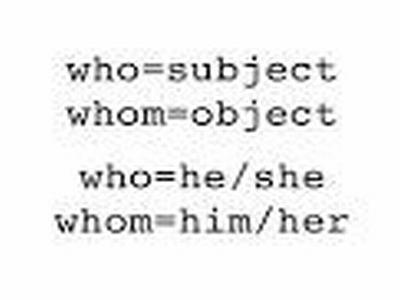
    /ˈvaɪə/

    melalui

    through a place

    We flew home via Dubai.

    Kami terbang pulang melalui Dubai.

    The truck driver was waiting to unload.

    Sinonimby way ofthroughby means ofusingover
    Antonimdirectlywithoutexcludingavoiding
  12. 12

    we(pronoun)

    /wi/

    kami

    I and another person or other people; I and you

    We are students.

    Kami adalah siswa.

    We'd (= the company would) like to offer you the job.

    Sinonimusourselves
    AntonimIme
  13. 13

    his(determiner)

    /hɪz/

    miliknya

    of or belonging to a man or boy who has already been mentioned or is easily identified

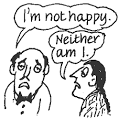
    His pen is very nice.

    Pena miliknya sangat bagus.

    The choice was his.

    Sinonimbelonging to himof himhis own
    Antonimhertheirmyyour
  14. 14

    such(determiner, pronoun)

    /sʌtʃ/

    seperti itu, semacam itu

    used for referring to someone or something that is of the type already mentioned

    He said he didn't have time or made some such excuse.

    Dia bilang dia tidak punya waktu atau membuat alasan semacam itu.

    We were second-class citizens and they treated us as such.

    Sinonimlike thatof that kindsimilaridenticalequivalent
    Antonimdissimilardifferentunlike
  15. 15

    that(pronoun)

    /ðæt/

    itu

    used for referring to a person or thing that is not near the speaker or as near to the speaker as another

    That is my school.

    Itu sekolahku.

    She said (that) the story was true.

    Sinonimthat onethe oneitwhich
    Antonimthis
  16. 16

    they(pronoun)

    /ðeɪ/

    mereka

    people, animals or things that have already been mentioned or are easily identified

    They are my friends.

    Mereka adalah teman-teman saya.

    ‘Where are John and Liz?’ ‘They went for a walk.’

    Sinonimthose peoplethese peoplethemthe ones
    AntonimImeheshehimher
  17. 17

    finally(adverb)

    /ˈfaɪnəli/

    akhirnya

    after a long time, especially when there has been some difficulty or delay

    After waiting for two hours, the bus finally arrived.

    Setelah menunggu dua jam, akhirnya bus itu tiba.

    Sinonimeventuallyultimatelyin the endat lastin conclusion
    Antoniminitiallyfirstto begin withat firstoriginally
  18. 18

    somewhat(adverb)

    /ˈsʌmwʌt/

    agak

    to some degree

    What happened to them remains somewhat of a mystery.

    Apa yang terjadi pada mereka masih menjadi sesuatu yang misterius.

    I was somewhat surprised to see him.

    Sinonimslightlya littleratherkind ofsort ofto some extentpartiallymoderately
    Antonimcompletelyentirelytotallyfullyabsolutelydefinitely
  19. 19

    most(determiner)

    /məʊst/

    paling banyak, terbanyak

    the largest in number or amount

    Which team scored the most goals in the match?

    Tim mana yang mencetak gol terbanyak dalam pertandingan itu?

    Sinonimgreatestmaximumlargestmajoritysupreme
    Antonimleastminimumsmallest
  20. 20

    why(adverb)

    /waɪ/

    mengapa

    used in questions to ask the reason for or purpose of something

    Why is Hoa sad?

    Mengapa Hoa sedih?

    Tell me why you did it.

    Sinonimfor what reasonhow sowherefore
    Antonimbecause
  21. 21

    you(pronoun)

    /jə/

    kamu

    used as the subject or object of a verb or after a preposition to refer to the person or people being spoken or written to

    You are very kind.

    Kamu sangat baik.

    Can I sit next to you?

    Sinonimthoutheeyourself
    Antonimbayoucy youngcyrus the youngerdanton true youngdo-it-yourselfedward younggo-as-you-pleasegood for you
  22. 22

    could(modal verb)

    /kəd/

    bisa

    used as the past tense of ‘can’

    She said that she couldn't come.

    Dia berkata bahwa dia tidak bisa datang.

    I couldn't hear what they were saying.

    Sinonimwas able towas capable ofhad the ability tomightmay
    Antonimcouldn'twas unable tocan't
  23. 23

    the(determiner)

    /ðə/

    (kata sandang tentu), itu

    used to refer to somebody/something that has already been mentioned or is easily understood

    There were three questions. The first two were relatively easy but the third one was hard.

    Ada tiga pertanyaan. Dua yang pertama relatif mudah, tetapi yang ketiga sulit.

    The nights are getting longer.

    Sinonimthatthis
    Antonimaan
  24. 24

    though(adverb)

    /ðəʊ/

    namun, meski begitu

    used especially at the end of a sentence to add a fact or opinion that makes the previous statement less strong

    Our team lost. It was a good game though.

    Tim kami kalah. Namun, pertandingannya bagus.

    ‘Have you ever been to Australia?’ ‘No. I'd like to, though.’

    Sinonimalthoughhoweverneverthelessstillyeteven though
    Antonimbecausesincetherefore
  25. 25

    as(conjunction)

    /əz/

    ketika, sementara

    while something else is happening

    He sat watching her as she got ready.

    Dia duduk memperhatikannya ketika dia bersiap-siap.

    As she grew older she gained in confidence.

    Sinonimwhilewhenbecausesincelikesuch as
    Antonimunlikedissimilarly
  26. 26

    May(modal verb)

    /meɪ/

    boleh, mungkin

    used to say that something is possible

    May I open the window, please?

    Bolehkah saya membuka jendela?

    Sinonimfifth monthspringtime
  27. 27

    some(determiner)

    /sʌm/

    beberapa

    used with uncountable nouns or plural countable nouns to mean ‘an amount of’ or ‘a number of’, when the amount or number is not given

    I have some friends.

    Saya punya beberapa teman.

    Here are some of our suggestions.

    Sinonima fewseverala number ofcertainvariousany
    Antonimnonealleverynowhole
  28. 28

    anyone(pronoun)

    /ˈeniwʌn/

    siapapun

    used instead of someone in negative sentences and in questions after if /whether , and after verbs such as prevent , forbid , avoid , etc.

    Hardly anyone came.

    Hampir tidak ada seorang pun yang datang.

    I forbid anyone to touch that clock.

    Sinonimanybodysomeonesomebodyany personeverybody
    Antonimnobodyno onenone
  29. 29

    at(preposition)

    /ət/

    di

    used to say where something/somebody is or where something happens

    We plan to stay at the Sheraton Hotel.

    Kami berencana untuk menginap di Hotel Sheraton.

    at the corner of the street

    Sinoniminonnearbywithin
    Antonimaway fromdistant fromremote from
  30. 30

    us(pronoun)

    /əs/

    kami

    used when the speaker or writer and another or others are the object of a verb or preposition, or after the verb be

    Hello, it's us back again.

    Halo, ini kami kembali lagi.

    We'll take the dog with us.

    Sinonimweourselveswe all
    AntonimthemyouI
  31. 31

    probably(adverb)

    /ˈprɑːbəbli/

    mungkin

    used to say that something is likely to happen or to be true

    The decision to set up a new company is probably his most risky decision.

    Keputusan untuk mendirikan perusahaan baru mungkin adalah keputusan paling berisiko yang pernah dia ambil.

    It was the best known and probably the most popular of her songs.

    Sinonimlikelypossiblypresumablyperhapsmaybeconceivablydoubtless
    Antonimcertainlydefinitelysurelyundoubtedly
  32. 32

    except(preposition)

    /ɪkˈsept/

    kecuali

    used before you mention the only thing or person about which a statement is not true

    We work every day except Sunday.

    Kami bekerja setiap hari kecuali hari Minggu.

    Our dresses were the same except mine was red.

    Sinonimexcludingbutsaveapart fromaside fromwith the exception of
    Antonimincludingplusin addition to
  33. 33

    mine(pronoun)

    /maɪn/

    milikku

    of or belonging to the person writing or speaking

    She wanted one like mine (= like I have).

    Dia menginginkan yang seperti milikku.

    He's a friend of mine(= one of my friends).

    Sinonimbelonging to memy ownmy property
    Antonimyourshisherstheirs
  34. 34

    what(pronoun, determiner)

    /wʌt/

    apa

    used in questions to ask for particular information about somebody/something

    What is your favorite book?

    Apa buku favoritmu?

    What is your name?

    Sinonimwhichthathowthe thing thatthe item that
    Antonimnonenothing
  35. 35

    after(preposition)

    /ˈæftər/

    setelah

    later than something; following something in time

    Let’s meet after 5.

    Mari bertemu setelah jam 5.

    I could come next week, or the week after.

    Sinonimfollowinglatersubsequentbehind
    Antonimbeforepriorpreceding
  36. 36

    any(determiner)

    /ˈeni/

    apa pun

    used with uncountable or plural nouns in negative sentences and questions, after if or whether , and after some verbs such as prevent , ban , forbid , etc. to refer to an amount or a number of something, however large or small

    I've got hardly any money.

    Saya hampir tidak punya uang sama sekali.

    She asked if we had any questions.

    Sinonimsomeoneeveryeachalleither
    Antonimnonenonever
  37. 37

    surely(adverb)

    /ˈʃʊrli/

    pasti

    used to show that you are almost certain of what you are saying and want other people to agree with you

    Surely we should do something about it?

    Tentu kita harus melakukan sesuatu tentang itu, bukan?

    It's surely only a matter of time before he is found, isn't it?

    Sinonimcertainlydefinitelyundoubtedlyassuredlyabsolutelyof coursewithout a doubt
    Antonimuncertainlydoubtfullypossiblymaybeperhaps
  38. 38

    your(determiner)

    /jʊr/

    milikmu

    of or belonging to the person or people being spoken or written to

    Your pen is very nice.

    Pena milikmu sangat bagus.

    Excuse me, is this your seat?

    Sinonimbelonging to youof you
    Antonimmyhishertheirour
  39. 39

    by(preposition)

    /baɪ/

    dengan, naik

    used for showing how or in what way something is done

    We usually go to school by bus, but today we walked.

    Kami biasanya pergi ke sekolah naik bus, tetapi hari ini kami berjalan kaki.

    Sinonimnearnext tobesideclose toalongside
    Antonimfar fromaway from
  40. 40

    our(determiner)

    /ɑːr/

    kami/kita punya

    belonging to us; connected with us

    Our school is very nice.

    Sekolah kami sangat bagus.

    Our main export is rice.

    Sinonimbelonging to usof ours
    Antonimtheirtheirsyour
  41. 41

    yeah(exclamation)

    /jeə/

    ya

    yes

    "Do you like your job?" "Yeah, it's all right I suppose."

    "Apakah kamu suka pekerjaanmu?" "Ya, lumayanlah kurasa."

    to have good/perfect/poor/blurred/normal vision

    Sinonimyesyepsureindeedrightokay
    Antonimnonopenah
  42. 42

    her(pronoun)

    /hər/

    dia, nya

    used as the object of a verb, after the verb be or after a preposition to refer to a woman or girl who has already been mentioned or is easily identified

    I saw her at the park yesterday and said hello.

    Aku melihatnya di taman kemarin dan menyapanya.

    Sinonimbelonging to herhersof her
    Antonimhistheirmyyour
  43. 43

    towards(preposition)

    /tɔːrdz/

    ke arah

    in the direction of somebody/something

    She had her back towards me.

    Dia membelakangi saya.

    They were heading towards the German border.

    Sinonimtoin the direction ofnearapproachingaround
    Antonimaway fromfrom
  44. 44

    especially(adverb)

    /ɪˈspeʃəli/

    terutama

    more with one person, thing, etc. than with others, or more in particular circumstances than in others

    Teenagers are very fashion conscious, especially girls.

    Remaja sangat sadar akan mode, terutama perempuan.

    I love Rome, especially in the spring.

    Sinonimparticularlymainlyprimarilynotablysignificantlyin particular
    Antonimgenerallyusuallyordinarilycommonlytypically
  45. 45

    everything(pronoun)

    /ˈevriθɪŋ/

    semuanya

    all things

    When we confronted him, he denied everything.

    Ketika kami menghadapinya, dia menyangkal semuanya.

    She seemed to have everything—looks, money, intelligence.

    Sinonimallthe whole thingevery single thingeverything under the sunthe works
    Antonimnothingsomethinga littlea few
  46. 46

    who(pronoun)

    /huː/

    siapa

    used in questions to ask about the name, identity or function of one or more people

    Who is this?

    Siapa ini?

    Who is that woman?

    Sinonimwhich personwhat person
    Antonimnobody
  47. 47

    even(adverb)

    /ˈiːvn/

    bahkan

    used to emphasize something unexpected or surprising

    He never even opened the letter (= so he certainly didn't read it).

    Dia bahkan tidak pernah membuka surat itu (= jadi dia pasti tidak membacanya).

    Even a child can understand it (= so adults certainly can).

    Sinonimalsojustactuallyreallytrulyindeed
    Antonimnevernotcontrary
  48. 48

    for(preposition)

    /fər/

    untuk

    used to show who is intended to have or use something or where something is intended to be put

    There's a letter for you

    Ada surat untukmu

    This is the place for me (= I like it very much).

    Sinonimintended formeant forin behalf ofon account of
    Antonimagainstfrom
  49. 49

    please(exclamation)

    /pliːz/

    tolong, silakan

    used as a polite way of asking for something or telling somebody to do something

    Can I have a glass of water, please?

    Boleh saya minta segelas air, tolong?

    Sinonimsatisfydelightgratifyappeasehumor
    Antonimdispleaseoffendannoydissatisfyupset
  50. 50

    nearly(adverb)

    /ˈnɪrli/

    hampir

    almost; not quite; not completely

    She very nearly died.

    Dia hampir meninggal.

    He's nearly as tall as you are.

    Sinonimalmostpracticallyvirtuallyclose toaboutapproximately
    Antonimcompletelyentirelyfullyabsolutelynowhere near
  51. 51

    nor(conjunction)

    /nɔːr/

    dan tidak juga, tidak juga

    and not

    He wasn't there on Monday. Nor on Tuesday, for that matter.

    Dia tidak ada di sana hari Senin. Hari Selasa pun tidak, sebenarnya.

    Not a building nor a tree was left standing.

    Sinonimneitheralso notand not
    Antonimandalso
  52. 52

    actually(adverb)

    /ˈæktʃuəli/

    sebenarnya

    used in speaking to emphasize a fact or a comment, or that something is really true

    It's not actually raining now.

    Sebenarnya tidak hujan sekarang.

    There are lots of people there who can actually help you.

    Sinonimreallyin factgenuinelytrulyveritablyindeedliterally
    Antonimtheoreticallyhypotheticallyapparentlyostensiblyseeminglyfalselyincorrectly
  53. 53

    hers(pronoun)

    /hɜːrz/

    miliknya (perempuan)

    of or belonging to her

    His eyes met hers.

    Matanya bertemu dengan matanya.

    The choice was hers.

    Sinonimherbelonging to herof her
    Antonimhismineyoursourstheirs
  54. 54

    least(determiner)

    /liːst/

    paling sedikit, terkecil

    smallest in size, amount, degree, etc.

    This model uses the least fuel of all the cars we tested.

    Model ini menggunakan bahan bakar paling sedikit dari semua mobil yang kami uji.

    Sinonimsmallestminimumtiniestlowest
    Antonimmostgreatestmaximumlargest
  55. 55

    someone(pronoun)

    /ˈsʌmwʌn/

    seseorang

    a person who is not known or mentioned by name

    There's someone at the door.

    Ada seseorang di pintu.

    Someone's left their bag behind.

    Sinonimsomebodya personan individualonea certain person
    Antonimnobodyno oneeveryoneeverybody
  56. 56

    I(pronoun)

    /aɪ/

    Saya

    used as the subject of a verb when the speaker or writer is referring to himself/herself

    I am a student.

    Saya seorang siswa.

    When they asked me if I wanted the job, I said yes.

    SinonimMyselfMe
    AntonimYouHeSheItTheyWe
  57. 57

    well(adverb)

    /wel/

    dengan baik, baik

    in a good, right or acceptable way

    She speaks English very well.

    Dia berbicara bahasa Inggris dengan sangat baik.

    Sinonimwater sourcespringboreholepitshaft
    Antonimdrydesertarid land
  58. 58

    including(preposition)

    /ɪnˈkluːdɪŋ/

    termasuk

    having something as part of a group or set

    I've got three days' holiday including New Year's Day.

    Saya punya libur tiga hari termasuk Hari Tahun Baru.

    It's £7.50, not including tax.

    Sinonimcomprisingencompassingincorporatingconsisting ofembracing
    Antonimexcludingomittingexceptingwithoutexcluding
  59. 59

    me(pronoun)

    /mi/

    aku

    the form of I that is used when the speaker or writer is the object of a verb or preposition, or after the verb be

    Hello, it's me.

    Halo, ini aku.

    Don't hit me.

    SinonimmyselfI
    Antonimyouhimherthem
  60. 60

    this(determiner, pronoun)

    /ðɪs/

    ini

    used to refer to a particular person, thing or event that is close to you, especially compared with another

    This is my teacher.

    Ini guru saya.

    Is this your bag?

    Sinonimthatthea
    Antonimthatthose
  61. 61

    where(adverb)

    /wer/

    di mana

    in or to what place or situation

    Where is your white shirt?

    Di mana kemeja putihmu?

    I wonder where they will take us to.

    Sinonimlocationplacepositionspot
    Antonimnowhere
  62. 62

    she(pronoun)

    /ʃi/

    dia (perempuan)

    a female person or animal that has already been mentioned or is easily identified

    Daisy is my friend. She is very kind.

    Daisy adalah temanku. Dia sangat baik hati.

    Doesn't she (= the woman we are looking at) look like Sue?

    Sinonimherthe womanthat woman
    Antonimhehim
  63. 63

    yours(pronoun)

    /jərz/

    milikmu

    of or belonging to you

    Is that book yours?

    Apakah buku itu milikmu?

    My hair is very fine. Yours is much thicker.

    Sinonimbelonging to youyour property
    Antonimmineanother's
  64. 64

    or(conjunction)

    /ɔːr/

    atau

    used to introduce another possibility

    Is your sister older or younger than you?

    Apakah saudara perempuanmu lebih tua atau lebih muda darimu?

    Are you coming or not?

    Sinonimotherwisealternatively
    Antonimand
  65. 65

    less(determiner)

    /les/

    lebih sedikit, kurang

    used with uncountable nouns to mean ‘a smaller amount of’

    You should eat less sugar and more fresh fruit and vegetables.

    Kamu sebaiknya makan lebih sedikit gula dan lebih banyak buah serta sayur segar.

    Sinonimfewersmallerreducedlower
    Antonimmoregreaterincreasedhigher
  66. 66

    same(adjective)

    /seɪm/

    sama

    exactly the one or ones referred to or mentioned; not different

    We treat boys exactly the same as girls.

    Kami memperlakukan anak laki-laki sama persis dengan anak perempuan.

    He gave me five dollars, same as usual.

    Sinonimidenticalequalequivalentalikesimilaruniformconsistent
    Antonimdifferentdissimilardistinctunequalvaried
  67. 67

    unless(conjunction)

    /ənˈles/

    kecuali

    used to say that something can only happen or be true in a particular situation

    You won't get paid for time off unless you have a doctor's note.

    Anda tidak akan dibayar untuk cuti kecuali Anda memiliki surat dokter.

    Unless I'm mistaken, she was back at work yesterday.

    Sinonimexcept ifif notbutsave
    Antonimifprovided thatas long as
  68. 68

    another(determiner)

    /əˈnʌðər/

    satu lagi, lain, yang lain

    one more; an extra thing or person

    Would you like another drink?

    Apakah Anda ingin minuman lagi?

    ‘Finished?’ ‘No, I've got another three questions to do.’

    Sinonimadditionalextrafurthermoredifferentone more
    Antonimnoneno morethe same
  69. 69

    definitely(adverb)

    /ˈdefɪnətli/

    pasti

    a way of emphasizing that something is true and that there is no doubt about it

    I will definitely come to your wedding party.

    Saya pasti akan datang ke pesta pernikahanmu.

    ‘Do you plan to have children?’ ‘Definitely not!’

    Sinonimcertainlyabsolutelysurelyassuredlypositivelyundoubtedlyunquestionably
    Antonimmaybepossiblyperhapsuncertainlydoubtfully
  70. 70

    both(determiner, pronoun)

    /bəʊθ/

    keduanya

    used with plural nouns to mean ‘the two’ or ‘the one as well as the other’

    We have both seen the movie.

    Kami berdua sudah menonton film itu.

    Both (my) sisters live in London.

    Sinonimtwocouplepairthe pair
    Antonimneithernoneeither
  71. 71

    about(preposition)

    /əˈbaʊt/

    tentang, mengenai

    on the subject of somebody/something; in connection with somebody/something

    We talked about our favourite sports after school.

    Kami membicarakan olahraga favorit kami setelah pulang sekolah.

    Sinonimapproximatelyaroundroughlynearlyalmostclose to
    Antonimexactlypreciselydefinitelycertainly
  72. 72

    goodbye(exclamation)

    /ˌɡʊdˈbaɪ/

    selamat tinggal, sampai jumpa

    used when you are leaving somebody or when somebody else is leaving

    Goodbye, Tom! See you at school tomorrow.

    Selamat tinggal, Tom! Sampai jumpa di sekolah besok.

    Sinonimfarewelladieuso longbyeadieu
    Antonimhellogreetingwelcome
  73. 73

    anything(pronoun)

    /ˈeniθɪŋ/

    apa pun

    used instead of something in negative sentences and in questions; after if /whether ; and after verbs such as prevent , ban , avoid , etc.

    If you remember anything, please let us know.

    Jika Anda ingat apa pun, tolong beri tahu kami.

    There's never anything worth watching on TV.

    Sinonimsomethingeverythingallanywhatever
    Antonimnothing
  74. 74

    of(preposition)

    /əv/

    dari

    belonging to somebody; relating to somebody

    the paintings of Monet

    lukisan-lukisan Monet

    Can't you throw out that old bike of Tommy's?

    Sinonimbelonging tofromrelating toassociated withregardingconcerning
    Antonimwithoutlacking
  75. 75

    which(pronoun)

    /wɪtʃ/

    yang mana, mana

    used in questions to ask somebody to be exact about one or more people or things from a limited number

    Which of the applicants has got the job?

    Siapa di antara para pelamar yang mendapat pekerjaan itu?

    Which is better exercise—swimming or tennis?

    Sinonimwhatthatwhowhateverwhichever
    Antonimnoneno one
  76. 76

    whoever(pronoun)

    /huːˈevər/

    siapapun

    the person or people who; any person who

    Whoever says that is a liar.

    Siapapun yang mengatakan itu adalah seorang pembohong.

    Send it to whoever is in charge of sales.

    Sinonimanyoneeverybodyeveryoneany personno matter who
    Antonimnobodyno one
  77. 77

    although(conjunction)

    /ɔːlˈðəʊ/

    meskipun

    used for introducing a statement that makes the main statement in a sentence seem surprising

    Although small, the kitchen is well designed.

    Meskipun kecil, dapur itu dirancang dengan baik.

    Although the sun was shining, it wasn't very warm.

    Sinonimthougheven thoughwhilstnotwithstandingalbeit
    Antonimbecausesinceasdue to
  78. 78

    none(pronoun)

    /nʌn/

    tidak ada

    not one of a group of people or things; not any

    Tickets for Friday? Sorry we've got none left.

    Tiket untuk hari Jumat? Maaf, kami tidak punya lagi.

    ‘Is there any more milk?’ ‘No, none at all.’

    Sinonimzeronot onenothingnilnada
    Antonimsomeanyallplentymany
  79. 79

    their(determiner)

    /ðer/

    mereka

    of or belonging to people, animals or things that have already been mentioned or are easily identified

    Their school is very nice.

    Sekolah mereka sangat bagus.

    Which is their house?

    Sinonimbelonging to themof them
    Antonimmyyourourhisherits
  80. 80

    generally(adverb)

    /ˈdʒenrəli/

    umumnya

    by or to most people

    The plan was generally welcomed.

    Rencana tersebut umumnya disambut baik.

    The new drug will be generally available from January.

    Sinonimusuallytypicallynormallycommonlylargelymostlyin general
    Antonimspecificallyparticularlyexceptionallyrarelyunusually
  81. 81

    really(adverb)

    /ˈriːəli/

    sangat, benar-benar

    used to emphasize an adjective or adverb

    The film was really good, so we watched it again.

    Filmnya sangat bagus, jadi kami menontonnya lagi.

    Sinonimtrulyactuallygenuinelyindeedverilysincerely
    Antonimfalselyapparentlyseeminglypretendlyvirtually
  82. 82

    however(adverb)

    /haʊˈevər/

    namun, akan tetapi

    used to introduce a statement that contrasts with something that has just been said

    I'd love to come to your party. However, I'm very busy this week.

    Saya ingin sekali datang ke pestamu. Namun, minggu ini saya sangat sibuk.

    SinonimNeverthelessNonethelessYetStillEven soDespite thatIn spite of that
    AntonimThereforeThusConsequentlyAccordingly
  83. 83

    something(pronoun)

    /ˈsʌmθɪŋ/

    sesuatu

    a thing that is not known or mentioned by name

    There is something in my bag, but I don't know what it is.

    Ada sesuatu di dalam tasku, tetapi aku tidak tahu apa itu.

    Sinonimthingitemobjectmatterstuffentity
    Antonimnothing
  84. 84

    can(modal verb)

    /kən/

    bisa, dapat

    used to say that it is possible for somebody/something to do something, or for something to happen

    I can swim, but I can't ride a horse.

    Aku bisa berenang, tetapi aku tidak bisa menunggang kuda.

    Sinonimpreservetinput up
    Antonimfreshunprocessedunpackaged
  85. 85

    my(determiner)

    /maɪ/

    milikku

    of or belonging to the speaker or writer

    My name is Andy.

    Nama saya Andy.

    My feet are cold.

    Sinonimbelonging to meof minepersonally owned
    Antonimyourhishertheirits
  86. 86

    also(adverb)

    /ˈɔːlsəʊ/

    juga

    in addition; too

    She's fluent in French and German. She also speaks a little Italian.

    Dia fasih berbahasa Prancis dan Jerman. Dia juga berbicara sedikit bahasa Italia.

    rubella, also known as German measles

    Sinonimtooas wellin additionfurthermoremoreover
    Antonimneithernorinsteadconversely
  87. 87

    must(modal verb)

    /məst/

    harus

    used to say that something is necessary or very important (sometimes involving a rule or a law)

    ‘Do we have to finish this today?’ ‘Yes, you must.’

    ‘Apakah kita harus menyelesaikan ini hari ini?’ ‘Ya, kamu harus.’

    I must ask you not to do that again.

    Sinonimshouldought toneed torequiredobligednecessary
    Antonimmaycanoptionallyneedn'tshouldn't
  88. 88

    but(conjunction)

    /bət/

    tetapi, tapi

    used to introduce a word or phrase that contrasts with what was said before

    I would like to come to the party, but I am too busy.

    Aku ingin datang ke pesta itu, tetapi aku terlalu sibuk.

    Sinonimhoweveryetalthoughthoughneverthelessstill
    Antonimandalsofurthermore
  89. 89

    not(adverb)

    /nɑːt/

    tidak, bukan

    used with be , do or have to form the negative of verbs; used to form the negative of modal verbs like can or must

    I am not hungry, but I am very tired.

    Aku tidak lapar, tetapi aku sangat lelah.

    Sinonimnonayneveropposite ofnegation
    Antonimyestruepositiveaffirmative
  90. 90

    completely(adverb)

    /kəmˈpliːtli/

    sepenuhnya

    in every way possible; in every part

    completely different

    sangat berbeda

    completely and utterly broke

    Sinonimtotallyentirelyfullyutterlyabsolutelyperfectlywholly
    Antonimpartiallyincompletelysomewhatslightlypartly
  91. 91

    nevertheless(adverb)

    /ˌnevərðəˈles/

    meskipun demikian

    despite something that you have just mentioned

    Our defeat was expected but it is disappointing nevertheless.

    Kekalahan kita sudah diperkirakan, tetapi tetap mengecewakan meskipun demikian.

    The old system had its flaws, but nevertheless it was preferable to the new one.

    Sinonimhowevernonethelessstillyeteven so
    Antonimthereforeconsequentlythusso
  92. 92

    should(modal verb)

    /ʃəd/

    sebaiknya, seharusnya

    used to say what is the right or sensible thing to do, especially when giving advice

    You should see a doctor if your fever gets worse.

    Kamu sebaiknya menemui dokter jika demammu bertambah parah.

    Sinonimought tomustshallneed tobe obliged to
    Antonimshouldn'tmustn'tneedn't
  93. 93

    either(determiner, pronoun)

    /ˈiːðər/

    salah satu, masing-masing

    one or the other of two; it does not matter which

    You can park on either side of the street.

    Kamu boleh parkir di salah satu sisi jalan.

    Sinonimalsotooas welllikewisesimilarly
    Antonimonlyalonesolely
  94. 94

    used(adjective)

    /juːst/

    terbiasa, biasa

    familiar with something because you do it or experience it often

    She is used to getting up early for work every day.

    Dia terbiasa bangun pagi untuk bekerja setiap hari.

    Sinonimsecondhandpre-ownedwornutilizedemployedhand-me-down
    Antonimnewunusedbrand newfreshoriginal
  95. 95

    every(determiner)

    /ˈevri/

    setiap

    used with singular nouns to refer to all the members of a group of things or people

    Every classroom has 25 desks.

    Setiap ruang kelas memiliki 25 meja.

    They were watching her every movement.

    Sinonimeachallanythe whole of
    Antonimnononesomefew
  96. 96

    moreover(adverb)

    /mɔːrˈəʊvər/

    lagi pula

    used to introduce some new information that adds to or supports what you have said previously

    A talented artist, he was, moreover, a writer of some note.

    Seorang seniman berbakat, dia, lagi pula, seorang penulis terkenal.

    a piece of metal

    Sinonimfurthermorebesidesin additionalsomoreoveradditionallytoo
    Antonimconverselyhoweverneverthelessdespitealthoughinstead
  97. 97

    hi(exclamation)

    /haɪ/

    Hai

    used to say hello

    Hi, there! How're you doing?

    Hai! Apa kabar?

    Hi, Peter.

    Sinonimhellogreetingsheyhowdygood day
    Antonimgoodbyefarewellsee youso longadieu
  98. 98

    fairly(adverb)

    /ˈferli/

    lumayan

    to some extent but not very

    a fairly easy book

    buku yang lumayan mudah

    a fairly typical reaction

    Sinonimquiterathersomewhatmoderatelyreasonablypretty
    Antonimextremelyveryexceptionallyincrediblyunusually
  99. 99

    all(determiner)

    /ɔːl/

    semua, seluruh

    the whole number of

    All the students in my class passed the exam.

    Semua siswa di kelas saya lulus ujian.

    Sinonimentirewholecompleteeveryeverything
    Antonimnonenothingpartsome
  100. 100

    so(conjunction)

    /səʊ/

    jadi, sehingga

    used to show the result of something; therefore

    It was still painful so I went to see a doctor.

    Rasanya masih sakit, jadi saya pergi menemui dokter.

    He never seems to smile.

    Sinonimthereforeconsequentlyhencethusaccordingly
    Antonimbecausesince
  101. 101

    particularly(adverb)

    /pərˈtɪkjələrli/

    terutama

    especially; more than usual or more than others

    I enjoyed the play, particularly the second half.

    Saya menikmati pertunjukan itu, terutama bagian kedua.

    particularly good/important/useful

    Sinonimespeciallyspecificallynotablyin particularprimarilymainly
    Antonimgenerallyusuallytypicallycommonlyordinarilyin general
  102. 102

    absolutely(adverb)

    /ˈæbsəluːtli/

    mutlak

    used to emphasize that something is completely true

    It was absolutely pouring with rain.

    Hujan turun dengan derasnya.

    He made it absolutely clear.

    Sinonimcompletelytotallyutterlydefinitelycertainlypositivelyunquestionablyundoubtedly
    Antonimrelativelypartiallysomewhatpossiblyincompletely
  103. 103

    certainly(adverb)

    /ˈsɜːrtnli/

    tentu

    without doubt

    She was certainly attractive but you couldn't call her beautiful.

    Dia tentu saja menarik tetapi kamu tidak bisa menyebutnya cantik.

    I'm certainly never going there again.

    Sinonimdefinitelyassuredlyundoubtedlyabsolutelypositivelysurely
    Antonimuncertainlydoubtfullypossiblymaybeperhaps
  104. 104

    from(preposition)

    /frəm/

    dari

    used to show where somebody/something starts

    She began to walk away from him

    Dia mulai berjalan menjauh darinya.

    Has the train from Bristol arrived?

    Sinonimoriginating inout ofaway fromstarting at
    Antonimtotowardattowards
  105. 105

    whom(pronoun)

    /huːm/

    siapa

    used instead of ‘who’ as the object of a verb or preposition

    Whom did they invite?

    Siapa yang mereka undang?

    To whom should I write?

    Sinonimwho (formal)the person whomthe one whom
    Antonimwho (informal)thatwhich
  106. 106

    wherever(conjunction)

    /werˈevər/

    di mana pun, ke mana pun

    in or to any place

    You can sit wherever you like in the classroom.

    Kamu boleh duduk di mana pun yang kamu suka di dalam kelas.

    Sinonimanywherein any placewhere so ever
    Antonimnowheresomewhere specific
  107. 107

    shall(modal verb)

    /ʃəl/

    akan

    used with I and we for talking about or predicting the future

    I shall be away next week, so please call my assistant.

    Saya akan pergi minggu depan, jadi tolong hubungi asisten saya.

    Sinonimwillshouldmustought to
    Antonimwon'tshan'tmustn't
  108. 108

    maybe(adverb)

    /ˈmeɪbi/

    mungkin

    used when you are not certain that something will happen or that something is true or is a correct number

    Maybe he'll come, maybe he won't.

    Mungkin dia akan datang, mungkin tidak.

    We go there maybe once or twice a month.

    Sinonimperhapspossiblyconceivablyperchancemayhap
    Antonimcertainlydefinitelysurelycertainabsolutely
  109. 109

    a(determiner)

    /ə/

    sebuah, seorang, suatu

    used before countable or singular nouns referring to people or things that have not already been mentioned

    She's a friend of my father's (= one of my father's friends).

    Dia teman ayahku (= salah satu teman ayahku).

    a man/horse/unit

    Sinonimoneanany
    Antonimtheall
  110. 110

    during(preposition)

    /ˈdʊrɪŋ/

    selama

    all through a period of time

    There are extra flights to Colorado during the winter.

    Ada penerbangan tambahan ke Colorado selama musim dingin.

    There are extra flights to Colorado during the winter.

    Sinonimwhilethroughoutinin the course offor the duration ofin the period of
    Antonimbeforeafter
  111. 111

    whereas(conjunction)

    /ˌwerˈæz/

    sedangkan

    used to compare or contrast two facts

    Some of the studies show positive results, whereas others do not.

    Beberapa penelitian menunjukkan hasil positif, sedangkan yang lain tidak.

    We thought she was arrogant, whereas in fact she was just very shy.

    Sinonimwhilealthoughbuton the other handconversely
    Antonimsimilarlylikewisealsoin addition
  112. 112

    yes(exclamation)

    /jes/

    ya

    used to answer a question and say that something is correct or true

    Yes, it's me.

    Ya, ini aku.

    ‘Are you coming? Yes or no?’

    Sinonimaffirmativeindeedayesurecertainlyabsolutely
    Antonimnonegativenay
  113. 113

    very(adverb)

    /ˈveri/

    sangat

    used before adjectives, adverbs and determiners to mean ‘in a high degree’ or ‘extremely’

    My classroom is very big.

    Ruang kelas saya sangat besar.

    I'm very very grateful.

    Sinonimextremelyhighlyreallyexceedinglyremarkablyawfully
    Antonimslightlysomewhata littlemoderatelybarely
  114. 114

    whether(conjunction)

    /ˈweðər/

    apakah

    used to express a doubt or choice between two possibilities

    I'll see whether she's at home (= or not at home).

    Saya akan melihat apakah dia di rumah (= atau tidak di rumah).

    It remains to be seen whether or not this idea can be put into practice.

    Sinonimifin casein the event that
    Antonimdefinitelycertainly
  115. 115

    perhaps(adverb)

    /pərˈhæps/

    mungkin

    possibly

    ‘Are you going to come?’ ‘Perhaps. I'll see how I feel.’

    ‘Apakah kamu akan datang?’ ‘Mungkin. Aku akan melihat bagaimana perasaanku.’

    Perhaps he's forgotten.

    Sinonimmaybepossiblyconceivablyperchancelikelypotentially
    Antonimcertainlydefinitelysurelyabsolutelyassuredly
  116. 116

    everyone(pronoun)

    /ˈevriwʌn/

    semua orang

    every person; all people

    Everyone is waiting outside.

    Semua orang menunggu di luar.

    Everyone cheered and clapped.

    Sinonimeverybodyalleach personeach onethe whole world
    Antonimno onenobodynone
  117. 117

    with(preposition)

    /wɪð/

    dengan

    in the company or presence of somebody/something

    a nice steak with a bottle of red wine

    steak enak dengan sebotol anggur merah

    She lives with her parents.

    Sinonimalongsideaccompanyingtogether withincludingplus
    Antonimwithout
  118. 118

    each(determiner)

    /iːtʃ/

    setiap, masing-masing

    used to refer to every one of two or more people or things, when you are thinking about them separately

    Each answer is worth 20 points.

    Setiap jawaban bernilai 20 poin.

    There aren't enough books for everyone to have one each.

    Sinonimeveryperindividualallany
    Antonimnoneno
  119. 119

    into(preposition)

    /ˈɪntə/

    ke dalam

    to a position in or inside something

    Come into the house.

    Masuk ke dalam rumah.

    She dived into the water.

    Sinonimwithininsideintowards
    Antonimout ofoutsideoutaway from
  120. 120

    hello(exclamation, noun)

    /həˈləʊ/

    halo

    used as a greeting when you meet somebody, in an email, when you answer the phone or when you want to attract somebody’s attention

    Say hello to Liz for me.

    Sampaikan salamku untuk Liz.

    Hello, is there anybody there?

    Sinonimgreetingshiheyhowdygood daywelcome
    Antonimgoodbyefarewelladieu
  121. 121

    he(pronoun)

    /hi/

    dia

    a male person or animal that has already been mentioned or is easily identified

    He is 10 years old and he is a student.

    Dia berumur 10 tahun dan dia seorang siswa.

    He (= the man we are watching) went through that door.

    Sinonimhimthat personthe manthe boy
    Antonimshethey
  122. 122

    itself(pronoun)

    /ɪtˈself/

    sendiri

    used when the animal or thing that does an action is also affected by it

    Does the computer turn itself off?

    Apakah komputer mati sendiri?

    The cat was washing itself.

    Sinonimits very beingits own selfin itselfautomaticallyindependently
    Antonimexternallyotheranother
  123. 123

    nothing(pronoun)

    /ˈnʌθɪŋ/

    tidak ada

    not anything; no single thing

    Nothing else matters to him apart from his job.

    Tidak ada hal lain yang penting baginya selain pekerjaannya.

    There was nothing in her bag.

    Sinonimnilzeronoughtnadazip
    Antonimeverythingsomethinganythingall
  124. 124

    would(modal verb)

    /wʊd/

    akan

    used as the past form of 'will' when reporting what somebody said or thought

    She asked if I would help.

    Dia bertanya apakah saya akan membantu.

    He said he would be here at eight o'clock (= His words were: ‘I will be there at eight o'clock.’).

    Sinonimshouldmightcould
    Antonimwill notrefuse
  125. 125

    might(modal verb)

    /maɪt/

    mungkin

    used when showing that something is or was possible

    He said he might come tomorrow.

    Dia bilang dia mungkin datang besok.

    major international companies

    Sinonimpossiblymaybeperhapscouldmay
    Antonimdefinitelycertainlysurelywillmust
  126. 126

    upon(preposition)

    /əˈpɑːn/

    di atas, pada

    on (used in formal or literary English)

    The old book was placed carefully upon the table by the window.

    Buku tua itu diletakkan dengan hati-hati di atas meja di dekat jendela.

    Sinonimonaboveoveronto
    Antonimunderbeneathbelow
  127. 127

    since(preposition)

    /sɪns/

    sejak

    from a time in the past until a later past time, or until now

    I have lived in this city since 2015.

    Saya tinggal di kota ini sejak 2015.

    Sinonimafterbecauseasseeing asinasmuch as
    Antonimbefore
  128. 128

    neither(determiner)

    /ˈniːðər/

    tidak satu pun, keduanya tidak

    not one nor the other of two things or people

    Neither of my parents can speak English.

    Tidak satu pun dari orang tua saya bisa berbahasa Inggris.

    Sinonimnornot eitheralso not
    Antonimalsotooeither
  129. 129

    several(determiner, pronoun)

    /ˈsevrəl/

    beberapa

    more than two but not very many

    Several of the paintings were destroyed in the fire.

    Beberapa lukisan hancur dalam kebakaran.

    If you're looking for a photo of Alice you'll find several in here.

    Sinonimsomea fewmanyvariousmultiple
    Antonimnonefewsingleone
  130. 130

    basically(adverb)

    /ˈbeɪsɪkli/

    pada dasarnya

    in the most important ways, without considering things that are less important

    The two approaches are basically very similar.

    Kedua pendekatan pada dasarnya sangat mirip.

    There have been some problems but basically it's a good system.

    Sinonimessentiallyfundamentallyprimarilymainlylargelygenerallyin essence
    Antonimspecificallyparticularlyuniquelydistinctlydifferentlyin detail
  131. 131

    it(pronoun)

    /ɪt/

    itu

    used to refer to an animal or a thing that has already been mentioned or that is being talked about now

    This is my dog. It is very friendly.

    Ini anjingku. Itu sangat ramah.

    Sinonimthatthisthe thingthe one
    Antonimheshethey
  132. 132

    its(determiner)

    /ɪts/

    nya

    belonging to or connected with a thing, an animal or a baby

    I have a dog. Its tail is very long.

    Saya punya anjing. Ekornya sangat panjang.

    Sinonimbelonging to itof itbelonging to the thingthereof
    Antonimnone (as it's a possessive pronoun)
  133. 133

    in(preposition)

    /ɪn/

    di

    at a point within an area or a space

    The cat is sleeping in the box.

    Kucing itu tidur di dalam kotak.

    Sinonimwithininsideamongduring
    Antonimoutoutsidewithout
  134. 134

    how(adverb)

    /haʊ/

    bagaimana

    in what way or manner

    How do you feel?

    Bagaimana perasaanmu?

    Sinonimin what wayby what meansto what extentin which manner
    Antonimwhybecause
  135. 135

    amount(noun)

    /əˈmaʊnt/

    jumlah

    a quantity of something

    He paid regular amounts of money to a charity.

    Dia membayar sejumlah uang secara teratur kepada badan amal.

    Sinonimquantitysumvolumeextentmeasuredegreeportion
    Antonimlackabsenceinsufficiencyscarcitydeficiency
  136. 136

    bye(exclamation)

    /baɪ/

    sampai jumpa

    goodbye

    Bye. See you very soon.

    Sampai jumpa. Sampai jumpa lagi segera.

    Sinonimgoodbyefarewellso longsee you lateradios
    Antonimhellogreetingswelcome
  137. 137

    many(determiner, pronoun)

    /ˈmeni/

    banyak

    used with plural nouns and verbs, especially in negative sentences or in more formal English, to mean ‘a large number of’. Also used in questions to ask about the size of a number, and with ‘as’, ‘so’ and ‘too’.

    There are many toys in my room.

    Ada banyak mainan di kamarku.

    Sinonimnumerousabundantplentifulmultiplevariousseveral
    Antonimfewlittlescarcelimited
  138. 138

    much(determiner)

    /mʌtʃ/

    banyak, berapa banyak

    used with uncountable nouns, especially in negative sentences to mean ‘a large amount of something’, or after ‘how’ to ask about the amount of something. It is also used with ‘as’, ‘so’ and ‘too’.

    How much milk do we have in the fridge?

    Berapa banyak susu yang kita punya di kulkas?

    Sinonima lotgreatlyconsiderablysubstantiallysignificantly
    Antonimlittleslightlyminimally
  139. 139

    because(conjunction)

    /bɪˈkəz/

    karena

    for the reason that

    I did it because he told me to.

    Saya melakukannya karena dia menyuruh saya.

    Sinonimsinceasfordue toin view ofon account of
    Antonimdespitealthoughin spite ofregardless ofeven though
  140. 140

    almost(adverb)

    /ˈɔːlməʊst/

    hampir

    not quite

    I almost missed the train.

    Saya hampir ketinggalan kereta.

    Sinonimnearlypracticallyvirtuallyaboutapproaching
    Antonimcompletelyentirelyfullydefinitely
  141. 141

    anybody(pronoun)

    /ˈenibɑːdi/

    siapa pun

    used instead of somebody in negative sentences and in questions after if /whether , and after verbs such as prevent , forbid , avoid , etc.

    Has anybody seen my keys?

    Apakah ada siapa pun yang melihat kunci saya?

    Sinonimanyonesomeonesomebodya person
    Antonimnobodyno one
  142. 142

    be(verb)

    /bi/

    menjadi

    used when you are naming people or things, describing them or giving more information about them

    I want to be a doctor.

    Saya ingin menjadi seorang dokter.

    Sinonimexistbecomeconstituterepresentequaloccur
    Antonimnonexistenceabsencelack
  143. 143

    besides(preposition)

    /bɪˈsaɪdz/

    selain, di samping

    in addition to somebody/something; apart from somebody/something

    Besides being a talented musician, she's also a great writer.

    Selain seorang musisi berbakat, dia juga penulis yang hebat.

    Sinonimin additionfurthermoremoreoveralso
    Antoniminsteadratherconversely
  144. 144

    enough(determiner)

    /ɪˈnʌf/

    cukup

    used before plural or uncountable nouns to mean ‘as many or as much as somebody needs or wants’

    Is there enough food for everyone?

    Apakah ada cukup makanan untuk semua orang?

    Sinonimsufficientadequateample
    Antoniminsufficientlackingscarce
  145. 145

    everybody(pronoun)

    /ˈevribɑːdi/

    semua orang

    every person; all people

    Everybody loves ice cream.

    Semua orang suka es krim.

    Sinonimeveryonealleach person
    Antonimnobodyno one
  146. 146

    firstly(adverb)

    /ˈfɜːrstli/

    pertama-tama

    used to introduce the first of a list of points you want to make in a speech or piece of writing

    Firstly, we need to gather all the materials.

    Pertama-tama, kita perlu mengumpulkan semua bahan.

    Sinoniminitiallyto begin withfirst
    Antonimlastlyfinallysubsequently
  147. 147

    furthermore(adverb)

    /ˌfɜːrðərˈmɔːr/

    selain itu

    in addition to what has just been stated. Furthermore is used especially to add a point to an argument.

    Furthermore, the data suggests a need for further investigation.

    Selain itu, data menunjukkan perlunya penyelidikan lebih lanjut.

    Sinonimmoreoverbesidesin additionalso
    Antonimconverselyhowevernevertheless
  148. 148

    hey(exclamation)

    /heɪ/

    Hai

    used to attract somebody’s attention or to express interest, surprise or anger

    Hey, how are you?

    Hai, apa kabarmu?

    Sinonimhihellogreetings
    Antonimgoodbyefarewell
  149. 149

    if(conjunction)

    /ɪf/

    jika

    used to say that one thing can, will or might happen or be true, depending on another thing happening or being true

    I will go to the park if it stops raining.

    Saya akan pergi ke taman jika hujan berhenti.

    Sinonimprovided thatassuming thatin case
    Antonimonly ifunless
  150. 150

    literally(adverb)

    /ˈlɪtərəli/

    secara harfiah, secara letterlijk

    in a literal way

    The French word 'bonjour' literally means 'good day' in English.

    Kata Prancis 'bonjour' secara harfiah berarti 'selamat siang' dalam bahasa Inggris.

    Sinonimactuallyverbatimexactlytruly
    Antonimfigurativelymetaphoricallyloosely
  151. 151

    myself(pronoun)

    /maɪˈself/

    diriku sendiri

    used when the speaker or writer is also the person affected by an action

    I did it myself.

    Aku melakukannya sendiri.

    Sinonimpersonallyaloneoneself
    Antonimanothersomeone else
  152. 152

    nobody(pronoun)

    /ˈnəʊbədi/

    tidak seorang pun

    not anyone; no person

    There was nobody at the door.

    Tidak ada seorang pun di pintu.

    Sinonimno onenot a soulzeronone
    Antonimeverybodysomeoneanyoneeveryone
  153. 153

    ought(modal verb)

    /ˈɔːt tə/

    seharusnya

    used to say what is the right thing to do or what is expected

    You ought to apologize for your behavior.

    Kamu seharusnya meminta maaf atas perilaku kamu.

    Sinonimshouldmustneed tobe obliged to
    Antonimshouldn'tmustn'tneedn't
  154. 154

    ours(pronoun)

    /ɑːrz/

    milik kami

    the one or ones that belong to us

    That house is ours.

    Rumah itu milik kami.

    Sinonimbelonging to usour property
    Antonimyourstheirs
  155. 155

    secondly(adverb)

    /ˈsekəndli/

    kedua

    used to introduce the second of a list of points you want to make in a speech or piece of writing

    Secondly, we need to consider the budget.

    Kedua, kita perlu mempertimbangkan anggaran.

    Sinonimfurthermoremoreoverin additionnextthen
    Antonimfirstlyprimarily
  156. 156

    somebody(pronoun)

    /ˈsʌmbədi/

    seseorang

    a person who is not known or mentioned by name

    Somebody left their umbrella in the office.

    Seseorang meninggalkan payung mereka di kantor.

    Sinonimsomeonea personan individual
    Antonimnobodyno one
  157. 157

    theirs(pronoun)

    /ðerz/

    milik mereka

    of or belonging to them

    That car is theirs.

    Mobil itu milik mereka.

    Sinonimbelonging to themtheir own
    Antonimoursmineyours
  158. 158

    themselves(pronoun)

    /ðəmˈselvz/

    diri mereka, mereka sendiri

    used when people or animals performing an action are also affected by it

    The children looked at themselves in the mirror and laughed.

    Anak-anak itu melihat diri mereka di cermin dan tertawa.

    Sinonimtheir own selvesthe very people
    Antonimanothersomeone else
  159. 159

    till(preposition)

    /tɪl/

    sampai, hingga

    until

    I will wait till tomorrow.

    Saya akan menunggu sampai besok.

    Sinonimuntilup toto the time of
    Antonimaftersince
  160. 160

    whatever(pronoun)

    /wətˈevər/

    apa pun, segala yang

    any or every; anything or everything

    You can eat whatever you like from the table.

    Kamu boleh makan apa pun yang kamu suka dari meja itu.

    Sinonimanythingno matter whatit doesn't matterso what
    Antonimsomething specificsomething importanta definite choice
  161. 161

    whatsoever(adverb)

    /ˌwʌtsəʊˈevər/

    sama sekali, sedikit pun

    not at all; not of any kind

    He has no idea whatsoever.

    Dia sama sekali tidak tahu.

    Sinonimanythingeverythingat allwhatever
    Antonimnothingnone
  162. 162

    whereby(adverb)

    /werˈbaɪ/

    dengan mana

    by which; because of which

    The contract whereby he was employed has now expired.

    Kontrak di mana dia dipekerjakan kini telah berakhir.

    Sinonimwhereforewherebyby whichin accordance with which
    Antonimdespitenotwithstandingregardless of
  163. 163

    yourself(pronoun)

    /jɔːrˈself/

    dirimu sendiri

    used when the person or people being spoken to both cause and are affected by an action

    Help yourself to some cookies.

    Silakan ambil kue untuk dirimu sendiri.

    Sinonimselfpersonallyindividually
    Antonimanotherotherssomebody else
  164. 164

    do(auxiliary verb)

    /duː/

    kata bantu tanya dan negasi

    used before a full verb to form negative sentences and questions

    Do you like ice cream? No, I don't like it very much.

    Apakah kamu suka es krim? Tidak, saya tidak terlalu menyukainya.

  165. 165

    too(adverb)

    /tuː/

    juga

    used at the end of a sentence to mean also or as well

    You like this one, right? I like this, too.

    Kamu suka yang ini, kan? Aku juga suka ini.

  166. 166

    being(verb)

    /ˈbiːɪŋ/

    sedang menjadi, menjadi

    the present participle of 'be', used in continuous tenses, passives and as a gerund

    My purpose in life is about being a good person.

    Tujuan hidupku adalah menjadi orang yang baik.