Vai al contenuto

Lezione 36/38 · 166 parole · 0 imparate

Function Words

Parole funzionali

  1. 1

    and(conjunction)

    /ənd/

    e, ed

    also; in addition to

    Sue and I left early

    Sue e io siamo andati via presto.

    bread and butter

    Sinonimiplusalsotogether within addition to
    Contrariornorinstead of
  2. 2

    herself(pronoun)

    /hɜːrˈself/

    se stessa, sé

    used when the woman or girl who performs an action is also affected by it

    She must be very proud of herself.

    Deve essere molto orgogliosa di sé.

    She hurt herself.

    Sinonimiitselfthemselves
    Contrariotherssomebody else
  3. 3

    therefore(adverb)

    /ˈðerfɔːr/

    perciò, quindi

    used to introduce the logical result of something that has just been mentioned

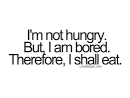
    He's only 17 and therefore not eligible to vote.

    Ha solo 17 anni e quindi non ha diritto di voto.

    There is still much to discuss. We shall, therefore, return to this item at our next meeting.

    Sinonimiconsequentlythushenceaccordinglyfor that reasonas a result
    Contraribecausesinceasin spite ofdespite
  4. 4

    rather(adverb)

    /ˈræðər/

    piuttosto, abbastanza

    used to mean ‘fairly’ or ‘to some degree’, often when you are disappointed, surprised or expressing slight criticism

    She fell and hurt her leg rather badly.

    È caduta e si è fatta piuttosto male alla gamba.

    I didn't fail the exam; in fact I did rather well!

    Sinonimisomewhatquitefairlyprettymoderatelyslightlyrelatively
    Contraricompletelytotallyentirelyabsolutelyfullynot at all
  5. 5

    ourselves(pronoun)

    /ɑːrˈselvz/

    noi stessi, ci

    the reflexive form of we ; used when you and another person or other people together cause and are affected by an action

    We'd like to see it for ourselves.

    Ci piacerebbe vederlo con i nostri occhi.

    We shouldn't blame ourselves for what happened.

    Sinonimipersonallydirectlyin personon our own
    Contrarisomeone elseanother personindirectly
  6. 6

    him(pronoun)

    /hɪm/

    lo, gli, lui

    used as the object of a verb, after the verb be or after a preposition to refer to a male person or animal that has already been mentioned or is easily identified

    When did you see him?

    Quando l'hai visto?

    He took the children with him.

    Sinonimihethat guythe manthe boy
    Contrariherthemshe
  7. 7

    few(determiner)

    /fjuː/

    pochi, poche

    used with plural nouns and a plural verb to mean ‘not many’

    Few people understand the difference.

    Pochi capiscono la differenza.

    There seem to be fewer tourists around this year.

    Sinonimia small number ofnot manylimitedscarcerare
    Contrarimanynumerousa lotplentyabundant
  8. 8

    himself(pronoun)

    /hɪmˈself/

    se stesso, sé

    used when the man or boy who performs an action is also affected by it

    Peter ought to be ashamed of himself.

    Peter dovrebbe vergognarsi di se stesso.

    He introduced himself.

    Sinonimiselfpersonallyin person
    Contrariotherssomeone else
  9. 9

    quite(adverb)

    /kwaɪt/

    abbastanza, piuttosto

    to some degree

    The test was quite easy, so I finished early.

    Il test era abbastanza facile, così ho finito presto.

    Sinonimirathersomewhatprettyfairlyreasonablyto some extent
    Contrarinot at allcompletelyentirelyabsolutelytotally
  10. 10

    them(pronoun)

    /ðəm/

    li, le, loro

    used when referring to people, animals or things as the object of a verb or preposition, or after the verb be

    Did you eat all of them?

    Li hai mangiati tutti?

    What are you doing with those matches? Give them to me.

    Sinonimithosethesethe peoplethe ones
    Contrarinone
  11. 11

    via(preposition)

    /ˈvaɪə/

    via, passando per

    through a place

    We flew home via Dubai.

    Siamo tornati a casa in aereo via Dubai.

    The truck driver was waiting to unload.

    Sinonimiby way ofthroughby means ofusingover
    Contraridirectlywithoutexcludingavoiding
  12. 12

    we(pronoun)

    /wi/

    noi

    I and another person or other people; I and you

    We are students.

    Siamo studenti.

    We'd (= the company would) like to offer you the job.

    Sinonimiusourselves
    ContrariIme
  13. 13

    his(determiner)

    /hɪz/

    suo, di lui

    of or belonging to a man or boy who has already been mentioned or is easily identified

    His pen is very nice.

    La sua penna è molto bella.

    The choice was his.

    Sinonimibelonging to himof himhis own
    Contrarihertheirmyyour
  14. 14

    such(determiner, pronoun)

    /sʌtʃ/

    tale, simile

    used for referring to someone or something that is of the type already mentioned

    He said he didn't have time or made some such excuse.

    Ha detto che non aveva tempo o ha inventato qualche scusa simile.

    We were second-class citizens and they treated us as such.

    Sinonimilike thatof that kindsimilaridenticalequivalent
    Contraridissimilardifferentunlike
  15. 15

    that(pronoun)

    /ðæt/

    quello, quella

    used for referring to a person or thing that is not near the speaker or as near to the speaker as another

    That is my school.

    Quella è la mia scuola.

    She said (that) the story was true.

    Sinonimithat onethe oneitwhich
    Contrarithis
  16. 16

    they(pronoun)

    /ðeɪ/

    loro, essi

    people, animals or things that have already been mentioned or are easily identified

    They are my friends.

    Loro sono miei amici.

    ‘Where are John and Liz?’ ‘They went for a walk.’

    Sinonimithose peoplethese peoplethemthe ones
    ContrariImeheshehimher
  17. 17

    finally(adverb)

    /ˈfaɪnəli/

    finalmente, alla fine

    after a long time, especially when there has been some difficulty or delay

    After waiting for two hours, the bus finally arrived.

    Dopo aver aspettato due ore, l'autobus è finalmente arrivato.

    Sinonimieventuallyultimatelyin the endat lastin conclusion
    Contrariinitiallyfirstto begin withat firstoriginally
  18. 18

    somewhat(adverb)

    /ˈsʌmwʌt/

    alquanto, un po'

    to some degree

    What happened to them remains somewhat of a mystery.

    Quello che è successo loro rimane un po' un mistero.

    I was somewhat surprised to see him.

    Sinonimislightlya littleratherkind ofsort ofto some extentpartiallymoderately
    Contraricompletelyentirelytotallyfullyabsolutelydefinitely
  19. 19

    most(determiner)

    /məʊst/

    il maggior numero di, più

    the largest in number or amount

    Which team scored the most goals in the match?

    Quale squadra ha segnato più gol nella partita?

    Sinonimigreatestmaximumlargestmajoritysupreme
    Contrarileastminimumsmallest
  20. 20

    why(adverb)

    /waɪ/

    perché

    used in questions to ask the reason for or purpose of something

    Why is Hoa sad?

    Perché Hoa è triste?

    Tell me why you did it.

    Sinonimifor what reasonhow sowherefore
    Contraribecause
  21. 21

    you(pronoun)

    /jə/

    tu, voi, Lei

    used as the subject or object of a verb or after a preposition to refer to the person or people being spoken or written to

    You are very kind.

    Sei molto gentile.

    Can I sit next to you?

    Sinonimithoutheeyourself
    Contraribayoucy youngcyrus the youngerdanton true youngdo-it-yourselfedward younggo-as-you-pleasegood for you
  22. 22

    could(modal verb)

    /kəd/

    potere

    used as the past tense of ‘can’

    She said that she couldn't come.

    Ha detto che non poteva venire.

    I couldn't hear what they were saying.

    Sinonimiwas able towas capable ofhad the ability tomightmay
    Contraricouldn'twas unable tocan't
  23. 23

    the(determiner)

    /ðə/

    il, lo, la

    used to refer to somebody/something that has already been mentioned or is easily understood

    There were three questions. The first two were relatively easy but the third one was hard.

    C'erano tre domande. Le prime due erano relativamente facili, ma la terza era difficile.

    The nights are getting longer.

    Sinonimithatthis
    Contrariaan
  24. 24

    though(adverb)

    /ðəʊ/

    comunque, però

    used especially at the end of a sentence to add a fact or opinion that makes the previous statement less strong

    Our team lost. It was a good game though.

    La nostra squadra ha perso. Però è stata una bella partita.

    ‘Have you ever been to Australia?’ ‘No. I'd like to, though.’

    Sinonimialthoughhoweverneverthelessstillyeteven though
    Contraribecausesincetherefore
  25. 25

    as(conjunction)

    /əz/

    mentre, quando

    while something else is happening

    He sat watching her as she got ready.

    Si sedette a guardarla mentre si preparava.

    As she grew older she gained in confidence.

    Sinonimiwhilewhenbecausesincelikesuch as
    Contrariunlikedissimilarly
  26. 26

    May(modal verb)

    /meɪ/

    potere

    used to say that something is possible

    May I open the window, please?

    Posso aprire la finestra, per favore?

    Sinonimififth monthspringtime
  27. 27

    some(determiner)

    /sʌm/

    alcuni, qualche, un po' di

    used with uncountable nouns or plural countable nouns to mean ‘an amount of’ or ‘a number of’, when the amount or number is not given

    I have some friends.

    Ho alcuni amici.

    Here are some of our suggestions.

    Sinonimia fewseverala number ofcertainvariousany
    Contrarinonealleverynowhole
  28. 28

    anyone(pronoun)

    /ˈeniwʌn/

    nessuno, qualcuno

    used instead of someone in negative sentences and in questions after if /whether , and after verbs such as prevent , forbid , avoid , etc.

    Hardly anyone came.

    Non è venuto quasi nessuno.

    I forbid anyone to touch that clock.

    Sinonimianybodysomeonesomebodyany personeverybody
    Contrarinobodyno onenone
  29. 29

    at(preposition)

    /ət/

    a, in, presso

    used to say where something/somebody is or where something happens

    We plan to stay at the Sheraton Hotel.

    Abbiamo intenzione di alloggiare allo Sheraton Hotel.

    at the corner of the street

    Sinonimiinonnearbywithin
    Contrariaway fromdistant fromremote from
  30. 30

    us(pronoun)

    /əs/

    ci, noi

    used when the speaker or writer and another or others are the object of a verb or preposition, or after the verb be

    Hello, it's us back again.

    Ciao, siamo di nuovo noi.

    We'll take the dog with us.

    Sinonimiweourselveswe all
    ContrarithemyouI
  31. 31

    probably(adverb)

    /ˈprɑːbəbli/

    probabilmente

    used to say that something is likely to happen or to be true

    The decision to set up a new company is probably his most risky decision.

    La decisione di fondare una nuova azienda è probabilmente la sua scelta più rischiosa.

    It was the best known and probably the most popular of her songs.

    Sinonimilikelypossiblypresumablyperhapsmaybeconceivablydoubtless
    Contraricertainlydefinitelysurelyundoubtedly
  32. 32

    except(preposition)

    /ɪkˈsept/

    tranne, eccetto

    used before you mention the only thing or person about which a statement is not true

    We work every day except Sunday.

    Lavoriamo tutti i giorni tranne la domenica.

    Our dresses were the same except mine was red.

    Sinonimiexcludingbutsaveapart fromaside fromwith the exception of
    Contrariincludingplusin addition to
  33. 33

    mine(pronoun)

    /maɪn/

    il mio, la mia

    of or belonging to the person writing or speaking

    She wanted one like mine (= like I have).

    Ne voleva una come la mia (= come quella che ho io).

    He's a friend of mine(= one of my friends).

    Sinonimibelonging to memy ownmy property
    Contrariyourshisherstheirs
  34. 34

    what(pronoun, determiner)

    /wʌt/

    che cosa, quale

    used in questions to ask for particular information about somebody/something

    What is your favorite book?

    Qual è il tuo libro preferito?

    What is your name?

    Sinonimiwhichthathowthe thing thatthe item that
    Contrarinonenothing
  35. 35

    after(preposition)

    /ˈæftər/

    dopo

    later than something; following something in time

    Let’s meet after 5.

    Incontriamoci dopo le 5.

    I could come next week, or the week after.

    Sinonimifollowinglatersubsequentbehind
    Contraribeforepriorpreceding
  36. 36

    any(determiner)

    /ˈeni/

    alcuno, un po' di

    used with uncountable or plural nouns in negative sentences and questions, after if or whether , and after some verbs such as prevent , ban , forbid , etc. to refer to an amount or a number of something, however large or small

    I've got hardly any money.

    Non ho quasi soldi.

    She asked if we had any questions.

    Sinonimisomeoneeveryeachalleither
    Contrarinonenonever
  37. 37

    surely(adverb)

    /ˈʃʊrli/

    sicuramente, certamente

    used to show that you are almost certain of what you are saying and want other people to agree with you

    Surely we should do something about it?

    Sicuramente dovremmo fare qualcosa al riguardo, no?

    It's surely only a matter of time before he is found, isn't it?

    Sinonimicertainlydefinitelyundoubtedlyassuredlyabsolutelyof coursewithout a doubt
    Contrariuncertainlydoubtfullypossiblymaybeperhaps
  38. 38

    your(determiner)

    /jʊr/

    tuo, vostro

    of or belonging to the person or people being spoken or written to

    Your pen is very nice.

    La tua penna è molto bella.

    Excuse me, is this your seat?

    Sinonimibelonging to youof you
    Contrarimyhishertheirour
  39. 39

    by(preposition)

    /baɪ/

    in, con, per

    used for showing how or in what way something is done

    We usually go to school by bus, but today we walked.

    Di solito andiamo a scuola in autobus, ma oggi siamo andati a piedi.

    Sinoniminearnext tobesideclose toalongside
    Contrarifar fromaway from
  40. 40

    our(determiner)

    /ɑːr/

    nostro

    belonging to us; connected with us

    Our school is very nice.

    La nostra scuola è molto bella.

    Our main export is rice.

    Sinonimibelonging to usof ours
    Contraritheirtheirsyour
  41. 41

    yeah(exclamation)

    /jeə/

    sì

    yes

    "Do you like your job?" "Yeah, it's all right I suppose."

    «Ti piace il tuo lavoro?» «Sì, non è male, direi.»

    to have good/perfect/poor/blurred/normal vision

    Sinonimiyesyepsureindeedrightokay
    Contrarinonopenah
  42. 42

    her(pronoun)

    /hər/

    la, lei, le

    used as the object of a verb, after the verb be or after a preposition to refer to a woman or girl who has already been mentioned or is easily identified

    I saw her at the park yesterday and said hello.

    Ieri l'ho vista al parco e l'ho salutata.

    Sinonimibelonging to herhersof her
    Contrarihistheirmyyour
  43. 43

    towards(preposition)

    /tɔːrdz/

    verso, in direzione di

    in the direction of somebody/something

    She had her back towards me.

    Mi dava le spalle.

    They were heading towards the German border.

    Sinonimitoin the direction ofnearapproachingaround
    Contrariaway fromfrom
  44. 44

    especially(adverb)

    /ɪˈspeʃəli/

    specialmente, soprattutto

    more with one person, thing, etc. than with others, or more in particular circumstances than in others

    Teenagers are very fashion conscious, especially girls.

    Gli adolescenti sono molto attenti alla moda, specialmente le ragazze.

    I love Rome, especially in the spring.

    Sinonimiparticularlymainlyprimarilynotablysignificantlyin particular
    Contrarigenerallyusuallyordinarilycommonlytypically
  45. 45

    everything(pronoun)

    /ˈevriθɪŋ/

    tutto

    all things

    When we confronted him, he denied everything.

    Quando lo abbiamo messo alle strette, ha negato tutto.

    She seemed to have everything—looks, money, intelligence.

    Sinonimiallthe whole thingevery single thingeverything under the sunthe works
    Contrarinothingsomethinga littlea few
  46. 46

    who(pronoun)

    /huː/

    chi

    used in questions to ask about the name, identity or function of one or more people

    Who is this?

    Chi è?

    Who is that woman?

    Sinonimiwhich personwhat person
    Contrarinobody
  47. 47

    even(adverb)

    /ˈiːvn/

    perfino, persino, addirittura

    used to emphasize something unexpected or surprising

    He never even opened the letter (= so he certainly didn't read it).

    Non ha nemmeno aperto la lettera (= quindi di certo non l'ha letta).

    Even a child can understand it (= so adults certainly can).

    Sinonimialsojustactuallyreallytrulyindeed
    Contrarinevernotcontrary
  48. 48

    for(preposition)

    /fər/

    per, a

    used to show who is intended to have or use something or where something is intended to be put

    There's a letter for you

    C'è una lettera per te.

    This is the place for me (= I like it very much).

    Sinonimiintended formeant forin behalf ofon account of
    Contrariagainstfrom
  49. 49

    please(exclamation)

    /pliːz/

    per favore, per piacere

    used as a polite way of asking for something or telling somebody to do something

    Can I have a glass of water, please?

    Posso avere un bicchiere d'acqua, per favore?

    Sinonimisatisfydelightgratifyappeasehumor
    Contraridispleaseoffendannoydissatisfyupset
  50. 50

    nearly(adverb)

    /ˈnɪrli/

    quasi

    almost; not quite; not completely

    She very nearly died.

    È quasi morta.

    He's nearly as tall as you are.

    Sinonimialmostpracticallyvirtuallyclose toaboutapproximately
    Contraricompletelyentirelyfullyabsolutelynowhere near
  51. 51

    nor(conjunction)

    /nɔːr/

    né, neanche

    and not

    He wasn't there on Monday. Nor on Tuesday, for that matter.

    Lunedì non c'era. E neanche martedì, a dire il vero.

    Not a building nor a tree was left standing.

    Sinonimineitheralso notand not
    Contrariandalso
  52. 52

    actually(adverb)

    /ˈæktʃuəli/

    in realtà, veramente

    used in speaking to emphasize a fact or a comment, or that something is really true

    It's not actually raining now.

    In realtà adesso non sta piovendo.

    There are lots of people there who can actually help you.

    Sinonimireallyin factgenuinelytrulyveritablyindeedliterally
    Contraritheoreticallyhypotheticallyapparentlyostensiblyseeminglyfalselyincorrectly
  53. 53

    hers(pronoun)

    /hɜːrz/

    suo, di lei

    of or belonging to her

    His eyes met hers.

    I suoi occhi incontrarono quelli di lei.

    The choice was hers.

    Sinonimiherbelonging to herof her
    Contrarihismineyoursourstheirs
  54. 54

    least(determiner)

    /liːst/

    minimo, il minore

    smallest in size, amount, degree, etc.

    This model uses the least fuel of all the cars we tested.

    Questo modello consuma meno carburante di tutte le auto che abbiamo testato.

    Sinonimismallestminimumtiniestlowest
    Contrarimostgreatestmaximumlargest
  55. 55

    someone(pronoun)

    /ˈsʌmwʌn/

    qualcuno

    a person who is not known or mentioned by name

    There's someone at the door.

    C'è qualcuno alla porta.

    Someone's left their bag behind.

    Sinonimisomebodya personan individualonea certain person
    Contrarinobodyno oneeveryoneeverybody
  56. 56

    I(pronoun)

    /aɪ/

    io

    used as the subject of a verb when the speaker or writer is referring to himself/herself

    I am a student.

    Sono uno studente.

    When they asked me if I wanted the job, I said yes.

    SinonimiMyselfMe
    ContrariYouHeSheItTheyWe
  57. 57

    well(adverb)

    /wel/

    bene

    in a good, right or acceptable way

    She speaks English very well.

    Lei parla molto bene l'inglese.

    Sinonimiwater sourcespringboreholepitshaft
    Contraridrydesertarid land
  58. 58

    including(preposition)

    /ɪnˈkluːdɪŋ/

    compreso, incluso

    having something as part of a group or set

    I've got three days' holiday including New Year's Day.

    Ho tre giorni di vacanza compreso Capodanno.

    It's £7.50, not including tax.

    Sinonimicomprisingencompassingincorporatingconsisting ofembracing
    Contrariexcludingomittingexceptingwithoutexcluding
  59. 59

    me(pronoun)

    /mi/

    me, mi

    the form of I that is used when the speaker or writer is the object of a verb or preposition, or after the verb be

    Hello, it's me.

    Ciao, sono io.

    Don't hit me.

    SinonimimyselfI
    Contrariyouhimherthem
  60. 60

    this(determiner, pronoun)

    /ðɪs/

    questo, questa

    used to refer to a particular person, thing or event that is close to you, especially compared with another

    This is my teacher.

    Questo è il mio insegnante.

    Is this your bag?

    Sinonimithatthea
    Contrarithatthose
  61. 61

    where(adverb)

    /wer/

    dove

    in or to what place or situation

    Where is your white shirt?

    Dov'è la tua camicia bianca?

    I wonder where they will take us to.

    Sinonimilocationplacepositionspot
    Contrarinowhere
  62. 62

    she(pronoun)

    /ʃi/

    lei

    a female person or animal that has already been mentioned or is easily identified

    Daisy is my friend. She is very kind.

    Daisy è mia amica. Lei è molto gentile.

    Doesn't she (= the woman we are looking at) look like Sue?

    Sinonimiherthe womanthat woman
    Contrarihehim
  63. 63

    yours(pronoun)

    /jərz/

    tuo, il tuo, vostro

    of or belonging to you

    Is that book yours?

    Quel libro è tuo?

    My hair is very fine. Yours is much thicker.

    Sinonimibelonging to youyour property
    Contrarimineanother's
  64. 64

    or(conjunction)

    /ɔːr/

    o, oppure

    used to introduce another possibility

    Is your sister older or younger than you?

    Tua sorella è più grande o più piccola di te?

    Are you coming or not?

    Sinonimiotherwisealternatively
    Contrariand
  65. 65

    less(determiner)

    /les/

    meno

    used with uncountable nouns to mean ‘a smaller amount of’

    You should eat less sugar and more fresh fruit and vegetables.

    Dovresti mangiare meno zucchero e più frutta e verdura fresca.

    Sinonimifewersmallerreducedlower
    Contrarimoregreaterincreasedhigher
  66. 66

    same(adjective)

    /seɪm/

    stesso, uguale

    exactly the one or ones referred to or mentioned; not different

    We treat boys exactly the same as girls.

    Trattiamo i maschi esattamente come le femmine.

    He gave me five dollars, same as usual.

    Sinonimiidenticalequalequivalentalikesimilaruniformconsistent
    Contraridifferentdissimilardistinctunequalvaried
  67. 67

    unless(conjunction)

    /ənˈles/

    a meno che, se non

    used to say that something can only happen or be true in a particular situation

    You won't get paid for time off unless you have a doctor's note.

    Non sarai pagato per i giorni di assenza a meno che tu non abbia un certificato medico.

    Unless I'm mistaken, she was back at work yesterday.

    Sinonimiexcept ifif notbutsave
    Contrariifprovided thatas long as
  68. 68

    another(determiner)

    /əˈnʌðər/

    un altro, un'altra

    one more; an extra thing or person

    Would you like another drink?

    Vuoi un altro drink?

    ‘Finished?’ ‘No, I've got another three questions to do.’

    Sinonimiadditionalextrafurthermoredifferentone more
    Contrarinoneno morethe same
  69. 69

    definitely(adverb)

    /ˈdefɪnətli/

    sicuramente, senz'altro

    a way of emphasizing that something is true and that there is no doubt about it

    I will definitely come to your wedding party.

    Verrò sicuramente alla tua festa di nozze.

    ‘Do you plan to have children?’ ‘Definitely not!’

    Sinonimicertainlyabsolutelysurelyassuredlypositivelyundoubtedlyunquestionably
    Contrarimaybepossiblyperhapsuncertainlydoubtfully
  70. 70

    both(determiner, pronoun)

    /bəʊθ/

    entrambi, tutti e due

    used with plural nouns to mean ‘the two’ or ‘the one as well as the other’

    We have both seen the movie.

    Abbiamo visto entrambi il film.

    Both (my) sisters live in London.

    Sinonimitwocouplepairthe pair
    Contrarineithernoneeither
  71. 71

    about(preposition)

    /əˈbaʊt/

    su, di, riguardo a

    on the subject of somebody/something; in connection with somebody/something

    We talked about our favourite sports after school.

    Dopo la scuola abbiamo parlato dei nostri sport preferiti.

    Sinonimiapproximatelyaroundroughlynearlyalmostclose to
    Contrariexactlypreciselydefinitelycertainly
  72. 72

    goodbye(exclamation)

    /ˌɡʊdˈbaɪ/

    arrivederci, addio, ciao

    used when you are leaving somebody or when somebody else is leaving

    Goodbye, Tom! See you at school tomorrow.

    Ciao, Tom! Ci vediamo domani a scuola.

    Sinonimifarewelladieuso longbyeadieu
    Contrarihellogreetingwelcome
  73. 73

    anything(pronoun)

    /ˈeniθɪŋ/

    qualcosa, qualsiasi cosa

    used instead of something in negative sentences and in questions; after if /whether ; and after verbs such as prevent , ban , avoid , etc.

    If you remember anything, please let us know.

    Se ricordi qualcosa, faccelo sapere.

    There's never anything worth watching on TV.

    Sinonimisomethingeverythingallanywhatever
    Contrarinothing
  74. 74

    of(preposition)

    /əv/

    di

    belonging to somebody; relating to somebody

    the paintings of Monet

    i dipinti di Monet

    Can't you throw out that old bike of Tommy's?

    Sinonimibelonging tofromrelating toassociated withregardingconcerning
    Contrariwithoutlacking
  75. 75

    which(pronoun)

    /wɪtʃ/

    quale, quali

    used in questions to ask somebody to be exact about one or more people or things from a limited number

    Which of the applicants has got the job?

    Quale dei candidati ha ottenuto il lavoro?

    Which is better exercise—swimming or tennis?

    Sinonimiwhatthatwhowhateverwhichever
    Contrarinoneno one
  76. 76

    whoever(pronoun)

    /huːˈevər/

    chiunque

    the person or people who; any person who

    Whoever says that is a liar.

    Chiunque dica questo è un bugiardo.

    Send it to whoever is in charge of sales.

    Sinonimianyoneeverybodyeveryoneany personno matter who
    Contrarinobodyno one
  77. 77

    although(conjunction)

    /ɔːlˈðəʊ/

    sebbene, anche se

    used for introducing a statement that makes the main statement in a sentence seem surprising

    Although small, the kitchen is well designed.

    Sebbene sia piccola, la cucina è ben progettata.

    Although the sun was shining, it wasn't very warm.

    Sinonimithougheven thoughwhilstnotwithstandingalbeit
    Contraribecausesinceasdue to
  78. 78

    none(pronoun)

    /nʌn/

    nessuno, niente

    not one of a group of people or things; not any

    Tickets for Friday? Sorry we've got none left.

    Biglietti per venerdì? Mi dispiace, non ce ne sono più.

    ‘Is there any more milk?’ ‘No, none at all.’

    Sinonimizeronot onenothingnilnada
    Contrarisomeanyallplentymany
  79. 79

    their(determiner)

    /ðer/

    loro, il loro

    of or belonging to people, animals or things that have already been mentioned or are easily identified

    Their school is very nice.

    La loro scuola è molto bella.

    Which is their house?

    Sinonimibelonging to themof them
    Contrarimyyourourhisherits
  80. 80

    generally(adverb)

    /ˈdʒenrəli/

    generalmente, in generale

    by or to most people

    The plan was generally welcomed.

    Il piano è stato generalmente accolto con favore.

    The new drug will be generally available from January.

    Sinonimiusuallytypicallynormallycommonlylargelymostlyin general
    Contrarispecificallyparticularlyexceptionallyrarelyunusually
  81. 81

    really(adverb)

    /ˈriːəli/

    davvero, molto

    used to emphasize an adjective or adverb

    The film was really good, so we watched it again.

    Il film era davvero bello, così lo abbiamo guardato di nuovo.

    Sinonimitrulyactuallygenuinelyindeedverilysincerely
    Contrarifalselyapparentlyseeminglypretendlyvirtually
  82. 82

    however(adverb)

    /haʊˈevər/

    tuttavia, però, comunque

    used to introduce a statement that contrasts with something that has just been said

    I'd love to come to your party. However, I'm very busy this week.

    Mi piacerebbe venire alla tua festa. Tuttavia, questa settimana sono molto impegnato.

    SinonimiNeverthelessNonethelessYetStillEven soDespite thatIn spite of that
    ContrariThereforeThusConsequentlyAccordingly
  83. 83

    something(pronoun)

    /ˈsʌmθɪŋ/

    qualcosa, qualche cosa

    a thing that is not known or mentioned by name

    There is something in my bag, but I don't know what it is.

    C'è qualcosa nella mia borsa, ma non so cosa sia.

    Sinonimithingitemobjectmatterstuffentity
    Contrarinothing
  84. 84

    can(modal verb)

    /kən/

    potere, sapere

    used to say that it is possible for somebody/something to do something, or for something to happen

    I can swim, but I can't ride a horse.

    So nuotare, ma non so andare a cavallo.

    Sinonimipreservetinput up
    Contrarifreshunprocessedunpackaged
  85. 85

    my(determiner)

    /maɪ/

    mio

    of or belonging to the speaker or writer

    My name is Andy.

    Mi chiamo Andy.

    My feet are cold.

    Sinonimibelonging to meof minepersonally owned
    Contrariyourhishertheirits
  86. 86

    also(adverb)

    /ˈɔːlsəʊ/

    anche, inoltre

    in addition; too

    She's fluent in French and German. She also speaks a little Italian.

    Parla correntemente francese e tedesco. Parla anche un po' di italiano.

    rubella, also known as German measles

    Sinonimitooas wellin additionfurthermoremoreover
    Contrarineithernorinsteadconversely
  87. 87

    must(modal verb)

    /məst/

    dovere

    used to say that something is necessary or very important (sometimes involving a rule or a law)

    ‘Do we have to finish this today?’ ‘Yes, you must.’

    «Dobbiamo finirlo oggi?» «Sì, dovete.»

    I must ask you not to do that again.

    Sinonimishouldought toneed torequiredobligednecessary
    Contrarimaycanoptionallyneedn'tshouldn't
  88. 88

    but(conjunction)

    /bət/

    ma, però

    used to introduce a word or phrase that contrasts with what was said before

    I would like to come to the party, but I am too busy.

    Vorrei venire alla festa, ma sono troppo impegnato.

    Sinonimihoweveryetalthoughthoughneverthelessstill
    Contrariandalsofurthermore
  89. 89

    not(adverb)

    /nɑːt/

    non

    used with be , do or have to form the negative of verbs; used to form the negative of modal verbs like can or must

    I am not hungry, but I am very tired.

    Non ho fame, ma sono molto stanco.

    Sinoniminonayneveropposite ofnegation
    Contrariyestruepositiveaffirmative
  90. 90

    completely(adverb)

    /kəmˈpliːtli/

    completamente, del tutto

    in every way possible; in every part

    completely different

    completamente diverso

    completely and utterly broke

    Sinonimitotallyentirelyfullyutterlyabsolutelyperfectlywholly
    Contraripartiallyincompletelysomewhatslightlypartly
  91. 91

    nevertheless(adverb)

    /ˌnevərðəˈles/

    tuttavia, nondimeno

    despite something that you have just mentioned

    Our defeat was expected but it is disappointing nevertheless.

    La nostra sconfitta era prevista, ma è deludente lo stesso.

    The old system had its flaws, but nevertheless it was preferable to the new one.

    Sinonimihowevernonethelessstillyeteven so
    Contrarithereforeconsequentlythusso
  92. 92

    should(modal verb)

    /ʃəd/

    dovere (condizionale), bisognare

    used to say what is the right or sensible thing to do, especially when giving advice

    You should see a doctor if your fever gets worse.

    Dovresti andare dal medico se la febbre peggiora.

    Sinonimiought tomustshallneed tobe obliged to
    Contrarishouldn'tmustn'tneedn't
  93. 93

    either(determiner, pronoun)

    /ˈiːðər/

    l'uno o l'altro, entrambi, uno qualsiasi

    one or the other of two; it does not matter which

    You can park on either side of the street.

    Puoi parcheggiare su entrambi i lati della strada.

    Sinonimialsotooas welllikewisesimilarly
    Contrarionlyalonesolely
  94. 94

    used(adjective)

    /juːst/

    abituato, avvezzo

    familiar with something because you do it or experience it often

    She is used to getting up early for work every day.

    È abituata ad alzarsi presto per andare al lavoro ogni giorno.

    Sinonimisecondhandpre-ownedwornutilizedemployedhand-me-down
    Contrarinewunusedbrand newfreshoriginal
  95. 95

    every(determiner)

    /ˈevri/

    ogni

    used with singular nouns to refer to all the members of a group of things or people

    Every classroom has 25 desks.

    Ogni aula ha 25 banchi.

    They were watching her every movement.

    Sinonimieachallanythe whole of
    Contrarinononesomefew
  96. 96

    moreover(adverb)

    /mɔːrˈəʊvər/

    inoltre, per di più

    used to introduce some new information that adds to or supports what you have said previously

    A talented artist, he was, moreover, a writer of some note.

    Artista di talento, era inoltre uno scrittore di un certo rilievo.

    a piece of metal

    Sinonimifurthermorebesidesin additionalsomoreoveradditionallytoo
    Contrariconverselyhoweverneverthelessdespitealthoughinstead
  97. 97

    hi(exclamation)

    /haɪ/

    ciao, salve

    used to say hello

    Hi, there! How're you doing?

    Ciao! Come va?

    Hi, Peter.

    Sinonimihellogreetingsheyhowdygood day
    Contrarigoodbyefarewellsee youso longadieu
  98. 98

    fairly(adverb)

    /ˈferli/

    abbastanza, piuttosto

    to some extent but not very

    a fairly easy book

    un libro abbastanza facile

    a fairly typical reaction

    Sinonimiquiterathersomewhatmoderatelyreasonablypretty
    Contrariextremelyveryexceptionallyincrediblyunusually
  99. 99

    all(determiner)

    /ɔːl/

    tutto, tutti

    the whole number of

    All the students in my class passed the exam.

    Tutti gli studenti della mia classe hanno superato l'esame.

    Sinonimientirewholecompleteeveryeverything
    Contrarinonenothingpartsome
  100. 100

    so(conjunction)

    /səʊ/

    quindi, perciò, così

    used to show the result of something; therefore

    It was still painful so I went to see a doctor.

    Faceva ancora male, così sono andato dal medico.

    He never seems to smile.

    Sinonimithereforeconsequentlyhencethusaccordingly
    Contraribecausesince
  101. 101

    particularly(adverb)

    /pərˈtɪkjələrli/

    particolarmente, soprattutto

    especially; more than usual or more than others

    I enjoyed the play, particularly the second half.

    Mi è piaciuta la commedia, in particolare il secondo tempo.

    particularly good/important/useful

    Sinonimiespeciallyspecificallynotablyin particularprimarilymainly
    Contrarigenerallyusuallytypicallycommonlyordinarilyin general
  102. 102

    absolutely(adverb)

    /ˈæbsəluːtli/

    assolutamente, proprio

    used to emphasize that something is completely true

    It was absolutely pouring with rain.

    Stava proprio diluviando.

    He made it absolutely clear.

    Sinonimicompletelytotallyutterlydefinitelycertainlypositivelyunquestionablyundoubtedly
    Contrarirelativelypartiallysomewhatpossiblyincompletely
  103. 103

    certainly(adverb)

    /ˈsɜːrtnli/

    certamente, senza dubbio

    without doubt

    She was certainly attractive but you couldn't call her beautiful.

    Era certamente attraente, ma non si poteva dire che fosse bella.

    I'm certainly never going there again.

    Sinonimidefinitelyassuredlyundoubtedlyabsolutelypositivelysurely
    Contrariuncertainlydoubtfullypossiblymaybeperhaps
  104. 104

    from(preposition)

    /frəm/

    da

    used to show where somebody/something starts

    She began to walk away from him

    Cominciò ad allontanarsi da lui

    Has the train from Bristol arrived?

    Sinonimioriginating inout ofaway fromstarting at
    Contraritotowardattowards
  105. 105

    whom(pronoun)

    /huːm/

    chi

    used instead of ‘who’ as the object of a verb or preposition

    Whom did they invite?

    Chi hanno invitato?

    To whom should I write?

    Sinonimiwho (formal)the person whomthe one whom
    Contrariwho (informal)thatwhich
  106. 106

    wherever(conjunction)

    /werˈevər/

    dovunque, ovunque

    in or to any place

    You can sit wherever you like in the classroom.

    Puoi sederti dove vuoi in classe.

    Sinonimianywherein any placewhere so ever
    Contrarinowheresomewhere specific
  107. 107

    shall(modal verb)

    /ʃəl/

    (verbo ausiliare del futuro)

    used with I and we for talking about or predicting the future

    I shall be away next week, so please call my assistant.

    Sarò via la settimana prossima, quindi chiama la mia assistente.

    Sinonimiwillshouldmustought to
    Contrariwon'tshan'tmustn't
  108. 108

    maybe(adverb)

    /ˈmeɪbi/

    forse, può darsi

    used when you are not certain that something will happen or that something is true or is a correct number

    Maybe he'll come, maybe he won't.

    Forse verrà, forse no.

    We go there maybe once or twice a month.

    Sinonimiperhapspossiblyconceivablyperchancemayhap
    Contraricertainlydefinitelysurelycertainabsolutely
  109. 109

    a(determiner)

    /ə/

    un, uno, una

    used before countable or singular nouns referring to people or things that have not already been mentioned

    She's a friend of my father's (= one of my father's friends).

    È un'amica di mio padre (= una delle amiche di mio padre).

    a man/horse/unit

    Sinonimioneanany
    Contraritheall
  110. 110

    during(preposition)

    /ˈdʊrɪŋ/

    durante

    all through a period of time

    There are extra flights to Colorado during the winter.

    Ci sono voli aggiuntivi per il Colorado durante l'inverno.

    There are extra flights to Colorado during the winter.

    Sinonimiwhilethroughoutinin the course offor the duration ofin the period of
    Contraribeforeafter
  111. 111

    whereas(conjunction)

    /ˌwerˈæz/

    mentre, laddove

    used to compare or contrast two facts

    Some of the studies show positive results, whereas others do not.

    Alcuni studi mostrano risultati positivi, mentre altri no.

    We thought she was arrogant, whereas in fact she was just very shy.

    Sinonimiwhilealthoughbuton the other handconversely
    Contrarisimilarlylikewisealsoin addition
  112. 112

    yes(exclamation)

    /jes/

    sì

    used to answer a question and say that something is correct or true

    Yes, it's me.

    Sì, sono io.

    ‘Are you coming? Yes or no?’

    Sinonimiaffirmativeindeedayesurecertainlyabsolutely
    Contrarinonegativenay
  113. 113

    very(adverb)

    /ˈveri/

    molto

    used before adjectives, adverbs and determiners to mean ‘in a high degree’ or ‘extremely’

    My classroom is very big.

    La mia aula è molto grande.

    I'm very very grateful.

    Sinonimiextremelyhighlyreallyexceedinglyremarkablyawfully
    Contrarislightlysomewhata littlemoderatelybarely
  114. 114

    whether(conjunction)

    /ˈweðər/

    se

    used to express a doubt or choice between two possibilities

    I'll see whether she's at home (= or not at home).

    Vedrò se è a casa (= o non è a casa).

    It remains to be seen whether or not this idea can be put into practice.

    Sinonimiifin casein the event that
    Contraridefinitelycertainly
  115. 115

    perhaps(adverb)

    /pərˈhæps/

    forse

    possibly

    ‘Are you going to come?’ ‘Perhaps. I'll see how I feel.’

    «Verrai?» «Forse. Vedrò come mi sento.»

    Perhaps he's forgotten.

    Sinonimimaybepossiblyconceivablyperchancelikelypotentially
    Contraricertainlydefinitelysurelyabsolutelyassuredly
  116. 116

    everyone(pronoun)

    /ˈevriwʌn/

    tutti, ognuno

    every person; all people

    Everyone is waiting outside.

    Tutti stanno aspettando fuori.

    Everyone cheered and clapped.

    Sinonimieverybodyalleach personeach onethe whole world
    Contrarino onenobodynone
  117. 117

    with(preposition)

    /wɪð/

    con

    in the company or presence of somebody/something

    a nice steak with a bottle of red wine

    una bella bistecca con una bottiglia di vino rosso

    She lives with her parents.

    Sinonimialongsideaccompanyingtogether withincludingplus
    Contrariwithout
  118. 118

    each(determiner)

    /iːtʃ/

    ogni, ciascuno

    used to refer to every one of two or more people or things, when you are thinking about them separately

    Each answer is worth 20 points.

    Ogni risposta vale 20 punti.

    There aren't enough books for everyone to have one each.

    Sinonimieveryperindividualallany
    Contrarinoneno
  119. 119

    into(preposition)

    /ˈɪntə/

    in, dentro

    to a position in or inside something

    Come into the house.

    Entra in casa.

    She dived into the water.

    Sinonimiwithininsideintowards
    Contrariout ofoutsideoutaway from
  120. 120

    hello(exclamation, noun)

    /həˈləʊ/

    ciao, salve, pronto

    used as a greeting when you meet somebody, in an email, when you answer the phone or when you want to attract somebody’s attention

    Say hello to Liz for me.

    Saluta Liz da parte mia.

    Hello, is there anybody there?

    Sinonimigreetingshiheyhowdygood daywelcome
    Contrarigoodbyefarewelladieu
  121. 121

    he(pronoun)

    /hi/

    lui, egli

    a male person or animal that has already been mentioned or is easily identified

    He is 10 years old and he is a student.

    Lui ha 10 anni ed è uno studente.

    He (= the man we are watching) went through that door.

    Sinonimihimthat personthe manthe boy
    Contrarishethey
  122. 122

    itself(pronoun)

    /ɪtˈself/

    sé stesso, si

    used when the animal or thing that does an action is also affected by it

    Does the computer turn itself off?

    Il computer si spegne da solo?

    The cat was washing itself.

    Sinonimiits very beingits own selfin itselfautomaticallyindependently
    Contrariexternallyotheranother
  123. 123

    nothing(pronoun)

    /ˈnʌθɪŋ/

    niente, nulla

    not anything; no single thing

    Nothing else matters to him apart from his job.

    Nient'altro conta per lui a parte il suo lavoro.

    There was nothing in her bag.

    Sinoniminilzeronoughtnadazip
    Contrarieverythingsomethinganythingall
  124. 124

    would(modal verb)

    /wʊd/

    avrebbe, futuro nel passato

    used as the past form of 'will' when reporting what somebody said or thought

    She asked if I would help.

    Chiese se l'avrei aiutata.

    He said he would be here at eight o'clock (= His words were: ‘I will be there at eight o'clock.’).

    Sinonimishouldmightcould
    Contrariwill notrefuse
  125. 125

    might(modal verb)

    /maɪt/

    potrebbe, forse

    used when showing that something is or was possible

    He said he might come tomorrow.

    Ha detto che forse sarebbe venuto domani.

    major international companies

    Sinonimipossiblymaybeperhapscouldmay
    Contraridefinitelycertainlysurelywillmust
  126. 126

    upon(preposition)

    /əˈpɑːn/

    su, sopra

    on (used in formal or literary English)

    The old book was placed carefully upon the table by the window.

    Il vecchio libro fu posato con cura sul tavolo vicino alla finestra.

    Sinonimionaboveoveronto
    Contrariunderbeneathbelow
  127. 127

    since(preposition)

    /sɪns/

    da

    from a time in the past until a later past time, or until now

    I have lived in this city since 2015.

    Vivo in questa città dal 2015.

    Sinonimiafterbecauseasseeing asinasmuch as
    Contraribefore
  128. 128

    neither(determiner)

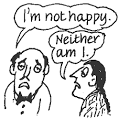
    /ˈniːðər/

    nessuno dei due, nessuna delle due

    not one nor the other of two things or people

    Neither of my parents can speak English.

    Nessuno dei miei genitori sa parlare inglese.

    Sinoniminornot eitheralso not
    Contrarialsotooeither
  129. 129

    several(determiner, pronoun)

    /ˈsevrəl/

    diversi, parecchi, alcuni

    more than two but not very many

    Several of the paintings were destroyed in the fire.

    Diversi dei dipinti sono stati distrutti nell'incendio.

    If you're looking for a photo of Alice you'll find several in here.

    Sinonimisomea fewmanyvariousmultiple
    Contrarinonefewsingleone
  130. 130

    basically(adverb)

    /ˈbeɪsɪkli/

    fondamentalmente, in sostanza

    in the most important ways, without considering things that are less important

    The two approaches are basically very similar.

    I due approcci sono fondamentalmente molto simili.

    There have been some problems but basically it's a good system.

    Sinonimiessentiallyfundamentallyprimarilymainlylargelygenerallyin essence
    Contrarispecificallyparticularlyuniquelydistinctlydifferentlyin detail
  131. 131

    it(pronoun)

    /ɪt/

    esso, essa, lo

    used to refer to an animal or a thing that has already been mentioned or that is being talked about now

    This is my dog. It is very friendly.

    Questo è il mio cane. È molto socievole.

    Sinonimithatthisthe thingthe one
    Contrariheshethey
  132. 132

    its(determiner)

    /ɪts/

    suo, sua, di esso

    belonging to or connected with a thing, an animal or a baby

    I have a dog. Its tail is very long.

    Ho un cane. La sua coda è molto lunga.

    Sinonimibelonging to itof itbelonging to the thingthereof
    Contrarinone (as it's a possessive pronoun)
  133. 133

    in(preposition)

    /ɪn/

    in, dentro

    at a point within an area or a space

    The cat is sleeping in the box.

    Il gatto dorme nella scatola.

    Sinonimiwithininsideamongduring
    Contrarioutoutsidewithout
  134. 134

    how(adverb)

    /haʊ/

    come

    in what way or manner

    How do you feel?

    Come ti senti?

    Sinonimiin what wayby what meansto what extentin which manner
    Contrariwhybecause
  135. 135

    amount(noun)

    /əˈmaʊnt/

    quantità, somma

    a quantity of something

    He paid regular amounts of money to a charity.

    Versava somme regolari di denaro a un'associazione benefica.

    Sinonimiquantitysumvolumeextentmeasuredegreeportion
    Contrarilackabsenceinsufficiencyscarcitydeficiency
  136. 136

    bye(exclamation)

    /baɪ/

    ciao, arrivederci

    goodbye

    Bye. See you very soon.

    Ciao. A presto.

    Sinonimigoodbyefarewellso longsee you lateradios
    Contrarihellogreetingswelcome
  137. 137

    many(determiner, pronoun)

    /ˈmeni/

    molti, tanti

    used with plural nouns and verbs, especially in negative sentences or in more formal English, to mean ‘a large number of’. Also used in questions to ask about the size of a number, and with ‘as’, ‘so’ and ‘too’.

    There are many toys in my room.

    Ci sono molti giocattoli nella mia stanza.

    Sinoniminumerousabundantplentifulmultiplevariousseveral
    Contrarifewlittlescarcelimited
  138. 138

    much(determiner)

    /mʌtʃ/

    molto, tanto

    used with uncountable nouns, especially in negative sentences to mean ‘a large amount of something’, or after ‘how’ to ask about the amount of something. It is also used with ‘as’, ‘so’ and ‘too’.

    How much milk do we have in the fridge?

    Quanto latte abbiamo in frigorifero?

    Sinonimia lotgreatlyconsiderablysubstantiallysignificantly
    Contrarilittleslightlyminimally
  139. 139

    because(conjunction)

    /bɪˈkəz/

    perché, poiché

    for the reason that

    I did it because he told me to.

    L'ho fatto perché me l'ha detto lui.

    Sinonimisinceasfordue toin view ofon account of
    Contraridespitealthoughin spite ofregardless ofeven though
  140. 140

    almost(adverb)

    /ˈɔːlməʊst/

    quasi

    not quite

    I almost missed the train.

    Ho quasi perso il treno.

    Sinoniminearlypracticallyvirtuallyaboutapproaching
    Contraricompletelyentirelyfullydefinitely
  141. 141

    anybody(pronoun)

    /ˈenibɑːdi/

    qualcuno, nessuno

    used instead of somebody in negative sentences and in questions after if /whether , and after verbs such as prevent , forbid , avoid , etc.

    Has anybody seen my keys?

    Qualcuno ha visto le mie chiavi?

    Sinonimianyonesomeonesomebodya person
    Contrarinobodyno one
  142. 142

    be(verb)

    /bi/

    essere

    used when you are naming people or things, describing them or giving more information about them

    I want to be a doctor.

    Voglio essere un medico.

    Sinonimiexistbecomeconstituterepresentequaloccur
    Contrarinonexistenceabsencelack
  143. 143

    besides(preposition)

    /bɪˈsaɪdz/

    oltre a, a parte

    in addition to somebody/something; apart from somebody/something

    Besides being a talented musician, she's also a great writer.

    Oltre a essere una musicista di talento, è anche una grande scrittrice.

    Sinonimiin additionfurthermoremoreoveralso
    Contrariinsteadratherconversely
  144. 144

    enough(determiner)

    /ɪˈnʌf/

    abbastanza, sufficiente

    used before plural or uncountable nouns to mean ‘as many or as much as somebody needs or wants’

    Is there enough food for everyone?

    C'è abbastanza cibo per tutti?

    Sinonimisufficientadequateample
    Contrariinsufficientlackingscarce
  145. 145

    everybody(pronoun)

    /ˈevribɑːdi/

    tutti, ognuno

    every person; all people

    Everybody loves ice cream.

    Tutti adorano il gelato.

    Sinonimieveryonealleach person
    Contrarinobodyno one
  146. 146

    firstly(adverb)

    /ˈfɜːrstli/

    in primo luogo, innanzitutto

    used to introduce the first of a list of points you want to make in a speech or piece of writing

    Firstly, we need to gather all the materials.

    In primo luogo, dobbiamo raccogliere tutti i materiali.

    Sinonimiinitiallyto begin withfirst
    Contrarilastlyfinallysubsequently
  147. 147

    furthermore(adverb)

    /ˌfɜːrðərˈmɔːr/

    inoltre, per di più

    in addition to what has just been stated. Furthermore is used especially to add a point to an argument.

    Furthermore, the data suggests a need for further investigation.

    Inoltre, i dati suggeriscono la necessità di ulteriori indagini.

    Sinonimimoreoverbesidesin additionalso
    Contrariconverselyhowevernevertheless
  148. 148

    hey(exclamation)

    /heɪ/

    ehi, ehilà

    used to attract somebody’s attention or to express interest, surprise or anger

    Hey, how are you?

    Ehi, come stai?

    Sinonimihihellogreetings
    Contrarigoodbyefarewell
  149. 149

    if(conjunction)

    /ɪf/

    se

    used to say that one thing can, will or might happen or be true, depending on another thing happening or being true

    I will go to the park if it stops raining.

    Andrò al parco se smette di piovere.

    Sinonimiprovided thatassuming thatin case
    Contrarionly ifunless
  150. 150

    literally(adverb)

    /ˈlɪtərəli/

    letteralmente, alla lettera

    in a literal way

    The French word 'bonjour' literally means 'good day' in English.

    La parola francese 'bonjour' significa letteralmente 'good day' in inglese.

    Sinonimiactuallyverbatimexactlytruly
    Contrarifigurativelymetaphoricallyloosely
  151. 151

    myself(pronoun)

    /maɪˈself/

    io stesso, me stesso

    used when the speaker or writer is also the person affected by an action

    I did it myself.

    L'ho fatto io stesso.

    Sinonimipersonallyaloneoneself
    Contrarianothersomeone else
  152. 152

    nobody(pronoun)

    /ˈnəʊbədi/

    nessuno

    not anyone; no person

    There was nobody at the door.

    Non c'era nessuno alla porta.

    Sinonimino onenot a soulzeronone
    Contrarieverybodysomeoneanyoneeveryone
  153. 153

    ought(modal verb)

    /ˈɔːt tə/

    dovere

    used to say what is the right thing to do or what is expected

    You ought to apologize for your behavior.

    Dovresti scusarti per il tuo comportamento.

    Sinonimishouldmustneed tobe obliged to
    Contrarishouldn'tmustn'tneedn't
  154. 154

    ours(pronoun)

    /ɑːrz/

    il nostro, la nostra, i nostri

    the one or ones that belong to us

    That house is ours.

    Quella casa è nostra.

    Sinonimibelonging to usour property
    Contrariyourstheirs
  155. 155

    secondly(adverb)

    /ˈsekəndli/

    in secondo luogo

    used to introduce the second of a list of points you want to make in a speech or piece of writing

    Secondly, we need to consider the budget.

    In secondo luogo, dobbiamo considerare il budget.

    Sinonimifurthermoremoreoverin additionnextthen
    Contrarifirstlyprimarily
  156. 156

    somebody(pronoun)

    /ˈsʌmbədi/

    qualcuno

    a person who is not known or mentioned by name

    Somebody left their umbrella in the office.

    Qualcuno ha lasciato l'ombrello in ufficio.

    Sinonimisomeonea personan individual
    Contrarinobodyno one
  157. 157

    theirs(pronoun)

    /ðerz/

    il loro, la loro, i loro

    of or belonging to them

    That car is theirs.

    Quell'auto è la loro.

    Sinonimibelonging to themtheir own
    Contrarioursmineyours
  158. 158

    themselves(pronoun)

    /ðəmˈselvz/

    si, sé, se stessi

    used when people or animals performing an action are also affected by it

    The children looked at themselves in the mirror and laughed.

    I bambini si guardarono allo specchio e risero.

    Sinonimitheir own selvesthe very people
    Contrarianothersomeone else
  159. 159

    till(preposition)

    /tɪl/

    fino a

    until

    I will wait till tomorrow.

    Aspetterò fino a domani.

    Sinonimiuntilup toto the time of
    Contrariaftersince
  160. 160

    whatever(pronoun)

    /wətˈevər/

    qualunque cosa, tutto ciò che

    any or every; anything or everything

    You can eat whatever you like from the table.

    Puoi mangiare quello che vuoi dalla tavola.

    Sinonimianythingno matter whatit doesn't matterso what
    Contrarisomething specificsomething importanta definite choice
  161. 161

    whatsoever(adverb)

    /ˌwʌtsəʊˈevər/

    affatto, minimamente

    not at all; not of any kind

    He has no idea whatsoever.

    Non ne ha la minima idea.

    Sinonimianythingeverythingat allwhatever
    Contrarinothingnone
  162. 162

    whereby(adverb)

    /werˈbaɪ/

    in base al quale, per cui

    by which; because of which

    The contract whereby he was employed has now expired.

    Il contratto in base al quale era stato assunto è ormai scaduto.

    Sinonimiwhereforewherebyby whichin accordance with which
    Contraridespitenotwithstandingregardless of
  163. 163

    yourself(pronoun)

    /jɔːrˈself/

    ti, te stesso

    used when the person or people being spoken to both cause and are affected by an action

    Help yourself to some cookies.

    Serviti pure dei biscotti.

    Sinonimiselfpersonallyindividually
    Contrarianotherotherssomebody else
  164. 164

    do(auxiliary verb)

    /duː/

    (verbo ausiliare)

    used before a full verb to form negative sentences and questions

    Do you like ice cream? No, I don't like it very much.

    Ti piace il gelato? No, non mi piace molto.

  165. 165

    too(adverb)

    /tuː/

    anche, pure

    used at the end of a sentence to mean also or as well

    You like this one, right? I like this, too.

    Ti piace questo, vero? Piace anche a me.

  166. 166

    being(verb)

    /ˈbiːɪŋ/

    essere, l'essere

    the present participle of 'be', used in continuous tenses, passives and as a gerund

    My purpose in life is about being a good person.

    Lo scopo della mia vita è essere una brava persona.