Saltar al contenido

Lección 36/38 · 166 palabras · 0 aprendidas

Function Words

Palabras funcionales

  1. 1

    and(conjunction)

    /ənd/

    y

    also; in addition to

    Sue and I left early

    Sue y yo nos fuimos temprano

    bread and butter

    Sinónimosplusalsotogether within addition to
    Antónimosornorinstead of
  2. 2

    herself(pronoun)

    /hɜːrˈself/

    ella misma

    used when the woman or girl who performs an action is also affected by it

    She must be very proud of herself.

    Debe estar muy orgullosa de sí misma.

    She hurt herself.

    Sinónimositselfthemselves
    Antónimosotherssomebody else
  3. 3

    therefore(adverb)

    /ˈðerfɔːr/

    por lo tanto

    used to introduce the logical result of something that has just been mentioned

    He's only 17 and therefore not eligible to vote.

    Solo tiene 17 años y, por lo tanto, no es elegible para votar.

    There is still much to discuss. We shall, therefore, return to this item at our next meeting.

    Sinónimosconsequentlythushenceaccordinglyfor that reasonas a result
    Antónimosbecausesinceasin spite ofdespite
  4. 4

    rather(adverb)

    /ˈræðər/

    bastante

    used to mean ‘fairly’ or ‘to some degree’, often when you are disappointed, surprised or expressing slight criticism

    She fell and hurt her leg rather badly.

    Ella se cayó y se lastimó la pierna bastante mal.

    I didn't fail the exam; in fact I did rather well!

    Sinónimossomewhatquitefairlyprettymoderatelyslightlyrelatively
    Antónimoscompletelytotallyentirelyabsolutelyfullynot at all
  5. 5

    ourselves(pronoun)

    /ɑːrˈselvz/

    nosotros mismos

    the reflexive form of we ; used when you and another person or other people together cause and are affected by an action

    We'd like to see it for ourselves.

    Nos gustaría verlo nosotros mismos.

    We shouldn't blame ourselves for what happened.

    Sinónimospersonallydirectlyin personon our own
    Antónimossomeone elseanother personindirectly
  6. 6

    him(pronoun)

    /hɪm/

    él

    used as the object of a verb, after the verb be or after a preposition to refer to a male person or animal that has already been mentioned or is easily identified

    When did you see him?

    ¿Cuándo lo viste?

    He took the children with him.

    Sinónimoshethat guythe manthe boy
    Antónimosherthemshe
  7. 7

    few(determiner)

    /fjuː/

    pocos

    used with plural nouns and a plural verb to mean ‘not many’

    Few people understand the difference.

    Pocas personas entienden la diferencia.

    There seem to be fewer tourists around this year.

    Sinónimosa small number ofnot manylimitedscarcerare
    Antónimosmanynumerousa lotplentyabundant
  8. 8

    himself(pronoun)

    /hɪmˈself/

    él mismo

    used when the man or boy who performs an action is also affected by it

    Peter ought to be ashamed of himself.

    Pedro debería avergonzarse de sí mismo.

    He introduced himself.

    Sinónimosselfpersonallyin person
    Antónimosotherssomeone else
  9. 9

    quite(adverb)

    /kwaɪt/

    bastante, algo

    to some degree

    The test was quite easy, so I finished early.

    El examen fue bastante fácil, así que terminé temprano.

    Sinónimosrathersomewhatprettyfairlyreasonablyto some extent
    Antónimosnot at allcompletelyentirelyabsolutelytotally
  10. 10

    them(pronoun)

    /ðəm/

    ellos

    used when referring to people, animals or things as the object of a verb or preposition, or after the verb be

    Did you eat all of them?

    ¿Te los comiste todos?

    What are you doing with those matches? Give them to me.

    Sinónimosthosethesethe peoplethe ones
    Antónimosnone
  11. 11

    via(preposition)

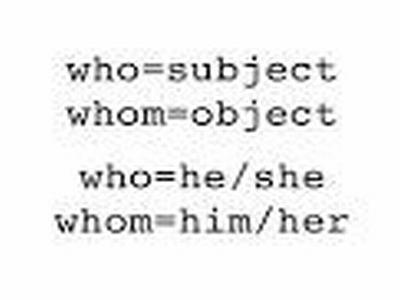
    /ˈvaɪə/

    vía

    through a place

    We flew home via Dubai.

    Volamos a casa vía Dubái.

    The truck driver was waiting to unload.

    Sinónimosby way ofthroughby means ofusingover
    Antónimosdirectlywithoutexcludingavoiding
  12. 12

    we(pronoun)

    /wi/

    nosotros

    I and another person or other people; I and you

    We are students.

    Nosotros somos estudiantes.

    We'd (= the company would) like to offer you the job.

    Sinónimosusourselves
    AntónimosIme
  13. 13

    his(determiner)

    /hɪz/

    su

    of or belonging to a man or boy who has already been mentioned or is easily identified

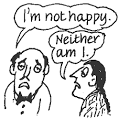
    His pen is very nice.

    Su bolígrafo es muy bonito.

    The choice was his.

    Sinónimosbelonging to himof himhis own
    Antónimoshertheirmyyour
  14. 14

    such(determiner, pronoun)

    /sʌtʃ/

    tal, semejante

    used for referring to someone or something that is of the type already mentioned

    He said he didn't have time or made some such excuse.

    Dijo que no tenía tiempo o puso alguna excusa por el estilo.

    We were second-class citizens and they treated us as such.

    Sinónimoslike thatof that kindsimilaridenticalequivalent
    Antónimosdissimilardifferentunlike
  15. 15

    that(pronoun)

    /ðæt/

    eso, aquello, ese

    used for referring to a person or thing that is not near the speaker or as near to the speaker as another

    That is my school.

    Ese es mi colegio.

    She said (that) the story was true.

    Sinónimosthat onethe oneitwhich
    Antónimosthis
  16. 16

    they(pronoun)

    /ðeɪ/

    ellos/ellas

    people, animals or things that have already been mentioned or are easily identified

    They are my friends.

    Ellos son mis amigos.

    ‘Where are John and Liz?’ ‘They went for a walk.’

    Sinónimosthose peoplethese peoplethemthe ones
    AntónimosImeheshehimher
  17. 17

    finally(adverb)

    /ˈfaɪnəli/

    por fin, finalmente

    after a long time, especially when there has been some difficulty or delay

    After waiting for two hours, the bus finally arrived.

    Después de esperar dos horas, por fin llegó el autobús.

    Sinónimoseventuallyultimatelyin the endat lastin conclusion
    Antónimosinitiallyfirstto begin withat firstoriginally
  18. 18

    somewhat(adverb)

    /ˈsʌmwʌt/

    algo

    to some degree

    What happened to them remains somewhat of a mystery.

    Lo que les pasó sigue siendo un misterio.

    I was somewhat surprised to see him.

    Sinónimosslightlya littleratherkind ofsort ofto some extentpartiallymoderately
    Antónimoscompletelyentirelytotallyfullyabsolutelydefinitely
  19. 19

    most(determiner)

    /məʊst/

    la mayoría, más

    the largest in number or amount

    Which team scored the most goals in the match?

    ¿Qué equipo marcó más goles en el partido?

    Sinónimosgreatestmaximumlargestmajoritysupreme
    Antónimosleastminimumsmallest
  20. 20

    why(adverb)

    /waɪ/

    por qué

    used in questions to ask the reason for or purpose of something

    Why is Hoa sad?

    ¿Por qué está triste Hoa?

    Tell me why you did it.

    Sinónimosfor what reasonhow sowherefore
    Antónimosbecause
  21. 21

    you(pronoun)

    /jə/

    tú

    used as the subject or object of a verb or after a preposition to refer to the person or people being spoken or written to

    You are very kind.

    Eres muy amable.

    Can I sit next to you?

    Sinónimosthoutheeyourself
    Antónimosbayoucy youngcyrus the youngerdanton true youngdo-it-yourselfedward younggo-as-you-pleasegood for you
  22. 22

    could(modal verb)

    /kəd/

    podía

    used as the past tense of ‘can’

    She said that she couldn't come.

    Ella dijo que no podía venir.

    I couldn't hear what they were saying.

    Sinónimoswas able towas capable ofhad the ability tomightmay
    Antónimoscouldn'twas unable tocan't
  23. 23

    the(determiner)

    /ðə/

    el, la, los, las

    used to refer to somebody/something that has already been mentioned or is easily understood

    There were three questions. The first two were relatively easy but the third one was hard.

    Había tres preguntas. Las dos primeras eran relativamente fáciles, pero la tercera era difícil.

    The nights are getting longer.

    Sinónimosthatthis
    Antónimosaan
  24. 24

    though(adverb)

    /ðəʊ/

    sin embargo, aunque

    used especially at the end of a sentence to add a fact or opinion that makes the previous statement less strong

    Our team lost. It was a good game though.

    Nuestro equipo perdió. Fue un buen partido, sin embargo.

    ‘Have you ever been to Australia?’ ‘No. I'd like to, though.’

    Sinónimosalthoughhoweverneverthelessstillyeteven though
    Antónimosbecausesincetherefore
  25. 25

    as(conjunction)

    /əz/

    mientras, cuando

    while something else is happening

    He sat watching her as she got ready.

    Se sentó a mirarla mientras ella se arreglaba.

    As she grew older she gained in confidence.

    Sinónimoswhilewhenbecausesincelikesuch as
    Antónimosunlikedissimilarly
  26. 26

    May(modal verb)

    /meɪ/

    poder, ser posible

    used to say that something is possible

    May I open the window, please?

    ¿Puedo abrir la ventana, por favor?

    Sinónimosfifth monthspringtime
  27. 27

    some(determiner)

    /sʌm/

    algunos

    used with uncountable nouns or plural countable nouns to mean ‘an amount of’ or ‘a number of’, when the amount or number is not given

    I have some friends.

    Tengo algunos amigos.

    Here are some of our suggestions.

    Sinónimosa fewseverala number ofcertainvariousany
    Antónimosnonealleverynowhole
  28. 28

    anyone(pronoun)

    /ˈeniwʌn/

    alguien

    used instead of someone in negative sentences and in questions after if /whether , and after verbs such as prevent , forbid , avoid , etc.

    Hardly anyone came.

    Casi nadie vino.

    I forbid anyone to touch that clock.

    Sinónimosanybodysomeonesomebodyany personeverybody
    Antónimosnobodyno onenone
  29. 29

    at(preposition)

    /ət/

    en

    used to say where something/somebody is or where something happens

    We plan to stay at the Sheraton Hotel.

    Planeamos alojarnos en el Hotel Sheraton.

    at the corner of the street

    Sinónimosinonnearbywithin
    Antónimosaway fromdistant fromremote from
  30. 30

    us(pronoun)

    /əs/

    nosotros

    used when the speaker or writer and another or others are the object of a verb or preposition, or after the verb be

    Hello, it's us back again.

    Hola, somos nosotros otra vez.

    We'll take the dog with us.

    Sinónimosweourselveswe all
    AntónimosthemyouI
  31. 31

    probably(adverb)

    /ˈprɑːbəbli/

    probablemente

    used to say that something is likely to happen or to be true

    The decision to set up a new company is probably his most risky decision.

    La decisión de establecer una nueva empresa es probablemente su decisión más arriesgada.

    It was the best known and probably the most popular of her songs.

    Sinónimoslikelypossiblypresumablyperhapsmaybeconceivablydoubtless
    Antónimoscertainlydefinitelysurelyundoubtedly
  32. 32

    except(preposition)

    /ɪkˈsept/

    excepto

    used before you mention the only thing or person about which a statement is not true

    We work every day except Sunday.

    Trabajamos todos los días excepto el domingo.

    Our dresses were the same except mine was red.

    Sinónimosexcludingbutsaveapart fromaside fromwith the exception of
    Antónimosincludingplusin addition to
  33. 33

    mine(pronoun)

    /maɪn/

    mío/mía

    of or belonging to the person writing or speaking

    She wanted one like mine (= like I have).

    Ella quería uno como el mío.

    He's a friend of mine(= one of my friends).

    Sinónimosbelonging to memy ownmy property
    Antónimosyourshisherstheirs
  34. 34

    what(pronoun, determiner)

    /wʌt/

    qué

    used in questions to ask for particular information about somebody/something

    What is your favorite book?

    ¿Cuál es tu libro favorito?

    What is your name?

    Sinónimoswhichthathowthe thing thatthe item that
    Antónimosnonenothing
  35. 35

    after(preposition)

    /ˈæftər/

    después

    later than something; following something in time

    Let’s meet after 5.

    Reunámonos después de las 5.

    I could come next week, or the week after.

    Sinónimosfollowinglatersubsequentbehind
    Antónimosbeforepriorpreceding
  36. 36

    any(determiner)

    /ˈeni/

    cualquiera

    used with uncountable or plural nouns in negative sentences and questions, after if or whether , and after some verbs such as prevent , ban , forbid , etc. to refer to an amount or a number of something, however large or small

    I've got hardly any money.

    Apenas tengo dinero.

    She asked if we had any questions.

    Sinónimossomeoneeveryeachalleither
    Antónimosnonenonever
  37. 37

    surely(adverb)

    /ˈʃʊrli/

    seguramente

    used to show that you are almost certain of what you are saying and want other people to agree with you

    Surely we should do something about it?

    ¿Seguramente deberíamos hacer algo al respecto?

    It's surely only a matter of time before he is found, isn't it?

    Sinónimoscertainlydefinitelyundoubtedlyassuredlyabsolutelyof coursewithout a doubt
    Antónimosuncertainlydoubtfullypossiblymaybeperhaps
  38. 38

    your(determiner)

    /jʊr/

    tu

    of or belonging to the person or people being spoken or written to

    Your pen is very nice.

    Tu bolígrafo es muy bonito.

    Excuse me, is this your seat?

    Sinónimosbelonging to youof you
    Antónimosmyhishertheirour
  39. 39

    by(preposition)

    /baɪ/

    en, por

    used for showing how or in what way something is done

    We usually go to school by bus, but today we walked.

    Normalmente vamos a la escuela en autobús, pero hoy fuimos andando.

    Sinónimosnearnext tobesideclose toalongside
    Antónimosfar fromaway from
  40. 40

    our(determiner)

    /ɑːr/

    nuestro

    belonging to us; connected with us

    Our school is very nice.

    Nuestra escuela es muy bonita.

    Our main export is rice.

    Sinónimosbelonging to usof ours
    Antónimostheirtheirsyour
  41. 41

    yeah(exclamation)

    /jeə/

    sí

    yes

    "Do you like your job?" "Yeah, it's all right I suppose."

    "¿Te gusta tu trabajo?" "Sí, está bien, supongo."

    to have good/perfect/poor/blurred/normal vision

    Sinónimosyesyepsureindeedrightokay
    Antónimosnonopenah
  42. 42

    her(pronoun)

    /hər/

    la, le, ella

    used as the object of a verb, after the verb be or after a preposition to refer to a woman or girl who has already been mentioned or is easily identified

    I saw her at the park yesterday and said hello.

    Ayer la vi en el parque y la saludé.

    Sinónimosbelonging to herhersof her
    Antónimoshistheirmyyour
  43. 43

    towards(preposition)

    /tɔːrdz/

    hacia

    in the direction of somebody/something

    She had her back towards me.

    Ella me daba la espalda.

    They were heading towards the German border.

    Sinónimostoin the direction ofnearapproachingaround
    Antónimosaway fromfrom
  44. 44

    especially(adverb)

    /ɪˈspeʃəli/

    especialmente

    more with one person, thing, etc. than with others, or more in particular circumstances than in others

    Teenagers are very fashion conscious, especially girls.

    Los adolescentes están muy pendientes de la moda, especialmente las chicas.

    I love Rome, especially in the spring.

    Sinónimosparticularlymainlyprimarilynotablysignificantlyin particular
    Antónimosgenerallyusuallyordinarilycommonlytypically
  45. 45

    everything(pronoun)

    /ˈevriθɪŋ/

    todo

    all things

    When we confronted him, he denied everything.

    Cuando lo confrontamos, lo negó todo.

    She seemed to have everything—looks, money, intelligence.

    Sinónimosallthe whole thingevery single thingeverything under the sunthe works
    Antónimosnothingsomethinga littlea few
  46. 46

    who(pronoun)

    /huː/

    quién

    used in questions to ask about the name, identity or function of one or more people

    Who is this?

    ¿Quién es este/esta?

    Who is that woman?

    Sinónimoswhich personwhat person
    Antónimosnobody
  47. 47

    even(adverb)

    /ˈiːvn/

    incluso

    used to emphasize something unexpected or surprising

    He never even opened the letter (= so he certainly didn't read it).

    Ni siquiera abrió la carta (= así que ciertamente no la leyó).

    Even a child can understand it (= so adults certainly can).

    Sinónimosalsojustactuallyreallytrulyindeed
    Antónimosnevernotcontrary
  48. 48

    for(preposition)

    /fər/

    para

    used to show who is intended to have or use something or where something is intended to be put

    There's a letter for you

    Hay una carta para ti.

    This is the place for me (= I like it very much).

    Sinónimosintended formeant forin behalf ofon account of
    Antónimosagainstfrom
  49. 49

    please(exclamation)

    /pliːz/

    por favor

    used as a polite way of asking for something or telling somebody to do something

    Can I have a glass of water, please?

    ¿Me puede dar un vaso de agua, por favor?

    Sinónimossatisfydelightgratifyappeasehumor
    Antónimosdispleaseoffendannoydissatisfyupset
  50. 50

    nearly(adverb)

    /ˈnɪrli/

    casi

    almost; not quite; not completely

    She very nearly died.

    Casi muere.

    He's nearly as tall as you are.

    Sinónimosalmostpracticallyvirtuallyclose toaboutapproximately
    Antónimoscompletelyentirelyfullyabsolutelynowhere near
  51. 51

    nor(conjunction)

    /nɔːr/

    ni, tampoco

    and not

    He wasn't there on Monday. Nor on Tuesday, for that matter.

    No estuvo allí el lunes. Ni el martes, ya puestos.

    Not a building nor a tree was left standing.

    Sinónimosneitheralso notand not
    Antónimosandalso
  52. 52

    actually(adverb)

    /ˈæktʃuəli/

    en realidad

    used in speaking to emphasize a fact or a comment, or that something is really true

    It's not actually raining now.

    En realidad no está lloviendo ahora.

    There are lots of people there who can actually help you.

    Sinónimosreallyin factgenuinelytrulyveritablyindeedliterally
    Antónimostheoreticallyhypotheticallyapparentlyostensiblyseeminglyfalselyincorrectly
  53. 53

    hers(pronoun)

    /hɜːrz/

    suyo (de ella)

    of or belonging to her

    His eyes met hers.

    Sus ojos se encontraron con los de ella.

    The choice was hers.

    Sinónimosherbelonging to herof her
    Antónimoshismineyoursourstheirs
  54. 54

    least(determiner)

    /liːst/

    menos, mínimo

    smallest in size, amount, degree, etc.

    This model uses the least fuel of all the cars we tested.

    Este modelo consume el menor combustible de todos los coches que probamos.

    Sinónimossmallestminimumtiniestlowest
    Antónimosmostgreatestmaximumlargest
  55. 55

    someone(pronoun)

    /ˈsʌmwʌn/

    alguien

    a person who is not known or mentioned by name

    There's someone at the door.

    Hay alguien en la puerta.

    Someone's left their bag behind.

    Sinónimossomebodya personan individualonea certain person
    Antónimosnobodyno oneeveryoneeverybody
  56. 56

    I(pronoun)

    /aɪ/

    Yo

    used as the subject of a verb when the speaker or writer is referring to himself/herself

    I am a student.

    Yo soy un estudiante.

    When they asked me if I wanted the job, I said yes.

    SinónimosMyselfMe
    AntónimosYouHeSheItTheyWe
  57. 57

    well(adverb)

    /wel/

    bien

    in a good, right or acceptable way

    She speaks English very well.

    Ella habla inglés muy bien.

    Sinónimoswater sourcespringboreholepitshaft
    Antónimosdrydesertarid land
  58. 58

    including(preposition)

    /ɪnˈkluːdɪŋ/

    incluyendo

    having something as part of a group or set

    I've got three days' holiday including New Year's Day.

    Tengo tres días de vacaciones, incluyendo el día de Año Nuevo.

    It's £7.50, not including tax.

    Sinónimoscomprisingencompassingincorporatingconsisting ofembracing
    Antónimosexcludingomittingexceptingwithoutexcluding
  59. 59

    me(pronoun)

    /mi/

    mí

    the form of I that is used when the speaker or writer is the object of a verb or preposition, or after the verb be

    Hello, it's me.

    Hola, soy yo.

    Don't hit me.

    SinónimosmyselfI
    Antónimosyouhimherthem
  60. 60

    this(determiner, pronoun)

    /ðɪs/

    este/esta

    used to refer to a particular person, thing or event that is close to you, especially compared with another

    This is my teacher.

    Este/Esta es mi profesor/profesora.

    Is this your bag?

    Sinónimosthatthea
    Antónimosthatthose
  61. 61

    where(adverb)

    /wer/

    dónde

    in or to what place or situation

    Where is your white shirt?

    ¿Dónde está tu camisa blanca?

    I wonder where they will take us to.

    Sinónimoslocationplacepositionspot
    Antónimosnowhere
  62. 62

    she(pronoun)

    /ʃi/

    ella

    a female person or animal that has already been mentioned or is easily identified

    Daisy is my friend. She is very kind.

    Daisy es mi amiga. Ella es muy amable.

    Doesn't she (= the woman we are looking at) look like Sue?

    Sinónimosherthe womanthat woman
    Antónimoshehim
  63. 63

    yours(pronoun)

    /jərz/

    tuyo

    of or belonging to you

    Is that book yours?

    ¿Es tuyo ese libro?

    My hair is very fine. Yours is much thicker.

    Sinónimosbelonging to youyour property
    Antónimosmineanother's
  64. 64

    or(conjunction)

    /ɔːr/

    o

    used to introduce another possibility

    Is your sister older or younger than you?

    ¿Tu hermana es mayor o menor que tú?

    Are you coming or not?

    Sinónimosotherwisealternatively
    Antónimosand
  65. 65

    less(determiner)

    /les/

    menos

    used with uncountable nouns to mean ‘a smaller amount of’

    You should eat less sugar and more fresh fruit and vegetables.

    Deberías comer menos azúcar y más frutas y verduras frescas.

    Sinónimosfewersmallerreducedlower
    Antónimosmoregreaterincreasedhigher
  66. 66

    same(adjective)

    /seɪm/

    igual

    exactly the one or ones referred to or mentioned; not different

    We treat boys exactly the same as girls.

    Tratamos a los niños exactamente igual que a las niñas.

    He gave me five dollars, same as usual.

    Sinónimosidenticalequalequivalentalikesimilaruniformconsistent
    Antónimosdifferentdissimilardistinctunequalvaried
  67. 67

    unless(conjunction)

    /ənˈles/

    a menos que

    used to say that something can only happen or be true in a particular situation

    You won't get paid for time off unless you have a doctor's note.

    No te pagarán el tiempo libre a menos que tengas un justificante médico.

    Unless I'm mistaken, she was back at work yesterday.

    Sinónimosexcept ifif notbutsave
    Antónimosifprovided thatas long as
  68. 68

    another(determiner)

    /əˈnʌðər/

    otro

    one more; an extra thing or person

    Would you like another drink?

    ¿Quieres otra bebida?

    ‘Finished?’ ‘No, I've got another three questions to do.’

    Sinónimosadditionalextrafurthermoredifferentone more
    Antónimosnoneno morethe same
  69. 69

    definitely(adverb)

    /ˈdefɪnətli/

    definitivamente

    a way of emphasizing that something is true and that there is no doubt about it

    I will definitely come to your wedding party.

    Definitivamente iré a tu fiesta de boda.

    ‘Do you plan to have children?’ ‘Definitely not!’

    Sinónimoscertainlyabsolutelysurelyassuredlypositivelyundoubtedlyunquestionably
    Antónimosmaybepossiblyperhapsuncertainlydoubtfully
  70. 70

    both(determiner, pronoun)

    /bəʊθ/

    ambos

    used with plural nouns to mean ‘the two’ or ‘the one as well as the other’

    We have both seen the movie.

    Ambos hemos visto la película.

    Both (my) sisters live in London.

    Sinónimostwocouplepairthe pair
    Antónimosneithernoneeither
  71. 71

    about(preposition)

    /əˈbaʊt/

    sobre, acerca de

    on the subject of somebody/something; in connection with somebody/something

    We talked about our favourite sports after school.

    Hablamos de nuestros deportes favoritos después de la escuela.

    Sinónimosapproximatelyaroundroughlynearlyalmostclose to
    Antónimosexactlypreciselydefinitelycertainly
  72. 72

    goodbye(exclamation)

    /ˌɡʊdˈbaɪ/

    adiós

    used when you are leaving somebody or when somebody else is leaving

    Goodbye, Tom! See you at school tomorrow.

    ¡Adiós, Tom! Nos vemos mañana en el colegio.

    Sinónimosfarewelladieuso longbyeadieu
    Antónimoshellogreetingwelcome
  73. 73

    anything(pronoun)

    /ˈeniθɪŋ/

    cualquier cosa

    used instead of something in negative sentences and in questions; after if /whether ; and after verbs such as prevent , ban , avoid , etc.

    If you remember anything, please let us know.

    Si recuerdas cualquier cosa, por favor háznoslo saber.

    There's never anything worth watching on TV.

    Sinónimossomethingeverythingallanywhatever
    Antónimosnothing
  74. 74

    of(preposition)

    /əv/

    de

    belonging to somebody; relating to somebody

    the paintings of Monet

    las pinturas de Monet

    Can't you throw out that old bike of Tommy's?

    Sinónimosbelonging tofromrelating toassociated withregardingconcerning
    Antónimoswithoutlacking
  75. 75

    which(pronoun)

    /wɪtʃ/

    cuál, qué

    used in questions to ask somebody to be exact about one or more people or things from a limited number

    Which of the applicants has got the job?

    ¿Cuál de los candidatos ha conseguido el puesto?

    Which is better exercise—swimming or tennis?

    Sinónimoswhatthatwhowhateverwhichever
    Antónimosnoneno one
  76. 76

    whoever(pronoun)

    /huːˈevər/

    quienquiera

    the person or people who; any person who

    Whoever says that is a liar.

    Quienquiera que diga eso es un mentiroso.

    Send it to whoever is in charge of sales.

    Sinónimosanyoneeverybodyeveryoneany personno matter who
    Antónimosnobodyno one
  77. 77

    although(conjunction)

    /ɔːlˈðəʊ/

    aunque

    used for introducing a statement that makes the main statement in a sentence seem surprising

    Although small, the kitchen is well designed.

    Aunque pequeña, la cocina está bien diseñada.

    Although the sun was shining, it wasn't very warm.

    Sinónimosthougheven thoughwhilstnotwithstandingalbeit
    Antónimosbecausesinceasdue to
  78. 78

    none(pronoun)

    /nʌn/

    ninguno

    not one of a group of people or things; not any

    Tickets for Friday? Sorry we've got none left.

    ¿Entradas para el viernes? Lo siento, no nos quedan.

    ‘Is there any more milk?’ ‘No, none at all.’

    Sinónimoszeronot onenothingnilnada
    Antónimossomeanyallplentymany
  79. 79

    their(determiner)

    /ðer/

    su

    of or belonging to people, animals or things that have already been mentioned or are easily identified

    Their school is very nice.

    Su escuela es muy bonita.

    Which is their house?

    Sinónimosbelonging to themof them
    Antónimosmyyourourhisherits
  80. 80

    generally(adverb)

    /ˈdʒenrəli/

    generalmente

    by or to most people

    The plan was generally welcomed.

    El plan fue generalmente bien recibido.

    The new drug will be generally available from January.

    Sinónimosusuallytypicallynormallycommonlylargelymostlyin general
    Antónimosspecificallyparticularlyexceptionallyrarelyunusually
  81. 81

    really(adverb)

    /ˈriːəli/

    muy, realmente

    used to emphasize an adjective or adverb

    The film was really good, so we watched it again.

    La película era muy buena, así que la vimos otra vez.

    Sinónimostrulyactuallygenuinelyindeedverilysincerely
    Antónimosfalselyapparentlyseeminglypretendlyvirtually
  82. 82

    however(adverb)

    /haʊˈevər/

    sin embargo, no obstante

    used to introduce a statement that contrasts with something that has just been said

    I'd love to come to your party. However, I'm very busy this week.

    Me encantaría ir a tu fiesta. Sin embargo, esta semana estoy muy ocupado.

    SinónimosNeverthelessNonethelessYetStillEven soDespite thatIn spite of that
    AntónimosThereforeThusConsequentlyAccordingly
  83. 83

    something(pronoun)

    /ˈsʌmθɪŋ/

    algo

    a thing that is not known or mentioned by name

    There is something in my bag, but I don't know what it is.

    Hay algo en mi bolso, pero no sé qué es.

    Sinónimosthingitemobjectmatterstuffentity
    Antónimosnothing
  84. 84

    can(modal verb)

    /kən/

    poder, saber

    used to say that it is possible for somebody/something to do something, or for something to happen

    I can swim, but I can't ride a horse.

    Sé nadar, pero no sé montar a caballo.

    Sinónimospreservetinput up
    Antónimosfreshunprocessedunpackaged
  85. 85

    my(determiner)

    /maɪ/

    mi

    of or belonging to the speaker or writer

    My name is Andy.

    Mi nombre es Andy.

    My feet are cold.

    Sinónimosbelonging to meof minepersonally owned
    Antónimosyourhishertheirits
  86. 86

    also(adverb)

    /ˈɔːlsəʊ/

    también

    in addition; too

    She's fluent in French and German. She also speaks a little Italian.

    Ella domina el francés y el alemán. También habla un poco de italiano.

    rubella, also known as German measles

    Sinónimostooas wellin additionfurthermoremoreover
    Antónimosneithernorinsteadconversely
  87. 87

    must(modal verb)

    /məst/

    deber

    used to say that something is necessary or very important (sometimes involving a rule or a law)

    ‘Do we have to finish this today?’ ‘Yes, you must.’

    ‘¿Tenemos que terminar esto hoy?’ ‘Sí, debes.’

    I must ask you not to do that again.

    Sinónimosshouldought toneed torequiredobligednecessary
    Antónimosmaycanoptionallyneedn'tshouldn't
  88. 88

    but(conjunction)

    /bət/

    pero

    used to introduce a word or phrase that contrasts with what was said before

    I would like to come to the party, but I am too busy.

    Me gustaría ir a la fiesta, pero estoy demasiado ocupado.

    Sinónimoshoweveryetalthoughthoughneverthelessstill
    Antónimosandalsofurthermore
  89. 89

    not(adverb)

    /nɑːt/

    no

    used with be , do or have to form the negative of verbs; used to form the negative of modal verbs like can or must

    I am not hungry, but I am very tired.

    No tengo hambre, pero estoy muy cansado.

    Sinónimosnonayneveropposite ofnegation
    Antónimosyestruepositiveaffirmative
  90. 90

    completely(adverb)

    /kəmˈpliːtli/

    completamente

    in every way possible; in every part

    completely different

    completamente diferente

    completely and utterly broke

    Sinónimostotallyentirelyfullyutterlyabsolutelyperfectlywholly
    Antónimospartiallyincompletelysomewhatslightlypartly
  91. 91

    nevertheless(adverb)

    /ˌnevərðəˈles/

    sin embargo

    despite something that you have just mentioned

    Our defeat was expected but it is disappointing nevertheless.

    Nuestra derrota era esperada, pero es decepcionante sin embargo.

    The old system had its flaws, but nevertheless it was preferable to the new one.

    Sinónimoshowevernonethelessstillyeteven so
    Antónimosthereforeconsequentlythusso
  92. 92

    should(modal verb)

    /ʃəd/

    deber, tener que (condicional)

    used to say what is the right or sensible thing to do, especially when giving advice

    You should see a doctor if your fever gets worse.

    Deberías ir al médico si la fiebre empeora.

    Sinónimosought tomustshallneed tobe obliged to
    Antónimosshouldn'tmustn'tneedn't
  93. 93

    either(determiner, pronoun)

    /ˈiːðər/

    cualquiera de los dos, ambos

    one or the other of two; it does not matter which

    You can park on either side of the street.

    Puedes aparcar en cualquiera de los dos lados de la calle.

    Sinónimosalsotooas welllikewisesimilarly
    Antónimosonlyalonesolely
  94. 94

    used(adjective)

    /juːst/

    acostumbrado

    familiar with something because you do it or experience it often

    She is used to getting up early for work every day.

    Está acostumbrada a levantarse temprano para ir a trabajar todos los días.

    Sinónimossecondhandpre-ownedwornutilizedemployedhand-me-down
    Antónimosnewunusedbrand newfreshoriginal
  95. 95

    every(determiner)

    /ˈevri/

    cada

    used with singular nouns to refer to all the members of a group of things or people

    Every classroom has 25 desks.

    Cada aula tiene 25 pupitres.

    They were watching her every movement.

    Sinónimoseachallanythe whole of
    Antónimosnononesomefew
  96. 96

    moreover(adverb)

    /mɔːrˈəʊvər/

    además

    used to introduce some new information that adds to or supports what you have said previously

    A talented artist, he was, moreover, a writer of some note.

    Un artista talentoso, era, además, un escritor de cierta importancia.

    a piece of metal

    Sinónimosfurthermorebesidesin additionalsomoreoveradditionallytoo
    Antónimosconverselyhoweverneverthelessdespitealthoughinstead
  97. 97

    hi(exclamation)

    /haɪ/

    Hola

    used to say hello

    Hi, there! How're you doing?

    ¡Hola! ¿Cómo estás?

    Hi, Peter.

    Sinónimoshellogreetingsheyhowdygood day
    Antónimosgoodbyefarewellsee youso longadieu
  98. 98

    fairly(adverb)

    /ˈferli/

    bastante

    to some extent but not very

    a fairly easy book

    un libro bastante fácil

    a fairly typical reaction

    Sinónimosquiterathersomewhatmoderatelyreasonablypretty
    Antónimosextremelyveryexceptionallyincrediblyunusually
  99. 99

    all(determiner)

    /ɔːl/

    todo, todos

    the whole number of

    All the students in my class passed the exam.

    Todos los estudiantes de mi clase aprobaron el examen.

    Sinónimosentirewholecompleteeveryeverything
    Antónimosnonenothingpartsome
  100. 100

    so(conjunction)

    /səʊ/

    así que, por eso

    used to show the result of something; therefore

    It was still painful so I went to see a doctor.

    Todavía me dolía, así que fui al médico.

    He never seems to smile.

    Sinónimosthereforeconsequentlyhencethusaccordingly
    Antónimosbecausesince
  101. 101

    particularly(adverb)

    /pərˈtɪkjələrli/

    particularmente

    especially; more than usual or more than others

    I enjoyed the play, particularly the second half.

    Disfruté de la obra, particularmente la segunda mitad.

    particularly good/important/useful

    Sinónimosespeciallyspecificallynotablyin particularprimarilymainly
    Antónimosgenerallyusuallytypicallycommonlyordinarilyin general
  102. 102

    absolutely(adverb)

    /ˈæbsəluːtli/

    absolutamente

    used to emphasize that something is completely true

    It was absolutely pouring with rain.

    Estaba lloviendo a cántaros absolutamente.

    He made it absolutely clear.

    Sinónimoscompletelytotallyutterlydefinitelycertainlypositivelyunquestionablyundoubtedly
    Antónimosrelativelypartiallysomewhatpossiblyincompletely
  103. 103

    certainly(adverb)

    /ˈsɜːrtnli/

    ciertamente

    without doubt

    She was certainly attractive but you couldn't call her beautiful.

    Ciertamente era atractiva, pero no se podía decir que fuera hermosa.

    I'm certainly never going there again.

    Sinónimosdefinitelyassuredlyundoubtedlyabsolutelypositivelysurely
    Antónimosuncertainlydoubtfullypossiblymaybeperhaps
  104. 104

    from(preposition)

    /frəm/

    de

    used to show where somebody/something starts

    She began to walk away from him

    Ella comenzó a alejarse de él.

    Has the train from Bristol arrived?

    Sinónimosoriginating inout ofaway fromstarting at
    Antónimostotowardattowards
  105. 105

    whom(pronoun)

    /huːm/

    a quién

    used instead of ‘who’ as the object of a verb or preposition

    Whom did they invite?

    ¿A quién invitaron?

    To whom should I write?

    Sinónimoswho (formal)the person whomthe one whom
    Antónimoswho (informal)thatwhich
  106. 106

    wherever(conjunction)

    /werˈevər/

    donde, dondequiera que

    in or to any place

    You can sit wherever you like in the classroom.

    Puedes sentarte donde quieras en el aula.

    Sinónimosanywherein any placewhere so ever
    Antónimosnowheresomewhere specific
  107. 107

    shall(modal verb)

    /ʃəl/

    (auxiliar de futuro) 1.ª persona

    used with I and we for talking about or predicting the future

    I shall be away next week, so please call my assistant.

    Estaré fuera la semana que viene, así que por favor llame a mi asistente.

    Sinónimoswillshouldmustought to
    Antónimoswon'tshan'tmustn't
  108. 108

    maybe(adverb)

    /ˈmeɪbi/

    quizás

    used when you are not certain that something will happen or that something is true or is a correct number

    Maybe he'll come, maybe he won't.

    Quizás venga, quizás no.

    We go there maybe once or twice a month.

    Sinónimosperhapspossiblyconceivablyperchancemayhap
    Antónimoscertainlydefinitelysurelycertainabsolutely
  109. 109

    a(determiner)

    /ə/

    un, una

    used before countable or singular nouns referring to people or things that have not already been mentioned

    She's a friend of my father's (= one of my father's friends).

    Es una amiga de mi padre (= una de las amigas de mi padre).

    a man/horse/unit

    Sinónimosoneanany
    Antónimostheall
  110. 110

    during(preposition)

    /ˈdʊrɪŋ/

    durante

    all through a period of time

    There are extra flights to Colorado during the winter.

    Hay vuelos adicionales a Colorado durante el invierno.

    There are extra flights to Colorado during the winter.

    Sinónimoswhilethroughoutinin the course offor the duration ofin the period of
    Antónimosbeforeafter
  111. 111

    whereas(conjunction)

    /ˌwerˈæz/

    mientras que

    used to compare or contrast two facts

    Some of the studies show positive results, whereas others do not.

    Algunos de los estudios muestran resultados positivos, mientras que otros no.

    We thought she was arrogant, whereas in fact she was just very shy.

    Sinónimoswhilealthoughbuton the other handconversely
    Antónimossimilarlylikewisealsoin addition
  112. 112

    yes(exclamation)

    /jes/

    sí

    used to answer a question and say that something is correct or true

    Yes, it's me.

    Sí, soy yo.

    ‘Are you coming? Yes or no?’

    Sinónimosaffirmativeindeedayesurecertainlyabsolutely
    Antónimosnonegativenay
  113. 113

    very(adverb)

    /ˈveri/

    muy

    used before adjectives, adverbs and determiners to mean ‘in a high degree’ or ‘extremely’

    My classroom is very big.

    Mi aula es muy grande.

    I'm very very grateful.

    Sinónimosextremelyhighlyreallyexceedinglyremarkablyawfully
    Antónimosslightlysomewhata littlemoderatelybarely
  114. 114

    whether(conjunction)

    /ˈweðər/

    si

    used to express a doubt or choice between two possibilities

    I'll see whether she's at home (= or not at home).

    Voy a ver si está en casa (= o no está en casa).

    It remains to be seen whether or not this idea can be put into practice.

    Sinónimosifin casein the event that
    Antónimosdefinitelycertainly
  115. 115

    perhaps(adverb)

    /pərˈhæps/

    quizás

    possibly

    ‘Are you going to come?’ ‘Perhaps. I'll see how I feel.’

    ‘¿Vas a venir?’ ‘Quizás. Veré cómo me siento.’

    Perhaps he's forgotten.

    Sinónimosmaybepossiblyconceivablyperchancelikelypotentially
    Antónimoscertainlydefinitelysurelyabsolutelyassuredly
  116. 116

    everyone(pronoun)

    /ˈevriwʌn/

    todos

    every person; all people

    Everyone is waiting outside.

    Todos están esperando afuera.

    Everyone cheered and clapped.

    Sinónimoseverybodyalleach personeach onethe whole world
    Antónimosno onenobodynone
  117. 117

    with(preposition)

    /wɪð/

    con

    in the company or presence of somebody/something

    a nice steak with a bottle of red wine

    un buen bistec con una botella de vino tinto

    She lives with her parents.

    Sinónimosalongsideaccompanyingtogether withincludingplus
    Antónimoswithout
  118. 118

    each(determiner)

    /iːtʃ/

    cada

    used to refer to every one of two or more people or things, when you are thinking about them separately

    Each answer is worth 20 points.

    Cada respuesta vale 20 puntos.

    There aren't enough books for everyone to have one each.

    Sinónimoseveryperindividualallany
    Antónimosnoneno
  119. 119

    into(preposition)

    /ˈɪntə/

    en

    to a position in or inside something

    Come into the house.

    Entra en la casa.

    She dived into the water.

    Sinónimoswithininsideintowards
    Antónimosout ofoutsideoutaway from
  120. 120

    hello(exclamation, noun)

    /həˈləʊ/

    hola

    used as a greeting when you meet somebody, in an email, when you answer the phone or when you want to attract somebody’s attention

    Say hello to Liz for me.

    Dale un saludo a Liz de mi parte.

    Hello, is there anybody there?

    Sinónimosgreetingshiheyhowdygood daywelcome
    Antónimosgoodbyefarewelladieu
  121. 121

    he(pronoun)

    /hi/

    él

    a male person or animal that has already been mentioned or is easily identified

    He is 10 years old and he is a student.

    Él tiene 10 años y es estudiante.

    He (= the man we are watching) went through that door.

    Sinónimoshimthat personthe manthe boy
    Antónimosshethey
  122. 122

    itself(pronoun)

    /ɪtˈself/

    sí mismo

    used when the animal or thing that does an action is also affected by it

    Does the computer turn itself off?

    ¿Se apaga el ordenador por sí solo?

    The cat was washing itself.

    Sinónimosits very beingits own selfin itselfautomaticallyindependently
    Antónimosexternallyotheranother
  123. 123

    nothing(pronoun)

    /ˈnʌθɪŋ/

    nada

    not anything; no single thing

    Nothing else matters to him apart from his job.

    Nada más le importa aparte de su trabajo.

    There was nothing in her bag.

    Sinónimosnilzeronoughtnadazip
    Antónimoseverythingsomethinganythingall
  124. 124

    would(modal verb)

    /wʊd/

    (condicional) -ría

    used as the past form of 'will' when reporting what somebody said or thought

    She asked if I would help.

    Ella preguntó si yo ayudaría.

    He said he would be here at eight o'clock (= His words were: ‘I will be there at eight o'clock.’).

    Sinónimosshouldmightcould
    Antónimoswill notrefuse
  125. 125

    might(modal verb)

    /maɪt/

    podría

    used when showing that something is or was possible

    He said he might come tomorrow.

    Dijo que podría venir mañana.

    major international companies

    Sinónimospossiblymaybeperhapscouldmay
    Antónimosdefinitelycertainlysurelywillmust
  126. 126

    upon(preposition)

    /əˈpɑːn/

    sobre, encima de

    on (used in formal or literary English)

    The old book was placed carefully upon the table by the window.

    El viejo libro fue colocado con cuidado sobre la mesa junto a la ventana.

    Sinónimosonaboveoveronto
    Antónimosunderbeneathbelow
  127. 127

    since(preposition)

    /sɪns/

    desde

    from a time in the past until a later past time, or until now

    I have lived in this city since 2015.

    Vivo en esta ciudad desde 2015.

    Sinónimosafterbecauseasseeing asinasmuch as
    Antónimosbefore
  128. 128

    neither(determiner)

    /ˈniːðər/

    ninguno, ni uno ni otro

    not one nor the other of two things or people

    Neither of my parents can speak English.

    Ninguno de mis padres habla inglés.

    Sinónimosnornot eitheralso not
    Antónimosalsotooeither
  129. 129

    several(determiner, pronoun)

    /ˈsevrəl/

    varios

    more than two but not very many

    Several of the paintings were destroyed in the fire.

    Varias de las pinturas fueron destruidas en el incendio.

    If you're looking for a photo of Alice you'll find several in here.

    Sinónimossomea fewmanyvariousmultiple
    Antónimosnonefewsingleone
  130. 130

    basically(adverb)

    /ˈbeɪsɪkli/

    básicamente

    in the most important ways, without considering things that are less important

    The two approaches are basically very similar.

    Los dos enfoques son básicamente muy similares.

    There have been some problems but basically it's a good system.

    Sinónimosessentiallyfundamentallyprimarilymainlylargelygenerallyin essence
    Antónimosspecificallyparticularlyuniquelydistinctlydifferentlyin detail
  131. 131

    it(pronoun)

    /ɪt/

    eso/ello

    used to refer to an animal or a thing that has already been mentioned or that is being talked about now

    This is my dog. It is very friendly.

    Este es mi perro. Es muy amigable.

    Sinónimosthatthisthe thingthe one
    Antónimosheshethey
  132. 132

    its(determiner)

    /ɪts/

    su

    belonging to or connected with a thing, an animal or a baby

    I have a dog. Its tail is very long.

    Tengo un perro. Su cola es muy larga.

    Sinónimosbelonging to itof itbelonging to the thingthereof
    Antónimosnone (as it's a possessive pronoun)
  133. 133

    in(preposition)

    /ɪn/

    en

    at a point within an area or a space

    The cat is sleeping in the box.

    El gato está durmiendo en la caja.

    Sinónimoswithininsideamongduring
    Antónimosoutoutsidewithout
  134. 134

    how(adverb)

    /haʊ/

    cómo

    in what way or manner

    How do you feel?

    ¿Cómo te sientes?

    Sinónimosin what wayby what meansto what extentin which manner
    Antónimoswhybecause
  135. 135

    amount(noun)

    /əˈmaʊnt/

    cantidad

    a quantity of something

    He paid regular amounts of money to a charity.

    Pagó cantidades regulares de dinero a una organización benéfica.

    Sinónimosquantitysumvolumeextentmeasuredegreeportion
    Antónimoslackabsenceinsufficiencyscarcitydeficiency
  136. 136

    bye(exclamation)

    /baɪ/

    adiós

    goodbye

    Bye. See you very soon.

    Adiós. Nos vemos muy pronto.

    Sinónimosgoodbyefarewellso longsee you lateradios
    Antónimoshellogreetingswelcome
  137. 137

    many(determiner, pronoun)

    /ˈmeni/

    muchos

    used with plural nouns and verbs, especially in negative sentences or in more formal English, to mean ‘a large number of’. Also used in questions to ask about the size of a number, and with ‘as’, ‘so’ and ‘too’.

    There are many toys in my room.

    Hay muchos juguetes en mi habitación.

    Sinónimosnumerousabundantplentifulmultiplevariousseveral
    Antónimosfewlittlescarcelimited
  138. 138

    much(determiner)

    /mʌtʃ/

    mucho, cuánto

    used with uncountable nouns, especially in negative sentences to mean ‘a large amount of something’, or after ‘how’ to ask about the amount of something. It is also used with ‘as’, ‘so’ and ‘too’.

    How much milk do we have in the fridge?

    ¿Cuánta leche tenemos en el refrigerador?

    Sinónimosa lotgreatlyconsiderablysubstantiallysignificantly
    Antónimoslittleslightlyminimally
  139. 139

    because(conjunction)

    /bɪˈkəz/

    porque

    for the reason that

    I did it because he told me to.

    Lo hice porque él me lo dijo.

    Sinónimossinceasfordue toin view ofon account of
    Antónimosdespitealthoughin spite ofregardless ofeven though
  140. 140

    almost(adverb)

    /ˈɔːlməʊst/

    casi

    not quite

    I almost missed the train.

    Casi pierdo el tren.

    Sinónimosnearlypracticallyvirtuallyaboutapproaching
    Antónimoscompletelyentirelyfullydefinitely
  141. 141

    anybody(pronoun)

    /ˈenibɑːdi/

    cualquiera

    used instead of somebody in negative sentences and in questions after if /whether , and after verbs such as prevent , forbid , avoid , etc.

    Has anybody seen my keys?

    ¿Alguien ha visto mis llaves?

    Sinónimosanyonesomeonesomebodya person
    Antónimosnobodyno one
  142. 142

    be(verb)

    /bi/

    ser

    used when you are naming people or things, describing them or giving more information about them

    I want to be a doctor.

    Quiero ser médico.

    Sinónimosexistbecomeconstituterepresentequaloccur
    Antónimosnonexistenceabsencelack
  143. 143

    besides(preposition)

    /bɪˈsaɪdz/

    además de, aparte de

    in addition to somebody/something; apart from somebody/something

    Besides being a talented musician, she's also a great writer.

    Además de ser una música con talento, también es una gran escritora.

    Sinónimosin additionfurthermoremoreoveralso
    Antónimosinsteadratherconversely
  144. 144

    enough(determiner)

    /ɪˈnʌf/

    suficiente

    used before plural or uncountable nouns to mean ‘as many or as much as somebody needs or wants’

    Is there enough food for everyone?

    ¿Hay suficiente comida para todos?

    Sinónimossufficientadequateample
    Antónimosinsufficientlackingscarce
  145. 145

    everybody(pronoun)

    /ˈevribɑːdi/

    todos

    every person; all people

    Everybody loves ice cream.

    A todos les encanta el helado.

    Sinónimoseveryonealleach person
    Antónimosnobodyno one
  146. 146

    firstly(adverb)

    /ˈfɜːrstli/

    primeramente

    used to introduce the first of a list of points you want to make in a speech or piece of writing

    Firstly, we need to gather all the materials.

    Primeramente, necesitamos reunir todos los materiales.

    Sinónimosinitiallyto begin withfirst
    Antónimoslastlyfinallysubsequently
  147. 147

    furthermore(adverb)

    /ˌfɜːrðərˈmɔːr/

    además

    in addition to what has just been stated. Furthermore is used especially to add a point to an argument.

    Furthermore, the data suggests a need for further investigation.

    Además, los datos sugieren la necesidad de una mayor investigación.

    Sinónimosmoreoverbesidesin additionalso
    Antónimosconverselyhowevernevertheless
  148. 148

    hey(exclamation)

    /heɪ/

    Oye

    used to attract somebody’s attention or to express interest, surprise or anger

    Hey, how are you?

    Oye, ¿cómo estás?

    Sinónimoshihellogreetings
    Antónimosgoodbyefarewell
  149. 149

    if(conjunction)

    /ɪf/

    si

    used to say that one thing can, will or might happen or be true, depending on another thing happening or being true

    I will go to the park if it stops raining.

    Iré al parque si deja de llover.

    Sinónimosprovided thatassuming thatin case
    Antónimosonly ifunless
  150. 150

    literally(adverb)

    /ˈlɪtərəli/

    literalmente, al pie de la letra

    in a literal way

    The French word 'bonjour' literally means 'good day' in English.

    La palabra francesa 'bonjour' significa literalmente 'buen día' en inglés.

    Sinónimosactuallyverbatimexactlytruly
    Antónimosfigurativelymetaphoricallyloosely
  151. 151

    myself(pronoun)

    /maɪˈself/

    yo mismo

    used when the speaker or writer is also the person affected by an action

    I did it myself.

    Lo hice yo mismo.

    Sinónimospersonallyaloneoneself
    Antónimosanothersomeone else
  152. 152

    nobody(pronoun)

    /ˈnəʊbədi/

    nadie

    not anyone; no person

    There was nobody at the door.

    No había nadie en la puerta.

    Sinónimosno onenot a soulzeronone
    Antónimoseverybodysomeoneanyoneeveryone
  153. 153

    ought(modal verb)

    /ˈɔːt tə/

    debería

    used to say what is the right thing to do or what is expected

    You ought to apologize for your behavior.

    Deberías disculparte por tu comportamiento.

    Sinónimosshouldmustneed tobe obliged to
    Antónimosshouldn'tmustn'tneedn't
  154. 154

    ours(pronoun)

    /ɑːrz/

    nuestro

    the one or ones that belong to us

    That house is ours.

    Esa casa es nuestra.

    Sinónimosbelonging to usour property
    Antónimosyourstheirs
  155. 155

    secondly(adverb)

    /ˈsekəndli/

    en segundo lugar

    used to introduce the second of a list of points you want to make in a speech or piece of writing

    Secondly, we need to consider the budget.

    En segundo lugar, debemos considerar el presupuesto.

    Sinónimosfurthermoremoreoverin additionnextthen
    Antónimosfirstlyprimarily
  156. 156

    somebody(pronoun)

    /ˈsʌmbədi/

    alguien

    a person who is not known or mentioned by name

    Somebody left their umbrella in the office.

    Alguien dejó su paraguas en la oficina.

    Sinónimossomeonea personan individual
    Antónimosnobodyno one
  157. 157

    theirs(pronoun)

    /ðerz/

    suyo

    of or belonging to them

    That car is theirs.

    Ese coche es suyo.

    Sinónimosbelonging to themtheir own
    Antónimosoursmineyours
  158. 158

    themselves(pronoun)

    /ðəmˈselvz/

    se, a sí mismos, sí mismos

    used when people or animals performing an action are also affected by it

    The children looked at themselves in the mirror and laughed.

    Los niños se miraron en el espejo y se rieron.

    Sinónimostheir own selvesthe very people
    Antónimosanothersomeone else
  159. 159

    till(preposition)

    /tɪl/

    hasta

    until

    I will wait till tomorrow.

    Esperaré hasta mañana.

    Sinónimosuntilup toto the time of
    Antónimosaftersince
  160. 160

    whatever(pronoun)

    /wətˈevər/

    lo que, todo lo que

    any or every; anything or everything

    You can eat whatever you like from the table.

    Puedes comer lo que quieras de la mesa.

    Sinónimosanythingno matter whatit doesn't matterso what
    Antónimossomething specificsomething importanta definite choice
  161. 161

    whatsoever(adverb)

    /ˌwʌtsəʊˈevər/

    en absoluto

    not at all; not of any kind

    He has no idea whatsoever.

    No tiene ni idea en absoluto.

    Sinónimosanythingeverythingat allwhatever
    Antónimosnothingnone
  162. 162

    whereby(adverb)

    /werˈbaɪ/

    mediante el cual

    by which; because of which

    The contract whereby he was employed has now expired.

    El contrato mediante el cual fue empleado ya ha expirado.

    Sinónimoswhereforewherebyby whichin accordance with which
    Antónimosdespitenotwithstandingregardless of
  163. 163

    yourself(pronoun)

    /jɔːrˈself/

    usted mismo

    used when the person or people being spoken to both cause and are affected by an action

    Help yourself to some cookies.

    Sírvete unas galletas.

    Sinónimosselfpersonallyindividually
    Antónimosanotherotherssomebody else
  164. 164

    do(auxiliary verb)

    /duː/

    (auxiliar de preguntas y negaciones)

    used before a full verb to form negative sentences and questions

    Do you like ice cream? No, I don't like it very much.

    ¿Te gusta el helado? No, no me gusta mucho.

  165. 165

    too(adverb)

    /tuː/

    también

    used at the end of a sentence to mean also or as well

    You like this one, right? I like this, too.

    Te gusta este, ¿verdad? A mí también me gusta.

  166. 166

    being(verb)

    /ˈbiːɪŋ/

    siendo, el ser

    the present participle of 'be', used in continuous tenses, passives and as a gerund

    My purpose in life is about being a good person.

    El propósito de mi vida es ser una buena persona.