İçeriğe geç

Ders 36/38 · 166 kelime · Öğrenilen: 0

Function Words

İşlev sözcükleri

  1. 1

    and(conjunction)

    /ənd/

    ve

    also; in addition to

    Sue and I left early

    Sue ve ben erken ayrıldık.

    bread and butter

    Eş anlamlılarplusalsotogether within addition to
    Zıt anlamlılarornorinstead of
  2. 2

    herself(pronoun)

    /hɜːrˈself/

    kendisi, kendini

    used when the woman or girl who performs an action is also affected by it

    She must be very proud of herself.

    Kendisiyle çok gurur duyuyor olmalı.

    She hurt herself.

    Eş anlamlılaritselfthemselves
    Zıt anlamlılarotherssomebody else
  3. 3

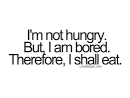
    therefore(adverb)

    /ˈðerfɔːr/

    bu yüzden, dolayısıyla

    used to introduce the logical result of something that has just been mentioned

    He's only 17 and therefore not eligible to vote.

    Daha 17 yaşında ve bu yüzden oy kullanma hakkı yok.

    There is still much to discuss. We shall, therefore, return to this item at our next meeting.

    Eş anlamlılarconsequentlythushenceaccordinglyfor that reasonas a result
    Zıt anlamlılarbecausesinceasin spite ofdespite
  4. 4

    rather(adverb)

    /ˈræðər/

    oldukça, epeyce, bayağı

    used to mean ‘fairly’ or ‘to some degree’, often when you are disappointed, surprised or expressing slight criticism

    She fell and hurt her leg rather badly.

    Düştü ve bacağını oldukça kötü incitti.

    I didn't fail the exam; in fact I did rather well!

    Eş anlamlılarsomewhatquitefairlyprettymoderatelyslightlyrelatively
    Zıt anlamlılarcompletelytotallyentirelyabsolutelyfullynot at all
  5. 5

    ourselves(pronoun)

    /ɑːrˈselvz/

    kendimiz

    the reflexive form of we ; used when you and another person or other people together cause and are affected by an action

    We'd like to see it for ourselves.

    Onu kendimiz görmek isteriz.

    We shouldn't blame ourselves for what happened.

    Eş anlamlılarpersonallydirectlyin personon our own
    Zıt anlamlılarsomeone elseanother personindirectly
  6. 6

    him(pronoun)

    /hɪm/

    onu, ona

    used as the object of a verb, after the verb be or after a preposition to refer to a male person or animal that has already been mentioned or is easily identified

    When did you see him?

    Onu ne zaman gördün?

    He took the children with him.

    Eş anlamlılarhethat guythe manthe boy
    Zıt anlamlılarherthemshe
  7. 7

    few(determiner)

    /fjuː/

    az, pek az

    used with plural nouns and a plural verb to mean ‘not many’

    Few people understand the difference.

    Çok az insan farkı anlıyor.

    There seem to be fewer tourists around this year.

    Eş anlamlılara small number ofnot manylimitedscarcerare
    Zıt anlamlılarmanynumerousa lotplentyabundant
  8. 8

    himself(pronoun)

    /hɪmˈself/

    kendisi, kendi

    used when the man or boy who performs an action is also affected by it

    Peter ought to be ashamed of himself.

    Peter kendinden utanmalı.

    He introduced himself.

    Eş anlamlılarselfpersonallyin person
    Zıt anlamlılarotherssomeone else
  9. 9

    quite(adverb)

    /kwaɪt/

    oldukça, epey, gayet

    to some degree

    The test was quite easy, so I finished early.

    Sınav oldukça kolaydı, bu yüzden erken bitirdim.

    Eş anlamlılarrathersomewhatprettyfairlyreasonablyto some extent
    Zıt anlamlılarnot at allcompletelyentirelyabsolutelytotally
  10. 10

    them(pronoun)

    /ðəm/

    onları, onlara

    used when referring to people, animals or things as the object of a verb or preposition, or after the verb be

    Did you eat all of them?

    Hepsini yedin mi?

    What are you doing with those matches? Give them to me.

    Eş anlamlılarthosethesethe peoplethe ones
    Zıt anlamlılarnone
  11. 11

    via(preposition)

    /ˈvaɪə/

    üzerinden, yoluyla

    through a place

    We flew home via Dubai.

    Dubai üzerinden eve uçtuk.

    The truck driver was waiting to unload.

    Eş anlamlılarby way ofthroughby means ofusingover
    Zıt anlamlılardirectlywithoutexcludingavoiding
  12. 12

    we(pronoun)

    /wi/

    biz

    I and another person or other people; I and you

    We are students.

    Biz öğrenciyiz.

    We'd (= the company would) like to offer you the job.

    Eş anlamlılarusourselves
    Zıt anlamlılarIme
  13. 13

    his(determiner)

    /hɪz/

    onun

    of or belonging to a man or boy who has already been mentioned or is easily identified

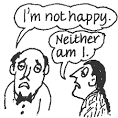
    His pen is very nice.

    Onun kalemi çok güzel.

    The choice was his.

    Eş anlamlılarbelonging to himof himhis own
    Zıt anlamlılarhertheirmyyour
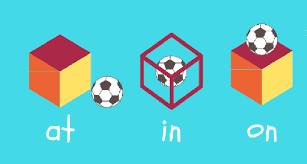
  14. 14

    such(determiner, pronoun)

    /sʌtʃ/

    böyle, öyle, bu tür

    used for referring to someone or something that is of the type already mentioned

    He said he didn't have time or made some such excuse.

    Vaktinin olmadığını ya da buna benzer bir bahane söyledi.

    We were second-class citizens and they treated us as such.

    Eş anlamlılarlike thatof that kindsimilaridenticalequivalent
    Zıt anlamlılardissimilardifferentunlike
  15. 15

    that(pronoun)

    /ðæt/

    şu, o

    used for referring to a person or thing that is not near the speaker or as near to the speaker as another

    That is my school.

    Şu benim okulum.

    She said (that) the story was true.

    Eş anlamlılarthat onethe oneitwhich
    Zıt anlamlılarthis
  16. 16

    they(pronoun)

    /ðeɪ/

    onlar

    people, animals or things that have already been mentioned or are easily identified

    They are my friends.

    Onlar benim arkadaşlarım.

    ‘Where are John and Liz?’ ‘They went for a walk.’

    Eş anlamlılarthose peoplethese peoplethemthe ones
    Zıt anlamlılarImeheshehimher
  17. 17

    finally(adverb)

    /ˈfaɪnəli/

    sonunda, nihayet

    after a long time, especially when there has been some difficulty or delay

    After waiting for two hours, the bus finally arrived.

    İki saat bekledikten sonra otobüs sonunda geldi.

    Eş anlamlılareventuallyultimatelyin the endat lastin conclusion
    Zıt anlamlılarinitiallyfirstto begin withat firstoriginally
  18. 18

    somewhat(adverb)

    /ˈsʌmwʌt/

    biraz, bir ölçüde

    to some degree

    What happened to them remains somewhat of a mystery.

    Onlara ne olduğu hâlâ biraz gizemini koruyor.

    I was somewhat surprised to see him.

    Eş anlamlılarslightlya littleratherkind ofsort ofto some extentpartiallymoderately
    Zıt anlamlılarcompletelyentirelytotallyfullyabsolutelydefinitely
  19. 19

    most(determiner)

    /məʊst/

    en çok, en fazla

    the largest in number or amount

    Which team scored the most goals in the match?

    Maçta hangi takım en çok gol attı?

    Eş anlamlılargreatestmaximumlargestmajoritysupreme
    Zıt anlamlılarleastminimumsmallest
  20. 20

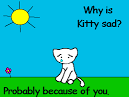
    why(adverb)

    /waɪ/

    neden, niçin

    used in questions to ask the reason for or purpose of something

    Why is Hoa sad?

    Hoa neden üzgün?

    Tell me why you did it.

    Eş anlamlılarfor what reasonhow sowherefore
    Zıt anlamlılarbecause
  21. 21

    you(pronoun)

    /jə/

    sen, siz

    used as the subject or object of a verb or after a preposition to refer to the person or people being spoken or written to

    You are very kind.

    Çok naziksin.

    Can I sit next to you?

    Eş anlamlılarthoutheeyourself
    Zıt anlamlılarbayoucy youngcyrus the youngerdanton true youngdo-it-yourselfedward younggo-as-you-pleasegood for you
  22. 22

    could(modal verb)

    /kəd/

    -ebilmek, -abilmek

    used as the past tense of ‘can’

    She said that she couldn't come.

    Gelemeyeceğini söyledi.

    I couldn't hear what they were saying.

    Eş anlamlılarwas able towas capable ofhad the ability tomightmay
    Zıt anlamlılarcouldn'twas unable tocan't
  23. 23

    the(determiner)

    /ðə/

    belirtme tanımlığı (karşılığı yok)

    used to refer to somebody/something that has already been mentioned or is easily understood

    There were three questions. The first two were relatively easy but the third one was hard.

    Üç soru vardı. İlk ikisi nispeten kolaydı ama üçüncüsü zordu.

    The nights are getting longer.

    Eş anlamlılarthatthis
    Zıt anlamlılaraan
  24. 24

    though(adverb)

    /ðəʊ/

    gerçi, yine de

    used especially at the end of a sentence to add a fact or opinion that makes the previous statement less strong

    Our team lost. It was a good game though.

    Takımımız kaybetti. Yine de güzel bir maçtı.

    ‘Have you ever been to Australia?’ ‘No. I'd like to, though.’

    Eş anlamlılaralthoughhoweverneverthelessstillyeteven though
    Zıt anlamlılarbecausesincetherefore
  25. 25

    as(conjunction)

    /əz/

    -ken, -dığı sırada

    while something else is happening

    He sat watching her as she got ready.

    O hazırlanırken oturup onu izliyordu.

    As she grew older she gained in confidence.

    Eş anlamlılarwhilewhenbecausesincelikesuch as
    Zıt anlamlılarunlikedissimilarly
  26. 26

    May(modal verb)

    /meɪ/

    -ebilmek, -ebilir

    used to say that something is possible

    May I open the window, please?

    Pencereyi açabilir miyim lütfen?

    Eş anlamlılarfifth monthspringtime
  27. 27

    some(determiner)

    /sʌm/

    birkaç, bazı, biraz

    used with uncountable nouns or plural countable nouns to mean ‘an amount of’ or ‘a number of’, when the amount or number is not given

    I have some friends.

    Birkaç arkadaşım var.

    Here are some of our suggestions.

    Eş anlamlılara fewseverala number ofcertainvariousany
    Zıt anlamlılarnonealleverynowhole
  28. 28

    anyone(pronoun)

    /ˈeniwʌn/

    kimse, hiç kimse

    used instead of someone in negative sentences and in questions after if /whether , and after verbs such as prevent , forbid , avoid , etc.

    Hardly anyone came.

    Neredeyse hiç kimse gelmedi.

    I forbid anyone to touch that clock.

    Eş anlamlılaranybodysomeonesomebodyany personeverybody
    Zıt anlamlılarnobodyno onenone
  29. 29

    at(preposition)

    /ət/

    -de, -da

    used to say where something/somebody is or where something happens

    We plan to stay at the Sheraton Hotel.

    Sheraton Hotel'de kalmayı planlıyoruz.

    at the corner of the street

    Eş anlamlılarinonnearbywithin
    Zıt anlamlılaraway fromdistant fromremote from
  30. 30

    us(pronoun)

    /əs/

    bizi, bize

    used when the speaker or writer and another or others are the object of a verb or preposition, or after the verb be

    Hello, it's us back again.

    Merhaba, yine biziz.

    We'll take the dog with us.

    Eş anlamlılarweourselveswe all
    Zıt anlamlılarthemyouI
  31. 31

    probably(adverb)

    /ˈprɑːbəbli/

    muhtemelen, büyük olasılıkla

    used to say that something is likely to happen or to be true

    The decision to set up a new company is probably his most risky decision.

    Yeni bir şirket kurma kararı, muhtemelen onun en riskli kararıdır.

    It was the best known and probably the most popular of her songs.

    Eş anlamlılarlikelypossiblypresumablyperhapsmaybeconceivablydoubtless
    Zıt anlamlılarcertainlydefinitelysurelyundoubtedly
  32. 32

    except(preposition)

    /ɪkˈsept/

    hariç, dışında

    used before you mention the only thing or person about which a statement is not true

    We work every day except Sunday.

    Pazar hariç her gün çalışıyoruz.

    Our dresses were the same except mine was red.

    Eş anlamlılarexcludingbutsaveapart fromaside fromwith the exception of
    Zıt anlamlılarincludingplusin addition to
  33. 33

    mine(pronoun)

    /maɪn/

    benimki

    of or belonging to the person writing or speaking

    She wanted one like mine (= like I have).

    O da benimki gibi bir tane istiyordu.

    He's a friend of mine(= one of my friends).

    Eş anlamlılarbelonging to memy ownmy property
    Zıt anlamlılaryourshisherstheirs
  34. 34

    what(pronoun, determiner)

    /wʌt/

    ne, hangi

    used in questions to ask for particular information about somebody/something

    What is your favorite book?

    En sevdiğin kitap ne?

    What is your name?

    Eş anlamlılarwhichthathowthe thing thatthe item that
    Zıt anlamlılarnonenothing
  35. 35

    after(preposition)

    /ˈæftər/

    sonra, -den sonra

    later than something; following something in time

    Let’s meet after 5.

    Saat 5'ten sonra buluşalım.

    I could come next week, or the week after.

    Eş anlamlılarfollowinglatersubsequentbehind
    Zıt anlamlılarbeforepriorpreceding
  36. 36

    any(determiner)

    /ˈeni/

    hiç, herhangi bir

    used with uncountable or plural nouns in negative sentences and questions, after if or whether , and after some verbs such as prevent , ban , forbid , etc. to refer to an amount or a number of something, however large or small

    I've got hardly any money.

    Neredeyse hiç param yok.

    She asked if we had any questions.

    Eş anlamlılarsomeoneeveryeachalleither
    Zıt anlamlılarnonenonever
  37. 37

    surely(adverb)

    /ˈʃʊrli/

    elbette, kesinlikle

    used to show that you are almost certain of what you are saying and want other people to agree with you

    Surely we should do something about it?

    Bu konuda kesinlikle bir şeyler yapmalıyız, değil mi?

    It's surely only a matter of time before he is found, isn't it?

    Eş anlamlılarcertainlydefinitelyundoubtedlyassuredlyabsolutelyof coursewithout a doubt
    Zıt anlamlılaruncertainlydoubtfullypossiblymaybeperhaps
  38. 38

    your(determiner)

    /jʊr/

    senin, sizin

    of or belonging to the person or people being spoken or written to

    Your pen is very nice.

    Kalemin çok güzel.

    Excuse me, is this your seat?

    Eş anlamlılarbelonging to youof you
    Zıt anlamlılarmyhishertheirour
  39. 39

    by(preposition)

    /baɪ/

    ile, -le, -la

    used for showing how or in what way something is done

    We usually go to school by bus, but today we walked.

    Okula genellikle otobüsle gideriz, ama bugün yürüdük.

    Eş anlamlılarnearnext tobesideclose toalongside
    Zıt anlamlılarfar fromaway from
  40. 40

    our(determiner)

    /ɑːr/

    bizim

    belonging to us; connected with us

    Our school is very nice.

    Okulumuz çok güzel.

    Our main export is rice.

    Eş anlamlılarbelonging to usof ours
    Zıt anlamlılartheirtheirsyour
  41. 41

    yeah(exclamation)

    /jeə/

    evet, he

    yes

    "Do you like your job?" "Yeah, it's all right I suppose."

    'İşini seviyor musun?' 'Evet, sanırım fena değil.'

    to have good/perfect/poor/blurred/normal vision

    Eş anlamlılaryesyepsureindeedrightokay
    Zıt anlamlılarnonopenah
  42. 42

    her(pronoun)

    /hər/

    onu, ona

    used as the object of a verb, after the verb be or after a preposition to refer to a woman or girl who has already been mentioned or is easily identified

    I saw her at the park yesterday and said hello.

    Dün onu parkta gördüm ve merhaba dedim.

    Eş anlamlılarbelonging to herhersof her
    Zıt anlamlılarhistheirmyyour
  43. 43

    towards(preposition)

    /tɔːrdz/

    -e doğru, yönünde

    in the direction of somebody/something

    She had her back towards me.

    Sırtı bana dönüktü.

    They were heading towards the German border.

    Eş anlamlılartoin the direction ofnearapproachingaround
    Zıt anlamlılaraway fromfrom
  44. 44

    especially(adverb)

    /ɪˈspeʃəli/

    özellikle

    more with one person, thing, etc. than with others, or more in particular circumstances than in others

    Teenagers are very fashion conscious, especially girls.

    Gençler modaya çok düşkündür, özellikle de kızlar.

    I love Rome, especially in the spring.

    Eş anlamlılarparticularlymainlyprimarilynotablysignificantlyin particular
    Zıt anlamlılargenerallyusuallyordinarilycommonlytypically
  45. 45

    everything(pronoun)

    /ˈevriθɪŋ/

    her şey

    all things

    When we confronted him, he denied everything.

    Onunla yüzleştiğimizde her şeyi inkâr etti.

    She seemed to have everything—looks, money, intelligence.

    Eş anlamlılarallthe whole thingevery single thingeverything under the sunthe works
    Zıt anlamlılarnothingsomethinga littlea few
  46. 46

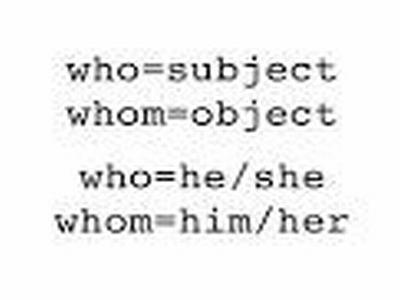
    who(pronoun)

    /huː/

    kim

    used in questions to ask about the name, identity or function of one or more people

    Who is this?

    Bu kim?

    Who is that woman?

    Eş anlamlılarwhich personwhat person
    Zıt anlamlılarnobody
  47. 47

    even(adverb)

    /ˈiːvn/

    bile, hatta, dahi

    used to emphasize something unexpected or surprising

    He never even opened the letter (= so he certainly didn't read it).

    Mektubu açmadı bile (= yani kesinlikle okumadı).

    Even a child can understand it (= so adults certainly can).

    Eş anlamlılaralsojustactuallyreallytrulyindeed
    Zıt anlamlılarnevernotcontrary
  48. 48

    for(preposition)

    /fər/

    için, -e

    used to show who is intended to have or use something or where something is intended to be put

    There's a letter for you

    Sana bir mektup var.

    This is the place for me (= I like it very much).

    Eş anlamlılarintended formeant forin behalf ofon account of
    Zıt anlamlılaragainstfrom
  49. 49

    please(exclamation)

    /pliːz/

    lütfen

    used as a polite way of asking for something or telling somebody to do something

    Can I have a glass of water, please?

    Bir bardak su alabilir miyim, lütfen?

    Eş anlamlılarsatisfydelightgratifyappeasehumor
    Zıt anlamlılardispleaseoffendannoydissatisfyupset
  50. 50

    nearly(adverb)

    /ˈnɪrli/

    neredeyse, az kalsın

    almost; not quite; not completely

    She very nearly died.

    Az kalsın ölüyordu.

    He's nearly as tall as you are.

    Eş anlamlılaralmostpracticallyvirtuallyclose toaboutapproximately
    Zıt anlamlılarcompletelyentirelyfullyabsolutelynowhere near
  51. 51

    nor(conjunction)

    /nɔːr/

    ne de, de değil

    and not

    He wasn't there on Monday. Nor on Tuesday, for that matter.

    Pazartesi orada değildi. Hem zaten Salı günü de değildi.

    Not a building nor a tree was left standing.

    Eş anlamlılarneitheralso notand not
    Zıt anlamlılarandalso
  52. 52

    actually(adverb)

    /ˈæktʃuəli/

    aslında, gerçekten

    used in speaking to emphasize a fact or a comment, or that something is really true

    It's not actually raining now.

    Aslında şu an yağmur yağmıyor.

    There are lots of people there who can actually help you.

    Eş anlamlılarreallyin factgenuinelytrulyveritablyindeedliterally
    Zıt anlamlılartheoreticallyhypotheticallyapparentlyostensiblyseeminglyfalselyincorrectly
  53. 53

    hers(pronoun)

    /hɜːrz/

    onunki

    of or belonging to her

    His eyes met hers.

    Gözleri onunkilerle karşılaştı.

    The choice was hers.

    Eş anlamlılarherbelonging to herof her
    Zıt anlamlılarhismineyoursourstheirs
  54. 54

    least(determiner)

    /liːst/

    en az

    smallest in size, amount, degree, etc.

    This model uses the least fuel of all the cars we tested.

    Bu model, test ettiğimiz tüm arabalar arasında en az yakıtı kullanıyor.

    Eş anlamlılarsmallestminimumtiniestlowest
    Zıt anlamlılarmostgreatestmaximumlargest
  55. 55

    someone(pronoun)

    /ˈsʌmwʌn/

    biri, birisi

    a person who is not known or mentioned by name

    There's someone at the door.

    Kapıda biri var.

    Someone's left their bag behind.

    Eş anlamlılarsomebodya personan individualonea certain person
    Zıt anlamlılarnobodyno oneeveryoneeverybody
  56. 56

    I(pronoun)

    /aɪ/

    ben

    used as the subject of a verb when the speaker or writer is referring to himself/herself

    I am a student.

    Ben öğrenciyim.

    When they asked me if I wanted the job, I said yes.

    Eş anlamlılarMyselfMe
    Zıt anlamlılarYouHeSheItTheyWe
  57. 57

    well(adverb)

    /wel/

    iyi, güzel

    in a good, right or acceptable way

    She speaks English very well.

    O, çok iyi İngilizce konuşuyor.

    Eş anlamlılarwater sourcespringboreholepitshaft
    Zıt anlamlılardrydesertarid land
  58. 58

    including(preposition)

    /ɪnˈkluːdɪŋ/

    dahil, dahil olmak üzere

    having something as part of a group or set

    I've got three days' holiday including New Year's Day.

    Yılbaşı günü dahil üç günlük tatilim var.

    It's £7.50, not including tax.

    Eş anlamlılarcomprisingencompassingincorporatingconsisting ofembracing
    Zıt anlamlılarexcludingomittingexceptingwithoutexcluding
  59. 59

    me(pronoun)

    /mi/

    beni, bana, ben

    the form of I that is used when the speaker or writer is the object of a verb or preposition, or after the verb be

    Hello, it's me.

    Merhaba, benim.

    Don't hit me.

    Eş anlamlılarmyselfI
    Zıt anlamlılaryouhimherthem
  60. 60

    this(determiner, pronoun)

    /ðɪs/

    bu

    used to refer to a particular person, thing or event that is close to you, especially compared with another

    This is my teacher.

    Bu benim öğretmenim.

    Is this your bag?

    Eş anlamlılarthatthea
    Zıt anlamlılarthatthose
  61. 61

    where(adverb)

    /wer/

    nerede, nereye

    in or to what place or situation

    Where is your white shirt?

    Beyaz gömleğin nerede?

    I wonder where they will take us to.

    Eş anlamlılarlocationplacepositionspot
    Zıt anlamlılarnowhere
  62. 62

    she(pronoun)

    /ʃi/

    o

    a female person or animal that has already been mentioned or is easily identified

    Daisy is my friend. She is very kind.

    Daisy benim arkadaşım. O çok kibardır.

    Doesn't she (= the woman we are looking at) look like Sue?

    Eş anlamlılarherthe womanthat woman
    Zıt anlamlılarhehim
  63. 63

    yours(pronoun)

    /jərz/

    seninki, sizinki

    of or belonging to you

    Is that book yours?

    O kitap senin mi?

    My hair is very fine. Yours is much thicker.

    Eş anlamlılarbelonging to youyour property
    Zıt anlamlılarmineanother's
  64. 64

    or(conjunction)

    /ɔːr/

    veya, ya da

    used to introduce another possibility

    Is your sister older or younger than you?

    Kız kardeşin senden büyük mü yoksa küçük mü?

    Are you coming or not?

    Eş anlamlılarotherwisealternatively
    Zıt anlamlılarand
  65. 65

    less(determiner)

    /les/

    daha az

    used with uncountable nouns to mean ‘a smaller amount of’

    You should eat less sugar and more fresh fruit and vegetables.

    Daha az şeker, daha çok taze meyve ve sebze yemelisin.

    Eş anlamlılarfewersmallerreducedlower
    Zıt anlamlılarmoregreaterincreasedhigher
  66. 66

    same(adjective)

    /seɪm/

    aynı

    exactly the one or ones referred to or mentioned; not different

    We treat boys exactly the same as girls.

    Erkek çocuklara tam olarak kızlarla aynı şekilde davranırız.

    He gave me five dollars, same as usual.

    Eş anlamlılaridenticalequalequivalentalikesimilaruniformconsistent
    Zıt anlamlılardifferentdissimilardistinctunequalvaried
  67. 67

    unless(conjunction)

    /ənˈles/

    -medikçe, olmadıkça

    used to say that something can only happen or be true in a particular situation

    You won't get paid for time off unless you have a doctor's note.

    Doktor raporun olmadıkça izinli olduğun süre için ücret alamazsın.

    Unless I'm mistaken, she was back at work yesterday.

    Eş anlamlılarexcept ifif notbutsave
    Zıt anlamlılarifprovided thatas long as
  68. 68

    another(determiner)

    /əˈnʌðər/

    bir tane daha, başka bir

    one more; an extra thing or person

    Would you like another drink?

    Bir içecek daha ister misiniz?

    ‘Finished?’ ‘No, I've got another three questions to do.’

    Eş anlamlılaradditionalextrafurthermoredifferentone more
    Zıt anlamlılarnoneno morethe same
  69. 69

    definitely(adverb)

    /ˈdefɪnətli/

    kesinlikle, mutlaka

    a way of emphasizing that something is true and that there is no doubt about it

    I will definitely come to your wedding party.

    Düğün partine kesinlikle geleceğim.

    ‘Do you plan to have children?’ ‘Definitely not!’

    Eş anlamlılarcertainlyabsolutelysurelyassuredlypositivelyundoubtedlyunquestionably
    Zıt anlamlılarmaybepossiblyperhapsuncertainlydoubtfully
  70. 70

    both(determiner, pronoun)

    /bəʊθ/

    her ikisi, ikisi de

    used with plural nouns to mean ‘the two’ or ‘the one as well as the other’

    We have both seen the movie.

    İkimiz de filmi izledik.

    Both (my) sisters live in London.

    Eş anlamlılartwocouplepairthe pair
    Zıt anlamlılarneithernoneeither
  71. 71

    about(preposition)

    /əˈbaʊt/

    hakkında, ile ilgili

    on the subject of somebody/something; in connection with somebody/something

    We talked about our favourite sports after school.

    Okuldan sonra en sevdiğimiz sporlar hakkında konuştuk.

    Eş anlamlılarapproximatelyaroundroughlynearlyalmostclose to
    Zıt anlamlılarexactlypreciselydefinitelycertainly
  72. 72

    goodbye(exclamation)

    /ˌɡʊdˈbaɪ/

    hoşça kal, güle güle, elveda

    used when you are leaving somebody or when somebody else is leaving

    Goodbye, Tom! See you at school tomorrow.

    Hoşça kal, Tom! Yarın okulda görüşürüz.

    Eş anlamlılarfarewelladieuso longbyeadieu
    Zıt anlamlılarhellogreetingwelcome
  73. 73

    anything(pronoun)

    /ˈeniθɪŋ/

    bir şey, herhangi bir şey

    used instead of something in negative sentences and in questions; after if /whether ; and after verbs such as prevent , ban , avoid , etc.

    If you remember anything, please let us know.

    Bir şey hatırlarsanız lütfen bize haber verin.

    There's never anything worth watching on TV.

    Eş anlamlılarsomethingeverythingallanywhatever
    Zıt anlamlılarnothing
  74. 74

    of(preposition)

    /əv/

    -in, -e ait

    belonging to somebody; relating to somebody

    the paintings of Monet

    Monet'nin tabloları

    Can't you throw out that old bike of Tommy's?

    Eş anlamlılarbelonging tofromrelating toassociated withregardingconcerning
    Zıt anlamlılarwithoutlacking
  75. 75

    which(pronoun)

    /wɪtʃ/

    hangi, hangisi

    used in questions to ask somebody to be exact about one or more people or things from a limited number

    Which of the applicants has got the job?

    Başvuranlardan hangisi işi aldı?

    Which is better exercise—swimming or tennis?

    Eş anlamlılarwhatthatwhowhateverwhichever
    Zıt anlamlılarnoneno one
  76. 76

    whoever(pronoun)

    /huːˈevər/

    her kim, kim olursa olsun

    the person or people who; any person who

    Whoever says that is a liar.

    Bunu kim söylüyorsa yalancıdır.

    Send it to whoever is in charge of sales.

    Eş anlamlılaranyoneeverybodyeveryoneany personno matter who
    Zıt anlamlılarnobodyno one
  77. 77

    although(conjunction)

    /ɔːlˈðəʊ/

    -e rağmen, her ne kadar

    used for introducing a statement that makes the main statement in a sentence seem surprising

    Although small, the kitchen is well designed.

    Küçük olmasına rağmen mutfak iyi tasarlanmış.

    Although the sun was shining, it wasn't very warm.

    Eş anlamlılarthougheven thoughwhilstnotwithstandingalbeit
    Zıt anlamlılarbecausesinceasdue to
  78. 78

    none(pronoun)

    /nʌn/

    hiçbiri, hiç

    not one of a group of people or things; not any

    Tickets for Friday? Sorry we've got none left.

    Cuma için bilet mi? Üzgünüz, hiç kalmadı.

    ‘Is there any more milk?’ ‘No, none at all.’

    Eş anlamlılarzeronot onenothingnilnada
    Zıt anlamlılarsomeanyallplentymany
  79. 79

    their(determiner)

    /ðer/

    onların

    of or belonging to people, animals or things that have already been mentioned or are easily identified

    Their school is very nice.

    Onların okulu çok güzel.

    Which is their house?

    Eş anlamlılarbelonging to themof them
    Zıt anlamlılarmyyourourhisherits
  80. 80

    generally(adverb)

    /ˈdʒenrəli/

    genel olarak, genellikle

    by or to most people

    The plan was generally welcomed.

    Plan genel olarak olumlu karşılandı.

    The new drug will be generally available from January.

    Eş anlamlılarusuallytypicallynormallycommonlylargelymostlyin general
    Zıt anlamlılarspecificallyparticularlyexceptionallyrarelyunusually
  81. 81

    really(adverb)

    /ˈriːəli/

    gerçekten, çok

    used to emphasize an adjective or adverb

    The film was really good, so we watched it again.

    Film gerçekten iyiydi, bu yüzden onu bir kez daha izledik.

    Eş anlamlılartrulyactuallygenuinelyindeedverilysincerely
    Zıt anlamlılarfalselyapparentlyseeminglypretendlyvirtually
  82. 82

    however(adverb)

    /haʊˈevər/

    ancak, ama, bununla birlikte

    used to introduce a statement that contrasts with something that has just been said

    I'd love to come to your party. However, I'm very busy this week.

    Partine gelmeyi çok isterdim. Ancak bu hafta çok meşgulüm.

    Eş anlamlılarNeverthelessNonethelessYetStillEven soDespite thatIn spite of that
    Zıt anlamlılarThereforeThusConsequentlyAccordingly
  83. 83

    something(pronoun)

    /ˈsʌmθɪŋ/

    bir şey

    a thing that is not known or mentioned by name

    There is something in my bag, but I don't know what it is.

    Çantamda bir şey var ama ne olduğunu bilmiyorum.

    Eş anlamlılarthingitemobjectmatterstuffentity
    Zıt anlamlılarnothing
  84. 84

    can(modal verb)

    /kən/

    -ebilmek, -abilmek

    used to say that it is possible for somebody/something to do something, or for something to happen

    I can swim, but I can't ride a horse.

    Yüzebilirim ama ata binemem.

    Eş anlamlılarpreservetinput up
    Zıt anlamlılarfreshunprocessedunpackaged
  85. 85

    my(determiner)

    /maɪ/

    benim

    of or belonging to the speaker or writer

    My name is Andy.

    Benim adım Andy.

    My feet are cold.

    Eş anlamlılarbelonging to meof minepersonally owned
    Zıt anlamlılaryourhishertheirits
  86. 86

    also(adverb)

    /ˈɔːlsəʊ/

    ayrıca, da

    in addition; too

    She's fluent in French and German. She also speaks a little Italian.

    Fransızca ve Almancayı akıcı konuşuyor. Ayrıca biraz da İtalyanca biliyor.

    rubella, also known as German measles

    Eş anlamlılartooas wellin additionfurthermoremoreover
    Zıt anlamlılarneithernorinsteadconversely
  87. 87

    must(modal verb)

    /məst/

    -meli, zorunda olmak

    used to say that something is necessary or very important (sometimes involving a rule or a law)

    ‘Do we have to finish this today?’ ‘Yes, you must.’

    'Bunu bugün bitirmek zorunda mıyız?' 'Evet, zorundasınız.'

    I must ask you not to do that again.

    Eş anlamlılarshouldought toneed torequiredobligednecessary
    Zıt anlamlılarmaycanoptionallyneedn'tshouldn't
  88. 88

    but(conjunction)

    /bət/

    ama, fakat, ancak

    used to introduce a word or phrase that contrasts with what was said before

    I would like to come to the party, but I am too busy.

    Partiye gelmek isterdim ama çok meşgulüm.

    Eş anlamlılarhoweveryetalthoughthoughneverthelessstill
    Zıt anlamlılarandalsofurthermore
  89. 89

    not(adverb)

    /nɑːt/

    değil, -me/-ma

    used with be , do or have to form the negative of verbs; used to form the negative of modal verbs like can or must

    I am not hungry, but I am very tired.

    Aç değilim ama çok yorgunum.

    Eş anlamlılarnonayneveropposite ofnegation
    Zıt anlamlılaryestruepositiveaffirmative
  90. 90

    completely(adverb)

    /kəmˈpliːtli/

    tamamen, tümüyle

    in every way possible; in every part

    completely different

    tamamen farklı

    completely and utterly broke

    Eş anlamlılartotallyentirelyfullyutterlyabsolutelyperfectlywholly
    Zıt anlamlılarpartiallyincompletelysomewhatslightlypartly
  91. 91

    nevertheless(adverb)

    /ˌnevərðəˈles/

    yine de, buna rağmen

    despite something that you have just mentioned

    Our defeat was expected but it is disappointing nevertheless.

    Yenilgimiz bekleniyordu ama yine de hayal kırıklığı yarattı.

    The old system had its flaws, but nevertheless it was preferable to the new one.

    Eş anlamlılarhowevernonethelessstillyeteven so
    Zıt anlamlılarthereforeconsequentlythusso
  92. 92

    should(modal verb)

    /ʃəd/

    -meli, -malı

    used to say what is the right or sensible thing to do, especially when giving advice

    You should see a doctor if your fever gets worse.

    Ateşin artarsa bir doktora görünmelisin.

    Eş anlamlılarought tomustshallneed tobe obliged to
    Zıt anlamlılarshouldn'tmustn'tneedn't
  93. 93

    either(determiner, pronoun)

    /ˈiːðər/

    her iki, herhangi biri

    one or the other of two; it does not matter which

    You can park on either side of the street.

    Sokağın her iki yanına park edebilirsiniz.

    Eş anlamlılaralsotooas welllikewisesimilarly
    Zıt anlamlılaronlyalonesolely
  94. 94

    used(adjective)

    /juːst/

    alışkın, alışık

    familiar with something because you do it or experience it often

    She is used to getting up early for work every day.

    O, her gün iş için erken kalkmaya alışkın.

    Eş anlamlılarsecondhandpre-ownedwornutilizedemployedhand-me-down
    Zıt anlamlılarnewunusedbrand newfreshoriginal
  95. 95

    every(determiner)

    /ˈevri/

    her

    used with singular nouns to refer to all the members of a group of things or people

    Every classroom has 25 desks.

    Her sınıfta 25 sıra var.

    They were watching her every movement.

    Eş anlamlılareachallanythe whole of
    Zıt anlamlılarnononesomefew
  96. 96

    moreover(adverb)

    /mɔːrˈəʊvər/

    ayrıca, üstelik

    used to introduce some new information that adds to or supports what you have said previously

    A talented artist, he was, moreover, a writer of some note.

    Yetenekli bir sanatçıydı; ayrıca, hatırı sayılır bir yazardı.

    a piece of metal

    Eş anlamlılarfurthermorebesidesin additionalsomoreoveradditionallytoo
    Zıt anlamlılarconverselyhoweverneverthelessdespitealthoughinstead
  97. 97

    hi(exclamation)

    /haɪ/

    selam, merhaba

    used to say hello

    Hi, there! How're you doing?

    Selam! Nasıl gidiyor?

    Hi, Peter.

    Eş anlamlılarhellogreetingsheyhowdygood day
    Zıt anlamlılargoodbyefarewellsee youso longadieu
  98. 98

    fairly(adverb)

    /ˈferli/

    oldukça, epey

    to some extent but not very

    a fairly easy book

    oldukça kolay bir kitap

    a fairly typical reaction

    Eş anlamlılarquiterathersomewhatmoderatelyreasonablypretty
    Zıt anlamlılarextremelyveryexceptionallyincrediblyunusually
  99. 99

    all(determiner)

    /ɔːl/

    bütün, tüm, hepsi

    the whole number of

    All the students in my class passed the exam.

    Sınıfımdaki bütün öğrenciler sınavı geçti.

    Eş anlamlılarentirewholecompleteeveryeverything
    Zıt anlamlılarnonenothingpartsome
  100. 100

    so(conjunction)

    /səʊ/

    bu yüzden, o yüzden, bu nedenle

    used to show the result of something; therefore

    It was still painful so I went to see a doctor.

    Hâlâ acıyordu, o yüzden doktora gittim.

    He never seems to smile.

    Eş anlamlılarthereforeconsequentlyhencethusaccordingly
    Zıt anlamlılarbecausesince
  101. 101

    particularly(adverb)

    /pərˈtɪkjələrli/

    özellikle

    especially; more than usual or more than others

    I enjoyed the play, particularly the second half.

    Oyunu beğendim, özellikle de ikinci yarısını.

    particularly good/important/useful

    Eş anlamlılarespeciallyspecificallynotablyin particularprimarilymainly
    Zıt anlamlılargenerallyusuallytypicallycommonlyordinarilyin general
  102. 102

    absolutely(adverb)

    /ˈæbsəluːtli/

    kesinlikle, tamamen

    used to emphasize that something is completely true

    It was absolutely pouring with rain.

    Yağmur kesinlikle bardaktan boşanırcasına yağıyordu.

    He made it absolutely clear.

    Eş anlamlılarcompletelytotallyutterlydefinitelycertainlypositivelyunquestionablyundoubtedly
    Zıt anlamlılarrelativelypartiallysomewhatpossiblyincompletely
  103. 103

    certainly(adverb)

    /ˈsɜːrtnli/

    kuşkusuz, elbette

    without doubt

    She was certainly attractive but you couldn't call her beautiful.

    Kuşkusuz çekiciydi ama ona güzel diyemezdiniz.

    I'm certainly never going there again.

    Eş anlamlılardefinitelyassuredlyundoubtedlyabsolutelypositivelysurely
    Zıt anlamlılaruncertainlydoubtfullypossiblymaybeperhaps
  104. 104

    from(preposition)

    /frəm/

    -den, -dan

    used to show where somebody/something starts

    She began to walk away from him

    Ondan uzaklaşmaya başladı

    Has the train from Bristol arrived?

    Eş anlamlılaroriginating inout ofaway fromstarting at
    Zıt anlamlılartotowardattowards
  105. 105

    whom(pronoun)

    /huːm/

    kimi, kime

    used instead of ‘who’ as the object of a verb or preposition

    Whom did they invite?

    Kimi davet ettiler?

    To whom should I write?

    Eş anlamlılarwho (formal)the person whomthe one whom
    Zıt anlamlılarwho (informal)thatwhich
  106. 106

    wherever(conjunction)

    /werˈevər/

    nerede olursa, her nerede

    in or to any place

    You can sit wherever you like in the classroom.

    Sınıfta istediğin yere oturabilirsin.

    Eş anlamlılaranywherein any placewhere so ever
    Zıt anlamlılarnowheresomewhere specific
  107. 107

    shall(modal verb)

    /ʃəl/

    -ecek, -acak

    used with I and we for talking about or predicting the future

    I shall be away next week, so please call my assistant.

    Gelecek hafta burada olmayacağım, lütfen asistanımı arayın.

    Eş anlamlılarwillshouldmustought to
    Zıt anlamlılarwon'tshan'tmustn't
  108. 108

    maybe(adverb)

    /ˈmeɪbi/

    belki

    used when you are not certain that something will happen or that something is true or is a correct number

    Maybe he'll come, maybe he won't.

    Belki gelir, belki gelmez.

    We go there maybe once or twice a month.

    Eş anlamlılarperhapspossiblyconceivablyperchancemayhap
    Zıt anlamlılarcertainlydefinitelysurelycertainabsolutely
  109. 109

    a(determiner)

    /ə/

    bir

    used before countable or singular nouns referring to people or things that have not already been mentioned

    She's a friend of my father's (= one of my father's friends).

    O, babamın bir arkadaşı (= babamın arkadaşlarından biri).

    a man/horse/unit

    Eş anlamlılaroneanany
    Zıt anlamlılartheall
  110. 110

    during(preposition)

    /ˈdʊrɪŋ/

    boyunca, sırasında

    all through a period of time

    There are extra flights to Colorado during the winter.

    Kış boyunca Colorado'ya ek uçuş seferleri var.

    There are extra flights to Colorado during the winter.

    Eş anlamlılarwhilethroughoutinin the course offor the duration ofin the period of
    Zıt anlamlılarbeforeafter
  111. 111

    whereas(conjunction)

    /ˌwerˈæz/

    oysa, buna karşılık

    used to compare or contrast two facts

    Some of the studies show positive results, whereas others do not.

    Bazı çalışmalar olumlu sonuçlar gösteriyor, oysa diğerleri göstermiyor.

    We thought she was arrogant, whereas in fact she was just very shy.

    Eş anlamlılarwhilealthoughbuton the other handconversely
    Zıt anlamlılarsimilarlylikewisealsoin addition
  112. 112

    yes(exclamation)

    /jes/

    evet

    used to answer a question and say that something is correct or true

    Yes, it's me.

    Evet, benim.

    ‘Are you coming? Yes or no?’

    Eş anlamlılaraffirmativeindeedayesurecertainlyabsolutely
    Zıt anlamlılarnonegativenay
  113. 113

    very(adverb)

    /ˈveri/

    çok

    used before adjectives, adverbs and determiners to mean ‘in a high degree’ or ‘extremely’

    My classroom is very big.

    Sınıfım çok büyük.

    I'm very very grateful.

    Eş anlamlılarextremelyhighlyreallyexceedinglyremarkablyawfully
    Zıt anlamlılarslightlysomewhata littlemoderatelybarely
  114. 114

    whether(conjunction)

    /ˈweðər/

    -ıp -madığı, olup olmadığı

    used to express a doubt or choice between two possibilities

    I'll see whether she's at home (= or not at home).

    Evde olup olmadığına bakacağım.

    It remains to be seen whether or not this idea can be put into practice.

    Eş anlamlılarifin casein the event that
    Zıt anlamlılardefinitelycertainly
  115. 115

    perhaps(adverb)

    /pərˈhæps/

    belki, galiba

    possibly

    ‘Are you going to come?’ ‘Perhaps. I'll see how I feel.’

    ‘Gelecek misin?’ ‘Belki. Kendimi nasıl hissettiğime bakarım.’

    Perhaps he's forgotten.

    Eş anlamlılarmaybepossiblyconceivablyperchancelikelypotentially
    Zıt anlamlılarcertainlydefinitelysurelyabsolutelyassuredly
  116. 116

    everyone(pronoun)

    /ˈevriwʌn/

    herkes

    every person; all people

    Everyone is waiting outside.

    Herkes dışarıda bekliyor.

    Everyone cheered and clapped.

    Eş anlamlılareverybodyalleach personeach onethe whole world
    Zıt anlamlılarno onenobodynone
  117. 117

    with(preposition)

    /wɪð/

    ile, -le, beraberinde

    in the company or presence of somebody/something

    a nice steak with a bottle of red wine

    bir şişe kırmızı şarapla güzel bir biftek

    She lives with her parents.

    Eş anlamlılaralongsideaccompanyingtogether withincludingplus
    Zıt anlamlılarwithout
  118. 118

    each(determiner)

    /iːtʃ/

    her, her biri

    used to refer to every one of two or more people or things, when you are thinking about them separately

    Each answer is worth 20 points.

    Her cevap 20 puan değerindedir.

    There aren't enough books for everyone to have one each.

    Eş anlamlılareveryperindividualallany
    Zıt anlamlılarnoneno
  119. 119

    into(preposition)

    /ˈɪntə/

    içine, -e

    to a position in or inside something

    Come into the house.

    Eve gel.

    She dived into the water.

    Eş anlamlılarwithininsideintowards
    Zıt anlamlılarout ofoutsideoutaway from
  120. 120

    hello(exclamation, noun)

    /həˈləʊ/

    merhaba, selam

    used as a greeting when you meet somebody, in an email, when you answer the phone or when you want to attract somebody’s attention

    Say hello to Liz for me.

    Liz'e benden selam söyle.

    Hello, is there anybody there?

    Eş anlamlılargreetingshiheyhowdygood daywelcome
    Zıt anlamlılargoodbyefarewelladieu
  121. 121

    he(pronoun)

    /hi/

    o

    a male person or animal that has already been mentioned or is easily identified

    He is 10 years old and he is a student.

    O 10 yaşında ve öğrenci.

    He (= the man we are watching) went through that door.

    Eş anlamlılarhimthat personthe manthe boy
    Zıt anlamlılarshethey
  122. 122

    itself(pronoun)

    /ɪtˈself/

    kendisi, kendi kendine

    used when the animal or thing that does an action is also affected by it

    Does the computer turn itself off?

    Bilgisayar kendi kendini kapatıyor mu?

    The cat was washing itself.

    Eş anlamlılarits very beingits own selfin itselfautomaticallyindependently
    Zıt anlamlılarexternallyotheranother
  123. 123

    nothing(pronoun)

    /ˈnʌθɪŋ/

    hiçbir şey

    not anything; no single thing

    Nothing else matters to him apart from his job.

    İşi dışında onun için başka hiçbir şeyin önemi yok.

    There was nothing in her bag.

    Eş anlamlılarnilzeronoughtnadazip
    Zıt anlamlılareverythingsomethinganythingall
  124. 124

    would(modal verb)

    /wʊd/

    -ecekti, -eceğini

    used as the past form of 'will' when reporting what somebody said or thought

    She asked if I would help.

    Yardım edip etmeyeceğimi sordu.

    He said he would be here at eight o'clock (= His words were: ‘I will be there at eight o'clock.’).

    Eş anlamlılarshouldmightcould
    Zıt anlamlılarwill notrefuse
  125. 125

    might(modal verb)

    /maɪt/

    -ebilir, belki

    used when showing that something is or was possible

    He said he might come tomorrow.

    Yarın gelebileceğini söyledi.

    major international companies

    Eş anlamlılarpossiblymaybeperhapscouldmay
    Zıt anlamlılardefinitelycertainlysurelywillmust
  126. 126

    upon(preposition)

    /əˈpɑːn/

    üzerine, üstüne, üzerinde

    on (used in formal or literary English)

    The old book was placed carefully upon the table by the window.

    Eski kitap, pencerenin yanındaki masanın üzerine özenle bırakılmıştı.

    Eş anlamlılaronaboveoveronto
    Zıt anlamlılarunderbeneathbelow
  127. 127

    since(preposition)

    /sɪns/

    -den beri, -den bu yana

    from a time in the past until a later past time, or until now

    I have lived in this city since 2015.

    2015'ten beri bu şehirde yaşıyorum.

    Eş anlamlılarafterbecauseasseeing asinasmuch as
    Zıt anlamlılarbefore
  128. 128

    neither(determiner)

    /ˈniːðər/

    hiçbiri, ikisinden hiçbiri

    not one nor the other of two things or people

    Neither of my parents can speak English.

    Anne babamın hiçbiri İngilizce konuşamaz.

    Eş anlamlılarnornot eitheralso not
    Zıt anlamlılaralsotooeither
  129. 129

    several(determiner, pronoun)

    /ˈsevrəl/

    birkaç, birkaçı

    more than two but not very many

    Several of the paintings were destroyed in the fire.

    Tabloların birkaçı yangında yok oldu.

    If you're looking for a photo of Alice you'll find several in here.

    Eş anlamlılarsomea fewmanyvariousmultiple
    Zıt anlamlılarnonefewsingleone
  130. 130

    basically(adverb)

    /ˈbeɪsɪkli/

    temelde, esas olarak

    in the most important ways, without considering things that are less important

    The two approaches are basically very similar.

    İki yaklaşım temelde birbirine çok benziyor.

    There have been some problems but basically it's a good system.

    Eş anlamlılaressentiallyfundamentallyprimarilymainlylargelygenerallyin essence
    Zıt anlamlılarspecificallyparticularlyuniquelydistinctlydifferentlyin detail
  131. 131

    it(pronoun)

    /ɪt/

    o (cansız varlıklar ve hayvanlar için)

    used to refer to an animal or a thing that has already been mentioned or that is being talked about now

    This is my dog. It is very friendly.

    Bu benim köpeğim. Çok arkadaş canlısıdır.

    Eş anlamlılarthatthisthe thingthe one
    Zıt anlamlılarheshethey
  132. 132

    its(determiner)

    /ɪts/

    onun (cansız varlıklar ve hayvanlar için)

    belonging to or connected with a thing, an animal or a baby

    I have a dog. Its tail is very long.

    Bir köpeğim var. Kuyruğu çok uzun.

    Eş anlamlılarbelonging to itof itbelonging to the thingthereof
    Zıt anlamlılarnone (as it's a possessive pronoun)
  133. 133

    in(preposition)

    /ɪn/

    içinde, -de

    at a point within an area or a space

    The cat is sleeping in the box.

    Kedi kutunun içinde uyuyor.

    Eş anlamlılarwithininsideamongduring
    Zıt anlamlılaroutoutsidewithout
  134. 134

    how(adverb)

    /haʊ/

    nasıl

    in what way or manner

    How do you feel?

    Nasıl hissediyorsun?

    Eş anlamlılarin what wayby what meansto what extentin which manner
    Zıt anlamlılarwhybecause
  135. 135

    amount(noun)

    /əˈmaʊnt/

    miktar, tutar

    a quantity of something

    He paid regular amounts of money to a charity.

    Bir hayır kurumuna düzenli miktarlarda para ödedi.

    Eş anlamlılarquantitysumvolumeextentmeasuredegreeportion
    Zıt anlamlılarlackabsenceinsufficiencyscarcitydeficiency
  136. 136

    bye(exclamation)

    /baɪ/

    hoşça kal, güle güle

    goodbye

    Bye. See you very soon.

    Hoşça kal. Çok yakında görüşürüz.

    Eş anlamlılargoodbyefarewellso longsee you lateradios
    Zıt anlamlılarhellogreetingswelcome
  137. 137

    many(determiner, pronoun)

    /ˈmeni/

    çok, birçok

    used with plural nouns and verbs, especially in negative sentences or in more formal English, to mean ‘a large number of’. Also used in questions to ask about the size of a number, and with ‘as’, ‘so’ and ‘too’.

    There are many toys in my room.

    Odamda birçok oyuncak var.

    Eş anlamlılarnumerousabundantplentifulmultiplevariousseveral
    Zıt anlamlılarfewlittlescarcelimited
  138. 138

    much(determiner)

    /mʌtʃ/

    ne kadar, çok

    used with uncountable nouns, especially in negative sentences to mean ‘a large amount of something’, or after ‘how’ to ask about the amount of something. It is also used with ‘as’, ‘so’ and ‘too’.

    How much milk do we have in the fridge?

    Buzdolabında ne kadar sütümüz var?

    Eş anlamlılara lotgreatlyconsiderablysubstantiallysignificantly
    Zıt anlamlılarlittleslightlyminimally
  139. 139

    because(conjunction)

    /bɪˈkəz/

    çünkü

    for the reason that

    I did it because he told me to.

    Bunu yaptım çünkü o bana öyle söyledi.

    Eş anlamlılarsinceasfordue toin view ofon account of
    Zıt anlamlılardespitealthoughin spite ofregardless ofeven though
  140. 140

    almost(adverb)

    /ˈɔːlməʊst/

    neredeyse, az kalsın

    not quite

    I almost missed the train.

    Neredeyse treni kaçırıyordum.

    Eş anlamlılarnearlypracticallyvirtuallyaboutapproaching
    Zıt anlamlılarcompletelyentirelyfullydefinitely
  141. 141

    anybody(pronoun)

    /ˈenibɑːdi/

    kimse, biri

    used instead of somebody in negative sentences and in questions after if /whether , and after verbs such as prevent , forbid , avoid , etc.

    Has anybody seen my keys?

    Anahtarlarımı gören var mı?

    Eş anlamlılaranyonesomeonesomebodya person
    Zıt anlamlılarnobodyno one
  142. 142

    be(verb)

    /bi/

    olmak

    used when you are naming people or things, describing them or giving more information about them

    I want to be a doctor.

    Doktor olmak istiyorum.

    Eş anlamlılarexistbecomeconstituterepresentequaloccur
    Zıt anlamlılarnonexistenceabsencelack
  143. 143

    besides(preposition)

    /bɪˈsaɪdz/

    -in yanı sıra, -den başka

    in addition to somebody/something; apart from somebody/something

    Besides being a talented musician, she's also a great writer.

    Yetenekli bir müzisyen olmasının yanı sıra, aynı zamanda harika bir yazar.

    Eş anlamlılarin additionfurthermoremoreoveralso
    Zıt anlamlılarinsteadratherconversely
  144. 144

    enough(determiner)

    /ɪˈnʌf/

    yeterli, kâfi

    used before plural or uncountable nouns to mean ‘as many or as much as somebody needs or wants’

    Is there enough food for everyone?

    Herkese yetecek kadar yemek var mı?

    Eş anlamlılarsufficientadequateample
    Zıt anlamlılarinsufficientlackingscarce
  145. 145

    everybody(pronoun)

    /ˈevribɑːdi/

    herkes

    every person; all people

    Everybody loves ice cream.

    Herkes dondurmayı sever.

    Eş anlamlılareveryonealleach person
    Zıt anlamlılarnobodyno one
  146. 146

    firstly(adverb)

    /ˈfɜːrstli/

    ilk olarak, öncelikle

    used to introduce the first of a list of points you want to make in a speech or piece of writing

    Firstly, we need to gather all the materials.

    İlk olarak, tüm malzemeleri toplamamız gerekiyor.

    Eş anlamlılarinitiallyto begin withfirst
    Zıt anlamlılarlastlyfinallysubsequently
  147. 147

    furthermore(adverb)

    /ˌfɜːrðərˈmɔːr/

    ayrıca, üstelik, dahası

    in addition to what has just been stated. Furthermore is used especially to add a point to an argument.

    Furthermore, the data suggests a need for further investigation.

    Ayrıca, veriler daha fazla araştırma yapılması gerektiğini gösteriyor.

    Eş anlamlılarmoreoverbesidesin additionalso
    Zıt anlamlılarconverselyhowevernevertheless
  148. 148

    hey(exclamation)

    /heɪ/

    hey, hop

    used to attract somebody’s attention or to express interest, surprise or anger

    Hey, how are you?

    Hey, nasılsın?

    Eş anlamlılarhihellogreetings
    Zıt anlamlılargoodbyefarewell
  149. 149

    if(conjunction)

    /ɪf/

    eğer, -se

    used to say that one thing can, will or might happen or be true, depending on another thing happening or being true

    I will go to the park if it stops raining.

    Yağmur durursa parka gideceğim.

    Eş anlamlılarprovided thatassuming thatin case
    Zıt anlamlılaronly ifunless
  150. 150

    literally(adverb)

    /ˈlɪtərəli/

    kelimesi kelimesine, tam anlamıyla

    in a literal way

    The French word 'bonjour' literally means 'good day' in English.

    Fransızca 'bonjour' kelimesi kelimesine İngilizcede 'iyi gün' anlamına gelir.

    Eş anlamlılaractuallyverbatimexactlytruly
    Zıt anlamlılarfigurativelymetaphoricallyloosely
  151. 151

    myself(pronoun)

    /maɪˈself/

    kendim

    used when the speaker or writer is also the person affected by an action

    I did it myself.

    Onu kendim yaptım.

    Eş anlamlılarpersonallyaloneoneself
    Zıt anlamlılaranothersomeone else

  152. 152

    nobody(pronoun)

    /ˈnəʊbədi/

    hiç kimse

    not anyone; no person

    There was nobody at the door.

    Kapıda kimse yoktu.

    Eş anlamlılarno onenot a soulzeronone
    Zıt anlamlılareverybodysomeoneanyoneeveryone
  153. 153

    ought(modal verb)

    /ˈɔːt tə/

    -meli, -malı

    used to say what is the right thing to do or what is expected

    You ought to apologize for your behavior.

    Davranışın için özür dilemelisin.

    Eş anlamlılarshouldmustneed tobe obliged to
    Zıt anlamlılarshouldn'tmustn'tneedn't
  154. 154

    ours(pronoun)

    /ɑːrz/

    bizimki, bizim

    the one or ones that belong to us

    That house is ours.

    O ev bizim.

    Eş anlamlılarbelonging to usour property
    Zıt anlamlılaryourstheirs
  155. 155

    secondly(adverb)

    /ˈsekəndli/

    ikinci olarak

    used to introduce the second of a list of points you want to make in a speech or piece of writing

    Secondly, we need to consider the budget.

    İkinci olarak, bütçeyi göz önünde bulundurmamız gerekiyor.

    Eş anlamlılarfurthermoremoreoverin additionnextthen
    Zıt anlamlılarfirstlyprimarily
  156. 156

    somebody(pronoun)

    /ˈsʌmbədi/

    biri, birisi

    a person who is not known or mentioned by name

    Somebody left their umbrella in the office.

    Biri ofiste şemsiyesini unutmuş.

    Eş anlamlılarsomeonea personan individual
    Zıt anlamlılarnobodyno one
  157. 157

    theirs(pronoun)

    /ðerz/

    onlarınki

    of or belonging to them

    That car is theirs.

    Şu araba onlarınki.

    Eş anlamlılarbelonging to themtheir own
    Zıt anlamlılaroursmineyours
  158. 158

    themselves(pronoun)

    /ðəmˈselvz/

    kendileri, kendilerini

    used when people or animals performing an action are also affected by it

    The children looked at themselves in the mirror and laughed.

    Çocuklar aynada kendilerine baktılar ve güldüler.

    Eş anlamlılartheir own selvesthe very people
    Zıt anlamlılaranothersomeone else

  159. 159

    till(preposition)

    /tɪl/

    -e kadar, -e dek

    until

    I will wait till tomorrow.

    Yarına kadar bekleyeceğim.

    Eş anlamlılaruntilup toto the time of
    Zıt anlamlılaraftersince
  160. 160

    whatever(pronoun)

    /wətˈevər/

    her ne, ne olursa

    any or every; anything or everything

    You can eat whatever you like from the table.

    Masadan canın ne istiyorsa onu yiyebilirsin.

    Eş anlamlılaranythingno matter whatit doesn't matterso what
    Zıt anlamlılarsomething specificsomething importanta definite choice
  161. 161

    whatsoever(adverb)

    /ˌwʌtsəʊˈevər/

    hiç, kesinlikle

    not at all; not of any kind

    He has no idea whatsoever.

    Hiçbir fikri yok.

    Eş anlamlılaranythingeverythingat allwhatever
    Zıt anlamlılarnothingnone
  162. 162

    whereby(adverb)

    /werˈbaɪ/

    ki onunla, bu sayede

    by which; because of which

    The contract whereby he was employed has now expired.

    Kendisinin işe alındığı sözleşmenin süresi artık doldu.

    Eş anlamlılarwhereforewherebyby whichin accordance with which
    Zıt anlamlılardespitenotwithstandingregardless of
  163. 163

    yourself(pronoun)

    /jɔːrˈself/

    kendin, kendiniz

    used when the person or people being spoken to both cause and are affected by an action

    Help yourself to some cookies.

    Kurabiyelerden buyurun, kendiniz alın.

    Eş anlamlılarselfpersonallyindividually
    Zıt anlamlılaranotherotherssomebody else

  164. 164

    do(auxiliary verb)

    /duː/

    yardımcı fiil

    used before a full verb to form negative sentences and questions

    Do you like ice cream? No, I don't like it very much.

    Dondurma sever misin? Hayır, pek sevmem.

  165. 165

    too(adverb)

    /tuː/

    de, da, ayrıca

    used at the end of a sentence to mean also or as well

    You like this one, right? I like this, too.

    Bunu beğendin, değil mi? Ben de beğendim.

  166. 166

    being(verb)

    /ˈbiːɪŋ/

    olmak, olma

    the present participle of 'be', used in continuous tenses, passives and as a gerund

    My purpose in life is about being a good person.


    Hayattaki amacım iyi bir insan olmakla ilgili.