Lumaktaw sa nilalaman

Aralin 36/38 · 166 salita · 0 natutunan

Function Words

Mga Salitang Pangkayarian

  1. 1

    and(conjunction)

    /ənd/

    at

    also; in addition to

    Sue and I left early

    Maagang umalis si Sue at ako

    bread and butter

    Kasingkahuluganplusalsotogether within addition to
    Kasalungatornorinstead of
  2. 2

    herself(pronoun)

    /hɜːrˈself/

    sarili

    used when the woman or girl who performs an action is also affected by it

    She must be very proud of herself.

    Siguro ay labis siyang ipinagmamalaki ang kanyang sarili.

    She hurt herself.

    Kasingkahuluganitselfthemselves
    Kasalungatotherssomebody else
  3. 3

    therefore(adverb)

    /ˈðerfɔːr/

    kaya

    used to introduce the logical result of something that has just been mentioned

    He's only 17 and therefore not eligible to vote.

    17 pa lang siya kaya hindi siya kwalipikadong bumoto.

    There is still much to discuss. We shall, therefore, return to this item at our next meeting.

    Kasingkahuluganconsequentlythushenceaccordinglyfor that reasonas a result
    Kasalungatbecausesinceasin spite ofdespite
  4. 4

    rather(adverb)

    /ˈræðər/

    medyo

    used to mean ‘fairly’ or ‘to some degree’, often when you are disappointed, surprised or expressing slight criticism

    She fell and hurt her leg rather badly.

    Siya ay nahulog at nasaktan ang kanyang binti nang medyo malala.

    I didn't fail the exam; in fact I did rather well!

    Kasingkahulugansomewhatquitefairlyprettymoderatelyslightlyrelatively
    Kasalungatcompletelytotallyentirelyabsolutelyfullynot at all
  5. 5

    ourselves(pronoun)

    /ɑːrˈselvz/

    mismo

    the reflexive form of we ; used when you and another person or other people together cause and are affected by an action

    We'd like to see it for ourselves.

    Gusto naming makita ito para sa aming sarili.

    We shouldn't blame ourselves for what happened.

    Kasingkahuluganpersonallydirectlyin personon our own
    Kasalungatsomeone elseanother personindirectly
  6. 6

    him(pronoun)

    /hɪm/

    siya

    used as the object of a verb, after the verb be or after a preposition to refer to a male person or animal that has already been mentioned or is easily identified

    When did you see him?

    Kailan mo siya nakita?

    He took the children with him.

    Kasingkahuluganhethat guythe manthe boy
    Kasalungatherthemshe
  7. 7

    few(determiner)

    /fjuː/

    kakaunti, kaunti

    used with plural nouns and a plural verb to mean ‘not many’

    Few people understand the difference.

    Kakaunting tao ang nakauunawa sa pagkakaiba.

    There seem to be fewer tourists around this year.

    Kasingkahulugana small number ofnot manylimitedscarcerare
    Kasalungatmanynumerousa lotplentyabundant
  8. 8

    himself(pronoun)

    /hɪmˈself/

    sarili

    used when the man or boy who performs an action is also affected by it

    Peter ought to be ashamed of himself.

    Dapat ikahiya ni Peter ang kanyang sarili.

    He introduced himself.

    Kasingkahuluganselfpersonallyin person
    Kasalungatotherssomeone else
  9. 9

    quite(adverb)

    /kwaɪt/

    medyo, katamtaman

    to some degree

    The test was quite easy, so I finished early.

    Medyo madali ang pagsusulit, kaya maaga akong natapos.

    Kasingkahuluganrathersomewhatprettyfairlyreasonablyto some extent
    Kasalungatnot at allcompletelyentirelyabsolutelytotally
  10. 10

    them(pronoun)

    /ðəm/

    sila

    used when referring to people, animals or things as the object of a verb or preposition, or after the verb be

    Did you eat all of them?

    Kinain mo ba silang lahat?

    What are you doing with those matches? Give them to me.

    Kasingkahuluganthosethesethe peoplethe ones
    Kasalungatnone
  11. 11

    via(preposition)

    /ˈvaɪə/

    sa pamamagitan ng

    through a place

    We flew home via Dubai.

    Lumipad kami pauwi sa pamamagitan ng Dubai.

    The truck driver was waiting to unload.

    Kasingkahuluganby way ofthroughby means ofusingover
    Kasalungatdirectlywithoutexcludingavoiding
  12. 12

    we(pronoun)

    /wi/

    kami

    I and another person or other people; I and you

    We are students.

    Kami ay mga estudyante.

    We'd (= the company would) like to offer you the job.

    Kasingkahuluganusourselves
    KasalungatIme
  13. 13

    his(determiner)

    /hɪz/

    kanya

    of or belonging to a man or boy who has already been mentioned or is easily identified

    His pen is very nice.

    Ang kanyang panulat ay napakaganda.

    The choice was his.

    Kasingkahuluganbelonging to himof himhis own
    Kasalungathertheirmyyour
  14. 14

    such(determiner, pronoun)

    /sʌtʃ/

    ganoon, gayon

    used for referring to someone or something that is of the type already mentioned

    He said he didn't have time or made some such excuse.

    Sinabi niyang wala siyang oras o gumawa ng ganoong palusot.

    We were second-class citizens and they treated us as such.

    Kasingkahuluganlike thatof that kindsimilaridenticalequivalent
    Kasalungatdissimilardifferentunlike
  15. 15

    that(pronoun)

    /ðæt/

    iyon, iyan

    used for referring to a person or thing that is not near the speaker or as near to the speaker as another

    That is my school.

    Iyon ang paaralan ko.

    She said (that) the story was true.

    Kasingkahuluganthat onethe oneitwhich
    Kasalungatthis
  16. 16

    they(pronoun)

    /ðeɪ/

    sila

    people, animals or things that have already been mentioned or are easily identified

    They are my friends.

    Sila ang mga kaibigan ko.

    ‘Where are John and Liz?’ ‘They went for a walk.’

    Kasingkahuluganthose peoplethese peoplethemthe ones
    KasalungatImeheshehimher
  17. 17

    finally(adverb)

    /ˈfaɪnəli/

    sa wakas, sa kahulihan

    after a long time, especially when there has been some difficulty or delay

    After waiting for two hours, the bus finally arrived.

    Pagkatapos maghintay ng dalawang oras, sa wakas ay dumating din ang bus.

    Kasingkahuluganeventuallyultimatelyin the endat lastin conclusion
    Kasalungatinitiallyfirstto begin withat firstoriginally
  18. 18

    somewhat(adverb)

    /ˈsʌmwʌt/

    bahagya

    to some degree

    What happened to them remains somewhat of a mystery.

    Ang nangyari sa kanila ay nananatiling bahagyang isang misteryo.

    I was somewhat surprised to see him.

    Kasingkahuluganslightlya littleratherkind ofsort ofto some extentpartiallymoderately
    Kasalungatcompletelyentirelytotallyfullyabsolutelydefinitely
  19. 19

    most(determiner)

    /məʊst/

    pinakamarami, karamihan

    the largest in number or amount

    Which team scored the most goals in the match?

    Aling koponan ang nakapuntos ng pinakamaraming goal sa laro?

    Kasingkahulugangreatestmaximumlargestmajoritysupreme
    Kasalungatleastminimumsmallest
  20. 20

    why(adverb)

    /waɪ/

    bakit

    used in questions to ask the reason for or purpose of something

    Why is Hoa sad?

    Bakit malungkot si Hoa?

    Tell me why you did it.

    Kasingkahuluganfor what reasonhow sowherefore
    Kasalungatbecause
  21. 21

    you(pronoun)

    /jə/

    ikaw

    used as the subject or object of a verb or after a preposition to refer to the person or people being spoken or written to

    You are very kind.

    Napakabait mo.

    Can I sit next to you?

    Kasingkahuluganthoutheeyourself
    Kasalungatbayoucy youngcyrus the youngerdanton true youngdo-it-yourselfedward younggo-as-you-pleasegood for you
  22. 22

    could(modal verb)

    /kəd/

    maaari

    used as the past tense of ‘can’

    She said that she couldn't come.

    Sinabi niya na hindi siya makakarating.

    I couldn't hear what they were saying.

    Kasingkahuluganwas able towas capable ofhad the ability tomightmay
    Kasalungatcouldn'twas unable tocan't
  23. 23

    the(determiner)

    /ðə/

    ang, ang mga

    used to refer to somebody/something that has already been mentioned or is easily understood

    There were three questions. The first two were relatively easy but the third one was hard.

    Tatlo ang tanong. Ang unang dalawa ay medyo madali ngunit mahirap ang pangatlo.

    The nights are getting longer.

    Kasingkahuluganthatthis
    Kasalungataan
  24. 24

    though(adverb)

    /ðəʊ/

    gayunpaman, kahit na

    used especially at the end of a sentence to add a fact or opinion that makes the previous statement less strong

    Our team lost. It was a good game though.

    Natalo ang aming koponan. Magandang laro naman iyon, gayunpaman.

    ‘Have you ever been to Australia?’ ‘No. I'd like to, though.’

    Kasingkahuluganalthoughhoweverneverthelessstillyeteven though
    Kasalungatbecausesincetherefore
  25. 25

    as(conjunction)

    /əz/

    habang, samantalang

    while something else is happening

    He sat watching her as she got ready.

    Nakaupo siya at pinapanood siya habang naghahanda ito.

    As she grew older she gained in confidence.

    Kasingkahuluganwhilewhenbecausesincelikesuch as
    Kasalungatunlikedissimilarly
  26. 26

    May(modal verb)

    /meɪ/

    maaari, puwede

    used to say that something is possible

    May I open the window, please?

    Maaari ko bang buksan ang bintana, pakiusap?

    Kasingkahuluganfifth monthspringtime
  27. 27

    some(determiner)

    /sʌm/

    ilang

    used with uncountable nouns or plural countable nouns to mean ‘an amount of’ or ‘a number of’, when the amount or number is not given

    I have some friends.

    Mayroon akong ilang kaibigan.

    Here are some of our suggestions.

    Kasingkahulugana fewseverala number ofcertainvariousany
    Kasalungatnonealleverynowhole
  28. 28

    anyone(pronoun)

    /ˈeniwʌn/

    sinuman

    used instead of someone in negative sentences and in questions after if /whether , and after verbs such as prevent , forbid , avoid , etc.

    Hardly anyone came.

    Halos walang dumating.

    I forbid anyone to touch that clock.

    Kasingkahulugananybodysomeonesomebodyany personeverybody
    Kasalungatnobodyno onenone
  29. 29

    at(preposition)

    /ət/

    sa

    used to say where something/somebody is or where something happens

    We plan to stay at the Sheraton Hotel.

    Plano naming manatili sa Sheraton Hotel.

    at the corner of the street

    Kasingkahuluganinonnearbywithin
    Kasalungataway fromdistant fromremote from
  30. 30

    us(pronoun)

    /əs/

    kami

    used when the speaker or writer and another or others are the object of a verb or preposition, or after the verb be

    Hello, it's us back again.

    Hello, kami ito ulit.

    We'll take the dog with us.

    Kasingkahuluganweourselveswe all
    KasalungatthemyouI
  31. 31

    probably(adverb)

    /ˈprɑːbəbli/

    marahil

    used to say that something is likely to happen or to be true

    The decision to set up a new company is probably his most risky decision.

    Ang desisyon na magtayo ng bagong kumpanya ay marahil ang kanyang pinakamapanganib na desisyon.

    It was the best known and probably the most popular of her songs.

    Kasingkahuluganlikelypossiblypresumablyperhapsmaybeconceivablydoubtless
    Kasalungatcertainlydefinitelysurelyundoubtedly
  32. 32

    except(preposition)

    /ɪkˈsept/

    maliban

    used before you mention the only thing or person about which a statement is not true

    We work every day except Sunday.

    Nagtratrabaho kami araw-araw maliban sa Linggo.

    Our dresses were the same except mine was red.

    Kasingkahuluganexcludingbutsaveapart fromaside fromwith the exception of
    Kasalungatincludingplusin addition to
  33. 33

    mine(pronoun)

    /maɪn/

    akin

    of or belonging to the person writing or speaking

    She wanted one like mine (= like I have).

    Gusto niya ng isa na katulad ng akin.

    He's a friend of mine(= one of my friends).

    Kasingkahuluganbelonging to memy ownmy property
    Kasalungatyourshisherstheirs
  34. 34

    what(pronoun, determiner)

    /wʌt/

    ano

    used in questions to ask for particular information about somebody/something

    What is your favorite book?

    Ano ang paborito mong libro?

    What is your name?

    Kasingkahuluganwhichthathowthe thing thatthe item that
    Kasalungatnonenothing
  35. 35

    after(preposition)

    /ˈæftər/

    pagkatapos

    later than something; following something in time

    Let’s meet after 5.

    Magkita tayo pagkatapos ng 5.

    I could come next week, or the week after.

    Kasingkahuluganfollowinglatersubsequentbehind
    Kasalungatbeforepriorpreceding
  36. 36

    any(determiner)

    /ˈeni/

    anumang

    used with uncountable or plural nouns in negative sentences and questions, after if or whether , and after some verbs such as prevent , ban , forbid , etc. to refer to an amount or a number of something, however large or small

    I've got hardly any money.

    Halos wala akong pera.

    She asked if we had any questions.

    Kasingkahulugansomeoneeveryeachalleither
    Kasalungatnonenonever
  37. 37

    surely(adverb)

    /ˈʃʊrli/

    tunay

    used to show that you are almost certain of what you are saying and want other people to agree with you

    Surely we should do something about it?

    Sigurado dapat tayong gumawa ng isang bagay tungkol dito, hindi ba?

    It's surely only a matter of time before he is found, isn't it?

    Kasingkahulugancertainlydefinitelyundoubtedlyassuredlyabsolutelyof coursewithout a doubt
    Kasalungatuncertainlydoubtfullypossiblymaybeperhaps
  38. 38

    your(determiner)

    /jʊr/

    iyong

    of or belonging to the person or people being spoken or written to

    Your pen is very nice.

    Ang iyong panulat ay napakaganda.

    Excuse me, is this your seat?

    Kasingkahuluganbelonging to youof you
    Kasalungatmyhishertheirour
  39. 39

    by(preposition)

    /baɪ/

    sa pamamagitan ng, sakay ng

    used for showing how or in what way something is done

    We usually go to school by bus, but today we walked.

    Karaniwan kaming pumapasok sa paaralan sakay ng bus, pero naglakad kami ngayon.

    Kasingkahulugannearnext tobesideclose toalongside
    Kasalungatfar fromaway from
  40. 40

    our(determiner)

    /ɑːr/

    aming

    belonging to us; connected with us

    Our school is very nice.

    Ang aming paaralan ay napakaganda.

    Our main export is rice.

    Kasingkahuluganbelonging to usof ours
    Kasalungattheirtheirsyour
  41. 41

    yeah(exclamation)

    /jeə/

    oo

    yes

    "Do you like your job?" "Yeah, it's all right I suppose."

    "Gusto mo ba ang trabaho mo?" "Oo, ayos lang naman siguro."

    to have good/perfect/poor/blurred/normal vision

    Kasingkahuluganyesyepsureindeedrightokay
    Kasalungatnonopenah
  42. 42

    her(pronoun)

    /hər/

    siya, kanya

    used as the object of a verb, after the verb be or after a preposition to refer to a woman or girl who has already been mentioned or is easily identified

    I saw her at the park yesterday and said hello.

    Nakita ko siya sa parke kahapon at bumati ako.

    Kasingkahuluganbelonging to herhersof her
    Kasalungathistheirmyyour
  43. 43

    towards(preposition)

    /tɔːrdz/

    patungo

    in the direction of somebody/something

    She had her back towards me.

    Nakatalikod siya sa akin.

    They were heading towards the German border.

    Kasingkahulugantoin the direction ofnearapproachingaround
    Kasalungataway fromfrom
  44. 44

    especially(adverb)

    /ɪˈspeʃəli/

    lalo na

    more with one person, thing, etc. than with others, or more in particular circumstances than in others

    Teenagers are very fashion conscious, especially girls.

    Ang mga tinedyer ay masyadong conscious sa moda, lalo na ang mga babae.

    I love Rome, especially in the spring.

    Kasingkahuluganparticularlymainlyprimarilynotablysignificantlyin particular
    Kasalungatgenerallyusuallyordinarilycommonlytypically
  45. 45

    everything(pronoun)

    /ˈevriθɪŋ/

    lahat

    all things

    When we confronted him, he denied everything.

    Nang konprontahin namin siya, itinanggi niya ang lahat.

    She seemed to have everything—looks, money, intelligence.

    Kasingkahuluganallthe whole thingevery single thingeverything under the sunthe works
    Kasalungatnothingsomethinga littlea few
  46. 46

    who(pronoun)

    /huː/

    sino

    used in questions to ask about the name, identity or function of one or more people

    Who is this?

    Sino ito?

    Who is that woman?

    Kasingkahuluganwhich personwhat person
    Kasalungatnobody
  47. 47

    even(adverb)

    /ˈiːvn/

    kahit

    used to emphasize something unexpected or surprising

    He never even opened the letter (= so he certainly didn't read it).

    Hindi man lang niya binuksan ang liham (= kaya siguradong hindi niya ito binasa).

    Even a child can understand it (= so adults certainly can).

    Kasingkahuluganalsojustactuallyreallytrulyindeed
    Kasalungatnevernotcontrary
  48. 48

    for(preposition)

    /fər/

    para sa

    used to show who is intended to have or use something or where something is intended to be put

    There's a letter for you

    May sulat para sa iyo

    This is the place for me (= I like it very much).

    Kasingkahuluganintended formeant forin behalf ofon account of
    Kasalungatagainstfrom
  49. 49

    please(exclamation)

    /pliːz/

    pakiusap, paki-, please

    used as a polite way of asking for something or telling somebody to do something

    Can I have a glass of water, please?

    Puwede bang makahingi ng isang basong tubig, pakiusap?

    Kasingkahulugansatisfydelightgratifyappeasehumor
    Kasalungatdispleaseoffendannoydissatisfyupset
  50. 50

    nearly(adverb)

    /ˈnɪrli/

    halos

    almost; not quite; not completely

    She very nearly died.

    Halos na siyang namatay.

    He's nearly as tall as you are.

    Kasingkahuluganalmostpracticallyvirtuallyclose toaboutapproximately
    Kasalungatcompletelyentirelyfullyabsolutelynowhere near
  51. 51

    nor(conjunction)

    /nɔːr/

    at hindi rin, ni

    and not

    He wasn't there on Monday. Nor on Tuesday, for that matter.

    Wala siya roon noong Lunes. Ni noong Martes, kung tutuusin.

    Not a building nor a tree was left standing.

    Kasingkahuluganneitheralso notand not
    Kasalungatandalso
  52. 52

    actually(adverb)

    /ˈæktʃuəli/

    talaga

    used in speaking to emphasize a fact or a comment, or that something is really true

    It's not actually raining now.

    Hindi talaga umuulan ngayon.

    There are lots of people there who can actually help you.

    Kasingkahuluganreallyin factgenuinelytrulyveritablyindeedliterally
    Kasalungattheoreticallyhypotheticallyapparentlyostensiblyseeminglyfalselyincorrectly
  53. 53

    hers(pronoun)

    /hɜːrz/

    kanya

    of or belonging to her

    His eyes met hers.

    Nagtagpo ang kanilang mga mata.

    The choice was hers.

    Kasingkahuluganherbelonging to herof her
    Kasalungathismineyoursourstheirs
  54. 54

    least(determiner)

    /liːst/

    pinakakaunti

    smallest in size, amount, degree, etc.

    This model uses the least fuel of all the cars we tested.

    Ang modelong ito ang gumagamit ng pinakakaunting gasolina sa lahat ng kotseng sinubukan namin.

    Kasingkahulugansmallestminimumtiniestlowest
    Kasalungatmostgreatestmaximumlargest
  55. 55

    someone(pronoun)

    /ˈsʌmwʌn/

    isang tao

    a person who is not known or mentioned by name

    There's someone at the door.

    May tao sa pinto.

    Someone's left their bag behind.

    Kasingkahulugansomebodya personan individualonea certain person
    Kasalungatnobodyno oneeveryoneeverybody
  56. 56

    I(pronoun)

    /aɪ/

    Ako

    used as the subject of a verb when the speaker or writer is referring to himself/herself

    I am a student.

    Ako ay isang estudyante.

    When they asked me if I wanted the job, I said yes.

    KasingkahuluganMyselfMe
    KasalungatYouHeSheItTheyWe
  57. 57

    well(adverb)

    /wel/

    mabuti, mahusay

    in a good, right or acceptable way

    She speaks English very well.

    Mahusay siyang magsalita ng Ingles.

    Kasingkahuluganwater sourcespringboreholepitshaft
    Kasalungatdrydesertarid land
  58. 58

    including(preposition)

    /ɪnˈkluːdɪŋ/

    kabilang

    having something as part of a group or set

    I've got three days' holiday including New Year's Day.

    Mayroon akong tatlong araw na bakasyon kabilang ang Araw ng Bagong Taon.

    It's £7.50, not including tax.

    Kasingkahulugancomprisingencompassingincorporatingconsisting ofembracing
    Kasalungatexcludingomittingexceptingwithoutexcluding
  59. 59

    me(pronoun)

    /mi/

    ako

    the form of I that is used when the speaker or writer is the object of a verb or preposition, or after the verb be

    Hello, it's me.

    Hello, ako ito.

    Don't hit me.

    KasingkahuluganmyselfI
    Kasalungatyouhimherthem
  60. 60

    this(determiner, pronoun)

    /ðɪs/

    ito

    used to refer to a particular person, thing or event that is close to you, especially compared with another

    This is my teacher.

    Ito ang guro ko.

    Is this your bag?

    Kasingkahuluganthatthea
    Kasalungatthatthose
  61. 61

    where(adverb)

    /wer/

    saan

    in or to what place or situation

    Where is your white shirt?

    Nasaan ang puti mong kamiseta?

    I wonder where they will take us to.

    Kasingkahuluganlocationplacepositionspot
    Kasalungatnowhere
  62. 62

    she(pronoun)

    /ʃi/

    siya

    a female person or animal that has already been mentioned or is easily identified

    Daisy is my friend. She is very kind.

    Si Daisy ay kaibigan ko. Napakabait niya.

    Doesn't she (= the woman we are looking at) look like Sue?

    Kasingkahuluganherthe womanthat woman
    Kasalungathehim
  63. 63

    yours(pronoun)

    /jərz/

    iyo

    of or belonging to you

    Is that book yours?

    Iyo ba ang aklat na iyon?

    My hair is very fine. Yours is much thicker.

    Kasingkahuluganbelonging to youyour property
    Kasalungatmineanother's
  64. 64

    or(conjunction)

    /ɔːr/

    o

    used to introduce another possibility

    Is your sister older or younger than you?

    Mas matanda o mas bata ba ang kapatid mong babae kaysa sa iyo?

    Are you coming or not?

    Kasingkahuluganotherwisealternatively
    Kasalungatand
  65. 65

    less(determiner)

    /les/

    mas kaunti, kulang

    used with uncountable nouns to mean ‘a smaller amount of’

    You should eat less sugar and more fresh fruit and vegetables.

    Dapat kang kumain ng mas kaunting asukal at mas maraming sariwang prutas at gulay.

    Kasingkahuluganfewersmallerreducedlower
    Kasalungatmoregreaterincreasedhigher
  66. 66

    same(adjective)

    /seɪm/

    pareho

    exactly the one or ones referred to or mentioned; not different

    We treat boys exactly the same as girls.

    Tinuturing namin ang mga lalaki nang eksakto pareho sa mga babae.

    He gave me five dollars, same as usual.

    Kasingkahuluganidenticalequalequivalentalikesimilaruniformconsistent
    Kasalungatdifferentdissimilardistinctunequalvaried
  67. 67

    unless(conjunction)

    /ənˈles/

    maliban kung

    used to say that something can only happen or be true in a particular situation

    You won't get paid for time off unless you have a doctor's note.

    Hindi ka babayaran para sa iyong bakasyon maliban kung mayroon kang medical certificate.

    Unless I'm mistaken, she was back at work yesterday.

    Kasingkahuluganexcept ifif notbutsave
    Kasalungatifprovided thatas long as
  68. 68

    another(determiner)

    /əˈnʌðər/

    isa pa, iba pa

    one more; an extra thing or person

    Would you like another drink?

    Gusto mo ba ng isa pang inumin?

    ‘Finished?’ ‘No, I've got another three questions to do.’

    Kasingkahuluganadditionalextrafurthermoredifferentone more
    Kasalungatnoneno morethe same
  69. 69

    definitely(adverb)

    /ˈdefɪnətli/

    tiyak

    a way of emphasizing that something is true and that there is no doubt about it

    I will definitely come to your wedding party.

    Tiyak na pupunta ako sa iyong kasalan.

    ‘Do you plan to have children?’ ‘Definitely not!’

    Kasingkahulugancertainlyabsolutelysurelyassuredlypositivelyundoubtedlyunquestionably
    Kasalungatmaybepossiblyperhapsuncertainlydoubtfully
  70. 70

    both(determiner, pronoun)

    /bəʊθ/

    pareho

    used with plural nouns to mean ‘the two’ or ‘the one as well as the other’

    We have both seen the movie.

    Pareho naming napanood ang pelikula.

    Both (my) sisters live in London.

    Kasingkahulugantwocouplepairthe pair
    Kasalungatneithernoneeither
  71. 71

    about(preposition)

    /əˈbaʊt/

    tungkol sa, ukol sa

    on the subject of somebody/something; in connection with somebody/something

    We talked about our favourite sports after school.

    Pinag-usapan namin ang aming mga paboritong isport pagkatapos ng klase.

    Kasingkahuluganapproximatelyaroundroughlynearlyalmostclose to
    Kasalungatexactlypreciselydefinitelycertainly
  72. 72

    goodbye(exclamation)

    /ˌɡʊdˈbaɪ/

    paalam, babay

    used when you are leaving somebody or when somebody else is leaving

    Goodbye, Tom! See you at school tomorrow.

    Paalam, Tom! Kita tayo sa paaralan bukas.

    Kasingkahuluganfarewelladieuso longbyeadieu
    Kasalungathellogreetingwelcome
  73. 73

    anything(pronoun)

    /ˈeniθɪŋ/

    anuman

    used instead of something in negative sentences and in questions; after if /whether ; and after verbs such as prevent , ban , avoid , etc.

    If you remember anything, please let us know.

    Kung may maalala ka, pakisabi sa amin.

    There's never anything worth watching on TV.

    Kasingkahulugansomethingeverythingallanywhatever
    Kasalungatnothing
  74. 74

    of(preposition)

    /əv/

    ng

    belonging to somebody; relating to somebody

    the paintings of Monet

    ang mga pinta ni Monet

    Can't you throw out that old bike of Tommy's?

    Kasingkahuluganbelonging tofromrelating toassociated withregardingconcerning
    Kasalungatwithoutlacking
  75. 75

    which(pronoun)

    /wɪtʃ/

    alin

    used in questions to ask somebody to be exact about one or more people or things from a limited number

    Which of the applicants has got the job?

    Alin sa mga aplikante ang nakakuha ng trabaho?

    Which is better exercise—swimming or tennis?

    Kasingkahuluganwhatthatwhowhateverwhichever
    Kasalungatnoneno one
  76. 76

    whoever(pronoun)

    /huːˈevər/

    sinuman

    the person or people who; any person who

    Whoever says that is a liar.

    Sinumang magsabi niyan ay sinungaling.

    Send it to whoever is in charge of sales.

    Kasingkahulugananyoneeverybodyeveryoneany personno matter who
    Kasalungatnobodyno one
  77. 77

    although(conjunction)

    /ɔːlˈðəʊ/

    kahit

    used for introducing a statement that makes the main statement in a sentence seem surprising

    Although small, the kitchen is well designed.

    Kahit maliit, ang kusina ay mahusay ang disenyo.

    Although the sun was shining, it wasn't very warm.

    Kasingkahuluganthougheven thoughwhilstnotwithstandingalbeit
    Kasalungatbecausesinceasdue to
  78. 78

    none(pronoun)

    /nʌn/

    wala

    not one of a group of people or things; not any

    Tickets for Friday? Sorry we've got none left.

    Mga tiket para sa Biyernes? Pasensya na, wala na kaming natira.

    ‘Is there any more milk?’ ‘No, none at all.’

    Kasingkahuluganzeronot onenothingnilnada
    Kasalungatsomeanyallplentymany
  79. 79

    their(determiner)

    /ðer/

    kanila

    of or belonging to people, animals or things that have already been mentioned or are easily identified

    Their school is very nice.

    Ang kanilang paaralan ay napakaganda.

    Which is their house?

    Kasingkahuluganbelonging to themof them
    Kasalungatmyyourourhisherits
  80. 80

    generally(adverb)

    /ˈdʒenrəli/

    sa pangkalahatan

    by or to most people

    The plan was generally welcomed.

    Ang plano ay pangkalahatang tinanggap.

    The new drug will be generally available from January.

    Kasingkahuluganusuallytypicallynormallycommonlylargelymostlyin general
    Kasalungatspecificallyparticularlyexceptionallyrarelyunusually
  81. 81

    really(adverb)

    /ˈriːəli/

    talaga, tunay

    used to emphasize an adjective or adverb

    The film was really good, so we watched it again.

    Talagang maganda ang pelikula, kaya pinanood namin ito ulit.

    Kasingkahulugantrulyactuallygenuinelyindeedverilysincerely
    Kasalungatfalselyapparentlyseeminglypretendlyvirtually
  82. 82

    however(adverb)

    /haʊˈevər/

    gayunpaman, subalit

    used to introduce a statement that contrasts with something that has just been said

    I'd love to come to your party. However, I'm very busy this week.

    Gustung-gusto kong pumunta sa party mo. Gayunpaman, abalang-abala ako ngayong linggo.

    KasingkahuluganNeverthelessNonethelessYetStillEven soDespite thatIn spite of that
    KasalungatThereforeThusConsequentlyAccordingly
  83. 83

    something(pronoun)

    /ˈsʌmθɪŋ/

    may bagay, isang bagay

    a thing that is not known or mentioned by name

    There is something in my bag, but I don't know what it is.

    May isang bagay sa bag ko, pero hindi ko alam kung ano iyon.

    Kasingkahuluganthingitemobjectmatterstuffentity
    Kasalungatnothing
  84. 84

    can(modal verb)

    /kən/

    maaari, kaya

    used to say that it is possible for somebody/something to do something, or for something to happen

    I can swim, but I can't ride a horse.

    Marunong akong lumangoy, pero hindi ako marunong sumakay ng kabayo.

    Kasingkahuluganpreservetinput up
    Kasalungatfreshunprocessedunpackaged
  85. 85

    my(determiner)

    /maɪ/

    akin

    of or belonging to the speaker or writer

    My name is Andy.

    Ang pangalan ko ay Andy.

    My feet are cold.

    Kasingkahuluganbelonging to meof minepersonally owned
    Kasalungatyourhishertheirits
  86. 86

    also(adverb)

    /ˈɔːlsəʊ/

    din

    in addition; too

    She's fluent in French and German. She also speaks a little Italian.

    Matatas siyang magsalita ng Pranses at Aleman. Nagsasalita din siya ng kaunting Italyano.

    rubella, also known as German measles

    Kasingkahulugantooas wellin additionfurthermoremoreover
    Kasalungatneithernorinsteadconversely
  87. 87

    must(modal verb)

    /məst/

    kailangan

    used to say that something is necessary or very important (sometimes involving a rule or a law)

    ‘Do we have to finish this today?’ ‘Yes, you must.’

    ‘Kailangan ba nating tapusin ito ngayon?’ ‘Oo, kailangan.’

    I must ask you not to do that again.

    Kasingkahuluganshouldought toneed torequiredobligednecessary
    Kasalungatmaycanoptionallyneedn'tshouldn't
  88. 88

    but(conjunction)

    /bət/

    pero, ngunit

    used to introduce a word or phrase that contrasts with what was said before

    I would like to come to the party, but I am too busy.

    Gusto kong pumunta sa party, pero abala ako.

    Kasingkahuluganhoweveryetalthoughthoughneverthelessstill
    Kasalungatandalsofurthermore
  89. 89

    not(adverb)

    /nɑːt/

    hindi, di

    used with be , do or have to form the negative of verbs; used to form the negative of modal verbs like can or must

    I am not hungry, but I am very tired.

    Hindi ako gutom, pero pagod na pagod ako.

    Kasingkahulugannonayneveropposite ofnegation
    Kasalungatyestruepositiveaffirmative
  90. 90

    completely(adverb)

    /kəmˈpliːtli/

    lubusan

    in every way possible; in every part

    completely different

    lubusang magkaiba

    completely and utterly broke

    Kasingkahulugantotallyentirelyfullyutterlyabsolutelyperfectlywholly
    Kasalungatpartiallyincompletelysomewhatslightlypartly
  91. 91

    nevertheless(adverb)

    /ˌnevərðəˈles/

    gayunpaman

    despite something that you have just mentioned

    Our defeat was expected but it is disappointing nevertheless.

    Inaasahan na ang ating pagkatalo ngunit nakakadismaya pa rin gayunpaman.

    The old system had its flaws, but nevertheless it was preferable to the new one.

    Kasingkahuluganhowevernonethelessstillyeteven so
    Kasalungatthereforeconsequentlythusso
  92. 92

    should(modal verb)

    /ʃəd/

    dapat, should

    used to say what is the right or sensible thing to do, especially when giving advice

    You should see a doctor if your fever gets worse.

    Dapat kang magpatingin sa doktor kung lumala ang iyong lagnat.

    Kasingkahuluganought tomustshallneed tobe obliged to
    Kasalungatshouldn'tmustn'tneedn't
  93. 93

    either(determiner, pronoun)

    /ˈiːðər/

    alinman sa dalawa

    one or the other of two; it does not matter which

    You can park on either side of the street.

    Maaari kang pumarada sa alinmang panig ng kalye.

    Kasingkahuluganalsotooas welllikewisesimilarly
    Kasalungatonlyalonesolely
  94. 94

    used(adjective)

    /juːst/

    sanay

    familiar with something because you do it or experience it often

    She is used to getting up early for work every day.

    Sanay na siyang gumising nang maaga para sa trabaho araw-araw.

    Kasingkahulugansecondhandpre-ownedwornutilizedemployedhand-me-down
    Kasalungatnewunusedbrand newfreshoriginal
  95. 95

    every(determiner)

    /ˈevri/

    bawat

    used with singular nouns to refer to all the members of a group of things or people

    Every classroom has 25 desks.

    Ang bawat silid-aralan ay may 25 mesa.

    They were watching her every movement.

    Kasingkahuluganeachallanythe whole of
    Kasalungatnononesomefew
  96. 96

    moreover(adverb)

    /mɔːrˈəʊvər/

    bukod pa rito

    used to introduce some new information that adds to or supports what you have said previously

    A talented artist, he was, moreover, a writer of some note.

    Isang talentadong artista, siya ay, bukod pa rito, isang manunulat na may ilang halaga.

    a piece of metal

    Kasingkahuluganfurthermorebesidesin additionalsomoreoveradditionallytoo
    Kasalungatconverselyhoweverneverthelessdespitealthoughinstead
  97. 97

    hi(exclamation)

    /haɪ/

    hi, kumusta

    used to say hello

    Hi, there! How're you doing?

    Hi! Kumusta ka na?

    Hi, Peter.

    Kasingkahuluganhellogreetingsheyhowdygood day
    Kasalungatgoodbyefarewellsee youso longadieu
  98. 98

    fairly(adverb)

    /ˈferli/

    medyo

    to some extent but not very

    a fairly easy book

    isang medyo madaling libro

    a fairly typical reaction

    Kasingkahuluganquiterathersomewhatmoderatelyreasonablypretty
    Kasalungatextremelyveryexceptionallyincrediblyunusually
  99. 99

    all(determiner)

    /ɔːl/

    lahat ng, ang lahat ng

    the whole number of

    All the students in my class passed the exam.

    Lahat ng estudyante sa klase ko ay pumasa sa pagsusulit.

    Kasingkahuluganentirewholecompleteeveryeverything
    Kasalungatnonenothingpartsome
  100. 100

    so(conjunction)

    /səʊ/

    kaya, kaya naman

    used to show the result of something; therefore

    It was still painful so I went to see a doctor.

    Masakit pa rin ito kaya nagpatingin ako sa doktor.

    He never seems to smile.

    Kasingkahuluganthereforeconsequentlyhencethusaccordingly
    Kasalungatbecausesince
  101. 101

    particularly(adverb)

    /pərˈtɪkjələrli/

    lalo na

    especially; more than usual or more than others

    I enjoyed the play, particularly the second half.

    Nasiyahan ako sa dula, lalo na sa ikalawang hati.

    particularly good/important/useful

    Kasingkahuluganespeciallyspecificallynotablyin particularprimarilymainly
    Kasalungatgenerallyusuallytypicallycommonlyordinarilyin general
  102. 102

    absolutely(adverb)

    /ˈæbsəluːtli/

    lubos

    used to emphasize that something is completely true

    It was absolutely pouring with rain.

    Talagang bumubuhos ang ulan.

    He made it absolutely clear.

    Kasingkahulugancompletelytotallyutterlydefinitelycertainlypositivelyunquestionablyundoubtedly
    Kasalungatrelativelypartiallysomewhatpossiblyincompletely
  103. 103

    certainly(adverb)

    /ˈsɜːrtnli/

    tiyak

    without doubt

    She was certainly attractive but you couldn't call her beautiful.

    Siya ay tiyak na kaakit-akit ngunit hindi mo siya matawag na maganda.

    I'm certainly never going there again.

    Kasingkahulugandefinitelyassuredlyundoubtedlyabsolutelypositivelysurely
    Kasalungatuncertainlydoubtfullypossiblymaybeperhaps
  104. 104

    from(preposition)

    /frəm/

    mula sa

    used to show where somebody/something starts

    She began to walk away from him

    Nagsimula siyang maglakad palayo sa kanya.

    Has the train from Bristol arrived?

    Kasingkahuluganoriginating inout ofaway fromstarting at
    Kasalungattotowardattowards
  105. 105

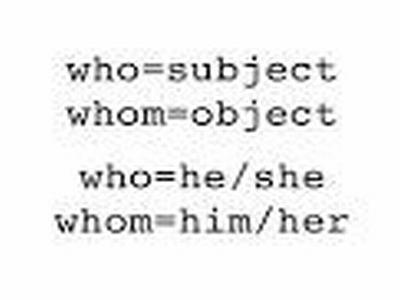
    whom(pronoun)

    /huːm/

    kanino

    used instead of ‘who’ as the object of a verb or preposition

    Whom did they invite?

    Sino ang kanilang inimbita?

    To whom should I write?

    Kasingkahuluganwho (formal)the person whomthe one whom
    Kasalungatwho (informal)thatwhich
  106. 106

    wherever(conjunction)

    /werˈevər/

    saanman, kahit saan

    in or to any place

    You can sit wherever you like in the classroom.

    Puwede kang umupo kahit saan mo gusto sa silid-aralan.

    Kasingkahulugananywherein any placewhere so ever
    Kasalungatnowheresomewhere specific
  107. 107

    shall(modal verb)

    /ʃəl/

    magiging, (gagawin) ko/natin

    used with I and we for talking about or predicting the future

    I shall be away next week, so please call my assistant.

    Wala ako sa susunod na linggo, kaya pakitawagan ang aking assistant.

    Kasingkahuluganwillshouldmustought to
    Kasalungatwon'tshan'tmustn't
  108. 108

    maybe(adverb)

    /ˈmeɪbi/

    siguro

    used when you are not certain that something will happen or that something is true or is a correct number

    Maybe he'll come, maybe he won't.

    Siguro darating siya, siguro hindi.

    We go there maybe once or twice a month.

    Kasingkahuluganperhapspossiblyconceivablyperchancemayhap
    Kasalungatcertainlydefinitelysurelycertainabsolutely
  109. 109

    a(determiner)

    /ə/

    isang

    used before countable or singular nouns referring to people or things that have not already been mentioned

    She's a friend of my father's (= one of my father's friends).

    Kaibigan siya ng tatay ko (= isa sa mga kaibigan ng tatay ko).

    a man/horse/unit

    Kasingkahuluganoneanany
    Kasalungattheall
  110. 110

    during(preposition)

    /ˈdʊrɪŋ/

    habang

    all through a period of time

    There are extra flights to Colorado during the winter.

    May mga dagdag na biyahe papuntang Colorado habang taglamig.

    There are extra flights to Colorado during the winter.

    Kasingkahuluganwhilethroughoutinin the course offor the duration ofin the period of
    Kasalungatbeforeafter
  111. 111

    whereas(conjunction)

    /ˌwerˈæz/

    samantala

    used to compare or contrast two facts

    Some of the studies show positive results, whereas others do not.

    Ang ilan sa mga pag-aaral ay nagpapakita ng positibong resulta, samantala ang iba ay hindi.

    We thought she was arrogant, whereas in fact she was just very shy.

    Kasingkahuluganwhilealthoughbuton the other handconversely
    Kasalungatsimilarlylikewisealsoin addition
  112. 112

    yes(exclamation)

    /jes/

    oo

    used to answer a question and say that something is correct or true

    Yes, it's me.

    Oo, ako ito.

    ‘Are you coming? Yes or no?’

    Kasingkahuluganaffirmativeindeedayesurecertainlyabsolutely
    Kasalungatnonegativenay
  113. 113

    very(adverb)

    /ˈveri/

    napaka, sobra

    used before adjectives, adverbs and determiners to mean ‘in a high degree’ or ‘extremely’

    My classroom is very big.

    Napakalaki ng silid-aralan ko.

    I'm very very grateful.

    Kasingkahuluganextremelyhighlyreallyexceedinglyremarkablyawfully
    Kasalungatslightlysomewhata littlemoderatelybarely
  114. 114

    whether(conjunction)

    /ˈweðər/

    kung

    used to express a doubt or choice between two possibilities

    I'll see whether she's at home (= or not at home).

    Titingnan ko kung siya ay nasa bahay (= o wala sa bahay).

    It remains to be seen whether or not this idea can be put into practice.

    Kasingkahuluganifin casein the event that
    Kasalungatdefinitelycertainly
  115. 115

    perhaps(adverb)

    /pərˈhæps/

    siguro

    possibly

    ‘Are you going to come?’ ‘Perhaps. I'll see how I feel.’

    ‘Pupunta ka ba?’ ‘Siguro. Titingnan ko kung ano ang pakiramdam ko.’

    Perhaps he's forgotten.

    Kasingkahuluganmaybepossiblyconceivablyperchancelikelypotentially
    Kasalungatcertainlydefinitelysurelyabsolutelyassuredly
  116. 116

    everyone(pronoun)

    /ˈevriwʌn/

    lahat

    every person; all people

    Everyone is waiting outside.

    Naghihintay sa labas ang lahat.

    Everyone cheered and clapped.

    Kasingkahuluganeverybodyalleach personeach onethe whole world
    Kasalungatno onenobodynone
  117. 117

    with(preposition)

    /wɪð/

    kasama

    in the company or presence of somebody/something

    a nice steak with a bottle of red wine

    isang masarap na steak kasama ang isang bote ng red wine

    She lives with her parents.

    Kasingkahuluganalongsideaccompanyingtogether withincludingplus
    Kasalungatwithout
  118. 118

    each(determiner)

    /iːtʃ/

    bawat, kada

    used to refer to every one of two or more people or things, when you are thinking about them separately

    Each answer is worth 20 points.

    Bawat sagot ay may halagang 20 puntos.

    There aren't enough books for everyone to have one each.

    Kasingkahuluganeveryperindividualallany
    Kasalungatnoneno
  119. 119

    into(preposition)

    /ˈɪntə/

    sa loob

    to a position in or inside something

    Come into the house.

    Pumasok ka sa bahay.

    She dived into the water.

    Kasingkahuluganwithininsideintowards
    Kasalungatout ofoutsideoutaway from
  120. 120

    hello(exclamation, noun)

    /həˈləʊ/

    kumusta

    used as a greeting when you meet somebody, in an email, when you answer the phone or when you want to attract somebody’s attention

    Say hello to Liz for me.

    Pakikumusta ako kay Liz.

    Hello, is there anybody there?

    Kasingkahulugangreetingshiheyhowdygood daywelcome
    Kasalungatgoodbyefarewelladieu
  121. 121

    he(pronoun)

    /hi/

    siya

    a male person or animal that has already been mentioned or is easily identified

    He is 10 years old and he is a student.

    Siya ay 10 taong gulang at siya ay isang estudyante.

    He (= the man we are watching) went through that door.

    Kasingkahuluganhimthat personthe manthe boy
    Kasalungatshethey
  122. 122

    itself(pronoun)

    /ɪtˈself/

    mismo

    used when the animal or thing that does an action is also affected by it

    Does the computer turn itself off?

    Napatay ba ng computer ang sarili nito?

    The cat was washing itself.

    Kasingkahuluganits very beingits own selfin itselfautomaticallyindependently
    Kasalungatexternallyotheranother
  123. 123

    nothing(pronoun)

    /ˈnʌθɪŋ/

    wala

    not anything; no single thing

    Nothing else matters to him apart from his job.

    Walang ibang mahalaga sa kanya maliban sa kanyang trabaho.

    There was nothing in her bag.

    Kasingkahulugannilzeronoughtnadazip
    Kasalungateverythingsomethinganythingall
  124. 124

    would(modal verb)

    /wʊd/

    magiging, gagawin

    used as the past form of 'will' when reporting what somebody said or thought

    She asked if I would help.

    Tinanong niya kung tutulong ako.

    He said he would be here at eight o'clock (= His words were: ‘I will be there at eight o'clock.’).

    Kasingkahuluganshouldmightcould
    Kasalungatwill notrefuse
  125. 125

    might(modal verb)

    /maɪt/

    maaari

    used when showing that something is or was possible

    He said he might come tomorrow.

    Sabi niya baka daw siya pumunta bukas.

    major international companies

    Kasingkahuluganpossiblymaybeperhapscouldmay
    Kasalungatdefinitelycertainlysurelywillmust
  126. 126

    upon(preposition)

    /əˈpɑːn/

    sa ibabaw ng, sa

    on (used in formal or literary English)

    The old book was placed carefully upon the table by the window.

    Maingat na inilagay ang lumang aklat sa ibabaw ng mesa sa tabi ng bintana.

    Kasingkahuluganonaboveoveronto
    Kasalungatunderbeneathbelow
  127. 127

    since(preposition)

    /sɪns/

    mula noong, buhat noong

    from a time in the past until a later past time, or until now

    I have lived in this city since 2015.

    Nakatira ako sa lungsod na ito mula noong 2015.

    Kasingkahuluganafterbecauseasseeing asinasmuch as
    Kasalungatbefore
  128. 128

    neither(determiner)

    /ˈniːðər/

    alinman sa dalawa (hindi), wala sa dalawa

    not one nor the other of two things or people

    Neither of my parents can speak English.

    Walang sa mga magulang ko ang marunong magsalita ng Ingles.

    Kasingkahulugannornot eitheralso not
    Kasalungatalsotooeither
  129. 129

    several(determiner, pronoun)

    /ˈsevrəl/

    ilan

    more than two but not very many

    Several of the paintings were destroyed in the fire.

    Ilan sa mga pinta ang nasira sa sunog.

    If you're looking for a photo of Alice you'll find several in here.

    Kasingkahulugansomea fewmanyvariousmultiple
    Kasalungatnonefewsingleone
  130. 130

    basically(adverb)

    /ˈbeɪsɪkli/

    sa panimula

    in the most important ways, without considering things that are less important

    The two approaches are basically very similar.

    Ang dalawang pamamaraan ay sa panimula ay halos pareho.

    There have been some problems but basically it's a good system.

    Kasingkahuluganessentiallyfundamentallyprimarilymainlylargelygenerallyin essence
    Kasalungatspecificallyparticularlyuniquelydistinctlydifferentlyin detail
  131. 131

    it(pronoun)

    /ɪt/

    ito

    used to refer to an animal or a thing that has already been mentioned or that is being talked about now

    This is my dog. It is very friendly.

    Aso ko ito. Ito ay napakakaibigan.

    Kasingkahuluganthatthisthe thingthe one
    Kasalungatheshethey
  132. 132

    its(determiner)

    /ɪts/

    nito

    belonging to or connected with a thing, an animal or a baby

    I have a dog. Its tail is very long.

    Mayroon akong aso. Ang buntot nito ay napakahaba.

    Kasingkahuluganbelonging to itof itbelonging to the thingthereof
    Kasalungatnone (as it's a possessive pronoun)
  133. 133

    in(preposition)

    /ɪn/

    sa

    at a point within an area or a space

    The cat is sleeping in the box.

    Natutulog ang pusa sa loob ng kahon.

    Kasingkahuluganwithininsideamongduring
    Kasalungatoutoutsidewithout
  134. 134

    how(adverb)

    /haʊ/

    paano

    in what way or manner

    How do you feel?

    Paano ang pakiramdam mo?

    Kasingkahuluganin what wayby what meansto what extentin which manner
    Kasalungatwhybecause
  135. 135

    amount(noun)

    /əˈmaʊnt/

    halaga

    a quantity of something

    He paid regular amounts of money to a charity.

    Nagbayad siya ng regular na halaga ng pera sa isang kawanggawa.

    Kasingkahuluganquantitysumvolumeextentmeasuredegreeportion
    Kasalungatlackabsenceinsufficiencyscarcitydeficiency
  136. 136

    bye(exclamation)

    /baɪ/

    paalam

    goodbye

    Bye. See you very soon.

    Paalam. Magkita tayo ulit sa lalong madaling panahon.

    Kasingkahulugangoodbyefarewellso longsee you lateradios
    Kasalungathellogreetingswelcome
  137. 137

    many(determiner, pronoun)

    /ˈmeni/

    marami

    used with plural nouns and verbs, especially in negative sentences or in more formal English, to mean ‘a large number of’. Also used in questions to ask about the size of a number, and with ‘as’, ‘so’ and ‘too’.

    There are many toys in my room.

    Maraming laruan sa kwarto ko.

    Kasingkahulugannumerousabundantplentifulmultiplevariousseveral
    Kasalungatfewlittlescarcelimited
  138. 138

    much(determiner)

    /mʌtʃ/

    marami, magkano

    used with uncountable nouns, especially in negative sentences to mean ‘a large amount of something’, or after ‘how’ to ask about the amount of something. It is also used with ‘as’, ‘so’ and ‘too’.

    How much milk do we have in the fridge?

    Gaano karaming gatas ang mayroon tayo sa ref?

    Kasingkahulugana lotgreatlyconsiderablysubstantiallysignificantly
    Kasalungatlittleslightlyminimally
  139. 139

    because(conjunction)

    /bɪˈkəz/

    dahil

    for the reason that

    I did it because he told me to.

    Ginawa ko ito dahil sinabi niya sa akin.

    Kasingkahulugansinceasfordue toin view ofon account of
    Kasalungatdespitealthoughin spite ofregardless ofeven though
  140. 140

    almost(adverb)

    /ˈɔːlməʊst/

    halos

    not quite

    I almost missed the train.

    Halos hindi ko nahabol ang tren.

    Kasingkahulugannearlypracticallyvirtuallyaboutapproaching
    Kasalungatcompletelyentirelyfullydefinitely
  141. 141

    anybody(pronoun)

    /ˈenibɑːdi/

    kahit sino

    used instead of somebody in negative sentences and in questions after if /whether , and after verbs such as prevent , forbid , avoid , etc.

    Has anybody seen my keys?

    May nakita bang kahit sino sa mga susi ko?

    Kasingkahulugananyonesomeonesomebodya person
    Kasalungatnobodyno one
  142. 142

    be(verb)

    /bi/

    maging

    used when you are naming people or things, describing them or giving more information about them

    I want to be a doctor.

    Gusto kong maging doktor.

    Kasingkahuluganexistbecomeconstituterepresentequaloccur
    Kasalungatnonexistenceabsencelack
  143. 143

    besides(preposition)

    /bɪˈsaɪdz/

    bukod pa

    in addition to somebody/something; apart from somebody/something

    Besides being a talented musician, she's also a great writer.

    Bukod sa pagiging isang mahusay na musikero, isa rin siyang magaling na manunulat.

    Kasingkahuluganin additionfurthermoremoreoveralso
    Kasalungatinsteadratherconversely
  144. 144

    enough(determiner)

    /ɪˈnʌf/

    sapat

    used before plural or uncountable nouns to mean ‘as many or as much as somebody needs or wants’

    Is there enough food for everyone?

    May sapat bang pagkain para sa lahat?

    Kasingkahulugansufficientadequateample
    Kasalungatinsufficientlackingscarce
  145. 145

    everybody(pronoun)

    /ˈevribɑːdi/

    lahat

    every person; all people

    Everybody loves ice cream.

    Gustong-gusto ng lahat ang ice cream.

    Kasingkahuluganeveryonealleach person
    Kasalungatnobodyno one
  146. 146

    firstly(adverb)

    /ˈfɜːrstli/

    una

    used to introduce the first of a list of points you want to make in a speech or piece of writing

    Firstly, we need to gather all the materials.

    Una, kailangan nating tipunin ang lahat ng mga materyales.

    Kasingkahuluganinitiallyto begin withfirst
    Kasalungatlastlyfinallysubsequently
  147. 147

    furthermore(adverb)

    /ˌfɜːrðərˈmɔːr/

    bukod pa rito

    in addition to what has just been stated. Furthermore is used especially to add a point to an argument.

    Furthermore, the data suggests a need for further investigation.

    Bukod pa rito, iminumungkahi ng datos ang pangangailangan para sa karagdagang imbestigasyon.

    Kasingkahuluganmoreoverbesidesin additionalso
    Kasalungatconverselyhowevernevertheless
  148. 148

    hey(exclamation)

    /heɪ/

    Hoy

    used to attract somebody’s attention or to express interest, surprise or anger

    Hey, how are you?

    Hoy, kumusta ka?

    Kasingkahuluganhihellogreetings
    Kasalungatgoodbyefarewell
  149. 149

    if(conjunction)

    /ɪf/

    kung

    used to say that one thing can, will or might happen or be true, depending on another thing happening or being true

    I will go to the park if it stops raining.

    Pupunta ako sa parke kung huminto ang ulan.

    Kasingkahuluganprovided thatassuming thatin case
    Kasalungatonly ifunless
  150. 150

    literally(adverb)

    /ˈlɪtərəli/

    literal, sa literal na kahulugan

    in a literal way

    The French word 'bonjour' literally means 'good day' in English.

    Ang salitang Pranses na 'bonjour' ay literal na nangangahulugang 'magandang araw' sa Ingles.

    Kasingkahuluganactuallyverbatimexactlytruly
    Kasalungatfigurativelymetaphoricallyloosely
  151. 151

    myself(pronoun)

    /maɪˈself/

    aking sarili

    used when the speaker or writer is also the person affected by an action

    I did it myself.

    Ginawa ko ito sa aking sarili.

    Kasingkahuluganpersonallyaloneoneself
    Kasalungatanothersomeone else
  152. 152

    nobody(pronoun)

    /ˈnəʊbədi/

    wala

    not anyone; no person

    There was nobody at the door.

    Walang tao sa pintuan.

    Kasingkahuluganno onenot a soulzeronone
    Kasalungateverybodysomeoneanyoneeveryone
  153. 153

    ought(modal verb)

    /ˈɔːt tə/

    dapat

    used to say what is the right thing to do or what is expected

    You ought to apologize for your behavior.

    Dapat kang humingi ng paumanhin sa iyong pag-uugali.

    Kasingkahuluganshouldmustneed tobe obliged to
    Kasalungatshouldn'tmustn'tneedn't
  154. 154

    ours(pronoun)

    /ɑːrz/

    atin

    the one or ones that belong to us

    That house is ours.

    Ang bahay na iyon ay atin.

    Kasingkahuluganbelonging to usour property
    Kasalungatyourstheirs
  155. 155

    secondly(adverb)

    /ˈsekəndli/

    pangalawa

    used to introduce the second of a list of points you want to make in a speech or piece of writing

    Secondly, we need to consider the budget.

    Pangalawa, kailangan nating isaalang-alang ang badyet.

    Kasingkahuluganfurthermoremoreoverin additionnextthen
    Kasalungatfirstlyprimarily
  156. 156

    somebody(pronoun)

    /ˈsʌmbədi/

    isang tao

    a person who is not known or mentioned by name

    Somebody left their umbrella in the office.

    May iniwan na payong ang isang tao sa opisina.

    Kasingkahulugansomeonea personan individual
    Kasalungatnobodyno one
  157. 157

    theirs(pronoun)

    /ðerz/

    kanila

    of or belonging to them

    That car is theirs.

    Ang kotse na iyon ay kanila.

    Kasingkahuluganbelonging to themtheir own
    Kasalungatoursmineyours
  158. 158

    themselves(pronoun)

    /ðəmˈselvz/

    kanilang sarili, sarili nila

    used when people or animals performing an action are also affected by it

    The children looked at themselves in the mirror and laughed.

    Tumingin ang mga bata sa kanilang sarili sa salamin at tumawa.

    Kasingkahulugantheir own selvesthe very people
    Kasalungatanothersomeone else
  159. 159

    till(preposition)

    /tɪl/

    hanggang

    until

    I will wait till tomorrow.

    Maghihintay ako hanggang bukas.

    Kasingkahuluganuntilup toto the time of
    Kasalungataftersince
  160. 160

    whatever(pronoun)

    /wətˈevər/

    anuman, kahit ano

    any or every; anything or everything

    You can eat whatever you like from the table.

    Maaari kang kumain ng anumang gusto mo mula sa mesa.

    Kasingkahulugananythingno matter whatit doesn't matterso what
    Kasalungatsomething specificsomething importanta definite choice
  161. 161

    whatsoever(adverb)

    /ˌwʌtsəʊˈevər/

    talaga, ni katiting

    not at all; not of any kind

    He has no idea whatsoever.

    Wala siyang ideya talaga.

    Kasingkahulugananythingeverythingat allwhatever
    Kasalungatnothingnone
  162. 162

    whereby(adverb)

    /werˈbaɪ/

    kung saan

    by which; because of which

    The contract whereby he was employed has now expired.

    Ang kontrata kung saan siya ay tinanggap ay nag-expire na.

    Kasingkahuluganwhereforewherebyby whichin accordance with which
    Kasalungatdespitenotwithstandingregardless of
  163. 163

    yourself(pronoun)

    /jɔːrˈself/

    sarili mo

    used when the person or people being spoken to both cause and are affected by an action

    Help yourself to some cookies.

    Tulungan mo ang sarili mo sa ilang cookies.

    Kasingkahuluganselfpersonallyindividually
    Kasalungatanotherotherssomebody else
  164. 164

    do(auxiliary verb)

    /duː/

    do (pantulong na pandiwa)

    used before a full verb to form negative sentences and questions

    Do you like ice cream? No, I don't like it very much.

    Gusto mo ba ng sorbetes? Hindi, hindi ko masyadong gusto iyon.

  165. 165

    too(adverb)

    /tuː/

    din, rin

    used at the end of a sentence to mean also or as well

    You like this one, right? I like this, too.

    Gusto mo ito, di ba? Gusto ko rin ito.

  166. 166

    being(verb)

    /ˈbiːɪŋ/

    pagiging

    the present participle of 'be', used in continuous tenses, passives and as a gerund

    My purpose in life is about being a good person.

    Ang layunin ko sa buhay ay tungkol sa pagiging mabuting tao.