ข้ามไปยังเนื้อหา

บทที่ 36/38 · 166 คำ · จำได้แล้ว 0

Function Words

คำไวยากรณ์

  1. 1

    and(conjunction)

    /ənd/

    และ (lae)

    also; in addition to

    Sue and I left early

    ซูและฉันออกเดินทางแต่เช้า (Sue lae chan ok doen thang tae chao)

    bread and butter

    คำพ้องความหมายplusalsotogether within addition to
    คำตรงข้ามornorinstead of
  2. 2

    herself(pronoun)

    /hɜːrˈself/

    ตัวเอง (tuua eng)

    used when the woman or girl who performs an action is also affected by it

    She must be very proud of herself.

    เธอต้องภูมิใจในตัวเองมากแน่ๆ (Thoe dtông phum jai nai dtua eng maak nae nae).

    She hurt herself.

    คำพ้องความหมายitselfthemselves
    คำตรงข้ามotherssomebody else
  3. 3

    therefore(adverb)

    /ˈðerfɔːr/

    ดังนั้น

    used to introduce the logical result of something that has just been mentioned

    He's only 17 and therefore not eligible to vote.

    เขาอายุแค่ 17 ปี ดังนั้นจึงไม่มีสิทธิ์ลงคะแนนเสียง

    There is still much to discuss. We shall, therefore, return to this item at our next meeting.

    คำพ้องความหมายconsequentlythushenceaccordinglyfor that reasonas a result
    คำตรงข้ามbecausesinceasin spite ofdespite
  4. 4

    rather(adverb)

    /ˈræðər/

    ค่อนข้าง

    used to mean ‘fairly’ or ‘to some degree’, often when you are disappointed, surprised or expressing slight criticism

    She fell and hurt her leg rather badly.

    เธอหกล้มและเจ็บขาค่อนข้างมาก

    I didn't fail the exam; in fact I did rather well!

    คำพ้องความหมายsomewhatquitefairlyprettymoderatelyslightlyrelatively
    คำตรงข้ามcompletelytotallyentirelyabsolutelyfullynot at all
  5. 5

    ourselves(pronoun)

    /ɑːrˈselvz/

    ด้วยตัวเราเอง

    the reflexive form of we ; used when you and another person or other people together cause and are affected by an action

    We'd like to see it for ourselves.

    เราอยากเห็นด้วยตัวเอง

    We shouldn't blame ourselves for what happened.

    คำพ้องความหมายpersonallydirectlyin personon our own
    คำตรงข้ามsomeone elseanother personindirectly
  6. 6

    him(pronoun)

    /hɪm/

    เขา

    used as the object of a verb, after the verb be or after a preposition to refer to a male person or animal that has already been mentioned or is easily identified

    When did you see him?

    คุณเห็นเขาเมื่อไหร่?

    He took the children with him.

    คำพ้องความหมายhethat guythe manthe boy
    คำตรงข้ามherthemshe
  7. 7

    few(determiner)

    /fjuː/

    น้อย, ไม่กี่

    used with plural nouns and a plural verb to mean ‘not many’

    Few people understand the difference.

    มีคนเพียงไม่กี่คนที่เข้าใจความแตกต่างนี้

    There seem to be fewer tourists around this year.

    คำพ้องความหมายa small number ofnot manylimitedscarcerare
    คำตรงข้ามmanynumerousa lotplentyabundant
  8. 8

    himself(pronoun)

    /hɪmˈself/

    ตัวเอง

    used when the man or boy who performs an action is also affected by it

    Peter ought to be ashamed of himself.

    ปีเตอร์น่าจะละอายใจตัวเอง

    He introduced himself.

    คำพ้องความหมายselfpersonallyin person
    คำตรงข้ามotherssomeone else
  9. 9

    quite(adverb)

    /kwaɪt/

    ค่อนข้าง, พอสมควร

    to some degree

    The test was quite easy, so I finished early.

    ข้อสอบค่อนข้างง่าย ฉันจึงทำเสร็จก่อนเวลา

    คำพ้องความหมายrathersomewhatprettyfairlyreasonablyto some extent
    คำตรงข้ามnot at allcompletelyentirelyabsolutelytotally
  10. 10

    them(pronoun)

    /ðəm/

    พวกเขา

    used when referring to people, animals or things as the object of a verb or preposition, or after the verb be

    Did you eat all of them?

    คุณกินพวกเขาทั้งหมดแล้วเหรอ?

    What are you doing with those matches? Give them to me.

    คำพ้องความหมายthosethesethe peoplethe ones
    คำตรงข้ามnone
  11. 11

    via(preposition)

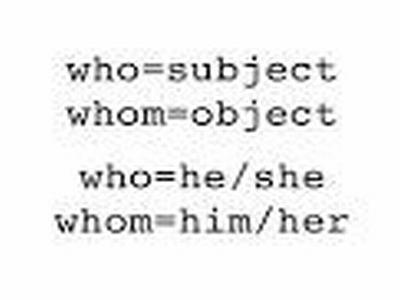
    /ˈvaɪə/

    ผ่าน

    through a place

    We flew home via Dubai.

    เราบินกลับบ้านผ่านดูไบ

    The truck driver was waiting to unload.

    คำพ้องความหมายby way ofthroughby means ofusingover
    คำตรงข้ามdirectlywithoutexcludingavoiding
  12. 12

    we(pronoun)

    /wi/

    พวกเรา

    I and another person or other people; I and you

    We are students.

    พวกเราเป็นนักเรียน

    We'd (= the company would) like to offer you the job.

    คำพ้องความหมายusourselves
    คำตรงข้ามIme
  13. 13

    his(determiner)

    /hɪz/

    ของเขา

    of or belonging to a man or boy who has already been mentioned or is easily identified

    His pen is very nice.

    ปากกาของเขาดีมาก

    The choice was his.

    คำพ้องความหมายbelonging to himof himhis own
    คำตรงข้ามhertheirmyyour
  14. 14

    such(determiner, pronoun)

    /sʌtʃ/

    เช่นนั้น, อย่างนั้น, ทำนองนั้น

    used for referring to someone or something that is of the type already mentioned

    He said he didn't have time or made some such excuse.

    เขาบอกว่าไม่มีเวลา หรือไม่ก็แก้ตัวทำนองนั้น

    We were second-class citizens and they treated us as such.

    คำพ้องความหมายlike thatof that kindsimilaridenticalequivalent
    คำตรงข้ามdissimilardifferentunlike
  15. 15

    that(pronoun)

    /ðæt/

    นั่น, นั้น, โน่น

    used for referring to a person or thing that is not near the speaker or as near to the speaker as another

    That is my school.

    นั่นคือโรงเรียนของฉัน

    She said (that) the story was true.

    คำพ้องความหมายthat onethe oneitwhich
    คำตรงข้ามthis
  16. 16

    they(pronoun)

    /ðeɪ/

    พวกเขา

    people, animals or things that have already been mentioned or are easily identified

    They are my friends.

    พวกเขาเป็นเพื่อนของฉัน

    ‘Where are John and Liz?’ ‘They went for a walk.’

    คำพ้องความหมายthose peoplethese peoplethemthe ones
    คำตรงข้ามImeheshehimher
  17. 17

    finally(adverb)

    /ˈfaɪnəli/

    ในที่สุด

    after a long time, especially when there has been some difficulty or delay

    After waiting for two hours, the bus finally arrived.

    หลังจากรอมาสองชั่วโมง ในที่สุดรถเมล์ก็มาถึง

    คำพ้องความหมายeventuallyultimatelyin the endat lastin conclusion
    คำตรงข้ามinitiallyfirstto begin withat firstoriginally
  18. 18

    somewhat(adverb)

    /ˈsʌmwʌt/

    ค่อนข้าง

    to some degree

    What happened to them remains somewhat of a mystery.

    สิ่งที่เกิดขึ้นกับพวกเขายังคงเป็นเรื่องลึกลับอยู่บ้าง

    I was somewhat surprised to see him.

    คำพ้องความหมายslightlya littleratherkind ofsort ofto some extentpartiallymoderately
    คำตรงข้ามcompletelyentirelytotallyfullyabsolutelydefinitely
  19. 19

    most(determiner)

    /məʊst/

    มากที่สุด, ส่วนใหญ่

    the largest in number or amount

    Which team scored the most goals in the match?

    ทีมไหนยิงประตูได้มากที่สุดในการแข่งขันนัดนั้น

    คำพ้องความหมายgreatestmaximumlargestmajoritysupreme
    คำตรงข้ามleastminimumsmallest
  20. 20

    why(adverb)

    /waɪ/

    ทำไม (tham mai)

    used in questions to ask the reason for or purpose of something

    Why is Hoa sad?

    ทำไมฮวาถึงเศร้า (tham mai Hwa thueng sao)?

    Tell me why you did it.

    คำพ้องความหมายfor what reasonhow sowherefore
    คำตรงข้ามbecause
  21. 21

    you(pronoun)

    /jə/

    คุณ

    used as the subject or object of a verb or after a preposition to refer to the person or people being spoken or written to

    You are very kind.

    คุณใจดีมาก

    Can I sit next to you?

    คำพ้องความหมายthoutheeyourself
    คำตรงข้ามbayoucy youngcyrus the youngerdanton true youngdo-it-yourselfedward younggo-as-you-pleasegood for you
  22. 22

    could(modal verb)

    /kəd/

    สามารถ

    used as the past tense of ‘can’

    She said that she couldn't come.

    เธอบอกว่าเธอมาไม่ได้

    I couldn't hear what they were saying.

    คำพ้องความหมายwas able towas capable ofhad the ability tomightmay
    คำตรงข้ามcouldn'twas unable tocan't
  23. 23

    the(determiner)

    /ðə/

    (คำนำหน้านามที่ระบุเฉพาะเจาะจง)

    used to refer to somebody/something that has already been mentioned or is easily understood

    There were three questions. The first two were relatively easy but the third one was hard.

    มีคำถามสามข้อ สองข้อแรกค่อนข้างง่าย แต่ข้อที่สามยาก

    The nights are getting longer.

    คำพ้องความหมายthatthis
    คำตรงข้ามaan
  24. 24

    though(adverb)

    /ðəʊ/

    แต่ก็, อย่างไรก็ตาม

    used especially at the end of a sentence to add a fact or opinion that makes the previous statement less strong

    Our team lost. It was a good game though.

    ทีมเราแพ้ แต่ก็เป็นเกมที่สนุกนะ

    ‘Have you ever been to Australia?’ ‘No. I'd like to, though.’

    คำพ้องความหมายalthoughhoweverneverthelessstillyeteven though
    คำตรงข้ามbecausesincetherefore
  25. 25

    as(conjunction)

    /əz/

    ขณะที่, ในขณะที่

    while something else is happening

    He sat watching her as she got ready.

    เขานั่งดูเธอขณะที่เธอเตรียมตัว

    As she grew older she gained in confidence.

    คำพ้องความหมายwhilewhenbecausesincelikesuch as
    คำตรงข้ามunlikedissimilarly
  26. 26

    May(modal verb)

    /meɪ/

    อาจจะ, อาจ

    used to say that something is possible

    May I open the window, please?

    ขออนุญาตเปิดหน้าต่างได้ไหมคะ

    คำพ้องความหมายfifth monthspringtime
  27. 27

    some(determiner)

    /sʌm/

    บ้าง

    used with uncountable nouns or plural countable nouns to mean ‘an amount of’ or ‘a number of’, when the amount or number is not given

    I have some friends.

    ฉันมีเพื่อนบ้าง

    Here are some of our suggestions.

    คำพ้องความหมายa fewseverala number ofcertainvariousany
    คำตรงข้ามnonealleverynowhole
  28. 28

    anyone(pronoun)

    /ˈeniwʌn/

    ใครก็ได้

    used instead of someone in negative sentences and in questions after if /whether , and after verbs such as prevent , forbid , avoid , etc.

    Hardly anyone came.

    แทบไม่มีใครมา

    I forbid anyone to touch that clock.

    คำพ้องความหมายanybodysomeonesomebodyany personeverybody
    คำตรงข้ามnobodyno onenone
  29. 29

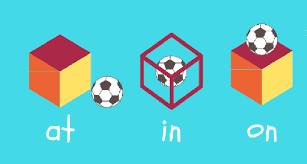
    at(preposition)

    /ət/

    ที่

    used to say where something/somebody is or where something happens

    We plan to stay at the Sheraton Hotel.

    เราวางแผนที่จะพักที่โรงแรมเชอราตัน

    at the corner of the street

    คำพ้องความหมายinonnearbywithin
    คำตรงข้ามaway fromdistant fromremote from
  30. 30

    us(pronoun)

    /əs/

    พวกเรา

    used when the speaker or writer and another or others are the object of a verb or preposition, or after the verb be

    Hello, it's us back again.

    สวัสดี พวกเรากลับมาอีกครั้ง

    We'll take the dog with us.

    คำพ้องความหมายweourselveswe all
    คำตรงข้ามthemyouI
  31. 31

    probably(adverb)

    /ˈprɑːbəbli/

    อาจจะ

    used to say that something is likely to happen or to be true

    The decision to set up a new company is probably his most risky decision.

    การตัดสินใจที่จะจัดตั้งบริษัทใหม่น่าจะเป็นการตัดสินใจที่เสี่ยงที่สุดของเขา

    It was the best known and probably the most popular of her songs.

    คำพ้องความหมายlikelypossiblypresumablyperhapsmaybeconceivablydoubtless
    คำตรงข้ามcertainlydefinitelysurelyundoubtedly
  32. 32

    except(preposition)

    /ɪkˈsept/

    ยกเว้น

    used before you mention the only thing or person about which a statement is not true

    We work every day except Sunday.

    เราทำงานทุกวัน ยกเว้นวันอาทิตย์

    Our dresses were the same except mine was red.

    คำพ้องความหมายexcludingbutsaveapart fromaside fromwith the exception of
    คำตรงข้ามincludingplusin addition to
  33. 33

    mine(pronoun)

    /maɪn/

    ของฉัน

    of or belonging to the person writing or speaking

    She wanted one like mine (= like I have).

    เธอต้องการอันที่เหมือนของฉัน

    He's a friend of mine(= one of my friends).

    คำพ้องความหมายbelonging to memy ownmy property
    คำตรงข้ามyourshisherstheirs
  34. 34

    what(pronoun, determiner)

    /wʌt/

    อะไร

    used in questions to ask for particular information about somebody/something

    What is your favorite book?

    หนังสือที่คุณชื่นชอบคืออะไร

    What is your name?

    คำพ้องความหมายwhichthathowthe thing thatthe item that
    คำตรงข้ามnonenothing
  35. 35

    after(preposition)

    /ˈæftər/

    หลัง

    later than something; following something in time

    Let’s meet after 5.

    เจอกันหลัง 5 โมงนะ (jeo gan lang haa mong na)

    I could come next week, or the week after.

    คำพ้องความหมายfollowinglatersubsequentbehind
    คำตรงข้ามbeforepriorpreceding
  36. 36

    any(determiner)

    /ˈeni/

    ใด ๆ

    used with uncountable or plural nouns in negative sentences and questions, after if or whether , and after some verbs such as prevent , ban , forbid , etc. to refer to an amount or a number of something, however large or small

    I've got hardly any money.

    ฉันแทบไม่มีเงินเลย

    She asked if we had any questions.

    คำพ้องความหมายsomeoneeveryeachalleither
    คำตรงข้ามnonenonever
  37. 37

    surely(adverb)

    /ˈʃʊrli/

    แน่นอน

    used to show that you are almost certain of what you are saying and want other people to agree with you

    Surely we should do something about it?

    แน่นอนว่าเราควรทำอะไรสักอย่างเกี่ยวกับเรื่องนี้ใช่ไหม

    It's surely only a matter of time before he is found, isn't it?

    คำพ้องความหมายcertainlydefinitelyundoubtedlyassuredlyabsolutelyof coursewithout a doubt
    คำตรงข้ามuncertainlydoubtfullypossiblymaybeperhaps
  38. 38

    your(determiner)

    /jʊr/

    ของคุณ

    of or belonging to the person or people being spoken or written to

    Your pen is very nice.

    ปากกาของคุณสวยมาก

    Excuse me, is this your seat?

    คำพ้องความหมายbelonging to youof you
    คำตรงข้ามmyhishertheirour
  39. 39

    by(preposition)

    /baɪ/

    โดย, ด้วย

    used for showing how or in what way something is done

    We usually go to school by bus, but today we walked.

    ปกติเราไปโรงเรียนโดยรถบัส แต่วันนี้เราเดินไป

    คำพ้องความหมายnearnext tobesideclose toalongside
    คำตรงข้ามfar fromaway from
  40. 40

    our(determiner)

    /ɑːr/

    ของพวกเรา

    belonging to us; connected with us

    Our school is very nice.

    โรงเรียนของเราดีมาก

    Our main export is rice.

    คำพ้องความหมายbelonging to usof ours
    คำตรงข้ามtheirtheirsyour
  41. 41

    yeah(exclamation)

    /jeə/

    ใช่ (chai)

    yes

    "Do you like your job?" "Yeah, it's all right I suppose."

    "คุณชอบงานของคุณไหม?" "ใช่ ก็โอเคมั้ง"

    to have good/perfect/poor/blurred/normal vision

    คำพ้องความหมายyesyepsureindeedrightokay
    คำตรงข้ามnonopenah
  42. 42

    her(pronoun)

    /hər/

    เธอ, หล่อน, เขา

    used as the object of a verb, after the verb be or after a preposition to refer to a woman or girl who has already been mentioned or is easily identified

    I saw her at the park yesterday and said hello.

    เมื่อวานฉันเจอเธอที่สวนสาธารณะและทักทายเธอ

    คำพ้องความหมายbelonging to herhersof her
    คำตรงข้ามhistheirmyyour
  43. 43

    towards(preposition)

    /tɔːrdz/

    ไปทาง

    in the direction of somebody/something

    She had her back towards me.

    เธอกำลังหันหลังให้ฉัน

    They were heading towards the German border.

    คำพ้องความหมายtoin the direction ofnearapproachingaround
    คำตรงข้ามaway fromfrom
  44. 44

    especially(adverb)

    /ɪˈspeʃəli/

    โดยเฉพาะ

    more with one person, thing, etc. than with others, or more in particular circumstances than in others

    Teenagers are very fashion conscious, especially girls.

    วัยรุ่นใส่ใจเรื่องแฟชั่นมาก โดยเฉพาะเด็กผู้หญิง

    I love Rome, especially in the spring.

    คำพ้องความหมายparticularlymainlyprimarilynotablysignificantlyin particular
    คำตรงข้ามgenerallyusuallyordinarilycommonlytypically
  45. 45

    everything(pronoun)

    /ˈevriθɪŋ/

    ทุกสิ่งทุกอย่าง

    all things

    When we confronted him, he denied everything.

    เมื่อเราเผชิญหน้าเขา เขาปฏิเสธทุกสิ่ง

    She seemed to have everything—looks, money, intelligence.

    คำพ้องความหมายallthe whole thingevery single thingeverything under the sunthe works
    คำตรงข้ามnothingsomethinga littlea few
  46. 46

    who(pronoun)

    /huː/

    ใคร

    used in questions to ask about the name, identity or function of one or more people

    Who is this?

    นี่คือใคร

    Who is that woman?

    คำพ้องความหมายwhich personwhat person
    คำตรงข้ามnobody
  47. 47

    even(adverb)

    /ˈiːvn/

    กระทั่ง

    used to emphasize something unexpected or surprising

    He never even opened the letter (= so he certainly didn't read it).

    เขาไม่เคยแม้แต่จะเปิดจดหมาย (= ดังนั้นเขาจึงไม่ได้อ่านมันแน่นอน)

    Even a child can understand it (= so adults certainly can).

    คำพ้องความหมายalsojustactuallyreallytrulyindeed
    คำตรงข้ามnevernotcontrary
  48. 48

    for(preposition)

    /fər/

    สำหรับ

    used to show who is intended to have or use something or where something is intended to be put

    There's a letter for you

    มีจดหมายสำหรับคุณ

    This is the place for me (= I like it very much).

    คำพ้องความหมายintended formeant forin behalf ofon account of
    คำตรงข้ามagainstfrom
  49. 49

    please(exclamation)

    /pliːz/

    กรุณา, โปรด

    used as a polite way of asking for something or telling somebody to do something

    Can I have a glass of water, please?

    ขอน้ำสักแก้วได้ไหมคะ

    คำพ้องความหมายsatisfydelightgratifyappeasehumor
    คำตรงข้ามdispleaseoffendannoydissatisfyupset
  50. 50

    nearly(adverb)

    /ˈnɪrli/

    เกือบ

    almost; not quite; not completely

    She very nearly died.

    เธอเกือบตาย

    He's nearly as tall as you are.

    คำพ้องความหมายalmostpracticallyvirtuallyclose toaboutapproximately
    คำตรงข้ามcompletelyentirelyfullyabsolutelynowhere near
  51. 51

    nor(conjunction)

    /nɔːr/

    และไม่ ก็เช่นกัน, ก็ไม่

    and not

    He wasn't there on Monday. Nor on Tuesday, for that matter.

    เขาไม่ได้อยู่ที่นั่นวันจันทร์ วันอังคารก็ไม่อยู่เหมือนกัน

    Not a building nor a tree was left standing.

    คำพ้องความหมายneitheralso notand not
    คำตรงข้ามandalso
  52. 52

    actually(adverb)

    /ˈæktʃuəli/

    จริงๆ

    used in speaking to emphasize a fact or a comment, or that something is really true

    It's not actually raining now.

    จริงๆ แล้วตอนนี้ฝนไม่ตก

    There are lots of people there who can actually help you.

    คำพ้องความหมายreallyin factgenuinelytrulyveritablyindeedliterally
    คำตรงข้ามtheoreticallyhypotheticallyapparentlyostensiblyseeminglyfalselyincorrectly
  53. 53

    hers(pronoun)

    /hɜːrz/

    ของเธอ

    of or belonging to her

    His eyes met hers.

    สายตาของเขาประสานกับของเธอ

    The choice was hers.

    คำพ้องความหมายherbelonging to herof her
    คำตรงข้ามhismineyoursourstheirs
  54. 54

    least(determiner)

    /liːst/

    น้อยที่สุด

    smallest in size, amount, degree, etc.

    This model uses the least fuel of all the cars we tested.

    รถรุ่นนี้ใช้น้ำมันน้อยที่สุดในบรรดารถทุกคันที่เราทดสอบ

    คำพ้องความหมายsmallestminimumtiniestlowest
    คำตรงข้ามmostgreatestmaximumlargest
  55. 55

    someone(pronoun)

    /ˈsʌmwʌn/

    ใครบางคน

    a person who is not known or mentioned by name

    There's someone at the door.

    มีใครบางคนอยู่ที่ประตู

    Someone's left their bag behind.

    คำพ้องความหมายsomebodya personan individualonea certain person
    คำตรงข้ามnobodyno oneeveryoneeverybody
  56. 56

    I(pronoun)

    /aɪ/

    ฉัน/ผม (Chan/Phom)

    used as the subject of a verb when the speaker or writer is referring to himself/herself

    I am a student.

    ฉันเป็นนักเรียน (Chan pen nak rian).

    When they asked me if I wanted the job, I said yes.

    คำพ้องความหมายMyselfMe
    คำตรงข้ามYouHeSheItTheyWe
  57. 57

    well(adverb)

    /wel/

    ดี, เก่ง

    in a good, right or acceptable way

    She speaks English very well.

    เธอพูดภาษาอังกฤษได้ดีมาก

    คำพ้องความหมายwater sourcespringboreholepitshaft
    คำตรงข้ามdrydesertarid land
  58. 58

    including(preposition)

    /ɪnˈkluːdɪŋ/

    รวมถึง

    having something as part of a group or set

    I've got three days' holiday including New Year's Day.

    ฉันมีวันหยุดสามวันรวมถึงวันขึ้นปีใหม่

    It's £7.50, not including tax.

    คำพ้องความหมายcomprisingencompassingincorporatingconsisting ofembracing
    คำตรงข้ามexcludingomittingexceptingwithoutexcluding
  59. 59

    me(pronoun)

    /mi/

    ฉัน (chan)

    the form of I that is used when the speaker or writer is the object of a verb or preposition, or after the verb be

    Hello, it's me.

    สวัสดี นี่ฉันเอง (sawatdee, nee chan eng)

    Don't hit me.

    คำพ้องความหมายmyselfI
    คำตรงข้ามyouhimherthem
  60. 60

    this(determiner, pronoun)

    /ðɪs/

    นี่

    used to refer to a particular person, thing or event that is close to you, especially compared with another

    This is my teacher.

    นี่คือครูของฉัน

    Is this your bag?

    คำพ้องความหมายthatthea
    คำตรงข้ามthatthose
  61. 61

    where(adverb)

    /wer/

    ที่ไหน

    in or to what place or situation

    Where is your white shirt?

    เสื้อเชิ้ตสีขาวของคุณอยู่ที่ไหน?

    I wonder where they will take us to.

    คำพ้องความหมายlocationplacepositionspot
    คำตรงข้ามnowhere
  62. 62

    she(pronoun)

    /ʃi/

    เธอ (เธอ)

    a female person or animal that has already been mentioned or is easily identified

    Daisy is my friend. She is very kind.

    เดซี่เป็นเพื่อนของฉัน เธอใจดีมาก (Desi bpen pêuan khǒng chǎn. Ther jai dee mâak).

    Doesn't she (= the woman we are looking at) look like Sue?

    คำพ้องความหมายherthe womanthat woman
    คำตรงข้ามhehim
  63. 63

    yours(pronoun)

    /jərz/

    ของคุณ

    of or belonging to you

    Is that book yours?

    หนังสือเล่มนั้นเป็นของคุณใช่ไหม

    My hair is very fine. Yours is much thicker.

    คำพ้องความหมายbelonging to youyour property
    คำตรงข้ามmineanother's
  64. 64

    or(conjunction)

    /ɔːr/

    หรือ

    used to introduce another possibility

    Is your sister older or younger than you?

    น้องสาวของคุณอายุมากกว่าหรือน้อยกว่าคุณ

    Are you coming or not?

    คำพ้องความหมายotherwisealternatively
    คำตรงข้ามand
  65. 65

    less(determiner)

    /les/

    น้อยกว่า, น้อยลง

    used with uncountable nouns to mean ‘a smaller amount of’

    You should eat less sugar and more fresh fruit and vegetables.

    คุณควรกินน้ำตาลให้น้อยลงและกินผลไม้สดกับผักให้มากขึ้น

    คำพ้องความหมายfewersmallerreducedlower
    คำตรงข้ามmoregreaterincreasedhigher
  66. 66

    same(adjective)

    /seɪm/

    เหมือนกัน

    exactly the one or ones referred to or mentioned; not different

    We treat boys exactly the same as girls.

    เราปฏิบัติต่อเด็กผู้ชายเหมือนกับเด็กผู้หญิงทุกประการ

    He gave me five dollars, same as usual.

    คำพ้องความหมายidenticalequalequivalentalikesimilaruniformconsistent
    คำตรงข้ามdifferentdissimilardistinctunequalvaried
  67. 67

    unless(conjunction)

    /ənˈles/

    เว้นแต่

    used to say that something can only happen or be true in a particular situation

    You won't get paid for time off unless you have a doctor's note.

    คุณจะไม่ได้รับค่าจ้างสำหรับวันหยุด เว้นแต่คุณจะมีใบรับรองแพทย์

    Unless I'm mistaken, she was back at work yesterday.

    คำพ้องความหมายexcept ifif notbutsave
    คำตรงข้ามifprovided thatas long as
  68. 68

    another(determiner)

    /əˈnʌðər/

    อีก, อื่น

    one more; an extra thing or person

    Would you like another drink?

    คุณอยากดื่มอีกสักแก้วไหม

    ‘Finished?’ ‘No, I've got another three questions to do.’

    คำพ้องความหมายadditionalextrafurthermoredifferentone more
    คำตรงข้ามnoneno morethe same
  69. 69

    definitely(adverb)

    /ˈdefɪnətli/

    แน่นอน

    a way of emphasizing that something is true and that there is no doubt about it

    I will definitely come to your wedding party.

    ฉันจะไปงานแต่งงานของคุณอย่างแน่นอน

    ‘Do you plan to have children?’ ‘Definitely not!’

    คำพ้องความหมายcertainlyabsolutelysurelyassuredlypositivelyundoubtedlyunquestionably
    คำตรงข้ามmaybepossiblyperhapsuncertainlydoubtfully
  70. 70

    both(determiner, pronoun)

    /bəʊθ/

    ทั้งสอง

    used with plural nouns to mean ‘the two’ or ‘the one as well as the other’

    We have both seen the movie.

    เราทั้งสองได้ดูหนังเรื่องนี้แล้ว

    Both (my) sisters live in London.

    คำพ้องความหมายtwocouplepairthe pair
    คำตรงข้ามneithernoneeither
  71. 71

    about(preposition)

    /əˈbaʊt/

    เกี่ยวกับ, เรื่อง

    on the subject of somebody/something; in connection with somebody/something

    We talked about our favourite sports after school.

    เราคุยกันเรื่องกีฬาที่ชอบหลังเลิกเรียน

    คำพ้องความหมายapproximatelyaroundroughlynearlyalmostclose to
    คำตรงข้ามexactlypreciselydefinitelycertainly
  72. 72

    goodbye(exclamation)

    /ˌɡʊdˈbaɪ/

    ลาก่อน, บ๊ายบาย

    used when you are leaving somebody or when somebody else is leaving

    Goodbye, Tom! See you at school tomorrow.

    ลาก่อนนะทอม! เจอกันที่โรงเรียนพรุ่งนี้

    คำพ้องความหมายfarewelladieuso longbyeadieu
    คำตรงข้ามhellogreetingwelcome
  73. 73

    anything(pronoun)

    /ˈeniθɪŋ/

    อะไรก็ได้

    used instead of something in negative sentences and in questions; after if /whether ; and after verbs such as prevent , ban , avoid , etc.

    If you remember anything, please let us know.

    ถ้าคุณจำอะไรได้ โปรดแจ้งให้เราทราบ

    There's never anything worth watching on TV.

    คำพ้องความหมายsomethingeverythingallanywhatever
    คำตรงข้ามnothing
  74. 74

    of(preposition)

    /əv/

    ของ

    belonging to somebody; relating to somebody

    the paintings of Monet

    ภาพวาดของโมเนต์

    Can't you throw out that old bike of Tommy's?

    คำพ้องความหมายbelonging tofromrelating toassociated withregardingconcerning
    คำตรงข้ามwithoutlacking
  75. 75

    which(pronoun)

    /wɪtʃ/

    ไหน, อันไหน

    used in questions to ask somebody to be exact about one or more people or things from a limited number

    Which of the applicants has got the job?

    ผู้สมัครคนไหนได้งานนี้

    Which is better exercise—swimming or tennis?

    คำพ้องความหมายwhatthatwhowhateverwhichever
    คำตรงข้ามnoneno one
  76. 76

    whoever(pronoun)

    /huːˈevər/

    ใครก็ตาม

    the person or people who; any person who

    Whoever says that is a liar.

    ใครก็ตามที่พูดแบบนั้นคือคนโกหก

    Send it to whoever is in charge of sales.

    คำพ้องความหมายanyoneeverybodyeveryoneany personno matter who
    คำตรงข้ามnobodyno one
  77. 77

    although(conjunction)

    /ɔːlˈðəʊ/

    ถึงแม้ว่า

    used for introducing a statement that makes the main statement in a sentence seem surprising

    Although small, the kitchen is well designed.

    ถึงแม้ว่าจะมีขนาดเล็ก แต่ห้องครัวก็ได้รับการออกแบบมาอย่างดี

    Although the sun was shining, it wasn't very warm.

    คำพ้องความหมายthougheven thoughwhilstnotwithstandingalbeit
    คำตรงข้ามbecausesinceasdue to
  78. 78

    none(pronoun)

    /nʌn/

    ไม่มี

    not one of a group of people or things; not any

    Tickets for Friday? Sorry we've got none left.

    ตั๋วสำหรับวันศุกร์? ขอโทษด้วย เราไม่มีเหลือแล้ว

    ‘Is there any more milk?’ ‘No, none at all.’

    คำพ้องความหมายzeronot onenothingnilnada
    คำตรงข้ามsomeanyallplentymany
  79. 79

    their(determiner)

    /ðer/

    ของพวกเขา

    of or belonging to people, animals or things that have already been mentioned or are easily identified

    Their school is very nice.

    โรงเรียนของพวกเขาดีมาก

    Which is their house?

    คำพ้องความหมายbelonging to themof them
    คำตรงข้ามmyyourourhisherits
  80. 80

    generally(adverb)

    /ˈdʒenrəli/

    โดยทั่วไป

    by or to most people

    The plan was generally welcomed.

    แผนได้รับการต้อนรับโดยทั่วไป

    The new drug will be generally available from January.

    คำพ้องความหมายusuallytypicallynormallycommonlylargelymostlyin general
    คำตรงข้ามspecificallyparticularlyexceptionallyrarelyunusually
  81. 81

    really(adverb)

    /ˈriːəli/

    จริงๆ, มาก, ๆ

    used to emphasize an adjective or adverb

    The film was really good, so we watched it again.

    หนังเรื่องนี้ดีมากจริงๆ เราเลยดูซ้ำอีกรอบ

    คำพ้องความหมายtrulyactuallygenuinelyindeedverilysincerely
    คำตรงข้ามfalselyapparentlyseeminglypretendlyvirtually
  82. 82

    however(adverb)

    /haʊˈevər/

    อย่างไรก็ตาม, แต่ทว่า

    used to introduce a statement that contrasts with something that has just been said

    I'd love to come to your party. However, I'm very busy this week.

    ฉันอยากไปงานปาร์ตี้ของคุณมาก อย่างไรก็ตาม สัปดาห์นี้ฉันยุ่งมาก

    คำพ้องความหมายNeverthelessNonethelessYetStillEven soDespite thatIn spite of that
    คำตรงข้ามThereforeThusConsequentlyAccordingly
  83. 83

    something(pronoun)

    /ˈsʌmθɪŋ/

    บางสิ่ง, บางอย่าง

    a thing that is not known or mentioned by name

    There is something in my bag, but I don't know what it is.

    มีบางอย่างอยู่ในกระเป๋าของฉัน แต่ฉันไม่รู้ว่ามันคืออะไร

    คำพ้องความหมายthingitemobjectmatterstuffentity
    คำตรงข้ามnothing
  84. 84

    can(modal verb)

    /kən/

    สามารถ, ได้

    used to say that it is possible for somebody/something to do something, or for something to happen

    I can swim, but I can't ride a horse.

    ฉันว่ายน้ำได้ แต่ขี่ม้าไม่ได้

    คำพ้องความหมายpreservetinput up
    คำตรงข้ามfreshunprocessedunpackaged
  85. 85

    my(determiner)

    /maɪ/

    ของฉัน

    of or belonging to the speaker or writer

    My name is Andy.

    ฉันชื่อแอนดี้

    My feet are cold.

    คำพ้องความหมายbelonging to meof minepersonally owned
    คำตรงข้ามyourhishertheirits
  86. 86

    also(adverb)

    /ˈɔːlsəʊ/

    ด้วย

    in addition; too

    She's fluent in French and German. She also speaks a little Italian.

    เธอคล่องแคล่วในภาษาฝรั่งเศสและเยอรมัน เธอยังพูดภาษาอิตาลีได้เล็กน้อย

    rubella, also known as German measles

    คำพ้องความหมายtooas wellin additionfurthermoremoreover
    คำตรงข้ามneithernorinsteadconversely
  87. 87

    must(modal verb)

    /məst/

    ต้อง

    used to say that something is necessary or very important (sometimes involving a rule or a law)

    ‘Do we have to finish this today?’ ‘Yes, you must.’

    ‘เราต้องทำให้เสร็จวันนี้ไหม’ ‘ใช่ คุณต้อง’

    I must ask you not to do that again.

    คำพ้องความหมายshouldought toneed torequiredobligednecessary
    คำตรงข้ามmaycanoptionallyneedn'tshouldn't
  88. 88

    but(conjunction)

    /bət/

    แต่, แต่ว่า

    used to introduce a word or phrase that contrasts with what was said before

    I would like to come to the party, but I am too busy.

    ฉันอยากไปงานปาร์ตี้ แต่ฉันยุ่งเกินไป

    คำพ้องความหมายhoweveryetalthoughthoughneverthelessstill
    คำตรงข้ามandalsofurthermore
  89. 89

    not(adverb)

    /nɑːt/

    ไม่

    used with be , do or have to form the negative of verbs; used to form the negative of modal verbs like can or must

    I am not hungry, but I am very tired.

    ฉันไม่หิว แต่ฉันเหนื่อยมาก

    คำพ้องความหมายnonayneveropposite ofnegation
    คำตรงข้ามyestruepositiveaffirmative
  90. 90

    completely(adverb)

    /kəmˈpliːtli/

    อย่างสมบูรณ์

    in every way possible; in every part

    completely different

    แตกต่างอย่างสิ้นเชิง

    completely and utterly broke

    คำพ้องความหมายtotallyentirelyfullyutterlyabsolutelyperfectlywholly
    คำตรงข้ามpartiallyincompletelysomewhatslightlypartly
  91. 91

    nevertheless(adverb)

    /ˌnevərðəˈles/

    ถึงกระนั้น

    despite something that you have just mentioned

    Our defeat was expected but it is disappointing nevertheless.

    ความพ่ายแพ้ของเราเป็นสิ่งที่คาดหวังไว้แล้ว แต่ถึงกระนั้นมันก็น่าผิดหวังอยู่ดี

    The old system had its flaws, but nevertheless it was preferable to the new one.

    คำพ้องความหมายhowevernonethelessstillyeteven so
    คำตรงข้ามthereforeconsequentlythusso
  92. 92

    should(modal verb)

    /ʃəd/

    ควร

    used to say what is the right or sensible thing to do, especially when giving advice

    You should see a doctor if your fever gets worse.

    คุณควรไปพบแพทย์ถ้าไข้สูงขึ้น

    คำพ้องความหมายought tomustshallneed tobe obliged to
    คำตรงข้ามshouldn'tmustn'tneedn't
  93. 93

    either(determiner, pronoun)

    /ˈiːðər/

    อย่างใดอย่างหนึ่ง, ทั้งสอง

    one or the other of two; it does not matter which

    You can park on either side of the street.

    คุณจอดรถได้ทั้งสองฝั่งของถนน

    คำพ้องความหมายalsotooas welllikewisesimilarly
    คำตรงข้ามonlyalonesolely
  94. 94

    used(adjective)

    /juːst/

    คุ้นเคย, ชิน

    familiar with something because you do it or experience it often

    She is used to getting up early for work every day.

    เธอชินกับการตื่นเช้าไปทำงานทุกวัน

    คำพ้องความหมายsecondhandpre-ownedwornutilizedemployedhand-me-down
    คำตรงข้ามnewunusedbrand newfreshoriginal
  95. 95

    every(determiner)

    /ˈevri/

    ทุก

    used with singular nouns to refer to all the members of a group of things or people

    Every classroom has 25 desks.

    ทุกห้องเรียนมีโต๊ะ 25 ตัว

    They were watching her every movement.

    คำพ้องความหมายeachallanythe whole of
    คำตรงข้ามnononesomefew
  96. 96

    moreover(adverb)

    /mɔːrˈəʊvər/

    ยิ่งไปกว่านั้น

    used to introduce some new information that adds to or supports what you have said previously

    A talented artist, he was, moreover, a writer of some note.

    เขาเป็นศิลปินที่มีความสามารถ ยิ่งไปกว่านั้น เขายังเป็นนักเขียนที่มีชื่อเสียงอีกด้วย

    a piece of metal

    คำพ้องความหมายfurthermorebesidesin additionalsomoreoveradditionallytoo
    คำตรงข้ามconverselyhoweverneverthelessdespitealthoughinstead
  97. 97

    hi(exclamation)

    /haɪ/

    สวัสดี

    used to say hello

    Hi, there! How're you doing?

    สวัสดี สบายดีไหม

    Hi, Peter.

    คำพ้องความหมายhellogreetingsheyhowdygood day
    คำตรงข้ามgoodbyefarewellsee youso longadieu
  98. 98

    fairly(adverb)

    /ˈferli/

    ค่อนข้าง

    to some extent but not very

    a fairly easy book

    หนังสือที่ค่อนข้างง่าย

    a fairly typical reaction

    คำพ้องความหมายquiterathersomewhatmoderatelyreasonablypretty
    คำตรงข้ามextremelyveryexceptionallyincrediblyunusually
  99. 99

    all(determiner)

    /ɔːl/

    ทั้งหมด, ทุก

    the whole number of

    All the students in my class passed the exam.

    นักเรียนทุกคนในห้องของฉันสอบผ่าน

    คำพ้องความหมายentirewholecompleteeveryeverything
    คำตรงข้ามnonenothingpartsome
  100. 100

    so(conjunction)

    /səʊ/

    ดังนั้น, เพราะฉะนั้น

    used to show the result of something; therefore

    It was still painful so I went to see a doctor.

    ยังเจ็บอยู่ ฉันก็เลยไปหาหมอ

    He never seems to smile.

    คำพ้องความหมายthereforeconsequentlyhencethusaccordingly
    คำตรงข้ามbecausesince
  101. 101

    particularly(adverb)

    /pərˈtɪkjələrli/

    โดยเฉพาะ

    especially; more than usual or more than others

    I enjoyed the play, particularly the second half.

    ฉันสนุกกับการแสดง โดยเฉพาะครึ่งหลัง

    particularly good/important/useful

    คำพ้องความหมายespeciallyspecificallynotablyin particularprimarilymainly
    คำตรงข้ามgenerallyusuallytypicallycommonlyordinarilyin general
  102. 102

    absolutely(adverb)

    /ˈæbsəluːtli/

    อย่างแน่นอน

    used to emphasize that something is completely true

    It was absolutely pouring with rain.

    ฝนตกหนักมาก

    He made it absolutely clear.

    คำพ้องความหมายcompletelytotallyutterlydefinitelycertainlypositivelyunquestionablyundoubtedly
    คำตรงข้ามrelativelypartiallysomewhatpossiblyincompletely
  103. 103

    certainly(adverb)

    /ˈsɜːrtnli/

    แน่นอน

    without doubt

    She was certainly attractive but you couldn't call her beautiful.

    เธอมีเสน่ห์อย่างแน่นอน แต่คุณไม่สามารถเรียกเธอว่าสวยได้

    I'm certainly never going there again.

    คำพ้องความหมายdefinitelyassuredlyundoubtedlyabsolutelypositivelysurely
    คำตรงข้ามuncertainlydoubtfullypossiblymaybeperhaps
  104. 104

    from(preposition)

    /frəm/

    จาก

    used to show where somebody/something starts

    She began to walk away from him

    เธอเริ่มเดินจากเขาไป

    Has the train from Bristol arrived?

    คำพ้องความหมายoriginating inout ofaway fromstarting at
    คำตรงข้ามtotowardattowards
  105. 105

    whom(pronoun)

    /huːm/

    ใคร

    used instead of ‘who’ as the object of a verb or preposition

    Whom did they invite?

    พวกเขาเชิญใคร?

    To whom should I write?

    คำพ้องความหมายwho (formal)the person whomthe one whom
    คำตรงข้ามwho (informal)thatwhich
  106. 106

    wherever(conjunction)

    /werˈevər/

    ที่ไหนก็ตาม, ไม่ว่าที่ไหน

    in or to any place

    You can sit wherever you like in the classroom.

    คุณจะนั่งตรงไหนในห้องเรียนก็ได้ตามที่ชอบ

    คำพ้องความหมายanywherein any placewhere so ever
    คำตรงข้ามnowheresomewhere specific
  107. 107

    shall(modal verb)

    /ʃəl/

    จะ

    used with I and we for talking about or predicting the future

    I shall be away next week, so please call my assistant.

    สัปดาห์หน้าฉันจะไม่อยู่ ดังนั้นกรุณาโทรหาผู้ช่วยของฉัน

    คำพ้องความหมายwillshouldmustought to
    คำตรงข้ามwon'tshan'tmustn't
  108. 108

    maybe(adverb)

    /ˈmeɪbi/

    บางที

    used when you are not certain that something will happen or that something is true or is a correct number

    Maybe he'll come, maybe he won't.

    บางทีเขาอาจจะมา บางทีเขาอาจจะไม่มา

    We go there maybe once or twice a month.

    คำพ้องความหมายperhapspossiblyconceivablyperchancemayhap
    คำตรงข้ามcertainlydefinitelysurelycertainabsolutely
  109. 109

    a(determiner)

    /ə/

    หนึ่ง, (คำนำหน้านามไม่ชี้เฉพาะ)

    used before countable or singular nouns referring to people or things that have not already been mentioned

    She's a friend of my father's (= one of my father's friends).

    เธอเป็นเพื่อนของพ่อฉัน (= หนึ่งในเพื่อนของพ่อฉัน)

    a man/horse/unit

    คำพ้องความหมายoneanany
    คำตรงข้ามtheall
  110. 110

    during(preposition)

    /ˈdʊrɪŋ/

    ระหว่าง

    all through a period of time

    There are extra flights to Colorado during the winter.

    มีเที่ยวบินพิเศษไปโคโลราโดในช่วงฤดูหนาว

    There are extra flights to Colorado during the winter.

    คำพ้องความหมายwhilethroughoutinin the course offor the duration ofin the period of
    คำตรงข้ามbeforeafter
  111. 111

    whereas(conjunction)

    /ˌwerˈæz/

    ในขณะที่

    used to compare or contrast two facts

    Some of the studies show positive results, whereas others do not.

    การศึกษาบางส่วนแสดงผลลัพธ์ที่เป็นบวก ในขณะที่ส่วนอื่นๆ ไม่ได้แสดงผลลัพธ์ดังกล่าว

    We thought she was arrogant, whereas in fact she was just very shy.

    คำพ้องความหมายwhilealthoughbuton the other handconversely
    คำตรงข้ามsimilarlylikewisealsoin addition
  112. 112

    yes(exclamation)

    /jes/

    ใช่

    used to answer a question and say that something is correct or true

    Yes, it's me.

    ใช่ ฉันเอง

    ‘Are you coming? Yes or no?’

    คำพ้องความหมายaffirmativeindeedayesurecertainlyabsolutely
    คำตรงข้ามnonegativenay
  113. 113

    very(adverb)

    /ˈveri/

    มาก

    used before adjectives, adverbs and determiners to mean ‘in a high degree’ or ‘extremely’

    My classroom is very big.

    ห้องเรียนของฉันใหญ่มาก

    I'm very very grateful.

    คำพ้องความหมายextremelyhighlyreallyexceedinglyremarkablyawfully
    คำตรงข้ามslightlysomewhata littlemoderatelybarely
  114. 114

    whether(conjunction)

    /ˈweðər/

    ว่า

    used to express a doubt or choice between two possibilities

    I'll see whether she's at home (= or not at home).

    ฉันจะดูว่าเธออยู่ที่บ้านหรือไม่ (= หรือไม่อยู่บ้าน)

    It remains to be seen whether or not this idea can be put into practice.

    คำพ้องความหมายifin casein the event that
    คำตรงข้ามdefinitelycertainly
  115. 115

    perhaps(adverb)

    /pərˈhæps/

    บางที

    possibly

    ‘Are you going to come?’ ‘Perhaps. I'll see how I feel.’

    ‘คุณจะมาไหม’ ‘บางที ฉันจะดูว่าฉันรู้สึกอย่างไร’

    Perhaps he's forgotten.

    คำพ้องความหมายmaybepossiblyconceivablyperchancelikelypotentially
    คำตรงข้ามcertainlydefinitelysurelyabsolutelyassuredly
  116. 116

    everyone(pronoun)

    /ˈevriwʌn/

    ทุกคน

    every person; all people

    Everyone is waiting outside.

    ทุกคนกำลังรออยู่ข้างนอก

    Everyone cheered and clapped.

    คำพ้องความหมายeverybodyalleach personeach onethe whole world
    คำตรงข้ามno onenobodynone
  117. 117

    with(preposition)

    /wɪð/

    กับ

    in the company or presence of somebody/something

    a nice steak with a bottle of red wine

    สเต็กอร่อยกับไวน์แดงหนึ่งขวด

    She lives with her parents.

    คำพ้องความหมายalongsideaccompanyingtogether withincludingplus
    คำตรงข้ามwithout
  118. 118

    each(determiner)

    /iːtʃ/

    แต่ละ, ทุก

    used to refer to every one of two or more people or things, when you are thinking about them separately

    Each answer is worth 20 points.

    คำตอบแต่ละข้อมีค่า 20 คะแนน

    There aren't enough books for everyone to have one each.

    คำพ้องความหมายeveryperindividualallany
    คำตรงข้ามnoneno
  119. 119

    into(preposition)

    /ˈɪntə/

    เข้าไปใน

    to a position in or inside something

    Come into the house.

    เข้ามาในบ้าน

    She dived into the water.

    คำพ้องความหมายwithininsideintowards
    คำตรงข้ามout ofoutsideoutaway from
  120. 120

    hello(exclamation, noun)

    /həˈləʊ/

    สวัสดี

    used as a greeting when you meet somebody, in an email, when you answer the phone or when you want to attract somebody’s attention

    Say hello to Liz for me.

    ฝากสวัสดีลิซด้วยนะ

    Hello, is there anybody there?

    คำพ้องความหมายgreetingshiheyhowdygood daywelcome
    คำตรงข้ามgoodbyefarewelladieu
  121. 121

    he(pronoun)

    /hi/

    เขา (khāo)

    a male person or animal that has already been mentioned or is easily identified

    He is 10 years old and he is a student.

    เขาอายุ 10 ปี และเขาเป็นนักเรียน (khāo ayu sip pi lae khāo pen nak rian)

    He (= the man we are watching) went through that door.

    คำพ้องความหมายhimthat personthe manthe boy
    คำตรงข้ามshethey
  122. 122

    itself(pronoun)

    /ɪtˈself/

    เอง

    used when the animal or thing that does an action is also affected by it

    Does the computer turn itself off?

    คอมพิวเตอร์ปิดตัวเองหรือไม่

    The cat was washing itself.

    คำพ้องความหมายits very beingits own selfin itselfautomaticallyindependently
    คำตรงข้ามexternallyotheranother
  123. 123

    nothing(pronoun)

    /ˈnʌθɪŋ/

    ไม่มีอะไร

    not anything; no single thing

    Nothing else matters to him apart from his job.

    ไม่มีอะไรอื่นสำคัญสำหรับเขานอกจากงานของเขา

    There was nothing in her bag.

    คำพ้องความหมายnilzeronoughtnadazip
    คำตรงข้ามeverythingsomethinganythingall
  124. 124

    would(modal verb)

    /wʊd/

    จะ

    used as the past form of 'will' when reporting what somebody said or thought

    She asked if I would help.

    เธอถามว่าฉันจะช่วยไหม

    He said he would be here at eight o'clock (= His words were: ‘I will be there at eight o'clock.’).

    คำพ้องความหมายshouldmightcould
    คำตรงข้ามwill notrefuse
  125. 125

    might(modal verb)

    /maɪt/

    อาจจะ

    used when showing that something is or was possible

    He said he might come tomorrow.

    เขาบอกว่าเขาอาจจะมาพรุ่งนี้

    major international companies

    คำพ้องความหมายpossiblymaybeperhapscouldmay
    คำตรงข้ามdefinitelycertainlysurelywillmust
  126. 126

    upon(preposition)

    /əˈpɑːn/

    บน, เหนือ

    on (used in formal or literary English)

    The old book was placed carefully upon the table by the window.

    หนังสือเก่าเล่มนั้นถูกวางไว้บนโต๊ะริมหน้าต่างอย่างระมัดระวัง

    คำพ้องความหมายonaboveoveronto
    คำตรงข้ามunderbeneathbelow
  127. 127

    since(preposition)

    /sɪns/

    ตั้งแต่, นับตั้งแต่

    from a time in the past until a later past time, or until now

    I have lived in this city since 2015.

    ฉันอาศัยอยู่ในเมืองนี้ตั้งแต่ปี 2015

    คำพ้องความหมายafterbecauseasseeing asinasmuch as
    คำตรงข้ามbefore
  128. 128

    neither(determiner)

    /ˈniːðər/

    ไม่ทั้งสอง, ไม่ใครสักคน, ไม่อันใดอันหนึ่ง

    not one nor the other of two things or people

    Neither of my parents can speak English.

    พ่อแม่ของฉันทั้งสองคนพูดภาษาอังกฤษไม่ได้เลย

    คำพ้องความหมายnornot eitheralso not
    คำตรงข้ามalsotooeither
  129. 129

    several(determiner, pronoun)

    /ˈsevrəl/

    หลาย

    more than two but not very many

    Several of the paintings were destroyed in the fire.

    ภาพวาดหลายภาพถูกทำลายในกองไฟ

    If you're looking for a photo of Alice you'll find several in here.

    คำพ้องความหมายsomea fewmanyvariousmultiple
    คำตรงข้ามnonefewsingleone
  130. 130

    basically(adverb)

    /ˈbeɪsɪkli/

    โดยพื้นฐาน

    in the most important ways, without considering things that are less important

    The two approaches are basically very similar.

    วิธีการทั้งสองนั้นโดยพื้นฐานแล้วคล้ายกันมาก

    There have been some problems but basically it's a good system.

    คำพ้องความหมายessentiallyfundamentallyprimarilymainlylargelygenerallyin essence
    คำตรงข้ามspecificallyparticularlyuniquelydistinctlydifferentlyin detail
  131. 131

    it(pronoun)

    /ɪt/

    มัน

    used to refer to an animal or a thing that has already been mentioned or that is being talked about now

    This is my dog. It is very friendly.

    นี่คือสุนัขของฉัน มันเป็นมิตรมาก

    คำพ้องความหมายthatthisthe thingthe one
    คำตรงข้ามheshethey
  132. 132

    its(determiner)

    /ɪts/

    ของมัน

    belonging to or connected with a thing, an animal or a baby

    I have a dog. Its tail is very long.

    ฉันมีหมา ตัวของมันมีหางยาวมาก

    คำพ้องความหมายbelonging to itof itbelonging to the thingthereof
    คำตรงข้ามnone (as it's a possessive pronoun)
  133. 133

    in(preposition)

    /ɪn/

    ใน

    at a point within an area or a space

    The cat is sleeping in the box.

    แมวกำลังนอนหลับอยู่ในกล่อง (maeo kamlang non lap yu nai klong)

    คำพ้องความหมายwithininsideamongduring
    คำตรงข้ามoutoutsidewithout
  134. 134

    how(adverb)

    /haʊ/

    อย่างไร

    in what way or manner

    How do you feel?

    คุณรู้สึกอย่างไร

    คำพ้องความหมายin what wayby what meansto what extentin which manner
    คำตรงข้ามwhybecause
  135. 135

    amount(noun)

    /əˈmaʊnt/

    จำนวน

    a quantity of something

    He paid regular amounts of money to a charity.

    เขาจ่ายเงินจำนวนมากเป็นประจำให้กับองค์กรการกุศล

    คำพ้องความหมายquantitysumvolumeextentmeasuredegreeportion
    คำตรงข้ามlackabsenceinsufficiencyscarcitydeficiency
  136. 136

    bye(exclamation)

    /baɪ/

    ลาก่อน (laa gaawn)

    goodbye

    Bye. See you very soon.

    ลาก่อน เจอกันเร็วๆ นี้นะ (laa gaawn. jaaw gan reo reo nee ná)

    คำพ้องความหมายgoodbyefarewellso longsee you lateradios
    คำตรงข้ามhellogreetingswelcome
  137. 137

    many(determiner, pronoun)

    /ˈmeni/

    มาก

    used with plural nouns and verbs, especially in negative sentences or in more formal English, to mean ‘a large number of’. Also used in questions to ask about the size of a number, and with ‘as’, ‘so’ and ‘too’.

    There are many toys in my room.

    มีของเล่นมากมายในห้องของฉัน

    คำพ้องความหมายnumerousabundantplentifulmultiplevariousseveral
    คำตรงข้ามfewlittlescarcelimited
  138. 138

    much(determiner)

    /mʌtʃ/

    มาก, เท่าไร

    used with uncountable nouns, especially in negative sentences to mean ‘a large amount of something’, or after ‘how’ to ask about the amount of something. It is also used with ‘as’, ‘so’ and ‘too’.

    How much milk do we have in the fridge?

    ในตู้เย็นเรามีนมเท่าไร

    คำพ้องความหมายa lotgreatlyconsiderablysubstantiallysignificantly
    คำตรงข้ามlittleslightlyminimally
  139. 139

    because(conjunction)

    /bɪˈkəz/

    เพราะว่า

    for the reason that

    I did it because he told me to.

    ฉันทำอย่างนั้นเพราะเขาบอกให้ฉันทำ

    คำพ้องความหมายsinceasfordue toin view ofon account of
    คำตรงข้ามdespitealthoughin spite ofregardless ofeven though
  140. 140

    almost(adverb)

    /ˈɔːlməʊst/

    เกือบ

    not quite

    I almost missed the train.

    ฉันเกือบพลาดรถไฟ

    คำพ้องความหมายnearlypracticallyvirtuallyaboutapproaching
    คำตรงข้ามcompletelyentirelyfullydefinitely
  141. 141

    anybody(pronoun)

    /ˈenibɑːdi/

    ใครก็ได้

    used instead of somebody in negative sentences and in questions after if /whether , and after verbs such as prevent , forbid , avoid , etc.

    Has anybody seen my keys?

    มีใครเห็นกุญแจของฉันบ้างไหม

    คำพ้องความหมายanyonesomeonesomebodya person
    คำตรงข้ามnobodyno one
  142. 142

    be(verb)

    /bi/

    เป็น

    used when you are naming people or things, describing them or giving more information about them

    I want to be a doctor.

    ฉันอยากเป็นหมอ

    คำพ้องความหมายexistbecomeconstituterepresentequaloccur
    คำตรงข้ามnonexistenceabsencelack
  143. 143

    besides(preposition)

    /bɪˈsaɪdz/

    นอกจาก, นอกเหนือจาก

    in addition to somebody/something; apart from somebody/something

    Besides being a talented musician, she's also a great writer.

    นอกจากจะเป็นนักดนตรีที่มีพรสวรรค์แล้ว เธอยังเป็นนักเขียนที่เก่งด้วย

    คำพ้องความหมายin additionfurthermoremoreoveralso
    คำตรงข้ามinsteadratherconversely
  144. 144

    enough(determiner)

    /ɪˈnʌf/

    พอ

    used before plural or uncountable nouns to mean ‘as many or as much as somebody needs or wants’

    Is there enough food for everyone?

    มีอาหารพอสำหรับทุกคนไหม

    คำพ้องความหมายsufficientadequateample
    คำตรงข้ามinsufficientlackingscarce
  145. 145

    everybody(pronoun)

    /ˈevribɑːdi/

    ทุกคน

    every person; all people

    Everybody loves ice cream.

    ทุกคนชอบไอศกรีม

    คำพ้องความหมายeveryonealleach person
    คำตรงข้ามnobodyno one
  146. 146

    firstly(adverb)

    /ˈfɜːrstli/

    ประการแรก

    used to introduce the first of a list of points you want to make in a speech or piece of writing

    Firstly, we need to gather all the materials.

    ประการแรก เราต้องรวบรวมวัสดุทั้งหมด

    คำพ้องความหมายinitiallyto begin withfirst
    คำตรงข้ามlastlyfinallysubsequently
  147. 147

    furthermore(adverb)

    /ˌfɜːrðərˈmɔːr/

    ยิ่งไปกว่านั้น

    in addition to what has just been stated. Furthermore is used especially to add a point to an argument.

    Furthermore, the data suggests a need for further investigation.

    ยิ่งไปกว่านั้น ข้อมูลบ่งชี้ว่าจำเป็นต้องมีการตรวจสอบเพิ่มเติม

    คำพ้องความหมายmoreoverbesidesin additionalso
    คำตรงข้ามconverselyhowevernevertheless

  148. 148

    hey(exclamation)

    /heɪ/

    เฮ้

    used to attract somebody’s attention or to express interest, surprise or anger

    Hey, how are you?

    เฮ้ สบายดีไหม

    คำพ้องความหมายhihellogreetings
    คำตรงข้ามgoodbyefarewell
  149. 149

    if(conjunction)

    /ɪf/

    ถ้า

    used to say that one thing can, will or might happen or be true, depending on another thing happening or being true

    I will go to the park if it stops raining.

    ฉันจะไปสวนสาธารณะถ้าฝนหยุดตก

    คำพ้องความหมายprovided thatassuming thatin case
    คำตรงข้ามonly ifunless

  150. 150

    literally(adverb)

    /ˈlɪtərəli/

    ตามตัวอักษร, ตามความหมายตรงตัว

    in a literal way

    The French word 'bonjour' literally means 'good day' in English.

    คำภาษาฝรั่งเศส 'bonjour' แปลตามตัวอักษรว่า 'สวัสดีวันนี้' ในภาษาอังกฤษ

    คำพ้องความหมายactuallyverbatimexactlytruly
    คำตรงข้ามfigurativelymetaphoricallyloosely
  151. 151

    myself(pronoun)

    /maɪˈself/

    ตัวฉันเอง

    used when the speaker or writer is also the person affected by an action

    I did it myself.

    ฉันทำเอง

    คำพ้องความหมายpersonallyaloneoneself
    คำตรงข้ามanothersomeone else
  152. 152

    nobody(pronoun)

    /ˈnəʊbədi/

    ไม่มีใคร

    not anyone; no person

    There was nobody at the door.

    ไม่มีใครอยู่ที่ประตู

    คำพ้องความหมายno onenot a soulzeronone
    คำตรงข้ามeverybodysomeoneanyoneeveryone
  153. 153

    ought(modal verb)

    /ˈɔːt tə/

    ควร

    used to say what is the right thing to do or what is expected

    You ought to apologize for your behavior.

    คุณควรขอโทษสำหรับพฤติกรรมของคุณ

    คำพ้องความหมายshouldmustneed tobe obliged to
    คำตรงข้ามshouldn'tmustn'tneedn't
  154. 154

    ours(pronoun)

    /ɑːrz/

    ของเรา

    the one or ones that belong to us

    That house is ours.

    บ้านหลังนั้นเป็นของเรา

    คำพ้องความหมายbelonging to usour property
    คำตรงข้ามyourstheirs
  155. 155

    secondly(adverb)

    /ˈsekəndli/

    ประการที่สอง

    used to introduce the second of a list of points you want to make in a speech or piece of writing

    Secondly, we need to consider the budget.

    ประการที่สอง เราต้องพิจารณางบประมาณ

    คำพ้องความหมายfurthermoremoreoverin additionnextthen
    คำตรงข้ามfirstlyprimarily
  156. 156

    somebody(pronoun)

    /ˈsʌmbədi/

    บางคน

    a person who is not known or mentioned by name

    Somebody left their umbrella in the office.

    มีใครบางคนลืมร่มไว้ในสำนักงาน

    คำพ้องความหมายsomeonea personan individual
    คำตรงข้ามnobodyno one
  157. 157

    theirs(pronoun)

    /ðerz/

    ของพวกเขา

    of or belonging to them

    That car is theirs.

    รถคันนั้นเป็นของพวกเขา

    คำพ้องความหมายbelonging to themtheir own
    คำตรงข้ามoursmineyours
  158. 158

    themselves(pronoun)

    /ðəmˈselvz/

    ตัวเอง, ตนเอง

    used when people or animals performing an action are also affected by it

    The children looked at themselves in the mirror and laughed.

    เด็กๆ มองดูตัวเองในกระจกแล้วหัวเราะ

    คำพ้องความหมายtheir own selvesthe very people
    คำตรงข้ามanothersomeone else
  159. 159

    till(preposition)

    /tɪl/

    จนถึง, จนกระทั่ง

    until

    I will wait till tomorrow.

    ฉันจะรอจนถึงพรุ่งนี้

    คำพ้องความหมายuntilup toto the time of
    คำตรงข้ามaftersince
  160. 160

    whatever(pronoun)

    /wətˈevər/

    อะไรก็ตาม, สิ่งใดก็ตาม

    any or every; anything or everything

    You can eat whatever you like from the table.

    คุณจะกินอะไรก็ได้ตามที่ชอบจากบนโต๊ะ

    คำพ้องความหมายanythingno matter whatit doesn't matterso what
    คำตรงข้ามsomething specificsomething importanta definite choice
  161. 161

    whatsoever(adverb)

    /ˌwʌtsəʊˈevər/

    เลย, แม้แต่น้อย, ใดๆ ทั้งสิ้น

    not at all; not of any kind

    He has no idea whatsoever.

    เขาไม่มีความคิดอะไรเลยแม้แต่น้อย

    คำพ้องความหมายanythingeverythingat allwhatever
    คำตรงข้ามnothingnone
  162. 162

    whereby(adverb)

    /werˈbaɪ/

    โดยที่

    by which; because of which

    The contract whereby he was employed has now expired.

    สัญญาที่เขาได้รับการว่าจ้างได้หมดอายุแล้ว

    คำพ้องความหมายwhereforewherebyby whichin accordance with which
    คำตรงข้ามdespitenotwithstandingregardless of

  163. 163

    yourself(pronoun)

    /jɔːrˈself/

    ตัวคุณเอง

    used when the person or people being spoken to both cause and are affected by an action

    Help yourself to some cookies.

    ช่วยตัวเองให้ทานคุกกี้ได้เลย

    คำพ้องความหมายselfpersonallyindividually
    คำตรงข้ามanotherotherssomebody else
  164. 164

    do(auxiliary verb)

    /duː/

    กริยาช่วยในประโยคคำถามและปฏิเสธ

    used before a full verb to form negative sentences and questions


    Do you like ice cream? No, I don't like it very much.

    คุณชอบไอศกรีมไหม ไม่ ฉันไม่ค่อยชอบเท่าไร

  165. 165

    too(adverb)

    /tuː/

    ด้วย, เหมือนกัน

    used at the end of a sentence to mean also or as well

    You like this one, right? I like this, too.

    คุณชอบอันนี้ใช่ไหม ฉันก็ชอบอันนี้เหมือนกัน

  166. 166

    being(verb)

    /ˈbiːɪŋ/

    การเป็น, กำลังเป็น

    the present participle of 'be', used in continuous tenses, passives and as a gerund

    My purpose in life is about being a good person.

    จุดมุ่งหมายในชีวิตของฉันคือการเป็นคนดี