सामग्री पर जाएँ

पाठ 36/38 · 166 शब्द · 0 याद हो गए

Function Words

फ़ंक्शन वर्ड्स

  1. 1

    and(conjunction)

    /ənd/

    और (aur)

    also; in addition to

    Sue and I left early

    सू और मैं जल्दी निकल गए (soo aur main jaldi nikal gae)

    bread and butter

    समानार्थीplusalsotogether within addition to
    विलोमornorinstead of
  2. 2

    herself(pronoun)

    /hɜːrˈself/

    खुद (khud)

    used when the woman or girl who performs an action is also affected by it

    She must be very proud of herself.

    उसे खुद पर बहुत गर्व होना चाहिए। (Use khud par bahut garv hona chahie.)

    She hurt herself.

    समानार्थीitselfthemselves
    विलोमotherssomebody else
  3. 3

    therefore(adverb)

    /ˈðerfɔːr/

    इसलिए

    used to introduce the logical result of something that has just been mentioned

    He's only 17 and therefore not eligible to vote.

    वह सिर्फ 17 साल का है और इसलिए वोट देने के लिए योग्य नहीं है।

    There is still much to discuss. We shall, therefore, return to this item at our next meeting.

    समानार्थीconsequentlythushenceaccordinglyfor that reasonas a result
    विलोमbecausesinceasin spite ofdespite
  4. 4

    rather(adverb)

    /ˈræðər/

    काफ़ी

    used to mean ‘fairly’ or ‘to some degree’, often when you are disappointed, surprised or expressing slight criticism

    She fell and hurt her leg rather badly.

    वह गिरी और उसकी टांग में काफ़ी चोट आई।

    I didn't fail the exam; in fact I did rather well!

    समानार्थीsomewhatquitefairlyprettymoderatelyslightlyrelatively
    विलोमcompletelytotallyentirelyabsolutelyfullynot at all
  5. 5

    ourselves(pronoun)

    /ɑːrˈselvz/

    खुद

    the reflexive form of we ; used when you and another person or other people together cause and are affected by an action

    We'd like to see it for ourselves.

    हम इसे खुद देखना चाहेंगे।

    We shouldn't blame ourselves for what happened.

    समानार्थीpersonallydirectlyin personon our own
    विलोमsomeone elseanother personindirectly
  6. 6

    him(pronoun)

    /hɪm/

    उसे

    used as the object of a verb, after the verb be or after a preposition to refer to a male person or animal that has already been mentioned or is easily identified

    When did you see him?

    तुमने उसे कब देखा?

    He took the children with him.

    समानार्थीhethat guythe manthe boy
    विलोमherthemshe
  7. 7

    few(determiner)

    /fjuː/

    कुछ ही, बहुत कम

    used with plural nouns and a plural verb to mean ‘not many’

    Few people understand the difference.

    बहुत कम लोग इस अंतर को समझते हैं।

    There seem to be fewer tourists around this year.

    समानार्थीa small number ofnot manylimitedscarcerare
    विलोमmanynumerousa lotplentyabundant
  8. 8

    himself(pronoun)

    /hɪmˈself/

    खुद (khud)

    used when the man or boy who performs an action is also affected by it

    Peter ought to be ashamed of himself.

    पीटर को खुद पर शर्म आनी चाहिए। (Peter ko khud par sharm aani chahiye.)

    He introduced himself.

    समानार्थीselfpersonallyin person
    विलोमotherssomeone else
  9. 9

    quite(adverb)

    /kwaɪt/

    काफ़ी, ठीक-ठाक

    to some degree

    The test was quite easy, so I finished early.

    परीक्षा काफ़ी आसान थी, इसलिए मैंने जल्दी खत्म कर ली।

    समानार्थीrathersomewhatprettyfairlyreasonablyto some extent
    विलोमnot at allcompletelyentirelyabsolutelytotally
  10. 10

    them(pronoun)

    /ðəm/

    उन्हें

    used when referring to people, animals or things as the object of a verb or preposition, or after the verb be

    Did you eat all of them?

    क्या तुमने उन्हें सब खा लिया?

    What are you doing with those matches? Give them to me.

    समानार्थीthosethesethe peoplethe ones
    विलोमnone
  11. 11

    via(preposition)

    /ˈvaɪə/

    के माध्यम से (ke madhyam se)

    through a place

    We flew home via Dubai.

    हम दुबई के माध्यम से घर के लिए उड़ान भरी। (ham dubai ke madhyam se ghar ke lie udaan bharee.)

    The truck driver was waiting to unload.

    समानार्थीby way ofthroughby means ofusingover
    विलोमdirectlywithoutexcludingavoiding
  12. 12

    we(pronoun)

    /wi/

    हम

    I and another person or other people; I and you

    We are students.

    हम छात्र हैं।

    We'd (= the company would) like to offer you the job.

    समानार्थीusourselves
    विलोमIme
  13. 13

    his(determiner)

    /hɪz/

    उसका

    of or belonging to a man or boy who has already been mentioned or is easily identified

    His pen is very nice.

    उसका पेन बहुत अच्छा है।

    The choice was his.

    समानार्थीbelonging to himof himhis own
    विलोमhertheirmyyour
  14. 14

    such(determiner, pronoun)

    /sʌtʃ/

    ऐसा, इस तरह का

    used for referring to someone or something that is of the type already mentioned

    He said he didn't have time or made some such excuse.

    उसने कहा कि उसके पास समय नहीं था या ऐसा ही कोई बहाना बनाया।

    We were second-class citizens and they treated us as such.

    समानार्थीlike thatof that kindsimilaridenticalequivalent
    विलोमdissimilardifferentunlike
  15. 15

    that(pronoun)

    /ðæt/

    वह

    used for referring to a person or thing that is not near the speaker or as near to the speaker as another

    That is my school.

    वह मेरा स्कूल है।

    She said (that) the story was true.

    समानार्थीthat onethe oneitwhich
    विलोमthis
  16. 16

    they(pronoun)

    /ðeɪ/

    वे

    people, animals or things that have already been mentioned or are easily identified

    They are my friends.

    वे मेरे दोस्त हैं।

    ‘Where are John and Liz?’ ‘They went for a walk.’

    समानार्थीthose peoplethese peoplethemthe ones
    विलोमImeheshehimher
  17. 17

    finally(adverb)

    /ˈfaɪnəli/

    आख़िरकार, अंततः

    after a long time, especially when there has been some difficulty or delay

    After waiting for two hours, the bus finally arrived.

    दो घंटे इंतज़ार करने के बाद आख़िरकार बस आ गई।

    समानार्थीeventuallyultimatelyin the endat lastin conclusion
    विलोमinitiallyfirstto begin withat firstoriginally
  18. 18

    somewhat(adverb)

    /ˈsʌmwʌt/

    कुछ हद तक

    to some degree

    What happened to them remains somewhat of a mystery.

    उनके साथ क्या हुआ यह कुछ हद तक रहस्य बना हुआ है।

    I was somewhat surprised to see him.

    समानार्थीslightlya littleratherkind ofsort ofto some extentpartiallymoderately
    विलोमcompletelyentirelytotallyfullyabsolutelydefinitely
  19. 19

    most(determiner)

    /məʊst/

    सबसे अधिक, सबसे ज़्यादा

    the largest in number or amount

    Which team scored the most goals in the match?

    मैच में किस टीम ने सबसे ज़्यादा गोल किए?

    समानार्थीgreatestmaximumlargestmajoritysupreme
    विलोमleastminimumsmallest
  20. 20

    why(adverb)

    /waɪ/

    क्यों (kyon)

    used in questions to ask the reason for or purpose of something

    Why is Hoa sad?

    हुआ उदास क्यों है? (Hua udaas kyon hai?)

    Tell me why you did it.

    समानार्थीfor what reasonhow sowherefore
    विलोमbecause
  21. 21

    you(pronoun)

    /jə/

    तुम

    used as the subject or object of a verb or after a preposition to refer to the person or people being spoken or written to

    You are very kind.

    तुम बहुत दयालु हो।

    Can I sit next to you?

    समानार्थीthoutheeyourself
    विलोमbayoucy youngcyrus the youngerdanton true youngdo-it-yourselfedward younggo-as-you-pleasegood for you
  22. 22

    could(modal verb)

    /kəd/

    सकता था

    used as the past tense of ‘can’

    She said that she couldn't come.

    उसने कहा कि वह नहीं आ सकती थी।

    I couldn't hear what they were saying.

    समानार्थीwas able towas capable ofhad the ability tomightmay
    विलोमcouldn'twas unable tocan't
  23. 23

    the(determiner)

    /ðə/

    वह, यह

    used to refer to somebody/something that has already been mentioned or is easily understood

    There were three questions. The first two were relatively easy but the third one was hard.

    तीन प्रश्न थे। पहले दो अपेक्षाकृत आसान थे, लेकिन तीसरा कठिन था।

    The nights are getting longer.

    समानार्थीthatthis
    विलोमaan
  24. 24

    though(adverb)

    /ðəʊ/

    फिर भी, हालाँकि

    used especially at the end of a sentence to add a fact or opinion that makes the previous statement less strong

    Our team lost. It was a good game though.

    हमारी टीम हार गई। फिर भी खेल अच्छा था।

    ‘Have you ever been to Australia?’ ‘No. I'd like to, though.’

    समानार्थीalthoughhoweverneverthelessstillyeteven though
    विलोमbecausesincetherefore
  25. 25

    as(conjunction)

    /əz/

    जब, जिस समय

    while something else is happening

    He sat watching her as she got ready.

    वह बैठकर उसे तैयार होते हुए देखता रहा।

    As she grew older she gained in confidence.

    समानार्थीwhilewhenbecausesincelikesuch as
    विलोमunlikedissimilarly
  26. 26

    May(modal verb)

    /meɪ/

    सकना, सकता है

    used to say that something is possible

    May I open the window, please?

    क्या मैं खिड़की खोल सकता हूँ, please?

    समानार्थीfifth monthspringtime
  27. 27

    some(determiner)

    /sʌm/

    कुछ

    used with uncountable nouns or plural countable nouns to mean ‘an amount of’ or ‘a number of’, when the amount or number is not given

    I have some friends.

    मेरे कुछ दोस्त हैं।

    Here are some of our suggestions.

    समानार्थीa fewseverala number ofcertainvariousany
    विलोमnonealleverynowhole
  28. 28

    anyone(pronoun)

    /ˈeniwʌn/

    कोई भी

    used instead of someone in negative sentences and in questions after if /whether , and after verbs such as prevent , forbid , avoid , etc.

    Hardly anyone came.

    शायद ही कोई आया।

    I forbid anyone to touch that clock.

    समानार्थीanybodysomeonesomebodyany personeverybody
    विलोमnobodyno onenone
  29. 29

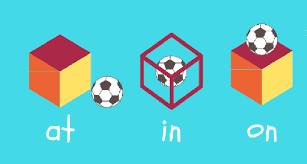
    at(preposition)

    /ət/

    पर (par)

    used to say where something/somebody is or where something happens

    We plan to stay at the Sheraton Hotel.

    हम शेरेटन होटल में ठहरने की योजना बना रहे हैं। (Hum Sheraton hotel mein theharne ki yojana bana rahe hain.)

    at the corner of the street

    समानार्थीinonnearbywithin
    विलोमaway fromdistant fromremote from
  30. 30

    us(pronoun)

    /əs/

    हम

    used when the speaker or writer and another or others are the object of a verb or preposition, or after the verb be

    Hello, it's us back again.

    नमस्ते, हम फिर वापस आ गए हैं।

    We'll take the dog with us.

    समानार्थीweourselveswe all
    विलोमthemyouI
  31. 31

    probably(adverb)

    /ˈprɑːbəbli/

    शायद

    used to say that something is likely to happen or to be true

    The decision to set up a new company is probably his most risky decision.

    एक नई कंपनी स्थापित करने का निर्णय शायद उसका सबसे जोखिम भरा निर्णय है।

    It was the best known and probably the most popular of her songs.

    समानार्थीlikelypossiblypresumablyperhapsmaybeconceivablydoubtless
    विलोमcertainlydefinitelysurelyundoubtedly
  32. 32

    except(preposition)

    /ɪkˈsept/

    सिवाय

    used before you mention the only thing or person about which a statement is not true

    We work every day except Sunday.

    हम रविवार को छोड़कर हर दिन काम करते हैं।

    Our dresses were the same except mine was red.

    समानार्थीexcludingbutsaveapart fromaside fromwith the exception of
    विलोमincludingplusin addition to
  33. 33

    mine(pronoun)

    /maɪn/

    मेरा

    of or belonging to the person writing or speaking

    She wanted one like mine (= like I have).

    वह मेरे जैसा एक चाहती थी।

    He's a friend of mine(= one of my friends).

    समानार्थीbelonging to memy ownmy property
    विलोमyourshisherstheirs
  34. 34

    what(pronoun, determiner)

    /wʌt/

    क्या

    used in questions to ask for particular information about somebody/something

    What is your favorite book?

    तुम्हारी पसंदीदा किताब क्या है?

    What is your name?

    समानार्थीwhichthathowthe thing thatthe item that
    विलोमnonenothing
  35. 35

    after(preposition)

    /ˈæftər/

    बाद (baad)

    later than something; following something in time

    Let’s meet after 5.

    चलो 5 बजे के बाद मिलते हैं। (chalo 5 baje ke baad milte hain)

    I could come next week, or the week after.

    समानार्थीfollowinglatersubsequentbehind
    विलोमbeforepriorpreceding
  36. 36

    any(determiner)

    /ˈeni/

    कोई

    used with uncountable or plural nouns in negative sentences and questions, after if or whether , and after some verbs such as prevent , ban , forbid , etc. to refer to an amount or a number of something, however large or small

    I've got hardly any money.

    मेरे पास मुश्किल से कोई पैसा है।

    She asked if we had any questions.

    समानार्थीsomeoneeveryeachalleither
    विलोमnonenonever
  37. 37

    surely(adverb)

    /ˈʃʊrli/

    ज़रूर

    used to show that you are almost certain of what you are saying and want other people to agree with you

    Surely we should do something about it?

    ज़रूर हमें इसके बारे में कुछ करना चाहिए?

    It's surely only a matter of time before he is found, isn't it?

    समानार्थीcertainlydefinitelyundoubtedlyassuredlyabsolutelyof coursewithout a doubt
    विलोमuncertainlydoubtfullypossiblymaybeperhaps
  38. 38

    your(determiner)

    /jʊr/

    तुम्हारा

    of or belonging to the person or people being spoken or written to

    Your pen is very nice.

    तुम्हारा पेन बहुत अच्छा है।

    Excuse me, is this your seat?

    समानार्थीbelonging to youof you
    विलोमmyhishertheirour
  39. 39

    by(preposition)

    /baɪ/

    से, के द्वारा

    used for showing how or in what way something is done

    We usually go to school by bus, but today we walked.

    हम आमतौर पर बस से स्कूल जाते हैं, लेकिन आज हम पैदल गए।

    समानार्थीnearnext tobesideclose toalongside
    विलोमfar fromaway from
  40. 40

    our(determiner)

    /ɑːr/

    हमारा

    belonging to us; connected with us

    Our school is very nice.

    हमारा स्कूल बहुत अच्छा है।

    Our main export is rice.

    समानार्थीbelonging to usof ours
    विलोमtheirtheirsyour
  41. 41

    yeah(exclamation)

    /jeə/

    हाँ (haan)

    yes

    "Do you like your job?" "Yeah, it's all right I suppose."

    "क्या तुम्हें अपनी नौकरी पसंद है?" "हाँ, ठीक ही है शायद।"

    to have good/perfect/poor/blurred/normal vision

    समानार्थीyesyepsureindeedrightokay
    विलोमnonopenah
  42. 42

    her(pronoun)

    /hər/

    उसे, उसको

    used as the object of a verb, after the verb be or after a preposition to refer to a woman or girl who has already been mentioned or is easily identified

    I saw her at the park yesterday and said hello.

    मैंने कल उसे पार्क में देखा और नमस्ते कहा।

    समानार्थीbelonging to herhersof her
    विलोमhistheirmyyour
  43. 43

    towards(preposition)

    /tɔːrdz/

    की ओर

    in the direction of somebody/something

    She had her back towards me.

    उसकी पीठ मेरी ओर थी।

    They were heading towards the German border.

    समानार्थीtoin the direction ofnearapproachingaround
    विलोमaway fromfrom
  44. 44

    especially(adverb)

    /ɪˈspeʃəli/

    खासकर (khaasakar)

    more with one person, thing, etc. than with others, or more in particular circumstances than in others

    Teenagers are very fashion conscious, especially girls.

    किशोर फैशन के प्रति बहुत सजग होते हैं, खासकर लड़कियां। (kishor phaishan ke prati bahut sajag hote hain, khaasakar ladkiyaan.)

    I love Rome, especially in the spring.

    समानार्थीparticularlymainlyprimarilynotablysignificantlyin particular
    विलोमgenerallyusuallyordinarilycommonlytypically
  45. 45

    everything(pronoun)

    /ˈevriθɪŋ/

    सब कुछ

    all things

    When we confronted him, he denied everything.

    जब हमने उसका सामना किया, तो उसने सब कुछ इनकार कर दिया।

    She seemed to have everything—looks, money, intelligence.

    समानार्थीallthe whole thingevery single thingeverything under the sunthe works
    विलोमnothingsomethinga littlea few
  46. 46

    who(pronoun)

    /huː/

    कौन

    used in questions to ask about the name, identity or function of one or more people

    Who is this?

    यह कौन है?

    Who is that woman?

    समानार्थीwhich personwhat person
    विलोमnobody
  47. 47

    even(adverb)

    /ˈiːvn/

    यहां तक कि

    used to emphasize something unexpected or surprising

    He never even opened the letter (= so he certainly didn't read it).

    उसने पत्र खोला तक नहीं (= इसलिए उसने निश्चित रूप से इसे नहीं पढ़ा)।

    Even a child can understand it (= so adults certainly can).

    समानार्थीalsojustactuallyreallytrulyindeed
    विलोमnevernotcontrary
  48. 48

    for(preposition)

    /fər/

    के लिए

    used to show who is intended to have or use something or where something is intended to be put

    There's a letter for you

    तुम्हारे लिए एक पत्र है।

    This is the place for me (= I like it very much).

    समानार्थीintended formeant forin behalf ofon account of
    विलोमagainstfrom
  49. 49

    please(exclamation)

    /pliːz/

    कृपया

    used as a polite way of asking for something or telling somebody to do something

    Can I have a glass of water, please?

    क्या मुझे एक गिलास पानी मिल सकता है, कृपया?

    समानार्थीsatisfydelightgratifyappeasehumor
    विलोमdispleaseoffendannoydissatisfyupset
  50. 50

    nearly(adverb)

    /ˈnɪrli/

    लगभग

    almost; not quite; not completely

    She very nearly died.

    वह लगभग मर गई।

    He's nearly as tall as you are.

    समानार्थीalmostpracticallyvirtuallyclose toaboutapproximately
    विलोमcompletelyentirelyfullyabsolutelynowhere near
  51. 51

    nor(conjunction)

    /nɔːr/

    न ही, और न

    and not

    He wasn't there on Monday. Nor on Tuesday, for that matter.

    वह सोमवार को वहाँ नहीं था। वैसे मंगलवार को भी नहीं।

    Not a building nor a tree was left standing.

    समानार्थीneitheralso notand not
    विलोमandalso
  52. 52

    actually(adverb)

    /ˈæktʃuəli/

    वास्तव में

    used in speaking to emphasize a fact or a comment, or that something is really true

    It's not actually raining now.

    वास्तव में अब बारिश नहीं हो रही है।

    There are lots of people there who can actually help you.

    समानार्थीreallyin factgenuinelytrulyveritablyindeedliterally
    विलोमtheoreticallyhypotheticallyapparentlyostensiblyseeminglyfalselyincorrectly
  53. 53

    hers(pronoun)

    /hɜːrz/

    उसका

    of or belonging to her

    His eyes met hers.

    उसकी आँखें उससे मिलीं।

    The choice was hers.

    समानार्थीherbelonging to herof her
    विलोमhismineyoursourstheirs
  54. 54

    least(determiner)

    /liːst/

    सबसे कम

    smallest in size, amount, degree, etc.

    This model uses the least fuel of all the cars we tested.

    हमारे परखे गए सभी वाहनों में यह मॉडल सबसे कम ईंधन खर्च करता है।

    समानार्थीsmallestminimumtiniestlowest
    विलोमmostgreatestmaximumlargest
  55. 55

    someone(pronoun)

    /ˈsʌmwʌn/

    कोई

    a person who is not known or mentioned by name

    There's someone at the door.

    दरवाज़े पर कोई है।

    Someone's left their bag behind.

    समानार्थीsomebodya personan individualonea certain person
    विलोमnobodyno oneeveryoneeverybody
  56. 56

    I(pronoun)

    /aɪ/

    मैं (Main)

    used as the subject of a verb when the speaker or writer is referring to himself/herself

    I am a student.

    मैं एक छात्र हूँ (Main ek chhaatr hoon).

    When they asked me if I wanted the job, I said yes.

    समानार्थीMyselfMe
    विलोमYouHeSheItTheyWe
  57. 57

    well(adverb)

    /wel/

    अच्छी तरह से, बख़ूबी

    in a good, right or acceptable way

    She speaks English very well.

    वह बहुत अच्छी अंग्रेज़ी बोलती है।

    समानार्थीwater sourcespringboreholepitshaft
    विलोमdrydesertarid land
  58. 58

    including(preposition)

    /ɪnˈkluːdɪŋ/

    सहित (sahit)

    having something as part of a group or set

    I've got three days' holiday including New Year's Day.

    मेरे पास नए साल के दिन सहित तीन दिन की छुट्टी है। (mere paas naye saal ke din sahit teen din kee chhuttee hai.)

    It's £7.50, not including tax.

    समानार्थीcomprisingencompassingincorporatingconsisting ofembracing
    विलोमexcludingomittingexceptingwithoutexcluding
  59. 59

    me(pronoun)

    /mi/

    मुझे, मैं

    the form of I that is used when the speaker or writer is the object of a verb or preposition, or after the verb be

    Hello, it's me.

    हैलो, मैं हूँ।

    Don't hit me.

    समानार्थीmyselfI
    विलोमyouhimherthem
  60. 60

    this(determiner, pronoun)

    /ðɪs/

    यह (yah)

    used to refer to a particular person, thing or event that is close to you, especially compared with another

    This is my teacher.

    यह मेरे शिक्षक हैं। (yah mere shikshak hain.)

    Is this your bag?

    समानार्थीthatthea
    विलोमthatthose
  61. 61

    where(adverb)

    /wer/

    कहाँ

    in or to what place or situation

    Where is your white shirt?

    तुम्हारी सफेद शर्ट कहाँ है?

    I wonder where they will take us to.

    समानार्थीlocationplacepositionspot
    विलोमnowhere
  62. 62

    she(pronoun)

    /ʃi/

    वह (vah)

    a female person or animal that has already been mentioned or is easily identified

    Daisy is my friend. She is very kind.

    डेज़ी मेरी दोस्त है। वह बहुत दयालु है। (Dezee meri dost hai. Vah bahut dayalu hai.)

    Doesn't she (= the woman we are looking at) look like Sue?

    समानार्थीherthe womanthat woman
    विलोमhehim
  63. 63

    yours(pronoun)

    /jərz/

    तुम्हारा

    of or belonging to you

    Is that book yours?

    क्या वह किताब तुम्हारी है?

    My hair is very fine. Yours is much thicker.

    समानार्थीbelonging to youyour property
    विलोमmineanother's
  64. 64

    or(conjunction)

    /ɔːr/

    या

    used to introduce another possibility

    Is your sister older or younger than you?

    क्या आपकी बहन आपसे बड़ी है या छोटी?

    Are you coming or not?

    समानार्थीotherwisealternatively
    विलोमand
  65. 65

    less(determiner)

    /les/

    कम

    used with uncountable nouns to mean ‘a smaller amount of’

    You should eat less sugar and more fresh fruit and vegetables.

    आपको कम चीनी और ज़्यादा ताज़े फल और सब्ज़ियाँ खानी चाहिए।

    समानार्थीfewersmallerreducedlower
    विलोमmoregreaterincreasedhigher
  66. 66

    same(adjective)

    /seɪm/

    समान (samaan)

    exactly the one or ones referred to or mentioned; not different

    We treat boys exactly the same as girls.

    हम लड़कों के साथ ठीक वैसा ही व्यवहार करते हैं जैसा लड़कियों के साथ।

    He gave me five dollars, same as usual.

    समानार्थीidenticalequalequivalentalikesimilaruniformconsistent
    विलोमdifferentdissimilardistinctunequalvaried
  67. 67

    unless(conjunction)

    /ənˈles/

    जब तक कि नहीं

    used to say that something can only happen or be true in a particular situation

    You won't get paid for time off unless you have a doctor's note.

    जब तक आपके पास डॉक्टर का पर्चा नहीं है, आपको छुट्टी के लिए भुगतान नहीं किया जाएगा।

    Unless I'm mistaken, she was back at work yesterday.

    समानार्थीexcept ifif notbutsave
    विलोमifprovided thatas long as
  68. 68

    another(determiner)

    /əˈnʌðər/

    एक और, दूसरा

    one more; an extra thing or person

    Would you like another drink?

    क्या आप एक और पेय लेंगे?

    ‘Finished?’ ‘No, I've got another three questions to do.’

    समानार्थीadditionalextrafurthermoredifferentone more
    विलोमnoneno morethe same
  69. 69

    definitely(adverb)

    /ˈdefɪnətli/

    निश्चित रूप से (nishchit roop se)

    a way of emphasizing that something is true and that there is no doubt about it

    I will definitely come to your wedding party.

    मैं निश्चित रूप से तुम्हारी शादी की पार्टी में आऊंगा। (Main nishchit roop se tumhaaree shaadee kee paartee mein aaoonga.)

    ‘Do you plan to have children?’ ‘Definitely not!’

    समानार्थीcertainlyabsolutelysurelyassuredlypositivelyundoubtedlyunquestionably
    विलोमmaybepossiblyperhapsuncertainlydoubtfully
  70. 70

    both(determiner, pronoun)

    /bəʊθ/

    दोनों

    used with plural nouns to mean ‘the two’ or ‘the one as well as the other’

    We have both seen the movie.

    हम दोनों ने वह फ़िल्म देखी है।

    Both (my) sisters live in London.

    समानार्थीtwocouplepairthe pair
    विलोमneithernoneeither
  71. 71

    about(preposition)

    /əˈbaʊt/

    के बारे में, के विषय में

    on the subject of somebody/something; in connection with somebody/something

    We talked about our favourite sports after school.

    स्कूल के बाद हमने अपने पसंदीदा खेलों के बारे में बात की।

    समानार्थीapproximatelyaroundroughlynearlyalmostclose to
    विलोमexactlypreciselydefinitelycertainly
  72. 72

    goodbye(exclamation)

    /ˌɡʊdˈbaɪ/

    अलविदा, खुदा हाफ़िज़

    used when you are leaving somebody or when somebody else is leaving

    Goodbye, Tom! See you at school tomorrow.

    अलविदा, टॉम! कल स्कूल में मिलते हैं।

    समानार्थीfarewelladieuso longbyeadieu
    विलोमhellogreetingwelcome
  73. 73

    anything(pronoun)

    /ˈeniθɪŋ/

    कुछ भी

    used instead of something in negative sentences and in questions; after if /whether ; and after verbs such as prevent , ban , avoid , etc.

    If you remember anything, please let us know.

    अगर आपको कुछ भी याद आए तो कृपया हमें बताएं।

    There's never anything worth watching on TV.

    समानार्थीsomethingeverythingallanywhatever
    विलोमnothing
  74. 74

    of(preposition)

    /əv/

    का (ka)

    belonging to somebody; relating to somebody

    the paintings of Monet

    मोनेट की पेंटिंग (Monet ki painting)

    Can't you throw out that old bike of Tommy's?

    समानार्थीbelonging tofromrelating toassociated withregardingconcerning
    विलोमwithoutlacking
  75. 75

    which(pronoun)

    /wɪtʃ/

    कौन सा, कौन सी

    used in questions to ask somebody to be exact about one or more people or things from a limited number

    Which of the applicants has got the job?

    आवेदकों में से किसे नौकरी मिली है?

    Which is better exercise—swimming or tennis?

    समानार्थीwhatthatwhowhateverwhichever
    विलोमnoneno one
  76. 76

    whoever(pronoun)

    /huːˈevər/

    जो कोई

    the person or people who; any person who

    Whoever says that is a liar.

    जो कोई भी ऐसा कहता है वह झूठा है।

    Send it to whoever is in charge of sales.

    समानार्थीanyoneeverybodyeveryoneany personno matter who
    विलोमnobodyno one
  77. 77

    although(conjunction)

    /ɔːlˈðəʊ/

    यद्यपि

    used for introducing a statement that makes the main statement in a sentence seem surprising

    Although small, the kitchen is well designed.

    यद्यपि छोटा, रसोई अच्छी तरह से डिज़ाइन की गई है।

    Although the sun was shining, it wasn't very warm.

    समानार्थीthougheven thoughwhilstnotwithstandingalbeit
    विलोमbecausesinceasdue to
  78. 78

    none(pronoun)

    /nʌn/

    कोई नहीं

    not one of a group of people or things; not any

    Tickets for Friday? Sorry we've got none left.

    शुक्रवार के टिकट? माफ़ कीजिए हमारे पास कोई नहीं बचा।

    ‘Is there any more milk?’ ‘No, none at all.’

    समानार्थीzeronot onenothingnilnada
    विलोमsomeanyallplentymany
  79. 79

    their(determiner)

    /ðer/

    उनका

    of or belonging to people, animals or things that have already been mentioned or are easily identified

    Their school is very nice.

    उनका विद्यालय बहुत अच्छा है।

    Which is their house?

    समानार्थीbelonging to themof them
    विलोमmyyourourhisherits
  80. 80

    generally(adverb)

    /ˈdʒenrəli/

    आम तौर पर

    by or to most people

    The plan was generally welcomed.

    योजना का आम तौर पर स्वागत किया गया।

    The new drug will be generally available from January.

    समानार्थीusuallytypicallynormallycommonlylargelymostlyin general
    विलोमspecificallyparticularlyexceptionallyrarelyunusually
  81. 81

    really(adverb)

    /ˈriːəli/

    सचमुच, बहुत, वाकई

    used to emphasize an adjective or adverb

    The film was really good, so we watched it again.

    फ़िल्म सचमुच बहुत अच्छी थी, इसलिए हमने उसे दोबारा देखा।

    समानार्थीtrulyactuallygenuinelyindeedverilysincerely
    विलोमfalselyapparentlyseeminglypretendlyvirtually
  82. 82

    however(adverb)

    /haʊˈevər/

    फिर भी, हालाँकि, लेकिन

    used to introduce a statement that contrasts with something that has just been said

    I'd love to come to your party. However, I'm very busy this week.

    मैं आपकी पार्टी में आना चाहूँगा। हालाँकि, इस हफ़्ते मैं बहुत व्यस्त हूँ।

    समानार्थीNeverthelessNonethelessYetStillEven soDespite thatIn spite of that
    विलोमThereforeThusConsequentlyAccordingly
  83. 83

    something(pronoun)

    /ˈsʌmθɪŋ/

    कुछ, कोई चीज़

    a thing that is not known or mentioned by name

    There is something in my bag, but I don't know what it is.

    मेरे बैग में कुछ है, लेकिन मुझे नहीं पता कि वह क्या है।

    समानार्थीthingitemobjectmatterstuffentity
    विलोमnothing
  84. 84

    can(modal verb)

    /kən/

    सकना, सकता है

    used to say that it is possible for somebody/something to do something, or for something to happen

    I can swim, but I can't ride a horse.

    मैं तैर सकता हूँ, लेकिन घोड़ा नहीं चला सकता।

    समानार्थीpreservetinput up
    विलोमfreshunprocessedunpackaged
  85. 85

    my(determiner)

    /maɪ/

    मेरा (merā)

    of or belonging to the speaker or writer

    My name is Andy.

    मेरा नाम एंडी है। (Merā nām endī hai.)

    My feet are cold.

    समानार्थीbelonging to meof minepersonally owned
    विलोमyourhishertheirits
  86. 86

    also(adverb)

    /ˈɔːlsəʊ/

    भी

    in addition; too

    She's fluent in French and German. She also speaks a little Italian.

    वह फ्रेंच और जर्मन में धाराप्रवाह है। वह थोड़ी इतालवी भी बोलती है।

    rubella, also known as German measles

    समानार्थीtooas wellin additionfurthermoremoreover
    विलोमneithernorinsteadconversely
  87. 87

    must(modal verb)

    /məst/

    चाहिए, ज़रूर करना

    used to say that something is necessary or very important (sometimes involving a rule or a law)

    ‘Do we have to finish this today?’ ‘Yes, you must.’

    ‘क्या हमें यह आज ही खत्म करना होगा?’ ‘हाँ, करना ही होगा।’

    I must ask you not to do that again.

    समानार्थीshouldought toneed torequiredobligednecessary
    विलोमmaycanoptionallyneedn'tshouldn't
  88. 88

    but(conjunction)

    /bət/

    लेकिन, पर, मगर

    used to introduce a word or phrase that contrasts with what was said before

    I would like to come to the party, but I am too busy.

    मैं पार्टी में आना चाहता हूँ, लेकिन मैं बहुत व्यस्त हूँ।

    समानार्थीhoweveryetalthoughthoughneverthelessstill
    विलोमandalsofurthermore
  89. 89

    not(adverb)

    /nɑːt/

    नहीं, न

    used with be , do or have to form the negative of verbs; used to form the negative of modal verbs like can or must

    I am not hungry, but I am very tired.

    मुझे भूख नहीं है, लेकिन मैं बहुत थका हुआ हूँ।

    समानार्थीnonayneveropposite ofnegation
    विलोमyestruepositiveaffirmative
  90. 90

    completely(adverb)

    /kəmˈpliːtli/

    पूरी तरह से

    in every way possible; in every part

    completely different

    पूरी तरह से अलग

    completely and utterly broke

    समानार्थीtotallyentirelyfullyutterlyabsolutelyperfectlywholly
    विलोमpartiallyincompletelysomewhatslightlypartly
  91. 91

    nevertheless(adverb)

    /ˌnevərðəˈles/

    फिर भी

    despite something that you have just mentioned

    Our defeat was expected but it is disappointing nevertheless.

    हमारी हार की उम्मीद थी लेकिन फिर भी यह निराशाजनक है।

    The old system had its flaws, but nevertheless it was preferable to the new one.

    समानार्थीhowevernonethelessstillyeteven so
    विलोमthereforeconsequentlythusso
  92. 92

    should(modal verb)

    /ʃəd/

    चाहिए

    used to say what is the right or sensible thing to do, especially when giving advice

    You should see a doctor if your fever gets worse.

    अगर तुम्हारा बुखार बढ़ जाए तो तुम्हें डॉक्टर को दिखाना चाहिए।

    समानार्थीought tomustshallneed tobe obliged to
    विलोमshouldn'tmustn'tneedn't
  93. 93

    either(determiner, pronoun)

    /ˈiːðər/

    दोनों में से कोई एक

    one or the other of two; it does not matter which

    You can park on either side of the street.

    आप सड़क के किसी भी तरफ़ गाड़ी खड़ी कर सकते हैं।

    समानार्थीalsotooas welllikewisesimilarly
    विलोमonlyalonesolely
  94. 94

    used(adjective)

    /juːst/

    अभ्यस्त, आदी

    familiar with something because you do it or experience it often

    She is used to getting up early for work every day.

    वह हर दिन काम के लिए जल्दी उठने की आदी है।

    समानार्थीsecondhandpre-ownedwornutilizedemployedhand-me-down
    विलोमnewunusedbrand newfreshoriginal
  95. 95

    every(determiner)

    /ˈevri/

    हर

    used with singular nouns to refer to all the members of a group of things or people

    Every classroom has 25 desks.

    हर कक्षा में 25 डेस्क हैं।

    They were watching her every movement.

    समानार्थीeachallanythe whole of
    विलोमnononesomefew
  96. 96

    moreover(adverb)

    /mɔːrˈəʊvər/

    इसके अलावा

    used to introduce some new information that adds to or supports what you have said previously

    A talented artist, he was, moreover, a writer of some note.

    एक प्रतिभाशाली कलाकार, वह, इसके अलावा, कुछ हद तक एक लेखक भी थे।

    a piece of metal

    समानार्थीfurthermorebesidesin additionalsomoreoveradditionallytoo
    विलोमconverselyhoweverneverthelessdespitealthoughinstead
  97. 97

    hi(exclamation)

    /haɪ/

    नमस्ते

    used to say hello

    Hi, there! How're you doing?

    नमस्ते! क्या हाल है?

    Hi, Peter.

    समानार्थीhellogreetingsheyhowdygood day
    विलोमgoodbyefarewellsee youso longadieu
  98. 98

    fairly(adverb)

    /ˈferli/

    काफी

    to some extent but not very

    a fairly easy book

    एक काफी आसान किताब

    a fairly typical reaction

    समानार्थीquiterathersomewhatmoderatelyreasonablypretty
    विलोमextremelyveryexceptionallyincrediblyunusually
  99. 99

    all(determiner)

    /ɔːl/

    सभी, सारे

    the whole number of

    All the students in my class passed the exam.

    मेरी कक्षा के सभी छात्र परीक्षा में पास हो गए।

    समानार्थीentirewholecompleteeveryeverything
    विलोमnonenothingpartsome
  100. 100

    so(conjunction)

    /səʊ/

    इसलिए, अतः

    used to show the result of something; therefore

    It was still painful so I went to see a doctor.

    दर्द अब भी हो रहा था, इसलिए मैं डॉक्टर के पास गया।

    He never seems to smile.

    समानार्थीthereforeconsequentlyhencethusaccordingly
    विलोमbecausesince
  101. 101

    particularly(adverb)

    /pərˈtɪkjələrli/

    विशेष रूप से (vishesh roop se)

    especially; more than usual or more than others

    I enjoyed the play, particularly the second half.

    मुझे नाटक पसंद आया, विशेष रूप से दूसरा भाग।

    particularly good/important/useful

    समानार्थीespeciallyspecificallynotablyin particularprimarilymainly
    विलोमgenerallyusuallytypicallycommonlyordinarilyin general
  102. 102

    absolutely(adverb)

    /ˈæbsəluːtli/

    बिल्कुल

    used to emphasize that something is completely true

    It was absolutely pouring with rain.

    बारिश बिल्कुल ज़ोरों से हो रही थी।

    He made it absolutely clear.

    समानार्थीcompletelytotallyutterlydefinitelycertainlypositivelyunquestionablyundoubtedly
    विलोमrelativelypartiallysomewhatpossiblyincompletely
  103. 103

    certainly(adverb)

    /ˈsɜːrtnli/

    निश्चित रूप से

    without doubt

    She was certainly attractive but you couldn't call her beautiful.

    वह निश्चित रूप से आकर्षक थी लेकिन आप उसे सुंदर नहीं कह सकते थे।

    I'm certainly never going there again.

    समानार्थीdefinitelyassuredlyundoubtedlyabsolutelypositivelysurely
    विलोमuncertainlydoubtfullypossiblymaybeperhaps
  104. 104

    from(preposition)

    /frəm/

    से

    used to show where somebody/something starts

    She began to walk away from him

    वह उससे दूर जाने लगी।

    Has the train from Bristol arrived?

    समानार्थीoriginating inout ofaway fromstarting at
    विलोमtotowardattowards
  105. 105

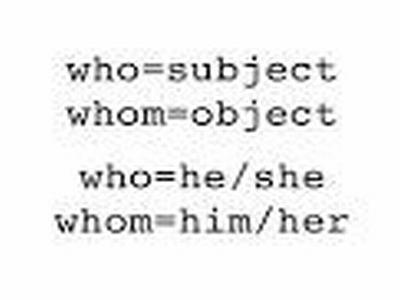
    whom(pronoun)

    /huːm/

    किसे

    used instead of ‘who’ as the object of a verb or preposition

    Whom did they invite?

    उन्होंने किसे आमंत्रित किया?

    To whom should I write?

    समानार्थीwho (formal)the person whomthe one whom
    विलोमwho (informal)thatwhich
  106. 106

    wherever(conjunction)

    /werˈevər/

    जहाँ कहीं, जहाँ भी

    in or to any place

    You can sit wherever you like in the classroom.

    तुम कक्षा में जहाँ चाहो वहाँ बैठ सकते हो।

    समानार्थीanywherein any placewhere so ever
    विलोमnowheresomewhere specific
  107. 107

    shall(modal verb)

    /ʃəl/

    गा, गी, गे (भविष्यकालीन सहायक क्रिया)

    used with I and we for talking about or predicting the future

    I shall be away next week, so please call my assistant.

    मैं अगले सप्ताह बाहर रहूँगा, इसलिए कृपया मेरे सहायक को फ़ोन करें।

    समानार्थीwillshouldmustought to
    विलोमwon'tshan'tmustn't
  108. 108

    maybe(adverb)

    /ˈmeɪbi/

    शायद (shaayad)

    used when you are not certain that something will happen or that something is true or is a correct number

    Maybe he'll come, maybe he won't.

    शायद वह आएगा, शायद नहीं। (Shaayad vah aaega, shaayad nahin.)

    We go there maybe once or twice a month.

    समानार्थीperhapspossiblyconceivablyperchancemayhap
    विलोमcertainlydefinitelysurelycertainabsolutely
  109. 109

    a(determiner)

    /ə/

    एक

    used before countable or singular nouns referring to people or things that have not already been mentioned

    She's a friend of my father's (= one of my father's friends).

    वह मेरे पिताजी के एक दोस्त है।

    a man/horse/unit

    समानार्थीoneanany
    विलोमtheall
  110. 110

    during(preposition)

    /ˈdʊrɪŋ/

    दौरान

    all through a period of time

    There are extra flights to Colorado during the winter.

    सर्दियों के दौरान कोलोराडो के लिए अतिरिक्त उड़ानें हैं।

    There are extra flights to Colorado during the winter.

    समानार्थीwhilethroughoutinin the course offor the duration ofin the period of
    विलोमbeforeafter
  111. 111

    whereas(conjunction)

    /ˌwerˈæz/

    जबकि

    used to compare or contrast two facts

    Some of the studies show positive results, whereas others do not.

    कुछ अध्ययन सकारात्मक परिणाम दिखाते हैं, जबकि अन्य नहीं दिखाते हैं।

    We thought she was arrogant, whereas in fact she was just very shy.

    समानार्थीwhilealthoughbuton the other handconversely
    विलोमsimilarlylikewisealsoin addition
  112. 112

    yes(exclamation)

    /jes/

    हाँ

    used to answer a question and say that something is correct or true

    Yes, it's me.

    हाँ, मैं हूँ।

    ‘Are you coming? Yes or no?’

    समानार्थीaffirmativeindeedayesurecertainlyabsolutely
    विलोमnonegativenay
  113. 113

    very(adverb)

    /ˈveri/

    बहुत

    used before adjectives, adverbs and determiners to mean ‘in a high degree’ or ‘extremely’

    My classroom is very big.

    मेरा कक्षा बहुत बड़ा है।

    I'm very very grateful.

    समानार्थीextremelyhighlyreallyexceedinglyremarkablyawfully
    विलोमslightlysomewhata littlemoderatelybarely
  114. 114

    whether(conjunction)

    /ˈweðər/

    क्या

    used to express a doubt or choice between two possibilities

    I'll see whether she's at home (= or not at home).

    मैं देखूंगा कि वह घर पर है या नहीं (= या घर पर नहीं)।

    It remains to be seen whether or not this idea can be put into practice.

    समानार्थीifin casein the event that
    विलोमdefinitelycertainly
  115. 115

    perhaps(adverb)

    /pərˈhæps/

    शायद

    possibly

    ‘Are you going to come?’ ‘Perhaps. I'll see how I feel.’

    ‘क्या तुम आओगे?’ ‘शायद। मैं देखूंगा कि मुझे कैसा लगता है।’

    Perhaps he's forgotten.

    समानार्थीmaybepossiblyconceivablyperchancelikelypotentially
    विलोमcertainlydefinitelysurelyabsolutelyassuredly
  116. 116

    everyone(pronoun)

    /ˈevriwʌn/

    हर कोई

    every person; all people

    Everyone is waiting outside.

    हर कोई बाहर इंतजार कर रहा है।

    Everyone cheered and clapped.

    समानार्थीeverybodyalleach personeach onethe whole world
    विलोमno onenobodynone
  117. 117

    with(preposition)

    /wɪð/

    के साथ

    in the company or presence of somebody/something

    a nice steak with a bottle of red wine

    रेड वाइन की एक बोतल के साथ एक अच्छा स्टेक

    She lives with her parents.

    समानार्थीalongsideaccompanyingtogether withincludingplus
    विलोमwithout
  118. 118

    each(determiner)

    /iːtʃ/

    प्रत्येक, हर एक

    used to refer to every one of two or more people or things, when you are thinking about them separately

    Each answer is worth 20 points.

    प्रत्येक उत्तर के 20 अंक हैं।

    There aren't enough books for everyone to have one each.

    समानार्थीeveryperindividualallany
    विलोमnoneno
  119. 119

    into(preposition)

    /ˈɪntə/

    में

    to a position in or inside something

    Come into the house.

    घर में आओ।

    She dived into the water.

    समानार्थीwithininsideintowards
    विलोमout ofoutsideoutaway from
  120. 120

    hello(exclamation, noun)

    /həˈləʊ/

    नमस्ते

    used as a greeting when you meet somebody, in an email, when you answer the phone or when you want to attract somebody’s attention

    Say hello to Liz for me.

    लिज़ को मेरी नमस्ते कहना।

    Hello, is there anybody there?

    समानार्थीgreetingshiheyhowdygood daywelcome
    विलोमgoodbyefarewelladieu
  121. 121

    he(pronoun)

    /hi/

    वह (vah)

    a male person or animal that has already been mentioned or is easily identified

    He is 10 years old and he is a student.

    वह 10 साल का है और वह एक छात्र है।(vah das saal ka hai aur vah ek chhaatr hai.)

    He (= the man we are watching) went through that door.

    समानार्थीhimthat personthe manthe boy
    विलोमshethey
  122. 122

    itself(pronoun)

    /ɪtˈself/

    खुद

    used when the animal or thing that does an action is also affected by it

    Does the computer turn itself off?

    क्या कंप्यूटर अपने आप बंद हो जाता है?

    The cat was washing itself.

    समानार्थीits very beingits own selfin itselfautomaticallyindependently
    विलोमexternallyotheranother
  123. 123

    nothing(pronoun)

    /ˈnʌθɪŋ/

    कुछ नहीं

    not anything; no single thing

    Nothing else matters to him apart from his job.

    उसकी नौकरी के अलावा उसके लिए कुछ भी मायने नहीं रखता।

    There was nothing in her bag.

    समानार्थीnilzeronoughtnadazip
    विलोमeverythingsomethinganythingall
  124. 124

    would(modal verb)

    /wʊd/

    गा, गी, गे

    used as the past form of 'will' when reporting what somebody said or thought

    She asked if I would help.

    उसने पूछा कि क्या मैं मदद करूँगा।

    He said he would be here at eight o'clock (= His words were: ‘I will be there at eight o'clock.’).

    समानार्थीshouldmightcould
    विलोमwill notrefuse
  125. 125

    might(modal verb)

    /maɪt/

    शायद

    used when showing that something is or was possible

    He said he might come tomorrow.

    उसने कहा कि वह कल आ सकता है।

    major international companies

    समानार्थीpossiblymaybeperhapscouldmay
    विलोमdefinitelycertainlysurelywillmust
  126. 126

    upon(preposition)

    /əˈpɑːn/

    पर, के ऊपर

    on (used in formal or literary English)

    The old book was placed carefully upon the table by the window.

    पुरानी किताब खिड़की के पास वाली मेज़ पर सावधानी से रखी गई थी।

    समानार्थीonaboveoveronto
    विलोमunderbeneathbelow
  127. 127

    since(preposition)

    /sɪns/

    से

    from a time in the past until a later past time, or until now

    I have lived in this city since 2015.

    मैं 2015 से इस शहर में रह रहा हूँ।

    समानार्थीafterbecauseasseeing asinasmuch as
    विलोमbefore
  128. 128

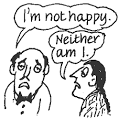
    neither(determiner)

    /ˈniːðər/

    दोनों में से कोई नहीं

    not one nor the other of two things or people

    Neither of my parents can speak English.

    मेरे माता-पिता में से कोई भी अंग्रेज़ी नहीं बोल सकता।

    समानार्थीnornot eitheralso not
    विलोमalsotooeither
  129. 129

    several(determiner, pronoun)

    /ˈsevrəl/

    कई

    more than two but not very many

    Several of the paintings were destroyed in the fire.

    कई पेंटिंग आग में नष्ट हो गईं।

    If you're looking for a photo of Alice you'll find several in here.

    समानार्थीsomea fewmanyvariousmultiple
    विलोमnonefewsingleone
  130. 130

    basically(adverb)

    /ˈbeɪsɪkli/

    मूल रूप से

    in the most important ways, without considering things that are less important

    The two approaches are basically very similar.

    दोनों दृष्टिकोण मूल रूप से बहुत समान हैं।

    There have been some problems but basically it's a good system.

    समानार्थीessentiallyfundamentallyprimarilymainlylargelygenerallyin essence
    विलोमspecificallyparticularlyuniquelydistinctlydifferentlyin detail
  131. 131

    it(pronoun)

    /ɪt/

    यह

    used to refer to an animal or a thing that has already been mentioned or that is being talked about now

    This is my dog. It is very friendly.

    यह मेरा कुत्ता है। यह बहुत मिलनसार है।

    समानार्थीthatthisthe thingthe one
    विलोमheshethey
  132. 132

    its(determiner)

    /ɪts/

    इसका

    belonging to or connected with a thing, an animal or a baby

    I have a dog. Its tail is very long.

    मेरे पास एक कुत्ता है। इसकी पूंछ बहुत लंबी है।

    समानार्थीbelonging to itof itbelonging to the thingthereof
    विलोमnone (as it's a possessive pronoun)
  133. 133

    in(preposition)

    /ɪn/

    में (mein)

    at a point within an area or a space

    The cat is sleeping in the box.

    बिल्ली डिब्बे में सो रही है। (Billi dibbe mein so rahi hai.)

    समानार्थीwithininsideamongduring
    विलोमoutoutsidewithout
  134. 134

    how(adverb)

    /haʊ/

    कैसे

    in what way or manner

    How do you feel?

    तुम्हें कैसा लग रहा है?

    समानार्थीin what wayby what meansto what extentin which manner
    विलोमwhybecause
  135. 135

    amount(noun)

    /əˈmaʊnt/

    मात्रा (maatra)

    a quantity of something

    He paid regular amounts of money to a charity.

    वह नियमित रूप से एक चैरिटी को पैसे देता था।

    समानार्थीquantitysumvolumeextentmeasuredegreeportion
    विलोमlackabsenceinsufficiencyscarcitydeficiency
  136. 136

    bye(exclamation)

    /baɪ/

    अलविदा (alavidaa)

    goodbye

    Bye. See you very soon.

    अलविदा। जल्द ही मिलेंगे। (Alavida. Jald hee milenge.)

    समानार्थीgoodbyefarewellso longsee you lateradios
    विलोमhellogreetingswelcome
  137. 137

    many(determiner, pronoun)

    /ˈmeni/

    बहुत

    used with plural nouns and verbs, especially in negative sentences or in more formal English, to mean ‘a large number of’. Also used in questions to ask about the size of a number, and with ‘as’, ‘so’ and ‘too’.

    There are many toys in my room.

    मेरे कमरे में बहुत सारे खिलौने हैं।

    समानार्थीnumerousabundantplentifulmultiplevariousseveral
    विलोमfewlittlescarcelimited
  138. 138

    much(determiner)

    /mʌtʃ/

    बहुत, कितना

    used with uncountable nouns, especially in negative sentences to mean ‘a large amount of something’, or after ‘how’ to ask about the amount of something. It is also used with ‘as’, ‘so’ and ‘too’.

    How much milk do we have in the fridge?

    फ्रिज में कितना दूध है?

    समानार्थीa lotgreatlyconsiderablysubstantiallysignificantly
    विलोमlittleslightlyminimally
  139. 139

    because(conjunction)

    /bɪˈkəz/

    क्योंकि

    for the reason that

    I did it because he told me to.

    मैंने यह इसलिए किया क्योंकि उसने मुझे ऐसा करने को कहा था।

    समानार्थीsinceasfordue toin view ofon account of
    विलोमdespitealthoughin spite ofregardless ofeven though
  140. 140

    almost(adverb)

    /ˈɔːlməʊst/

    लगभग

    not quite

    I almost missed the train.

    मैं लगभग ट्रेन चूक गया।

    समानार्थीnearlypracticallyvirtuallyaboutapproaching
    विलोमcompletelyentirelyfullydefinitely
  141. 141

    anybody(pronoun)

    /ˈenibɑːdi/

    कोई भी

    used instead of somebody in negative sentences and in questions after if /whether , and after verbs such as prevent , forbid , avoid , etc.

    Has anybody seen my keys?

    क्या किसी ने मेरी चाबियाँ देखी हैं?

    समानार्थीanyonesomeonesomebodya person
    विलोमnobodyno one
  142. 142

    be(verb)

    /bi/

    होना

    used when you are naming people or things, describing them or giving more information about them

    I want to be a doctor.

    मैं डॉक्टर बनना चाहता हूँ।

    समानार्थीexistbecomeconstituterepresentequaloccur
    विलोमnonexistenceabsencelack
  143. 143

    besides(preposition)

    /bɪˈsaɪdz/

    के अलावा, के सिवा

    in addition to somebody/something; apart from somebody/something

    Besides being a talented musician, she's also a great writer.

    एक प्रतिभाशाली संगीतकार होने के अलावा वह एक बेहतरीन लेखिका भी है।

    समानार्थीin additionfurthermoremoreoveralso
    विलोमinsteadratherconversely
  144. 144

    enough(determiner)

    /ɪˈnʌf/

    पर्याप्त

    used before plural or uncountable nouns to mean ‘as many or as much as somebody needs or wants’

    Is there enough food for everyone?

    क्या सबके लिए पर्याप्त भोजन है?

    समानार्थीsufficientadequateample
    विलोमinsufficientlackingscarce
  145. 145

    everybody(pronoun)

    /ˈevribɑːdi/

    सब लोग

    every person; all people

    Everybody loves ice cream.

    सब लोग आइसक्रीम पसंद करते हैं।

    समानार्थीeveryonealleach person
    विलोमnobodyno one
  146. 146

    firstly(adverb)

    /ˈfɜːrstli/

    सबसे पहले

    used to introduce the first of a list of points you want to make in a speech or piece of writing

    Firstly, we need to gather all the materials.

    सबसे पहले, हमें सारी सामग्री इकट्ठा करने की ज़रूरत है।

    समानार्थीinitiallyto begin withfirst
    विलोमlastlyfinallysubsequently
  147. 147

    furthermore(adverb)

    /ˌfɜːrðərˈmɔːr/

    इसके अलावा

    in addition to what has just been stated. Furthermore is used especially to add a point to an argument.

    Furthermore, the data suggests a need for further investigation.

    इसके अलावा, डेटा आगे की जांच की आवश्यकता का सुझाव देता है।

    समानार्थीmoreoverbesidesin additionalso
    विलोमconverselyhowevernevertheless
  148. 148

    hey(exclamation)

    /heɪ/

    हे

    used to attract somebody’s attention or to express interest, surprise or anger

    Hey, how are you?

    हे, कैसे हो तुम?

    समानार्थीhihellogreetings
    विलोमgoodbyefarewell
  149. 149

    if(conjunction)

    /ɪf/

    अगर

    used to say that one thing can, will or might happen or be true, depending on another thing happening or being true

    I will go to the park if it stops raining.

    अगर बारिश रुकती है तो मैं पार्क जाऊंगा।

    समानार्थीprovided thatassuming thatin case
    विलोमonly ifunless

  150. 150

    literally(adverb)

    /ˈlɪtərəli/

    अक्षरशः, शाब्दिक रूप से

    in a literal way

    The French word 'bonjour' literally means 'good day' in English.

    फ़्रेंच शब्द 'bonjour' का अंग्रेज़ी में शाब्दिक अर्थ 'good day' है।

    समानार्थीactuallyverbatimexactlytruly
    विलोमfigurativelymetaphoricallyloosely
  151. 151

    myself(pronoun)

    /maɪˈself/

    मैं खुद

    used when the speaker or writer is also the person affected by an action

    I did it myself.

    मैंने यह खुद किया।

    समानार्थीpersonallyaloneoneself
    विलोमanothersomeone else
  152. 152

    nobody(pronoun)

    /ˈnəʊbədi/

    कोई नहीं

    not anyone; no person

    There was nobody at the door.

    दरवाजे पर कोई नहीं था।

    समानार्थीno onenot a soulzeronone
    विलोमeverybodysomeoneanyoneeveryone
  153. 153

    ought(modal verb)

    /ˈɔːt tə/

    चाहिए

    used to say what is the right thing to do or what is expected

    You ought to apologize for your behavior.

    तुम्हें अपने व्यवहार के लिए माफ़ी मांगनी चाहिए।

    समानार्थीshouldmustneed tobe obliged to
    विलोमshouldn'tmustn'tneedn't
  154. 154

    ours(pronoun)

    /ɑːrz/

    हमारा

    the one or ones that belong to us

    That house is ours.

    वह घर हमारा है।

    समानार्थीbelonging to usour property
    विलोमyourstheirs
  155. 155

    secondly(adverb)

    /ˈsekəndli/

    दूसरे

    used to introduce the second of a list of points you want to make in a speech or piece of writing

    Secondly, we need to consider the budget.

    दूसरे, हमें बजट पर विचार करने की आवश्यकता है।

    समानार्थीfurthermoremoreoverin additionnextthen
    विलोमfirstlyprimarily
  156. 156

    somebody(pronoun)

    /ˈsʌmbədi/

    कोई

    a person who is not known or mentioned by name

    Somebody left their umbrella in the office.

    कोई अपना छाता ऑफिस में छोड़ गया।

    समानार्थीsomeonea personan individual
    विलोमnobodyno one
  157. 157

    theirs(pronoun)

    /ðerz/

    उनका

    of or belonging to them

    That car is theirs.

    वह कार उनकी है।

    समानार्थीbelonging to themtheir own
    विलोमoursmineyours
  158. 158

    themselves(pronoun)

    /ðəmˈselvz/

    खुद, स्वयं, अपने आप

    used when people or animals performing an action are also affected by it

    The children looked at themselves in the mirror and laughed.

    बच्चों ने आईने में खुद को देखा और हँस पड़े।

    समानार्थीtheir own selvesthe very people
    विलोमanothersomeone else
  159. 159

    till(preposition)

    /tɪl/

    तक, जब तक

    until

    I will wait till tomorrow.

    मैं कल तक इंतज़ार करूँगा।

    समानार्थीuntilup toto the time of
    विलोमaftersince
  160. 160

    whatever(pronoun)

    /wətˈevər/

    जो कुछ भी, कुछ भी

    any or every; anything or everything

    You can eat whatever you like from the table.

    मेज़ पर से आप जो कुछ भी चाहें खा सकते हैं।

    समानार्थीanythingno matter whatit doesn't matterso what
    विलोमsomething specificsomething importanta definite choice
  161. 161

    whatsoever(adverb)

    /ˌwʌtsəʊˈevər/

    बिलकुल भी, ज़रा भी

    not at all; not of any kind

    He has no idea whatsoever.

    उसे बिलकुल भी अंदाज़ा नहीं है।

    समानार्थीanythingeverythingat allwhatever
    विलोमnothingnone
  162. 162

    whereby(adverb)

    /werˈbaɪ/

    जिसके द्वारा

    by which; because of which

    The contract whereby he was employed has now expired.

    जिस अनुबंध के द्वारा वह कार्यरत था, वह अब समाप्त हो गया है।

    समानार्थीwhereforewherebyby whichin accordance with which
    विलोमdespitenotwithstandingregardless of

  163. 163

    yourself(pronoun)

    /jɔːrˈself/

    खुद को

    used when the person or people being spoken to both cause and are affected by an action

    Help yourself to some cookies.

    कुछ कुकीज़ खुद ले लो।

    समानार्थीselfpersonallyindividually
    विलोमanotherotherssomebody else
  164. 164

    do(auxiliary verb)

    /duː/

    करना (सहायक क्रिया)

    used before a full verb to form negative sentences and questions


    Do you like ice cream? No, I don't like it very much.

    क्या तुम्हें आइसक्रीम पसंद है? नहीं, मुझे वह ज़्यादा पसंद नहीं है।

  165. 165

    too(adverb)

    /tuː/

    भी

    used at the end of a sentence to mean also or as well

    You like this one, right? I like this, too.

    तुम्हें यह पसंद है, है ना? मुझे भी यह पसंद है।

  166. 166

    being(verb)

    /ˈbiːɪŋ/

    होना, होने की क्रिया

    the present participle of 'be', used in continuous tenses, passives and as a gerund

    My purpose in life is about being a good person.

    जीवन में मेरा उद्देश्य एक अच्छा इंसान होने के बारे में है।