Pular para o conteúdo

Lição 36/38 · 166 palavras · 0 aprendidas

Function Words

Palavras funcionais

  1. 1

    and(conjunction)

    /ənd/

    e

    also; in addition to

    Sue and I left early

    Sue e eu saímos cedo

    bread and butter

    Sinônimosplusalsotogether within addition to
    Antônimosornorinstead of
  2. 2

    herself(pronoun)

    /hɜːrˈself/

    ela mesma

    used when the woman or girl who performs an action is also affected by it

    She must be very proud of herself.

    Ela deve estar muito orgulhosa de si mesma.

    She hurt herself.

    Sinônimositselfthemselves
    Antônimosotherssomebody else
  3. 3

    therefore(adverb)

    /ˈðerfɔːr/

    portanto

    used to introduce the logical result of something that has just been mentioned

    He's only 17 and therefore not eligible to vote.

    Ele tem apenas 17 anos e, portanto, não é elegível para votar.

    There is still much to discuss. We shall, therefore, return to this item at our next meeting.

    Sinônimosconsequentlythushenceaccordinglyfor that reasonas a result
    Antônimosbecausesinceasin spite ofdespite
  4. 4

    rather(adverb)

    /ˈræðər/

    bastante

    used to mean ‘fairly’ or ‘to some degree’, often when you are disappointed, surprised or expressing slight criticism

    She fell and hurt her leg rather badly.

    Ela caiu e machucou a perna bastante feio.

    I didn't fail the exam; in fact I did rather well!

    Sinônimossomewhatquitefairlyprettymoderatelyslightlyrelatively
    Antônimoscompletelytotallyentirelyabsolutelyfullynot at all
  5. 5

    ourselves(pronoun)

    /ɑːrˈselvz/

    nós mesmos

    the reflexive form of we ; used when you and another person or other people together cause and are affected by an action

    We'd like to see it for ourselves.

    Gostaríamos de vê-lo nós mesmos.

    We shouldn't blame ourselves for what happened.

    Sinônimospersonallydirectlyin personon our own
    Antônimossomeone elseanother personindirectly
  6. 6

    him(pronoun)

    /hɪm/

    ele

    used as the object of a verb, after the verb be or after a preposition to refer to a male person or animal that has already been mentioned or is easily identified

    When did you see him?

    Quando você o viu?

    He took the children with him.

    Sinônimoshethat guythe manthe boy
    Antônimosherthemshe
  7. 7

    few(determiner)

    /fjuː/

    poucos, poucas

    used with plural nouns and a plural verb to mean ‘not many’

    Few people understand the difference.

    Poucas pessoas entendem a diferença.

    There seem to be fewer tourists around this year.

    Sinônimosa small number ofnot manylimitedscarcerare
    Antônimosmanynumerousa lotplentyabundant
  8. 8

    himself(pronoun)

    /hɪmˈself/

    ele mesmo

    used when the man or boy who performs an action is also affected by it

    Peter ought to be ashamed of himself.

    Pedro devia ter vergonha de si mesmo.

    He introduced himself.

    Sinônimosselfpersonallyin person
    Antônimosotherssomeone else
  9. 9

    quite(adverb)

    /kwaɪt/

    bastante, bem, meio

    to some degree

    The test was quite easy, so I finished early.

    O teste era bem fácil, então terminei cedo.

    Sinônimosrathersomewhatprettyfairlyreasonablyto some extent
    Antônimosnot at allcompletelyentirelyabsolutelytotally
  10. 10

    them(pronoun)

    /ðəm/

    eles

    used when referring to people, animals or things as the object of a verb or preposition, or after the verb be

    Did you eat all of them?

    Você comeu todos eles?

    What are you doing with those matches? Give them to me.

    Sinônimosthosethesethe peoplethe ones
    Antônimosnone
  11. 11

    via(preposition)

    /ˈvaɪə/

    via

    through a place

    We flew home via Dubai.

    Voamos para casa via Dubai.

    The truck driver was waiting to unload.

    Sinônimosby way ofthroughby means ofusingover
    Antônimosdirectlywithoutexcludingavoiding
  12. 12

    we(pronoun)

    /wi/

    nós

    I and another person or other people; I and you

    We are students.

    Nós somos estudantes.

    We'd (= the company would) like to offer you the job.

    Sinônimosusourselves
    AntônimosIme
  13. 13

    his(determiner)

    /hɪz/

    dele

    of or belonging to a man or boy who has already been mentioned or is easily identified

    His pen is very nice.

    A caneta dele é muito bonita.

    The choice was his.

    Sinônimosbelonging to himof himhis own
    Antônimoshertheirmyyour
  14. 14

    such(determiner, pronoun)

    /sʌtʃ/

    tal, semelhante

    used for referring to someone or something that is of the type already mentioned

    He said he didn't have time or made some such excuse.

    Ele disse que não tinha tempo ou deu alguma desculpa semelhante.

    We were second-class citizens and they treated us as such.

    Sinônimoslike thatof that kindsimilaridenticalequivalent
    Antônimosdissimilardifferentunlike
  15. 15

    that(pronoun)

    /ðæt/

    aquele, aquilo, esse

    used for referring to a person or thing that is not near the speaker or as near to the speaker as another

    That is my school.

    Aquela é a minha escola.

    She said (that) the story was true.

    Sinônimosthat onethe oneitwhich
    Antônimosthis
  16. 16

    they(pronoun)

    /ðeɪ/

    eles/elas

    people, animals or things that have already been mentioned or are easily identified

    They are my friends.

    Eles são meus amigos.

    ‘Where are John and Liz?’ ‘They went for a walk.’

    Sinônimosthose peoplethese peoplethemthe ones
    AntônimosImeheshehimher
  17. 17

    finally(adverb)

    /ˈfaɪnəli/

    finalmente, por fim

    after a long time, especially when there has been some difficulty or delay

    After waiting for two hours, the bus finally arrived.

    Depois de esperar duas horas, o ônibus finalmente chegou.

    Sinônimoseventuallyultimatelyin the endat lastin conclusion
    Antônimosinitiallyfirstto begin withat firstoriginally
  18. 18

    somewhat(adverb)

    /ˈsʌmwʌt/

    um tanto

    to some degree

    What happened to them remains somewhat of a mystery.

    O que aconteceu com eles permanece um tanto misterioso.

    I was somewhat surprised to see him.

    Sinônimosslightlya littleratherkind ofsort ofto some extentpartiallymoderately
    Antônimoscompletelyentirelytotallyfullyabsolutelydefinitely
  19. 19

    most(determiner)

    /məʊst/

    a maior parte, o maior número

    the largest in number or amount

    Which team scored the most goals in the match?

    Qual time marcou mais gols na partida?

    Sinônimosgreatestmaximumlargestmajoritysupreme
    Antônimosleastminimumsmallest
  20. 20

    why(adverb)

    /waɪ/

    por que

    used in questions to ask the reason for or purpose of something

    Why is Hoa sad?

    Por que Hoa está triste?

    Tell me why you did it.

    Sinônimosfor what reasonhow sowherefore
    Antônimosbecause
  21. 21

    you(pronoun)

    /jə/

    você

    used as the subject or object of a verb or after a preposition to refer to the person or people being spoken or written to

    You are very kind.

    Você é muito gentil.

    Can I sit next to you?

    Sinônimosthoutheeyourself
    Antônimosbayoucy youngcyrus the youngerdanton true youngdo-it-yourselfedward younggo-as-you-pleasegood for you
  22. 22

    could(modal verb)

    /kəd/

    podia

    used as the past tense of ‘can’

    She said that she couldn't come.

    Ela disse que não podia vir.

    I couldn't hear what they were saying.

    Sinônimoswas able towas capable ofhad the ability tomightmay
    Antônimoscouldn'twas unable tocan't
  23. 23

    the(determiner)

    /ðə/

    o, a, os, as

    used to refer to somebody/something that has already been mentioned or is easily understood

    There were three questions. The first two were relatively easy but the third one was hard.

    Havia três perguntas. As duas primeiras eram relativamente fáceis, mas a terceira era difícil.

    The nights are getting longer.

    Sinônimosthatthis
    Antônimosaan
  24. 24

    though(adverb)

    /ðəʊ/

    porém, mesmo assim

    used especially at the end of a sentence to add a fact or opinion that makes the previous statement less strong

    Our team lost. It was a good game though.

    Nosso time perdeu. Foi um bom jogo, porém.

    ‘Have you ever been to Australia?’ ‘No. I'd like to, though.’

    Sinônimosalthoughhoweverneverthelessstillyeteven though
    Antônimosbecausesincetherefore
  25. 25

    as(conjunction)

    /əz/

    enquanto, quando

    while something else is happening

    He sat watching her as she got ready.

    Ele ficou sentado, observando-a enquanto ela se arrumava.

    As she grew older she gained in confidence.

    Sinônimoswhilewhenbecausesincelikesuch as
    Antônimosunlikedissimilarly
  26. 26

    May(modal verb)

    /meɪ/

    poder, ser possível

    used to say that something is possible

    May I open the window, please?

    Posso abrir a janela, por favor?

    Sinônimosfifth monthspringtime
  27. 27

    some(determiner)

    /sʌm/

    alguns

    used with uncountable nouns or plural countable nouns to mean ‘an amount of’ or ‘a number of’, when the amount or number is not given

    I have some friends.

    Eu tenho alguns amigos.

    Here are some of our suggestions.

    Sinônimosa fewseverala number ofcertainvariousany
    Antônimosnonealleverynowhole
  28. 28

    anyone(pronoun)

    /ˈeniwʌn/

    qualquer um

    used instead of someone in negative sentences and in questions after if /whether , and after verbs such as prevent , forbid , avoid , etc.

    Hardly anyone came.

    Quase ninguém veio.

    I forbid anyone to touch that clock.

    Sinônimosanybodysomeonesomebodyany personeverybody
    Antônimosnobodyno onenone
  29. 29

    at(preposition)

    /ət/

    em

    used to say where something/somebody is or where something happens

    We plan to stay at the Sheraton Hotel.

    Planejamos ficar no Hotel Sheraton.

    at the corner of the street

    Sinônimosinonnearbywithin
    Antônimosaway fromdistant fromremote from
  30. 30

    us(pronoun)

    /əs/

    nós

    used when the speaker or writer and another or others are the object of a verb or preposition, or after the verb be

    Hello, it's us back again.

    Olá, somos nós de volta.

    We'll take the dog with us.

    Sinônimosweourselveswe all
    AntônimosthemyouI
  31. 31

    probably(adverb)

    /ˈprɑːbəbli/

    provavelmente

    used to say that something is likely to happen or to be true

    The decision to set up a new company is probably his most risky decision.

    A decisão de criar uma nova empresa é provavelmente a sua decisão mais arriscada.

    It was the best known and probably the most popular of her songs.

    Sinônimoslikelypossiblypresumablyperhapsmaybeconceivablydoubtless
    Antônimoscertainlydefinitelysurelyundoubtedly
  32. 32

    except(preposition)

    /ɪkˈsept/

    exceto

    used before you mention the only thing or person about which a statement is not true

    We work every day except Sunday.

    Trabalhamos todos os dias, exceto domingo.

    Our dresses were the same except mine was red.

    Sinônimosexcludingbutsaveapart fromaside fromwith the exception of
    Antônimosincludingplusin addition to
  33. 33

    mine(pronoun)

    /maɪn/

    meu/minha

    of or belonging to the person writing or speaking

    She wanted one like mine (= like I have).

    Ela queria um como o meu.

    He's a friend of mine(= one of my friends).

    Sinônimosbelonging to memy ownmy property
    Antônimosyourshisherstheirs
  34. 34

    what(pronoun, determiner)

    /wʌt/

    o que

    used in questions to ask for particular information about somebody/something

    What is your favorite book?

    Qual é o seu livro favorito?

    What is your name?

    Sinônimoswhichthathowthe thing thatthe item that
    Antônimosnonenothing
  35. 35

    after(preposition)

    /ˈæftər/

    depois

    later than something; following something in time

    Let’s meet after 5.

    Vamos nos encontrar depois das 5.

    I could come next week, or the week after.

    Sinônimosfollowinglatersubsequentbehind
    Antônimosbeforepriorpreceding
  36. 36

    any(determiner)

    /ˈeni/

    qualquer

    used with uncountable or plural nouns in negative sentences and questions, after if or whether , and after some verbs such as prevent , ban , forbid , etc. to refer to an amount or a number of something, however large or small

    I've got hardly any money.

    Quase não tenho dinheiro.

    She asked if we had any questions.

    Sinônimossomeoneeveryeachalleither
    Antônimosnonenonever
  37. 37

    surely(adverb)

    /ˈʃʊrli/

    certamente

    used to show that you are almost certain of what you are saying and want other people to agree with you

    Surely we should do something about it?

    Certamente devemos fazer algo sobre isso, não é?

    It's surely only a matter of time before he is found, isn't it?

    Sinônimoscertainlydefinitelyundoubtedlyassuredlyabsolutelyof coursewithout a doubt
    Antônimosuncertainlydoubtfullypossiblymaybeperhaps
  38. 38

    your(determiner)

    /jʊr/

    seu

    of or belonging to the person or people being spoken or written to

    Your pen is very nice.

    Sua caneta é muito bonita.

    Excuse me, is this your seat?

    Sinônimosbelonging to youof you
    Antônimosmyhishertheirour
  39. 39

    by(preposition)

    /baɪ/

    de, por

    used for showing how or in what way something is done

    We usually go to school by bus, but today we walked.

    Normalmente vamos para a escola de ônibus, mas hoje fomos a pé.

    Sinônimosnearnext tobesideclose toalongside
    Antônimosfar fromaway from
  40. 40

    our(determiner)

    /ɑːr/

    nosso

    belonging to us; connected with us

    Our school is very nice.

    Nossa escola é muito legal.

    Our main export is rice.

    Sinônimosbelonging to usof ours
    Antônimostheirtheirsyour
  41. 41

    yeah(exclamation)

    /jeə/

    sim

    yes

    "Do you like your job?" "Yeah, it's all right I suppose."

    "Você gosta do seu trabalho?" "Sim, está tudo bem, eu acho."

    to have good/perfect/poor/blurred/normal vision

    Sinônimosyesyepsureindeedrightokay
    Antônimosnonopenah
  42. 42

    her(pronoun)

    /hər/

    a, ela, lhe

    used as the object of a verb, after the verb be or after a preposition to refer to a woman or girl who has already been mentioned or is easily identified

    I saw her at the park yesterday and said hello.

    Eu a vi no parque ontem e a cumprimentei.

    Sinônimosbelonging to herhersof her
    Antônimoshistheirmyyour
  43. 43

    towards(preposition)

    /tɔːrdz/

    em direção a

    in the direction of somebody/something

    She had her back towards me.

    Ela estava de costas para mim.

    They were heading towards the German border.

    Sinônimostoin the direction ofnearapproachingaround
    Antônimosaway fromfrom
  44. 44

    especially(adverb)

    /ɪˈspeʃəli/

    especialmente

    more with one person, thing, etc. than with others, or more in particular circumstances than in others

    Teenagers are very fashion conscious, especially girls.

    Os adolescentes são muito preocupados com a moda, especialmente as meninas.

    I love Rome, especially in the spring.

    Sinônimosparticularlymainlyprimarilynotablysignificantlyin particular
    Antônimosgenerallyusuallyordinarilycommonlytypically
  45. 45

    everything(pronoun)

    /ˈevriθɪŋ/

    tudo

    all things

    When we confronted him, he denied everything.

    Quando o confrontamos, ele negou tudo.

    She seemed to have everything—looks, money, intelligence.

    Sinônimosallthe whole thingevery single thingeverything under the sunthe works
    Antônimosnothingsomethinga littlea few
  46. 46

    who(pronoun)

    /huː/

    quem

    used in questions to ask about the name, identity or function of one or more people

    Who is this?

    Quem é este/esta?

    Who is that woman?

    Sinônimoswhich personwhat person
    Antônimosnobody
  47. 47

    even(adverb)

    /ˈiːvn/

    mesmo

    used to emphasize something unexpected or surprising

    He never even opened the letter (= so he certainly didn't read it).

    Ele nem sequer abriu a carta (= então certamente não a leu).

    Even a child can understand it (= so adults certainly can).

    Sinônimosalsojustactuallyreallytrulyindeed
    Antônimosnevernotcontrary
  48. 48

    for(preposition)

    /fər/

    para

    used to show who is intended to have or use something or where something is intended to be put

    There's a letter for you

    Há uma carta para você.

    This is the place for me (= I like it very much).

    Sinônimosintended formeant forin behalf ofon account of
    Antônimosagainstfrom
  49. 49

    please(exclamation)

    /pliːz/

    por favor

    used as a polite way of asking for something or telling somebody to do something

    Can I have a glass of water, please?

    Pode me dar um copo d'água, por favor?

    Sinônimossatisfydelightgratifyappeasehumor
    Antônimosdispleaseoffendannoydissatisfyupset
  50. 50

    nearly(adverb)

    /ˈnɪrli/

    quase

    almost; not quite; not completely

    She very nearly died.

    Ela quase morreu.

    He's nearly as tall as you are.

    Sinônimosalmostpracticallyvirtuallyclose toaboutapproximately
    Antônimoscompletelyentirelyfullyabsolutelynowhere near
  51. 51

    nor(conjunction)

    /nɔːr/

    nem

    and not

    He wasn't there on Monday. Nor on Tuesday, for that matter.

    Ele não estava lá na segunda-feira. Nem na terça, aliás.

    Not a building nor a tree was left standing.

    Sinônimosneitheralso notand not
    Antônimosandalso
  52. 52

    actually(adverb)

    /ˈæktʃuəli/

    na verdade

    used in speaking to emphasize a fact or a comment, or that something is really true

    It's not actually raining now.

    Na verdade, não está chovendo agora.

    There are lots of people there who can actually help you.

    Sinônimosreallyin factgenuinelytrulyveritablyindeedliterally
    Antônimostheoreticallyhypotheticallyapparentlyostensiblyseeminglyfalselyincorrectly
  53. 53

    hers(pronoun)

    /hɜːrz/

    dela

    of or belonging to her

    His eyes met hers.

    Os olhos dele encontraram os dela.

    The choice was hers.

    Sinônimosherbelonging to herof her
    Antônimoshismineyoursourstheirs
  54. 54

    least(determiner)

    /liːst/

    menor, mínimo

    smallest in size, amount, degree, etc.

    This model uses the least fuel of all the cars we tested.

    Este modelo usa o menor consumo de combustível entre todos os carros que testamos.

    Sinônimossmallestminimumtiniestlowest
    Antônimosmostgreatestmaximumlargest
  55. 55

    someone(pronoun)

    /ˈsʌmwʌn/

    alguém

    a person who is not known or mentioned by name

    There's someone at the door.

    Há alguém na porta.

    Someone's left their bag behind.

    Sinônimossomebodya personan individualonea certain person
    Antônimosnobodyno oneeveryoneeverybody
  56. 56

    I(pronoun)

    /aɪ/

    Eu

    used as the subject of a verb when the speaker or writer is referring to himself/herself

    I am a student.

    Eu sou um estudante.

    When they asked me if I wanted the job, I said yes.

    SinônimosMyselfMe
    AntônimosYouHeSheItTheyWe
  57. 57

    well(adverb)

    /wel/

    bem

    in a good, right or acceptable way

    She speaks English very well.

    Ela fala inglês muito bem.

    Sinônimoswater sourcespringboreholepitshaft
    Antônimosdrydesertarid land
  58. 58

    including(preposition)

    /ɪnˈkluːdɪŋ/

    incluindo

    having something as part of a group or set

    I've got three days' holiday including New Year's Day.

    Tenho três dias de folga, incluindo o dia de Ano Novo.

    It's £7.50, not including tax.

    Sinônimoscomprisingencompassingincorporatingconsisting ofembracing
    Antônimosexcludingomittingexceptingwithoutexcluding
  59. 59

    me(pronoun)

    /mi/

    mim

    the form of I that is used when the speaker or writer is the object of a verb or preposition, or after the verb be

    Hello, it's me.

    Olá, sou eu.

    Don't hit me.

    SinônimosmyselfI
    Antônimosyouhimherthem
  60. 60

    this(determiner, pronoun)

    /ðɪs/

    este/esta/isto

    used to refer to a particular person, thing or event that is close to you, especially compared with another

    This is my teacher.

    Este/Esta é o/a meu/minha professor/professora.

    Is this your bag?

    Sinônimosthatthea
    Antônimosthatthose
  61. 61

    where(adverb)

    /wer/

    onde

    in or to what place or situation

    Where is your white shirt?

    Onde está sua camisa branca?

    I wonder where they will take us to.

    Sinônimoslocationplacepositionspot
    Antônimosnowhere
  62. 62

    she(pronoun)

    /ʃi/

    ela

    a female person or animal that has already been mentioned or is easily identified

    Daisy is my friend. She is very kind.

    Daisy é minha amiga. Ela é muito gentil.

    Doesn't she (= the woman we are looking at) look like Sue?

    Sinônimosherthe womanthat woman
    Antônimoshehim
  63. 63

    yours(pronoun)

    /jərz/

    seu

    of or belonging to you

    Is that book yours?

    Aquele livro é seu?

    My hair is very fine. Yours is much thicker.

    Sinônimosbelonging to youyour property
    Antônimosmineanother's
  64. 64

    or(conjunction)

    /ɔːr/

    ou

    used to introduce another possibility

    Is your sister older or younger than you?

    Sua irmã é mais velha ou mais nova que você?

    Are you coming or not?

    Sinônimosotherwisealternatively
    Antônimosand
  65. 65

    less(determiner)

    /les/

    menos

    used with uncountable nouns to mean ‘a smaller amount of’

    You should eat less sugar and more fresh fruit and vegetables.

    Você deveria comer menos açúcar e mais frutas e legumes frescos.

    Sinônimosfewersmallerreducedlower
    Antônimosmoregreaterincreasedhigher
  66. 66

    same(adjective)

    /seɪm/

    mesmo

    exactly the one or ones referred to or mentioned; not different

    We treat boys exactly the same as girls.

    Tratamos os meninos exatamente da mesma forma que as meninas.

    He gave me five dollars, same as usual.

    Sinônimosidenticalequalequivalentalikesimilaruniformconsistent
    Antônimosdifferentdissimilardistinctunequalvaried
  67. 67

    unless(conjunction)

    /ənˈles/

    a menos que

    used to say that something can only happen or be true in a particular situation

    You won't get paid for time off unless you have a doctor's note.

    Você não será pago pela folga a menos que tenha um atestado médico.

    Unless I'm mistaken, she was back at work yesterday.

    Sinônimosexcept ifif notbutsave
    Antônimosifprovided thatas long as
  68. 68

    another(determiner)

    /əˈnʌðər/

    outro, mais um

    one more; an extra thing or person

    Would you like another drink?

    Você gostaria de outra bebida?

    ‘Finished?’ ‘No, I've got another three questions to do.’

    Sinônimosadditionalextrafurthermoredifferentone more
    Antônimosnoneno morethe same
  69. 69

    definitely(adverb)

    /ˈdefɪnətli/

    definitivamente

    a way of emphasizing that something is true and that there is no doubt about it

    I will definitely come to your wedding party.

    Definitivamente irei à sua festa de casamento.

    ‘Do you plan to have children?’ ‘Definitely not!’

    Sinônimoscertainlyabsolutelysurelyassuredlypositivelyundoubtedlyunquestionably
    Antônimosmaybepossiblyperhapsuncertainlydoubtfully
  70. 70

    both(determiner, pronoun)

    /bəʊθ/

    ambos

    used with plural nouns to mean ‘the two’ or ‘the one as well as the other’

    We have both seen the movie.

    Ambos vimos o filme.

    Both (my) sisters live in London.

    Sinônimostwocouplepairthe pair
    Antônimosneithernoneeither
  71. 71

    about(preposition)

    /əˈbaʊt/

    sobre, a respeito de

    on the subject of somebody/something; in connection with somebody/something

    We talked about our favourite sports after school.

    Conversamos sobre nossos esportes favoritos depois da aula.

    Sinônimosapproximatelyaroundroughlynearlyalmostclose to
    Antônimosexactlypreciselydefinitelycertainly
  72. 72

    goodbye(exclamation)

    /ˌɡʊdˈbaɪ/

    tchau, adeus

    used when you are leaving somebody or when somebody else is leaving

    Goodbye, Tom! See you at school tomorrow.

    Tchau, Tom! Vejo você na escola amanhã.

    Sinônimosfarewelladieuso longbyeadieu
    Antônimoshellogreetingwelcome
  73. 73

    anything(pronoun)

    /ˈeniθɪŋ/

    qualquer coisa

    used instead of something in negative sentences and in questions; after if /whether ; and after verbs such as prevent , ban , avoid , etc.

    If you remember anything, please let us know.

    Se você se lembrar de qualquer coisa, por favor, nos avise.

    There's never anything worth watching on TV.

    Sinônimossomethingeverythingallanywhatever
    Antônimosnothing
  74. 74

    of(preposition)

    /əv/

    de

    belonging to somebody; relating to somebody

    the paintings of Monet

    as pinturas de Monet

    Can't you throw out that old bike of Tommy's?

    Sinônimosbelonging tofromrelating toassociated withregardingconcerning
    Antônimoswithoutlacking
  75. 75

    which(pronoun)

    /wɪtʃ/

    qual, quais

    used in questions to ask somebody to be exact about one or more people or things from a limited number

    Which of the applicants has got the job?

    Qual dos candidatos conseguiu o emprego?

    Which is better exercise—swimming or tennis?

    Sinônimoswhatthatwhowhateverwhichever
    Antônimosnoneno one
  76. 76

    whoever(pronoun)

    /huːˈevər/

    quemquer

    the person or people who; any person who

    Whoever says that is a liar.

    Quem quer que diga isso é um mentiroso.

    Send it to whoever is in charge of sales.

    Sinônimosanyoneeverybodyeveryoneany personno matter who
    Antônimosnobodyno one
  77. 77

    although(conjunction)

    /ɔːlˈðəʊ/

    embora

    used for introducing a statement that makes the main statement in a sentence seem surprising

    Although small, the kitchen is well designed.

    Embora pequena, a cozinha é bem projetada.

    Although the sun was shining, it wasn't very warm.

    Sinônimosthougheven thoughwhilstnotwithstandingalbeit
    Antônimosbecausesinceasdue to
  78. 78

    none(pronoun)

    /nʌn/

    nenhum

    not one of a group of people or things; not any

    Tickets for Friday? Sorry we've got none left.

    Ingressos para sexta-feira? Desculpe, não temos mais nenhum.

    ‘Is there any more milk?’ ‘No, none at all.’

    Sinônimoszeronot onenothingnilnada
    Antônimossomeanyallplentymany
  79. 79

    their(determiner)

    /ðer/

    deles/delas

    of or belonging to people, animals or things that have already been mentioned or are easily identified

    Their school is very nice.

    A escola deles é muito legal.

    Which is their house?

    Sinônimosbelonging to themof them
    Antônimosmyyourourhisherits
  80. 80

    generally(adverb)

    /ˈdʒenrəli/

    geralmente

    by or to most people

    The plan was generally welcomed.

    O plano foi geralmente bem recebido.

    The new drug will be generally available from January.

    Sinônimosusuallytypicallynormallycommonlylargelymostlyin general
    Antônimosspecificallyparticularlyexceptionallyrarelyunusually
  81. 81

    really(adverb)

    /ˈriːəli/

    muito, realmente

    used to emphasize an adjective or adverb

    The film was really good, so we watched it again.

    O filme era muito bom, então assistimos de novo.

    Sinônimostrulyactuallygenuinelyindeedverilysincerely
    Antônimosfalselyapparentlyseeminglypretendlyvirtually
  82. 82

    however(adverb)

    /haʊˈevər/

    no entanto, porém, contudo

    used to introduce a statement that contrasts with something that has just been said

    I'd love to come to your party. However, I'm very busy this week.

    Eu adoraria ir à sua festa. No entanto, estou muito ocupado esta semana.

    SinônimosNeverthelessNonethelessYetStillEven soDespite thatIn spite of that
    AntônimosThereforeThusConsequentlyAccordingly
  83. 83

    something(pronoun)

    /ˈsʌmθɪŋ/

    algo, alguma coisa

    a thing that is not known or mentioned by name

    There is something in my bag, but I don't know what it is.

    Tem algo na minha bolsa, mas não sei o que é.

    Sinônimosthingitemobjectmatterstuffentity
    Antônimosnothing
  84. 84

    can(modal verb)

    /kən/

    poder, saber

    used to say that it is possible for somebody/something to do something, or for something to happen

    I can swim, but I can't ride a horse.

    Eu sei nadar, mas não sei andar a cavalo.

    Sinônimospreservetinput up
    Antônimosfreshunprocessedunpackaged
  85. 85

    my(determiner)

    /maɪ/

    meu/minha

    of or belonging to the speaker or writer

    My name is Andy.

    Meu nome é Andy.

    My feet are cold.

    Sinônimosbelonging to meof minepersonally owned
    Antônimosyourhishertheirits
  86. 86

    also(adverb)

    /ˈɔːlsəʊ/

    também

    in addition; too

    She's fluent in French and German. She also speaks a little Italian.

    Ela é fluente em francês e alemão. Ela também fala um pouco de italiano.

    rubella, also known as German measles

    Sinônimostooas wellin additionfurthermoremoreover
    Antônimosneithernorinsteadconversely
  87. 87

    must(modal verb)

    /məst/

    dever

    used to say that something is necessary or very important (sometimes involving a rule or a law)

    ‘Do we have to finish this today?’ ‘Yes, you must.’

    ‘Temos que terminar isto hoje?’ ‘Sim, você deve.’

    I must ask you not to do that again.

    Sinônimosshouldought toneed torequiredobligednecessary
    Antônimosmaycanoptionallyneedn'tshouldn't
  88. 88

    but(conjunction)

    /bət/

    mas, porém

    used to introduce a word or phrase that contrasts with what was said before

    I would like to come to the party, but I am too busy.

    Eu gostaria de ir à festa, mas estou muito ocupado.

    Sinônimoshoweveryetalthoughthoughneverthelessstill
    Antônimosandalsofurthermore
  89. 89

    not(adverb)

    /nɑːt/

    não

    used with be , do or have to form the negative of verbs; used to form the negative of modal verbs like can or must

    I am not hungry, but I am very tired.

    Eu não estou com fome, mas estou muito cansado.

    Sinônimosnonayneveropposite ofnegation
    Antônimosyestruepositiveaffirmative
  90. 90

    completely(adverb)

    /kəmˈpliːtli/

    completamente

    in every way possible; in every part

    completely different

    completamente diferente

    completely and utterly broke

    Sinônimostotallyentirelyfullyutterlyabsolutelyperfectlywholly
    Antônimospartiallyincompletelysomewhatslightlypartly
  91. 91

    nevertheless(adverb)

    /ˌnevərðəˈles/

    no entanto

    despite something that you have just mentioned

    Our defeat was expected but it is disappointing nevertheless.

    Nossa derrota era esperada, mas é decepcionante, no entanto.

    The old system had its flaws, but nevertheless it was preferable to the new one.

    Sinônimoshowevernonethelessstillyeteven so
    Antônimosthereforeconsequentlythusso
  92. 92

    should(modal verb)

    /ʃəd/

    dever, deveria

    used to say what is the right or sensible thing to do, especially when giving advice

    You should see a doctor if your fever gets worse.

    Você deveria consultar um médico se a sua febre piorar.

    Sinônimosought tomustshallneed tobe obliged to
    Antônimosshouldn'tmustn'tneedn't
  93. 93

    either(determiner, pronoun)

    /ˈiːðər/

    qualquer um dos dois, um ou outro

    one or the other of two; it does not matter which

    You can park on either side of the street.

    Você pode estacionar em qualquer um dos lados da rua.

    Sinônimosalsotooas welllikewisesimilarly
    Antônimosonlyalonesolely
  94. 94

    used(adjective)

    /juːst/

    acostumado

    familiar with something because you do it or experience it often

    She is used to getting up early for work every day.

    Ela está acostumada a acordar cedo para trabalhar todos os dias.

    Sinônimossecondhandpre-ownedwornutilizedemployedhand-me-down
    Antônimosnewunusedbrand newfreshoriginal
  95. 95

    every(determiner)

    /ˈevri/

    cada

    used with singular nouns to refer to all the members of a group of things or people

    Every classroom has 25 desks.

    Cada sala de aula tem 25 carteiras.

    They were watching her every movement.

    Sinônimoseachallanythe whole of
    Antônimosnononesomefew
  96. 96

    moreover(adverb)

    /mɔːrˈəʊvər/

    além disso

    used to introduce some new information that adds to or supports what you have said previously

    A talented artist, he was, moreover, a writer of some note.

    Um artista talentoso, ele era, além disso, um escritor de alguma nota.

    a piece of metal

    Sinônimosfurthermorebesidesin additionalsomoreoveradditionallytoo
    Antônimosconverselyhoweverneverthelessdespitealthoughinstead
  97. 97

    hi(exclamation)

    /haɪ/

    Olá

    used to say hello

    Hi, there! How're you doing?

    Olá! Como vai?

    Hi, Peter.

    Sinônimoshellogreetingsheyhowdygood day
    Antônimosgoodbyefarewellsee youso longadieu
  98. 98

    fairly(adverb)

    /ˈferli/

    bastante

    to some extent but not very

    a fairly easy book

    um livro bastante fácil

    a fairly typical reaction

    Sinônimosquiterathersomewhatmoderatelyreasonablypretty
    Antônimosextremelyveryexceptionallyincrediblyunusually
  99. 99

    all(determiner)

    /ɔːl/

    todos, todo

    the whole number of

    All the students in my class passed the exam.

    Todos os alunos da minha turma passaram na prova.

    Sinônimosentirewholecompleteeveryeverything
    Antônimosnonenothingpartsome
  100. 100

    so(conjunction)

    /səʊ/

    então, por isso

    used to show the result of something; therefore

    It was still painful so I went to see a doctor.

    Ainda estava doendo, então fui ao médico.

    He never seems to smile.

    Sinônimosthereforeconsequentlyhencethusaccordingly
    Antônimosbecausesince
  101. 101

    particularly(adverb)

    /pərˈtɪkjələrli/

    particularmente

    especially; more than usual or more than others

    I enjoyed the play, particularly the second half.

    Gostei da peça, particularmente a segunda metade.

    particularly good/important/useful

    Sinônimosespeciallyspecificallynotablyin particularprimarilymainly
    Antônimosgenerallyusuallytypicallycommonlyordinarilyin general
  102. 102

    absolutely(adverb)

    /ˈæbsəluːtli/

    absolutamente

    used to emphasize that something is completely true

    It was absolutely pouring with rain.

    Estava chovendo torrencialmente.

    He made it absolutely clear.

    Sinônimoscompletelytotallyutterlydefinitelycertainlypositivelyunquestionablyundoubtedly
    Antônimosrelativelypartiallysomewhatpossiblyincompletely
  103. 103

    certainly(adverb)

    /ˈsɜːrtnli/

    certamente

    without doubt

    She was certainly attractive but you couldn't call her beautiful.

    Ela era certamente atraente, mas você não poderia chamá-la de linda.

    I'm certainly never going there again.

    Sinônimosdefinitelyassuredlyundoubtedlyabsolutelypositivelysurely
    Antônimosuncertainlydoubtfullypossiblymaybeperhaps
  104. 104

    from(preposition)

    /frəm/

    de

    used to show where somebody/something starts

    She began to walk away from him

    Ela começou a se afastar dele.

    Has the train from Bristol arrived?

    Sinônimosoriginating inout ofaway fromstarting at
    Antônimostotowardattowards
  105. 105

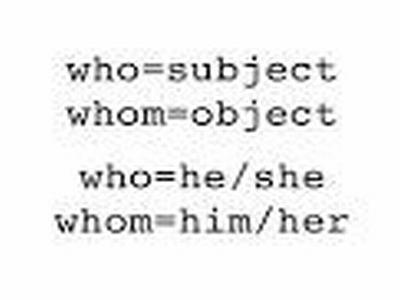
    whom(pronoun)

    /huːm/

    a quem

    used instead of ‘who’ as the object of a verb or preposition

    Whom did they invite?

    A quem eles convidaram?

    To whom should I write?

    Sinônimoswho (formal)the person whomthe one whom
    Antônimoswho (informal)thatwhich
  106. 106

    wherever(conjunction)

    /werˈevər/

    onde quer que, em qualquer lugar que

    in or to any place

    You can sit wherever you like in the classroom.

    Você pode sentar onde quiser na sala de aula.

    Sinônimosanywherein any placewhere so ever
    Antônimosnowheresomewhere specific
  107. 107

    shall(modal verb)

    /ʃəl/

    irei, vou

    used with I and we for talking about or predicting the future

    I shall be away next week, so please call my assistant.

    Estarei fora na semana que vem, então por favor ligue para minha assistente.

    Sinônimoswillshouldmustought to
    Antônimoswon'tshan'tmustn't
  108. 108

    maybe(adverb)

    /ˈmeɪbi/

    talvez

    used when you are not certain that something will happen or that something is true or is a correct number

    Maybe he'll come, maybe he won't.

    Talvez ele venha, talvez não.

    We go there maybe once or twice a month.

    Sinônimosperhapspossiblyconceivablyperchancemayhap
    Antônimoscertainlydefinitelysurelycertainabsolutely
  109. 109

    a(determiner)

    /ə/

    um, uma

    used before countable or singular nouns referring to people or things that have not already been mentioned

    She's a friend of my father's (= one of my father's friends).

    Ela é uma amiga do meu pai (= uma das amigas do meu pai).

    a man/horse/unit

    Sinônimosoneanany
    Antônimostheall
  110. 110

    during(preposition)

    /ˈdʊrɪŋ/

    durante

    all through a period of time

    There are extra flights to Colorado during the winter.

    Há voos extras para o Colorado durante o inverno.

    There are extra flights to Colorado during the winter.

    Sinônimoswhilethroughoutinin the course offor the duration ofin the period of
    Antônimosbeforeafter
  111. 111

    whereas(conjunction)

    /ˌwerˈæz/

    enquanto

    used to compare or contrast two facts

    Some of the studies show positive results, whereas others do not.

    Alguns dos estudos mostram resultados positivos, enquanto outros não.

    We thought she was arrogant, whereas in fact she was just very shy.

    Sinônimoswhilealthoughbuton the other handconversely
    Antônimossimilarlylikewisealsoin addition
  112. 112

    yes(exclamation)

    /jes/

    sim

    used to answer a question and say that something is correct or true

    Yes, it's me.

    Sim, sou eu.

    ‘Are you coming? Yes or no?’

    Sinônimosaffirmativeindeedayesurecertainlyabsolutely
    Antônimosnonegativenay
  113. 113

    very(adverb)

    /ˈveri/

    muito

    used before adjectives, adverbs and determiners to mean ‘in a high degree’ or ‘extremely’

    My classroom is very big.

    Minha sala de aula é muito grande.

    I'm very very grateful.

    Sinônimosextremelyhighlyreallyexceedinglyremarkablyawfully
    Antônimosslightlysomewhata littlemoderatelybarely
  114. 114

    whether(conjunction)

    /ˈweðər/

    se

    used to express a doubt or choice between two possibilities

    I'll see whether she's at home (= or not at home).

    Vou ver se ela está em casa (= ou não está em casa).

    It remains to be seen whether or not this idea can be put into practice.

    Sinônimosifin casein the event that
    Antônimosdefinitelycertainly
  115. 115

    perhaps(adverb)

    /pərˈhæps/

    talvez

    possibly

    ‘Are you going to come?’ ‘Perhaps. I'll see how I feel.’

    ‘Você vai vir?’ ‘Talvez. Vou ver como me sinto.’

    Perhaps he's forgotten.

    Sinônimosmaybepossiblyconceivablyperchancelikelypotentially
    Antônimoscertainlydefinitelysurelyabsolutelyassuredly
  116. 116

    everyone(pronoun)

    /ˈevriwʌn/

    todos

    every person; all people

    Everyone is waiting outside.

    Todos estão esperando lá fora.

    Everyone cheered and clapped.

    Sinônimoseverybodyalleach personeach onethe whole world
    Antônimosno onenobodynone
  117. 117

    with(preposition)

    /wɪð/

    com

    in the company or presence of somebody/something

    a nice steak with a bottle of red wine

    um bom bife com uma garrafa de vinho tinto

    She lives with her parents.

    Sinônimosalongsideaccompanyingtogether withincludingplus
    Antônimoswithout
  118. 118

    each(determiner)

    /iːtʃ/

    cada

    used to refer to every one of two or more people or things, when you are thinking about them separately

    Each answer is worth 20 points.

    Cada resposta vale 20 pontos.

    There aren't enough books for everyone to have one each.

    Sinônimoseveryperindividualallany
    Antônimosnoneno
  119. 119

    into(preposition)

    /ˈɪntə/

    em

    to a position in or inside something

    Come into the house.

    Entre na casa.

    She dived into the water.

    Sinônimoswithininsideintowards
    Antônimosout ofoutsideoutaway from
  120. 120

    hello(exclamation, noun)

    /həˈləʊ/

    olá

    used as a greeting when you meet somebody, in an email, when you answer the phone or when you want to attract somebody’s attention

    Say hello to Liz for me.

    Dê um olá para Liz por mim.

    Hello, is there anybody there?

    Sinônimosgreetingshiheyhowdygood daywelcome
    Antônimosgoodbyefarewelladieu
  121. 121

    he(pronoun)

    /hi/

    ele

    a male person or animal that has already been mentioned or is easily identified

    He is 10 years old and he is a student.

    Ele tem 10 anos e é estudante.

    He (= the man we are watching) went through that door.

    Sinônimoshimthat personthe manthe boy
    Antônimosshethey
  122. 122

    itself(pronoun)

    /ɪtˈself/

    a si próprio

    used when the animal or thing that does an action is also affected by it

    Does the computer turn itself off?

    O computador desliga-se sozinho?

    The cat was washing itself.

    Sinônimosits very beingits own selfin itselfautomaticallyindependently
    Antônimosexternallyotheranother
  123. 123

    nothing(pronoun)

    /ˈnʌθɪŋ/

    nada

    not anything; no single thing

    Nothing else matters to him apart from his job.

    Nada mais importa para ele além do trabalho dele.

    There was nothing in her bag.

    Sinônimosnilzeronoughtnadazip
    Antônimoseverythingsomethinganythingall
  124. 124

    would(modal verb)

    /wʊd/

    (futuro do pretérito)

    used as the past form of 'will' when reporting what somebody said or thought

    She asked if I would help.

    Ela perguntou se eu ajudaria.

    He said he would be here at eight o'clock (= His words were: ‘I will be there at eight o'clock.’).

    Sinônimosshouldmightcould
    Antônimoswill notrefuse
  125. 125

    might(modal verb)

    /maɪt/

    talvez

    used when showing that something is or was possible

    He said he might come tomorrow.

    Ele disse que talvez venha amanhã.

    major international companies

    Sinônimospossiblymaybeperhapscouldmay
    Antônimosdefinitelycertainlysurelywillmust
  126. 126

    upon(preposition)

    /əˈpɑːn/

    sobre, em cima de

    on (used in formal or literary English)

    The old book was placed carefully upon the table by the window.

    O livro antigo foi colocado com cuidado sobre a mesa perto da janela.

    Sinônimosonaboveoveronto
    Antônimosunderbeneathbelow
  127. 127

    since(preposition)

    /sɪns/

    desde

    from a time in the past until a later past time, or until now

    I have lived in this city since 2015.

    Moro nesta cidade desde 2015.

    Sinônimosafterbecauseasseeing asinasmuch as
    Antônimosbefore
  128. 128

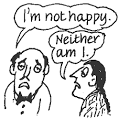
    neither(determiner)

    /ˈniːðər/

    nenhum, nem um nem outro

    not one nor the other of two things or people

    Neither of my parents can speak English.

    Nenhum dos meus pais fala inglês.

    Sinônimosnornot eitheralso not
    Antônimosalsotooeither
  129. 129

    several(determiner, pronoun)

    /ˈsevrəl/

    vários

    more than two but not very many

    Several of the paintings were destroyed in the fire.

    Várias das pinturas foram destruídas no incêndio.

    If you're looking for a photo of Alice you'll find several in here.

    Sinônimossomea fewmanyvariousmultiple
    Antônimosnonefewsingleone
  130. 130

    basically(adverb)

    /ˈbeɪsɪkli/

    basicamente

    in the most important ways, without considering things that are less important

    The two approaches are basically very similar.

    As duas abordagens são basicamente muito semelhantes.

    There have been some problems but basically it's a good system.

    Sinônimosessentiallyfundamentallyprimarilymainlylargelygenerallyin essence
    Antônimosspecificallyparticularlyuniquelydistinctlydifferentlyin detail
  131. 131

    it(pronoun)

    /ɪt/

    ele/ela/isso

    used to refer to an animal or a thing that has already been mentioned or that is being talked about now

    This is my dog. It is very friendly.

    Este é o meu cachorro. Ele é muito amigável.

    Sinônimosthatthisthe thingthe one
    Antônimosheshethey
  132. 132

    its(determiner)

    /ɪts/

    seu/sua

    belonging to or connected with a thing, an animal or a baby

    I have a dog. Its tail is very long.

    Eu tenho um cachorro. Seu rabo é muito comprido.

    Sinônimosbelonging to itof itbelonging to the thingthereof
    Antônimosnone (as it's a possessive pronoun)
  133. 133

    in(preposition)

    /ɪn/

    em

    at a point within an area or a space

    The cat is sleeping in the box.

    O gato está dormindo na caixa.

    Sinônimoswithininsideamongduring
    Antônimosoutoutsidewithout
  134. 134

    how(adverb)

    /haʊ/

    como

    in what way or manner

    How do you feel?

    Como você se sente?

    Sinônimosin what wayby what meansto what extentin which manner
    Antônimoswhybecause
  135. 135

    amount(noun)

    /əˈmaʊnt/

    quantia

    a quantity of something

    He paid regular amounts of money to a charity.

    Ele pagou quantias regulares de dinheiro para uma instituição de caridade.

    Sinônimosquantitysumvolumeextentmeasuredegreeportion
    Antônimoslackabsenceinsufficiencyscarcitydeficiency
  136. 136

    bye(exclamation)

    /baɪ/

    adeus

    goodbye

    Bye. See you very soon.

    Adeus. Até breve.

    Sinônimosgoodbyefarewellso longsee you lateradios
    Antônimoshellogreetingswelcome
  137. 137

    many(determiner, pronoun)

    /ˈmeni/

    muitos

    used with plural nouns and verbs, especially in negative sentences or in more formal English, to mean ‘a large number of’. Also used in questions to ask about the size of a number, and with ‘as’, ‘so’ and ‘too’.

    There are many toys in my room.

    Há muitos brinquedos no meu quarto.

    Sinônimosnumerousabundantplentifulmultiplevariousseveral
    Antônimosfewlittlescarcelimited
  138. 138

    much(determiner)

    /mʌtʃ/

    muito, muita

    used with uncountable nouns, especially in negative sentences to mean ‘a large amount of something’, or after ‘how’ to ask about the amount of something. It is also used with ‘as’, ‘so’ and ‘too’.

    How much milk do we have in the fridge?

    Quanto leite temos na geladeira?

    Sinônimosa lotgreatlyconsiderablysubstantiallysignificantly
    Antônimoslittleslightlyminimally
  139. 139

    because(conjunction)

    /bɪˈkəz/

    porque

    for the reason that

    I did it because he told me to.

    Eu fiz isso porque ele me mandou.

    Sinônimossinceasfordue toin view ofon account of
    Antônimosdespitealthoughin spite ofregardless ofeven though
  140. 140

    almost(adverb)

    /ˈɔːlməʊst/

    quase

    not quite

    I almost missed the train.

    Quase perdi o trem.

    Sinônimosnearlypracticallyvirtuallyaboutapproaching
    Antônimoscompletelyentirelyfullydefinitely
  141. 141

    anybody(pronoun)

    /ˈenibɑːdi/

    qualquer pessoa

    used instead of somebody in negative sentences and in questions after if /whether , and after verbs such as prevent , forbid , avoid , etc.

    Has anybody seen my keys?

    Alguém viu as minhas chaves?

    Sinônimosanyonesomeonesomebodya person
    Antônimosnobodyno one
  142. 142

    be(verb)

    /bi/

    ser/estar

    used when you are naming people or things, describing them or giving more information about them

    I want to be a doctor.

    Eu quero ser médico.

    Sinônimosexistbecomeconstituterepresentequaloccur
    Antônimosnonexistenceabsencelack
  143. 143

    besides(preposition)

    /bɪˈsaɪdz/

    além de, fora

    in addition to somebody/something; apart from somebody/something

    Besides being a talented musician, she's also a great writer.

    Além de ser uma musicista talentosa, ela também é uma ótima escritora.

    Sinônimosin additionfurthermoremoreoveralso
    Antônimosinsteadratherconversely
  144. 144

    enough(determiner)

    /ɪˈnʌf/

    suficiente

    used before plural or uncountable nouns to mean ‘as many or as much as somebody needs or wants’

    Is there enough food for everyone?

    Há comida suficiente para todos?

    Sinônimossufficientadequateample
    Antônimosinsufficientlackingscarce
  145. 145

    everybody(pronoun)

    /ˈevribɑːdi/

    todos

    every person; all people

    Everybody loves ice cream.

    Todo mundo adora sorvete.

    Sinônimoseveryonealleach person
    Antônimosnobodyno one
  146. 146

    firstly(adverb)

    /ˈfɜːrstli/

    primeiramente

    used to introduce the first of a list of points you want to make in a speech or piece of writing

    Firstly, we need to gather all the materials.

    Primeiramente, precisamos reunir todos os materiais.

    Sinônimosinitiallyto begin withfirst
    Antônimoslastlyfinallysubsequently
  147. 147

    furthermore(adverb)

    /ˌfɜːrðərˈmɔːr/

    além disso

    in addition to what has just been stated. Furthermore is used especially to add a point to an argument.

    Furthermore, the data suggests a need for further investigation.

    Além disso, os dados sugerem a necessidade de uma investigação mais aprofundada.

    Sinônimosmoreoverbesidesin additionalso
    Antônimosconverselyhowevernevertheless
  148. 148

    hey(exclamation)

    /heɪ/

    Ei

    used to attract somebody’s attention or to express interest, surprise or anger

    Hey, how are you?

    Ei, como você está?

    Sinônimoshihellogreetings
    Antônimosgoodbyefarewell
  149. 149

    if(conjunction)

    /ɪf/

    se

    used to say that one thing can, will or might happen or be true, depending on another thing happening or being true

    I will go to the park if it stops raining.

    Eu irei ao parque se parar de chover.

    Sinônimosprovided thatassuming thatin case
    Antônimosonly ifunless
  150. 150

    literally(adverb)

    /ˈlɪtərəli/

    literalmente

    in a literal way

    The French word 'bonjour' literally means 'good day' in English.

    A palavra francesa 'bonjour' significa literalmente 'bom dia' em português.

    Sinônimosactuallyverbatimexactlytruly
    Antônimosfigurativelymetaphoricallyloosely
  151. 151

    myself(pronoun)

    /maɪˈself/

    eu mesmo

    used when the speaker or writer is also the person affected by an action

    I did it myself.

    Eu fiz isso sozinho.

    Sinônimospersonallyaloneoneself
    Antônimosanothersomeone else
  152. 152

    nobody(pronoun)

    /ˈnəʊbədi/

    ninguém

    not anyone; no person

    There was nobody at the door.

    Não havia ninguém na porta.

    Sinônimosno onenot a soulzeronone
    Antônimoseverybodysomeoneanyoneeveryone
  153. 153

    ought(modal verb)

    /ˈɔːt tə/

    deveria

    used to say what is the right thing to do or what is expected

    You ought to apologize for your behavior.

    Você deveria se desculpar pelo seu comportamento.

    Sinônimosshouldmustneed tobe obliged to
    Antônimosshouldn'tmustn'tneedn't
  154. 154

    ours(pronoun)

    /ɑːrz/

    nosso

    the one or ones that belong to us

    That house is ours.

    Aquela casa é nossa.

    Sinônimosbelonging to usour property
    Antônimosyourstheirs
  155. 155

    secondly(adverb)

    /ˈsekəndli/

    em segundo lugar

    used to introduce the second of a list of points you want to make in a speech or piece of writing

    Secondly, we need to consider the budget.

    Em segundo lugar, precisamos considerar o orçamento.

    Sinônimosfurthermoremoreoverin additionnextthen
    Antônimosfirstlyprimarily
  156. 156

    somebody(pronoun)

    /ˈsʌmbədi/

    alguém

    a person who is not known or mentioned by name

    Somebody left their umbrella in the office.

    Alguém deixou o guarda-chuva no escritório.

    Sinônimossomeonea personan individual
    Antônimosnobodyno one
  157. 157

    theirs(pronoun)

    /ðerz/

    deles

    of or belonging to them

    That car is theirs.

    Aquele carro é deles.

    Sinônimosbelonging to themtheir own
    Antônimosoursmineyours
  158. 158

    themselves(pronoun)

    /ðəmˈselvz/

    se, si mesmos, a si mesmos

    used when people or animals performing an action are also affected by it

    The children looked at themselves in the mirror and laughed.

    As crianças se olharam no espelho e riram.

    Sinônimostheir own selvesthe very people
    Antônimosanothersomeone else
  159. 159

    till(preposition)

    /tɪl/

    até

    until

    I will wait till tomorrow.

    Vou esperar até amanhã.

    Sinônimosuntilup toto the time of
    Antônimosaftersince
  160. 160

    whatever(pronoun)

    /wətˈevər/

    o que quer que, tudo o que

    any or every; anything or everything

    You can eat whatever you like from the table.

    Você pode comer o que quiser que está na mesa.

    Sinônimosanythingno matter whatit doesn't matterso what
    Antônimossomething specificsomething importanta definite choice
  161. 161

    whatsoever(adverb)

    /ˌwʌtsəʊˈevər/

    nenhum, absolutamente

    not at all; not of any kind

    He has no idea whatsoever.

    Ele não faz ideia nenhuma.

    Sinônimosanythingeverythingat allwhatever
    Antônimosnothingnone
  162. 162

    whereby(adverb)

    /werˈbaɪ/

    pelo qual

    by which; because of which

    The contract whereby he was employed has now expired.

    O contrato pelo qual foi empregado já expirou.

    Sinônimoswhereforewherebyby whichin accordance with which
    Antônimosdespitenotwithstandingregardless of
  163. 163

    yourself(pronoun)

    /jɔːrˈself/

    você mesmo

    used when the person or people being spoken to both cause and are affected by an action

    Help yourself to some cookies.

    Sirva-se de alguns biscoitos.

    Sinônimosselfpersonallyindividually
    Antônimosanotherotherssomebody else
  164. 164

    do(auxiliary verb)

    /duː/

    (verbo auxiliar de perguntas e negativas)

    used before a full verb to form negative sentences and questions

    Do you like ice cream? No, I don't like it very much.

    Você gosta de sorvete? Não, eu não gosto muito.

  165. 165

    too(adverb)

    /tuː/

    também

    used at the end of a sentence to mean also or as well

    You like this one, right? I like this, too.

    Você gosta deste, né? Eu também gosto deste.

  166. 166

    being(verb)

    /ˈbiːɪŋ/

    sendo, ser

    the present participle of 'be', used in continuous tenses, passives and as a gerund

    My purpose in life is about being a good person.

    O propósito da minha vida é ser uma boa pessoa.