الدرس 13/13 · 15 كلمة · تم تعلّم 0
Monetary policy
السياسة النقدية
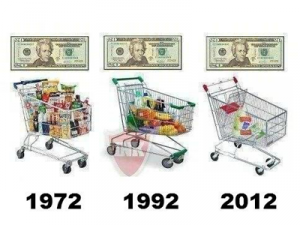
تضخم
a general rise in the prices of goods and services, which reduces the value of money
The government aims to keep inflation below 4.5 per cent.
تهدف الحكومة إلى إبقاء التضخم دون 4.5 في المئة.
High inflation reduces the real return on savings.
المرادفاتprice increasecost-pushdemand-pulldevaluationالأضدادdeflationprice stabilityانكماش تضخمي، انخفاض الأسعار، ديفلاسيون
a general fall in prices over a period, often linked to weak demand in the economy
Deflation can make people delay spending because they expect lower prices.
قد يدفع الانكماش التضخمي الناس إلى تأجيل الإنفاق لأنهم يتوقعون انخفاض الأسعار.
The central bank cut rates to avoid deflation.
المرادفاتprice decreaseeconomic contractionالأضدادinflationeconomic expansionسعر الخصم, سعر إعادة الخصم
the interest rate a central bank charges when it discounts valuable papers, such as bills, for commercial banks
The rediscount rate is usually lower than the refinancing rate.
عادةً ما يكون سعر إعادة الخصم أقل من سعر إعادة التمويل.
A cut in the discount rate makes short-term funding cheaper for banks.
المرادفاتinterest rateyield rateالأضدادprime ratebase rateالسيولة
the availability of cash, or how easily an asset can be turned into cash without losing value
The central bank injected liquidity to calm the money market.
ضخّ البنك المركزي سيولة لتهدئة سوق النقد.
Government bonds have high liquidity because they are easy to sell.
المرادفاتSolvencyCash flowConvertibilityMarketabilityالأضدادIlliquidityInsolvencyStagnationFrozen assetsالسياسة النقدية
the actions of a central bank to control the money supply and interest rates in order to keep prices stable
The central bank tightened monetary policy to fight inflation.
شدّد البنك المركزي السياسة النقدية لمكافحة التضخم.
Loose monetary policy helped businesses borrow more cheaply.
المرادفاتEconomic policyFinancial regulationInterest rate managementالأضدادFiscal policyسعر الفائدة الرئيسي, سعر الفائدة المرجعي
the key interest rate set by a central bank to guide other interest rates in the economy
The State Bank kept its policy rates unchanged this quarter.
أبقى مصرف الدولة أسعار الفائدة الرئيسية دون تغيير هذا الربع.
Commercial banks lowered lending rates after the policy rate cut.
سعر إعادة التمويل
the interest rate at which the central bank lends to commercial banks against eligible collateral
The central bank cut the refinancing rate to 4.5 per cent.
خفّض المصرف المركزي سعر إعادة التمويل إلى 4.5 في المئة.
Banks borrow at the refinancing rate when they are short of funds.
الاحتياطي الإلزامي, نسبة الاحتياطي الإلزامي
the percentage of deposits that banks must keep at the central bank and cannot lend
The reserve requirement for short-term dong deposits is 3 per cent.
نسبة الاحتياطي الإلزامي على الودائع القصيرة الأجل بالدونغ هي 3 في المئة.
Lowering the reserve requirement gives banks more money to lend.
عمليات السوق المفتوحة
the buying and selling of government securities by a central bank to add or remove money in the banking system
The central bank injected liquidity through open market operations.
ضخّ المصرف المركزي السيولة عبر عمليات السوق المفتوحة.
Through open market operations, the State Bank sold bills to absorb excess cash.
عرض النقود, المعروض النقدي
the total amount of money circulating in an economy at a particular time
Rapid growth in money supply can push up inflation.
قد يؤدي النمو السريع في عرض النقود إلى ارتفاع التضخم.
The central bank reduced money supply by raising interest rates.
سوق ما بين المصارف, السوق بين المصرفية
the market in which banks lend money to each other, usually for short periods
Banks short of cash borrow overnight on the interbank market.
تقترض المصارف التي تعاني نقص السيولة لليلة واحدة من سوق ما بين المصارف.
Liquidity on the interbank market was tight before Tet.
سعر الفائدة بين المصارف, سعر الإقراض بين المصارف
the interest rate at which banks lend to each other
The overnight interbank rate jumped to 6 per cent last week.
قفز سعر الفائدة بين المصارف لليلة واحدة إلى 6 في المئة الأسبوع الماضي.
A falling interbank rate shows that banks have plenty of cash.
نمو الائتمان
the rate at which the total amount of bank lending in an economy increases
The central bank set a credit growth target of 15 per cent for the year.
حدّد المصرف المركزي هدفًا لنمو الائتمان بنسبة 15 في المئة للعام.
Strong credit growth helped the bank increase its profit.
التيسير الكمي
a policy in which a central bank creates money to buy large amounts of bonds and support the economy
Several major central banks used quantitative easing after the financial crisis.
لجأت عدة مصارف مركزية كبرى إلى التيسير الكمي بعد الأزمة المالية.
Quantitative easing pushed long-term interest rates down in many developed economies.
المقرض الأخير, مقرض الملاذ الأخير
a central bank's role of lending to banks in trouble when no one else will, to protect the financial system
The central bank acted as lender of last resort during the bank run.
تصرّف البنك المركزي بصفته المقرض الأخير أثناء اندفاع المودعين لسحب ودائعهم.
As lender of last resort, the State Bank provided special loans to the weak bank.