Lição 13/13 · 15 palavras · 0 aprendidas
Monetary policy
Política monetária
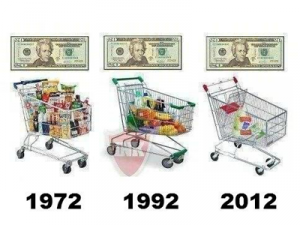
inflação
a general rise in the prices of goods and services, which reduces the value of money
The government aims to keep inflation below 4.5 per cent.
O governo pretende manter a inflação abaixo de 4,5%.
High inflation reduces the real return on savings.
Sinônimosprice increasecost-pushdemand-pulldevaluationAntônimosdeflationprice stabilitydeflação
a general fall in prices over a period, often linked to weak demand in the economy
Deflation can make people delay spending because they expect lower prices.
A deflação pode levar as pessoas a adiar gastos porque esperam preços menores.
The central bank cut rates to avoid deflation.
Sinônimosprice decreaseeconomic contractionAntônimosinflationeconomic expansiontaxa de redesconto
the interest rate a central bank charges when it discounts valuable papers, such as bills, for commercial banks
The rediscount rate is usually lower than the refinancing rate.
A taxa de redesconto costuma ser menor do que a taxa de refinanciamento.
A cut in the discount rate makes short-term funding cheaper for banks.
Sinônimosinterest rateyield rateAntônimosprime ratebase rateliquidez
the availability of cash, or how easily an asset can be turned into cash without losing value
The central bank injected liquidity to calm the money market.
O banco central injetou liquidez para acalmar o mercado monetário.
Government bonds have high liquidity because they are easy to sell.
SinônimosSolvencyCash flowConvertibilityMarketabilityAntônimosIlliquidityInsolvencyStagnationFrozen assetspolítica monetária
the actions of a central bank to control the money supply and interest rates in order to keep prices stable
The central bank tightened monetary policy to fight inflation.
O banco central endureceu a política monetária para combater a inflação.
Loose monetary policy helped businesses borrow more cheaply.
SinônimosEconomic policyFinancial regulationInterest rate managementAntônimosFiscal policytaxa básica de juros
the key interest rate set by a central bank to guide other interest rates in the economy
The State Bank kept its policy rates unchanged this quarter.
O Banco Central manteve inalteradas as taxas básicas de juros neste trimestre.
Commercial banks lowered lending rates after the policy rate cut.
taxa de redesconto, taxa de refinanciamento
the interest rate at which the central bank lends to commercial banks against eligible collateral
The central bank cut the refinancing rate to 4.5 per cent.
O banco central reduziu a taxa de redesconto para 4,5%.
Banks borrow at the refinancing rate when they are short of funds.
compulsório, reservas obrigatórias
the percentage of deposits that banks must keep at the central bank and cannot lend
The reserve requirement for short-term dong deposits is 3 per cent.
O compulsório sobre depósitos de curto prazo em dong é de 3%.
Lowering the reserve requirement gives banks more money to lend.
operações de mercado aberto
the buying and selling of government securities by a central bank to add or remove money in the banking system
The central bank injected liquidity through open market operations.
O banco central injetou liquidez por meio de operações de mercado aberto.
Through open market operations, the State Bank sold bills to absorb excess cash.
oferta monetária, oferta de moeda
the total amount of money circulating in an economy at a particular time
Rapid growth in money supply can push up inflation.
O rápido crescimento da oferta monetária pode aumentar a inflação.
The central bank reduced money supply by raising interest rates.
mercado interbancário
the market in which banks lend money to each other, usually for short periods
Banks short of cash borrow overnight on the interbank market.
Os bancos com falta de dinheiro tomam recursos emprestados por um dia no mercado interbancário.
Liquidity on the interbank market was tight before Tet.
crescimento do crédito, expansão do crédito
the rate at which the total amount of bank lending in an economy increases
The central bank set a credit growth target of 15 per cent for the year.
O banco central estabeleceu uma meta de crescimento do crédito de 15% para o ano.
Strong credit growth helped the bank increase its profit.
flexibilização quantitativa, afrouxamento quantitativo
a policy in which a central bank creates money to buy large amounts of bonds and support the economy
Several major central banks used quantitative easing after the financial crisis.
Vários grandes bancos centrais usaram a flexibilização quantitativa após a crise financeira.
Quantitative easing pushed long-term interest rates down in many developed economies.
emprestador de última instância
a central bank's role of lending to banks in trouble when no one else will, to protect the financial system
The central bank acted as lender of last resort during the bank run.
O banco central atuou como emprestador de última instância durante a corrida bancária.
As lender of last resort, the State Bank provided special loans to the weak bank.