Skip to content

Lesson 9/13 · 15 words · 0 learned

Safety and emergency procedures

  1. 1

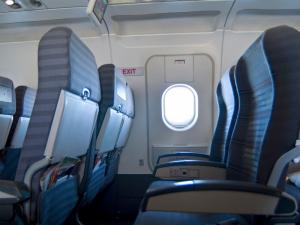
    emergency exit(noun)

    /ɪˈməːdʒ(ə)nsi ˈɛksɪt/

    a door or window on an aircraft used to leave quickly in an emergency, marked with lighted signs

    Please take a moment to locate your nearest emergency exit, which may be behind you.

    Passengers seated at an emergency exit must be willing to help in an evacuation.

    Synonymsfire exitescape routesafety exit
    Antonymsentrancemain entrance
  2. 2

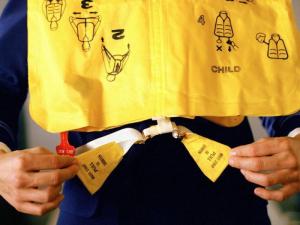
    life vest(noun)

    /ˈlaɪf vest/

    an inflatable jacket kept under or beside each aircraft seat that helps a person float in water

    Your life vest is located under your seat or in the armrest.

    Do not inflate the life vest until you are outside the aircraft.

    Synonymslife preserverbuoyancy aidflotation device
    Antonyms(none applicable - no direct antonym)
  3. 3

    decompression(noun)

    /ˌdiːkəmˈpreʃn/

    a loss of air pressure, especially a sudden one inside an aircraft cabin at high altitude

    After the decompression, the pilots made an emergency descent to a safe altitude.

    Crew training covers what passengers feel and see during a rapid decompression.

    Synonymsextractionunzippingunpackinginflation
    Antonymscompressionzippingpacking
  4. 4

    evacuation(noun)

    /ɪˌvækjuˈeɪʃn/

    the quick, organised removal of all people from an aircraft or building to a safe place in an emergency

    The crew must be able to complete an evacuation in 90 seconds.

    The captain ordered an evacuation after smoke appeared in the cabin.

    Synonymsremovalwithdrawalretreatdeparturerelocation
    Antonymsarrivalentrancereturnstay
  5. 5

    oxygen mask(noun)

    /ˈɑːksɪdʒən mæsk/

    a mask that drops from above the seat and supplies oxygen if cabin air pressure is lost

    Put on your own oxygen mask before helping children or others.

    The oxygen masks dropped automatically when the cabin lost pressure.

    Synonymsbreathing maskair mask
    AntonymsNone
  6. 6

    safety demonstration(noun)

    /ˈseɪfti ˌdemənˈstreɪʃn/

    the explanation shown to passengers before take-off of how to use seat belts, oxygen masks, life vests and exits

    Please give your full attention to the safety demonstration, even if you fly often.

    The crew performed the safety demonstration because the video system was not working.

  7. 7

    safety card(noun)

    /ˈseɪfti kɑːd/

    a card in the seat pocket with pictures that show the emergency exits and safety equipment for that aircraft

    Please read the safety card in the seat pocket in front of you.

    Each aircraft type has its own safety card because the exits are different.

  8. 8

    seat belt sign(noun)

    /ˈsiːt belt saɪn/

    a lighted sign above the seats that the pilots switch on when passengers must sit down and fasten their belts

    The captain has switched on the seat belt sign because of turbulence ahead.

    Please remain seated until the seat belt sign has been switched off.

  9. 9

    brace position(noun)

    /ˈbreɪs pəˌzɪʃn/

    a body position, bending forward with the head down, that passengers take to reduce injury in an emergency landing

    The crew shouted commands telling passengers to take the brace position.

    The safety card shows the brace position for adults and for pregnant women.

  10. 10

    evacuation slide(noun)

    /ɪˌvækjuˈeɪʃn slaɪd/

    an inflatable slide that opens from an aircraft door so people can quickly get down to the ground in an emergency

    The evacuation slide inflated in seconds when the door was opened.

    Passengers must leave high-heeled shoes behind before using the evacuation slide.

  11. 11

    ditching(noun)

    /ˈdɪtʃɪŋ/

    a planned emergency landing of an aircraft on water

    Cabin crew practise the ditching procedure in a pool every year.

    In a ditching, passengers inflate their life vests only when leaving the aircraft.

  12. 12

    arm and cross-check(idiom)

    /ˌɑːm ənd ˈkrɒs tʃek/

    a command to cabin crew to set the doors so the slides open automatically, then check another crew member's door

    Cabin crew, arm doors and cross-check, then report to the purser.

    After the purser's call to arm and cross-check, each attendant confirmed their door was armed.
  13. 13

    fire extinguisher(noun)

    /ˈfaɪər ɪkˌstɪŋɡwɪʃə(r)/

    a metal container of water, foam or gas that is sprayed onto a small fire to put it out

    The attendant used a halon fire extinguisher on the burning power bank.

    Before each flight, crew check that every fire extinguisher is sealed and full.

  14. 14

    unruly passenger(noun)

    /ʌnˌruːli ˈpæsɪndʒə(r)/

    a passenger who behaves badly or aggressively on board and refuses to follow crew instructions

    The unruly passenger was restrained and handed to police on arrival.

    Crew are trained to calm an unruly passenger before the situation gets worse.

  15. 15

    AED(abbreviation)

    /ˌeɪ iː ˈdiː/

    automated external defibrillator: a portable device that gives an electric shock to restart the heart of a person in cardiac arrest

    The crew used the AED while a doctor on board gave CPR.

    All long-haul aircraft carry an AED in the forward cabin.