บทที่ 9/13 · 15 คำ · จำได้แล้ว 0
Safety and emergency procedures
ความปลอดภัยและขั้นตอนฉุกเฉิน
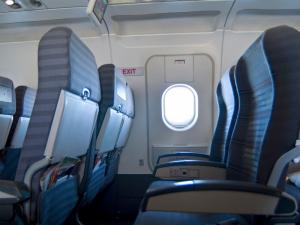
ทางออกฉุกเฉิน
a door or window on an aircraft used to leave quickly in an emergency, marked with lighted signs
Please take a moment to locate your nearest emergency exit, which may be behind you.
กรุณาสังเกตตำแหน่งทางออกฉุกเฉินที่อยู่ใกล้ท่านที่สุด ซึ่งอาจอยู่ด้านหลังท่าน
Passengers seated at an emergency exit must be willing to help in an evacuation.
คำพ้องความหมายfire exitescape routesafety exitคำตรงข้ามentrancemain entranceเสื้อชูชีพ
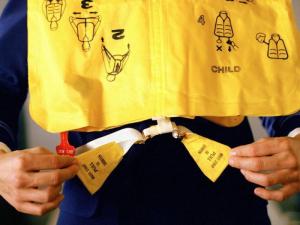
an inflatable jacket kept under or beside each aircraft seat that helps a person float in water
Your life vest is located under your seat or in the armrest.
เสื้อชูชีพของท่านอยู่ใต้ที่นั่งหรือในที่เท้าแขน
Do not inflate the life vest until you are outside the aircraft.
คำพ้องความหมายlife preserverbuoyancy aidflotation deviceคำตรงข้าม(none applicable - no direct antonym)การสูญเสียความดันอากาศ, การลดความดันในห้องโดยสาร
a loss of air pressure, especially a sudden one inside an aircraft cabin at high altitude
After the decompression, the pilots made an emergency descent to a safe altitude.
หลังเกิดการสูญเสียความดันอากาศ นักบินได้นำเครื่องบินลดระดับความสูงฉุกเฉินลงสู่ระดับความสูงที่ปลอดภัย
Crew training covers what passengers feel and see during a rapid decompression.
คำพ้องความหมายextractionunzippingunpackinginflationคำตรงข้ามcompressionzippingpackingการอพยพฉุกเฉิน, การอพยพผู้โดยสาร
the quick, organised removal of all people from an aircraft or building to a safe place in an emergency
The crew must be able to complete an evacuation in 90 seconds.
ลูกเรือต้องสามารถอพยพผู้โดยสารให้เสร็จสิ้นภายใน 90 วินาที
The captain ordered an evacuation after smoke appeared in the cabin.
คำพ้องความหมายremovalwithdrawalretreatdeparturerelocationคำตรงข้ามarrivalentrancereturnstayหน้ากากออกซิเจน
a mask that drops from above the seat and supplies oxygen if cabin air pressure is lost
Put on your own oxygen mask before helping children or others.
โปรดสวมหน้ากากออกซิเจนของตัวท่านเองก่อนช่วยเหลือเด็กหรือผู้อื่น
The oxygen masks dropped automatically when the cabin lost pressure.
คำพ้องความหมายbreathing maskair maskคำตรงข้ามNoneการสาธิตการใช้อุปกรณ์เพื่อความปลอดภัย, การสาธิตความปลอดภัย
the explanation shown to passengers before take-off of how to use seat belts, oxygen masks, life vests and exits
Please give your full attention to the safety demonstration, even if you fly often.
กรุณาให้ความสนใจกับการสาธิตความปลอดภัยอย่างเต็มที่ แม้ท่านจะเดินทางโดยเครื่องบินบ่อยก็ตาม
The crew performed the safety demonstration because the video system was not working.
บัตรคำแนะนำเพื่อความปลอดภัย, บัตรนิรภัย
a card in the seat pocket with pictures that show the emergency exits and safety equipment for that aircraft
Please read the safety card in the seat pocket in front of you.
กรุณาอ่านบัตรคำแนะนำเพื่อความปลอดภัยในช่องเก็บของหลังเบาะที่นั่งด้านหน้าท่าน
Each aircraft type has its own safety card because the exits are different.
สัญญาณคาดเข็มขัดนิรภัย, ป้ายคาดเข็มขัดนิรภัย
a lighted sign above the seats that the pilots switch on when passengers must sit down and fasten their belts
The captain has switched on the seat belt sign because of turbulence ahead.
กัปตันได้เปิดสัญญาณคาดเข็มขัดนิรภัยเนื่องจากข้างหน้ามีสภาพอากาศแปรปรวน
Please remain seated until the seat belt sign has been switched off.
ท่าเตรียมรับแรงกระแทก, ท่าก้มตัวป้องกันอันตราย
a body position, bending forward with the head down, that passengers take to reduce injury in an emergency landing
The crew shouted commands telling passengers to take the brace position.
ลูกเรือตะโกนคำสั่งให้ผู้โดยสารเข้าสู่ท่าเตรียมรับแรงกระแทก
The safety card shows the brace position for adults and for pregnant women.
สไลด์หนีไฟ, สไลด์อพยพฉุกเฉิน
an inflatable slide that opens from an aircraft door so people can quickly get down to the ground in an emergency
The evacuation slide inflated in seconds when the door was opened.
สไลด์อพยพฉุกเฉินพองลมภายในไม่กี่วินาทีเมื่อเปิดประตู
Passengers must leave high-heeled shoes behind before using the evacuation slide.
การลงจอดฉุกเฉินบนน้ำ, การร่อนลงน้ำ
a planned emergency landing of an aircraft on water
Cabin crew practise the ditching procedure in a pool every year.
ลูกเรือฝึกขั้นตอนการลงจอดฉุกเฉินบนน้ำในสระว่ายน้ำทุกปี
In a ditching, passengers inflate their life vests only when leaving the aircraft.
ตั้งสไลด์ประตูอัตโนมัติและตรวจสอบไขว้
a command to cabin crew to set the doors so the slides open automatically, then check another crew member's door
Cabin crew, arm doors and cross-check, then report to the purser.
ลูกเรือทุกท่าน ตั้งสไลด์ประตูและตรวจสอบไขว้ จากนั้นรายงานหัวหน้าแอร์โฮสเตส
After the purser's call to arm and cross-check, each attendant confirmed their door was armed.
ถังดับเพลิง, เครื่องดับเพลิง
a metal container of water, foam or gas that is sprayed onto a small fire to put it out
The attendant used a halon fire extinguisher on the burning power bank.
พนักงานต้อนรับบนเครื่องใช้ถังดับเพลิงชนิดฮาลอนดับพาวเวอร์แบงก์ที่กำลังลุกไหม้
Before each flight, crew check that every fire extinguisher is sealed and full.
ผู้โดยสารก่อกวน, ผู้โดยสารที่ก่อความวุ่นวาย
a passenger who behaves badly or aggressively on board and refuses to follow crew instructions
The unruly passenger was restrained and handed to police on arrival.
ผู้โดยสารที่ก่อกวนถูกควบคุมตัวและส่งมอบให้ตำรวจเมื่อเครื่องลงจอด
Crew are trained to calm an unruly passenger before the situation gets worse.
AED, เครื่องกระตุกหัวใจไฟฟ้าอัตโนมัติ
automated external defibrillator: a portable device that gives an electric shock to restart the heart of a person in cardiac arrest
The crew used the AED while a doctor on board gave CPR.
ลูกเรือใช้เครื่อง AED ขณะที่แพทย์บนเครื่องทำ CPR
All long-haul aircraft carry an AED in the forward cabin.