पाठ 173/202 · 19 शब्द · 0 याद हो गए
B2 · Body & health
B2 · शरीर और स्वास्थ्य
अंग, अवयव
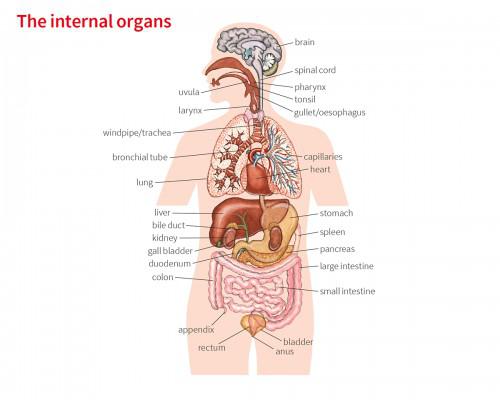
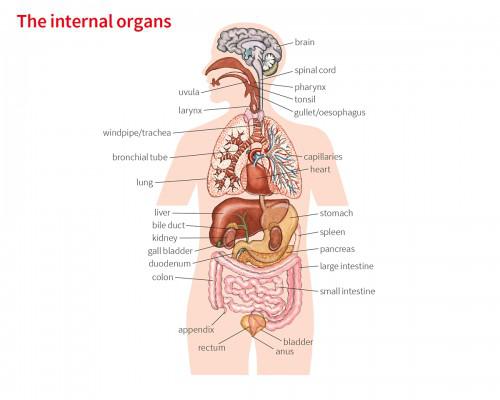
a part of the body made of several tissues that performs a particular function, such as the heart or liver
The liver is the largest internal organ in the body.
यकृत शरीर का सबसे बड़ा आंतरिक अंग है।
Severe sepsis can lead to multiple organ failure.
समानार्थीbody partmemberinstrumentpublicationvehicleagencyविलोमwholeentiretyinanimate objectदृष्टि
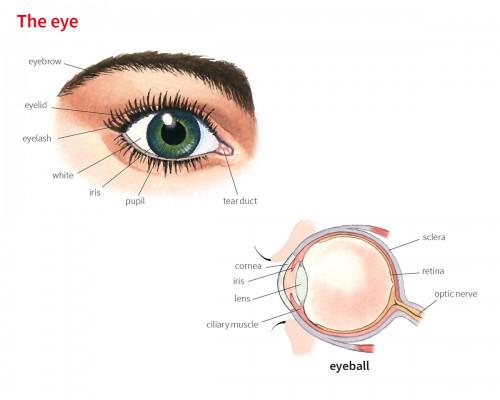
the ability to see; the area that you can see from a particular position
20–20 vision(= the ability to see perfectly)
20–20 दृष्टि (= पूरी तरह से देखने की क्षमता)
to have good/perfect/poor/blurred/normal vision
समानार्थीeyesightperceptionsightdreamambitionforesightimagerevelationविलोमblindnessshortsightednessrealitymyopiaसंक्रमण
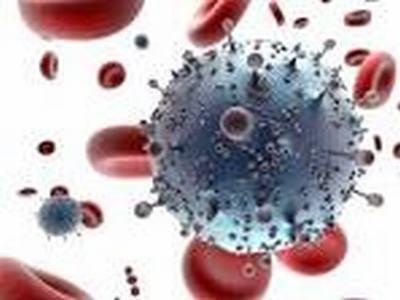
an illness caused by bacteria, viruses or other germs entering and growing in the body
The wound shows signs of infection, such as redness and pus.
घाव में संक्रमण के लक्षण दिख रहे हैं, जैसे लालिमा और मवाद।
Most respiratory infections in children are caused by viruses.
समानार्थीcontaminationsepsisdiseaseailmentvirusgermpathogenविलोमsterilityasepsiscleanlinessimmunityhealthकैंसर, कर्करोग
a disease in which abnormal cells grow out of control and can spread to other parts of the body
Liver cancer is one of the most common cancers in Vietnam.
यकृत कैंसर वियतनाम के सबसे आम कैंसरों में से एक है।
Early detection greatly improves the chance of curing cancer.
समानार्थीmalignancytumorneoplasmविलोमhealthwellnesswell-beingघाव (ghav)
an injury to part of the body, especially one in which a hole is made in the skin using a weapon
A nurse cleaned and bandaged the wound for me.
एक नर्स ने मेरे लिए घाव को साफ़ किया और पट्टी बांधी।
She felt the warmth of his arms around her.
समानार्थीinjurycutlacerationbruiselesiontraumaविलोमcurehealinghealthrecoveryहानिकारक
causing damage or injury to somebody/something, especially to a person’s health or to the environment
This group of chemicals is harmful to people.
रसायनों का यह समूह लोगों के लिए हानिकारक है।
Fruit juices can be harmful to children's teeth.
समानार्थीdetrimentalinjuriousperniciousdamagingdeleteriousविलोमharmlessbeneficialsafeinnocuousadvantageousठीक करना, उपचार करना, रोगमुक्त करना
to make a sick person healthy again or to make a disease go away completely
Most cases of tuberculosis can be cured with six months of treatment.
तपेदिक के अधिकांश मामले छह महीने के उपचार से ठीक किए जा सकते हैं।
Early-stage cancer can often be cured by surgery.
समानार्थीremedytreatmenthealingtherapyantidoteविलोमdiseaseailmentillnessafflictionकमज़ोरी (kamzori)
lack of physical strength
The sudden weakness in her legs made her stumble.
उसके पैरों में अचानक कमज़ोरी आने से वह लड़खड़ा गई।
He thought that crying was a sign of weakness.
समानार्थीfrailtydebilityvulnerabilityfeeblenessinfirmitydeficiencyविलोमstrengthpowerfortitudevigorrobustnessफेफड़ा
either of the two organs in the chest that you use for breathing
Smoking can seriously damage your lungs and make breathing difficult.
धूम्रपान आपके फेफड़ों को गंभीर नुकसान पहुँचा सकता है और साँस लेना मुश्किल बना सकता है।
समानार्थीrespiratory organair sacbellowsविलोमclungcoal miner's lungfar-flungflungiron lunglunglung feverlung-likeनुकसान, हानि
damage or injury that is caused by a person or an event
Pollution from burning coal causes serious harm to the environment.
कोयला जलाने से होने वाला प्रदूषण पर्यावरण को गंभीर नुकसान पहुँचाता है।
समानार्थीhurtinjuredamagewoundafflictmaltreatविलोमhelpaidassistbenefitprotecthealतंत्रिका (tantrika)
any of the long fibres that carry messages between the brain and parts of the body, enabling you to move, feel pain, etc.
nerve endings
तंत्रिका अंत (tantrika ant)
the optic nerve
समानार्थीcouragebraveryaudacitygutscheekresolvepoiseविलोमfearcowardicetimidityapprehensionbashfulnessचिकित्सा (chikitsa)
the treatment of a physical problem or an illness
We can apply herbal therapy to treat her disease.
हम उसकी बीमारी का इलाज करने के लिए हर्बल थेरेपी का उपयोग कर सकते हैं। (Hum uski beemari ka ilaaj karne ke liye herbal therapy ka upyog kar sakte hain.)
समानार्थीtreatmentremedycurehealinginterventioncareविलोमdiseaseillnessharmneglectinjuryworseningशल्य चिकित्सा, ऑपरेशन
the treatment of disease or injury by cutting into the body to repair or remove parts
He needs surgery to remove his gallbladder next week.
उसे अगले हफ़्ते पित्ताशय निकलवाने के लिए ऑपरेशन की ज़रूरत है।
She is recovering well on the ward after heart surgery.
समानार्थीoperationproceduresurgical procedureविलोमmedical treatmenttherapyconservative treatment