Lección 173/202 · 19 palabras · 0 aprendidas
B2 · Body & health
B2 · Cuerpo y salud
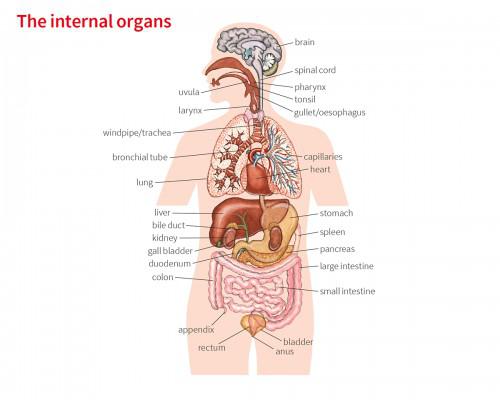
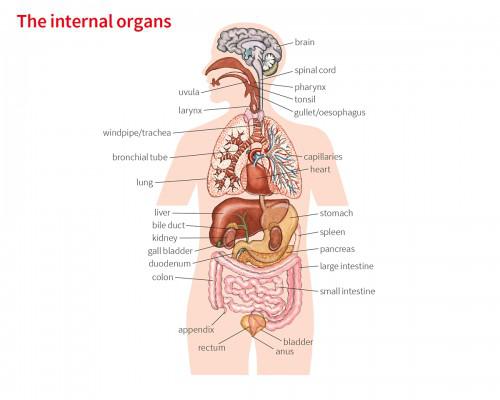
órgano
a part of the body made of several tissues that performs a particular function, such as the heart or liver
The liver is the largest internal organ in the body.
El hígado es el órgano interno más grande del cuerpo.
Severe sepsis can lead to multiple organ failure.
Sinónimosbody partmemberinstrumentpublicationvehicleagencyAntónimoswholeentiretyinanimate objectvisión
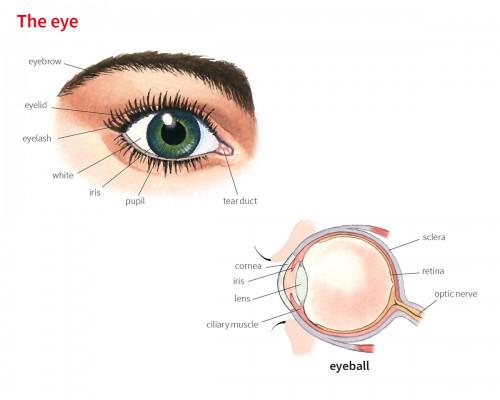
the ability to see; the area that you can see from a particular position
20–20 vision(= the ability to see perfectly)
Visión 20/20 (= la capacidad de ver perfectamente)
to have good/perfect/poor/blurred/normal vision
SinónimoseyesightperceptionsightdreamambitionforesightimagerevelationAntónimosblindnessshortsightednessrealitymyopiainfección
an illness caused by bacteria, viruses or other germs entering and growing in the body
The wound shows signs of infection, such as redness and pus.
La herida muestra signos de infección, como enrojecimiento y pus.
Most respiratory infections in children are caused by viruses.
SinónimoscontaminationsepsisdiseaseailmentvirusgermpathogenAntónimossterilityasepsiscleanlinessimmunityhealthcáncer
a disease in which abnormal cells grow out of control and can spread to other parts of the body
Liver cancer is one of the most common cancers in Vietnam.
El cáncer de hígado es uno de los tipos de cáncer más comunes en Vietnam.
Early detection greatly improves the chance of curing cancer.
SinónimosmalignancytumorneoplasmAntónimoshealthwellnesswell-beingherida
an injury to part of the body, especially one in which a hole is made in the skin using a weapon
A nurse cleaned and bandaged the wound for me.
Una enfermera limpió y vendó la herida por mí.
She felt the warmth of his arms around her.
SinónimosinjurycutlacerationbruiselesiontraumaAntónimoscurehealinghealthrecoverydañino
causing damage or injury to somebody/something, especially to a person’s health or to the environment
This group of chemicals is harmful to people.
Este grupo de químicos es dañino para las personas.
Fruit juices can be harmful to children's teeth.
SinónimosdetrimentalinjuriousperniciousdamagingdeleteriousAntónimosharmlessbeneficialsafeinnocuousadvantageouscurar, sanar
to make a sick person healthy again or to make a disease go away completely
Most cases of tuberculosis can be cured with six months of treatment.
La mayoría de los casos de tuberculosis se pueden curar con seis meses de tratamiento.
Early-stage cancer can often be cured by surgery.
SinónimosremedytreatmenthealingtherapyantidoteAntónimosdiseaseailmentillnessafflictiondebilidad
lack of physical strength
The sudden weakness in her legs made her stumble.
La repentina debilidad en sus piernas la hizo tropezar.
He thought that crying was a sign of weakness.
SinónimosfrailtydebilityvulnerabilityfeeblenessinfirmitydeficiencyAntónimosstrengthpowerfortitudevigorrobustnesspulmón
either of the two organs in the chest that you use for breathing
Smoking can seriously damage your lungs and make breathing difficult.
Fumar puede dañar gravemente los pulmones y dificultar la respiración.
Sinónimosrespiratory organair sacbellowsAntónimosclungcoal miner's lungfar-flungflungiron lunglunglung feverlung-likedaño, perjuicio
damage or injury that is caused by a person or an event
Pollution from burning coal causes serious harm to the environment.
La contaminación por la quema de carbón causa un grave daño al medio ambiente.
SinónimoshurtinjuredamagewoundafflictmaltreatAntónimoshelpaidassistbenefitprotecthealnervio
any of the long fibres that carry messages between the brain and parts of the body, enabling you to move, feel pain, etc.
nerve endings
terminaciones nerviosas
the optic nerve
SinónimoscouragebraveryaudacitygutscheekresolvepoiseAntónimosfearcowardicetimidityapprehensionbashfulnesscirugía, operación quirúrgica
the treatment of disease or injury by cutting into the body to repair or remove parts
He needs surgery to remove his gallbladder next week.
Necesita cirugía para extirparle la vesícula biliar la próxima semana.
She is recovering well on the ward after heart surgery.
Sinónimosoperationproceduresurgical procedureAntónimosmedical treatmenttherapyconservative treatment