Bài 173/202 · 19 từ · đã thuộc 0
B2 · Body & health
B2 · Cơ thể & sức khỏe
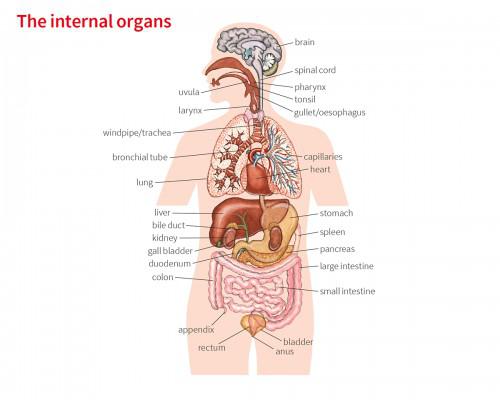
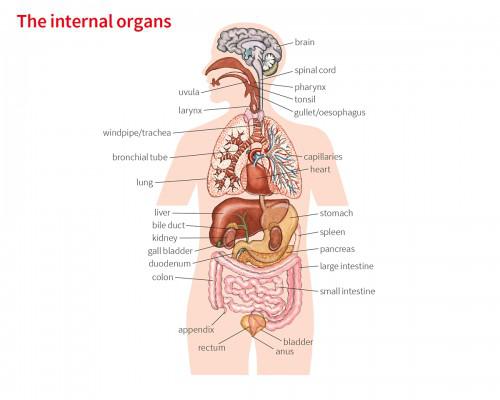
cơ quan, tạng
a part of the body made of several tissues that performs a particular function, such as the heart or liver
The liver is the largest internal organ in the body.
Gan là cơ quan nội tạng lớn nhất của cơ thể.
Severe sepsis can lead to multiple organ failure.
Nhiễm khuẩn huyết nặng có thể dẫn đến suy đa tạng.
Đồng nghĩabody partmemberinstrumentpublicationvehicleagencyTrái nghĩawholeentiretyinanimate objectthị lực
the ability to see; the area that you can see from a particular position
20–20 vision(= the ability to see perfectly)
20-20 Vision (= khả năng nhìn hoàn hảo)
to have good/perfect/poor/blurred/normal vision
để có tầm nhìn tốt / hoàn hảo / kém / mờ / bình thường
Đồng nghĩaeyesightperceptionsightdreamambitionforesightimagerevelationTrái nghĩablindnessshortsightednessrealitymyopianhiễm trùng, nhiễm khuẩn
an illness caused by bacteria, viruses or other germs entering and growing in the body
The wound shows signs of infection, such as redness and pus.
Vết thương có dấu hiệu nhiễm trùng như tấy đỏ và chảy mủ.
Most respiratory infections in children are caused by viruses.
Phần lớn các bệnh nhiễm khuẩn hô hấp ở trẻ em là do virus.
Đồng nghĩacontaminationsepsisdiseaseailmentvirusgermpathogenTrái nghĩasterilityasepsiscleanlinessimmunityhealthung thư
a disease in which abnormal cells grow out of control and can spread to other parts of the body
Liver cancer is one of the most common cancers in Vietnam.
Ung thư gan là một trong những loại ung thư phổ biến nhất ở Việt Nam.
Early detection greatly improves the chance of curing cancer.
Phát hiện sớm giúp tăng đáng kể khả năng chữa khỏi ung thư.
Đồng nghĩamalignancytumorneoplasmTrái nghĩahealthwellnesswell-beingvết thương
an injury to part of the body, especially one in which a hole is made in the skin using a weapon
A nurse cleaned and bandaged the wound for me.
Một cô y tá rửa sạch và băng vết thương lại cho tôi.
She felt the warmth of his arms around her.
Cô cảm thấy sự ấm áp của vòng tay anh ôm lấy cô.
Đồng nghĩainjurycutlacerationbruiselesiontraumaTrái nghĩacurehealinghealthrecoverycó hại
causing damage or injury to somebody/something, especially to a person’s health or to the environment
This group of chemicals is harmful to people.
Nhóm hóa chất này có hại cho con người.
Fruit juices can be harmful to children's teeth.
Nước ép trái cây có thể gây hại cho răng của trẻ em.
Đồng nghĩadetrimentalinjuriousperniciousdamagingdeleteriousTrái nghĩaharmlessbeneficialsafeinnocuousadvantageoushồi phục
to get well again after being ill, hurt, etc.
He's still recovering from his operation.
Anh ấy vẫn đang hồi phục sau phẫu thuật.
They rated him highly as a colleague.
Họ đánh giá anh ta cao như một đồng nghiệp.
Đồng nghĩarecuperatehealimproverallybounce backmendTrái nghĩadeclinedeteriorateworsenlosechữa khỏi
to make a sick person healthy again or to make a disease go away completely
Most cases of tuberculosis can be cured with six months of treatment.
Hầu hết các ca lao có thể chữa khỏi sau sáu tháng điều trị.
Early-stage cancer can often be cured by surgery.
Ung thư giai đoạn sớm thường có thể chữa khỏi bằng phẫu thuật.
Đồng nghĩaremedytreatmenthealingtherapyantidoteTrái nghĩadiseaseailmentillnessafflictionsự yếu ớt, suy nhược
lack of physical strength
The sudden weakness in her legs made her stumble.
Điểm yếu đột ngột ở chân cô làm cô vấp ngã.
He thought that crying was a sign of weakness.
Anh ta nghĩ rằng khóc là một dấu hiệu của sự yếu đuối.
Đồng nghĩafrailtydebilityvulnerabilityfeeblenessinfirmitydeficiencyTrái nghĩastrengthpowerfortitudevigorrobustnessphổi
either of the two organs in the chest that you use for breathing
Smoking can seriously damage your lungs and make breathing difficult.
Hút thuốc có thể gây tổn hại nghiêm trọng cho phổi và làm bạn khó thở.
Đồng nghĩarespiratory organair sacbellowsTrái nghĩaclungcoal miner's lungfar-flungflungiron lunglunglung feverlung-likesự tổn hại, thiệt hại
damage or injury that is caused by a person or an event
Pollution from burning coal causes serious harm to the environment.
Ô nhiễm từ việc đốt than gây tổn hại nghiêm trọng cho môi trường.
Đồng nghĩahurtinjuredamagewoundafflictmaltreatTrái nghĩahelpaidassistbenefitprotectheal(dây) thần kinh
any of the long fibres that carry messages between the brain and parts of the body, enabling you to move, feel pain, etc.
nerve endings
kết thúc thần kinh
the optic nerve
dây thần kinh thị giác
Đồng nghĩacouragebraveryaudacitygutscheekresolvepoiseTrái nghĩafearcowardicetimidityapprehensionbashfulnessliệu pháp, trị liệu
the treatment of a physical problem or an illness
We can apply herbal therapy to treat her disease.
Chúng ta có thể sử dụng liệu pháp thảo dược để trị bệnh của cô ấy.
Đồng nghĩatreatmentremedycurehealinginterventioncareTrái nghĩadiseaseillnessharmneglectinjuryworseningphẫu thuật, mổ
the treatment of disease or injury by cutting into the body to repair or remove parts
He needs surgery to remove his gallbladder next week.
Anh ấy cần phẫu thuật cắt túi mật vào tuần tới.
She is recovering well on the ward after heart surgery.
Bà ấy đang hồi phục tốt tại khoa sau phẫu thuật tim.
Đồng nghĩaoperationproceduresurgical procedureTrái nghĩamedical treatmenttherapyconservative treatment