पाठ 25/33 · 138 शब्द · 0 याद हो गए
History and Heritage
इतिहास और विरासत
रणनीति (ranniti)
a plan that is intended to achieve a particular purpose
A business plan is a strategy for running a business and avoiding problems
एक व्यवसाय योजना एक व्यवसाय चलाने और समस्याओं से बचने की रणनीति है।
समानार्थीplantacticapproachschemedesignmethodgame planblueprintविलोमrandomnesschanceaccidentimprovisationdisorganizationक्रांति
an attempt, by a large number of people, to change the government of a country, especially by violent action
The French Revolution began in 1789 and changed the government of France.
फ्रांसीसी क्रांति 1789 में शुरू हुई और उसने फ्रांस की सरकार को बदल दिया।
समानार्थीupheavaloverthrowtransformationchangeturnaroundrevoltinsurrectionविलोमstabilitystatus quoconservationorderpeaceसंस्कृति (sanskruti)
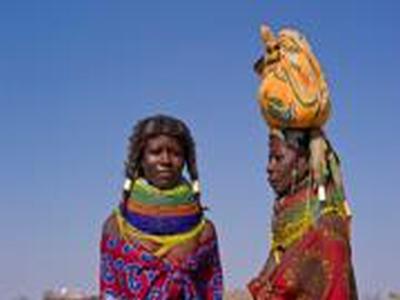
the customs and beliefs, art, way of life and social organization of a particular country or group
European/Islamic/African/American, etc. culture
यूरोपीय/इस्लामी/अफ्रीकी/अमेरिकी, आदि संस्कृति (yuropeey/islaami/aphreekee/amereekee, aadi sanskruti)
working-class culture
समानार्थीcivilizationsocietycustomstraditionsheritageartsway of lifeविलोमnaturebarbarismशांति (shanti)
a situation or a period of time in which there is no war or violence in a country or an area
The two communities live together in peace.
दोनों समुदाय शांति से एक साथ रहते हैं।
A UN force has been sent to keep the peace(= to prevent people from fighting).
समानार्थीharmonytranquilityserenitycalmrestamityविलोमwarconflictstrifediscordviolenceपरंपरा (paramparā)
a belief, custom or way of doing something that has existed for a long time among a particular group of people; a set of these beliefs or customs
Making Chung cake is our tradition at Tet.
चावल के केक बनाना टेट पर हमारी परंपरा है। (chāval ke kek banānā teṭ par hamārī paramparā hai.)
religious/cultural, etc. traditions
समानार्थीcustomconventionpracticeritualheritageusagemannerwayविलोमinnovationnoveltymodernitychangedeviationहराना (harana)
to win against somebody in a war, competition, sports game, etc.
If we can defeat the Italian team, we'll be through to the final.
यदि हम इतालवी टीम को हरा सकते हैं, तो हम फाइनल में पहुंच जाएंगे।
a narrow/heavy defeat
समानार्थीvanquishovercomeconquerbeatroutsubdueoverthrowcrushविलोमsurrenderyieldsuccumblosefailसंघर्ष
a situation in which people, groups or countries disagree strongly or are involved in a serious argument
When conflicts do happen, we work together to find the solutions.
जब संघर्ष होते हैं, तो हम समाधान खोजने के लिए मिलकर काम करते हैं।
conflicting emotions/interests/loyalties
समानार्थीdisputeclashstrugglediscordoppositionfrictionविलोमpeaceharmonyagreementaccordconcordबुद्धि (buddhi)
the ability to learn, understand and think in a logical way about things; the ability to do this well
He didn't even have the intelligence to call for an ambulance.
उसमें एम्बुलेंस बुलाने की भी बुद्धि नहीं थी।
a person of high/average/low intelligence
समानार्थीintellectunderstandingwisdombrainpowerclevernessbrilliancewitविलोमstupidityfoolishnessignorancedullnessdensenessस्वतंत्रता (svatantrata)
freedom from political control by other countries
Cuba gained independence from Spain in 1898.
क्यूबा ने 1898 में स्पेन से स्वतंत्रता प्राप्त की।
It's £7.50, not including tax.
समानार्थीfreedomautonomylibertyself-governancesovereigntyविलोमdependencesubordinationservitudecaptivityoppressionमसौदा (masaudaa)
a rough written version of something that is not yet in its final form
I've made a rough draft of the letter.
मैंने पत्र का एक कच्चा मसौदा बनाया है। (mainne patr ka ek kacchaa masaudaa banaayaa hai.)
This is only the first draft of my speech.
समानार्थीoutlinesketchblueprintplanversionpreliminary versionविलोमfinal versionfinished productperfectioncertaintyविरोध
dislike of or opposition to a plan, an idea, etc.; the act of refusing to obey
As with all new ideas it met with resistance.
सभी नए विचारों की तरह, इसका विरोध हुआ।
Resistance to change has nearly destroyed the industry.
समानार्थीoppositiondefiancechallengestruggleobstructionwithstandविलोमacceptanceagreementcompliancesubmissionacquiescenceसंग्रहालय (sangrahaalay)
a building in which objects of artistic, cultural, historical or scientific interest are kept and shown to the public
My class visited the Ho Chi Minh museum last Sunday.
मेरी कक्षा ने पिछले रविवार को हो ची मिन्ह संग्रहालय का दौरा किया।
समानार्थीgalleryarchiveexhibition hallinstitutionrepositoryविलोमn/a (Museums don't really have antonyms in the same sense as other words. Perhaps 'private collection' or 'storage' could be considered opposing concepts.)प्राचीन
belonging to a period of history that is thousands of years in the past
The ancient forests were found only in books.
प्राचीन जंगल केवल किताबों में पाए जाते थे।
ancient history/civilization
समानार्थीoldhistoricalagedvenerabletime-honoredantiqueविलोमmodernnewrecentcontemporaryऐतिहासिक
connected with the past
Women are not allowed to enter the monastery for historical reasons.
ऐतिहासिक कारणों से महिलाओं को मठ में प्रवेश करने की अनुमति नहीं है।
the historical background to the war
समानार्थीpastchronologicalrecordeddocumentedancientविलोमahistoricalunhistoricalpresentcontemporarymodernयुद्ध (yuddh)
a fight between armies, ships or planes, especially during a war; a violent fight between groups of people
Almost everyone has heard of the battle at Waterloo.
लगभग सभी ने वाटरलू की लड़ाई के बारे में सुना है। (lagbhag sabhi ne vaatarluu kee ladaee ke baare mein sunaa hai.)
a gun battle
समानार्थीfightcombatconflictengagementskirmishविलोमpeacetrucearmisticeagreementharmonyयुद्ध (yuddh)
a situation in which two or more countries or groups of people fight against each other over a period of time
How long have they been at war?
वे कितने समय से युद्ध में हैं? (ve kitne samay se yuddh mein hain?)
The government does not want to go to war(= start a war) unless all other alternatives have failed.
समानार्थीconflictcombathostilitiesstrugglebattlefightingविलोमpeaceharmonytruceaccordceasefireसाम्राज्य (saamraajy)
a group of countries or states that are controlled by one leader or government
The Roman empire ruled many countries in the past.
रोमन साम्राज्य ने अतीत में कई देशों पर शासन किया।
He dismissed the opinion polls as worthless.
समानार्थीrealmkingdomdominionpowerstateauthorityविलोमrepublicdemocracysmall statenationअन्वेषण, खोजबीन, खोज-यात्रा
the act of travelling through a place in order to find out about it or look for something in it
The aim is to pay more attention to the human factor of space exploration.
उद्देश्य अंतरिक्ष अन्वेषण के मानवीय पहलू पर अधिक ध्यान देना है।
समानार्थीdiscoveryinvestigationresearchsurveyquestprobereconnaissanceविलोमneglectignorancestagnationinactivityसमयरेखा, कालरेखा
a horizontal line that is used to represent time, with the past towards the left and the future towards the right
The museum shows a timeline of the country's history from ancient times to today.
संग्रहालय में प्राचीन काल से आज तक देश के इतिहास की समयरेखा दिखाई गई है।
समानार्थीchronologytimeframesequence of eventsprogresshistoryविलोमdisorderchaosrandomnessविरासत (virasat)
the history, traditions, buildings and objects that a country or society has had for many years and that are considered an important part of its character
Hue's Imperial City was listed as a Cultural World Heritage site by UNESCO in 1993.
हुए के शाही शहर को 1993 में यूनेस्को द्वारा सांस्कृतिक विश्व विरासत स्थल के रूप में सूचीबद्ध किया गया था।
समानार्थीlegacyinheritancetraditionbirthrightendowmentविलोमpresentmodernityinnovationविजय, जीत, फतह
the act of taking control of a country, city, etc. by force
The Norman conquest of England began in 1066.
इंग्लैंड पर नॉर्मन विजय 1066 में शुरू हुई।
समानार्थीvictorytriumphsubjugationdefeatcapturedominationoverthrowविलोमdefeatfailuresurrenderlossyieldingretreatवास्तुकला (vastukala)
the art and study of designing buildings
I love the architecture of this building.
मुझे इस इमारत की वास्तुकला पसंद है। (Mujhe is imaarat kee vaastukala pasand hai.)
समानार्थीdesignstructureconstructionbuildingstyleplanningविलोमdestructiondemolitiondeconstructionwreckageसभ्यता
a state of human society that is very developed and organized
The ancient Egyptians built one of the world's greatest civilizations.
प्राचीन मिस्रवासियों ने दुनिया की सबसे महान सभ्यताओं में से एक का निर्माण किया।
समानार्थीculturesocietydevelopmentprogressrefinementविलोमbarbarismsavagerywildernessanarchyसाम्राज्यवाद (saamraajyavaad)
a system in which one country controls other countries, often after defeating them in a war
That was the age of imperialism.
वह साम्राज्यवाद का युग था। (Vah saamraajyavaad kaa yug thaa.)
समानार्थीcolonialismexpansionismhegemonydominationविलोमisolationismself-determinationindependencedecolonizationप्रचार, दुष्प्रचार
ideas or statements that may be false or present only one side of an argument that are used in order to gain support for a political leader, party, etc.
During the war, both governments used propaganda to turn public opinion against the enemy.
युद्ध के दौरान दोनों सरकारों ने जनमत को दुश्मन के खिलाफ़ करने के लिए प्रचार का इस्तेमाल किया।
समानार्थीdisinformationpromotionpublicityindoctrinationrhetorichypespinविलोमtruthfacthonestyaccuracyपुरातत्ववेत्ता (puratatvavetta)
a person who studies archaeology
The archaeologist discovered an ancient Roman coin.
पुरातत्ववेत्ता को एक प्राचीन रोमन सिक्का मिला। (puratatvavetta ko ek prachin roman sikka mila.)
समानार्थीantiquarianpaleontologist (loosely)excavatorविलोमdestroyerlooterपुरातत्व (puratatv)
the study of cultures of the past, and of periods of history by examining the parts of buildings and objects found in the ground
Archaeology helps us understand ancient civilizations.
पुरातत्व हमें प्राचीन सभ्यताओं को समझने में मदद करता है।
समानार्थीexcavationanthropologypaleontologyविलोमfuture studiesfuturologyनागरिक अधिकार (nagarik adhikar)
the rights that every person in a society has, for example to be treated equally, to be able to vote, work, etc. whatever their sex, race or religion
The civil rights movement fought for equality for all people.
नागरिक अधिकार आंदोलन ने सभी लोगों के लिए समानता के लिए लड़ाई लड़ी।
समानार्थीbasic rightshuman rightsconstitutional rightsequalitylibertiesविलोमoppressiondiscriminationinequalitysubjugationtyrannyशीत युद्ध (Sheet Yuddh)
a relationship between two countries who are not friendly but are not actually fighting each other, usually used about the situation between the US and the Soviet Union after the Second World War
The cold war dominated international politics for decades.
शीत युद्ध ने दशकों तक अंतर्राष्ट्रीय राजनीति पर दबदबा बनाए रखा।
समानार्थीideological strugglegeopolitical tensionविलोमhot wardetenteउपनिवेशवाद
the practice by which a powerful country controls another country or other countries
Colonialism had a lasting impact on the culture and economy of many nations.
उपनिवेशवाद का कई राष्ट्रों की संस्कृति और अर्थव्यवस्था पर स्थायी प्रभाव पड़ा।
समानार्थीimperialismoccupationdominationsubjugationhegemonyविलोमindependenceself-governancesovereigntyfreedomरक्षा, बचाव, प्रतिरक्षा
the act of protecting somebody/something from attack, criticism, etc.
The castle walls were built for defense against invaders.
किले की दीवारें आक्रमणकारियों से रक्षा के लिए बनाई गई थीं।
समानार्थीprotectionsafeguardshieldsecurityविलोमattackoffensevulnerabilityज्ञानोदय
knowledge about and understanding of something; the process of understanding something or making somebody understand it
The monk sought enlightenment through meditation.
भिक्षु ने ध्यान के माध्यम से ज्ञानोदय की खोज की।
समानार्थीilluminationunderstandinginsightawakeningwisdomविलोमignoranceconfusiondarknessmisunderstandingजासूसी
the activity of secretly getting important political or military information about another country or of finding out another company’s secrets by using spies
The government accused him of espionage.
सरकार ने उस पर जासूसी का आरोप लगाया।
समानार्थीspyingintelligence gatheringundercover workविलोमhonestyopennesstransparencyलोककथा
the traditions and stories of a country or community
The local folklore tells tales of mythical creatures living in the forest.
स्थानीय लोककथा जंगल में रहने वाले पौराणिक प्राणियों की कहानियाँ बताती है।
समानार्थीfolk taleslegendsmythstraditionsoral historyविलोमhistoryfactscienceवंशावली (vanshavali)
the study of family history, including the study of who the ancestors of a particular person were
She researched her genealogy and discovered she was related to royalty.
उसने अपने वंशावली पर शोध किया और पाया कि वह शाही परिवार से संबंधित है।
समानार्थीancestryfamily historylineagepedigreeविलोमdescendantfutureoffspringनरसंहार
the murder of a large number of people from a particular nation or ethnic group, with the aim of destroying that nation or group
Genocide is a crime against humanity.
नरसंहार मानवता के खिलाफ अपराध है।
समानार्थीmassacreethnic cleansingholocaustannihilationविलोमpeacecreationpreservationइतिहासलेखन
the study of writing about history
The professor specialized in the historiography of the French Revolution.
प्रोफेसर फ्रांसीसी क्रांति के इतिहासलेखन में विशेषज्ञता रखते थे।
समानार्थीHistorical writingHistory writingHistorical methodologyविलोमAhistoricismऔद्योगिक क्रांति
the period in the 18th and 19th centuries when machines began to be widely used and industry grew rapidly
The industrial revolution brought about significant changes in society.
औद्योगिक क्रांति ने समाज में महत्वपूर्ण बदलाव लाए।
समानार्थीtechnological revolutionmanufacturing boomविलोमagrarian agepre-industrial eraऔद्योगीकरण
the process of developing industries in a country or an area
The country's rapid industrialization led to significant economic growth.
देश के तीव्र औद्योगीकरण से महत्वपूर्ण आर्थिक विकास हुआ।
समानार्थीdevelopmentmodernizationmechanizationautomationविलोमdeindustrializationagrarianismआक्रमण (aakraman)
the act of an army entering another country by force in order to take control of it
The invasion of Normandy was a turning point in World War II.
नॉरमैंडी का आक्रमण द्वितीय विश्व युद्ध में एक महत्वपूर्ण मोड़ था।
समानार्थीattackraidincursionaggressionencroachmentविलोमdefenseretreatwithdrawalजुटाव
preparations that bring together the people and weapons that will be needed in order for a country to fight a war
The government announced a mobilization of troops.
सरकार ने सैनिकों की तैनाती की घोषणा की।
समानार्थीactivationenlistmentassemblyrallyingविलोमdemobilizationdeactivationdischargedispersionराष्ट्रवाद
the desire by a group of people who share the same ethnic group, culture, language, etc. to form an independent country
Nationalism can be a powerful force for unity.
राष्ट्रवाद एकता के लिए एक शक्तिशाली शक्ति हो सकता है।
समानार्थीpatriotismchauvinismjingoismविलोमinternationalismglobalismपुनर्जागरण
the period in Europe during the fourteenth, fifteenth and sixteenth centuries when people became interested in the ideas and culture of ancient Greece and Rome and used these influences in their own art, literature, etc.
The Renaissance was a period of great artistic and intellectual achievement.
पुनर्जागरण कलात्मक और बौद्धिक उपलब्धि का एक महान दौर था।
समानार्थीrebirthrevivalreawakeningflourishingविलोमdeclinefalldark agesयुद्धविराम
a time when enemies agree to stop fighting, usually while a way is found to end the fighting permanently
The two countries agreed to a ceasefire.
दोनों देश युद्धविराम पर सहमत हुए।
समानार्थीtrucearmisticecessation of hostilitiesceasefire agreementविलोमwarattackhostilitiesfightingरासायनिक युद्ध
the use of poisonous gases and chemicals as weapons in a war
The use of chemical warfare is strictly prohibited by international treaties.
रासायनिक युद्ध का उपयोग अंतरराष्ट्रीय संधियों द्वारा सख्ती से निषिद्ध है।
समानार्थीgerm warfarepoison gas warfarebiological warfareविलोमconventional warfarehumanitarian effortspeaceशांति स्थापना
intended to help stop people fighting and prevent war or violence in a place where this is likely
The UN is involved in peacekeeping efforts around the world.
संयुक्त राष्ट्र दुनिया भर में शांति स्थापना के प्रयासों में शामिल है।
समानार्थीpeacemakingconflict resolutionmediationconciliationविलोमwarconflictaggressionhostilityऐतिहासिक भाषाविज्ञान
the study of the history and development of languages
Historical linguistics traces the evolution of languages over time.
ऐतिहासिक भाषाविज्ञान समय के साथ भाषाओं के विकास का पता लगाता है।
समानार्थीDiachronic linguisticsEvolutionary linguisticsविलोमSynchronic linguisticsअगली पंक्ति
in the most important or dangerous position; doing essential work that puts you at risk
The frontline workers risked their lives during the pandemic.
अगली पंक्ति के कार्यकर्ताओं ने महामारी के दौरान अपनी जान जोखिम में डाली।
समानार्थीforefrontvanguardbattlefrontleading edgeविलोमrearbackbehindसहयोगी
Countries or people that have agreed to help and support each other, especially in a war.
The allies worked together to achieve their common goals.
सहयोगियों ने अपने सामान्य लक्ष्यों को प्राप्त करने के लिए मिलकर काम किया।
समानार्थीpartnersconfederatesassociatescollaboratorsविलोमenemiesopponentsadversariesप्राचीन रोम
The civilization based in the city of Rome that grew into a large empire, lasting from about 753 BC to AD 476.
Ancient Rome was a powerful civilization.
प्राचीन रोम एक शक्तिशाली सभ्यता थी।
समानार्थीRome (historical)Roman EmpireविलोमModern RomeContemporary Romeपुरातत्व स्थल
Places where remains of past human life, such as buildings and objects, are found and studied.
The archaeological sites revealed ancient artifacts.
पुरातत्व स्थलों ने प्राचीन कलाकृतियों का खुलासा किया।
समानार्थीexcavation siteshistorical sitesruinsheritage sitesविलोमmodern constructionsnew developmentsआर्टिफ़ैक्ट, छवि विकृति
a feature on an image that is not part of the body, caused by movement, metal or the equipment
A metal artifact from his hip replacement hid part of the bladder.
उसके कूल्हे के प्रत्यारोपण से बने धातु आर्टिफ़ैक्ट ने मूत्राशय का कुछ भाग छिपा दिया।
The dark line is probably an artifact, not a fracture.
समानार्थीrelicantiquecurioobjectविलोमnatural objectगुरिल्ला युद्ध
Fighting by small, unofficial groups that make surprise attacks on a larger, regular army.
The rebels used guerrilla warfare tactics to fight the larger army.
विद्रोहियों ने बड़ी सेना से लड़ने के लिए गुरिल्ला युद्ध की रणनीति का इस्तेमाल किया।
समानार्थीinsurgencyresistancepartisan warfareasymmetric warfareविलोमconventional warfareregular warfareविरासत केंद्र
A building or place where people can learn about the history and traditions of an area or community.
We visited the heritage center to learn about the city's history.
हमने शहर के इतिहास के बारे में जानने के लिए विरासत केंद्र का दौरा किया।
समानार्थीCultural centerHistorical centerMuseumविलोमModern developmentFuture centerविरासत संरक्षण
The work of protecting and repairing old buildings, places and objects that are important to a culture's history.
The city invested in a new initiative for heritage conservation.
शहर ने विरासत संरक्षण के लिए एक नई पहल में निवेश किया।
समानार्थीPreservationConservationSafeguardingविलोमDestructionNeglectDemolitionविरासत संरक्षण
The protection of historic buildings, sites, objects and traditions so that they survive for future generations.
The local council is dedicated to heritage preservation.
स्थानीय परिषद विरासत संरक्षण के लिए समर्पित है।
समानार्थीConservationProtectionSafeguardingविलोमDestructionNeglectDemolitionऐतिहासिक सटीकता
The quality of showing past events, people or periods correctly and truthfully.
The film strives for historical accuracy.
यह फिल्म ऐतिहासिक सटीकता के लिए प्रयास करती है।
समानार्थीAuthenticityFidelityVeracityGenuinenessविलोमInaccuracyFalsenessFictionDistortionऐतिहासिक विश्लेषण
The careful study of past events and sources in order to understand and explain them.
Historical analysis reveals patterns in societal development.
ऐतिहासिक विश्लेषण सामाजिक विकास में पैटर्न प्रकट करता है।
समानार्थीHistorical researchHistorical studyHistoriographyविलोमFuture speculationPresent assessmentऐतिहासिक नृविज्ञान
The study of the cultures, customs and social lives of people in the past.
Historical anthropology studies past cultures and societies.
ऐतिहासिक नृविज्ञान अतीत की संस्कृतियों और समाजों का अध्ययन करता है।
समानार्थीEthnologyCultural anthropologySocial anthropologyविलोमNoneऐतिहासिक वास्तुकला
Buildings and building styles from the past, especially ones that are considered important or interesting.
The city is famous for its historical architecture.
यह शहर अपनी ऐतिहासिक वास्तुकला के लिए प्रसिद्ध है।
समानार्थीheritage architectureancient buildingslandmark architectureविलोमmodern architecturecontemporary designऐतिहासिक कला
Paintings, sculptures and other works of art created in past periods of history.
The museum displays historical art from the Roman Empire.
संग्रहालय में रोमन साम्राज्य की ऐतिहासिक कला प्रदर्शित है।
समानार्थीAntique artVintage artPeriod artविलोमContemporary artModern artऐतिहासिक प्रामाणिकता
The quality of being genuinely from a particular past period or truly representing it.
The museum strives to maintain the historical authenticity of its artifacts.
संग्रहालय अपने कलाकृतियों की ऐतिहासिक प्रामाणिकता बनाए रखने का प्रयास करता है।
समानार्थीGenuinenessVeracityLegitimacyOriginalityविलोमInauthenticityFalsenessSpuriousnessFictionऐतिहासिक जीवनी
A written account of the life of an important person from the past.
The library had many shelves of historical biographies.
पुस्तकालय में ऐतिहासिक जीवनियों के कई शेल्फ थे।
समानार्थीbiographyhistorical accountlife storyविलोमfictionfantasyऐतिहासिक संदर्भ
The social, political and cultural situation of the time in which an event happened or something was created.
Understanding the historical context is crucial for interpreting this document.
ऐतिहासिक संदर्भ को समझना इस दस्तावेज़ की व्याख्या करने के लिए महत्वपूर्ण है।
समानार्थीhistorical settinghistorical backgroundhistorical frameworkविलोमahistoricalpresent-daycontemporaryऐतिहासिक पोशाक
Clothes in the style worn by people during a particular period in the past.
She wore a beautiful historical costume to the event.
उसने कार्यक्रम में एक सुंदर ऐतिहासिक पोशाक पहनी थी।
समानार्थीPeriod costumeVintage attireTheatrical costumeविलोमModern dressContemporary clothingCasual wearऐतिहासिक डेटा
Information and figures collected about the past, often used to study changes or trends over time.
We analyzed the historical data to identify trends.
हमने रुझानों की पहचान करने के लिए ऐतिहासिक डेटा का विश्लेषण किया।
समानार्थीpast dataarchival datalegacy dataविलोमcurrent datareal-time datafuture projectionsऐतिहासिक दस्तावेज़
Written records and other materials that provide evidence about past events.
The library preserves historical documentation dating back centuries.
पुस्तकालय सदियों पहले के ऐतिहासिक दस्तावेज़ों को संरक्षित करता है।
समानार्थीhistorical recordsarchival materialsprimary sourcesविलोमspeculationconjecturefabricationऐतिहासिक दस्तावेज़
Official papers, letters and records from the past that give information about history.
The library contains many historical documents.
पुस्तकालय में कई ऐतिहासिक दस्तावेज़ हैं।
समानार्थीarchival recordsancient textsprimary sourcesविलोमcontemporary recordsmodern documentsऐतिहासिक नाटक
A play, film or television series about real or imagined events set in the past.
I enjoy watching historical dramas because they teach me about the past.
मुझे ऐतिहासिक नाटक देखना पसंद है क्योंकि वे मुझे अतीत के बारे में सिखाते हैं।
समानार्थीperiod dramahistorical fictionविलोमfuturistic dramacontemporary dramaऐतिहासिक शिक्षा
The teaching and learning of history and of how past events shaped the present.
Historical education teaches us about the past.
ऐतिहासिक शिक्षा हमें अतीत के बारे में सिखाती है।
समानार्थीhistory instructionpast studieshistorical studiesविलोमfuture studiescurrent events educationऐतिहासिक घटनाएं
Important things that happened in the past and are recorded as part of history.
The museum displayed artifacts from important historical events.
संग्रहालय में महत्वपूर्ण ऐतिहासिक घटनाओं की कलाकृतियों को प्रदर्शित किया गया।
समानार्थीhistoric occurrencespast eventslandmark eventsविलोमfuture eventscurrent eventsऐतिहासिक उपन्यास
Novels and stories that are set in the past and often include real historical events or people.
She enjoys reading historical fiction because it brings the past to life.
वह ऐतिहासिक उपन्यास पढ़ना पसंद करती है क्योंकि यह अतीत को जीवंत कर देता है।
समानार्थीhistorical novelperiod fictionविलोमcontemporary fictionfuturistic fictionऐतिहासिक शख्सियत
Famous or important people who lived in the past.
Historical figures like Gandhi are studied in schools.
गांधी जैसे ऐतिहासिक शख्सियतों का स्कूलों में अध्ययन किया जाता है।
समानार्थीNotable people from historyHistorical personalitiesFigures from the pastविलोमContemporary figuresModern individualsऐतिहासिक भूगोल
The study of how places, landscapes and human activity in an area have changed over time.
Historical geography studies how people and places have changed over time.
ऐतिहासिक भूगोल इस बात का अध्ययन करता है कि समय के साथ लोग और स्थान कैसे बदले हैं।
समानार्थीPast geographyGeography of the pastविलोमFuture geographyContemporary geographyऐतिहासिक जांच
The process of asking questions about the past and examining evidence to find answers.
Historical inquiry is crucial for understanding societal evolution.
ऐतिहासिक जांच सामाजिक विकास को समझने के लिए महत्वपूर्ण है।
समानार्थीhistorical researchhistorical investigationhistoriographyविलोमahistorical studyspeculationऐतिहासिक व्याख्या
A particular way of explaining the meaning or causes of past events.
The historical interpretation of the event has changed over time.
घटना की ऐतिहासिक व्याख्या समय के साथ बदल गई है।
समानार्थीHistorical analysisHistorical perspectiveHistorical viewpointविलोमAhistoricalNon-historicalUninterpreted historyऐतिहासिक जांच
A careful, detailed study of past events or periods to discover facts about them.
The historical investigation revealed new details about the ancient civilization.
ऐतिहासिक जांच में प्राचीन सभ्यता के बारे में नए विवरण सामने आए।
समानार्थीhistorical researcharchival investigationhistorical analysisविलोमpresent-day analysisfuturistic studyऐतिहासिक ज्ञान
Information and understanding about past events, people and societies.
Historical knowledge is crucial for understanding current events.
ऐतिहासिक ज्ञान वर्तमान घटनाओं को समझने के लिए महत्वपूर्ण है।
समानार्थीhistorical awarenesshistorical understandingknowledge of historyविलोमignorance of historyahistoricismऐतिहासिक स्थल
Famous buildings, monuments or places that are important because of their connection with the past.
The city is known for its historical landmarks.
यह शहर अपने ऐतिहासिक स्थलों के लिए जाना जाता है।
समानार्थीHistoric sitesHeritage sitesHistorical monumentsविलोमModern constructionContemporary buildingऐतिहासिक परिदृश्य
Areas of land whose features show the influence of people and events in the past.
The tour included visits to several historical landscapes.
टूर में कई ऐतिहासिक परिदृश्यों की यात्राएं शामिल थीं।
समानार्थीHeritage landscapesHistoric sitesCultural landscapesविलोमModern landscapesContemporary sceneryऐतिहासिक साहित्य
Books and other writing that describe or come from a particular period in the past.
Historical literature offers insights into past societies.
ऐतिहासिक साहित्य अतीत के समाजों में अंतर्दृष्टि प्रदान करता है।
समानार्थीHistorical fictionPast writingsAncient textsविलोमContemporary literatureModern writingsऐतिहासिक मानचित्रण
The process of making maps that show how an area looked or changed in the past.
Historical mapping helps us understand how landscapes have changed over time.
ऐतिहासिक मानचित्रण हमें यह समझने में मदद करता है कि समय के साथ परिदृश्य कैसे बदले हैं।
समानार्थीHistorical cartographyPast mappingOld mappingविलोमContemporary mappingModern mappingCurrent mappingऐतिहासिक स्मृति
The way a group or society remembers and understands events from its past.
Historical memory shapes our understanding of the present.
ऐतिहासिक स्मृति वर्तमान के बारे में हमारी समझ को आकार देती है।
समानार्थीcollective memorypast knowledgeshared historyविलोमamnesiaforgetfulnesshistorical ignoranceऐतिहासिक परिप्रेक्ष्य
A way of understanding something by considering how it developed in the past.
Understanding the war requires a historical perspective.
युद्ध को समझने के लिए ऐतिहासिक परिप्रेक्ष्य की आवश्यकता होती है।
समानार्थीhistorical contexthistorical viewpointpast significanceविलोमahistoricalpresentismऐतिहासिक दर्शन
The study of the nature, meaning and patterns of history and historical change.
Historical philosophy examines the evolution of ideas over time.
ऐतिहासिक दर्शन समय के साथ विचारों के विकास की जांच करता है।
समानार्थीPhilosophy of historyHistory of ideasविलोमAhistorical philosophySpeculative philosophyऐतिहासिक अभिलेख
Written documents and other evidence that give information about past events.
Historical records show the city was founded in the 18th century.
ऐतिहासिक अभिलेख दिखाते हैं कि शहर की स्थापना 18वीं शताब्दी में हुई थी।
समानार्थीArchivesChroniclesAnnalsDocumentsविलोमSpeculationConjectureGuessworkऐतिहासिक पुनर्निर्माण
An event in which people dress up and act out a famous event from the past.
The museum held a historical reenactment of the Civil War battle.
संग्रहालय ने गृहयुद्ध की लड़ाई का ऐतिहासिक पुनर्निर्माण किया।
समानार्थीliving historyhistorical simulationhistorical performanceविलोमmodern interpretationcontemporary performanceऐतिहासिक अनुसंधान
Detailed study of sources and evidence to learn new facts about the past.
Historical research is crucial for understanding our past.
ऐतिहासिक अनुसंधान हमारे अतीत को समझने के लिए महत्वपूर्ण है।
समानार्थीhistoriographyarchival researchhistorical analysisविलोमfuturismspeculationऐतिहासिक महत्व
The importance of an event, person or place because of its effect on history.
The treaty holds historical significance for both nations.
यह संधि दोनों देशों के लिए ऐतिहासिक महत्व रखती है।
समानार्थीHistoric importanceHistorical valueLegacyविलोमInsignificanceUnimportanceऐतिहासिक स्थल
A place where important events happened in the past or where old buildings remain.
The Colosseum is a famous historical site in Rome.
कोलोसियम रोम में एक प्रसिद्ध ऐतिहासिक स्थल है।
समानार्थीhistoric landmarkheritage siteancient monumentविलोमmodern constructionnew developmentइतिहास समिति, ऐतिहासिक सोसायटी
An organization that studies and preserves the history of a particular place.
The local historical society preserves artifacts from the town's past.
स्थानीय ऐतिहासिक सोसायटी कस्बे के अतीत की प्राचीन वस्तुओं को सहेजती है।
समानार्थीHistorical associationHeritage organizationविलोमFuture societyModern associationऐतिहासिक स्रोत
Documents, objects or records from the past that provide information about history.
Historians rely on historical sources to understand the past.
इतिहासकार अतीत को समझने के लिए ऐतिहासिक स्रोतों पर निर्भर रहते हैं।
समानार्थीhistoric recordsarchival materialsprimary documentsविलोमspeculationconjecturefabricationऐतिहासिक समयरेखा
A list or diagram showing important historical events in the order in which they happened.
The historical timeline shows major events from the past.
ऐतिहासिक समयरेखा अतीत की प्रमुख घटनाओं को दर्शाती है।
समानार्थीChronologyHistorical recordTimelineविलोमAhistoricalUntimedUnchronologicalऐतिहासिक परंपराएँ
Customs and beliefs that have been passed down within a community over a long period of history.
The museum showcases historical traditions of the region.
संग्रहालय क्षेत्र की ऐतिहासिक परंपराओं को प्रदर्शित करता है।
समानार्थीCultural heritageCustomary practicesAncestral customsविलोमModern innovationsContemporary trendsमानवीय सहायता
Food, medicine and other help given to people suffering because of war, disaster or poverty.
The organization provides humanitarian aid to refugees.
संगठन शरणार्थियों को मानवीय सहायता प्रदान करता है।
समानार्थीReliefAssistanceCharityAidविलोमExploitationNeglectHarmस्मारक
Buildings, statues or other structures built to remember a famous person or event, or that are historically important.
The city is known for its historical monuments.
यह शहर अपने ऐतिहासिक स्मारकों के लिए जाना जाता है।
समानार्थीmemorialsstatueslandmarksविलोमdestructiondemolitionनौसेना युद्ध
Fighting between armed forces at sea, using ships and submarines.
Naval warfare played a crucial role in World War II.
नौसेना युद्ध ने द्वितीय विश्व युद्ध में महत्वपूर्ण भूमिका निभाई।
समानार्थीSea warMaritime warfareNaval combatविलोमLand warfareGround warपरमाणु हथियार
Extremely powerful bombs and missiles whose force comes from nuclear energy.
Nuclear weapons pose a significant threat to global security.
परमाणु हथियार वैश्विक सुरक्षा के लिए एक महत्वपूर्ण खतरा हैं।
समानार्थीAtomic weaponsThermonuclear weaponsWeapons of mass destructionविलोमConventional weaponsNon-nuclear weaponsमौखिक इतिहास (Maukhik itihas)
The collection and study of historical information through recorded interviews with people who remember past events.
The museum exhibit included recordings of oral history interviews with veterans.
संग्रहालय प्रदर्शनी में दिग्गजों के साथ मौखिक इतिहास साक्षात्कार की रिकॉर्डिंग शामिल थी।
समानार्थीVerbal historySpoken historyTestimonial historyविलोमWritten historyDocumented historyशरणार्थी
People who have been forced to leave their country because of war, danger or persecution.
Many refugees seek asylum in neighboring countries.
कई शरणार्थी पड़ोसी देशों में शरण मांगते हैं।
समानार्थीAsylum seekersDisplaced personsEvacueesExilesविलोमCitizensNationalsResidentsयुद्ध अपराध
Cruel acts committed during a war that break international laws, such as killing civilians.
The tribunal investigated alleged war crimes.
न्यायाधिकरण ने कथित युद्ध अपराधों की जांच की।
समानार्थीatrocitieswar atrocitiescrimes against humanityविलोमacts of peacehumanitarian aid