Ders 25/33 · 138 kelime · Öğrenilen: 0
History and Heritage
Tarih ve kültürel miras
strateji
a plan that is intended to achieve a particular purpose
A business plan is a strategy for running a business and avoiding problems
İş planı, bir işi yürütmek ve sorunlardan kaçınmak için bir stratejidir.
Eş anlamlılarplantacticapproachschemedesignmethodgame planblueprintZıt anlamlılarrandomnesschanceaccidentimprovisationdisorganizationdevrim, ihtilal
an attempt, by a large number of people, to change the government of a country, especially by violent action
The French Revolution began in 1789 and changed the government of France.
Fransız Devrimi 1789'da başladı ve Fransa'nın yönetimini değiştirdi.
Eş anlamlılarupheavaloverthrowtransformationchangeturnaroundrevoltinsurrectionZıt anlamlılarstabilitystatus quoconservationorderpeacekültür
the customs and beliefs, art, way of life and social organization of a particular country or group
European/Islamic/African/American, etc. culture
Avrupa/İslam/Afrika/Amerikan vb. kültürü
working-class culture
Eş anlamlılarcivilizationsocietycustomstraditionsheritageartsway of lifeZıt anlamlılarnaturebarbarismbarış, huzur
a situation or a period of time in which there is no war or violence in a country or an area
The two communities live together in peace.
İki topluluk barış içinde birlikte yaşıyor.
A UN force has been sent to keep the peace(= to prevent people from fighting).
Eş anlamlılarharmonytranquilityserenitycalmrestamityZıt anlamlılarwarconflictstrifediscordviolencegelenek, görenek
a belief, custom or way of doing something that has existed for a long time among a particular group of people; a set of these beliefs or customs
Making Chung cake is our tradition at Tet.
Tet'te Chung keki yapmak bizim geleneğimizdir.
religious/cultural, etc. traditions
Eş anlamlılarcustomconventionpracticeritualheritageusagemannerwayZıt anlamlılarinnovationnoveltymodernitychangedeviationyenmek, mağlup etmek
to win against somebody in a war, competition, sports game, etc.
If we can defeat the Italian team, we'll be through to the final.
İtalyan takımını yenebilirsek finale çıkarız.
a narrow/heavy defeat
Eş anlamlılarvanquishovercomeconquerbeatroutsubdueoverthrowcrushZıt anlamlılarsurrenderyieldsuccumblosefailçatışma, anlaşmazlık
a situation in which people, groups or countries disagree strongly or are involved in a serious argument
When conflicts do happen, we work together to find the solutions.
Anlaşmazlıklar yaşandığında, çözüm bulmak için birlikte çalışırız.
conflicting emotions/interests/loyalties
Eş anlamlılardisputeclashstrugglediscordoppositionfrictionZıt anlamlılarpeaceharmonyagreementaccordconcordzekâ, akıl
the ability to learn, understand and think in a logical way about things; the ability to do this well
He didn't even have the intelligence to call for an ambulance.
Ambulans çağıracak kadar bile aklı yoktu.
a person of high/average/low intelligence
Eş anlamlılarintellectunderstandingwisdombrainpowerclevernessbrilliancewitZıt anlamlılarstupidityfoolishnessignorancedullnessdensenessbağımsızlık
freedom from political control by other countries
Cuba gained independence from Spain in 1898.
Küba 1898'de İspanya'dan bağımsızlığını kazandı.
It's £7.50, not including tax.
Eş anlamlılarfreedomautonomylibertyself-governancesovereigntyZıt anlamlılardependencesubordinationservitudecaptivityoppressiontaslak, müsvedde
a rough written version of something that is not yet in its final form
I've made a rough draft of the letter.
Mektubun kaba bir taslağını hazırladım.
This is only the first draft of my speech.
Eş anlamlılaroutlinesketchblueprintplanversionpreliminary versionZıt anlamlılarfinal versionfinished productperfectioncertaintydireniş, karşı çıkma
dislike of or opposition to a plan, an idea, etc.; the act of refusing to obey
As with all new ideas it met with resistance.
Bütün yeni fikirler gibi o da direnişle karşılaştı.
Resistance to change has nearly destroyed the industry.
Eş anlamlılaroppositiondefiancechallengestruggleobstructionwithstandZıt anlamlılaracceptanceagreementcompliancesubmissionacquiescencemüze
a building in which objects of artistic, cultural, historical or scientific interest are kept and shown to the public
My class visited the Ho Chi Minh museum last Sunday.
Sınıfım geçen pazar Ho Chi Minh müzesini ziyaret etti.
Eş anlamlılargalleryarchiveexhibition hallinstitutionrepositoryZıt anlamlılarn/a (Museums don't really have antonyms in the same sense as other words. Perhaps 'private collection' or 'storage' could be considered opposing concepts.)antik, kadim, çok eski
belonging to a period of history that is thousands of years in the past
The ancient forests were found only in books.
Kadim ormanlara yalnızca kitaplarda rastlanıyordu.
ancient history/civilization
Eş anlamlılaroldhistoricalagedvenerabletime-honoredantiqueZıt anlamlılarmodernnewrecentcontemporarytarihsel, tarihi
connected with the past
Women are not allowed to enter the monastery for historical reasons.
Tarihsel nedenlerle kadınların manastıra girmesine izin verilmiyor.
the historical background to the war
Eş anlamlılarpastchronologicalrecordeddocumentedancientZıt anlamlılarahistoricalunhistoricalpresentcontemporarymodernsavaş, muharebe
a fight between armies, ships or planes, especially during a war; a violent fight between groups of people
Almost everyone has heard of the battle at Waterloo.
Neredeyse herkes Waterloo'daki savaşı duymuştur.
a gun battle
Eş anlamlılarfightcombatconflictengagementskirmishZıt anlamlılarpeacetrucearmisticeagreementharmonysavaş
a situation in which two or more countries or groups of people fight against each other over a period of time
How long have they been at war?
Ne zamandır savaş hâlindeler?
The government does not want to go to war(= start a war) unless all other alternatives have failed.
Eş anlamlılarconflictcombathostilitiesstrugglebattlefightingZıt anlamlılarpeaceharmonytruceaccordceasefireimparatorluk
a group of countries or states that are controlled by one leader or government
The Roman empire ruled many countries in the past.
Roma imparatorluğu geçmişte birçok ülkeyi yönetti.
He dismissed the opinion polls as worthless.
Eş anlamlılarrealmkingdomdominionpowerstateauthorityZıt anlamlılarrepublicdemocracysmall statenationkeşif, araştırma, keşif gezisi
the act of travelling through a place in order to find out about it or look for something in it
The aim is to pay more attention to the human factor of space exploration.
Amaç, uzay keşfinin insani yönüne daha fazla dikkat göstermektir.
Eş anlamlılardiscoveryinvestigationresearchsurveyquestprobereconnaissanceZıt anlamlılarneglectignorancestagnationinactivityzaman çizelgesi, zaman çizgisi
a horizontal line that is used to represent time, with the past towards the left and the future towards the right
The museum shows a timeline of the country's history from ancient times to today.
Müze, ülkenin tarihini antik çağlardan günümüze kadar gösteren bir zaman çizelgesi sunuyor.
Eş anlamlılarchronologytimeframesequence of eventsprogresshistoryZıt anlamlılardisorderchaosrandomnessmiras, kültürel miras
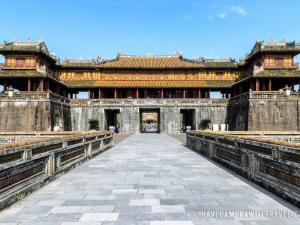
the history, traditions, buildings and objects that a country or society has had for many years and that are considered an important part of its character
Hue's Imperial City was listed as a Cultural World Heritage site by UNESCO in 1993.
Hue İmparatorluk Şehri 1993'te UNESCO tarafından Dünya Kültür Mirası listesine alındı.
Eş anlamlılarlegacyinheritancetraditionbirthrightendowmentZıt anlamlılarpresentmodernityinnovationfetih, istila
the act of taking control of a country, city, etc. by force
The Norman conquest of England began in 1066.
İngiltere'nin Norman fethi 1066'da başladı.
Eş anlamlılarvictorytriumphsubjugationdefeatcapturedominationoverthrowZıt anlamlılardefeatfailuresurrenderlossyieldingretreatuygarlık, medeniyet
a state of human society that is very developed and organized
The ancient Egyptians built one of the world's greatest civilizations.
Eski Mısırlılar dünyanın en büyük uygarlıklarından birini kurdu.
Eş anlamlılarculturesocietydevelopmentprogressrefinementZıt anlamlılarbarbarismsavagerywildernessanarchyemperyalizm
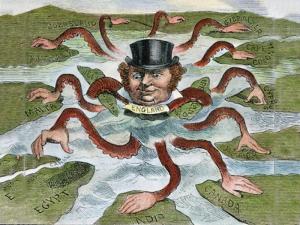
a system in which one country controls other countries, often after defeating them in a war
That was the age of imperialism.
O, emperyalizm çağıydı.
Eş anlamlılarcolonialismexpansionismhegemonydominationZıt anlamlılarisolationismself-determinationindependencedecolonizationpropaganda
ideas or statements that may be false or present only one side of an argument that are used in order to gain support for a political leader, party, etc.
During the war, both governments used propaganda to turn public opinion against the enemy.
Savaş sırasında her iki hükümet de kamuoyunu düşmana karşı çevirmek için propaganda kullandı.
Eş anlamlılardisinformationpromotionpublicityindoctrinationrhetorichypespinZıt anlamlılartruthfacthonestyaccuracyarkeoloji
the study of cultures of the past, and of periods of history by examining the parts of buildings and objects found in the ground
Archaeology helps us understand ancient civilizations.
Arkeoloji, eski uygarlıkları anlamamıza yardımcı olur.
Eş anlamlılarexcavationanthropologypaleontologyZıt anlamlılarfuture studiesfuturologysivil haklar, yurttaşlık hakları
the rights that every person in a society has, for example to be treated equally, to be able to vote, work, etc. whatever their sex, race or religion
The civil rights movement fought for equality for all people.
Sivil haklar hareketi, tüm insanlar için eşitlik uğruna mücadele etti.
Eş anlamlılarbasic rightshuman rightsconstitutional rightsequalitylibertiesZıt anlamlılaroppressiondiscriminationinequalitysubjugationtyrannysoğuk savaş
a relationship between two countries who are not friendly but are not actually fighting each other, usually used about the situation between the US and the Soviet Union after the Second World War
The cold war dominated international politics for decades.
Soğuk savaş, onlarca yıl boyunca uluslararası siyasete damgasını vurdu.
Eş anlamlılarideological strugglegeopolitical tensionZıt anlamlılarhot wardetentesömürgecilik
the practice by which a powerful country controls another country or other countries
Colonialism had a lasting impact on the culture and economy of many nations.
Sömürgecilik, birçok ulusun kültürü ve ekonomisi üzerinde kalıcı bir etki bıraktı.
Eş anlamlılarimperialismoccupationdominationsubjugationhegemonyZıt anlamlılarindependenceself-governancesovereigntyfreedomsavunma, müdafaa, koruma
the act of protecting somebody/something from attack, criticism, etc.
The castle walls were built for defense against invaders.
Kale surları, istilacılara karşı savunma için inşa edildi.
Eş anlamlılarprotectionsafeguardshieldsecurityZıt anlamlılarattackoffensevulnerabilityaydınlanma
knowledge about and understanding of something; the process of understanding something or making somebody understand it
The monk sought enlightenment through meditation.
Keşiş meditasyon yoluyla aydınlanmayı aradı.
Eş anlamlılarilluminationunderstandinginsightawakeningwisdomZıt anlamlılarignoranceconfusiondarknessmisunderstandingcasusluk
the activity of secretly getting important political or military information about another country or of finding out another company’s secrets by using spies
The government accused him of espionage.
Hükümet onu casuslukla suçladı.
Eş anlamlılarspyingintelligence gatheringundercover workZıt anlamlılarhonestyopennesstransparencyfolklor, halk kültürü
the traditions and stories of a country or community
The local folklore tells tales of mythical creatures living in the forest.
Yerel folklor, ormanda yaşayan efsanevi yaratıkların hikâyelerini anlatır.
Eş anlamlılarfolk taleslegendsmythstraditionsoral historyZıt anlamlılarhistoryfactsciencesoybilim, şecere
the study of family history, including the study of who the ancestors of a particular person were
She researched her genealogy and discovered she was related to royalty.
Soyağacını araştırdı ve kraliyet ailesiyle akraba olduğunu keşfetti.
Eş anlamlılarancestryfamily historylineagepedigreeZıt anlamlılardescendantfutureoffspringsoykırım
the murder of a large number of people from a particular nation or ethnic group, with the aim of destroying that nation or group
Genocide is a crime against humanity.
Soykırım, insanlığa karşı işlenen bir suçtur.
Eş anlamlılarmassacreethnic cleansingholocaustannihilationZıt anlamlılarpeacecreationpreservationtarih yazımı, tarihçilik
the study of writing about history
The professor specialized in the historiography of the French Revolution.
Profesör Fransız Devrimi'nin tarih yazımı üzerine uzmanlaşmıştı.
Eş anlamlılarHistorical writingHistory writingHistorical methodologyZıt anlamlılarAhistoricismSanayi Devrimi
the period in the 18th and 19th centuries when machines began to be widely used and industry grew rapidly
The industrial revolution brought about significant changes in society.
Sanayi Devrimi toplumda önemli değişikliklere yol açtı.
Eş anlamlılartechnological revolutionmanufacturing boomZıt anlamlılaragrarian agepre-industrial erasanayileşme
the process of developing industries in a country or an area
The country's rapid industrialization led to significant economic growth.
Ülkenin hızlı sanayileşmesi önemli bir ekonomik büyüme getirdi.
Eş anlamlılardevelopmentmodernizationmechanizationautomationZıt anlamlılardeindustrializationagrarianismistila, işgal, çıkarma
the act of an army entering another country by force in order to take control of it
The invasion of Normandy was a turning point in World War II.
Normandiya çıkarması İkinci Dünya Savaşı'nda bir dönüm noktasıydı.
Eş anlamlılarattackraidincursionaggressionencroachmentZıt anlamlılardefenseretreatwithdrawalseferberlik, harekete geçirme
preparations that bring together the people and weapons that will be needed in order for a country to fight a war
The government announced a mobilization of troops.
Hükümet birliklerin seferber edileceğini açıkladı.
Eş anlamlılaractivationenlistmentassemblyrallyingZıt anlamlılardemobilizationdeactivationdischargedispersionmilliyetçilik, ulusçuluk
the desire by a group of people who share the same ethnic group, culture, language, etc. to form an independent country
Nationalism can be a powerful force for unity.
Milliyetçilik birlik için güçlü bir etken olabilir.
Eş anlamlılarpatriotismchauvinismjingoismZıt anlamlılarinternationalismglobalismkeşif, gözetleme
the activity of getting information about an area for military purposes, using soldiers, planes, etc.
The soldiers conducted a reconnaissance mission.
Askerler bir keşif görevi gerçekleştirdi.
Eş anlamlılarsurveyexplorationscoutinginvestigationZıt anlamlılarignoranceneglectRönesans
the period in Europe during the fourteenth, fifteenth and sixteenth centuries when people became interested in the ideas and culture of ancient Greece and Rome and used these influences in their own art, literature, etc.
The Renaissance was a period of great artistic and intellectual achievement.
Rönesans, büyük sanatsal ve entelektüel başarıların dönemiydi.
Eş anlamlılarrebirthrevivalreawakeningflourishingZıt anlamlılardeclinefalldark agesgeri çekilme, ricat, çekilme
a movement away from a place or an enemy because of danger or defeat
The army's retreat from the city took several days.
Ordunun şehirden geri çekilmesi birkaç gün sürdü.
Eş anlamlılarwithdrawrecedeback downpull backZıt anlamlılaradvanceattackproceedkuşatma
a military operation in which an army tries to capture a town by surrounding it and stopping the supply of food, etc. to the people inside
The city was under siege for months.
Şehir aylarca kuşatma altındaydı.
Eş anlamlılarblockadeencirclementinvestmentZıt anlamlılarliberationrescuereliefateşkes
a time when enemies agree to stop fighting, usually while a way is found to end the fighting permanently
The two countries agreed to a ceasefire.
İki ülke ateşkes konusunda anlaştı.
Eş anlamlılartrucearmisticecessation of hostilitiesceasefire agreementZıt anlamlılarwarattackhostilitiesfightingkimyasal savaş
the use of poisonous gases and chemicals as weapons in a war
The use of chemical warfare is strictly prohibited by international treaties.
Kimyasal savaşın kullanımı uluslararası antlaşmalarla kesinlikle yasaklanmıştır.
Eş anlamlılargerm warfarepoison gas warfarebiological warfareZıt anlamlılarconventional warfarehumanitarian effortspeacebarışı koruma, barış gücü
intended to help stop people fighting and prevent war or violence in a place where this is likely
The UN is involved in peacekeeping efforts around the world.
BM, dünya genelinde barışı koruma çalışmalarına katılıyor.
Eş anlamlılarpeacemakingconflict resolutionmediationconciliationZıt anlamlılarwarconflictaggressionhostilitytarihsel dilbilim
the study of the history and development of languages
Historical linguistics traces the evolution of languages over time.
Tarihsel dilbilim, dillerin zaman içindeki evrimini izler.
Eş anlamlılarDiachronic linguisticsEvolutionary linguisticsZıt anlamlılarSynchronic linguisticsön saftaki, ön cephedeki
in the most important or dangerous position; doing essential work that puts you at risk
The frontline workers risked their lives during the pandemic.
Ön saftaki çalışanlar pandemi sırasında hayatlarını tehlikeye attı.
Eş anlamlılarforefrontvanguardbattlefrontleading edgeZıt anlamlılarrearbackbehindmüttefikler
Countries or people that have agreed to help and support each other, especially in a war.
The allies worked together to achieve their common goals.
Müttefikler, ortak hedeflerine ulaşmak için birlikte çalıştı.
Eş anlamlılarpartnersconfederatesassociatescollaboratorsZıt anlamlılarenemiesopponentsadversariesAntik Yunan
The civilization of Greece from about the 8th century BC until it became part of the Roman Empire.
Ancient Greece was the birthplace of democracy.
Antik Yunan, demokrasinin doğduğu yerdi.
Eş anlamlılarClassical GreeceHellenic GreeceZıt anlamlılarModern GreeceAntik Roma
The civilization based in the city of Rome that grew into a large empire, lasting from about 753 BC to AD 476.
Ancient Rome was a powerful civilization.
Antik Roma güçlü bir uygarlıktı.
Eş anlamlılarRome (historical)Roman EmpireZıt anlamlılarModern RomeContemporary Romearkeolojik alanlar, kazı alanları
Places where remains of past human life, such as buildings and objects, are found and studied.
The archaeological sites revealed ancient artifacts.
Arkeolojik alanlar antik eserleri gün yüzüne çıkardı.
Eş anlamlılarexcavation siteshistorical sitesruinsheritage sitesZıt anlamlılarmodern constructionsnew developmentsartefakt, artifakt
a feature on an image that is not part of the body, caused by movement, metal or the equipment
A metal artifact from his hip replacement hid part of the bladder.
Kalça protezinden kaynaklanan metal artefaktı mesanenin bir bölümünü gizledi.
The dark line is probably an artifact, not a fracture.
Eş anlamlılarrelicantiquecurioobjectZıt anlamlılarnatural objectgerilla savaşı
Fighting by small, unofficial groups that make surprise attacks on a larger, regular army.
The rebels used guerrilla warfare tactics to fight the larger army.
İsyancılar daha büyük orduyla savaşmak için gerilla savaşı taktikleri kullandı.
Eş anlamlılarinsurgencyresistancepartisan warfareasymmetric warfareZıt anlamlılarconventional warfareregular warfaremiras merkezi, kültürel miras merkezi
A building or place where people can learn about the history and traditions of an area or community.
We visited the heritage center to learn about the city's history.
Şehrin tarihini öğrenmek için miras merkezini ziyaret ettik.
Eş anlamlılarCultural centerHistorical centerMuseumZıt anlamlılarModern developmentFuture centermiras koruma, kültürel mirasın korunması
The work of protecting and repairing old buildings, places and objects that are important to a culture's history.
The city invested in a new initiative for heritage conservation.
Şehir, kültürel mirasın korunması için yeni bir girişime yatırım yaptı.
Eş anlamlılarPreservationConservationSafeguardingZıt anlamlılarDestructionNeglectDemolitionmiras koruma, kültürel mirasın korunması
The protection of historic buildings, sites, objects and traditions so that they survive for future generations.
The local council is dedicated to heritage preservation.
Yerel meclis kültürel mirasın korunmasına adanmış durumda.
Eş anlamlılarConservationProtectionSafeguardingZıt anlamlılarDestructionNeglectDemolitiontarihsel doğruluk
The quality of showing past events, people or periods correctly and truthfully.
The film strives for historical accuracy.
Film tarihsel doğruluğu yakalamaya çalışıyor.
Eş anlamlılarAuthenticityFidelityVeracityGenuinenessZıt anlamlılarInaccuracyFalsenessFictionDistortiontarihsel analiz
The careful study of past events and sources in order to understand and explain them.
Historical analysis reveals patterns in societal development.
Tarihsel analiz, toplumsal gelişimdeki örüntüleri ortaya çıkarır.
Eş anlamlılarHistorical researchHistorical studyHistoriographyZıt anlamlılarFuture speculationPresent assessmenttarihsel antropoloji
The study of the cultures, customs and social lives of people in the past.
Historical anthropology studies past cultures and societies.
Tarihsel antropoloji geçmiş kültürleri ve toplumları inceler.
Eş anlamlılarEthnologyCultural anthropologySocial anthropologyZıt anlamlılarNonetarihî mimari
Buildings and building styles from the past, especially ones that are considered important or interesting.
The city is famous for its historical architecture.
Şehir tarihî mimarisiyle ünlüdür.
Eş anlamlılarheritage architectureancient buildingslandmark architectureZıt anlamlılarmodern architecturecontemporary designtarihî sanat
Paintings, sculptures and other works of art created in past periods of history.
The museum displays historical art from the Roman Empire.
Müze, Roma İmparatorluğu'ndan kalma tarihî sanat eserleri sergiliyor.
Eş anlamlılarAntique artVintage artPeriod artZıt anlamlılarContemporary artModern arttarihsel özgünlük
The quality of being genuinely from a particular past period or truly representing it.
The museum strives to maintain the historical authenticity of its artifacts.
Müze, eserlerinin tarihsel özgünlüğünü korumaya çalışıyor.
Eş anlamlılarGenuinenessVeracityLegitimacyOriginalityZıt anlamlılarInauthenticityFalsenessSpuriousnessFictiontarihî biyografi
A written account of the life of an important person from the past.
The library had many shelves of historical biographies.
Kütüphanede raf raf tarihî biyografi vardı.
Eş anlamlılarbiographyhistorical accountlife storyZıt anlamlılarfictionfantasytarihsel bağlam
The social, political and cultural situation of the time in which an event happened or something was created.
Understanding the historical context is crucial for interpreting this document.
Bu belgeyi yorumlamak için tarihsel bağlamı anlamak çok önemlidir.
Eş anlamlılarhistorical settinghistorical backgroundhistorical frameworkZıt anlamlılarahistoricalpresent-daycontemporarytarihî kostüm
Clothes in the style worn by people during a particular period in the past.
She wore a beautiful historical costume to the event.
Etkinliğe güzel bir tarihî kostümle geldi.
Eş anlamlılarPeriod costumeVintage attireTheatrical costumeZıt anlamlılarModern dressContemporary clothingCasual weartarihsel veriler, geçmiş veriler
Information and figures collected about the past, often used to study changes or trends over time.
We analyzed the historical data to identify trends.
Eğilimleri belirlemek için tarihsel verileri analiz ettik.
Eş anlamlılarpast dataarchival datalegacy dataZıt anlamlılarcurrent datareal-time datafuture projectionstarihî belgeler, tarihsel belgeleme
Written records and other materials that provide evidence about past events.
The library preserves historical documentation dating back centuries.
Kütüphane, yüzyıllar öncesine dayanan tarihî belgeleri koruyor.
Eş anlamlılarhistorical recordsarchival materialsprimary sourcesZıt anlamlılarspeculationconjecturefabricationtarihî belgeler
Official papers, letters and records from the past that give information about history.
The library contains many historical documents.
Kütüphanede pek çok tarihî belge bulunuyor.
Eş anlamlılararchival recordsancient textsprimary sourcesZıt anlamlılarcontemporary recordsmodern documentstarihî dram, dönem dizisi
A play, film or television series about real or imagined events set in the past.
I enjoy watching historical dramas because they teach me about the past.
Tarihî dramlar izlemeyi seviyorum çünkü bana geçmişi öğretiyorlar.
Eş anlamlılarperiod dramahistorical fictionZıt anlamlılarfuturistic dramacontemporary dramatarih eğitimi
The teaching and learning of history and of how past events shaped the present.
Historical education teaches us about the past.
Tarih eğitimi bize geçmişi öğretir.
Eş anlamlılarhistory instructionpast studieshistorical studiesZıt anlamlılarfuture studiescurrent events educationtarihî olaylar
Important things that happened in the past and are recorded as part of history.
The museum displayed artifacts from important historical events.
Müze, önemli tarihî olaylardan kalma eserleri sergiledi.
Eş anlamlılarhistoric occurrencespast eventslandmark eventsZıt anlamlılarfuture eventscurrent eventstarihî roman, tarihî kurgu
Novels and stories that are set in the past and often include real historical events or people.
She enjoys reading historical fiction because it brings the past to life.
Tarihî roman okumayı seviyor çünkü geçmişi canlandırıyor.
Eş anlamlılarhistorical novelperiod fictionZıt anlamlılarcontemporary fictionfuturistic fictiontarihî kişilikler, tarihî şahsiyetler
Famous or important people who lived in the past.
Historical figures like Gandhi are studied in schools.
Gandhi gibi tarihî kişilikler okullarda inceleniyor.
Eş anlamlılarNotable people from historyHistorical personalitiesFigures from the pastZıt anlamlılarContemporary figuresModern individualstarihî coğrafya
The study of how places, landscapes and human activity in an area have changed over time.
Historical geography studies how people and places have changed over time.
Tarihî coğrafya, insanların ve mekânların zaman içinde nasıl değiştiğini inceler.
Eş anlamlılarPast geographyGeography of the pastZıt anlamlılarFuture geographyContemporary geographytarihsel araştırma, tarihsel sorgulama
The process of asking questions about the past and examining evidence to find answers.
Historical inquiry is crucial for understanding societal evolution.
Toplumsal evrimi anlamak için tarihsel sorgulama çok önemlidir.
Eş anlamlılarhistorical researchhistorical investigationhistoriographyZıt anlamlılarahistorical studyspeculationtarihsel yorum
A particular way of explaining the meaning or causes of past events.
The historical interpretation of the event has changed over time.
Olayın tarihsel yorumu zaman içinde değişti.
Eş anlamlılarHistorical analysisHistorical perspectiveHistorical viewpointZıt anlamlılarAhistoricalNon-historicalUninterpreted historytarihsel araştırma, tarihî inceleme
A careful, detailed study of past events or periods to discover facts about them.
The historical investigation revealed new details about the ancient civilization.
Tarihsel araştırma, antik uygarlıkla ilgili yeni ayrıntıları ortaya çıkardı.
Eş anlamlılarhistorical researcharchival investigationhistorical analysisZıt anlamlılarpresent-day analysisfuturistic studytarih bilgisi
Information and understanding about past events, people and societies.
Historical knowledge is crucial for understanding current events.
Güncel olayları anlamak için tarih bilgisi çok önemlidir.
Eş anlamlılarhistorical awarenesshistorical understandingknowledge of historyZıt anlamlılarignorance of historyahistoricismtarihî yerler, tarihî simge yapılar
Famous buildings, monuments or places that are important because of their connection with the past.
The city is known for its historical landmarks.
Şehir tarihî yerleriyle tanınır.
Eş anlamlılarHistoric sitesHeritage sitesHistorical monumentsZıt anlamlılarModern constructionContemporary buildingtarihî peyzajlar, tarihî alanlar
Areas of land whose features show the influence of people and events in the past.
The tour included visits to several historical landscapes.
Tur, birkaç tarihî alana yapılan ziyaretleri içeriyordu.
Eş anlamlılarHeritage landscapesHistoric sitesCultural landscapesZıt anlamlılarModern landscapesContemporary scenerytarihî edebiyat
Books and other writing that describe or come from a particular period in the past.
Historical literature offers insights into past societies.
Tarihî edebiyat, geçmiş toplumlara dair içgörüler sunar.
Eş anlamlılarHistorical fictionPast writingsAncient textsZıt anlamlılarContemporary literatureModern writingstarihî haritalama
The process of making maps that show how an area looked or changed in the past.
Historical mapping helps us understand how landscapes have changed over time.
Tarihî haritalama, peyzajların zamanla nasıl değiştiğini anlamamıza yardımcı olur.
Eş anlamlılarHistorical cartographyPast mappingOld mappingZıt anlamlılarContemporary mappingModern mappingCurrent mappingtarihsel bellek, tarihî hafıza
The way a group or society remembers and understands events from its past.
Historical memory shapes our understanding of the present.
Tarihsel bellek, bugünü anlayışımızı şekillendirir.
Eş anlamlılarcollective memorypast knowledgeshared historyZıt anlamlılaramnesiaforgetfulnesshistorical ignorancetarihsel anlatı
A story or account that describes and explains a series of past events.
The historical narrative of the war was biased.
Savaşın tarihsel anlatısı taraflıydı.
Eş anlamlılarHistoryAccountChronicleStoryRecordZıt anlamlılarAhistoricalFictionMythtarihsel bakış açısı
A way of understanding something by considering how it developed in the past.
Understanding the war requires a historical perspective.
Savaşı anlamak tarihsel bir bakış açısı gerektirir.
Eş anlamlılarhistorical contexthistorical viewpointpast significanceZıt anlamlılarahistoricalpresentismtarih felsefesi
The study of the nature, meaning and patterns of history and historical change.
Historical philosophy examines the evolution of ideas over time.
Tarih felsefesi, fikirlerin zaman içindeki evrimini inceler.
Eş anlamlılarPhilosophy of historyHistory of ideasZıt anlamlılarAhistorical philosophySpeculative philosophytarihî kayıtlar
Written documents and other evidence that give information about past events.
Historical records show the city was founded in the 18th century.
Tarihî kayıtlar şehrin 18. yüzyılda kurulduğunu gösteriyor.
Eş anlamlılarArchivesChroniclesAnnalsDocumentsZıt anlamlılarSpeculationConjectureGuessworktarihî canlandırma
An event in which people dress up and act out a famous event from the past.
The museum held a historical reenactment of the Civil War battle.
Müze, İç Savaş muharebesinin tarihî canlandırmasını düzenledi.
Eş anlamlılarliving historyhistorical simulationhistorical performanceZıt anlamlılarmodern interpretationcontemporary performancetarih araştırması
Detailed study of sources and evidence to learn new facts about the past.
Historical research is crucial for understanding our past.
Geçmişimizi anlamak için tarih araştırması çok önemlidir.
Eş anlamlılarhistoriographyarchival researchhistorical analysisZıt anlamlılarfuturismspeculationtarihsel önem
The importance of an event, person or place because of its effect on history.
The treaty holds historical significance for both nations.
Antlaşma her iki ulus için de tarihsel önem taşıyor.
Eş anlamlılarHistoric importanceHistorical valueLegacyZıt anlamlılarInsignificanceUnimportancetarihî mekân, tarihî yer
A place where important events happened in the past or where old buildings remain.
The Colosseum is a famous historical site in Rome.
Kolezyum, Roma'daki ünlü bir tarihî mekândır.
Eş anlamlılarhistoric landmarkheritage siteancient monumentZıt anlamlılarmodern constructionnew developmenttarih derneği
An organization that studies and preserves the history of a particular place.
The local historical society preserves artifacts from the town's past.
Yerel tarih derneği, kasabanın geçmişinden kalan eserleri koruyor.
Eş anlamlılarHistorical associationHeritage organizationZıt anlamlılarFuture societyModern associationtarihsel kaynaklar
Documents, objects or records from the past that provide information about history.
Historians rely on historical sources to understand the past.
Tarihçiler geçmişi anlamak için tarihsel kaynaklara dayanır.
Eş anlamlılarhistoric recordsarchival materialsprimary documentsZıt anlamlılarspeculationconjecturefabricationtarihsel zaman çizelgesi
A list or diagram showing important historical events in the order in which they happened.
The historical timeline shows major events from the past.
Tarihsel zaman çizelgesi geçmişteki önemli olayları gösteriyor.
Eş anlamlılarChronologyHistorical recordTimelineZıt anlamlılarAhistoricalUntimedUnchronologicaltarihsel gelenekler
Customs and beliefs that have been passed down within a community over a long period of history.
The museum showcases historical traditions of the region.
Müze, bölgenin tarihsel geleneklerini sergiliyor.
Eş anlamlılarCultural heritageCustomary practicesAncestral customsZıt anlamlılarModern innovationsContemporary trendsinsani yardım
Food, medicine and other help given to people suffering because of war, disaster or poverty.
The organization provides humanitarian aid to refugees.
Kuruluş, mültecilere insani yardım sağlıyor.
Eş anlamlılarReliefAssistanceCharityAidZıt anlamlılarExploitationNeglectHarmanıtlar
Buildings, statues or other structures built to remember a famous person or event, or that are historically important.
The city is known for its historical monuments.
Şehir tarihî anıtlarıyla tanınır.
Eş anlamlılarmemorialsstatueslandmarksZıt anlamlılardestructiondemolitiondeniz savaşı
Fighting between armed forces at sea, using ships and submarines.
Naval warfare played a crucial role in World War II.
Deniz savaşı, İkinci Dünya Savaşı'nda çok önemli bir rol oynadı.
Eş anlamlılarSea warMaritime warfareNaval combatZıt anlamlılarLand warfareGround warnükleer silahlar
Extremely powerful bombs and missiles whose force comes from nuclear energy.
Nuclear weapons pose a significant threat to global security.
Nükleer silahlar küresel güvenlik için ciddi bir tehdit oluşturuyor.
Eş anlamlılarAtomic weaponsThermonuclear weaponsWeapons of mass destructionZıt anlamlılarConventional weaponsNon-nuclear weaponssözlü tarih
The collection and study of historical information through recorded interviews with people who remember past events.
The museum exhibit included recordings of oral history interviews with veterans.
Müze sergisinde gazilerle yapılan sözlü tarih görüşmelerinin kayıtları yer aldı.
Eş anlamlılarVerbal historySpoken historyTestimonial historyZıt anlamlılarWritten historyDocumented historysavaş esiri
A person, usually a soldier, who is captured and kept in prison by the enemy during a war.
He was a POW for three years during the war.
Savaş sırasında üç yıl boyunca savaş esiriydi.
Eş anlamlılarcaptivedetaineeprisonerZıt anlamlılarliberatorrescuerfree personmülteciler
People who have been forced to leave their country because of war, danger or persecution.
Many refugees seek asylum in neighboring countries.
Birçok mülteci komşu ülkelerde sığınma arıyor.
Eş anlamlılarAsylum seekersDisplaced personsEvacueesExilesZıt anlamlılarCitizensNationalsResidentsharabeler, kalıntılar
The remaining parts of a building or town that has been badly damaged or destroyed.
The ancient ruins attracted many tourists.
Antik harabeler birçok turisti kendine çekti.
Eş anlamlılarremainsdebriswreckagefragmentsZıt anlamlılarconstructioncreationestablishmentsavaş suçları
Cruel acts committed during a war that break international laws, such as killing civilians.
The tribunal investigated alleged war crimes.
Mahkeme, iddia edilen savaş suçlarını soruşturdu.
Eş anlamlılaratrocitieswar atrocitiescrimes against humanityZıt anlamlılaracts of peacehumanitarian aid