Lição 25/33 · 138 palavras · 0 aprendidas
History and Heritage
História e patrimônio
estratégia
a plan that is intended to achieve a particular purpose
A business plan is a strategy for running a business and avoiding problems
Um plano de negócios é uma estratégia para gerir um negócio e evitar problemas.
Sinônimosplantacticapproachschemedesignmethodgame planblueprintAntônimosrandomnesschanceaccidentimprovisationdisorganizationrevolução
an attempt, by a large number of people, to change the government of a country, especially by violent action
The French Revolution began in 1789 and changed the government of France.
A Revolução Francesa começou em 1789 e mudou o governo da França.
SinônimosupheavaloverthrowtransformationchangeturnaroundrevoltinsurrectionAntônimosstabilitystatus quoconservationorderpeacecultura
the customs and beliefs, art, way of life and social organization of a particular country or group
European/Islamic/African/American, etc. culture
Cultura europeia/islâmica/africana/americana, etc.
working-class culture
Sinônimoscivilizationsocietycustomstraditionsheritageartsway of lifeAntônimosnaturebarbarismpaz
a situation or a period of time in which there is no war or violence in a country or an area
The two communities live together in peace.
As duas comunidades vivem juntas em paz.
A UN force has been sent to keep the peace(= to prevent people from fighting).
SinônimosharmonytranquilityserenitycalmrestamityAntônimoswarconflictstrifediscordviolencetradição
a belief, custom or way of doing something that has existed for a long time among a particular group of people; a set of these beliefs or customs
Making Chung cake is our tradition at Tet.
Fazer bolo Chung é a nossa tradição no Tet.
religious/cultural, etc. traditions
SinônimoscustomconventionpracticeritualheritageusagemannerwayAntônimosinnovationnoveltymodernitychangedeviationderrotar
to win against somebody in a war, competition, sports game, etc.
If we can defeat the Italian team, we'll be through to the final.
Se conseguirmos derrotar a equipe italiana, passaremos à final.
a narrow/heavy defeat
SinônimosvanquishovercomeconquerbeatroutsubdueoverthrowcrushAntônimossurrenderyieldsuccumblosefailconflito
a situation in which people, groups or countries disagree strongly or are involved in a serious argument
When conflicts do happen, we work together to find the solutions.
Quando os conflitos acontecem, trabalhamos juntos para encontrar as soluções.
conflicting emotions/interests/loyalties
SinônimosdisputeclashstrugglediscordoppositionfrictionAntônimospeaceharmonyagreementaccordconcordinteligência
the ability to learn, understand and think in a logical way about things; the ability to do this well
He didn't even have the intelligence to call for an ambulance.
Ele nem sequer teve a inteligência de chamar uma ambulância.
a person of high/average/low intelligence
SinônimosintellectunderstandingwisdombrainpowerclevernessbrilliancewitAntônimosstupidityfoolishnessignorancedullnessdensenessindependência
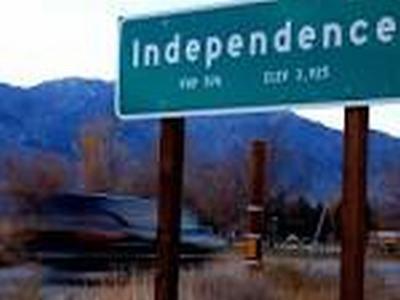
freedom from political control by other countries
Cuba gained independence from Spain in 1898.
Cuba obteve independência da Espanha em 1898.
It's £7.50, not including tax.
Sinônimosfreedomautonomylibertyself-governancesovereigntyAntônimosdependencesubordinationservitudecaptivityoppressionrascunho
a rough written version of something that is not yet in its final form
I've made a rough draft of the letter.
Eu fiz um rascunho da carta.
This is only the first draft of my speech.
Sinônimosoutlinesketchblueprintplanversionpreliminary versionAntônimosfinal versionfinished productperfectioncertaintyresistência
dislike of or opposition to a plan, an idea, etc.; the act of refusing to obey
As with all new ideas it met with resistance.
Tal como acontece com todas as novas ideias, encontrou resistência.
Resistance to change has nearly destroyed the industry.
SinônimosoppositiondefiancechallengestruggleobstructionwithstandAntônimosacceptanceagreementcompliancesubmissionacquiescencemuseu
a building in which objects of artistic, cultural, historical or scientific interest are kept and shown to the public
My class visited the Ho Chi Minh museum last Sunday.
Minha turma visitou o museu Ho Chi Minh no domingo passado.
Sinônimosgalleryarchiveexhibition hallinstitutionrepositoryAntônimosn/a (Museums don't really have antonyms in the same sense as other words. Perhaps 'private collection' or 'storage' could be considered opposing concepts.)antigo
belonging to a period of history that is thousands of years in the past
The ancient forests were found only in books.
As florestas antigas foram encontradas apenas em livros.
ancient history/civilization
Sinônimosoldhistoricalagedvenerabletime-honoredantiqueAntônimosmodernnewrecentcontemporaryhistórico
connected with the past
Women are not allowed to enter the monastery for historical reasons.
As mulheres não podem entrar no mosteiro por razões históricas.
the historical background to the war
SinônimospastchronologicalrecordeddocumentedancientAntônimosahistoricalunhistoricalpresentcontemporarymodernbatalha
a fight between armies, ships or planes, especially during a war; a violent fight between groups of people
Almost everyone has heard of the battle at Waterloo.
Quase toda a gente já ouviu falar da batalha de Waterloo.
a gun battle
SinônimosfightcombatconflictengagementskirmishAntônimospeacetrucearmisticeagreementharmonyguerra
a situation in which two or more countries or groups of people fight against each other over a period of time
How long have they been at war?
Há quanto tempo eles estão em guerra?
The government does not want to go to war(= start a war) unless all other alternatives have failed.
SinônimosconflictcombathostilitiesstrugglebattlefightingAntônimospeaceharmonytruceaccordceasefireimpério
a group of countries or states that are controlled by one leader or government
The Roman empire ruled many countries in the past.
O império romano governou muitos países no passado.
He dismissed the opinion polls as worthless.
SinônimosrealmkingdomdominionpowerstateauthorityAntônimosrepublicdemocracysmall statenationexploração
the act of travelling through a place in order to find out about it or look for something in it
The aim is to pay more attention to the human factor of space exploration.
O objetivo é dar mais atenção ao fator humano da exploração espacial.
SinônimosdiscoveryinvestigationresearchsurveyquestprobereconnaissanceAntônimosneglectignorancestagnationinactivitylinha do tempo, cronologia
a horizontal line that is used to represent time, with the past towards the left and the future towards the right
The museum shows a timeline of the country's history from ancient times to today.
O museu mostra uma linha do tempo da história do país, desde a antiguidade até hoje.
Sinônimoschronologytimeframesequence of eventsprogresshistoryAntônimosdisorderchaosrandomnesspatrimônio
the history, traditions, buildings and objects that a country or society has had for many years and that are considered an important part of its character
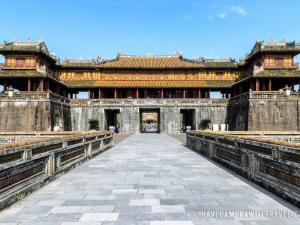
Hue's Imperial City was listed as a Cultural World Heritage site by UNESCO in 1993.
A Cidade Imperial de Hue foi listada como Patrimônio Mundial Cultural pela UNESCO em 1993.
SinônimoslegacyinheritancetraditionbirthrightendowmentAntônimospresentmodernityinnovationconquista
the act of taking control of a country, city, etc. by force
The Norman conquest of England began in 1066.
A conquista normanda da Inglaterra começou em 1066.
SinônimosvictorytriumphsubjugationdefeatcapturedominationoverthrowAntônimosdefeatfailuresurrenderlossyieldingretreatcivilização
a state of human society that is very developed and organized
The ancient Egyptians built one of the world's greatest civilizations.
Os antigos egípcios construíram uma das maiores civilizações do mundo.
SinônimosculturesocietydevelopmentprogressrefinementAntônimosbarbarismsavagerywildernessanarchyimperialismo
a system in which one country controls other countries, often after defeating them in a war
That was the age of imperialism.
Aquela foi a era do imperialismo.
SinônimoscolonialismexpansionismhegemonydominationAntônimosisolationismself-determinationindependencedecolonizationpropaganda
ideas or statements that may be false or present only one side of an argument that are used in order to gain support for a political leader, party, etc.
During the war, both governments used propaganda to turn public opinion against the enemy.
Durante a guerra, ambos os governos usaram propaganda para voltar a opinião pública contra o inimigo.
SinônimosdisinformationpromotionpublicityindoctrinationrhetorichypespinAntônimostruthfacthonestyaccuracyarqueologia
the study of cultures of the past, and of periods of history by examining the parts of buildings and objects found in the ground
Archaeology helps us understand ancient civilizations.
A arqueologia nos ajuda a entender as civilizações antigas.
SinônimosexcavationanthropologypaleontologyAntônimosfuture studiesfuturologydireitos civis
the rights that every person in a society has, for example to be treated equally, to be able to vote, work, etc. whatever their sex, race or religion
The civil rights movement fought for equality for all people.
O movimento pelos direitos civis lutou pela igualdade para todas as pessoas.
Sinônimosbasic rightshuman rightsconstitutional rightsequalitylibertiesAntônimosoppressiondiscriminationinequalitysubjugationtyrannyGuerra Fria
a relationship between two countries who are not friendly but are not actually fighting each other, usually used about the situation between the US and the Soviet Union after the Second World War
The cold war dominated international politics for decades.
A Guerra Fria dominou a política internacional por décadas.
Sinônimosideological strugglegeopolitical tensionAntônimoshot wardetentecolonialismo
the practice by which a powerful country controls another country or other countries
Colonialism had a lasting impact on the culture and economy of many nations.
O colonialismo teve um impacto duradouro na cultura e na economia de muitas nações.
SinônimosimperialismoccupationdominationsubjugationhegemonyAntônimosindependenceself-governancesovereigntyfreedomdefesa
the act of protecting somebody/something from attack, criticism, etc.
The castle walls were built for defense against invaders.
As muralhas do castelo foram construídas para defesa contra invasores.
SinônimosprotectionsafeguardshieldsecurityAntônimosattackoffensevulnerabilityiluminação
knowledge about and understanding of something; the process of understanding something or making somebody understand it
The monk sought enlightenment through meditation.
O monge buscava a iluminação através da meditação.
SinônimosilluminationunderstandinginsightawakeningwisdomAntônimosignoranceconfusiondarknessmisunderstandingespionagem
the activity of secretly getting important political or military information about another country or of finding out another company’s secrets by using spies
The government accused him of espionage.
O governo o acusou de espionagem.
Sinônimosspyingintelligence gatheringundercover workAntônimoshonestyopennesstransparencyfolclore
the traditions and stories of a country or community
The local folklore tells tales of mythical creatures living in the forest.
O folclore local conta histórias de criaturas míticas que vivem na floresta.
Sinônimosfolk taleslegendsmythstraditionsoral historyAntônimoshistoryfactsciencegenealogia
the study of family history, including the study of who the ancestors of a particular person were
She researched her genealogy and discovered she was related to royalty.
Ela pesquisou sua genealogia e descobriu que era parente da realeza.
Sinônimosancestryfamily historylineagepedigreeAntônimosdescendantfutureoffspringgenocídio
the murder of a large number of people from a particular nation or ethnic group, with the aim of destroying that nation or group
Genocide is a crime against humanity.
O genocídio é um crime contra a humanidade.
Sinônimosmassacreethnic cleansingholocaustannihilationAntônimospeacecreationpreservationHistoriografia
the study of writing about history
The professor specialized in the historiography of the French Revolution.
O professor especializou-se na historiografia da Revolução Francesa.
SinônimosHistorical writingHistory writingHistorical methodologyAntônimosAhistoricismrevolução industrial
the period in the 18th and 19th centuries when machines began to be widely used and industry grew rapidly
The industrial revolution brought about significant changes in society.
A revolução industrial trouxe mudanças significativas na sociedade.
Sinônimostechnological revolutionmanufacturing boomAntônimosagrarian agepre-industrial eraindustrialização
the process of developing industries in a country or an area
The country's rapid industrialization led to significant economic growth.
A rápida industrialização do país levou a um crescimento econômico significativo.
SinônimosdevelopmentmodernizationmechanizationautomationAntônimosdeindustrializationagrarianisminvasão
the act of an army entering another country by force in order to take control of it
The invasion of Normandy was a turning point in World War II.
A invasão da Normandia foi um ponto de virada na Segunda Guerra Mundial.
SinônimosattackraidincursionaggressionencroachmentAntônimosdefenseretreatwithdrawalmobilização
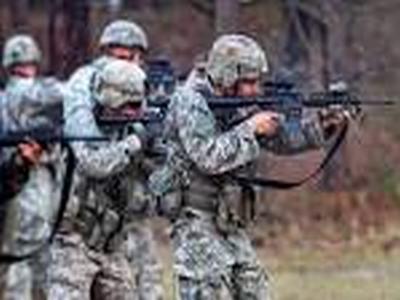
preparations that bring together the people and weapons that will be needed in order for a country to fight a war
The government announced a mobilization of troops.
O governo anunciou uma mobilização de tropas.
SinônimosactivationenlistmentassemblyrallyingAntônimosdemobilizationdeactivationdischargedispersionnacionalismo
the desire by a group of people who share the same ethnic group, culture, language, etc. to form an independent country
Nationalism can be a powerful force for unity.
O nacionalismo pode ser uma força poderosa para a unidade.
SinônimospatriotismchauvinismjingoismAntônimosinternationalismglobalismreconhecimento
the activity of getting information about an area for military purposes, using soldiers, planes, etc.
The soldiers conducted a reconnaissance mission.
Os soldados realizaram uma missão de reconhecimento.
SinônimossurveyexplorationscoutinginvestigationAntônimosignoranceneglectrenascimento
the period in Europe during the fourteenth, fifteenth and sixteenth centuries when people became interested in the ideas and culture of ancient Greece and Rome and used these influences in their own art, literature, etc.
The Renaissance was a period of great artistic and intellectual achievement.
O Renascimento foi um período de grandes realizações artísticas e intelectuais.
SinônimosrebirthrevivalreawakeningflourishingAntônimosdeclinefalldark agescerco
a military operation in which an army tries to capture a town by surrounding it and stopping the supply of food, etc. to the people inside
The city was under siege for months.
A cidade esteve sob cerco durante meses.
SinônimosblockadeencirclementinvestmentAntônimosliberationrescuereliefcessar-fogo
a time when enemies agree to stop fighting, usually while a way is found to end the fighting permanently
The two countries agreed to a ceasefire.
Os dois países concordaram com um cessar-fogo.
Sinônimostrucearmisticecessation of hostilitiesceasefire agreementAntônimoswarattackhostilitiesfightingguerra química
the use of poisonous gases and chemicals as weapons in a war
The use of chemical warfare is strictly prohibited by international treaties.
O uso de guerra química é estritamente proibido por tratados internacionais.
Sinônimosgerm warfarepoison gas warfarebiological warfareAntônimosconventional warfarehumanitarian effortspeacemanutenção da paz
intended to help stop people fighting and prevent war or violence in a place where this is likely
The UN is involved in peacekeeping efforts around the world.
A ONU está envolvida em esforços de manutenção da paz em todo o mundo.
Sinônimospeacemakingconflict resolutionmediationconciliationAntônimoswarconflictaggressionhostilityLinguística histórica
the study of the history and development of languages
Historical linguistics traces the evolution of languages over time.
A linguística histórica rastreia a evolução das línguas ao longo do tempo.
SinônimosDiachronic linguisticsEvolutionary linguisticsAntônimosSynchronic linguisticslinha de frente
in the most important or dangerous position; doing essential work that puts you at risk
The frontline workers risked their lives during the pandemic.
Os trabalhadores da linha de frente arriscaram suas vidas durante a pandemia.
Sinônimosforefrontvanguardbattlefrontleading edgeAntônimosrearbackbehindaliados
Countries or people that have agreed to help and support each other, especially in a war.
The allies worked together to achieve their common goals.
Os aliados trabalharam juntos para atingir seus objetivos comuns.
SinônimospartnersconfederatesassociatescollaboratorsAntônimosenemiesopponentsadversariesRoma Antiga
The civilization based in the city of Rome that grew into a large empire, lasting from about 753 BC to AD 476.
Ancient Rome was a powerful civilization.
A Roma Antiga era uma civilização poderosa.
SinônimosRome (historical)Roman EmpireAntônimosModern RomeContemporary RomeSítios arqueológicos
Places where remains of past human life, such as buildings and objects, are found and studied.
The archaeological sites revealed ancient artifacts.
Os sítios arqueológicos revelaram artefatos antigos.
Sinônimosexcavation siteshistorical sitesruinsheritage sitesAntônimosmodern constructionsnew developmentsartefato, artefato de imagem
a feature on an image that is not part of the body, caused by movement, metal or the equipment
A metal artifact from his hip replacement hid part of the bladder.
Um artefato metálico da prótese de quadril dele ocultava parte da bexiga.
The dark line is probably an artifact, not a fracture.
SinônimosrelicantiquecurioobjectAntônimosnatural objectguerra de guerrilha
Fighting by small, unofficial groups that make surprise attacks on a larger, regular army.
The rebels used guerrilla warfare tactics to fight the larger army.
Os rebeldes usaram táticas de guerra de guerrilha para lutar contra o exército maior.
Sinônimosinsurgencyresistancepartisan warfareasymmetric warfareAntônimosconventional warfareregular warfareCentro de patrimônio
A building or place where people can learn about the history and traditions of an area or community.
We visited the heritage center to learn about the city's history.
Visitamos o centro de patrimônio para aprender sobre a história da cidade.
SinônimosCultural centerHistorical centerMuseumAntônimosModern developmentFuture centerConservação do patrimônio
The work of protecting and repairing old buildings, places and objects that are important to a culture's history.
The city invested in a new initiative for heritage conservation.
A cidade investiu em uma nova iniciativa para a conservação do patrimônio.
SinônimosPreservationConservationSafeguardingAntônimosDestructionNeglectDemolitionPreservação do patrimônio
The protection of historic buildings, sites, objects and traditions so that they survive for future generations.
The local council is dedicated to heritage preservation.
O conselho local se dedica à preservação do patrimônio.
SinônimosConservationProtectionSafeguardingAntônimosDestructionNeglectDemolitionPrecisão histórica
The quality of showing past events, people or periods correctly and truthfully.
The film strives for historical accuracy.
O filme se esforça pela precisão histórica.
SinônimosAuthenticityFidelityVeracityGenuinenessAntônimosInaccuracyFalsenessFictionDistortionAnálise histórica
The careful study of past events and sources in order to understand and explain them.
Historical analysis reveals patterns in societal development.
A análise histórica revela padrões no desenvolvimento social.
SinônimosHistorical researchHistorical studyHistoriographyAntônimosFuture speculationPresent assessmentAntropologia histórica
The study of the cultures, customs and social lives of people in the past.
Historical anthropology studies past cultures and societies.
A antropologia histórica estuda culturas e sociedades passadas.
SinônimosEthnologyCultural anthropologySocial anthropologyAntônimosNoneArquitetura histórica
Buildings and building styles from the past, especially ones that are considered important or interesting.
The city is famous for its historical architecture.
A cidade é famosa por sua arquitetura histórica.
Sinônimosheritage architectureancient buildingslandmark architectureAntônimosmodern architecturecontemporary designArte histórico
Paintings, sculptures and other works of art created in past periods of history.
The museum displays historical art from the Roman Empire.
O museu exibe arte histórica do Império Romano.
SinônimosAntique artVintage artPeriod artAntônimosContemporary artModern artAutenticidade histórica
The quality of being genuinely from a particular past period or truly representing it.
The museum strives to maintain the historical authenticity of its artifacts.
O museu se esforça para manter a autenticidade histórica de seus artefatos.
SinônimosGenuinenessVeracityLegitimacyOriginalityAntônimosInauthenticityFalsenessSpuriousnessFictionBiografia histórica
A written account of the life of an important person from the past.
The library had many shelves of historical biographies.
A biblioteca tinha muitas prateleiras de biografias históricas.
Sinônimosbiographyhistorical accountlife storyAntônimosfictionfantasycontexto histórico
The social, political and cultural situation of the time in which an event happened or something was created.
Understanding the historical context is crucial for interpreting this document.
Compreender o contexto histórico é crucial para interpretar este documento.
Sinônimoshistorical settinghistorical backgroundhistorical frameworkAntônimosahistoricalpresent-daycontemporaryTraje histórico
Clothes in the style worn by people during a particular period in the past.
She wore a beautiful historical costume to the event.
Ela usou um belo traje histórico para o evento.
SinônimosPeriod costumeVintage attireTheatrical costumeAntônimosModern dressContemporary clothingCasual weardados históricos
Information and figures collected about the past, often used to study changes or trends over time.
We analyzed the historical data to identify trends.
Analisamos os dados históricos para identificar tendências.
Sinônimospast dataarchival datalegacy dataAntônimoscurrent datareal-time datafuture projectionsdocumentação histórica
Written records and other materials that provide evidence about past events.
The library preserves historical documentation dating back centuries.
A biblioteca preserva a documentação histórica que remonta a séculos.
Sinônimoshistorical recordsarchival materialsprimary sourcesAntônimosspeculationconjecturefabricationdocumentos históricos
Official papers, letters and records from the past that give information about history.
The library contains many historical documents.
A biblioteca contém muitos documentos históricos.
Sinônimosarchival recordsancient textsprimary sourcesAntônimoscontemporary recordsmodern documentsdrama histórico
A play, film or television series about real or imagined events set in the past.
I enjoy watching historical dramas because they teach me about the past.
Eu gosto de assistir a dramas históricos porque eles me ensinam sobre o passado.
Sinônimosperiod dramahistorical fictionAntônimosfuturistic dramacontemporary dramaeducação histórica
The teaching and learning of history and of how past events shaped the present.
Historical education teaches us about the past.
A educação histórica nos ensina sobre o passado.
Sinônimoshistory instructionpast studieshistorical studiesAntônimosfuture studiescurrent events educationeventos históricos
Important things that happened in the past and are recorded as part of history.
The museum displayed artifacts from important historical events.
O museu exibiu artefatos de importantes eventos históricos.
Sinônimoshistoric occurrencespast eventslandmark eventsAntônimosfuture eventscurrent eventsficção histórica
Novels and stories that are set in the past and often include real historical events or people.
She enjoys reading historical fiction because it brings the past to life.
Ela gosta de ler ficção histórica porque dá vida ao passado.
Sinônimoshistorical novelperiod fictionAntônimoscontemporary fictionfuturistic fictionFiguras históricas
Famous or important people who lived in the past.
Historical figures like Gandhi are studied in schools.
Figuras históricas como Gandhi são estudadas nas escolas.
SinônimosNotable people from historyHistorical personalitiesFigures from the pastAntônimosContemporary figuresModern individualsGeografia histórica
The study of how places, landscapes and human activity in an area have changed over time.
Historical geography studies how people and places have changed over time.
A geografia histórica estuda como as pessoas e os lugares mudaram ao longo do tempo.
SinônimosPast geographyGeography of the pastAntônimosFuture geographyContemporary geographyinvestigação histórica
The process of asking questions about the past and examining evidence to find answers.
Historical inquiry is crucial for understanding societal evolution.
A investigação histórica é crucial para compreender a evolução da sociedade.
Sinônimoshistorical researchhistorical investigationhistoriographyAntônimosahistorical studyspeculationInterpretação histórica
A particular way of explaining the meaning or causes of past events.
The historical interpretation of the event has changed over time.
A interpretação histórica do evento mudou ao longo do tempo.
SinônimosHistorical analysisHistorical perspectiveHistorical viewpointAntônimosAhistoricalNon-historicalUninterpreted historyinvestigação histórica
A careful, detailed study of past events or periods to discover facts about them.
The historical investigation revealed new details about the ancient civilization.
A investigação histórica revelou novos detalhes sobre a civilização antiga.
Sinônimoshistorical researcharchival investigationhistorical analysisAntônimospresent-day analysisfuturistic studyconhecimento histórico
Information and understanding about past events, people and societies.
Historical knowledge is crucial for understanding current events.
O conhecimento histórico é crucial para entender os eventos atuais.
Sinônimoshistorical awarenesshistorical understandingknowledge of historyAntônimosignorance of historyahistoricismMarcos históricos
Famous buildings, monuments or places that are important because of their connection with the past.
The city is known for its historical landmarks.
A cidade é conhecida por seus marcos históricos.
SinônimosHistoric sitesHeritage sitesHistorical monumentsAntônimosModern constructionContemporary buildingPaisagens históricas
Areas of land whose features show the influence of people and events in the past.
The tour included visits to several historical landscapes.
O passeio incluiu visitas a várias paisagens históricas.
SinônimosHeritage landscapesHistoric sitesCultural landscapesAntônimosModern landscapesContemporary sceneryLiteratura histórica
Books and other writing that describe or come from a particular period in the past.
Historical literature offers insights into past societies.
A literatura histórica oferece insights sobre sociedades passadas.
SinônimosHistorical fictionPast writingsAncient textsAntônimosContemporary literatureModern writingsmapeamento histórico
The process of making maps that show how an area looked or changed in the past.
Historical mapping helps us understand how landscapes have changed over time.
O mapeamento histórico nos ajuda a entender como as paisagens mudaram ao longo do tempo.
SinônimosHistorical cartographyPast mappingOld mappingAntônimosContemporary mappingModern mappingCurrent mappingmemória histórica
The way a group or society remembers and understands events from its past.
Historical memory shapes our understanding of the present.
A memória histórica molda a nossa compreensão do presente.
Sinônimoscollective memorypast knowledgeshared historyAntônimosamnesiaforgetfulnesshistorical ignoranceNarrativa histórica
A story or account that describes and explains a series of past events.
The historical narrative of the war was biased.
A narrativa histórica da guerra foi tendenciosa.
SinônimosHistoryAccountChronicleStoryRecordAntônimosAhistoricalFictionMythPerspectiva histórica
A way of understanding something by considering how it developed in the past.
Understanding the war requires a historical perspective.
Compreender a guerra requer uma perspectiva histórica.
Sinônimoshistorical contexthistorical viewpointpast significanceAntônimosahistoricalpresentismFilosofia histórica
The study of the nature, meaning and patterns of history and historical change.
Historical philosophy examines the evolution of ideas over time.
A filosofia histórica examina a evolução das ideias ao longo do tempo.
SinônimosPhilosophy of historyHistory of ideasAntônimosAhistorical philosophySpeculative philosophyRegistros históricos
Written documents and other evidence that give information about past events.
Historical records show the city was founded in the 18th century.
Os registros históricos mostram que a cidade foi fundada no século XVIII.
SinônimosArchivesChroniclesAnnalsDocumentsAntônimosSpeculationConjectureGuessworkreconstituição histórica
An event in which people dress up and act out a famous event from the past.
The museum held a historical reenactment of the Civil War battle.
O museu realizou uma reconstituição histórica da batalha da Guerra Civil.
Sinônimosliving historyhistorical simulationhistorical performanceAntônimosmodern interpretationcontemporary performancepesquisa histórica
Detailed study of sources and evidence to learn new facts about the past.
Historical research is crucial for understanding our past.
A pesquisa histórica é crucial para entender o nosso passado.
Sinônimoshistoriographyarchival researchhistorical analysisAntônimosfuturismspeculationSignificado histórico
The importance of an event, person or place because of its effect on history.
The treaty holds historical significance for both nations.
O tratado tem significado histórico para ambas as nações.
SinônimosHistoric importanceHistorical valueLegacyAntônimosInsignificanceUnimportanceSítio histórico
A place where important events happened in the past or where old buildings remain.
The Colosseum is a famous historical site in Rome.
O Coliseu é um sítio histórico famoso em Roma.
Sinônimoshistoric landmarkheritage siteancient monumentAntônimosmodern constructionnew developmentSociedade histórica
An organization that studies and preserves the history of a particular place.
The local historical society preserves artifacts from the town's past.
A sociedade histórica local preserva artefatos do passado da cidade.
SinônimosHistorical associationHeritage organizationAntônimosFuture societyModern associationfontes históricas
Documents, objects or records from the past that provide information about history.
Historians rely on historical sources to understand the past.
Os historiadores confiam em fontes históricas para entender o passado.
Sinônimoshistoric recordsarchival materialsprimary documentsAntônimosspeculationconjecturefabricationCronologia histórica
A list or diagram showing important historical events in the order in which they happened.
The historical timeline shows major events from the past.
A cronologia histórica mostra os principais eventos do passado.
SinônimosChronologyHistorical recordTimelineAntônimosAhistoricalUntimedUnchronologicalTradições históricas
Customs and beliefs that have been passed down within a community over a long period of history.
The museum showcases historical traditions of the region.
O museu mostra as tradições históricas da região.
SinônimosCultural heritageCustomary practicesAncestral customsAntônimosModern innovationsContemporary trendsAjuda humanitária
Food, medicine and other help given to people suffering because of war, disaster or poverty.
The organization provides humanitarian aid to refugees.
A organização fornece ajuda humanitária aos refugiados.
SinônimosReliefAssistanceCharityAidAntônimosExploitationNeglectHarmmonumentos
Buildings, statues or other structures built to remember a famous person or event, or that are historically important.
The city is known for its historical monuments.
A cidade é conhecida por seus monumentos históricos.
SinônimosmemorialsstatueslandmarksAntônimosdestructiondemolitionGuerra naval
Fighting between armed forces at sea, using ships and submarines.
Naval warfare played a crucial role in World War II.
A guerra naval desempenhou um papel crucial na Segunda Guerra Mundial.
SinônimosSea warMaritime warfareNaval combatAntônimosLand warfareGround warArmas nucleares
Extremely powerful bombs and missiles whose force comes from nuclear energy.
Nuclear weapons pose a significant threat to global security.
As armas nucleares representam uma ameaça significativa à segurança global.
SinônimosAtomic weaponsThermonuclear weaponsWeapons of mass destructionAntônimosConventional weaponsNon-nuclear weaponsHistória oral
The collection and study of historical information through recorded interviews with people who remember past events.
The museum exhibit included recordings of oral history interviews with veterans.
A exposição do museu incluiu gravações de entrevistas de história oral com veteranos.
SinônimosVerbal historySpoken historyTestimonial historyAntônimosWritten historyDocumented historyPrisioneiro de guerra
A person, usually a soldier, who is captured and kept in prison by the enemy during a war.
He was a POW for three years during the war.
Ele foi um prisioneiro de guerra por três anos durante a guerra.
SinônimoscaptivedetaineeprisonerAntônimosliberatorrescuerfree personRefugiados
People who have been forced to leave their country because of war, danger or persecution.
Many refugees seek asylum in neighboring countries.
Muitos refugiados procuram asilo em países vizinhos.
SinônimosAsylum seekersDisplaced personsEvacueesExilesAntônimosCitizensNationalsResidentscrimes de guerra
Cruel acts committed during a war that break international laws, such as killing civilians.
The tribunal investigated alleged war crimes.
O tribunal investigou os alegados crimes de guerra.
Sinônimosatrocitieswar atrocitiescrimes against humanityAntônimosacts of peacehumanitarian aid