บทที่ 25/33 · 138 คำ · จำได้แล้ว 0
History and Heritage
ประวัติศาสตร์และมรดก
กลยุทธ์
a plan that is intended to achieve a particular purpose
A business plan is a strategy for running a business and avoiding problems
แผนธุรกิจคือกลยุทธ์ในการดำเนินธุรกิจและหลีกเลี่ยงปัญหา
คำพ้องความหมายplantacticapproachschemedesignmethodgame planblueprintคำตรงข้ามrandomnesschanceaccidentimprovisationdisorganizationการปฏิวัติ
an attempt, by a large number of people, to change the government of a country, especially by violent action
The French Revolution began in 1789 and changed the government of France.
การปฏิวัติฝรั่งเศสเริ่มขึ้นในปี 1789 และเปลี่ยนแปลงการปกครองของฝรั่งเศส
คำพ้องความหมายupheavaloverthrowtransformationchangeturnaroundrevoltinsurrectionคำตรงข้ามstabilitystatus quoconservationorderpeaceวัฒนธรรม (watthanatham)
the customs and beliefs, art, way of life and social organization of a particular country or group
European/Islamic/African/American, etc. culture
วัฒนธรรมยุโรป/อิสลาม/แอฟริกา/อเมริกัน ฯลฯ (watthanatham yurop/itsalam/aefrika/amerikan lae)
working-class culture
คำพ้องความหมายcivilizationsocietycustomstraditionsheritageartsway of lifeคำตรงข้ามnaturebarbarismสันติภาพ
a situation or a period of time in which there is no war or violence in a country or an area
The two communities live together in peace.
สองชุมชนอยู่ร่วมกันอย่างสันติ
A UN force has been sent to keep the peace(= to prevent people from fighting).
คำพ้องความหมายharmonytranquilityserenitycalmrestamityคำตรงข้ามwarconflictstrifediscordviolenceประเพณี (pra-phee-nee)
a belief, custom or way of doing something that has existed for a long time among a particular group of people; a set of these beliefs or customs
Making Chung cake is our tradition at Tet.
การทำขนมจุงเป็นประเพณีของเราในเทศกาลเต็ด (gaan tam kha-nom jung bpen pra-phee-nee khong rao nai tet-sa-gaan dted)
religious/cultural, etc. traditions
คำพ้องความหมายcustomconventionpracticeritualheritageusagemannerwayคำตรงข้ามinnovationnoveltymodernitychangedeviationเอาชนะ
to win against somebody in a war, competition, sports game, etc.
If we can defeat the Italian team, we'll be through to the final.
ถ้าเราเอาชนะทีมอิตาลีได้ เราจะได้เข้ารอบชิงชนะเลิศ
a narrow/heavy defeat
คำพ้องความหมายvanquishovercomeconquerbeatroutsubdueoverthrowcrushคำตรงข้ามsurrenderyieldsuccumblosefailความขัดแย้ง
a situation in which people, groups or countries disagree strongly or are involved in a serious argument
When conflicts do happen, we work together to find the solutions.
เมื่อเกิดความขัดแย้ง เราทำงานร่วมกันเพื่อหาทางออก
conflicting emotions/interests/loyalties
คำพ้องความหมายdisputeclashstrugglediscordoppositionfrictionคำตรงข้ามpeaceharmonyagreementaccordconcordสติปัญญา
the ability to learn, understand and think in a logical way about things; the ability to do this well
He didn't even have the intelligence to call for an ambulance.
เขาไม่มีสติปัญญาพอที่จะโทรเรียกรถพยาบาลด้วยซ้ำ
a person of high/average/low intelligence
คำพ้องความหมายintellectunderstandingwisdombrainpowerclevernessbrilliancewitคำตรงข้ามstupidityfoolishnessignorancedullnessdensenessอิสรภาพ (itsaraphap)
freedom from political control by other countries
Cuba gained independence from Spain in 1898.
คิวบาได้รับอิสรภาพจากสเปนในปี 1898
It's £7.50, not including tax.
คำพ้องความหมายfreedomautonomylibertyself-governancesovereigntyคำตรงข้ามdependencesubordinationservitudecaptivityoppressionฉบับร่าง
a rough written version of something that is not yet in its final form
I've made a rough draft of the letter.
ฉันทำฉบับร่างคร่าวๆ ของจดหมาย
This is only the first draft of my speech.
คำพ้องความหมายoutlinesketchblueprintplanversionpreliminary versionคำตรงข้ามfinal versionfinished productperfectioncertaintyการต่อต้าน
dislike of or opposition to a plan, an idea, etc.; the act of refusing to obey
As with all new ideas it met with resistance.
เช่นเดียวกับแนวคิดใหม่ ๆ ทั้งหมด มันก็ได้รับการต่อต้าน
Resistance to change has nearly destroyed the industry.
คำพ้องความหมายoppositiondefiancechallengestruggleobstructionwithstandคำตรงข้ามacceptanceagreementcompliancesubmissionacquiescenceพิพิธภัณฑ์
a building in which objects of artistic, cultural, historical or scientific interest are kept and shown to the public
My class visited the Ho Chi Minh museum last Sunday.
ชั้นเรียนของฉันไปเยี่ยมชมพิพิธภัณฑ์โฮจิมินห์เมื่อวันอาทิตย์ที่แล้ว
คำพ้องความหมายgalleryarchiveexhibition hallinstitutionrepositoryคำตรงข้ามn/a (Museums don't really have antonyms in the same sense as other words. Perhaps 'private collection' or 'storage' could be considered opposing concepts.)โบราณ
belonging to a period of history that is thousands of years in the past
The ancient forests were found only in books.
ป่าโบราณพบได้ในหนังสือเท่านั้น
ancient history/civilization
คำพ้องความหมายoldhistoricalagedvenerabletime-honoredantiqueคำตรงข้ามmodernnewrecentcontemporaryทางประวัติศาสตร์
connected with the past
Women are not allowed to enter the monastery for historical reasons.
ไม่อนุญาตให้ผู้หญิงเข้าไปในอารามด้วยเหตุผลทางประวัติศาสตร์
the historical background to the war
คำพ้องความหมายpastchronologicalrecordeddocumentedancientคำตรงข้ามahistoricalunhistoricalpresentcontemporarymodernการรบ
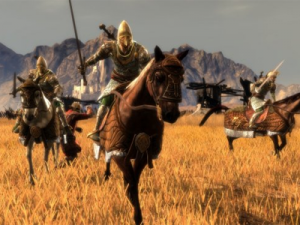
a fight between armies, ships or planes, especially during a war; a violent fight between groups of people
Almost everyone has heard of the battle at Waterloo.
เกือบทุกคนเคยได้ยินเรื่องการรบที่วอเตอร์ลู
a gun battle
คำพ้องความหมายfightcombatconflictengagementskirmishคำตรงข้ามpeacetrucearmisticeagreementharmonyสงคราม
a situation in which two or more countries or groups of people fight against each other over a period of time
How long have they been at war?
พวกเขาทำสงครามกันมานานแค่ไหนแล้ว
The government does not want to go to war(= start a war) unless all other alternatives have failed.
คำพ้องความหมายconflictcombathostilitiesstrugglebattlefightingคำตรงข้ามpeaceharmonytruceaccordceasefireจักรวรรดิ
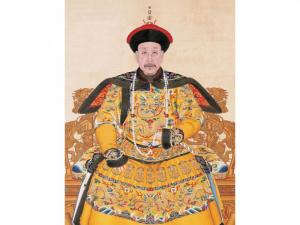
a group of countries or states that are controlled by one leader or government
The Roman empire ruled many countries in the past.
จักรวรรดิโรมันปกครองหลายประเทศในอดีต
He dismissed the opinion polls as worthless.
คำพ้องความหมายrealmkingdomdominionpowerstateauthorityคำตรงข้ามrepublicdemocracysmall statenationการสำรวจ, การสำรวจค้นคว้า
the act of travelling through a place in order to find out about it or look for something in it
The aim is to pay more attention to the human factor of space exploration.
จุดมุ่งหมายคือการให้ความสนใจกับปัจจัยด้านมนุษย์ในการสำรวจอวกาศมากขึ้น
คำพ้องความหมายdiscoveryinvestigationresearchsurveyquestprobereconnaissanceคำตรงข้ามneglectignorancestagnationinactivityเส้นเวลา, ไทม์ไลน์
a horizontal line that is used to represent time, with the past towards the left and the future towards the right
The museum shows a timeline of the country's history from ancient times to today.
พิพิธภัณฑ์แสดงเส้นเวลาประวัติศาสตร์ของประเทศตั้งแต่สมัยโบราณจนถึงปัจจุบัน
คำพ้องความหมายchronologytimeframesequence of eventsprogresshistoryคำตรงข้ามdisorderchaosrandomnessมรดก
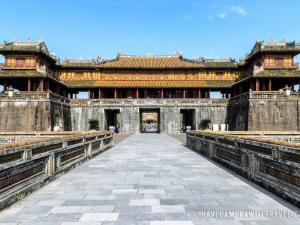
the history, traditions, buildings and objects that a country or society has had for many years and that are considered an important part of its character
Hue's Imperial City was listed as a Cultural World Heritage site by UNESCO in 1993.
พระราชวังหลวงเว้ได้รับการขึ้นทะเบียนเป็นแหล่งมรดกโลกทางวัฒนธรรมโดย UNESCO ในปี 1993
คำพ้องความหมายlegacyinheritancetraditionbirthrightendowmentคำตรงข้ามpresentmodernityinnovationการพิชิต, การยึดครอง
the act of taking control of a country, city, etc. by force
The Norman conquest of England began in 1066.
การพิชิตอังกฤษของชาวนอร์มันเริ่มขึ้นในปี 1066
คำพ้องความหมายvictorytriumphsubjugationdefeatcapturedominationoverthrowคำตรงข้ามdefeatfailuresurrenderlossyieldingretreatสถาปัตยกรรม (sathaapatyakam)
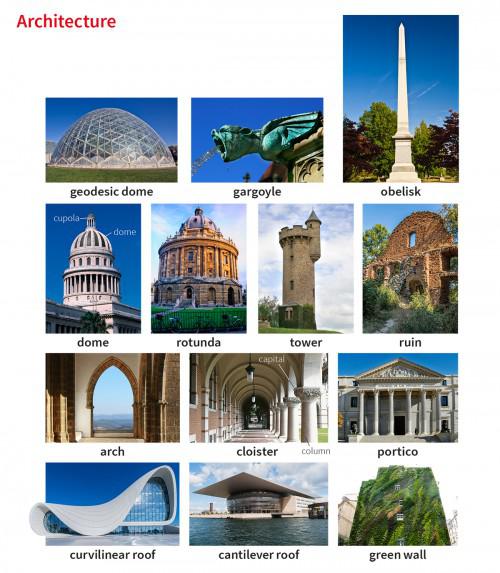
the art and study of designing buildings
I love the architecture of this building.
ฉันชอบสถาปัตยกรรมของอาคารนี้ (chan chop sathaapatyakam khong aakaan ni)
คำพ้องความหมายdesignstructureconstructionbuildingstyleplanningคำตรงข้ามdestructiondemolitiondeconstructionwreckageอารยธรรม
a state of human society that is very developed and organized
The ancient Egyptians built one of the world's greatest civilizations.
ชาวอียิปต์โบราณสร้างหนึ่งในอารยธรรมที่ยิ่งใหญ่ที่สุดของโลก
คำพ้องความหมายculturesocietydevelopmentprogressrefinementคำตรงข้ามbarbarismsavagerywildernessanarchyจักรวรรดินิยม (jak-gra-wat-di-ni-yom)
a system in which one country controls other countries, often after defeating them in a war
That was the age of imperialism.
นั่นคือยุคของจักรวรรดินิยม (nân keu yuk khong jak-gra-wat-di-ni-yom).
คำพ้องความหมายcolonialismexpansionismhegemonydominationคำตรงข้ามisolationismself-determinationindependencedecolonizationการโฆษณาชวนเชื่อ, การปลุกระดม
ideas or statements that may be false or present only one side of an argument that are used in order to gain support for a political leader, party, etc.
During the war, both governments used propaganda to turn public opinion against the enemy.
ในช่วงสงคราม รัฐบาลทั้งสองฝ่ายใช้การโฆษณาชวนเชื่อเพื่อให้ประชาชนต่อต้านศัตรู
คำพ้องความหมายdisinformationpromotionpublicityindoctrinationrhetorichypespinคำตรงข้ามtruthfacthonestyaccuracyโบราณคดี
the study of cultures of the past, and of periods of history by examining the parts of buildings and objects found in the ground
Archaeology helps us understand ancient civilizations.
โบราณคดีช่วยให้เราเข้าใจอารยธรรมโบราณ
คำพ้องความหมายexcavationanthropologypaleontologyคำตรงข้ามfuture studiesfuturologyสิทธิพลเมือง
the rights that every person in a society has, for example to be treated equally, to be able to vote, work, etc. whatever their sex, race or religion
The civil rights movement fought for equality for all people.
ขบวนการสิทธิพลเมืองต่อสู้เพื่อความเท่าเทียมกันสำหรับทุกคน
คำพ้องความหมายbasic rightshuman rightsconstitutional rightsequalitylibertiesคำตรงข้ามoppressiondiscriminationinequalitysubjugationtyrannyสงครามเย็น
a relationship between two countries who are not friendly but are not actually fighting each other, usually used about the situation between the US and the Soviet Union after the Second World War
The cold war dominated international politics for decades.
สงครามเย็นครอบงำการเมืองระหว่างประเทศมานานหลายทศวรรษ
คำพ้องความหมายideological strugglegeopolitical tensionคำตรงข้ามhot wardetenteลัทธิล่าอาณานิคม
the practice by which a powerful country controls another country or other countries
Colonialism had a lasting impact on the culture and economy of many nations.
ลัทธิล่าอาณานิคมมีผลกระทบอย่างมากต่อวัฒนธรรมและเศรษฐกิจของหลายประเทศ
คำพ้องความหมายimperialismoccupationdominationsubjugationhegemonyคำตรงข้ามindependenceself-governancesovereigntyfreedomการป้องกัน, การป้องกันตัว, การปกป้อง
the act of protecting somebody/something from attack, criticism, etc.
The castle walls were built for defense against invaders.
กำแพงปราสาทถูกสร้างขึ้นเพื่อป้องกันผู้รุกราน
คำพ้องความหมายprotectionsafeguardshieldsecurityคำตรงข้ามattackoffensevulnerabilityการตรัสรู้
knowledge about and understanding of something; the process of understanding something or making somebody understand it
The monk sought enlightenment through meditation.
พระสงฆ์แสวงหาการตรัสรู้ผ่านการทำสมาธิ
คำพ้องความหมายilluminationunderstandinginsightawakeningwisdomคำตรงข้ามignoranceconfusiondarknessmisunderstandingการจารกรรม
the activity of secretly getting important political or military information about another country or of finding out another company’s secrets by using spies
The government accused him of espionage.
รัฐบาลกล่าวหาเขาว่าจารกรรม
คำพ้องความหมายspyingintelligence gatheringundercover workคำตรงข้ามhonestyopennesstransparencyคติชนวิทยา
the traditions and stories of a country or community
The local folklore tells tales of mythical creatures living in the forest.
คติชนวิทยาในท้องถิ่นเล่าเรื่องราวของสิ่งมีชีวิตในตำนานที่อาศัยอยู่ในป่า
คำพ้องความหมายfolk taleslegendsmythstraditionsoral historyคำตรงข้ามhistoryfactscienceวงศ์ตระกูล
the study of family history, including the study of who the ancestors of a particular person were
She researched her genealogy and discovered she was related to royalty.
เธอค้นคว้าวงศ์ตระกูลของเธอและพบว่าเธอเกี่ยวข้องกับราชวงศ์
คำพ้องความหมายancestryfamily historylineagepedigreeคำตรงข้ามdescendantfutureoffspringการฆ่าล้างเผ่าพันธุ์
the murder of a large number of people from a particular nation or ethnic group, with the aim of destroying that nation or group
Genocide is a crime against humanity.
การฆ่าล้างเผ่าพันธุ์เป็นอาชญากรรมต่อมนุษยชาติ
คำพ้องความหมายmassacreethnic cleansingholocaustannihilationคำตรงข้ามpeacecreationpreservationประวัติศาสตร์นิพนธ์
the study of writing about history
The professor specialized in the historiography of the French Revolution.
ศาสตราจารย์เชี่ยวชาญด้านประวัติศาสตร์นิพนธ์ของการปฏิวัติฝรั่งเศส
คำพ้องความหมายHistorical writingHistory writingHistorical methodologyคำตรงข้ามAhistoricismการปฏิวัติอุตสาหกรรม
the period in the 18th and 19th centuries when machines began to be widely used and industry grew rapidly
The industrial revolution brought about significant changes in society.
การปฏิวัติอุตสาหกรรมนำมาซึ่งการเปลี่ยนแปลงที่สำคัญในสังคม
คำพ้องความหมายtechnological revolutionmanufacturing boomคำตรงข้ามagrarian agepre-industrial eraการพัฒนาอุตสาหกรรม, การทำให้เป็นอุตสาหกรรม
the process of developing industries in a country or an area
The country's rapid industrialization led to significant economic growth.
การพัฒนาอุตสาหกรรมอย่างรวดเร็วของประเทศนำไปสู่การเติบโตทางเศรษฐกิจอย่างมาก
คำพ้องความหมายdevelopmentmodernizationmechanizationautomationคำตรงข้ามdeindustrializationagrarianismการรุกราน
the act of an army entering another country by force in order to take control of it
The invasion of Normandy was a turning point in World War II.
การรุกรานของนอร์มังดีเป็นจุดเปลี่ยนในสงครามโลกครั้งที่สอง
คำพ้องความหมายattackraidincursionaggressionencroachmentคำตรงข้ามdefenseretreatwithdrawalการระดมพล
preparations that bring together the people and weapons that will be needed in order for a country to fight a war
The government announced a mobilization of troops.
รัฐบาลประกาศระดมพลทหาร
คำพ้องความหมายactivationenlistmentassemblyrallyingคำตรงข้ามdemobilizationdeactivationdischargedispersionชาตินิยม
the desire by a group of people who share the same ethnic group, culture, language, etc. to form an independent country
Nationalism can be a powerful force for unity.
ชาตินิยมอาจเป็นพลังที่แข็งแกร่งเพื่อความสามัคคี
คำพ้องความหมายpatriotismchauvinismjingoismคำตรงข้ามinternationalismglobalismการลาดตระเวน
the activity of getting information about an area for military purposes, using soldiers, planes, etc.
The soldiers conducted a reconnaissance mission.
ทหารดำเนินการภารกิจลาดตระเวน
คำพ้องความหมายsurveyexplorationscoutinginvestigationคำตรงข้ามignoranceneglectยุคฟื้นฟูศิลปวิทยา
the period in Europe during the fourteenth, fifteenth and sixteenth centuries when people became interested in the ideas and culture of ancient Greece and Rome and used these influences in their own art, literature, etc.
The Renaissance was a period of great artistic and intellectual achievement.
ยุคฟื้นฟูศิลปวิทยาเป็นช่วงเวลาแห่งความสำเร็จทางศิลปะและสติปัญญาที่ยิ่งใหญ่
คำพ้องความหมายrebirthrevivalreawakeningflourishingคำตรงข้ามdeclinefalldark agesการปิดล้อม
a military operation in which an army tries to capture a town by surrounding it and stopping the supply of food, etc. to the people inside
The city was under siege for months.
เมืองถูกปิดล้อมเป็นเวลาหลายเดือน
คำพ้องความหมายblockadeencirclementinvestmentคำตรงข้ามliberationrescuereliefหยุดยิง
a time when enemies agree to stop fighting, usually while a way is found to end the fighting permanently
The two countries agreed to a ceasefire.
ทั้งสองประเทศตกลงที่จะหยุดยิง
คำพ้องความหมายtrucearmisticecessation of hostilitiesceasefire agreementคำตรงข้ามwarattackhostilitiesfightingสงครามเคมี
the use of poisonous gases and chemicals as weapons in a war
The use of chemical warfare is strictly prohibited by international treaties.
การใช้สงครามเคมีเป็นสิ่งต้องห้ามอย่างเคร่งครัดโดยสนธิสัญญาระหว่างประเทศ
คำพ้องความหมายgerm warfarepoison gas warfarebiological warfareคำตรงข้ามconventional warfarehumanitarian effortspeaceการรักษาสันติภาพ
intended to help stop people fighting and prevent war or violence in a place where this is likely
The UN is involved in peacekeeping efforts around the world.
สหประชาชาติมีส่วนร่วมในความพยายามในการรักษาสันติภาพทั่วโลก
คำพ้องความหมายpeacemakingconflict resolutionmediationconciliationคำตรงข้ามwarconflictaggressionhostilityภาษาศาสตร์เชิงประวัติ
the study of the history and development of languages
Historical linguistics traces the evolution of languages over time.
ภาษาศาสตร์เชิงประวัติศาสตร์ติดตามวิวัฒนาการของภาษาเมื่อเวลาผ่านไป
คำพ้องความหมายDiachronic linguisticsEvolutionary linguisticsคำตรงข้ามSynchronic linguisticsแนวหน้า
in the most important or dangerous position; doing essential work that puts you at risk
The frontline workers risked their lives during the pandemic.
คนทำงานแนวหน้าริเริ่มเสี่ยงชีวิตของพวกเขาในช่วงการระบาดใหญ่
คำพ้องความหมายforefrontvanguardbattlefrontleading edgeคำตรงข้ามrearbackbehindพันธมิตร
Countries or people that have agreed to help and support each other, especially in a war.
The allies worked together to achieve their common goals.
พันธมิตรร่วมมือกันเพื่อให้บรรลุเป้าหมายร่วมกัน
คำพ้องความหมายpartnersconfederatesassociatescollaboratorsคำตรงข้ามenemiesopponentsadversariesโรมโบราณ
The civilization based in the city of Rome that grew into a large empire, lasting from about 753 BC to AD 476.
Ancient Rome was a powerful civilization.
โรมโบราณเป็นอารยธรรมที่ทรงพลัง
คำพ้องความหมายRome (historical)Roman Empireคำตรงข้ามModern RomeContemporary Romeแหล่งโบราณคดี
Places where remains of past human life, such as buildings and objects, are found and studied.
The archaeological sites revealed ancient artifacts.
แหล่งโบราณคดีเปิดเผยวัตถุโบราณ
คำพ้องความหมายexcavation siteshistorical sitesruinsheritage sitesคำตรงข้ามmodern constructionsnew developmentsสิ่งแปลกปลอมในภาพ, ภาพลวง, อาร์ติแฟกต์
a feature on an image that is not part of the body, caused by movement, metal or the equipment
A metal artifact from his hip replacement hid part of the bladder.
สิ่งแปลกปลอมจากโลหะของข้อสะโพกเทียมของเขาบดบังกระเพาะปัสสาวะบางส่วน
The dark line is probably an artifact, not a fracture.
คำพ้องความหมายrelicantiquecurioobjectคำตรงข้ามnatural objectสงครามกองโจร
Fighting by small, unofficial groups that make surprise attacks on a larger, regular army.
The rebels used guerrilla warfare tactics to fight the larger army.
กบฏใช้กลยุทธ์สงครามกองโจรในการต่อสู้กับกองทัพที่ใหญ่กว่า
คำพ้องความหมายinsurgencyresistancepartisan warfareasymmetric warfareคำตรงข้ามconventional warfareregular warfareศูนย์มรดก
A building or place where people can learn about the history and traditions of an area or community.
We visited the heritage center to learn about the city's history.
เราไปเยี่ยมชมศูนย์มรดกเพื่อเรียนรู้เกี่ยวกับประวัติศาสตร์ของเมือง
คำพ้องความหมายCultural centerHistorical centerMuseumคำตรงข้ามModern developmentFuture centerการอนุรักษ์มรดก
The work of protecting and repairing old buildings, places and objects that are important to a culture's history.
The city invested in a new initiative for heritage conservation.
เมืองลงทุนในโครงการใหม่เพื่อการอนุรักษ์มรดก
คำพ้องความหมายPreservationConservationSafeguardingคำตรงข้ามDestructionNeglectDemolitionการอนุรักษ์มรดก
The protection of historic buildings, sites, objects and traditions so that they survive for future generations.
The local council is dedicated to heritage preservation.
สภาท้องถิ่นอุทิศตนเพื่อการอนุรักษ์มรดก
คำพ้องความหมายConservationProtectionSafeguardingคำตรงข้ามDestructionNeglectDemolitionความถูกต้องทางประวัติศาสตร์
The quality of showing past events, people or periods correctly and truthfully.
The film strives for historical accuracy.
ภาพยนตร์เรื่องนี้มุ่งมั่นเพื่อความถูกต้องทางประวัติศาสตร์
คำพ้องความหมายAuthenticityFidelityVeracityGenuinenessคำตรงข้ามInaccuracyFalsenessFictionDistortionการวิเคราะห์ทางประวัติศาสตร์
The careful study of past events and sources in order to understand and explain them.
Historical analysis reveals patterns in societal development.
การวิเคราะห์ทางประวัติศาสตร์เผยให้เห็นรูปแบบในการพัฒนาสังคม
คำพ้องความหมายHistorical researchHistorical studyHistoriographyคำตรงข้ามFuture speculationPresent assessmentมานุษยวิทยาเชิงประวัติศาสตร์
The study of the cultures, customs and social lives of people in the past.
Historical anthropology studies past cultures and societies.
มานุษยวิทยาเชิงประวัติศาสตร์ศึกษาวัฒนธรรมและสังคมในอดีต
คำพ้องความหมายEthnologyCultural anthropologySocial anthropologyคำตรงข้ามNoneสถาปัตยกรรมทางประวัติศาสตร์
Buildings and building styles from the past, especially ones that are considered important or interesting.
The city is famous for its historical architecture.
เมืองนี้มีชื่อเสียงด้านสถาปัตยกรรมทางประวัติศาสตร์
คำพ้องความหมายheritage architectureancient buildingslandmark architectureคำตรงข้ามmodern architecturecontemporary designศิลปะประวัติศาสตร์
Paintings, sculptures and other works of art created in past periods of history.
The museum displays historical art from the Roman Empire.
พิพิธภัณฑ์จัดแสดงศิลปะทางประวัติศาสตร์จากจักรวรรดิโรมัน
คำพ้องความหมายAntique artVintage artPeriod artคำตรงข้ามContemporary artModern artความถูกต้องแท้จริงทางประวัติศาสตร์, ความเป็นของแท้ทางประวัติศาสตร์
The quality of being genuinely from a particular past period or truly representing it.
The museum strives to maintain the historical authenticity of its artifacts.
พิพิธภัณฑ์พยายามรักษาความเป็นของแท้ทางประวัติศาสตร์ของโบราณวัตถุไว้
คำพ้องความหมายGenuinenessVeracityLegitimacyOriginalityคำตรงข้ามInauthenticityFalsenessSpuriousnessFictionชีวประวัติทางประวัติศาสตร์
A written account of the life of an important person from the past.
The library had many shelves of historical biographies.
ห้องสมุดมีชีวประวัติทางประวัติศาสตร์มากมายหลายชั้น
คำพ้องความหมายbiographyhistorical accountlife storyคำตรงข้ามfictionfantasyบริบททางประวัติศาสตร์
The social, political and cultural situation of the time in which an event happened or something was created.
Understanding the historical context is crucial for interpreting this document.
การทำความเข้าใจบริบททางประวัติศาสตร์เป็นสิ่งสำคัญสำหรับการตีความเอกสารนี้
คำพ้องความหมายhistorical settinghistorical backgroundhistorical frameworkคำตรงข้ามahistoricalpresent-daycontemporaryเครื่องแต่งกายทางประวัติศาสตร์
Clothes in the style worn by people during a particular period in the past.
She wore a beautiful historical costume to the event.
เธอสวมชุดทางประวัติศาสตร์ที่สวยงามในงาน
คำพ้องความหมายPeriod costumeVintage attireTheatrical costumeคำตรงข้ามModern dressContemporary clothingCasual wearข้อมูลทางประวัติศาสตร์
Information and figures collected about the past, often used to study changes or trends over time.
We analyzed the historical data to identify trends.
เราวิเคราะห์ข้อมูลทางประวัติศาสตร์เพื่อระบุแนวโน้ม
คำพ้องความหมายpast dataarchival datalegacy dataคำตรงข้ามcurrent datareal-time datafuture projectionsเอกสารทางประวัติศาสตร์
Written records and other materials that provide evidence about past events.
The library preserves historical documentation dating back centuries.
ห้องสมุดเก็บรักษาเอกสารทางประวัติศาสตร์ที่มีอายุย้อนกลับไปหลายศตวรรษ
คำพ้องความหมายhistorical recordsarchival materialsprimary sourcesคำตรงข้ามspeculationconjecturefabricationเอกสารทางประวัติศาสตร์
Official papers, letters and records from the past that give information about history.
The library contains many historical documents.
ห้องสมุดมีเอกสารทางประวัติศาสตร์มากมาย
คำพ้องความหมายarchival recordsancient textsprimary sourcesคำตรงข้ามcontemporary recordsmodern documentsละครอิงประวัติศาสตร์
A play, film or television series about real or imagined events set in the past.
I enjoy watching historical dramas because they teach me about the past.
ฉันสนุกกับการดูละครอิงประวัติศาสตร์เพราะพวกเขาสอนฉันเกี่ยวกับอดีต
คำพ้องความหมายperiod dramahistorical fictionคำตรงข้ามfuturistic dramacontemporary dramaการศึกษาประวัติศาสตร์
The teaching and learning of history and of how past events shaped the present.
Historical education teaches us about the past.
การศึกษาประวัติศาสตร์สอนเราเกี่ยวกับอดีต
คำพ้องความหมายhistory instructionpast studieshistorical studiesคำตรงข้ามfuture studiescurrent events educationเหตุการณ์ทางประวัติศาสตร์
Important things that happened in the past and are recorded as part of history.
The museum displayed artifacts from important historical events.
พิพิธภัณฑ์จัดแสดงสิ่งประดิษฐ์จากเหตุการณ์ทางประวัติศาสตร์ที่สำคัญ
คำพ้องความหมายhistoric occurrencespast eventslandmark eventsคำตรงข้ามfuture eventscurrent eventsนิยายอิงประวัติศาสตร์
Novels and stories that are set in the past and often include real historical events or people.
She enjoys reading historical fiction because it brings the past to life.
เธอสนุกกับการอ่านนิยายอิงประวัติศาสตร์เพราะมันทำให้เรื่องราวในอดีตมีชีวิตชีวา
คำพ้องความหมายhistorical novelperiod fictionคำตรงข้ามcontemporary fictionfuturistic fictionบุคคลสําคัญทางประวัติศาสตร์
Famous or important people who lived in the past.
Historical figures like Gandhi are studied in schools.
บุคคลสําคัญทางประวัติศาสตร์เช่นคานธีมีการศึกษาในโรงเรียน
คำพ้องความหมายNotable people from historyHistorical personalitiesFigures from the pastคำตรงข้ามContemporary figuresModern individualsภูมิศาสตร์ประวัติศาสตร์
The study of how places, landscapes and human activity in an area have changed over time.
Historical geography studies how people and places have changed over time.
ภูมิศาสตร์ประวัติศาสตร์ศึกษาว่าผู้คนและสถานที่เปลี่ยนแปลงไปตามกาลเวลาอย่างไร
คำพ้องความหมายPast geographyGeography of the pastคำตรงข้ามFuture geographyContemporary geographyการสืบสวนทางประวัติศาสตร์
The process of asking questions about the past and examining evidence to find answers.
Historical inquiry is crucial for understanding societal evolution.
การสืบสวนทางประวัติศาสตร์มีความสำคัญอย่างยิ่งต่อการทำความเข้าใจวิวัฒนาการของสังคม
คำพ้องความหมายhistorical researchhistorical investigationhistoriographyคำตรงข้ามahistorical studyspeculationการตีความทางประวัติศาสตร์
A particular way of explaining the meaning or causes of past events.
The historical interpretation of the event has changed over time.
การตีความทางประวัติศาสตร์ของเหตุการณ์มีการเปลี่ยนแปลงไปตามกาลเวลา
คำพ้องความหมายHistorical analysisHistorical perspectiveHistorical viewpointคำตรงข้ามAhistoricalNon-historicalUninterpreted historyการสืบสวนทางประวัติศาสตร์
A careful, detailed study of past events or periods to discover facts about them.
The historical investigation revealed new details about the ancient civilization.
การสืบสวนทางประวัติศาสตร์เปิดเผยรายละเอียดใหม่เกี่ยวกับอารยธรรมโบราณ
คำพ้องความหมายhistorical researcharchival investigationhistorical analysisคำตรงข้ามpresent-day analysisfuturistic studyความรู้ทางประวัติศาสตร์
Information and understanding about past events, people and societies.
Historical knowledge is crucial for understanding current events.
ความรู้ทางประวัติศาสตร์เป็นสิ่งสำคัญสำหรับการทำความเข้าใจเหตุการณ์ปัจจุบัน
คำพ้องความหมายhistorical awarenesshistorical understandingknowledge of historyคำตรงข้ามignorance of historyahistoricismสถานที่สำคัญทางประวัติศาสตร์
Famous buildings, monuments or places that are important because of their connection with the past.
The city is known for its historical landmarks.
เมืองนี้ขึ้นชื่อเรื่องสถานที่สำคัญทางประวัติศาสตร์
คำพ้องความหมายHistoric sitesHeritage sitesHistorical monumentsคำตรงข้ามModern constructionContemporary buildingภูมิทัศน์ทางประวัติศาสตร์
Areas of land whose features show the influence of people and events in the past.
The tour included visits to several historical landscapes.
ทัวร์รวมถึงการเยี่ยมชมภูมิทัศน์ทางประวัติศาสตร์หลายแห่ง
คำพ้องความหมายHeritage landscapesHistoric sitesCultural landscapesคำตรงข้ามModern landscapesContemporary sceneryวรรณคดีประวัติศาสตร์
Books and other writing that describe or come from a particular period in the past.
Historical literature offers insights into past societies.
วรรณคดีประวัติศาสตร์ให้ข้อมูลเชิงลึกเกี่ยวกับสังคมในอดีต
คำพ้องความหมายHistorical fictionPast writingsAncient textsคำตรงข้ามContemporary literatureModern writingsการทำแผนที่ทางประวัติศาสตร์
The process of making maps that show how an area looked or changed in the past.
Historical mapping helps us understand how landscapes have changed over time.
การทำแผนที่ทางประวัติศาสตร์ช่วยให้เราเข้าใจว่าภูมิทัศน์เปลี่ยนแปลงไปตามกาลเวลาได้อย่างไร
คำพ้องความหมายHistorical cartographyPast mappingOld mappingคำตรงข้ามContemporary mappingModern mappingCurrent mappingความทรงจำทางประวัติศาสตร์
The way a group or society remembers and understands events from its past.
Historical memory shapes our understanding of the present.
ความทรงจำทางประวัติศาสตร์หล่อหลอมความเข้าใจของเราเกี่ยวกับปัจจุบัน
คำพ้องความหมายcollective memorypast knowledgeshared historyคำตรงข้ามamnesiaforgetfulnesshistorical ignoranceเรื่องเล่าทางประวัติศาสตร์
A story or account that describes and explains a series of past events.
The historical narrative of the war was biased.
เรื่องเล่าทางประวัติศาสตร์ของสงครามนั้นมีอคติ
คำพ้องความหมายHistoryAccountChronicleStoryRecordคำตรงข้ามAhistoricalFictionMythมุมมองทางประวัติศาสตร์
A way of understanding something by considering how it developed in the past.
Understanding the war requires a historical perspective.
การทำความเข้าใจสงครามต้องใช้มุมมองทางประวัติศาสตร์
คำพ้องความหมายhistorical contexthistorical viewpointpast significanceคำตรงข้ามahistoricalpresentismปรัชญาประวัติศาสตร์
The study of the nature, meaning and patterns of history and historical change.
Historical philosophy examines the evolution of ideas over time.
ปรัชญาประวัติศาสตร์ตรวจสอบวิวัฒนาการของแนวคิดเมื่อเวลาผ่านไป
คำพ้องความหมายPhilosophy of historyHistory of ideasคำตรงข้ามAhistorical philosophySpeculative philosophyบันทึกทางประวัติศาสตร์
Written documents and other evidence that give information about past events.
Historical records show the city was founded in the 18th century.
บันทึกทางประวัติศาสตร์แสดงให้เห็นว่าเมืองนี้ก่อตั้งขึ้นในศตวรรษที่ 18
คำพ้องความหมายArchivesChroniclesAnnalsDocumentsคำตรงข้ามSpeculationConjectureGuessworkการจำลองประวัติศาสตร์
An event in which people dress up and act out a famous event from the past.
The museum held a historical reenactment of the Civil War battle.
พิพิธภัณฑ์จัดกิจกรรมจำลองประวัติศาสตร์การรบในสงครามกลางเมือง
คำพ้องความหมายliving historyhistorical simulationhistorical performanceคำตรงข้ามmodern interpretationcontemporary performanceการวิจัยทางประวัติศาสตร์
Detailed study of sources and evidence to learn new facts about the past.
Historical research is crucial for understanding our past.
การวิจัยทางประวัติศาสตร์มีความสำคัญอย่างยิ่งต่อการทำความเข้าใจอดีตของเรา
คำพ้องความหมายhistoriographyarchival researchhistorical analysisคำตรงข้ามfuturismspeculationความสำคัญทางประวัติศาสตร์
The importance of an event, person or place because of its effect on history.
The treaty holds historical significance for both nations.
สนธิสัญญามีความสำคัญทางประวัติศาสตร์สำหรับทั้งสองประเทศ
คำพ้องความหมายHistoric importanceHistorical valueLegacyคำตรงข้ามInsignificanceUnimportanceโบราณสถาน
A place where important events happened in the past or where old buildings remain.
The Colosseum is a famous historical site in Rome.
โคลอสเซียมเป็นโบราณสถานที่โด่งดังในโรม
คำพ้องความหมายhistoric landmarkheritage siteancient monumentคำตรงข้ามmodern constructionnew developmentสมาคมประวัติศาสตร์
An organization that studies and preserves the history of a particular place.
The local historical society preserves artifacts from the town's past.
สมาคมประวัติศาสตร์ท้องถิ่นอนุรักษ์สิ่งประดิษฐ์จากอดีตของเมือง
คำพ้องความหมายHistorical associationHeritage organizationคำตรงข้ามFuture societyModern associationแหล่งข้อมูลทางประวัติศาสตร์
Documents, objects or records from the past that provide information about history.
Historians rely on historical sources to understand the past.
นักประวัติศาสตร์อาศัยแหล่งข้อมูลทางประวัติศาสตร์เพื่อทำความเข้าใจอดีต
คำพ้องความหมายhistoric recordsarchival materialsprimary documentsคำตรงข้ามspeculationconjecturefabricationไทม์ไลน์ทางประวัติศาสตร์
A list or diagram showing important historical events in the order in which they happened.
The historical timeline shows major events from the past.
ไทม์ไลน์ทางประวัติศาสตร์แสดงเหตุการณ์สำคัญจากอดีต
คำพ้องความหมายChronologyHistorical recordTimelineคำตรงข้ามAhistoricalUntimedUnchronologicalประเพณีทางประวัติศาสตร์
Customs and beliefs that have been passed down within a community over a long period of history.
The museum showcases historical traditions of the region.
พิพิธภัณฑ์จัดแสดงประเพณีทางประวัติศาสตร์ของภูมิภาค
คำพ้องความหมายCultural heritageCustomary practicesAncestral customsคำตรงข้ามModern innovationsContemporary trendsความช่วยเหลือด้านมนุษยธรรม
Food, medicine and other help given to people suffering because of war, disaster or poverty.
The organization provides humanitarian aid to refugees.
องค์กรให้ความช่วยเหลือด้านมนุษยธรรมแก่ผู้ลี้ภัย
คำพ้องความหมายReliefAssistanceCharityAidคำตรงข้ามExploitationNeglectHarmอนุสาวรีย์
Buildings, statues or other structures built to remember a famous person or event, or that are historically important.
The city is known for its historical monuments.
เมืองนี้เป็นที่รู้จักจากอนุสาวรีย์ทางประวัติศาสตร์
คำพ้องความหมายmemorialsstatueslandmarksคำตรงข้ามdestructiondemolitionการทำสงครามทางเรือ
Fighting between armed forces at sea, using ships and submarines.
Naval warfare played a crucial role in World War II.
การทำสงครามทางเรือมีบทบาทสำคัญในสงครามโลกครั้งที่สอง
คำพ้องความหมายSea warMaritime warfareNaval combatคำตรงข้ามLand warfareGround warอาวุธนิวเคลียร์
Extremely powerful bombs and missiles whose force comes from nuclear energy.
Nuclear weapons pose a significant threat to global security.
อาวุธนิวเคลียร์เป็นภัยคุกคามที่สำคัญต่อความมั่นคงของโลก
คำพ้องความหมายAtomic weaponsThermonuclear weaponsWeapons of mass destructionคำตรงข้ามConventional weaponsNon-nuclear weaponsประวัติศาสตร์บอกเล่า
The collection and study of historical information through recorded interviews with people who remember past events.
The museum exhibit included recordings of oral history interviews with veterans.
นิทรรศการในพิพิธภัณฑ์รวมถึงการบันทึกการสัมภาษณ์ประวัติศาสตร์บอกเล่ากับทหารผ่านศึก
คำพ้องความหมายVerbal historySpoken historyTestimonial historyคำตรงข้ามWritten historyDocumented historyเชลยศึก
A person, usually a soldier, who is captured and kept in prison by the enemy during a war.
He was a POW for three years during the war.
เขาเป็นเชลยศึกเป็นเวลาสามปีในช่วงสงคราม
คำพ้องความหมายcaptivedetaineeprisonerคำตรงข้ามliberatorrescuerfree personผู้ลี้ภัย
People who have been forced to leave their country because of war, danger or persecution.
Many refugees seek asylum in neighboring countries.
ผู้ลี้ภัยจำนวนมากขอลี้ภัยในประเทศเพื่อนบ้าน
คำพ้องความหมายAsylum seekersDisplaced personsEvacueesExilesคำตรงข้ามCitizensNationalsResidentsอาชญากรรมสงคราม
Cruel acts committed during a war that break international laws, such as killing civilians.
The tribunal investigated alleged war crimes.
ศาลพิจารณาคดีอาชญากรรมสงครามที่ถูกกล่าวหา
คำพ้องความหมายatrocitieswar atrocitiescrimes against humanityคำตรงข้ามacts of peacehumanitarian aid