Aralin 25/33 · 138 salita · 0 natutunan
History and Heritage
Kasaysayan at Pamana
estratehiya
a plan that is intended to achieve a particular purpose
A business plan is a strategy for running a business and avoiding problems
Ang isang plano ng negosyo ay isang estratehiya para sa pagpapatakbo ng isang negosyo at pag-iwas sa mga problema.
Kasingkahuluganplantacticapproachschemedesignmethodgame planblueprintKasalungatrandomnesschanceaccidentimprovisationdisorganizationrebolusyon, himagsikan
an attempt, by a large number of people, to change the government of a country, especially by violent action
The French Revolution began in 1789 and changed the government of France.
Nagsimula ang Rebolusyong Pranses noong 1789 at binago nito ang pamahalaan ng France.
KasingkahuluganupheavaloverthrowtransformationchangeturnaroundrevoltinsurrectionKasalungatstabilitystatus quoconservationorderpeacekultura
the customs and beliefs, art, way of life and social organization of a particular country or group
European/Islamic/African/American, etc. culture
Kultura ng Europeo/Islamiko/Aprikano/Amerikano, atbp.
working-class culture
Kasingkahulugancivilizationsocietycustomstraditionsheritageartsway of lifeKasalungatnaturebarbarismkapayapaan
a situation or a period of time in which there is no war or violence in a country or an area
The two communities live together in peace.
Ang dalawang komunidad ay sama-samang naninirahan sa kapayapaan.
A UN force has been sent to keep the peace(= to prevent people from fighting).
KasingkahuluganharmonytranquilityserenitycalmrestamityKasalungatwarconflictstrifediscordviolencetradisyon
a belief, custom or way of doing something that has existed for a long time among a particular group of people; a set of these beliefs or customs
Making Chung cake is our tradition at Tet.
Ang paggawa ng Chung cake ay aming tradisyon tuwing Tet.
religious/cultural, etc. traditions
KasingkahulugancustomconventionpracticeritualheritageusagemannerwayKasalungatinnovationnoveltymodernitychangedeviationtalunin
to win against somebody in a war, competition, sports game, etc.
If we can defeat the Italian team, we'll be through to the final.
Kung matatalo natin ang Italian team, makakapasok tayo sa finals.
a narrow/heavy defeat
KasingkahuluganvanquishovercomeconquerbeatroutsubdueoverthrowcrushKasalungatsurrenderyieldsuccumblosefailtunggalian
a situation in which people, groups or countries disagree strongly or are involved in a serious argument
When conflicts do happen, we work together to find the solutions.
Kapag nangyayari ang mga tunggalian, nagtutulungan tayo upang hanapin ang mga solusyon.
conflicting emotions/interests/loyalties
KasingkahulugandisputeclashstrugglediscordoppositionfrictionKasalungatpeaceharmonyagreementaccordconcordtalino
the ability to learn, understand and think in a logical way about things; the ability to do this well
He didn't even have the intelligence to call for an ambulance.
Wala man lang siyang talino para tumawag ng ambulansya.
a person of high/average/low intelligence
KasingkahuluganintellectunderstandingwisdombrainpowerclevernessbrilliancewitKasalungatstupidityfoolishnessignorancedullnessdensenesskasarinlan
freedom from political control by other countries
Cuba gained independence from Spain in 1898.
Nakamit ng Cuba ang kasarinlan mula sa Espanya noong 1898.
It's £7.50, not including tax.
Kasingkahuluganfreedomautonomylibertyself-governancesovereigntyKasalungatdependencesubordinationservitudecaptivityoppressionbalangkas
a rough written version of something that is not yet in its final form
I've made a rough draft of the letter.
Gumawa ako ng magaspang na balangkas ng liham.
This is only the first draft of my speech.
Kasingkahuluganoutlinesketchblueprintplanversionpreliminary versionKasalungatfinal versionfinished productperfectioncertaintypaglaban
dislike of or opposition to a plan, an idea, etc.; the act of refusing to obey
As with all new ideas it met with resistance.
Tulad ng lahat ng bagong ideya, sinalubong ito ng paglaban.
Resistance to change has nearly destroyed the industry.
KasingkahuluganoppositiondefiancechallengestruggleobstructionwithstandKasalungatacceptanceagreementcompliancesubmissionacquiescencemuseo
a building in which objects of artistic, cultural, historical or scientific interest are kept and shown to the public
My class visited the Ho Chi Minh museum last Sunday.
Bumisita ang klase ko sa museo ni Ho Chi Minh noong nakaraang Linggo.
Kasingkahulugangalleryarchiveexhibition hallinstitutionrepositoryKasalungatn/a (Museums don't really have antonyms in the same sense as other words. Perhaps 'private collection' or 'storage' could be considered opposing concepts.)sinauna
belonging to a period of history that is thousands of years in the past
The ancient forests were found only in books.
Ang mga sinaunang kagubatan ay matatagpuan lamang sa mga libro.
ancient history/civilization
Kasingkahuluganoldhistoricalagedvenerabletime-honoredantiqueKasalungatmodernnewrecentcontemporarypangkasaysayan
connected with the past
Women are not allowed to enter the monastery for historical reasons.
Hindi pinapayagan ang mga kababaihan na pumasok sa monasteryo dahil sa mga kadahilanang pangkasaysayan.
the historical background to the war
KasingkahuluganpastchronologicalrecordeddocumentedancientKasalungatahistoricalunhistoricalpresentcontemporarymodernlabanan
a fight between armies, ships or planes, especially during a war; a violent fight between groups of people
Almost everyone has heard of the battle at Waterloo.
Halos lahat ay nakarinig na ng labanan sa Waterloo.
a gun battle
KasingkahuluganfightcombatconflictengagementskirmishKasalungatpeacetrucearmisticeagreementharmonydigmaan
a situation in which two or more countries or groups of people fight against each other over a period of time
How long have they been at war?
Gaano katagal na silang nagdidigmaan?
The government does not want to go to war(= start a war) unless all other alternatives have failed.
KasingkahuluganconflictcombathostilitiesstrugglebattlefightingKasalungatpeaceharmonytruceaccordceasefireimperyo
a group of countries or states that are controlled by one leader or government
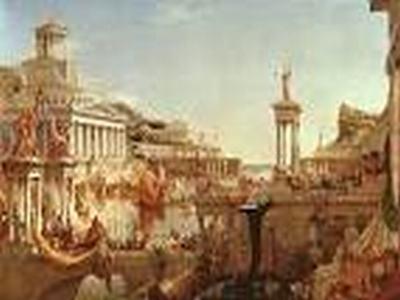
The Roman empire ruled many countries in the past.
Pinamunuan ng imperyong Romano ang maraming bansa noong nakaraan.
He dismissed the opinion polls as worthless.
KasingkahuluganrealmkingdomdominionpowerstateauthorityKasalungatrepublicdemocracysmall statenationpaggalugad, eksplorasyon, paglalakbay-saliksik
the act of travelling through a place in order to find out about it or look for something in it
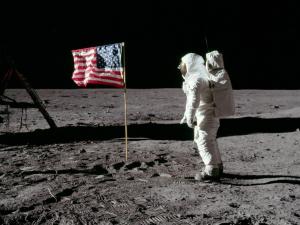
The aim is to pay more attention to the human factor of space exploration.
Layunin nitong bigyang-pansin ang salik na pantao sa paggalugad sa kalawakan.
KasingkahulugandiscoveryinvestigationresearchsurveyquestprobereconnaissanceKasalungatneglectignorancestagnationinactivitytimeline, guhit ng panahon
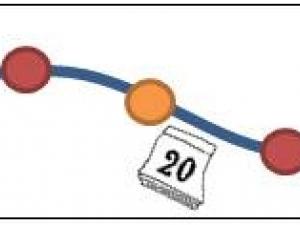
a horizontal line that is used to represent time, with the past towards the left and the future towards the right
The museum shows a timeline of the country's history from ancient times to today.
Ipinapakita ng museo ang timeline ng kasaysayan ng bansa mula sinaunang panahon hanggang ngayon.
Kasingkahuluganchronologytimeframesequence of eventsprogresshistoryKasalungatdisorderchaosrandomnesspamana
the history, traditions, buildings and objects that a country or society has had for many years and that are considered an important part of its character
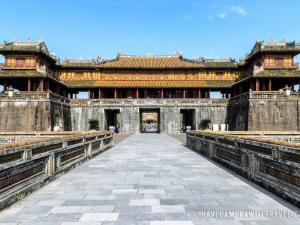
Hue's Imperial City was listed as a Cultural World Heritage site by UNESCO in 1993.
Ang Imperial City ng Hue ay itinala bilang isang Pamanang Pangkultura ng Mundo ng UNESCO noong 1993.
KasingkahuluganlegacyinheritancetraditionbirthrightendowmentKasalungatpresentmodernityinnovationpananakop, pagsakop
the act of taking control of a country, city, etc. by force
The Norman conquest of England began in 1066.
Nagsimula ang pananakop ng mga Norman sa Inglatera noong 1066.
KasingkahuluganvictorytriumphsubjugationdefeatcapturedominationoverthrowKasalungatdefeatfailuresurrenderlossyieldingretreatdinastiya
a series of leaders of a country who all belong to the same family
The Mogul dynasty ruled over India for centuries.
Ang dinastiyang Mogul ay namuno sa India sa loob ng maraming siglo.
KasingkahuluganreignruleempirehouselineagesuccessionKasalungatrepublicdemocracyanarchysibilisasyon, kabihasnan
a state of human society that is very developed and organized
The ancient Egyptians built one of the world's greatest civilizations.
Itinayo ng mga sinaunang Ehipsiyo ang isa sa mga pinakadakilang sibilisasyon sa mundo.
KasingkahuluganculturesocietydevelopmentprogressrefinementKasalungatbarbarismsavagerywildernessanarchyimperyalismo
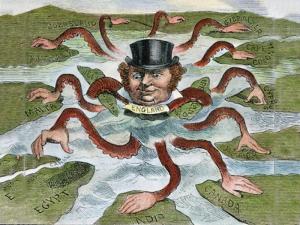
a system in which one country controls other countries, often after defeating them in a war
That was the age of imperialism.
Iyon ang panahon ng imperyalismo.
KasingkahulugancolonialismexpansionismhegemonydominationKasalungatisolationismself-determinationindependencedecolonizationpropaganda
ideas or statements that may be false or present only one side of an argument that are used in order to gain support for a political leader, party, etc.
During the war, both governments used propaganda to turn public opinion against the enemy.
Noong digmaan, gumamit ng propaganda ang parehong pamahalaan upang ibaling ang opinyon ng publiko laban sa kaaway.
KasingkahulugandisinformationpromotionpublicityindoctrinationrhetorichypespinKasalungattruthfacthonestyaccuracysinaunang panahon, unang panahon
the ancient past, especially the times of the Greeks and Romans
The museum displays artifacts from antiquity.
Ipinapakita ng museo ang mga artifact mula sa sinaunang panahon.
Kasingkahuluganancient timesolden daysclassical erapastKasalungatmodernitypresentfuturearkeolohiya
the study of cultures of the past, and of periods of history by examining the parts of buildings and objects found in the ground
Archaeology helps us understand ancient civilizations.
Tinutulungan tayo ng arkeolohiya na maintindihan ang mga sinaunang sibilisasyon.
KasingkahuluganexcavationanthropologypaleontologyKasalungatfuture studiesfuturologykarapatang sibil
the rights that every person in a society has, for example to be treated equally, to be able to vote, work, etc. whatever their sex, race or religion
The civil rights movement fought for equality for all people.
Ipinaglaban ng kilusang karapatang sibil ang pagkakapantay-pantay para sa lahat ng tao.
Kasingkahuluganbasic rightshuman rightsconstitutional rightsequalitylibertiesKasalungatoppressiondiscriminationinequalitysubjugationtyrannyDigmaang Malamig
a relationship between two countries who are not friendly but are not actually fighting each other, usually used about the situation between the US and the Soviet Union after the Second World War
The cold war dominated international politics for decades.
Ang Digmaang Malamig ay naging dominante sa pandaigdigang pulitika sa loob ng maraming dekada.
Kasingkahuluganideological strugglegeopolitical tensionKasalungathot wardetentekolonyalismo
the practice by which a powerful country controls another country or other countries
Colonialism had a lasting impact on the culture and economy of many nations.
Ang kolonyalismo ay nagkaroon ng pangmatagalang epekto sa kultura at ekonomiya ng maraming bansa.
KasingkahuluganimperialismoccupationdominationsubjugationhegemonyKasalungatindependenceself-governancesovereigntyfreedomdepensa, pagtatanggol
the act of protecting somebody/something from attack, criticism, etc.
The castle walls were built for defense against invaders.
Itinayo ang mga pader ng kastilyo bilang depensa laban sa mga mananakop.
KasingkahuluganprotectionsafeguardshieldsecurityKasalungatattackoffensevulnerabilitykaliwanagan
knowledge about and understanding of something; the process of understanding something or making somebody understand it
The monk sought enlightenment through meditation.
Hinahangad ng monghe ang kaliwanagan sa pamamagitan ng pagmumuni-muni.
KasingkahuluganilluminationunderstandinginsightawakeningwisdomKasalungatignoranceconfusiondarknessmisunderstandingespiyahe
the activity of secretly getting important political or military information about another country or of finding out another company’s secrets by using spies
The government accused him of espionage.
Inakusahan siya ng gobyerno ng espiyahe.
Kasingkahuluganspyingintelligence gatheringundercover workKasalungathonestyopennesstransparencyfolklore
the traditions and stories of a country or community
The local folklore tells tales of mythical creatures living in the forest.
Sinasabi ng lokal na folklore ang mga kwento ng mga mythical creatures na naninirahan sa kagubatan.
Kasingkahuluganfolk taleslegendsmythstraditionsoral historyKasalungathistoryfactsciencetalaangkanan
the study of family history, including the study of who the ancestors of a particular person were
She researched her genealogy and discovered she was related to royalty.
Sinaliksik niya ang kanyang talaangkanan at natuklasan niyang may kaugnayan siya sa maharlika.
Kasingkahuluganancestryfamily historylineagepedigreeKasalungatdescendantfutureoffspringpagpatay ng lahi
the murder of a large number of people from a particular nation or ethnic group, with the aim of destroying that nation or group
Genocide is a crime against humanity.
Ang pagpatay ng lahi ay isang krimen laban sa sangkatauhan.
Kasingkahuluganmassacreethnic cleansingholocaustannihilationKasalungatpeacecreationpreservationmananalaysay
a person who studies or writes about history; an expert in history
The historian wrote a book about World War II.
Sumulat ang mananalaysay ng libro tungkol sa Ikalawang Digmaang Pandaigdig.
KasingkahuluganchroniclerannalistnarratorbiographerKasalungatlaymanamateurHistoriograpiya
the study of writing about history
The professor specialized in the historiography of the French Revolution.
Ang propesor ay nagpakadalubhasa sa historiograpiya ng Rebolusyong Pranses.
KasingkahuluganHistorical writingHistory writingHistorical methodologyKasalungatAhistoricismrebolusyong industriyal
the period in the 18th and 19th centuries when machines began to be widely used and industry grew rapidly
The industrial revolution brought about significant changes in society.
Ang rebolusyong industriyal ay nagdulot ng malaking pagbabago sa lipunan.
Kasingkahulugantechnological revolutionmanufacturing boomKasalungatagrarian agepre-industrial eraindustrialisasyon
the process of developing industries in a country or an area
The country's rapid industrialization led to significant economic growth.
Ang mabilis na industrialisasyon ng bansa ay nagdulot ng malaking paglago ng ekonomiya.
KasingkahulugandevelopmentmodernizationmechanizationautomationKasalungatdeindustrializationagrarianismpagsalakay
the act of an army entering another country by force in order to take control of it
The invasion of Normandy was a turning point in World War II.
Ang pagsalakay sa Normandy ay isang napakahalagang punto sa Ikalawang Digmaang Pandaigdig.
KasingkahuluganattackraidincursionaggressionencroachmentKasalungatdefenseretreatwithdrawalpagpapakilos
preparations that bring together the people and weapons that will be needed in order for a country to fight a war
The government announced a mobilization of troops.
Inanunsyo ng gobyerno ang pagpapakilos ng mga tropa.
KasingkahuluganactivationenlistmentassemblyrallyingKasalungatdemobilizationdeactivationdischargedispersionnasyonalismo
the desire by a group of people who share the same ethnic group, culture, language, etc. to form an independent country
Nationalism can be a powerful force for unity.
Ang nasyonalismo ay maaaring maging isang malakas na puwersa para sa pagkakaisa.
KasingkahuluganpatriotismchauvinismjingoismKasalungatinternationalismglobalismpagmamanman
the activity of getting information about an area for military purposes, using soldiers, planes, etc.
The soldiers conducted a reconnaissance mission.
Nagsagawa ng misyon ng pagmamanman ang mga sundalo.
KasingkahulugansurveyexplorationscoutinginvestigationKasalungatignoranceneglectrenasimiyento
the period in Europe during the fourteenth, fifteenth and sixteenth centuries when people became interested in the ideas and culture of ancient Greece and Rome and used these influences in their own art, literature, etc.
The Renaissance was a period of great artistic and intellectual achievement.
Ang Renaissance ay isang panahon ng dakilang artistiko at intelektuwal na tagumpay.
KasingkahuluganrebirthrevivalreawakeningflourishingKasalungatdeclinefalldark agespag-urong, pagbabalik, pag-atras
a movement away from a place or an enemy because of danger or defeat
The army's retreat from the city took several days.
Inabot ng ilang araw ang pag-atras ng hukbo mula sa lungsod.
Kasingkahuluganwithdrawrecedeback downpull backKasalungatadvanceattackproceedpagkubkob
a military operation in which an army tries to capture a town by surrounding it and stopping the supply of food, etc. to the people inside
The city was under siege for months.
Ang lungsod ay nasa ilalim ng pagkubkob sa loob ng maraming buwan.
KasingkahuluganblockadeencirclementinvestmentKasalungatliberationrescuerelieftigil-putukan
a time when enemies agree to stop fighting, usually while a way is found to end the fighting permanently
The two countries agreed to a ceasefire.
Nagkasundo ang dalawang bansa sa isang tigil-putukan.
Kasingkahulugantrucearmisticecessation of hostilitiesceasefire agreementKasalungatwarattackhostilitiesfightingdigmaang kimikal
the use of poisonous gases and chemicals as weapons in a war
The use of chemical warfare is strictly prohibited by international treaties.
Ang paggamit ng digmaang kimikal ay mahigpit na ipinagbabawal ng mga pandaigdigang kasunduan.
Kasingkahulugangerm warfarepoison gas warfarebiological warfareKasalungatconventional warfarehumanitarian effortspeacepagpapanatili ng kapayapaan
intended to help stop people fighting and prevent war or violence in a place where this is likely
The UN is involved in peacekeeping efforts around the world.
Ang UN ay kasangkot sa mga pagsisikap sa pagpapanatili ng kapayapaan sa buong mundo.
Kasingkahuluganpeacemakingconflict resolutionmediationconciliationKasalungatwarconflictaggressionhostilityMakasaysayang linggwistika
the study of the history and development of languages
Historical linguistics traces the evolution of languages over time.
Sinusubaybayan ng makasaysayang linggwistika ang ebolusyon ng mga wika sa paglipas ng panahon.
KasingkahuluganDiachronic linguisticsEvolutionary linguisticsKasalungatSynchronic linguisticsharapang linya
in the most important or dangerous position; doing essential work that puts you at risk
The frontline workers risked their lives during the pandemic.
Niresbakan ng mga manggagawa sa harapang linya ang kanilang buhay noong pandemya.
Kasingkahuluganforefrontvanguardbattlefrontleading edgeKasalungatrearbackbehindMga atake sa himpapawid
Attacks made by military aircraft, usually by dropping bombs.
The air strikes targeted enemy positions.
Ang mga atake sa himpapawid ay nagpuntirya sa mga posisyon ng kaaway.
KasingkahuluganAerial bombardmentAir raidBombing raidKasalungatDefensePeacekaalyado
Countries or people that have agreed to help and support each other, especially in a war.
The allies worked together to achieve their common goals.
Nagtrabaho ang mga kaalyado upang makamit ang kanilang mga karaniwang layunin.
KasingkahuluganpartnersconfederatesassociatescollaboratorsKasalungatenemiesopponentsadversariesSinaunang Gresya
The civilization of Greece from about the 8th century BC until it became part of the Roman Empire.
Ancient Greece was the birthplace of democracy.
Ang Sinaunang Gresya ay ang lugar ng kapanganakan ng demokrasya.
KasingkahuluganClassical GreeceHellenic GreeceKasalungatModern GreeceSinaunang Roma
The civilization based in the city of Rome that grew into a large empire, lasting from about 753 BC to AD 476.
Ancient Rome was a powerful civilization.
Ang Sinaunang Roma ay isang makapangyarihang sibilisasyon.
KasingkahuluganRome (historical)Roman EmpireKasalungatModern RomeContemporary RomeMga arkeolohikal na pook
Places where remains of past human life, such as buildings and objects, are found and studied.
The archaeological sites revealed ancient artifacts.
Ibinunyag ng mga arkeolohikal na pook ang mga sinaunang artepakto.
Kasingkahuluganexcavation siteshistorical sitesruinsheritage sitesKasalungatmodern constructionsnew developmentsartipakto, huwad na bakas sa larawan
a feature on an image that is not part of the body, caused by movement, metal or the equipment
A metal artifact from his hip replacement hid part of the bladder.
Natakpan ng artipakto mula sa metal ng kanyang pinalitang balakang ang bahagi ng pantog.
The dark line is probably an artifact, not a fracture.
KasingkahuluganrelicantiquecurioobjectKasalungatnatural objectdigmaang gerilya
Fighting by small, unofficial groups that make surprise attacks on a larger, regular army.
The rebels used guerrilla warfare tactics to fight the larger army.
Ginamit ng mga rebelde ang mga taktika ng digmaang gerilya upang labanan ang mas malaking hukbo.
Kasingkahuluganinsurgencyresistancepartisan warfareasymmetric warfareKasalungatconventional warfareregular warfareSentro ng pamana
A building or place where people can learn about the history and traditions of an area or community.
We visited the heritage center to learn about the city's history.
Binisita namin ang sentro ng pamana para malaman ang tungkol sa kasaysayan ng lungsod.
KasingkahuluganCultural centerHistorical centerMuseumKasalungatModern developmentFuture centerPangalaga sa pamana
The work of protecting and repairing old buildings, places and objects that are important to a culture's history.
The city invested in a new initiative for heritage conservation.
Ang lungsod ay namuhunan sa isang bagong inisyatibo para sa pangangalaga sa pamana.
KasingkahuluganPreservationConservationSafeguardingKasalungatDestructionNeglectDemolitionPagpapanatili ng pamana
The protection of historic buildings, sites, objects and traditions so that they survive for future generations.
The local council is dedicated to heritage preservation.
Ang lokal na konseho ay nakatuon sa pagpapanatili ng pamana.
KasingkahuluganConservationProtectionSafeguardingKasalungatDestructionNeglectDemolitionKatumpakan sa kasaysayan
The quality of showing past events, people or periods correctly and truthfully.
The film strives for historical accuracy.
Ang pelikula ay nagsusumikap para sa katumpakan sa kasaysayan.
KasingkahuluganAuthenticityFidelityVeracityGenuinenessKasalungatInaccuracyFalsenessFictionDistortionPagsusuri sa kasaysayan
The careful study of past events and sources in order to understand and explain them.
Historical analysis reveals patterns in societal development.
Ang pagsusuri sa kasaysayan ay nagpapakita ng mga pattern sa pag-unlad ng lipunan.
KasingkahuluganHistorical researchHistorical studyHistoriographyKasalungatFuture speculationPresent assessmentAntropolohiyang pangkasaysayan
The study of the cultures, customs and social lives of people in the past.
Historical anthropology studies past cultures and societies.
Pinag-aaralan ng antropolohiyang pangkasaysayan ang mga nakaraang kultura at lipunan.
KasingkahuluganEthnologyCultural anthropologySocial anthropologyKasalungatNonePangkasaysayang arkitektura
Buildings and building styles from the past, especially ones that are considered important or interesting.
The city is famous for its historical architecture.
Sikat ang lungsod para sa pangkasaysayang arkitektura nito.
Kasingkahuluganheritage architectureancient buildingslandmark architectureKasalungatmodern architecturecontemporary designSining pangkasaysayan
Paintings, sculptures and other works of art created in past periods of history.
The museum displays historical art from the Roman Empire.
Ipinapakita ng museo ang sining pangkasaysayan mula sa Imperyong Romano.
KasingkahuluganAntique artVintage artPeriod artKasalungatContemporary artModern artPagiging tunay ng kasaysayan
The quality of being genuinely from a particular past period or truly representing it.
The museum strives to maintain the historical authenticity of its artifacts.
Nagsusumikap ang museo na panatilihin ang pagiging tunay ng kasaysayan ng mga artifact nito.
KasingkahuluganGenuinenessVeracityLegitimacyOriginalityKasalungatInauthenticityFalsenessSpuriousnessFictionPangkasaysayang talambuhay
A written account of the life of an important person from the past.
The library had many shelves of historical biographies.
Maraming istante ng mga pangkasaysayang talambuhay ang aklatan.
Kasingkahuluganbiographyhistorical accountlife storyKasalungatfictionfantasykontekstong pangkasaysayan
The social, political and cultural situation of the time in which an event happened or something was created.
Understanding the historical context is crucial for interpreting this document.
Ang pag-unawa sa kontekstong pangkasaysayan ay mahalaga sa pagpapakahulugan ng dokumentong ito.
Kasingkahuluganhistorical settinghistorical backgroundhistorical frameworkKasalungatahistoricalpresent-daycontemporaryKasootang pangkasaysayan
Clothes in the style worn by people during a particular period in the past.
She wore a beautiful historical costume to the event.
Nagsuot siya ng magandang kasuotang pangkasaysayan sa kaganapan.
KasingkahuluganPeriod costumeVintage attireTheatrical costumeKasalungatModern dressContemporary clothingCasual weardatos pangkasaysayan
Information and figures collected about the past, often used to study changes or trends over time.
We analyzed the historical data to identify trends.
Sinuri namin ang datos pangkasaysayan upang matukoy ang mga uso.
Kasingkahuluganpast dataarchival datalegacy dataKasalungatcurrent datareal-time datafuture projectionsmakasaysayang dokumentasyon
Written records and other materials that provide evidence about past events.
The library preserves historical documentation dating back centuries.
Pinapangalagaan ng aklatan ang makasaysayang dokumentasyon na nagmula pa noong mga nakaraang siglo.
Kasingkahuluganhistorical recordsarchival materialsprimary sourcesKasalungatspeculationconjecturefabricationmakasaysayang dokumento
Official papers, letters and records from the past that give information about history.
The library contains many historical documents.
Naglalaman ang aklatan ng maraming makasaysayang dokumento.
Kasingkahuluganarchival recordsancient textsprimary sourcesKasalungatcontemporary recordsmodern documentsdramang pangkasaysayan
A play, film or television series about real or imagined events set in the past.
I enjoy watching historical dramas because they teach me about the past.
Nasisiyahan akong manood ng mga dramang pangkasaysayan dahil tinuturuan nila ako tungkol sa nakaraan.
Kasingkahuluganperiod dramahistorical fictionKasalungatfuturistic dramacontemporary dramaedukasyong pangkasaysayan
The teaching and learning of history and of how past events shaped the present.
Historical education teaches us about the past.
Ang edukasyong pangkasaysayan ay nagtuturo sa atin tungkol sa nakaraan.
Kasingkahuluganhistory instructionpast studieshistorical studiesKasalungatfuture studiescurrent events educationmga kaganapang pangkasaysayan
Important things that happened in the past and are recorded as part of history.
The museum displayed artifacts from important historical events.
Ipinakita ng museo ang mga artepakto mula sa mahahalagang kaganapang pangkasaysayan.
Kasingkahuluganhistoric occurrencespast eventslandmark eventsKasalungatfuture eventscurrent eventspiksyon na pangkasaysayan
Novels and stories that are set in the past and often include real historical events or people.
She enjoys reading historical fiction because it brings the past to life.
Nasisiyahan siyang magbasa ng piksyon na pangkasaysayan dahil binubuhay nito ang nakaraan.
Kasingkahuluganhistorical novelperiod fictionKasalungatcontemporary fictionfuturistic fictionMga makasaysayang pigura
Famous or important people who lived in the past.
Historical figures like Gandhi are studied in schools.
Ang mga makasaysayang pigura tulad ni Gandhi ay pinag-aaralan sa mga paaralan.
KasingkahuluganNotable people from historyHistorical personalitiesFigures from the pastKasalungatContemporary figuresModern individualsHeograpiyang pangkasaysayan
The study of how places, landscapes and human activity in an area have changed over time.
Historical geography studies how people and places have changed over time.
Pinag-aaralan ng heograpiyang pangkasaysayan kung paano nagbago ang mga tao at lugar sa paglipas ng panahon.
KasingkahuluganPast geographyGeography of the pastKasalungatFuture geographyContemporary geographypagsisiyasat sa kasaysayan
The process of asking questions about the past and examining evidence to find answers.
Historical inquiry is crucial for understanding societal evolution.
Ang pagsisiyasat sa kasaysayan ay mahalaga para sa pag-unawa sa ebolusyon ng lipunan.
Kasingkahuluganhistorical researchhistorical investigationhistoriographyKasalungatahistorical studyspeculationInterpretasyong pangkasaysayan
A particular way of explaining the meaning or causes of past events.
The historical interpretation of the event has changed over time.
Ang interpretasyong pangkasaysayan ng pangyayari ay nagbago sa paglipas ng panahon.
KasingkahuluganHistorical analysisHistorical perspectiveHistorical viewpointKasalungatAhistoricalNon-historicalUninterpreted historyimbestigasyon sa kasaysayan
A careful, detailed study of past events or periods to discover facts about them.
The historical investigation revealed new details about the ancient civilization.
Ang imbestigasyon sa kasaysayan ay nagbunyag ng mga bagong detalye tungkol sa sinaunang sibilisasyon.
Kasingkahuluganhistorical researcharchival investigationhistorical analysisKasalungatpresent-day analysisfuturistic studykaalamang pangkasaysayan
Information and understanding about past events, people and societies.
Historical knowledge is crucial for understanding current events.
Ang kaalamang pangkasaysayan ay mahalaga sa pag-unawa sa kasalukuyang mga kaganapan.
Kasingkahuluganhistorical awarenesshistorical understandingknowledge of historyKasalungatignorance of historyahistoricismMakasaysayang palatandaan
Famous buildings, monuments or places that are important because of their connection with the past.
The city is known for its historical landmarks.
Kilala ang lungsod para sa mga makasaysayang palatandaan nito.
KasingkahuluganHistoric sitesHeritage sitesHistorical monumentsKasalungatModern constructionContemporary buildingMakasaysayang tanawin
Areas of land whose features show the influence of people and events in the past.
The tour included visits to several historical landscapes.
Kasama sa paglilibot ang mga pagbisita sa ilang makasaysayang tanawin.
KasingkahuluganHeritage landscapesHistoric sitesCultural landscapesKasalungatModern landscapesContemporary sceneryPanitikang pangkasaysayan
Books and other writing that describe or come from a particular period in the past.
Historical literature offers insights into past societies.
Nag-aalok ang panitikang pangkasaysayan ng mga pananaw sa mga nakaraang lipunan.
KasingkahuluganHistorical fictionPast writingsAncient textsKasalungatContemporary literatureModern writingspagmamapa ng kasaysayan
The process of making maps that show how an area looked or changed in the past.
Historical mapping helps us understand how landscapes have changed over time.
Ang pagmamapa ng kasaysayan ay nakakatulong sa atin na maunawaan kung paano nagbago ang mga tanawin sa paglipas ng panahon.
KasingkahuluganHistorical cartographyPast mappingOld mappingKasalungatContemporary mappingModern mappingCurrent mappingalaalang pangkasaysayan
The way a group or society remembers and understands events from its past.
Historical memory shapes our understanding of the present.
Ang alaalang pangkasaysayan ay humuhubog sa ating pag-unawa sa kasalukuyan.
Kasingkahulugancollective memorypast knowledgeshared historyKasalungatamnesiaforgetfulnesshistorical ignoranceSalaysay ng kasaysayan
A story or account that describes and explains a series of past events.
The historical narrative of the war was biased.
Ang salaysay ng kasaysayan ng digmaan ay may kinikilingan.
KasingkahuluganHistoryAccountChronicleStoryRecordKasalungatAhistoricalFictionMythPanahon ng kasaysayan
A length of time in the past with particular features, events or people.
The Victorian era was a significant historical period.
Ang panahon ng Victorian ay isang mahalagang panahon ng kasaysayan.
KasingkahuluganeraageepochtimeperiodKasalungatfuturepresentPananaw na pangkasaysayan
A way of understanding something by considering how it developed in the past.
Understanding the war requires a historical perspective.
Ang pag-unawa sa digmaan ay nangangailangan ng pananaw na pangkasaysayan.
Kasingkahuluganhistorical contexthistorical viewpointpast significanceKasalungatahistoricalpresentismPilosopiyang pangkasaysayan
The study of the nature, meaning and patterns of history and historical change.
Historical philosophy examines the evolution of ideas over time.
Sinusuri ng pilosopiyang pangkasaysayan ang ebolusyon ng mga ideya sa paglipas ng panahon.
KasingkahuluganPhilosophy of historyHistory of ideasKasalungatAhistorical philosophySpeculative philosophyMga talaang pangkasaysayan
Written documents and other evidence that give information about past events.
Historical records show the city was founded in the 18th century.
Ipinapakita ng mga talaang pangkasaysayan na ang lungsod ay itinatag noong ika-18 siglo.
KasingkahuluganArchivesChroniclesAnnalsDocumentsKasalungatSpeculationConjectureGuessworkmuling pagsasadula ng kasaysayan
An event in which people dress up and act out a famous event from the past.
The museum held a historical reenactment of the Civil War battle.
Nagsagawa ang museo ng muling pagsasadula ng kasaysayan ng labanan sa Digmaang Sibil.
Kasingkahuluganliving historyhistorical simulationhistorical performanceKasalungatmodern interpretationcontemporary performancepananaliksik pangkasaysayan
Detailed study of sources and evidence to learn new facts about the past.
Historical research is crucial for understanding our past.
Ang pananaliksik pangkasaysayan ay mahalaga para sa pag-unawa sa ating nakaraan.
Kasingkahuluganhistoriographyarchival researchhistorical analysisKasalungatfuturismspeculationKahalagahang pangkasaysayan
The importance of an event, person or place because of its effect on history.
The treaty holds historical significance for both nations.
Ang kasunduan ay may kahalagahang pangkasaysayan para sa parehong bansa.
KasingkahuluganHistoric importanceHistorical valueLegacyKasalungatInsignificanceUnimportanceMakasaysayang lugar
A place where important events happened in the past or where old buildings remain.
The Colosseum is a famous historical site in Rome.
Ang Colosseum ay isang sikat na makasaysayang lugar sa Rome.
Kasingkahuluganhistoric landmarkheritage siteancient monumentKasalungatmodern constructionnew developmentSamahang pangkasaysayan
An organization that studies and preserves the history of a particular place.
The local historical society preserves artifacts from the town's past.
Pinapangalagaan ng lokal na samahang pangkasaysayan ang mga artepakto mula sa nakaraan ng bayan.
KasingkahuluganHistorical associationHeritage organizationKasalungatFuture societyModern associationmakasaysayang mapagkukunan
Documents, objects or records from the past that provide information about history.
Historians rely on historical sources to understand the past.
Umaasa ang mga historyador sa mga makasaysayang mapagkukunan upang maunawaan ang nakaraan.
Kasingkahuluganhistoric recordsarchival materialsprimary documentsKasalungatspeculationconjecturefabricationtimeline ng kasaysayan, talaan ng mga pangyayaring pangkasaysayan
A list or diagram showing important historical events in the order in which they happened.
The historical timeline shows major events from the past.
Ipinapakita ng timeline ng kasaysayan ang mahahalagang pangyayari noong nakaraan.
KasingkahuluganChronologyHistorical recordTimelineKasalungatAhistoricalUntimedUnchronologicalMga tradisyong pangkasaysayan
Customs and beliefs that have been passed down within a community over a long period of history.
The museum showcases historical traditions of the region.
Ipinapakita ng museo ang mga tradisyong pangkasaysayan ng rehiyon.
KasingkahuluganCultural heritageCustomary practicesAncestral customsKasalungatModern innovationsContemporary trendsTulong pantao
Food, medicine and other help given to people suffering because of war, disaster or poverty.
The organization provides humanitarian aid to refugees.
Nagbibigay ang organisasyon ng tulong pantao sa mga refugee.
KasingkahuluganReliefAssistanceCharityAidKasalungatExploitationNeglectHarmbantayog
Buildings, statues or other structures built to remember a famous person or event, or that are historically important.
The city is known for its historical monuments.
Kilala ang lungsod sa mga makasaysayang bantayog nito.
KasingkahuluganmemorialsstatueslandmarksKasalungatdestructiondemolitionDigmaang pandagat
Fighting between armed forces at sea, using ships and submarines.
Naval warfare played a crucial role in World War II.
Ang digmaang pandagat ay may mahalagang papel sa Ikalawang Digmaang Pandaigdig.
KasingkahuluganSea warMaritime warfareNaval combatKasalungatLand warfareGround warMga sandatang nukleyar
Extremely powerful bombs and missiles whose force comes from nuclear energy.
Nuclear weapons pose a significant threat to global security.
Ang mga sandatang nukleyar ay nagdudulot ng malaking banta sa seguridad ng buong mundo.
KasingkahuluganAtomic weaponsThermonuclear weaponsWeapons of mass destructionKasalungatConventional weaponsNon-nuclear weaponsKasaysayang pasalita
The collection and study of historical information through recorded interviews with people who remember past events.
The museum exhibit included recordings of oral history interviews with veterans.
Kasama sa eksibit ng museo ang mga recording ng mga panayam sa kasaysayang pasalita sa mga beterano.
KasingkahuluganVerbal historySpoken historyTestimonial historyKasalungatWritten historyDocumented historyBihag
A person, usually a soldier, who is captured and kept in prison by the enemy during a war.
He was a POW for three years during the war.
Siya ay isang bihag sa loob ng tatlong taon noong digmaan.
KasingkahulugancaptivedetaineeprisonerKasalungatliberatorrescuerfree personmga refugee, mga takas
People who have been forced to leave their country because of war, danger or persecution.
Many refugees seek asylum in neighboring countries.
Maraming refugee ang humihingi ng asylum sa mga karatig-bansa.
KasingkahuluganAsylum seekersDisplaced personsEvacueesExilesKasalungatCitizensNationalsResidentsmga krimen sa digmaan
Cruel acts committed during a war that break international laws, such as killing civilians.
The tribunal investigated alleged war crimes.
Inimbestigahan ng tribunal ang mga paratang ng mga krimen sa digmaan.
Kasingkahuluganatrocitieswar atrocitiescrimes against humanityKasalungatacts of peacehumanitarian aidUnang Digmaang Pandaigdig
The war fought mainly in Europe between 1914 and 1918.
World War I was a global conflict fought from 1914 to 1918.
Ang Unang Digmaang Pandaigdig ay isang pandaigdigang labanan na naganap mula 1914 hanggang 1918.
KasingkahuluganThe Great WarWar to End All WarsIkalawang Digmaang Pandaigdig
The war fought between 1939 and 1945 involving many countries around the world.
World War II was a global conflict.
Ang Ikalawang Digmaang Pandaigdig ay isang pandaigdigang labanan.
KasingkahuluganWWIISecond World WarThe Great WarKasalungatPeacePre-war period