Lektion 25/33 · 138 Wörter · 0 gelernt
History and Heritage
Geschichte und Kulturerbe
die Strategie
a plan that is intended to achieve a particular purpose
A business plan is a strategy for running a business and avoiding problems
Ein Geschäftsplan ist eine Strategie, um ein Unternehmen zu führen und Probleme zu vermeiden.
Synonymeplantacticapproachschemedesignmethodgame planblueprintAntonymerandomnesschanceaccidentimprovisationdisorganizationdie Revolution, der Umsturz
an attempt, by a large number of people, to change the government of a country, especially by violent action
The French Revolution began in 1789 and changed the government of France.
Die Französische Revolution begann 1789 und veränderte die Regierung Frankreichs.
SynonymeupheavaloverthrowtransformationchangeturnaroundrevoltinsurrectionAntonymestabilitystatus quoconservationorderpeacedie Kultur
the customs and beliefs, art, way of life and social organization of a particular country or group
European/Islamic/African/American, etc. culture
europäische/islamische/afrikanische/amerikanische usw. Kultur
working-class culture
Synonymecivilizationsocietycustomstraditionsheritageartsway of lifeAntonymenaturebarbarismder Frieden
a situation or a period of time in which there is no war or violence in a country or an area
The two communities live together in peace.
Die beiden Gemeinschaften leben in Frieden zusammen.
A UN force has been sent to keep the peace(= to prevent people from fighting).
SynonymeharmonytranquilityserenitycalmrestamityAntonymewarconflictstrifediscordviolencedie Tradition, der Brauch
a belief, custom or way of doing something that has existed for a long time among a particular group of people; a set of these beliefs or customs
Making Chung cake is our tradition at Tet.
Chung-Kuchen zu machen ist unsere Tradition zu Tet.
religious/cultural, etc. traditions
SynonymecustomconventionpracticeritualheritageusagemannerwayAntonymeinnovationnoveltymodernitychangedeviationbesiegen, schlagen
to win against somebody in a war, competition, sports game, etc.
If we can defeat the Italian team, we'll be through to the final.
Wenn wir die italienische Mannschaft besiegen, stehen wir im Finale.
a narrow/heavy defeat
SynonymevanquishovercomeconquerbeatroutsubdueoverthrowcrushAntonymesurrenderyieldsuccumblosefailder Konflikt
a situation in which people, groups or countries disagree strongly or are involved in a serious argument
When conflicts do happen, we work together to find the solutions.
Wenn Konflikte auftreten, suchen wir gemeinsam nach Lösungen.
conflicting emotions/interests/loyalties
SynonymedisputeclashstrugglediscordoppositionfrictionAntonymepeaceharmonyagreementaccordconcorddie Intelligenz
the ability to learn, understand and think in a logical way about things; the ability to do this well
He didn't even have the intelligence to call for an ambulance.
Er hatte nicht einmal die Intelligenz, einen Krankenwagen zu rufen.
a person of high/average/low intelligence
SynonymeintellectunderstandingwisdombrainpowerclevernessbrilliancewitAntonymestupidityfoolishnessignorancedullnessdensenessdie Unabhängigkeit
freedom from political control by other countries
Cuba gained independence from Spain in 1898.
Kuba erlangte 1898 die Unabhängigkeit von Spanien.
It's £7.50, not including tax.
Synonymefreedomautonomylibertyself-governancesovereigntyAntonymedependencesubordinationservitudecaptivityoppressionder Entwurf
a rough written version of something that is not yet in its final form
I've made a rough draft of the letter.
Ich habe einen groben Entwurf des Briefes gemacht.
This is only the first draft of my speech.
Synonymeoutlinesketchblueprintplanversionpreliminary versionAntonymefinal versionfinished productperfectioncertaintyder Widerstand
dislike of or opposition to a plan, an idea, etc.; the act of refusing to obey
As with all new ideas it met with resistance.
Wie alle neuen Ideen stieß sie auf Widerstand.
Resistance to change has nearly destroyed the industry.
SynonymeoppositiondefiancechallengestruggleobstructionwithstandAntonymeacceptanceagreementcompliancesubmissionacquiescencedas Museum
a building in which objects of artistic, cultural, historical or scientific interest are kept and shown to the public
My class visited the Ho Chi Minh museum last Sunday.
Meine Klasse hat letzten Sonntag das Ho-Chi-Minh-Museum besucht.
Synonymegalleryarchiveexhibition hallinstitutionrepositoryAntonymen/a (Museums don't really have antonyms in the same sense as other words. Perhaps 'private collection' or 'storage' could be considered opposing concepts.)uralt, antik
belonging to a period of history that is thousands of years in the past
The ancient forests were found only in books.
Die uralten Wälder fand man nur noch in Büchern.
ancient history/civilization
Synonymeoldhistoricalagedvenerabletime-honoredantiqueAntonymemodernnewrecentcontemporaryhistorisch, geschichtlich
connected with the past
Women are not allowed to enter the monastery for historical reasons.
Frauen dürfen das Kloster aus historischen Gründen nicht betreten.
the historical background to the war
SynonymepastchronologicalrecordeddocumentedancientAntonymeahistoricalunhistoricalpresentcontemporarymoderndie Schlacht
a fight between armies, ships or planes, especially during a war; a violent fight between groups of people
Almost everyone has heard of the battle at Waterloo.
Fast jeder hat von der Schlacht bei Waterloo gehört.
a gun battle
SynonymefightcombatconflictengagementskirmishAntonymepeacetrucearmisticeagreementharmonyder Krieg
a situation in which two or more countries or groups of people fight against each other over a period of time
How long have they been at war?
Wie lange sind sie schon im Krieg?
The government does not want to go to war(= start a war) unless all other alternatives have failed.
SynonymeconflictcombathostilitiesstrugglebattlefightingAntonymepeaceharmonytruceaccordceasefiredas Reich, das Imperium
a group of countries or states that are controlled by one leader or government
The Roman empire ruled many countries in the past.
Das Römische Reich beherrschte früher viele Länder.
He dismissed the opinion polls as worthless.
SynonymerealmkingdomdominionpowerstateauthorityAntonymerepublicdemocracysmall statenationdie Erforschung, die Erkundung
the act of travelling through a place in order to find out about it or look for something in it
The aim is to pay more attention to the human factor of space exploration.
Ziel ist es, dem menschlichen Faktor bei der Erforschung des Weltraums mehr Aufmerksamkeit zu schenken.
SynonymediscoveryinvestigationresearchsurveyquestprobereconnaissanceAntonymeneglectignorancestagnationinactivitydie Zeitleiste, der Zeitstrahl
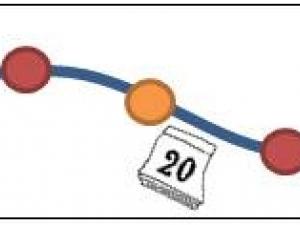
a horizontal line that is used to represent time, with the past towards the left and the future towards the right
The museum shows a timeline of the country's history from ancient times to today.
Das Museum zeigt eine Zeitleiste der Geschichte des Landes von der Antike bis heute.
Synonymechronologytimeframesequence of eventsprogresshistoryAntonymedisorderchaosrandomnessdas Erbe, das Kulturerbe
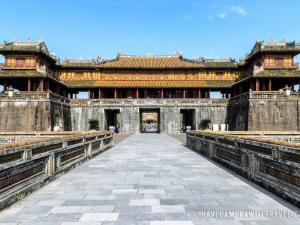
the history, traditions, buildings and objects that a country or society has had for many years and that are considered an important part of its character
Hue's Imperial City was listed as a Cultural World Heritage site by UNESCO in 1993.
Die Kaiserstadt von Hue wurde 1993 von der UNESCO zum Weltkulturerbe erklärt.
SynonymelegacyinheritancetraditionbirthrightendowmentAntonymepresentmodernityinnovationdie Eroberung
the act of taking control of a country, city, etc. by force
The Norman conquest of England began in 1066.
Die normannische Eroberung Englands begann im Jahr 1066.
SynonymevictorytriumphsubjugationdefeatcapturedominationoverthrowAntonymedefeatfailuresurrenderlossyieldingretreatdie Zivilisation, die Kultur, die Hochkultur
a state of human society that is very developed and organized
The ancient Egyptians built one of the world's greatest civilizations.
Die alten Ägypter errichteten eine der größten Zivilisationen der Welt.
SynonymeculturesocietydevelopmentprogressrefinementAntonymebarbarismsavagerywildernessanarchyder Imperialismus
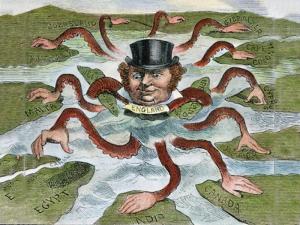
a system in which one country controls other countries, often after defeating them in a war
That was the age of imperialism.
Das war das Zeitalter des Imperialismus.
SynonymecolonialismexpansionismhegemonydominationAntonymeisolationismself-determinationindependencedecolonizationdie Propaganda
ideas or statements that may be false or present only one side of an argument that are used in order to gain support for a political leader, party, etc.
During the war, both governments used propaganda to turn public opinion against the enemy.
Während des Krieges benutzten beide Regierungen Propaganda, um die öffentliche Meinung gegen den Feind aufzubringen.
SynonymedisinformationpromotionpublicityindoctrinationrhetorichypespinAntonymetruthfacthonestyaccuracydie Archäologie
the study of cultures of the past, and of periods of history by examining the parts of buildings and objects found in the ground
Archaeology helps us understand ancient civilizations.
Die Archäologie hilft uns, antike Zivilisationen zu verstehen.
SynonymeexcavationanthropologypaleontologyAntonymefuture studiesfuturologydie Bürgerrechte
the rights that every person in a society has, for example to be treated equally, to be able to vote, work, etc. whatever their sex, race or religion
The civil rights movement fought for equality for all people.
Die Bürgerrechtsbewegung kämpfte für die Gleichheit aller Menschen.
Synonymebasic rightshuman rightsconstitutional rightsequalitylibertiesAntonymeoppressiondiscriminationinequalitysubjugationtyrannyder Kalte Krieg
a relationship between two countries who are not friendly but are not actually fighting each other, usually used about the situation between the US and the Soviet Union after the Second World War
The cold war dominated international politics for decades.
Der Kalte Krieg bestimmte jahrzehntelang die internationale Politik.
Synonymeideological strugglegeopolitical tensionAntonymehot wardetenteder Kolonialismus
the practice by which a powerful country controls another country or other countries
Colonialism had a lasting impact on the culture and economy of many nations.
Der Kolonialismus hatte nachhaltige Auswirkungen auf die Kultur und Wirtschaft vieler Nationen.
SynonymeimperialismoccupationdominationsubjugationhegemonyAntonymeindependenceself-governancesovereigntyfreedomder Kampf, das Gefecht, der Kampfeinsatz
fighting or a fight, especially during a time of war
Many young soldiers were killed in combat during the war.
Viele junge Soldaten fielen während des Krieges im Kampf.
SynonymebattlefightwarfarestrugglecontestAntonymepeacetruceaccordharmonydie Verteidigung, der Schutz
the act of protecting somebody/something from attack, criticism, etc.
The castle walls were built for defense against invaders.
Die Burgmauern wurden zur Verteidigung gegen Eindringlinge gebaut.
SynonymeprotectionsafeguardshieldsecurityAntonymeattackoffensevulnerabilitydie Erleuchtung, die Aufklärung
knowledge about and understanding of something; the process of understanding something or making somebody understand it
The monk sought enlightenment through meditation.
Der Mönch suchte durch Meditation die Erleuchtung.
SynonymeilluminationunderstandinginsightawakeningwisdomAntonymeignoranceconfusiondarknessmisunderstandingdie Spionage
the activity of secretly getting important political or military information about another country or of finding out another company’s secrets by using spies
The government accused him of espionage.
Die Regierung beschuldigte ihn der Spionage.
Synonymespyingintelligence gatheringundercover workAntonymehonestyopennesstransparencydie Folklore, die Volksüberlieferung
the traditions and stories of a country or community
The local folklore tells tales of mythical creatures living in the forest.
Die örtliche Folklore erzählt von Fabelwesen, die im Wald leben.
Synonymefolk taleslegendsmythstraditionsoral historyAntonymehistoryfactsciencedie Genealogie, die Ahnenforschung
the study of family history, including the study of who the ancestors of a particular person were
She researched her genealogy and discovered she was related to royalty.
Sie betrieb Ahnenforschung und entdeckte, dass sie mit dem Königshaus verwandt war.
Synonymeancestryfamily historylineagepedigreeAntonymedescendantfutureoffspringder Völkermord, der Genozid
the murder of a large number of people from a particular nation or ethnic group, with the aim of destroying that nation or group
Genocide is a crime against humanity.
Völkermord ist ein Verbrechen gegen die Menschlichkeit.
Synonymemassacreethnic cleansingholocaustannihilationAntonymepeacecreationpreservationdie Geschichtsschreibung, die Historiografie
the study of writing about history
The professor specialized in the historiography of the French Revolution.
Der Professor war auf die Geschichtsschreibung der Französischen Revolution spezialisiert.
SynonymeHistorical writingHistory writingHistorical methodologyAntonymeAhistoricismdie Industrielle Revolution
the period in the 18th and 19th centuries when machines began to be widely used and industry grew rapidly
The industrial revolution brought about significant changes in society.
Die Industrielle Revolution brachte bedeutende Veränderungen in der Gesellschaft mit sich.
Synonymetechnological revolutionmanufacturing boomAntonymeagrarian agepre-industrial eradie Industrialisierung
the process of developing industries in a country or an area
The country's rapid industrialization led to significant economic growth.
Die rasche Industrialisierung des Landes führte zu einem erheblichen Wirtschaftswachstum.
SynonymedevelopmentmodernizationmechanizationautomationAntonymedeindustrializationagrarianismdie Invasion, der Einmarsch
the act of an army entering another country by force in order to take control of it
The invasion of Normandy was a turning point in World War II.
Die Invasion in der Normandie war ein Wendepunkt im Zweiten Weltkrieg.
SynonymeattackraidincursionaggressionencroachmentAntonymedefenseretreatwithdrawaldie Mobilmachung, die Mobilisierung
preparations that bring together the people and weapons that will be needed in order for a country to fight a war
The government announced a mobilization of troops.
Die Regierung kündigte eine Mobilmachung der Truppen an.
SynonymeactivationenlistmentassemblyrallyingAntonymedemobilizationdeactivationdischargedispersionder Nationalismus
the desire by a group of people who share the same ethnic group, culture, language, etc. to form an independent country
Nationalism can be a powerful force for unity.
Nationalismus kann eine starke Kraft für Einheit sein.
SynonymepatriotismchauvinismjingoismAntonymeinternationalismglobalismdie Aufklärung, die Erkundung
the activity of getting information about an area for military purposes, using soldiers, planes, etc.
The soldiers conducted a reconnaissance mission.
Die Soldaten führten eine Aufklärungsmission durch.
SynonymesurveyexplorationscoutinginvestigationAntonymeignoranceneglectdie Renaissance
the period in Europe during the fourteenth, fifteenth and sixteenth centuries when people became interested in the ideas and culture of ancient Greece and Rome and used these influences in their own art, literature, etc.
The Renaissance was a period of great artistic and intellectual achievement.
Die Renaissance war eine Zeit großer künstlerischer und geistiger Leistungen.
SynonymerebirthrevivalreawakeningflourishingAntonymedeclinefalldark agesdie Belagerung
a military operation in which an army tries to capture a town by surrounding it and stopping the supply of food, etc. to the people inside
The city was under siege for months.
Die Stadt war monatelang belagert.
SynonymeblockadeencirclementinvestmentAntonymeliberationrescuereliefdie Kriegsführung, der Krieg
the activity of fighting a war, especially using particular weapons or methods
The country was plunged into brutal warfare.
Das Land wurde in einen brutalen Krieg gestürzt.
SynonymeconflictcombatbattlefightinghostilitiesAntonymepeaceharmonytruceagreementder Waffenstillstand, die Waffenruhe
a time when enemies agree to stop fighting, usually while a way is found to end the fighting permanently
The two countries agreed to a ceasefire.
Die beiden Länder einigten sich auf einen Waffenstillstand.
Synonymetrucearmisticecessation of hostilitiesceasefire agreementAntonymewarattackhostilitiesfightingdie chemische Kriegsführung, der Chemiekrieg
the use of poisonous gases and chemicals as weapons in a war
The use of chemical warfare is strictly prohibited by international treaties.
Der Einsatz chemischer Kriegsführung ist durch internationale Verträge streng verboten.
Synonymegerm warfarepoison gas warfarebiological warfareAntonymeconventional warfarehumanitarian effortspeacefriedenssichernd, friedenserhaltend
intended to help stop people fighting and prevent war or violence in a place where this is likely
The UN is involved in peacekeeping efforts around the world.
Die UNO ist weltweit an friedenssichernden Einsätzen beteiligt.
Synonymepeacemakingconflict resolutionmediationconciliationAntonymewarconflictaggressionhostilitydie historische Sprachwissenschaft
the study of the history and development of languages
Historical linguistics traces the evolution of languages over time.
Die historische Sprachwissenschaft verfolgt die Entwicklung von Sprachen im Lauf der Zeit.
SynonymeDiachronic linguisticsEvolutionary linguisticsAntonymeSynchronic linguisticsan vorderster Front, Front-
in the most important or dangerous position; doing essential work that puts you at risk
The frontline workers risked their lives during the pandemic.
Die Beschäftigten an vorderster Front riskierten während der Pandemie ihr Leben.
Synonymeforefrontvanguardbattlefrontleading edgeAntonymerearbackbehinddie Verbündeten, die Alliierten
Countries or people that have agreed to help and support each other, especially in a war.
The allies worked together to achieve their common goals.
Die Verbündeten arbeiteten zusammen, um ihre gemeinsamen Ziele zu erreichen.
SynonymepartnersconfederatesassociatescollaboratorsAntonymeenemiesopponentsadversariesdas antike Griechenland
The civilization of Greece from about the 8th century BC until it became part of the Roman Empire.
Ancient Greece was the birthplace of democracy.
Das antike Griechenland war die Wiege der Demokratie.
SynonymeClassical GreeceHellenic GreeceAntonymeModern Greecedas antike Rom
The civilization based in the city of Rome that grew into a large empire, lasting from about 753 BC to AD 476.
Ancient Rome was a powerful civilization.
Das antike Rom war eine mächtige Zivilisation.
SynonymeRome (historical)Roman EmpireAntonymeModern RomeContemporary Romedie archäologischen Stätten
Places where remains of past human life, such as buildings and objects, are found and studied.
The archaeological sites revealed ancient artifacts.
Die archäologischen Stätten brachten antike Artefakte zum Vorschein.
Synonymeexcavation siteshistorical sitesruinsheritage sitesAntonymemodern constructionsnew developmentsdas Artefakt
a feature on an image that is not part of the body, caused by movement, metal or the equipment
A metal artifact from his hip replacement hid part of the bladder.
Ein Metallartefakt von seinem Hüftgelenkersatz verdeckte einen Teil der Harnblase.
The dark line is probably an artifact, not a fracture.
SynonymerelicantiquecurioobjectAntonymenatural objectder Guerillakrieg
Fighting by small, unofficial groups that make surprise attacks on a larger, regular army.
The rebels used guerrilla warfare tactics to fight the larger army.
Die Rebellen setzten Taktiken des Guerillakriegs ein, um gegen die größere Armee zu kämpfen.
Synonymeinsurgencyresistancepartisan warfareasymmetric warfareAntonymeconventional warfareregular warfaredas Kulturerbezentrum
A building or place where people can learn about the history and traditions of an area or community.
We visited the heritage center to learn about the city's history.
Wir besuchten das Kulturerbezentrum, um etwas über die Geschichte der Stadt zu erfahren.
SynonymeCultural centerHistorical centerMuseumAntonymeModern developmentFuture centerdie Denkmalpflege, der Erhalt des Kulturerbes
The work of protecting and repairing old buildings, places and objects that are important to a culture's history.
The city invested in a new initiative for heritage conservation.
Die Stadt investierte in eine neue Initiative zur Denkmalpflege.
SynonymePreservationConservationSafeguardingAntonymeDestructionNeglectDemolitiondie Bewahrung des Kulturerbes
The protection of historic buildings, sites, objects and traditions so that they survive for future generations.
The local council is dedicated to heritage preservation.
Der Gemeinderat setzt sich für die Bewahrung des Kulturerbes ein.
SynonymeConservationProtectionSafeguardingAntonymeDestructionNeglectDemolitiondie historische Genauigkeit
The quality of showing past events, people or periods correctly and truthfully.
The film strives for historical accuracy.
Der Film strebt nach historischer Genauigkeit.
SynonymeAuthenticityFidelityVeracityGenuinenessAntonymeInaccuracyFalsenessFictionDistortiondie historische Analyse
The careful study of past events and sources in order to understand and explain them.
Historical analysis reveals patterns in societal development.
Die historische Analyse zeigt Muster in der gesellschaftlichen Entwicklung auf.
SynonymeHistorical researchHistorical studyHistoriographyAntonymeFuture speculationPresent assessmentdie historische Anthropologie
The study of the cultures, customs and social lives of people in the past.
Historical anthropology studies past cultures and societies.
Die historische Anthropologie untersucht vergangene Kulturen und Gesellschaften.
SynonymeEthnologyCultural anthropologySocial anthropologyAntonymeNonedie historische Architektur
Buildings and building styles from the past, especially ones that are considered important or interesting.
The city is famous for its historical architecture.
Die Stadt ist für ihre historische Architektur berühmt.
Synonymeheritage architectureancient buildingslandmark architectureAntonymemodern architecturecontemporary designdie historische Kunst
Paintings, sculptures and other works of art created in past periods of history.
The museum displays historical art from the Roman Empire.
Das Museum zeigt historische Kunst aus dem Römischen Reich.
SynonymeAntique artVintage artPeriod artAntonymeContemporary artModern artdie historische Authentizität
The quality of being genuinely from a particular past period or truly representing it.
The museum strives to maintain the historical authenticity of its artifacts.
Das Museum bemüht sich, die historische Authentizität seiner Exponate zu bewahren.
SynonymeGenuinenessVeracityLegitimacyOriginalityAntonymeInauthenticityFalsenessSpuriousnessFictiondie historische Biografie
A written account of the life of an important person from the past.
The library had many shelves of historical biographies.
Die Bibliothek hatte viele Regale mit historischen Biografien.
Synonymebiographyhistorical accountlife storyAntonymefictionfantasyder historische Kontext
The social, political and cultural situation of the time in which an event happened or something was created.
Understanding the historical context is crucial for interpreting this document.
Das Verständnis des historischen Kontextes ist entscheidend für die Deutung dieses Dokuments.
Synonymehistorical settinghistorical backgroundhistorical frameworkAntonymeahistoricalpresent-daycontemporarydas historische Kostüm
Clothes in the style worn by people during a particular period in the past.
She wore a beautiful historical costume to the event.
Sie trug ein wunderschönes historisches Kostüm zu der Veranstaltung.
SynonymePeriod costumeVintage attireTheatrical costumeAntonymeModern dressContemporary clothingCasual weardie historischen Daten
Information and figures collected about the past, often used to study changes or trends over time.
We analyzed the historical data to identify trends.
Wir analysierten die historischen Daten, um Trends zu erkennen.
Synonymepast dataarchival datalegacy dataAntonymecurrent datareal-time datafuture projectionsdie historische Dokumentation
Written records and other materials that provide evidence about past events.
The library preserves historical documentation dating back centuries.
Die Bibliothek bewahrt historische Dokumentation, die Jahrhunderte zurückreicht.
Synonymehistorical recordsarchival materialsprimary sourcesAntonymespeculationconjecturefabricationdie historischen Dokumente
Official papers, letters and records from the past that give information about history.
The library contains many historical documents.
Die Bibliothek enthält viele historische Dokumente.
Synonymearchival recordsancient textsprimary sourcesAntonymecontemporary recordsmodern documentsdas Historiendrama
A play, film or television series about real or imagined events set in the past.
I enjoy watching historical dramas because they teach me about the past.
Ich sehe gern Historiendramen, weil sie mir etwas über die Vergangenheit beibringen.
Synonymeperiod dramahistorical fictionAntonymefuturistic dramacontemporary dramadie historische Bildung
The teaching and learning of history and of how past events shaped the present.
Historical education teaches us about the past.
Historische Bildung lehrt uns etwas über die Vergangenheit.
Synonymehistory instructionpast studieshistorical studiesAntonymefuture studiescurrent events educationdie historischen Ereignisse
Important things that happened in the past and are recorded as part of history.
The museum displayed artifacts from important historical events.
Das Museum zeigte Artefakte von wichtigen historischen Ereignissen.
Synonymehistoric occurrencespast eventslandmark eventsAntonymefuture eventscurrent eventsder historische Roman
Novels and stories that are set in the past and often include real historical events or people.
She enjoys reading historical fiction because it brings the past to life.
Sie liest gern historische Romane, weil sie die Vergangenheit lebendig werden lassen.
Synonymehistorical novelperiod fictionAntonymecontemporary fictionfuturistic fictiondie historischen Persönlichkeiten
Famous or important people who lived in the past.
Historical figures like Gandhi are studied in schools.
Historische Persönlichkeiten wie Gandhi werden in der Schule behandelt.
SynonymeNotable people from historyHistorical personalitiesFigures from the pastAntonymeContemporary figuresModern individualsdie historische Geographie
The study of how places, landscapes and human activity in an area have changed over time.
Historical geography studies how people and places have changed over time.
Die historische Geographie untersucht, wie sich Menschen und Orte im Laufe der Zeit verändert haben.
SynonymePast geographyGeography of the pastAntonymeFuture geographyContemporary geographydie historische Untersuchung
The process of asking questions about the past and examining evidence to find answers.
Historical inquiry is crucial for understanding societal evolution.
Die historische Untersuchung ist entscheidend, um die gesellschaftliche Entwicklung zu verstehen.
Synonymehistorical researchhistorical investigationhistoriographyAntonymeahistorical studyspeculationdie historische Deutung
A particular way of explaining the meaning or causes of past events.
The historical interpretation of the event has changed over time.
Die historische Deutung des Ereignisses hat sich im Laufe der Zeit verändert.
SynonymeHistorical analysisHistorical perspectiveHistorical viewpointAntonymeAhistoricalNon-historicalUninterpreted historydie historische Forschung
A careful, detailed study of past events or periods to discover facts about them.
The historical investigation revealed new details about the ancient civilization.
Die historische Untersuchung brachte neue Einzelheiten über die antike Zivilisation ans Licht.
Synonymehistorical researcharchival investigationhistorical analysisAntonymepresent-day analysisfuturistic studydas historische Wissen
Information and understanding about past events, people and societies.
Historical knowledge is crucial for understanding current events.
Historisches Wissen ist entscheidend für das Verständnis aktueller Ereignisse.
Synonymehistorical awarenesshistorical understandingknowledge of historyAntonymeignorance of historyahistoricismdie historischen Wahrzeichen
Famous buildings, monuments or places that are important because of their connection with the past.
The city is known for its historical landmarks.
Die Stadt ist für ihre historischen Wahrzeichen bekannt.
SynonymeHistoric sitesHeritage sitesHistorical monumentsAntonymeModern constructionContemporary buildingdie historischen Landschaften
Areas of land whose features show the influence of people and events in the past.
The tour included visits to several historical landscapes.
Die Tour umfasste Besuche mehrerer historischer Landschaften.
SynonymeHeritage landscapesHistoric sitesCultural landscapesAntonymeModern landscapesContemporary scenerydie historische Literatur
Books and other writing that describe or come from a particular period in the past.
Historical literature offers insights into past societies.
Historische Literatur bietet Einblicke in vergangene Gesellschaften.
SynonymeHistorical fictionPast writingsAncient textsAntonymeContemporary literatureModern writingsdie historische Kartierung
The process of making maps that show how an area looked or changed in the past.
Historical mapping helps us understand how landscapes have changed over time.
Die historische Kartierung hilft uns zu verstehen, wie sich Landschaften im Laufe der Zeit verändert haben.
SynonymeHistorical cartographyPast mappingOld mappingAntonymeContemporary mappingModern mappingCurrent mappingdas historische Gedächtnis
The way a group or society remembers and understands events from its past.
Historical memory shapes our understanding of the present.
Das historische Gedächtnis prägt unser Verständnis der Gegenwart.
Synonymecollective memorypast knowledgeshared historyAntonymeamnesiaforgetfulnesshistorical ignorancedie historische Erzählung
A story or account that describes and explains a series of past events.
The historical narrative of the war was biased.
Die historische Erzählung über den Krieg war einseitig.
SynonymeHistoryAccountChronicleStoryRecordAntonymeAhistoricalFictionMythdie historische Epoche
A length of time in the past with particular features, events or people.
The Victorian era was a significant historical period.
Das viktorianische Zeitalter war eine bedeutende historische Epoche.
SynonymeeraageepochtimeperiodAntonymefuturepresentdie historische Perspektive
A way of understanding something by considering how it developed in the past.
Understanding the war requires a historical perspective.
Um den Krieg zu verstehen, braucht man eine historische Perspektive.
Synonymehistorical contexthistorical viewpointpast significanceAntonymeahistoricalpresentismdie Geschichtsphilosophie
The study of the nature, meaning and patterns of history and historical change.
Historical philosophy examines the evolution of ideas over time.
Die Geschichtsphilosophie untersucht die Entwicklung von Ideen im Laufe der Zeit.
SynonymePhilosophy of historyHistory of ideasAntonymeAhistorical philosophySpeculative philosophydie historischen Aufzeichnungen
Written documents and other evidence that give information about past events.
Historical records show the city was founded in the 18th century.
Historische Aufzeichnungen zeigen, dass die Stadt im 18. Jahrhundert gegründet wurde.
SynonymeArchivesChroniclesAnnalsDocumentsAntonymeSpeculationConjectureGuessworkdie historische Nachstellung
An event in which people dress up and act out a famous event from the past.
The museum held a historical reenactment of the Civil War battle.
Das Museum veranstaltete eine historische Nachstellung der Schlacht des Bürgerkriegs.
Synonymeliving historyhistorical simulationhistorical performanceAntonymemodern interpretationcontemporary performancedie historische Forschung
Detailed study of sources and evidence to learn new facts about the past.
Historical research is crucial for understanding our past.
Historische Forschung ist entscheidend, um unsere Vergangenheit zu verstehen.
Synonymehistoriographyarchival researchhistorical analysisAntonymefuturismspeculationdie historische Bedeutung
The importance of an event, person or place because of its effect on history.
The treaty holds historical significance for both nations.
Der Vertrag hat für beide Nationen historische Bedeutung.
SynonymeHistoric importanceHistorical valueLegacyAntonymeInsignificanceUnimportancedie historische Stätte
A place where important events happened in the past or where old buildings remain.
The Colosseum is a famous historical site in Rome.
Das Kolosseum ist eine berühmte historische Stätte in Rom.
Synonymehistoric landmarkheritage siteancient monumentAntonymemodern constructionnew developmentder Geschichtsverein
An organization that studies and preserves the history of a particular place.
The local historical society preserves artifacts from the town's past.
Der örtliche Geschichtsverein bewahrt Artefakte aus der Vergangenheit der Stadt.
SynonymeHistorical associationHeritage organizationAntonymeFuture societyModern associationdie historischen Quellen
Documents, objects or records from the past that provide information about history.
Historians rely on historical sources to understand the past.
Historiker stützen sich auf historische Quellen, um die Vergangenheit zu verstehen.
Synonymehistoric recordsarchival materialsprimary documentsAntonymespeculationconjecturefabricationder Zeitstrahl, die historische Zeitleiste
A list or diagram showing important historical events in the order in which they happened.
The historical timeline shows major events from the past.
Der historische Zeitstrahl zeigt wichtige Ereignisse der Vergangenheit.
SynonymeChronologyHistorical recordTimelineAntonymeAhistoricalUntimedUnchronologicaldie historischen Traditionen
Customs and beliefs that have been passed down within a community over a long period of history.
The museum showcases historical traditions of the region.
Das Museum zeigt die historischen Traditionen der Region.
SynonymeCultural heritageCustomary practicesAncestral customsAntonymeModern innovationsContemporary trendsdie humanitäre Hilfe
Food, medicine and other help given to people suffering because of war, disaster or poverty.
The organization provides humanitarian aid to refugees.
Die Organisation leistet humanitäre Hilfe für Flüchtlinge.
SynonymeReliefAssistanceCharityAidAntonymeExploitationNeglectHarmdie Denkmäler, die Monumente
Buildings, statues or other structures built to remember a famous person or event, or that are historically important.
The city is known for its historical monuments.
Die Stadt ist für ihre historischen Denkmäler bekannt.
SynonymememorialsstatueslandmarksAntonymedestructiondemolitiondie Seekriegsführung
Fighting between armed forces at sea, using ships and submarines.
Naval warfare played a crucial role in World War II.
Die Seekriegsführung spielte im Zweiten Weltkrieg eine entscheidende Rolle.
SynonymeSea warMaritime warfareNaval combatAntonymeLand warfareGround wardie Atomwaffen, die Kernwaffen
Extremely powerful bombs and missiles whose force comes from nuclear energy.
Nuclear weapons pose a significant threat to global security.
Atomwaffen stellen eine erhebliche Bedrohung für die globale Sicherheit dar.
SynonymeAtomic weaponsThermonuclear weaponsWeapons of mass destructionAntonymeConventional weaponsNon-nuclear weaponsdie Oral History, die mündliche Geschichte
The collection and study of historical information through recorded interviews with people who remember past events.
The museum exhibit included recordings of oral history interviews with veterans.
Die Museumsausstellung enthielt Aufnahmen von Oral-History-Interviews mit Veteranen.
SynonymeVerbal historySpoken historyTestimonial historyAntonymeWritten historyDocumented historyder Kriegsgefangene
A person, usually a soldier, who is captured and kept in prison by the enemy during a war.
He was a POW for three years during the war.
Er war während des Krieges drei Jahre lang Kriegsgefangener.
SynonymecaptivedetaineeprisonerAntonymeliberatorrescuerfree persondie Flüchtlinge
People who have been forced to leave their country because of war, danger or persecution.
Many refugees seek asylum in neighboring countries.
Viele Flüchtlinge suchen Asyl in den Nachbarländern.
SynonymeAsylum seekersDisplaced personsEvacueesExilesAntonymeCitizensNationalsResidentsdie Kriegsverbrechen
Cruel acts committed during a war that break international laws, such as killing civilians.
The tribunal investigated alleged war crimes.
Das Tribunal untersuchte mutmaßliche Kriegsverbrechen.
Synonymeatrocitieswar atrocitiescrimes against humanityAntonymeacts of peacehumanitarian aid