Lección 25/33 · 138 palabras · 0 aprendidas
History and Heritage
Historia y patrimonio
estrategia
a plan that is intended to achieve a particular purpose
A business plan is a strategy for running a business and avoiding problems
Un plan de negocios es una estrategia para dirigir un negocio y evitar problemas.
Sinónimosplantacticapproachschemedesignmethodgame planblueprintAntónimosrandomnesschanceaccidentimprovisationdisorganizationrevolución
an attempt, by a large number of people, to change the government of a country, especially by violent action
The French Revolution began in 1789 and changed the government of France.
La Revolución francesa comenzó en 1789 y cambió el gobierno de Francia.
SinónimosupheavaloverthrowtransformationchangeturnaroundrevoltinsurrectionAntónimosstabilitystatus quoconservationorderpeacecultura
the customs and beliefs, art, way of life and social organization of a particular country or group
European/Islamic/African/American, etc. culture
Cultura europea/islámica/africana/americana, etc.
working-class culture
Sinónimoscivilizationsocietycustomstraditionsheritageartsway of lifeAntónimosnaturebarbarismpaz
a situation or a period of time in which there is no war or violence in a country or an area
The two communities live together in peace.
Las dos comunidades viven juntas en paz.
A UN force has been sent to keep the peace(= to prevent people from fighting).
SinónimosharmonytranquilityserenitycalmrestamityAntónimoswarconflictstrifediscordviolencetradición
a belief, custom or way of doing something that has existed for a long time among a particular group of people; a set of these beliefs or customs
Making Chung cake is our tradition at Tet.
Hacer pastel Chung es nuestra tradición en Tet.
religious/cultural, etc. traditions
SinónimoscustomconventionpracticeritualheritageusagemannerwayAntónimosinnovationnoveltymodernitychangedeviationderrotar
to win against somebody in a war, competition, sports game, etc.
If we can defeat the Italian team, we'll be through to the final.
Si podemos derrotar al equipo italiano, pasaremos a la final.
a narrow/heavy defeat
SinónimosvanquishovercomeconquerbeatroutsubdueoverthrowcrushAntónimossurrenderyieldsuccumblosefailconflicto
a situation in which people, groups or countries disagree strongly or are involved in a serious argument
When conflicts do happen, we work together to find the solutions.
Cuando ocurren conflictos, trabajamos juntos para encontrar las soluciones.
conflicting emotions/interests/loyalties
SinónimosdisputeclashstrugglediscordoppositionfrictionAntónimospeaceharmonyagreementaccordconcordinteligencia
the ability to learn, understand and think in a logical way about things; the ability to do this well
He didn't even have the intelligence to call for an ambulance.
Ni siquiera tuvo la inteligencia de llamar a una ambulancia.
a person of high/average/low intelligence
SinónimosintellectunderstandingwisdombrainpowerclevernessbrilliancewitAntónimosstupidityfoolishnessignorancedullnessdensenessindependencia
freedom from political control by other countries
Cuba gained independence from Spain in 1898.
Cuba obtuvo la independencia de España en 1898.
It's £7.50, not including tax.
Sinónimosfreedomautonomylibertyself-governancesovereigntyAntónimosdependencesubordinationservitudecaptivityoppressionborrador
a rough written version of something that is not yet in its final form
I've made a rough draft of the letter.
He hecho un borrador de la carta.
This is only the first draft of my speech.
Sinónimosoutlinesketchblueprintplanversionpreliminary versionAntónimosfinal versionfinished productperfectioncertaintyresistencia
dislike of or opposition to a plan, an idea, etc.; the act of refusing to obey
As with all new ideas it met with resistance.
Como con todas las ideas nuevas, encontró resistencia.
Resistance to change has nearly destroyed the industry.
SinónimosoppositiondefiancechallengestruggleobstructionwithstandAntónimosacceptanceagreementcompliancesubmissionacquiescencemuseo
a building in which objects of artistic, cultural, historical or scientific interest are kept and shown to the public
My class visited the Ho Chi Minh museum last Sunday.
Mi clase visitó el museo de Ho Chi Minh el domingo pasado.
Sinónimosgalleryarchiveexhibition hallinstitutionrepositoryAntónimosn/a (Museums don't really have antonyms in the same sense as other words. Perhaps 'private collection' or 'storage' could be considered opposing concepts.)antiguo
belonging to a period of history that is thousands of years in the past
The ancient forests were found only in books.
Los bosques antiguos se encontraban solo en los libros.
ancient history/civilization
Sinónimosoldhistoricalagedvenerabletime-honoredantiqueAntónimosmodernnewrecentcontemporaryhistórico
connected with the past
Women are not allowed to enter the monastery for historical reasons.
A las mujeres no se les permite entrar en el monasterio por razones históricas.
the historical background to the war
SinónimospastchronologicalrecordeddocumentedancientAntónimosahistoricalunhistoricalpresentcontemporarymodernbatalla
a fight between armies, ships or planes, especially during a war; a violent fight between groups of people
Almost everyone has heard of the battle at Waterloo.
Casi todo el mundo ha oído hablar de la batalla de Waterloo.
a gun battle
SinónimosfightcombatconflictengagementskirmishAntónimospeacetrucearmisticeagreementharmonyguerra
a situation in which two or more countries or groups of people fight against each other over a period of time
How long have they been at war?
¿Cuánto tiempo llevan en guerra?
The government does not want to go to war(= start a war) unless all other alternatives have failed.
SinónimosconflictcombathostilitiesstrugglebattlefightingAntónimospeaceharmonytruceaccordceasefireimperio
a group of countries or states that are controlled by one leader or government
The Roman empire ruled many countries in the past.
El imperio romano gobernó muchos países en el pasado.
He dismissed the opinion polls as worthless.
SinónimosrealmkingdomdominionpowerstateauthorityAntónimosrepublicdemocracysmall statenationexploración
the act of travelling through a place in order to find out about it or look for something in it
The aim is to pay more attention to the human factor of space exploration.
El objetivo es prestar más atención al factor humano de la exploración espacial.
SinónimosdiscoveryinvestigationresearchsurveyquestprobereconnaissanceAntónimosneglectignorancestagnationinactivitycronología, línea de tiempo
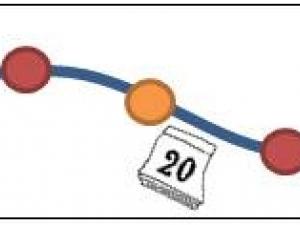
a horizontal line that is used to represent time, with the past towards the left and the future towards the right
The museum shows a timeline of the country's history from ancient times to today.
El museo muestra una cronología de la historia del país desde la antigüedad hasta hoy.
Sinónimoschronologytimeframesequence of eventsprogresshistoryAntónimosdisorderchaosrandomnesspatrimonio
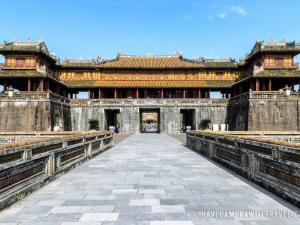
the history, traditions, buildings and objects that a country or society has had for many years and that are considered an important part of its character
Hue's Imperial City was listed as a Cultural World Heritage site by UNESCO in 1993.
La Ciudad Imperial de Hue fue catalogada como Patrimonio Cultural de la Humanidad por la UNESCO en 1993.
SinónimoslegacyinheritancetraditionbirthrightendowmentAntónimospresentmodernityinnovationconquista, invasión
the act of taking control of a country, city, etc. by force
The Norman conquest of England began in 1066.
La conquista normanda de Inglaterra comenzó en 1066.
SinónimosvictorytriumphsubjugationdefeatcapturedominationoverthrowAntónimosdefeatfailuresurrenderlossyieldingretreatcivilización
a state of human society that is very developed and organized
The ancient Egyptians built one of the world's greatest civilizations.
Los antiguos egipcios construyeron una de las civilizaciones más grandes del mundo.
SinónimosculturesocietydevelopmentprogressrefinementAntónimosbarbarismsavagerywildernessanarchyimperialismo
a system in which one country controls other countries, often after defeating them in a war
That was the age of imperialism.
Esa fue la era del imperialismo.
SinónimoscolonialismexpansionismhegemonydominationAntónimosisolationismself-determinationindependencedecolonizationpropaganda
ideas or statements that may be false or present only one side of an argument that are used in order to gain support for a political leader, party, etc.
During the war, both governments used propaganda to turn public opinion against the enemy.
Durante la guerra, ambos gobiernos usaron propaganda para poner a la opinión pública en contra del enemigo.
SinónimosdisinformationpromotionpublicityindoctrinationrhetorichypespinAntónimostruthfacthonestyaccuracyarqueología
the study of cultures of the past, and of periods of history by examining the parts of buildings and objects found in the ground
Archaeology helps us understand ancient civilizations.
La arqueología nos ayuda a comprender las civilizaciones antiguas.
SinónimosexcavationanthropologypaleontologyAntónimosfuture studiesfuturologyderechos civiles
the rights that every person in a society has, for example to be treated equally, to be able to vote, work, etc. whatever their sex, race or religion
The civil rights movement fought for equality for all people.
El movimiento por los derechos civiles luchó por la igualdad para todas las personas.
Sinónimosbasic rightshuman rightsconstitutional rightsequalitylibertiesAntónimosoppressiondiscriminationinequalitysubjugationtyrannyGuerra Fría
a relationship between two countries who are not friendly but are not actually fighting each other, usually used about the situation between the US and the Soviet Union after the Second World War
The cold war dominated international politics for decades.
La Guerra Fría dominó la política internacional durante décadas.
Sinónimosideological strugglegeopolitical tensionAntónimoshot wardetentecolonialismo
the practice by which a powerful country controls another country or other countries
Colonialism had a lasting impact on the culture and economy of many nations.
El colonialismo tuvo un impacto duradero en la cultura y la economía de muchas naciones.
SinónimosimperialismoccupationdominationsubjugationhegemonyAntónimosindependenceself-governancesovereigntyfreedomdefensa
the act of protecting somebody/something from attack, criticism, etc.
The castle walls were built for defense against invaders.
Las murallas del castillo se construyeron para la defensa contra los invasores.
SinónimosprotectionsafeguardshieldsecurityAntónimosattackoffensevulnerabilityiluminación
knowledge about and understanding of something; the process of understanding something or making somebody understand it
The monk sought enlightenment through meditation.
El monje buscó la iluminación a través de la meditación.
SinónimosilluminationunderstandinginsightawakeningwisdomAntónimosignoranceconfusiondarknessmisunderstandingespionaje
the activity of secretly getting important political or military information about another country or of finding out another company’s secrets by using spies
The government accused him of espionage.
El gobierno lo acusó de espionaje.
Sinónimosspyingintelligence gatheringundercover workAntónimoshonestyopennesstransparencyfolclore
the traditions and stories of a country or community
The local folklore tells tales of mythical creatures living in the forest.
El folclore local cuenta historias de criaturas míticas que viven en el bosque.
Sinónimosfolk taleslegendsmythstraditionsoral historyAntónimoshistoryfactsciencegenealogía
the study of family history, including the study of who the ancestors of a particular person were
She researched her genealogy and discovered she was related to royalty.
Ella investigó su genealogía y descubrió que estaba relacionada con la realeza.
Sinónimosancestryfamily historylineagepedigreeAntónimosdescendantfutureoffspringgenocidio
the murder of a large number of people from a particular nation or ethnic group, with the aim of destroying that nation or group
Genocide is a crime against humanity.
El genocidio es un crimen contra la humanidad.
Sinónimosmassacreethnic cleansingholocaustannihilationAntónimospeacecreationpreservationHistoriografía
the study of writing about history
The professor specialized in the historiography of the French Revolution.
El profesor se especializó en la historiografía de la Revolución Francesa.
SinónimosHistorical writingHistory writingHistorical methodologyAntónimosAhistoricismrevolución industrial
the period in the 18th and 19th centuries when machines began to be widely used and industry grew rapidly
The industrial revolution brought about significant changes in society.
La revolución industrial trajo consigo cambios significativos en la sociedad.
Sinónimostechnological revolutionmanufacturing boomAntónimosagrarian agepre-industrial eraindustrialización
the process of developing industries in a country or an area
The country's rapid industrialization led to significant economic growth.
La rápida industrialización del país condujo a un importante crecimiento económico.
SinónimosdevelopmentmodernizationmechanizationautomationAntónimosdeindustrializationagrarianisminvasión
the act of an army entering another country by force in order to take control of it
The invasion of Normandy was a turning point in World War II.
La invasión de Normandía fue un punto de inflexión en la Segunda Guerra Mundial.
SinónimosattackraidincursionaggressionencroachmentAntónimosdefenseretreatwithdrawalmovilización
preparations that bring together the people and weapons that will be needed in order for a country to fight a war
The government announced a mobilization of troops.
El gobierno anunció una movilización de tropas.
SinónimosactivationenlistmentassemblyrallyingAntónimosdemobilizationdeactivationdischargedispersionnacionalismo
the desire by a group of people who share the same ethnic group, culture, language, etc. to form an independent country
Nationalism can be a powerful force for unity.
El nacionalismo puede ser una fuerza poderosa para la unidad.
SinónimospatriotismchauvinismjingoismAntónimosinternationalismglobalismreconocimiento
the activity of getting information about an area for military purposes, using soldiers, planes, etc.
The soldiers conducted a reconnaissance mission.
Los soldados llevaron a cabo una misión de reconocimiento.
SinónimossurveyexplorationscoutinginvestigationAntónimosignoranceneglectrenacimiento
the period in Europe during the fourteenth, fifteenth and sixteenth centuries when people became interested in the ideas and culture of ancient Greece and Rome and used these influences in their own art, literature, etc.
The Renaissance was a period of great artistic and intellectual achievement.
El Renacimiento fue un período de grandes logros artísticos e intelectuales.
SinónimosrebirthrevivalreawakeningflourishingAntónimosdeclinefalldark agesasedio
a military operation in which an army tries to capture a town by surrounding it and stopping the supply of food, etc. to the people inside
The city was under siege for months.
La ciudad estuvo bajo asedio durante meses.
SinónimosblockadeencirclementinvestmentAntónimosliberationrescuereliefalto el fuego
a time when enemies agree to stop fighting, usually while a way is found to end the fighting permanently
The two countries agreed to a ceasefire.
Los dos países acordaron un alto el fuego.
Sinónimostrucearmisticecessation of hostilitiesceasefire agreementAntónimoswarattackhostilitiesfightingguerra química
the use of poisonous gases and chemicals as weapons in a war
The use of chemical warfare is strictly prohibited by international treaties.
El uso de la guerra química está estrictamente prohibido por los tratados internacionales.
Sinónimosgerm warfarepoison gas warfarebiological warfareAntónimosconventional warfarehumanitarian effortspeacemantenimiento de la paz
intended to help stop people fighting and prevent war or violence in a place where this is likely
The UN is involved in peacekeeping efforts around the world.
La ONU participa en los esfuerzos de mantenimiento de la paz en todo el mundo.
Sinónimospeacemakingconflict resolutionmediationconciliationAntónimoswarconflictaggressionhostilityLingüística histórica
the study of the history and development of languages
Historical linguistics traces the evolution of languages over time.
La lingüística histórica rastrea la evolución de las lenguas a lo largo del tiempo.
SinónimosDiachronic linguisticsEvolutionary linguisticsAntónimosSynchronic linguisticsprimera línea
in the most important or dangerous position; doing essential work that puts you at risk
The frontline workers risked their lives during the pandemic.
Los trabajadores de primera línea arriesgaron sus vidas durante la pandemia.
Sinónimosforefrontvanguardbattlefrontleading edgeAntónimosrearbackbehindaliados
Countries or people that have agreed to help and support each other, especially in a war.
The allies worked together to achieve their common goals.
Los aliados trabajaron juntos para lograr sus objetivos comunes.
SinónimospartnersconfederatesassociatescollaboratorsAntónimosenemiesopponentsadversariesAntigua Grecia
The civilization of Greece from about the 8th century BC until it became part of the Roman Empire.
Ancient Greece was the birthplace of democracy.
La Antigua Grecia fue la cuna de la democracia.
SinónimosClassical GreeceHellenic GreeceAntónimosModern GreeceAntigua Roma
The civilization based in the city of Rome that grew into a large empire, lasting from about 753 BC to AD 476.
Ancient Rome was a powerful civilization.
La Antigua Roma fue una civilización poderosa.
SinónimosRome (historical)Roman EmpireAntónimosModern RomeContemporary RomeSitios arqueológicos
Places where remains of past human life, such as buildings and objects, are found and studied.
The archaeological sites revealed ancient artifacts.
Los sitios arqueológicos revelaron artefactos antiguos.
Sinónimosexcavation siteshistorical sitesruinsheritage sitesAntónimosmodern constructionsnew developmentsartefacto, artefacto de imagen
a feature on an image that is not part of the body, caused by movement, metal or the equipment
A metal artifact from his hip replacement hid part of the bladder.
Un artefacto metálico de su prótesis de cadera ocultaba parte de la vejiga.
The dark line is probably an artifact, not a fracture.
SinónimosrelicantiquecurioobjectAntónimosnatural objectguerra de guerrillas
Fighting by small, unofficial groups that make surprise attacks on a larger, regular army.
The rebels used guerrilla warfare tactics to fight the larger army.
Los rebeldes utilizaron tácticas de guerra de guerrillas para luchar contra el ejército más grande.
Sinónimosinsurgencyresistancepartisan warfareasymmetric warfareAntónimosconventional warfareregular warfareCentro de patrimonio
A building or place where people can learn about the history and traditions of an area or community.
We visited the heritage center to learn about the city's history.
Visitamos el centro de patrimonio para aprender sobre la historia de la ciudad.
SinónimosCultural centerHistorical centerMuseumAntónimosModern developmentFuture centerConservación del patrimonio
The work of protecting and repairing old buildings, places and objects that are important to a culture's history.
The city invested in a new initiative for heritage conservation.
La ciudad invirtió en una nueva iniciativa para la conservación del patrimonio.
SinónimosPreservationConservationSafeguardingAntónimosDestructionNeglectDemolitionConservación del patrimonio
The protection of historic buildings, sites, objects and traditions so that they survive for future generations.
The local council is dedicated to heritage preservation.
El ayuntamiento local está dedicado a la conservación del patrimonio.
SinónimosConservationProtectionSafeguardingAntónimosDestructionNeglectDemolitionExactitud histórica
The quality of showing past events, people or periods correctly and truthfully.
The film strives for historical accuracy.
La película se esfuerza por la exactitud histórica.
SinónimosAuthenticityFidelityVeracityGenuinenessAntónimosInaccuracyFalsenessFictionDistortionAnálisis histórico
The careful study of past events and sources in order to understand and explain them.
Historical analysis reveals patterns in societal development.
El análisis histórico revela patrones en el desarrollo social.
SinónimosHistorical researchHistorical studyHistoriographyAntónimosFuture speculationPresent assessmentAntropología histórica
The study of the cultures, customs and social lives of people in the past.
Historical anthropology studies past cultures and societies.
La antropología histórica estudia las culturas y sociedades del pasado.
SinónimosEthnologyCultural anthropologySocial anthropologyAntónimosNoneArquitectura histórica
Buildings and building styles from the past, especially ones that are considered important or interesting.
The city is famous for its historical architecture.
La ciudad es famosa por su arquitectura histórica.
Sinónimosheritage architectureancient buildingslandmark architectureAntónimosmodern architecturecontemporary designArte histórico
Paintings, sculptures and other works of art created in past periods of history.
The museum displays historical art from the Roman Empire.
El museo exhibe arte histórico del Imperio Romano.
SinónimosAntique artVintage artPeriod artAntónimosContemporary artModern artAutenticidad histórica
The quality of being genuinely from a particular past period or truly representing it.
The museum strives to maintain the historical authenticity of its artifacts.
El museo se esfuerza por mantener la autenticidad histórica de sus artefactos.
SinónimosGenuinenessVeracityLegitimacyOriginalityAntónimosInauthenticityFalsenessSpuriousnessFictionBiografía histórica
A written account of the life of an important person from the past.
The library had many shelves of historical biographies.
La biblioteca tenía muchas estanterías de biografías históricas.
Sinónimosbiographyhistorical accountlife storyAntónimosfictionfantasycontexto histórico
The social, political and cultural situation of the time in which an event happened or something was created.
Understanding the historical context is crucial for interpreting this document.
Comprender el contexto histórico es crucial para interpretar este documento.
Sinónimoshistorical settinghistorical backgroundhistorical frameworkAntónimosahistoricalpresent-daycontemporaryTraje histórico
Clothes in the style worn by people during a particular period in the past.
She wore a beautiful historical costume to the event.
Ella usó un hermoso traje histórico para el evento.
SinónimosPeriod costumeVintage attireTheatrical costumeAntónimosModern dressContemporary clothingCasual weardatos históricos
Information and figures collected about the past, often used to study changes or trends over time.
We analyzed the historical data to identify trends.
Analizamos los datos históricos para identificar tendencias.
Sinónimospast dataarchival datalegacy dataAntónimoscurrent datareal-time datafuture projectionsdocumentación histórica
Written records and other materials that provide evidence about past events.
The library preserves historical documentation dating back centuries.
La biblioteca conserva documentación histórica que data de siglos atrás.
Sinónimoshistorical recordsarchival materialsprimary sourcesAntónimosspeculationconjecturefabricationdocumentos históricos
Official papers, letters and records from the past that give information about history.
The library contains many historical documents.
La biblioteca contiene muchos documentos históricos.
Sinónimosarchival recordsancient textsprimary sourcesAntónimoscontemporary recordsmodern documentsdrama histórico
A play, film or television series about real or imagined events set in the past.
I enjoy watching historical dramas because they teach me about the past.
Me gusta ver dramas históricos porque me enseñan sobre el pasado.
Sinónimosperiod dramahistorical fictionAntónimosfuturistic dramacontemporary dramaeducación histórica
The teaching and learning of history and of how past events shaped the present.
Historical education teaches us about the past.
La educación histórica nos enseña sobre el pasado.
Sinónimoshistory instructionpast studieshistorical studiesAntónimosfuture studiescurrent events educationacontecimientos históricos
Important things that happened in the past and are recorded as part of history.
The museum displayed artifacts from important historical events.
El museo exhibió artefactos de importantes acontecimientos históricos.
Sinónimoshistoric occurrencespast eventslandmark eventsAntónimosfuture eventscurrent eventsficción histórica
Novels and stories that are set in the past and often include real historical events or people.
She enjoys reading historical fiction because it brings the past to life.
Le gusta leer ficción histórica porque da vida al pasado.
Sinónimoshistorical novelperiod fictionAntónimoscontemporary fictionfuturistic fictionFiguras históricas
Famous or important people who lived in the past.
Historical figures like Gandhi are studied in schools.
Figuras históricas como Gandhi se estudian en las escuelas.
SinónimosNotable people from historyHistorical personalitiesFigures from the pastAntónimosContemporary figuresModern individualsGeografía histórica
The study of how places, landscapes and human activity in an area have changed over time.
Historical geography studies how people and places have changed over time.
La geografía histórica estudia cómo las personas y los lugares han cambiado con el tiempo.
SinónimosPast geographyGeography of the pastAntónimosFuture geographyContemporary geographyinvestigación histórica
The process of asking questions about the past and examining evidence to find answers.
Historical inquiry is crucial for understanding societal evolution.
La investigación histórica es crucial para comprender la evolución social.
Sinónimoshistorical researchhistorical investigationhistoriographyAntónimosahistorical studyspeculationInterpretación histórica
A particular way of explaining the meaning or causes of past events.
The historical interpretation of the event has changed over time.
La interpretación histórica del evento ha cambiado con el tiempo.
SinónimosHistorical analysisHistorical perspectiveHistorical viewpointAntónimosAhistoricalNon-historicalUninterpreted historyinvestigación histórica
A careful, detailed study of past events or periods to discover facts about them.
The historical investigation revealed new details about the ancient civilization.
La investigación histórica reveló nuevos detalles sobre la antigua civilización.
Sinónimoshistorical researcharchival investigationhistorical analysisAntónimospresent-day analysisfuturistic studyconocimiento histórico
Information and understanding about past events, people and societies.
Historical knowledge is crucial for understanding current events.
El conocimiento histórico es crucial para comprender los acontecimientos actuales.
Sinónimoshistorical awarenesshistorical understandingknowledge of historyAntónimosignorance of historyahistoricismHitos históricos
Famous buildings, monuments or places that are important because of their connection with the past.
The city is known for its historical landmarks.
La ciudad es conocida por sus hitos históricos.
SinónimosHistoric sitesHeritage sitesHistorical monumentsAntónimosModern constructionContemporary buildingPaisajes históricos
Areas of land whose features show the influence of people and events in the past.
The tour included visits to several historical landscapes.
El recorrido incluyó visitas a varios paisajes históricos.
SinónimosHeritage landscapesHistoric sitesCultural landscapesAntónimosModern landscapesContemporary sceneryLiteratura histórica
Books and other writing that describe or come from a particular period in the past.
Historical literature offers insights into past societies.
La literatura histórica ofrece información sobre sociedades pasadas.
SinónimosHistorical fictionPast writingsAncient textsAntónimosContemporary literatureModern writingscartografía histórica
The process of making maps that show how an area looked or changed in the past.
Historical mapping helps us understand how landscapes have changed over time.
La cartografía histórica nos ayuda a comprender cómo han cambiado los paisajes con el tiempo.
SinónimosHistorical cartographyPast mappingOld mappingAntónimosContemporary mappingModern mappingCurrent mappingmemoria histórica
The way a group or society remembers and understands events from its past.
Historical memory shapes our understanding of the present.
La memoria histórica moldea nuestra comprensión del presente.
Sinónimoscollective memorypast knowledgeshared historyAntónimosamnesiaforgetfulnesshistorical ignoranceNarrativa histórica
A story or account that describes and explains a series of past events.
The historical narrative of the war was biased.
La narrativa histórica de la guerra fue sesgada.
SinónimosHistoryAccountChronicleStoryRecordAntónimosAhistoricalFictionMythPerspectiva histórica
A way of understanding something by considering how it developed in the past.
Understanding the war requires a historical perspective.
Comprender la guerra requiere una perspectiva histórica.
Sinónimoshistorical contexthistorical viewpointpast significanceAntónimosahistoricalpresentismFilosofía histórica
The study of the nature, meaning and patterns of history and historical change.
Historical philosophy examines the evolution of ideas over time.
La filosofía histórica examina la evolución de las ideas a lo largo del tiempo.
SinónimosPhilosophy of historyHistory of ideasAntónimosAhistorical philosophySpeculative philosophyRegistros históricos
Written documents and other evidence that give information about past events.
Historical records show the city was founded in the 18th century.
Los registros históricos muestran que la ciudad fue fundada en el siglo XVIII.
SinónimosArchivesChroniclesAnnalsDocumentsAntónimosSpeculationConjectureGuessworkrecreación histórica
An event in which people dress up and act out a famous event from the past.
The museum held a historical reenactment of the Civil War battle.
El museo organizó una recreación histórica de la batalla de la Guerra Civil.
Sinónimosliving historyhistorical simulationhistorical performanceAntónimosmodern interpretationcontemporary performanceinvestigación histórica
Detailed study of sources and evidence to learn new facts about the past.
Historical research is crucial for understanding our past.
La investigación histórica es crucial para comprender nuestro pasado.
Sinónimoshistoriographyarchival researchhistorical analysisAntónimosfuturismspeculationSignificación histórica
The importance of an event, person or place because of its effect on history.
The treaty holds historical significance for both nations.
El tratado tiene una significación histórica para ambas naciones.
SinónimosHistoric importanceHistorical valueLegacyAntónimosInsignificanceUnimportanceSitio histórico
A place where important events happened in the past or where old buildings remain.
The Colosseum is a famous historical site in Rome.
El Coliseo es un sitio histórico famoso en Roma.
Sinónimoshistoric landmarkheritage siteancient monumentAntónimosmodern constructionnew developmentSociedad histórica
An organization that studies and preserves the history of a particular place.
The local historical society preserves artifacts from the town's past.
La sociedad histórica local conserva artefactos del pasado del pueblo.
SinónimosHistorical associationHeritage organizationAntónimosFuture societyModern associationfuentes históricas
Documents, objects or records from the past that provide information about history.
Historians rely on historical sources to understand the past.
Los historiadores confían en fuentes históricas para comprender el pasado.
Sinónimoshistoric recordsarchival materialsprimary documentsAntónimosspeculationconjecturefabricationCronología histórica
A list or diagram showing important historical events in the order in which they happened.
The historical timeline shows major events from the past.
La cronología histórica muestra los principales eventos del pasado.
SinónimosChronologyHistorical recordTimelineAntónimosAhistoricalUntimedUnchronologicalTradiciones históricas
Customs and beliefs that have been passed down within a community over a long period of history.
The museum showcases historical traditions of the region.
El museo exhibe tradiciones históricas de la región.
SinónimosCultural heritageCustomary practicesAncestral customsAntónimosModern innovationsContemporary trendsAyuda humanitaria
Food, medicine and other help given to people suffering because of war, disaster or poverty.
The organization provides humanitarian aid to refugees.
La organización proporciona ayuda humanitaria a los refugiados.
SinónimosReliefAssistanceCharityAidAntónimosExploitationNeglectHarmmonumentos
Buildings, statues or other structures built to remember a famous person or event, or that are historically important.
The city is known for its historical monuments.
La ciudad es conocida por sus monumentos históricos.
SinónimosmemorialsstatueslandmarksAntónimosdestructiondemolitionGuerra naval
Fighting between armed forces at sea, using ships and submarines.
Naval warfare played a crucial role in World War II.
La guerra naval jugó un papel crucial en la Segunda Guerra Mundial.
SinónimosSea warMaritime warfareNaval combatAntónimosLand warfareGround warArmas nucleares
Extremely powerful bombs and missiles whose force comes from nuclear energy.
Nuclear weapons pose a significant threat to global security.
Las armas nucleares representan una amenaza significativa para la seguridad global.
SinónimosAtomic weaponsThermonuclear weaponsWeapons of mass destructionAntónimosConventional weaponsNon-nuclear weaponsHistoria oral
The collection and study of historical information through recorded interviews with people who remember past events.
The museum exhibit included recordings of oral history interviews with veterans.
La exposición del museo incluyó grabaciones de entrevistas de historia oral con veteranos.
SinónimosVerbal historySpoken historyTestimonial historyAntónimosWritten historyDocumented historyPrisionero de guerra
A person, usually a soldier, who is captured and kept in prison by the enemy during a war.
He was a POW for three years during the war.
Él fue un prisionero de guerra durante tres años durante la guerra.
SinónimoscaptivedetaineeprisonerAntónimosliberatorrescuerfree personRefugiados
People who have been forced to leave their country because of war, danger or persecution.
Many refugees seek asylum in neighboring countries.
Muchos refugiados buscan asilo en países vecinos.
SinónimosAsylum seekersDisplaced personsEvacueesExilesAntónimosCitizensNationalsResidentscrímenes de guerra
Cruel acts committed during a war that break international laws, such as killing civilians.
The tribunal investigated alleged war crimes.
El tribunal investigó los presuntos crímenes de guerra.
Sinónimosatrocitieswar atrocitiescrimes against humanityAntónimosacts of peacehumanitarian aid