Lezione 25/33 · 138 parole · 0 imparate
History and Heritage
Storia e patrimonio
strategia
a plan that is intended to achieve a particular purpose
A business plan is a strategy for running a business and avoiding problems
Un piano aziendale è una strategia per gestire un'impresa ed evitare problemi.
Sinonimiplantacticapproachschemedesignmethodgame planblueprintContrarirandomnesschanceaccidentimprovisationdisorganizationrivoluzione
an attempt, by a large number of people, to change the government of a country, especially by violent action
The French Revolution began in 1789 and changed the government of France.
La Rivoluzione francese ebbe inizio nel 1789 e cambiò il governo della Francia.
SinonimiupheavaloverthrowtransformationchangeturnaroundrevoltinsurrectionContraristabilitystatus quoconservationorderpeacecultura
the customs and beliefs, art, way of life and social organization of a particular country or group
European/Islamic/African/American, etc. culture
cultura europea/islamica/africana/americana, ecc.
working-class culture
Sinonimicivilizationsocietycustomstraditionsheritageartsway of lifeContrarinaturebarbarismpace
a situation or a period of time in which there is no war or violence in a country or an area
The two communities live together in peace.
Le due comunità convivono in pace.
A UN force has been sent to keep the peace(= to prevent people from fighting).
SinonimiharmonytranquilityserenitycalmrestamityContrariwarconflictstrifediscordviolencetradizione
a belief, custom or way of doing something that has existed for a long time among a particular group of people; a set of these beliefs or customs
Making Chung cake is our tradition at Tet.
Preparare la torta Chung è la nostra tradizione a Tet.
religious/cultural, etc. traditions
SinonimicustomconventionpracticeritualheritageusagemannerwayContrariinnovationnoveltymodernitychangedeviationsconfiggere, battere
to win against somebody in a war, competition, sports game, etc.
If we can defeat the Italian team, we'll be through to the final.
Se riusciamo a sconfiggere la squadra italiana, andremo in finale.
a narrow/heavy defeat
SinonimivanquishovercomeconquerbeatroutsubdueoverthrowcrushContrarisurrenderyieldsuccumblosefailconflitto
a situation in which people, groups or countries disagree strongly or are involved in a serious argument
When conflicts do happen, we work together to find the solutions.
Quando si verificano dei conflitti, lavoriamo insieme per trovare le soluzioni.
conflicting emotions/interests/loyalties
SinonimidisputeclashstrugglediscordoppositionfrictionContraripeaceharmonyagreementaccordconcordintelligenza
the ability to learn, understand and think in a logical way about things; the ability to do this well
He didn't even have the intelligence to call for an ambulance.
Non ha avuto nemmeno l'intelligenza di chiamare un'ambulanza.
a person of high/average/low intelligence
SinonimiintellectunderstandingwisdombrainpowerclevernessbrilliancewitContraristupidityfoolishnessignorancedullnessdensenessindipendenza
freedom from political control by other countries
Cuba gained independence from Spain in 1898.
Cuba ottenne l'indipendenza dalla Spagna nel 1898.
It's £7.50, not including tax.
Sinonimifreedomautonomylibertyself-governancesovereigntyContraridependencesubordinationservitudecaptivityoppressionbozza, brutta copia
a rough written version of something that is not yet in its final form
I've made a rough draft of the letter.
Ho fatto una bozza approssimativa della lettera.
This is only the first draft of my speech.
Sinonimioutlinesketchblueprintplanversionpreliminary versionContrarifinal versionfinished productperfectioncertaintyresistenza, opposizione
dislike of or opposition to a plan, an idea, etc.; the act of refusing to obey
As with all new ideas it met with resistance.
Come tutte le idee nuove, incontrò resistenza.
Resistance to change has nearly destroyed the industry.
SinonimioppositiondefiancechallengestruggleobstructionwithstandContrariacceptanceagreementcompliancesubmissionacquiescencemuseo
a building in which objects of artistic, cultural, historical or scientific interest are kept and shown to the public
My class visited the Ho Chi Minh museum last Sunday.
La mia classe ha visitato il museo di Ho Chi Minh domenica scorsa.
Sinonimigalleryarchiveexhibition hallinstitutionrepositoryContrarin/a (Museums don't really have antonyms in the same sense as other words. Perhaps 'private collection' or 'storage' could be considered opposing concepts.)antico
belonging to a period of history that is thousands of years in the past
The ancient forests were found only in books.
Le antiche foreste si trovavano solo nei libri.
ancient history/civilization
Sinonimioldhistoricalagedvenerabletime-honoredantiqueContrarimodernnewrecentcontemporarystorico
connected with the past
Women are not allowed to enter the monastery for historical reasons.
Alle donne non è permesso entrare nel monastero per ragioni storiche.
the historical background to the war
SinonimipastchronologicalrecordeddocumentedancientContrariahistoricalunhistoricalpresentcontemporarymodernbattaglia
a fight between armies, ships or planes, especially during a war; a violent fight between groups of people
Almost everyone has heard of the battle at Waterloo.
Quasi tutti hanno sentito parlare della battaglia di Waterloo.
a gun battle
SinonimifightcombatconflictengagementskirmishContraripeacetrucearmisticeagreementharmonyguerra
a situation in which two or more countries or groups of people fight against each other over a period of time
How long have they been at war?
Da quanto tempo sono in guerra?
The government does not want to go to war(= start a war) unless all other alternatives have failed.
SinonimiconflictcombathostilitiesstrugglebattlefightingContraripeaceharmonytruceaccordceasefireimpero
a group of countries or states that are controlled by one leader or government
The Roman empire ruled many countries in the past.
L'impero romano governava molti paesi in passato.
He dismissed the opinion polls as worthless.
SinonimirealmkingdomdominionpowerstateauthorityContrarirepublicdemocracysmall statenationesplorazione
the act of travelling through a place in order to find out about it or look for something in it
The aim is to pay more attention to the human factor of space exploration.
L'obiettivo è prestare maggiore attenzione al fattore umano dell'esplorazione spaziale.
SinonimidiscoveryinvestigationresearchsurveyquestprobereconnaissanceContrarineglectignorancestagnationinactivitylinea del tempo, cronologia
a horizontal line that is used to represent time, with the past towards the left and the future towards the right
The museum shows a timeline of the country's history from ancient times to today.
Il museo mostra una linea del tempo della storia del paese dall'antichità a oggi.
Sinonimichronologytimeframesequence of eventsprogresshistoryContraridisorderchaosrandomnesspatrimonio, eredità culturale
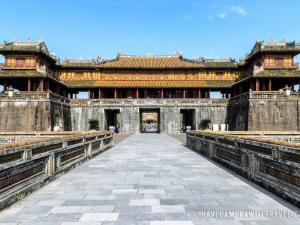
the history, traditions, buildings and objects that a country or society has had for many years and that are considered an important part of its character
Hue's Imperial City was listed as a Cultural World Heritage site by UNESCO in 1993.
Nel 1993 la Città Imperiale di Hue è stata inserita dall'UNESCO nella lista del patrimonio culturale mondiale.
SinonimilegacyinheritancetraditionbirthrightendowmentContraripresentmodernityinnovationconquista
the act of taking control of a country, city, etc. by force
The Norman conquest of England began in 1066.
La conquista normanna dell'Inghilterra iniziò nel 1066.
SinonimivictorytriumphsubjugationdefeatcapturedominationoverthrowContraridefeatfailuresurrenderlossyieldingretreatciviltà
a state of human society that is very developed and organized
The ancient Egyptians built one of the world's greatest civilizations.
Gli antichi Egizi costruirono una delle più grandi civiltà del mondo.
SinonimiculturesocietydevelopmentprogressrefinementContraribarbarismsavagerywildernessanarchyimperialismo
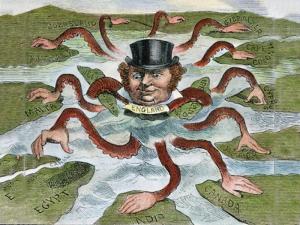
a system in which one country controls other countries, often after defeating them in a war
That was the age of imperialism.
Quella era l'epoca dell'imperialismo.
SinonimicolonialismexpansionismhegemonydominationContrariisolationismself-determinationindependencedecolonizationpropaganda
ideas or statements that may be false or present only one side of an argument that are used in order to gain support for a political leader, party, etc.
During the war, both governments used propaganda to turn public opinion against the enemy.
Durante la guerra, entrambi i governi usarono la propaganda per rivoltare l'opinione pubblica contro il nemico.
SinonimidisinformationpromotionpublicityindoctrinationrhetorichypespinContraritruthfacthonestyaccuracyarcheologia
the study of cultures of the past, and of periods of history by examining the parts of buildings and objects found in the ground
Archaeology helps us understand ancient civilizations.
L'archeologia ci aiuta a comprendere le civiltà antiche.
SinonimiexcavationanthropologypaleontologyContrarifuture studiesfuturologydiritti civili
the rights that every person in a society has, for example to be treated equally, to be able to vote, work, etc. whatever their sex, race or religion
The civil rights movement fought for equality for all people.
Il movimento per i diritti civili lottò per l'uguaglianza di tutte le persone.
Sinonimibasic rightshuman rightsconstitutional rightsequalitylibertiesContrarioppressiondiscriminationinequalitysubjugationtyrannyguerra fredda
a relationship between two countries who are not friendly but are not actually fighting each other, usually used about the situation between the US and the Soviet Union after the Second World War
The cold war dominated international politics for decades.
La guerra fredda ha dominato la politica internazionale per decenni.
Sinonimiideological strugglegeopolitical tensionContrarihot wardetentecolonialismo
the practice by which a powerful country controls another country or other countries
Colonialism had a lasting impact on the culture and economy of many nations.
Il colonialismo ha avuto un impatto duraturo sulla cultura e sull'economia di molte nazioni.
SinonimiimperialismoccupationdominationsubjugationhegemonyContrariindependenceself-governancesovereigntyfreedomdifesa
the act of protecting somebody/something from attack, criticism, etc.
The castle walls were built for defense against invaders.
Le mura del castello furono costruite per la difesa contro gli invasori.
SinonimiprotectionsafeguardshieldsecurityContrariattackoffensevulnerabilityilluminazione
knowledge about and understanding of something; the process of understanding something or making somebody understand it
The monk sought enlightenment through meditation.
Il monaco cercava l'illuminazione attraverso la meditazione.
SinonimiilluminationunderstandinginsightawakeningwisdomContrariignoranceconfusiondarknessmisunderstandingspionaggio
the activity of secretly getting important political or military information about another country or of finding out another company’s secrets by using spies
The government accused him of espionage.
Il governo lo ha accusato di spionaggio.
Sinonimispyingintelligence gatheringundercover workContrarihonestyopennesstransparencyfolclore, tradizioni popolari
the traditions and stories of a country or community
The local folklore tells tales of mythical creatures living in the forest.
Il folclore locale narra di creature mitiche che vivono nella foresta.
Sinonimifolk taleslegendsmythstraditionsoral historyContrarihistoryfactsciencegenealogia
the study of family history, including the study of who the ancestors of a particular person were
She researched her genealogy and discovered she was related to royalty.
Ha fatto ricerche sulla sua genealogia e ha scoperto di essere imparentata con la famiglia reale.
Sinonimiancestryfamily historylineagepedigreeContraridescendantfutureoffspringgenocidio
the murder of a large number of people from a particular nation or ethnic group, with the aim of destroying that nation or group
Genocide is a crime against humanity.
Il genocidio è un crimine contro l'umanità.
Sinonimimassacreethnic cleansingholocaustannihilationContraripeacecreationpreservationstoriografia
the study of writing about history
The professor specialized in the historiography of the French Revolution.
Il professore era specializzato nella storiografia della Rivoluzione francese.
SinonimiHistorical writingHistory writingHistorical methodologyContrariAhistoricismrivoluzione industriale
the period in the 18th and 19th centuries when machines began to be widely used and industry grew rapidly
The industrial revolution brought about significant changes in society.
La rivoluzione industriale portò cambiamenti significativi nella società.
Sinonimitechnological revolutionmanufacturing boomContrariagrarian agepre-industrial eraindustrializzazione
the process of developing industries in a country or an area
The country's rapid industrialization led to significant economic growth.
La rapida industrializzazione del Paese ha portato a una notevole crescita economica.
SinonimidevelopmentmodernizationmechanizationautomationContrarideindustrializationagrarianisminvasione
the act of an army entering another country by force in order to take control of it
The invasion of Normandy was a turning point in World War II.
L'invasione della Normandia fu una svolta nella Seconda guerra mondiale.
SinonimiattackraidincursionaggressionencroachmentContraridefenseretreatwithdrawalmobilitazione
preparations that bring together the people and weapons that will be needed in order for a country to fight a war
The government announced a mobilization of troops.
Il governo ha annunciato una mobilitazione delle truppe.
SinonimiactivationenlistmentassemblyrallyingContraridemobilizationdeactivationdischargedispersionnazionalismo
the desire by a group of people who share the same ethnic group, culture, language, etc. to form an independent country
Nationalism can be a powerful force for unity.
Il nazionalismo può essere una potente forza di unità.
SinonimipatriotismchauvinismjingoismContrariinternationalismglobalismricognizione
the activity of getting information about an area for military purposes, using soldiers, planes, etc.
The soldiers conducted a reconnaissance mission.
I soldati hanno condotto una missione di ricognizione.
SinonimisurveyexplorationscoutinginvestigationContrariignoranceneglectRinascimento
the period in Europe during the fourteenth, fifteenth and sixteenth centuries when people became interested in the ideas and culture of ancient Greece and Rome and used these influences in their own art, literature, etc.
The Renaissance was a period of great artistic and intellectual achievement.
Il Rinascimento fu un periodo di grandi conquiste artistiche e intellettuali.
SinonimirebirthrevivalreawakeningflourishingContrarideclinefalldark agesassedio
a military operation in which an army tries to capture a town by surrounding it and stopping the supply of food, etc. to the people inside
The city was under siege for months.
La città è rimasta sotto assedio per mesi.
SinonimiblockadeencirclementinvestmentContrariliberationrescuereliefcessate il fuoco, tregua
a time when enemies agree to stop fighting, usually while a way is found to end the fighting permanently
The two countries agreed to a ceasefire.
I due paesi hanno concordato un cessate il fuoco.
Sinonimitrucearmisticecessation of hostilitiesceasefire agreementContrariwarattackhostilitiesfightingguerra chimica
the use of poisonous gases and chemicals as weapons in a war
The use of chemical warfare is strictly prohibited by international treaties.
L'uso della guerra chimica è severamente vietato dai trattati internazionali.
Sinonimigerm warfarepoison gas warfarebiological warfareContrariconventional warfarehumanitarian effortspeacedi pace, di mantenimento della pace
intended to help stop people fighting and prevent war or violence in a place where this is likely
The UN is involved in peacekeeping efforts around the world.
L'ONU è impegnata in missioni di mantenimento della pace in tutto il mondo.
Sinonimipeacemakingconflict resolutionmediationconciliationContrariwarconflictaggressionhostilitylinguistica storica
the study of the history and development of languages
Historical linguistics traces the evolution of languages over time.
La linguistica storica ricostruisce l'evoluzione delle lingue nel tempo.
SinonimiDiachronic linguisticsEvolutionary linguisticsContrariSynchronic linguisticsin prima linea, di prima linea
in the most important or dangerous position; doing essential work that puts you at risk
The frontline workers risked their lives during the pandemic.
I lavoratori in prima linea hanno rischiato la vita durante la pandemia.
Sinonimiforefrontvanguardbattlefrontleading edgeContrarirearbackbehindalleati
Countries or people that have agreed to help and support each other, especially in a war.
The allies worked together to achieve their common goals.
Gli alleati hanno collaborato per raggiungere i loro obiettivi comuni.
SinonimipartnersconfederatesassociatescollaboratorsContrarienemiesopponentsadversariesantica Grecia
The civilization of Greece from about the 8th century BC until it became part of the Roman Empire.
Ancient Greece was the birthplace of democracy.
L'antica Grecia fu la culla della democrazia.
SinonimiClassical GreeceHellenic GreeceContrariModern Greeceantica Roma
The civilization based in the city of Rome that grew into a large empire, lasting from about 753 BC to AD 476.
Ancient Rome was a powerful civilization.
L'antica Roma era una civiltà potente.
SinonimiRome (historical)Roman EmpireContrariModern RomeContemporary Romesiti archeologici
Places where remains of past human life, such as buildings and objects, are found and studied.
The archaeological sites revealed ancient artifacts.
I siti archeologici hanno rivelato antichi manufatti.
Sinonimiexcavation siteshistorical sitesruinsheritage sitesContrarimodern constructionsnew developmentsartefatto
a feature on an image that is not part of the body, caused by movement, metal or the equipment
A metal artifact from his hip replacement hid part of the bladder.
Un artefatto metallico dovuto alla sua protesi d'anca nascondeva parte della vescica.
The dark line is probably an artifact, not a fracture.
SinonimirelicantiquecurioobjectContrarinatural objectguerriglia
Fighting by small, unofficial groups that make surprise attacks on a larger, regular army.
The rebels used guerrilla warfare tactics to fight the larger army.
I ribelli hanno usato tattiche di guerriglia per combattere l'esercito più numeroso.
Sinonimiinsurgencyresistancepartisan warfareasymmetric warfareContrariconventional warfareregular warfarecentro del patrimonio culturale
A building or place where people can learn about the history and traditions of an area or community.
We visited the heritage center to learn about the city's history.
Abbiamo visitato il centro del patrimonio culturale per conoscere la storia della città.
SinonimiCultural centerHistorical centerMuseumContrariModern developmentFuture centerconservazione del patrimonio
The work of protecting and repairing old buildings, places and objects that are important to a culture's history.
The city invested in a new initiative for heritage conservation.
La città ha investito in una nuova iniziativa per la conservazione del patrimonio.
SinonimiPreservationConservationSafeguardingContrariDestructionNeglectDemolitiontutela del patrimonio
The protection of historic buildings, sites, objects and traditions so that they survive for future generations.
The local council is dedicated to heritage preservation.
Il consiglio comunale si dedica alla tutela del patrimonio.
SinonimiConservationProtectionSafeguardingContrariDestructionNeglectDemolitionaccuratezza storica
The quality of showing past events, people or periods correctly and truthfully.
The film strives for historical accuracy.
Il film punta all'accuratezza storica.
SinonimiAuthenticityFidelityVeracityGenuinenessContrariInaccuracyFalsenessFictionDistortionanalisi storica
The careful study of past events and sources in order to understand and explain them.
Historical analysis reveals patterns in societal development.
L'analisi storica rivela schemi nello sviluppo della società.
SinonimiHistorical researchHistorical studyHistoriographyContrariFuture speculationPresent assessmentantropologia storica
The study of the cultures, customs and social lives of people in the past.
Historical anthropology studies past cultures and societies.
L'antropologia storica studia le culture e le società del passato.
SinonimiEthnologyCultural anthropologySocial anthropologyContrariNonearchitettura storica
Buildings and building styles from the past, especially ones that are considered important or interesting.
The city is famous for its historical architecture.
La città è famosa per la sua architettura storica.
Sinonimiheritage architectureancient buildingslandmark architectureContrarimodern architecturecontemporary designarte storica
Paintings, sculptures and other works of art created in past periods of history.
The museum displays historical art from the Roman Empire.
Il museo espone arte storica dell'Impero Romano.
SinonimiAntique artVintage artPeriod artContrariContemporary artModern artautenticità storica
The quality of being genuinely from a particular past period or truly representing it.
The museum strives to maintain the historical authenticity of its artifacts.
Il museo si impegna a mantenere l'autenticità storica dei suoi reperti.
SinonimiGenuinenessVeracityLegitimacyOriginalityContrariInauthenticityFalsenessSpuriousnessFictionbiografia storica
A written account of the life of an important person from the past.
The library had many shelves of historical biographies.
La biblioteca aveva molti scaffali di biografie storiche.
Sinonimibiographyhistorical accountlife storyContrarifictionfantasycontesto storico
The social, political and cultural situation of the time in which an event happened or something was created.
Understanding the historical context is crucial for interpreting this document.
Comprendere il contesto storico è fondamentale per interpretare questo documento.
Sinonimihistorical settinghistorical backgroundhistorical frameworkContrariahistoricalpresent-daycontemporarycostume storico
Clothes in the style worn by people during a particular period in the past.
She wore a beautiful historical costume to the event.
Indossava un bellissimo costume storico all'evento.
SinonimiPeriod costumeVintage attireTheatrical costumeContrariModern dressContemporary clothingCasual weardati storici
Information and figures collected about the past, often used to study changes or trends over time.
We analyzed the historical data to identify trends.
Abbiamo analizzato i dati storici per individuare le tendenze.
Sinonimipast dataarchival datalegacy dataContraricurrent datareal-time datafuture projectionsdocumentazione storica
Written records and other materials that provide evidence about past events.
The library preserves historical documentation dating back centuries.
La biblioteca conserva documentazione storica che risale a secoli fa.
Sinonimihistorical recordsarchival materialsprimary sourcesContrarispeculationconjecturefabricationdocumenti storici
Official papers, letters and records from the past that give information about history.
The library contains many historical documents.
La biblioteca contiene molti documenti storici.
Sinonimiarchival recordsancient textsprimary sourcesContraricontemporary recordsmodern documentsdramma storico
A play, film or television series about real or imagined events set in the past.
I enjoy watching historical dramas because they teach me about the past.
Mi piace guardare i drammi storici perché mi insegnano cose sul passato.
Sinonimiperiod dramahistorical fictionContrarifuturistic dramacontemporary dramaeducazione storica
The teaching and learning of history and of how past events shaped the present.
Historical education teaches us about the past.
L'educazione storica ci insegna il passato.
Sinonimihistory instructionpast studieshistorical studiesContrarifuture studiescurrent events educationeventi storici
Important things that happened in the past and are recorded as part of history.
The museum displayed artifacts from important historical events.
Il museo esponeva reperti di importanti eventi storici.
Sinonimihistoric occurrencespast eventslandmark eventsContrarifuture eventscurrent eventsnarrativa storica, romanzo storico
Novels and stories that are set in the past and often include real historical events or people.
She enjoys reading historical fiction because it brings the past to life.
Le piace leggere narrativa storica perché fa rivivere il passato.
Sinonimihistorical novelperiod fictionContraricontemporary fictionfuturistic fictionpersonaggi storici
Famous or important people who lived in the past.
Historical figures like Gandhi are studied in schools.
Personaggi storici come Gandhi vengono studiati a scuola.
SinonimiNotable people from historyHistorical personalitiesFigures from the pastContrariContemporary figuresModern individualsgeografia storica
The study of how places, landscapes and human activity in an area have changed over time.
Historical geography studies how people and places have changed over time.
La geografia storica studia come le persone e i luoghi sono cambiati nel tempo.
SinonimiPast geographyGeography of the pastContrariFuture geographyContemporary geographyindagine storica
The process of asking questions about the past and examining evidence to find answers.
Historical inquiry is crucial for understanding societal evolution.
L'indagine storica è fondamentale per comprendere l'evoluzione della società.
Sinonimihistorical researchhistorical investigationhistoriographyContrariahistorical studyspeculationinterpretazione storica
A particular way of explaining the meaning or causes of past events.
The historical interpretation of the event has changed over time.
L'interpretazione storica dell'evento è cambiata nel tempo.
SinonimiHistorical analysisHistorical perspectiveHistorical viewpointContrariAhistoricalNon-historicalUninterpreted historyricerca storica, indagine storica
A careful, detailed study of past events or periods to discover facts about them.
The historical investigation revealed new details about the ancient civilization.
L'indagine storica ha rivelato nuovi dettagli sull'antica civiltà.
Sinonimihistorical researcharchival investigationhistorical analysisContraripresent-day analysisfuturistic studyconoscenza storica
Information and understanding about past events, people and societies.
Historical knowledge is crucial for understanding current events.
La conoscenza storica è fondamentale per capire gli eventi attuali.
Sinonimihistorical awarenesshistorical understandingknowledge of historyContrariignorance of historyahistoricismmonumenti storici
Famous buildings, monuments or places that are important because of their connection with the past.
The city is known for its historical landmarks.
La città è nota per i suoi monumenti storici.
SinonimiHistoric sitesHeritage sitesHistorical monumentsContrariModern constructionContemporary buildingpaesaggi storici
Areas of land whose features show the influence of people and events in the past.
The tour included visits to several historical landscapes.
Il tour comprendeva la visita a diversi paesaggi storici.
SinonimiHeritage landscapesHistoric sitesCultural landscapesContrariModern landscapesContemporary sceneryletteratura storica
Books and other writing that describe or come from a particular period in the past.
Historical literature offers insights into past societies.
La letteratura storica offre spunti sulle società del passato.
SinonimiHistorical fictionPast writingsAncient textsContrariContemporary literatureModern writingscartografia storica
The process of making maps that show how an area looked or changed in the past.
Historical mapping helps us understand how landscapes have changed over time.
La cartografia storica ci aiuta a capire come sono cambiati i paesaggi nel tempo.
SinonimiHistorical cartographyPast mappingOld mappingContrariContemporary mappingModern mappingCurrent mappingmemoria storica
The way a group or society remembers and understands events from its past.
Historical memory shapes our understanding of the present.
La memoria storica plasma la nostra comprensione del presente.
Sinonimicollective memorypast knowledgeshared historyContrariamnesiaforgetfulnesshistorical ignorancenarrazione storica
A story or account that describes and explains a series of past events.
The historical narrative of the war was biased.
La narrazione storica della guerra era di parte.
SinonimiHistoryAccountChronicleStoryRecordContrariAhistoricalFictionMythprospettiva storica
A way of understanding something by considering how it developed in the past.
Understanding the war requires a historical perspective.
Per comprendere la guerra serve una prospettiva storica.
Sinonimihistorical contexthistorical viewpointpast significanceContrariahistoricalpresentismfilosofia della storia
The study of the nature, meaning and patterns of history and historical change.
Historical philosophy examines the evolution of ideas over time.
La filosofia della storia esamina l'evoluzione delle idee nel tempo.
SinonimiPhilosophy of historyHistory of ideasContrariAhistorical philosophySpeculative philosophydocumenti storici, archivi storici
Written documents and other evidence that give information about past events.
Historical records show the city was founded in the 18th century.
I documenti storici mostrano che la città fu fondata nel XVIII secolo.
SinonimiArchivesChroniclesAnnalsDocumentsContrariSpeculationConjectureGuessworkrievocazione storica
An event in which people dress up and act out a famous event from the past.
The museum held a historical reenactment of the Civil War battle.
Il museo ha organizzato una rievocazione storica della battaglia della Guerra Civile.
Sinonimiliving historyhistorical simulationhistorical performanceContrarimodern interpretationcontemporary performancericerca storica
Detailed study of sources and evidence to learn new facts about the past.
Historical research is crucial for understanding our past.
La ricerca storica è fondamentale per comprendere il nostro passato.
Sinonimihistoriographyarchival researchhistorical analysisContrarifuturismspeculationimportanza storica, significato storico
The importance of an event, person or place because of its effect on history.
The treaty holds historical significance for both nations.
Il trattato riveste un'importanza storica per entrambe le nazioni.
SinonimiHistoric importanceHistorical valueLegacyContrariInsignificanceUnimportancesito storico, luogo storico
A place where important events happened in the past or where old buildings remain.
The Colosseum is a famous historical site in Rome.
Il Colosseo è un famoso sito storico di Roma.
Sinonimihistoric landmarkheritage siteancient monumentContrarimodern constructionnew developmentsocietà storica
An organization that studies and preserves the history of a particular place.
The local historical society preserves artifacts from the town's past.
La società storica locale conserva reperti del passato della città.
SinonimiHistorical associationHeritage organizationContrariFuture societyModern associationfonti storiche
Documents, objects or records from the past that provide information about history.
Historians rely on historical sources to understand the past.
Gli storici si basano sulle fonti storiche per comprendere il passato.
Sinonimihistoric recordsarchival materialsprimary documentsContrarispeculationconjecturefabricationcronologia storica, linea del tempo
A list or diagram showing important historical events in the order in which they happened.
The historical timeline shows major events from the past.
La cronologia storica mostra i principali eventi del passato.
SinonimiChronologyHistorical recordTimelineContrariAhistoricalUntimedUnchronologicaltradizioni storiche
Customs and beliefs that have been passed down within a community over a long period of history.
The museum showcases historical traditions of the region.
Il museo espone le tradizioni storiche della regione.
SinonimiCultural heritageCustomary practicesAncestral customsContrariModern innovationsContemporary trendsaiuti umanitari
Food, medicine and other help given to people suffering because of war, disaster or poverty.
The organization provides humanitarian aid to refugees.
L'organizzazione fornisce aiuti umanitari ai rifugiati.
SinonimiReliefAssistanceCharityAidContrariExploitationNeglectHarmmonumenti
Buildings, statues or other structures built to remember a famous person or event, or that are historically important.
The city is known for its historical monuments.
La città è nota per i suoi monumenti storici.
SinonimimemorialsstatueslandmarksContraridestructiondemolitionguerra navale
Fighting between armed forces at sea, using ships and submarines.
Naval warfare played a crucial role in World War II.
La guerra navale ebbe un ruolo cruciale nella Seconda guerra mondiale.
SinonimiSea warMaritime warfareNaval combatContrariLand warfareGround wararmi nucleari
Extremely powerful bombs and missiles whose force comes from nuclear energy.
Nuclear weapons pose a significant threat to global security.
Le armi nucleari rappresentano una grave minaccia per la sicurezza globale.
SinonimiAtomic weaponsThermonuclear weaponsWeapons of mass destructionContrariConventional weaponsNon-nuclear weaponsstoria orale
The collection and study of historical information through recorded interviews with people who remember past events.
The museum exhibit included recordings of oral history interviews with veterans.
L'esposizione del museo comprendeva registrazioni di interviste di storia orale con i veterani.
SinonimiVerbal historySpoken historyTestimonial historyContrariWritten historyDocumented historyprigioniero di guerra
A person, usually a soldier, who is captured and kept in prison by the enemy during a war.
He was a POW for three years during the war.
È stato prigioniero di guerra per tre anni durante il conflitto.
SinonimicaptivedetaineeprisonerContrariliberatorrescuerfree personrifugiati, profughi
People who have been forced to leave their country because of war, danger or persecution.
Many refugees seek asylum in neighboring countries.
Molti rifugiati chiedono asilo nei paesi vicini.
SinonimiAsylum seekersDisplaced personsEvacueesExilesContrariCitizensNationalsResidentscrimini di guerra
Cruel acts committed during a war that break international laws, such as killing civilians.
The tribunal investigated alleged war crimes.
Il tribunale ha indagato sui presunti crimini di guerra.
Sinonimiatrocitieswar atrocitiescrimes against humanityContrariacts of peacehumanitarian aid