Bài 2/10 · 15 từ · đã thuộc 0
Nose and sinus anatomy
Giải phẫu mũi và xoang
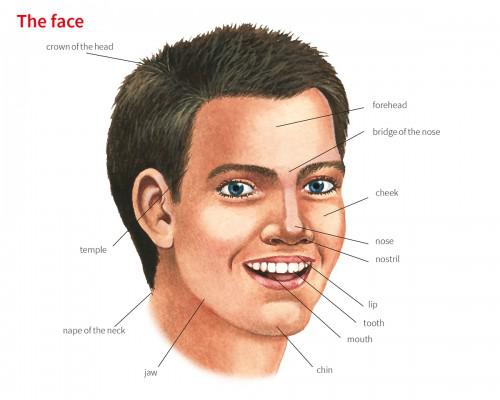
lỗ mũi
either of the two openings at the front of the nose through which air enters
The nosebleed started suddenly from the patient's left nostril.
Máu mũi đột ngột chảy ra từ lỗ mũi trái của bệnh nhân.
Pinch both nostrils together firmly for ten minutes to stop the bleeding.
Hãy bóp chặt hai cánh mũi trong mười phút để cầm máu.
Đồng nghĩanarenasal openingTrái nghĩaNonekhứu giác
the sense of smell
Nasal polyps can reduce olfaction by blocking airflow to the top of the nose.
Polyp mũi có thể làm giảm khứu giác do cản trở luồng khí lên phần trên hốc mũi.
Olfaction can be tested by asking the patient to identify common smells.
Có thể kiểm tra khứu giác bằng cách yêu cầu bệnh nhân nhận biết các mùi quen thuộc.
Đồng nghĩasmellsense of smellTrái nghĩadeafnessblindnessxoang, xoang cạnh mũi
one of the air-filled spaces in the bones of the face and skull that open into the nose
The CT scan showed that every sinus on the right side was blocked.
Phim CT cho thấy tất cả các xoang bên phải đều bị bít tắc.
The sinuses make the skull lighter and add resonance to the voice.
Các xoang giúp hộp sọ nhẹ hơn và tạo độ vang cho giọng nói.
Đồng nghĩanasal cavityparanasal sinusTrái nghĩanoneVA, hạnh nhân vòm
a mass of lymphoid tissue at the back of the nose, in the nasopharynx, that is largest in young children
Large adenoids can cause snoring and mouth breathing in children.
VA to có thể gây ngáy và thở bằng miệng ở trẻ em.
The adenoids usually shrink by the teenage years.
VA thường teo nhỏ dần đến tuổi thiếu niên.
Đồng nghĩapharyngeal tonsilshốc mũi, khoang mũi
the air-filled space inside the nose, divided into two halves by the septum, that warms and filters air
The endoscope was passed gently into the nasal cavity.
Ống nội soi được đưa nhẹ nhàng vào hốc mũi.
Large polyps filled the nasal cavity and blocked her breathing.
Các polyp lớn lấp đầy hốc mũi và làm bà ấy khó thở.
Đồng nghĩaNasal passageNose cavityTrái nghĩaLungTracheavách ngăn mũi
the wall of cartilage and bone that divides the nasal cavity into left and right sides
A deviated nasal septum can block one side of the nose.
Vách ngăn mũi bị lệch có thể làm tắc một bên mũi.
Most nosebleeds come from blood vessels at the front of the nasal septum.
Phần lớn chảy máu mũi xuất phát từ các mạch máu ở phía trước vách ngăn.
Đồng nghĩaNasal wallSeptum of noseTrái nghĩaNonevòm họng, họng mũi
the upper part of the throat behind the nose, above the soft palate
The nasopharynx is examined with an endoscope passed through the nose.
Vòm họng được khám bằng ống nội soi đưa qua đường mũi.
Enlarged adenoids can block the nasopharynx in children.
VA quá phát có thể làm bít vòm họng ở trẻ em.
Đồng nghĩaupper pharynxrhinopharynxTrái nghĩaoropharynxlaryngopharynxcuốn mũi
one of the curved bony ridges covered with mucosa on the side wall of the nose that warm and moisten air
The inferior turbinates looked swollen and pale on examination.
Khi khám, các cuốn mũi dưới trông phù nề và nhợt nhạt.
Enlarged turbinates are a common cause of a blocked nose.
Cuốn mũi phì đại là nguyên nhân thường gặp gây ngạt mũi.
niêm mạc mũi
the moist lining of the inside of the nose, which produces mucus and traps dust and germs
In allergic rhinitis, the nasal mucosa is often pale and swollen.
Trong viêm mũi dị ứng, niêm mạc mũi thường nhợt và phù nề.
Overuse of decongestant sprays can damage the nasal mucosa.
Lạm dụng thuốc xịt co mạch có thể làm tổn thương niêm mạc mũi.
xoang hàm
the largest sinus, located in the cheekbone on each side of the nose
An infected upper tooth can spread infection to the maxillary sinus.
Răng hàm trên bị nhiễm trùng có thể lan nhiễm trùng sang xoang hàm.
The CT scan showed a fluid level in the left maxillary sinus.
Phim CT cho thấy mức dịch trong xoang hàm trái.
xoang trán
a sinus in the forehead bone, just above the eyes
Frontal sinusitis causes pain and pressure in the forehead.
Viêm xoang trán gây đau và cảm giác nặng ở vùng trán.
The frontal sinus usually develops fully by the late teenage years.
Xoang trán thường phát triển hoàn chỉnh vào cuối tuổi thiếu niên.
xoang sàng
a group of small air cells in the bone between the nose and the eyes
Infection in the ethmoid sinuses can spread to the eye socket.
Nhiễm trùng xoang sàng có thể lan vào hốc mắt.
During surgery, the ethmoid sinus cells were opened to improve drainage.
Trong lúc mổ, các tế bào xoang sàng được mở ra để cải thiện dẫn lưu.
xoang bướm
a sinus deep in the skull behind the nose, close to the pituitary gland and the optic nerves
The sphenoid sinus lies close to the optic nerves and carotid arteries.
Xoang bướm nằm gần dây thần kinh thị giác và động mạch cảnh.
Surgeons can reach the pituitary gland through the sphenoid sinus.
Phẫu thuật viên có thể tiếp cận tuyến yên qua xoang bướm.
phức hợp lỗ ngách
the narrow drainage area in the middle meatus where the frontal, maxillary and anterior ethmoid sinuses drain
Blockage of the ostiomeatal complex is a key cause of chronic sinusitis.
Bít tắc phức hợp lỗ ngách là nguyên nhân chính gây viêm xoang mạn tính.
Endoscopic sinus surgery aims to reopen the ostiomeatal complex.
Phẫu thuật nội soi xoang nhằm mở thông lại phức hợp lỗ ngách.
cửa mũi sau
the two openings at the back of the nasal cavity that lead into the nasopharynx
The endoscope was advanced through the choanae into the nasopharynx.
Ống nội soi được đưa qua cửa mũi sau vào vòm họng.
In choanal atresia, one or both choanae are blocked at birth.
Trong tịt cửa mũi sau, một hoặc cả hai cửa mũi sau bị bít từ khi sinh.