Lección 10/10 · 21 palabras · 0 aprendidas
Nursing care
Cuidados de enfermería
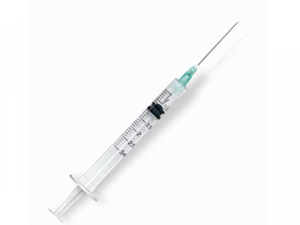
inyección
putting a medicine or other liquid into the body using a needle and syringe
The nurse gave him an injection of painkiller in the arm.
La enfermera le puso una inyección de analgésico en el brazo.
Insulin injections are given under the skin of the abdomen.
SinónimosshotjabinoculationvaccinationAntónimosoral medicationtopical treatmentcómodo, chata, bacinica
a container used as a toilet by a patient who cannot get out of bed
The nurse helped the elderly patient onto the bedpan.
La enfermera ayudó al paciente anciano a colocarse sobre la chata.
Bedpans must be cleaned and disinfected after each use.
Sinónimosinvalid panchamber potAntónimostoiletcommodecánula, catéter intravenoso
a thin plastic tube put into a vein so that fluids or medicines can be given
A cannula was inserted into the back of her hand.
Se le colocó una cánula en el dorso de la mano.
Replace the cannula if the site becomes red or painful.
SinónimostubecatheterdrainAntónimosNonecatéter, sonda
a thin flexible tube put into the body, especially into the bladder to drain urine
A urinary catheter was inserted to measure his urine output.
Se le colocó una sonda urinaria para medir su diuresis.
Remove the catheter as soon as it is no longer needed to prevent infection.
SinónimostubeprobecannulaAntónimosNoneEPP, equipo de protección personal
personal protective equipment: gloves, masks, gowns and other items that protect health workers from infection
Staff must wear full PPE when caring for patients with tuberculosis.
El personal debe usar el EPP completo al atender a pacientes con tuberculosis.
Remove PPE carefully to avoid contaminating your hands.
Sinónimosprotective gearsafety equipmentAntónimosunprotectedexposedhigiene de manos
cleaning the hands with soap and water or an alcohol hand rub to remove germs
Hand hygiene is the most effective way to prevent hospital infections.
La higiene de manos es la forma más eficaz de prevenir las infecciones hospitalarias.
Perform hand hygiene before and after touching each patient.
SinónimosHand washingHand sanitizationAntónimosHand contaminationPoor hygienecontrol de infecciones, prevención y control de infecciones
the measures used in healthcare to prevent infections spreading between patients and staff
The infection control team investigates every case of hospital-acquired infection.
El equipo de control de infecciones investiga cada caso de infección intrahospitalaria.
Strict infection control is needed in the isolation ward.
Sinónimosdisease controlasepsishygiene managementAntónimosdisease spreadcontaminationcuidados de enfermería, atención de enfermería
the professional care nurses give to patients, including monitoring, treatment and help with daily needs
Patients who have had a stroke often need round-the-clock nursing care.
Los pacientes que han sufrido un accidente cerebrovascular suelen necesitar cuidados de enfermería las 24 horas.
The quality of nursing care strongly affects patient recovery.
pase de visita, ronda médica
a regular visit by doctors and nurses to each patient on a ward to review progress and plan care
The morning ward round starts at eight o'clock.
El pase de visita de la mañana comienza a las ocho.
Changes to treatment were decided during the ward round.
entrega de turno, relevo de turno
passing information and responsibility for patients from one shift or team to the next
Every nurse attends the shift handover at seven in the morning and evening.
Todo el personal de enfermería asiste a la entrega de turno a las siete de la mañana y de la tarde.
A clear handover reduces the risk of medication errors.
infusión intravenosa, venoclisis
the slow delivery of fluid or medicine directly into a vein through a drip
The nurse set up an IV infusion of normal saline.
La enfermera preparó una infusión intravenosa de solución salina normal.
Check the IV infusion site regularly for swelling or redness.
sonda nasogástrica
a tube passed through the nose into the stomach to give food or medicine or to remove stomach contents
A nasogastric tube was placed because he could not swallow safely.
Se colocó una sonda nasogástrica porque no podía tragar de forma segura.
Check the position of the nasogastric tube before each feed.
cuidado de heridas, curación de heridas
the cleaning, dressing and monitoring of a wound to prevent infection and help healing
Good wound care reduces the risk of surgical site infection.
Un buen cuidado de las heridas reduce el riesgo de infección del sitio quirúrgico.
The nurse taught her how to do wound care at home.
úlcera por presión, escara
damage to the skin and tissue caused by long pressure on one area, common in bedridden patients; a bedsore
Turn bedridden patients every two hours to prevent pressure ulcers.
Cambie de posición a los pacientes encamados cada dos horas para prevenir las úlceras por presión.
A pressure ulcer developed on his lower back after two weeks in bed.
balance hídrico, balance de líquidos
the difference between the fluid a patient takes in and the fluid lost, recorded to avoid dehydration or overload
Record all drinks and urine output on the fluid balance chart.
Anote todas las bebidas y la diuresis en la hoja de balance hídrico.
A positive fluid balance may worsen heart failure.
baño en cama, baño de esponja
washing a patient who cannot get out of bed, usually done by a nurse or caregiver
Nurses give a bed bath to patients in the ICU every morning.
Los enfermeros dan un baño en cama a los pacientes de la UCI todas las mañanas.
Check the skin for redness during the bed bath.
técnica aséptica, asepsia
a set of procedures used to prevent germs from entering the body during medical procedures
Use aseptic technique when changing a central line dressing.
Use técnica aséptica al cambiar el apósito de un catéter venoso central.
Aseptic technique reduces the risk of infection after procedures.
prevención de caídas
actions taken to reduce the risk of patients falling and injuring themselves in hospital
Elderly patients are assessed for fall risk and fall prevention on admission.
A los pacientes de edad avanzada se les evalúa el riesgo de caídas y la prevención de caídas al ingreso.
Bed rails and non-slip socks are part of our fall prevention program.
higiene personal, aseo personal
keeping the body clean, including washing, mouth care and changing clothes, to stay healthy
Nurses help dependent patients with their personal hygiene.
Los enfermeros ayudan con la higiene personal a los pacientes dependientes.
Poor personal hygiene increases the risk of skin infections.